What Does Purple Shampoo Do? A Complete Guide for Gorgeous, Brass-Free Hair
What does purple shampoo do? It neutralizes unwanted brassy or yellow tones in light-colored hair.
The purple pigment cancels out yellows, keeping your blonde or gray hair looking fresh and bright. This works because purple sits opposite yellow on the color wheel, balancing out those warm shades.
Start by putting purple shampoo on damp hair. Let it sit for two to five minutes. Rinse thoroughly after that time.
The exact time depends on your hair color and brassiness level. New to purple shampoo?
Leave it on for about two or three minutes. This helps stop over-toning.
Use purple shampoo once a week for low porosity hair. For damaged or bleached hair, do it every one to two weeks.
Overuse can dry hair or cause a purple shade. Wait 48 to 72 hours after bleaching before trying purple shampoo to avoid irritation.
Key Takeaways
- Apply purple shampoo to wet hair and leave it for 2 to 5 minutes before rinsing.
- Use purple shampoo once a week on low porosity hair. For damaged hair, use it every one or two weeks.
- Let platinum, silver, or white hair absorb purple shampoo for 1 to 3 minutes only.
- Wait between 48 and 72 hours after bleaching before applying purple shampoo. This helps protect your scalp and hair.
- New to purple shampoo? Start with two to three minutes. This prevents your hair from over-toning.
- Avoid daily use to prevent dryness or an unwanted purple hue.
What Does Purple Shampoo Do to Your Hair?
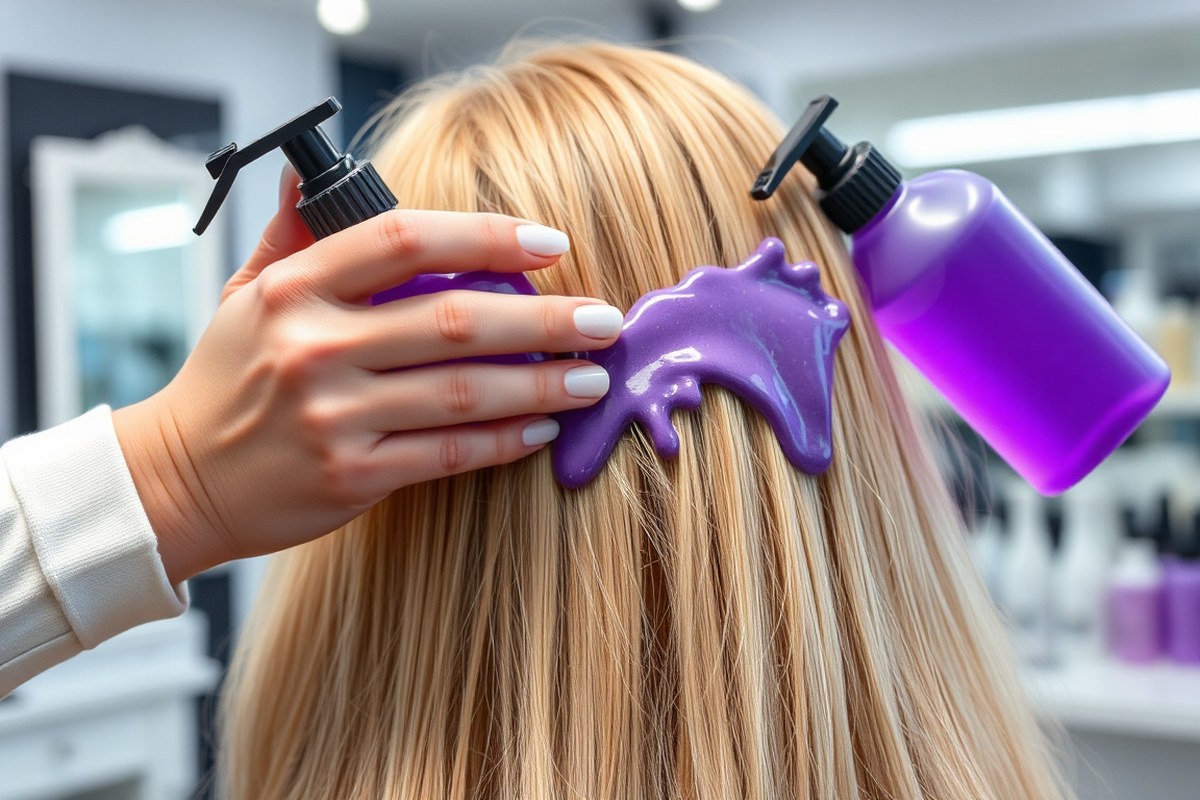
Purple shampoo has violet pigments that reduce yellow and brassy tones. These pigments add a cool shade to blonde, silver, or gray hair. It helps lower warm, golden colors that appear over time.
People mainly use purple shampoo on blonde, platinum, silver, or lightened hair. Hair colors like blonde or gray often turn yellow or brassy. This happens due to sun exposure, heat styling, or product buildup.
These factors change the hair tone over time. Purple shampoo helps keep these shades looking fresh, bright, and cool between salon visits.
Brassiness means unwanted warm tones like yellow or orange showing up in your hair. Yellow tones look dull or sunflower yellow, while brassiness feels more orange or golden. Purple shampoo targets primarily the yellow side of this spectrum by neutralizing those shades.
This shampoo doesn’t lighten your hair but neutralizes unwanted colors by adding violet pigment. It won’t make your blonde brighter by removing pigment but will reduce the yellow glow. That’s why purple shampoo is a toning cleanser, not a bleach or lightener.
Purple shampoo cools yellow tones in light brown or highlighted hair. It helps keep your hair color looking fresh and bright.
It is less effective on orange or red undertones, which need blue shampoo instead. For example, purple shampoo works on bronde hair but not on medium or dark brunettes.
You usually apply purple shampoo once or twice a week to avoid over-depositing pigment. Leaving it on for about 2 to 5 minutes is common, depending on product strength. Stronger brands may require shorter application times to avoid a slight purple tint.
Prices for purple shampoo range from budget options around $6 to luxury products near $44. Choose a product based on your hair’s dryness, brassiness level, and whether you want sulfate-free formulas. Use moisturizing shampoos to keep your hair soft and healthy.
Add purple shampoo only when your hair needs toning. This mix helps maintain your hair’s look and feel.
How Does Purple Shampoo Neutralize Brassiness and Yellow Tones?

Purple shampoo works by using purple pigments that settle on your hair strands. These pigments are opposite yellow on the color wheel.
So they cancel out yellow and brassy tones. This process restores your hair’s cooler, brighter look without changing its base color.
The shampoo deposits violet pigment temporarily on the hair shaft. It does not lighten your hair like bleach or dye. It masks yellow and orange pigments in lightened or blonde hair.
These pigments appear after fading or sun exposure. The shampoo helps cover these brassy tones.
When your hair is lightened, natural pigments are stripped away. Warm undertones like yellow or orange become more visible. The purple pigment found in the shampoo balances these warm pigments through this color cancellation method.
Hair porosity and condition affect how well the purple pigment deposits and stays. More porous hair absorbs more pigment, which can make the toner stronger or last longer. Damaged hair takes pigment differently than healthy hair, which might lead to uneven toning.
Regular shampooing first removes product buildup and oils on your hair. This cleaning helps the purple pigment work efficiently by reaching the yellow tones directly. Without clean strands, the toner might not evenly neutralize brassiness or yellow hues.
Apply purple shampoo to damp hair for best results. Leave it on for 2 to 5 minutes. This avoids purple stains and tones hair well.
How to Use Purple Shampoo Correctly for Best Results
Use purple shampoo once a week or every 1, 2 weeks if your hair is porous. Leave it on 2 to 5 minutes depending on your hair’s shade and condition. Rinse thoroughly and follow with a purple conditioner or deep moisturizer to avoid dryness.
Choosing the Right Purple Shampoo for Your Hair Type
Pick a purple shampoo made for your specific hair color, like blonde, gray, or bleached hair. Look for gentle, sulfate-free formulas if your hair feels dry or damaged. Shampoos with more violet pigment fight tough brassiness better.
They may dry fragile hair faster. Use them carefully to avoid dryness.
For bleached or porous hair, choose a shampoo designed to cleanse and tone without stripping moisture. Some formulas include hydrating ingredients or have a milder color deposit to prevent over-toning. Avoid daily use unless the label says it’s a mild, tone-improving shampoo.
Applying and Timing Purple Shampoo Based on Hair Shade
Do a patch test first. Leave purple shampoo on for 2 to 3 minutes. This is best for your first use.
For darker blonde or less porous hair, leave shampoo on up to 5 minutes. Use purple shampoo once every 1 or 2 weeks on bleached, porous hair. This helps prevent dryness and gray cast.
Use purple shampoo only once or twice a week for natural blonde hair with low porosity. Using purple shampoo too often or too long can dull hair. It might also add a slight purple tint.
Change how long you leave it based on your hair’s reaction. Don’t use purple shampoo daily unless the product says it’s safe.
Here’s a simple step-by-step purple shampoo routine:
- Wet your hair thoroughly with lukewarm water.
- Apply purple shampoo evenly to your hair, focusing on brassy areas.
- Massage gently to create a lather without rubbing harshly.
- Leave it on for 2 to 5 minutes based on your hair’s shade and porosity.
- Rinse your hair thoroughly with lukewarm water until water runs clear.
- Apply a purple conditioner or a deep moisturizer to replenish moisture.
- Rinse conditioner out after the recommended time on its label.
Rinsing and Follow-Up Conditioning Tips
Rinse your hair well to remove all shampoo residue. Leaving any purple pigment behind may cause an unwanted dull or purple tint. Use lukewarm water to rinse, not hot, to avoid drying your hair.
Follow up with a purple conditioner or a hydrating treatment to soothe and soften your hair. Purple conditioners can be used more often, sometimes every wash.
They help keep hair soft and avoid dryness. Conditioning also balances the cleansing effect of purple shampoo and helps maintain healthy hair texture.
When and Why You Should Avoid Purple Shampoo
Purple shampoo is not for everyone or every hair condition. You should avoid it if your hair is very dark. Don’t use it if you want to keep warm tones.
These tones will fade with this shampoo. Using it on such hair can result in an unwanted dull or cool tint. Also, if your scalp feels itchy or you notice redness, stop using purple shampoo right away.
These could be signs of an allergic reaction or sensitivity. Rinse your hair thoroughly to remove any leftover product if this happens.
Frequent use of purple shampoo can make hair dry. It may also feel rough to the touch. This happens more if your hair is brittle or damaged.
Some hairdressers suggest limiting it to once or twice a week. Overusing purple shampoo might leave a slight purple residue or make your hair look ashy. It’s best to follow the brand’s instructions closely to avoid these issues.
- Avoid purple shampoo on very dark, untreated hair
- Stop use immediately if you get scalp irritation or rash
- Use purple shampoo 1, 2 times a week, not daily
- Limit leave-in time to 1, 3 minutes for light hair
- Rinse well to prevent purple color buildup
- Don’t use purple shampoo as a replacement for deep conditioning
Some formulas are stronger than others, so test a small section before full use. For very pale hair like platinum or silver, use it briefly. Let it sit for only 1 to 3 minutes.
This gives quick results without over-processing. Thick or healthy hair might handle purple shampoo more often.
Still, keep an eye on your hair’s feel and look to avoid unwanted dryness. When used properly, purple shampoo won’t damage your hair but can help maintain your color.
How Purple Shampoo Works on Different Hair Colors
Purple shampoo tones brassiness and yellow tones differently depending on your hair color. It’s most effective on blonde, gray, and silver hair shades. Brown, red, and highlighted hair show mixed results.
Results vary by hair color type. Knowing what to expect helps you use it right and avoid unwanted colours or dullness.
Purple Shampoo for Blonde and Platinum Hair
Purple shampoo works best on blonde and platinum hair by neutralizing yellow and brassy tones. Use it two to three times a week for best results. This keeps your blonde soft and natural.
It also prevents daily fading. Apply purple shampoo to wet hair for best toning.
Leave it on for 3 to 5 minutes. Then rinse thoroughly for best effect.
For fully bleached hair, purple shampoo won’t change your colour permanently. Instead, it refreshes the brightness and removes dull yellow hues. Deeper purple formulas, approaching indigo, suit very light blondes or platinum hair for stronger toning effects.
Results on Gray and Silver Hair
Gray and silver hair respond well to purple shampoo by cancelling out unwanted yellowness. Using it once a week improves shine and natural color. It stops your hair from looking dull or yellow.
Use regularly to keep color fresh. Some purple shampoos for silver hair have darker purple tones.
These boost the toning effect stronger. They help gray hair look richer.
Massage purple shampoo into wet gray hair gently. Let it sit for 3 to 5 minutes. This allows the toner to work well.
Rinse off shampoo to reveal cooler, cleaner tones. Your silver strands look brighter without harsh chemicals. This keeps hair healthy and shiny.
Using Purple Shampoo on Brown and Highlighted Hair
Purple shampoo works on brown hair with warm highlights. It helps tone brassy balayage, bronde, or highlighted sections. It does not affect solid dark hair.
It won’t change natural dark brown or red hair. But it reduces golden warmth or orange tones in light areas.
This keeps highlights balanced. The result is a more balanced and polished appearance.
Purple shampoo tones highlights, balayage, or ombre sections well. It does not affect darker roots or natural hair.
This avoids uneven color buildup. Use it two to three times weekly on highlighted areas to maintain cooler tones without over-drying.
Here’s a quick comparison table to help decide how purple shampoo affects different hair types:
| Hair Color | Effectiveness | Recommended Frequency | Typical Result |
|---|---|---|---|
| Natural Blonde | High | 2-3 times per week | Soft, natural blonde with less brassiness |
| Platinum/Light Blonde | Very High | 2-3 times per week | Bright, cool-toned platinum shades |
| Gray/Silver | High | At least once per week | Shimmery, yellow-free silver tones |
| Brown (with highlights/balayage) | Medium | 2-3 times per week on lightened parts | Reduced golden warmth on highlights |
| Natural Brown | Low | Not usually recommended | Little to no tone change |
| Red Hair | Low | Not recommended | No effect, can dull vibrancy |
Purple shampoo works best for people aiming to tone cool shades or lighten brassy highlights. People with natural brown or red hair see little benefit. Using it might actually dull their hair color.
It’s best for lightened or gray hair. Stick to the recommended times to avoid over-toning.
Only apply purple shampoo to lightened or gray areas. Avoid putting it on roots to prevent buildup. This keeps color looking natural and fresh.
Purple Shampoo vs. Blue Shampoo: Which Should You Use?
Purple and blue shampoos have different tones that suit various hair colors. Purple shampoo targets yellow and brassy tones, common in blonde, gray, and silver hair. Blue shampoo mainly neutralizes orange tones often found in darker blondes and brunettes.
Choosing the right shampoo depends on your hair’s undertones. Purple shampoo works best for cancelling out yellowness. Blue shampoo tackles stronger orange hues.
Using the wrong toner can leave your hair with a tint. This might be purple, pink, or blue. Always pick the right shade for your hair color.
| Feature | Purple Shampoo | Blue Shampoo |
|---|---|---|
| Primary pigment | Violet pigment (crushed violet hues) | Blue pigment |
| Neutralizes | Yellow and brassy tones | Orange tones |
| Best hair colors | Blonde, gray, silver, bleached, and light hair | Dark blondes, brunettes with orange tones |
| Common use case | Reduce brassiness in light hair | Restore richness in darker hair |
| Possible side effect if overused | Purple, pink, or blue tint | Blue tint (less common) |
| Frequency for low porosity hair | 1, 2 times per week | Varies; generally similar frequency |
These shampoos are not interchangeable because they cancel out different unwanted tones. Applying blue shampoo on yellow brassy hair won’t remove yellow as effectively. Purple shampoo can sometimes help with warm tones on darker hair but may not handle orange.
For orange tones, blue shampoo works better. Orange or yellow tones can stick around sometimes. You might need toner instead of just using shampoo.
Use toning shampoo only a few times per week. Watch your hair color so you avoid unwanted tints.
Common Mistakes with Purple Shampoo and How to Fix Them
Leaving purple shampoo on too long can turn your hair purple or grayish. Most brands suggest leaving it on no more than 3 to 5 minutes for normal use. Wash the shampoo out sooner next time if your hair feels dry.
Overuse can cause buildup, making hair feel heavy or coated. Use purple shampoo once or twice a week. This keeps brassiness down.
It also helps avoid hair damage. Switch to regular shampoo more often when purple tones last too long.
Dryness isn’t always caused by purple shampoo itself. Some formulas have sulfates that strip natural oils.
Try a sulfate-free shampoo first, then use purple shampoo for only a short time. Follow up with conditioner or a deep conditioning mask to replace moisture.
To fix or avoid over-toned purple hair or dryness, try these tips:
- Rinse purple shampoo thoroughly using lukewarm water
- Cut purple shampoo application time by half if hair is porous
- Use a matching purple conditioner or a moisturizing conditioner after shampoo
- Apply deep conditioning treatments once a week to restore softness
- Alternate purple shampoo with a gentle, regular shampoo
- Only use purple shampoo on dry or damp hair, not soaking wet
- Follow product label instructions for best timing and frequency
Porous hair soaks up toner faster. This makes over-toning easy. Adjust time accordingly and always rinse quickly.
Conditioning well after purple shampoo helps protect hair and keeps it soft. This prevents damage like rough texture or breakage.
Good results mean your hair stays bright, cool-toned, and soft. Watch for signs like purple streaks or dry spots and adjust use. A little care keeps your hair color fresh without risking damage or buildup.
Integrating Purple Shampoo into Your Hair Care Routine
Use purple shampoo with a purple conditioner or mask for best results. Purple shampoo tones brassiness but can dry out hair, so follow with moisturizing products. Timing and frequency depend on your hair type and color maintenance needs.
Using Purple Conditioner and Hair Masks
Purple conditioner contains violet pigments but is gentler than shampoo. It nourishes hair and keeps brass tones away by staying longer on strands. Using a purple toning hair mask once a week helps a lot.
It deeply hydrates bleached or highlighted hair. The mask also repairs damage from bleaching or highlights.
Combine a purple conditioner or mask with your purple shampoo routine to prevent dryness. These products provide moisture and maintain tone without stripping color. Using them after shampoo balances toning and hydration for healthier hair.
Hydration Tips After Toner Shampoo
Purple shampoo can cause dryness because it often contains sulfates. Always follow with a rich moisturizing conditioner or hair mask designed for color-treated hair. Focus on mid-length to ends to avoid weighing down roots.
Use hydrating products that restore moisture and smooth damaged cuticles. Ingredients like keratin, argan oil, and shea butter help repair and seal hair. Applying a leave-in conditioner or oil after washing also locks in hydration.
Alternate purple shampoo with your regular shampoo 1, 2 times per week. Overusing purple shampoo can lead to dryness or a slight purple tint. Adjust based on how dry or porous your hair feels after washing.
When to Seek Professional Color Advice
Consult a professional stylist if you’re unsure how often to use purple shampoo. They can assess your hair’s porosity and underlying pigments to tailor a toning routine. Professionals can also recommend salon-quality purple products suited to your hair.
Get expert advice before adding chemical toners or using purple shampoo on previously damaged hair. A stylist can help avoid over-toning or color imbalance. Visit before your next salon appointment for maintenance tips and product suggestions.
- Choose a purple shampoo formulated for your hair type.
- Wash hair with purple shampoo once or twice weekly.
- Rinse thoroughly to prevent residue buildup.
- Apply purple conditioner from mid-length to ends.
- Leave conditioner on for 2 to 5 minutes before rinsing.
- Use a purple toning mask weekly for extra hydration.
- Follow with a leave-in conditioner or hair oil.
- Adjust use based on hair dryness or brassiness.
Using purple shampoo too often can dry hair and cause dullness. Balance it with conditioners and masks for softness.
Step-by-Step Action Plan for Using Purple Shampoo
Follow these steps to get the best results from purple shampoo without damage or mess.
- Before You Start: Check your hair type and color to confirm purple shampoo suits you. Avoid if hair is very dry or warm-toned.
- Day 1: Wet your hair thoroughly with lukewarm water. Apply purple shampoo evenly, focusing on brassy areas.
- After 3 Minutes: Rinse shampoo out and check if brassiness has lessened. Stop here if hair looks balanced.
- Week 1: Use purple shampoo once or twice a week. Overuse causes purple stains or dryness.
- After 2 Weeks: Assess brassiness and hair condition. Adjust frequency if hair feels drier or color looks off.
- After Washing: Follow with a moisturizing conditioner or mask to seal moisture. This prevents dryness from the violet pigments.
- Continuous Care: Avoid daily use and protect hair from heat styling. Use purple shampoo only when brassiness returns.
Frequently Asked Questions
Why Do Hairdressers Say Not to Use Purple Shampoo?
Some hairdressers warn against overusing purple shampoo because it can dry out hair. Using purple shampoo too often may make your hair brittle.
This is worse if your hair is already damaged or porous. Limit how often you use it to protect your hair.
Is Purple Shampoo Really Necessary?
Purple shampoo isn’t necessary for everyone. It helps keep blonde and gray hair from turning yellow.
Use it if you want to reduce brassiness. Using it occasionally can maintain color and brightness better than regular shampoo.
When Should You Not Use Purple Shampoo?
Skip purple shampoo if your hair is very dark. Also avoid it if your blonde is fresh and cool-toned.
It can change the color unwantedly. Also, skip it if your hair feels dry or fragile right now to prevent more damage.
Is Purple Shampoo Damaging to Hair?
Purple shampoo can dry hair when used too frequently because of its pigment and cleaning strength. Use conditioner after purple shampoo to protect your hair.
Limit purple shampoo use to once or twice a week. This helps keep your hair healthy.
What Does Purple Shampoo Do?
Purple shampoo deposits violet pigment to neutralize brassiness in light hair. It cancels yellow tones, making blond, gray, and silver hair look cooler and brighter.
Can You Use Purple Shampoo Every Day?
Daily use risks drying and over-toning your hair. So stick to once or twice a week.
Key Points to Remember
Purple shampoo tones down yellow and orange shades in light hair. It’s a useful tool if you keep an eye on how often you use it. Try it now and watch your hair tone brighten without turning purple or dry.