
How to Heal Dry Scalp Fast: 8 Proven Treatments and Care Tips
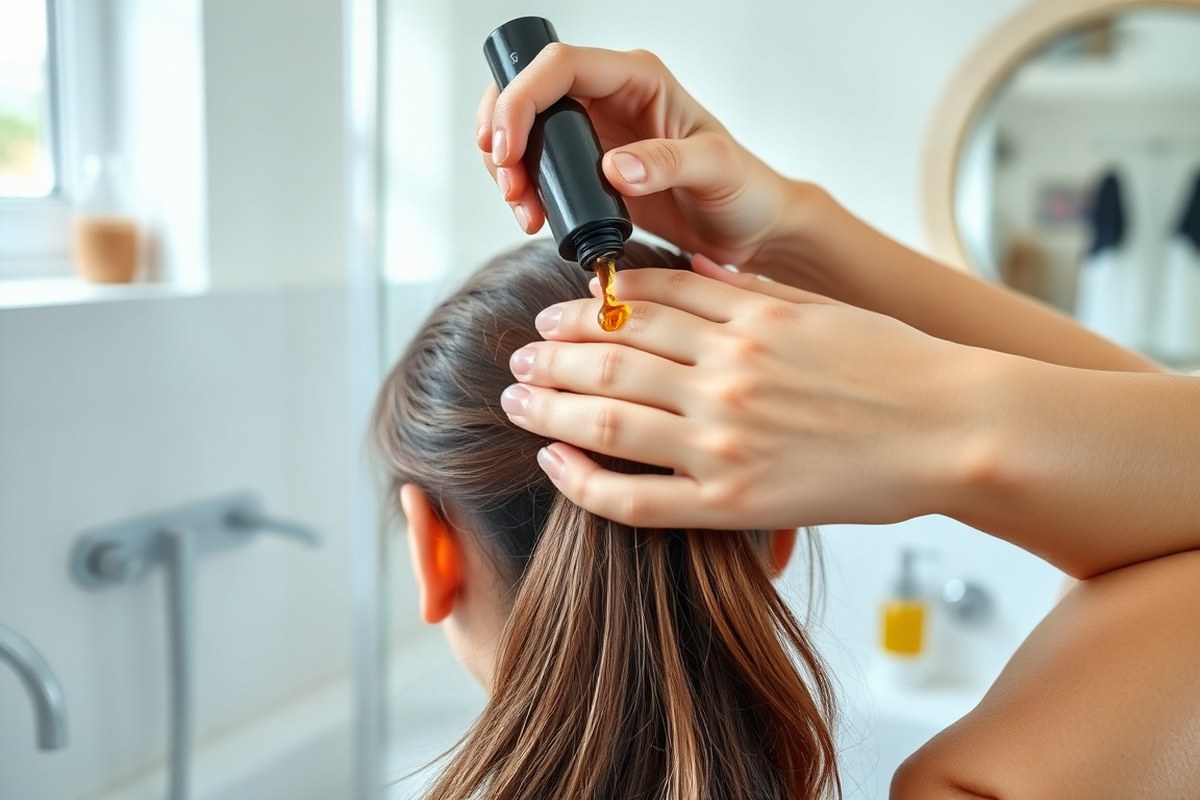
Learning how to heal dry scalp quickly means using the right treatments fast. Start by applying a gentle scalp serum or oil to soothe itching and flaking. These products help restore moisture and calm irritation within a few days.
You should also avoid harsh shampoos that strip natural oils from your scalp. Instead, pick shampoos made for dry scalp and use them 2-3 times a week. Massaging your scalp gently while applying treatments improves blood flow and absorption.
Watch for signs your scalp isn’t healing, like continuous itchiness or increased flaking. If symptoms last more than 2-4 weeks despite care, a dermatologist’s help may be necessary. Early, consistent care usually brings noticeable relief quickly.
Key Takeaways
- Apply a moisturizing scalp serum or oil directly to your scalp daily.
- Use gentle shampoos designed to treat dry scalp two to three times a week.
- Massage your scalp for a few minutes to boost treatment effectiveness.
- Avoid hot water and harsh shampoos that worsen scalp dryness.
- Watch for persistent itchiness or flaking beyond four weeks as a warning.
- Limit washing to prevent stripping your scalp’s natural oils.
1. How to Heal Dry Scalp Quickly and Effectively
Dry scalp comes from a lack of moisture, making your scalp itch and flake. You can get fast relief with the right steps and products. Focus on gentle cleansing, hydration, and calming treatments to soothe dryness.
To quickly calm irritation and restore moisture, follow these practical steps. They balance cleaning and moisturizing without stripping oils. Use oils or serums properly to lock in hydration and reduce flaking.
- Wash hair with lukewarm water. Hot water dries your scalp more. Aim for warm, not hot, water to protect natural oils and avoid itchiness.
- Use a moisturizing shampoo and conditioner. Pick sulfate-free products made for dry scalp. These clean gently while adding needed moisture and calm your skin.
- Apply a hydrating scalp serum or leave-in treatment. Pick one with ingredients like hyaluronic acid or niacinamide for lasting moisture and less flaking. Follow the instructions on the bottle.
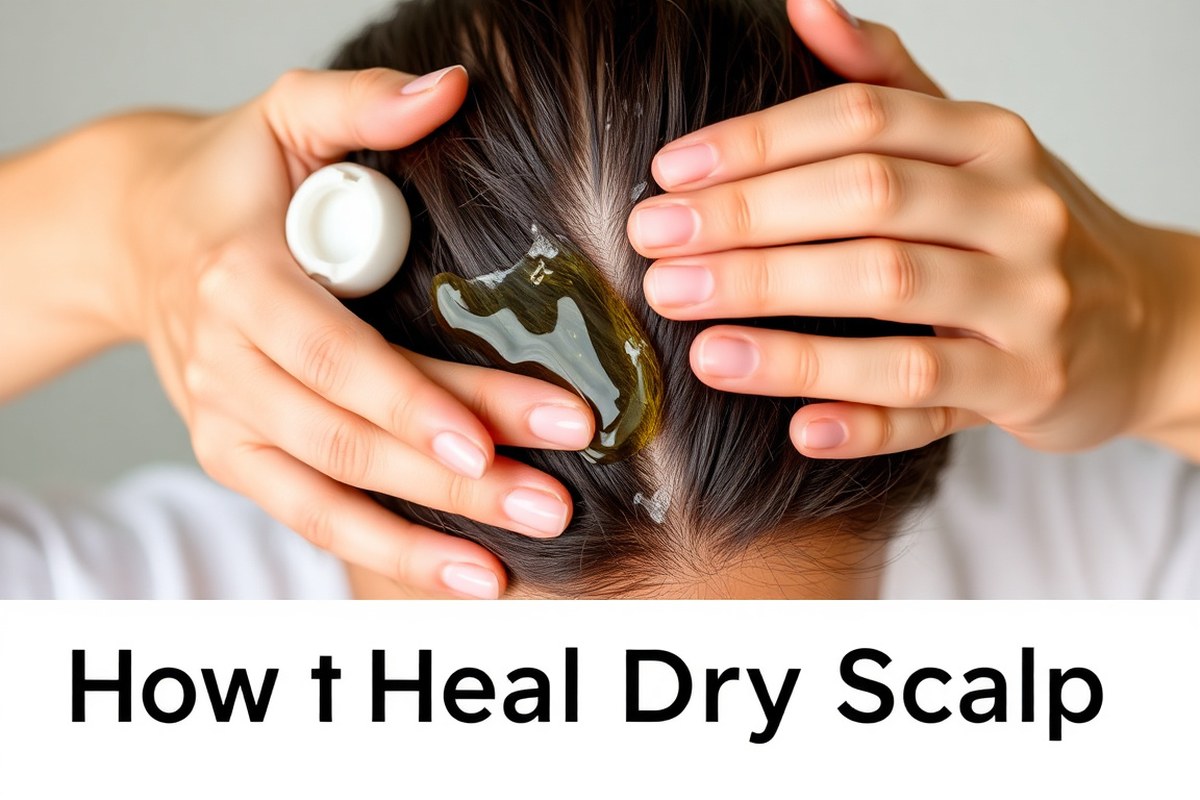
- Massage a few drops of natural oil into your scalp. Jojoba or coconut oil works well. Use your fingertips to gently rub in for about 3 to 5 minutes. This helps oils absorb and soothes dryness.
- Let oils or serums sit for at least 30 minutes. For best results, leave treatments on overnight with a shower cap. This increases hydration time and eases itching.
- Rinse hair gently, avoiding harsh scrubs. Avoid hot water and vigorous scrubbing to stop irritation and flakes from getting worse after treatment.
- Repeat this routine 2 to 3 times per week. Regular care helps restore moisture over time. Allow your scalp to stay hydrated consistently for lasting relief.
Follow these steps and your itchy scalp can calm in days. You may see flakes reduce within a week or two. Stick with the routine for steady results.
Avoid heavy products with sulfates or fragrances that dry you out. Your scalp should not stay dry or worsen after 2 to 4 weeks.
Talk to a dermatologist if it does. They can diagnose and suggest treatments.
2. Common Causes and Symptoms of Dry Scalp

Main Causes of Dry Scalp
Dry scalp happens when the skin on your head loses moisture. The most common cause is dry air from cold or arid weather. Harsh ingredients in hair products can also dry out your scalp and cause irritation.
Some medical conditions like eczema, psoriasis, and contact dermatitis can lead to dry scalp. Overwashing or not rinsing shampoo well may strip natural oils, making your scalp flaky and itchy. Drinking too little water and poor diet can add to the problem, too.
Symptoms That Show Up with Dry Scalp
Usually, dry scalp feels itchy, tight, or uncomfortable. You’ll notice small, white flakes on your scalp or hair strands. These flakes are usually dry and powdery, unlike oily flakes in other conditions.
Hair loss can happen if itching is severe and you scratch a lot. The scalp can also feel rough or sensitive. Recognizing these symptoms helps you address dryness early before it worsens.
How to Tell Dry Scalp from Dandruff and Psoriasis
Dandruff often gets mistaken for dry scalp because both cause flaking and itching. But dandruff flakes are larger, oily, and yellowish, often with redness and inflammation on the scalp. Dandruff comes from excess yeast on the skin, so it needs antifungal treatment.
Psoriasis causes thick, silvery scales and red patches that are more painful and inflamed. It often shows up with joint pain, a sign of psoriatic arthritis. Dry scalp lacks this level of redness and scaling.
Environmental and Lifestyle Factors
Cold weather and indoor heating reduce moisture in the air, drying your scalp. Spending lots of time outside in dry climates can do the same. Using shampoos with sulfates and alcohols can strip natural oils that protect your skin.
Washing your hair too often removes oils that keep your scalp hydrated. Poor hydration and not drinking enough water can weaken your skin’s barrier. Avoiding these factors can lessen dryness and irritation.
When Medical Conditions Impact Scalp Health
Conditions like eczema cause red, itchy patches that may weep and crust over. Contact dermatitis happens when your scalp reacts to allergens or chemicals, leading to dryness and irritation. Psoriasis is less common but causes thick, scaly plaques mostly on the scalp.
Diagnosing these conditions often takes a visit to a dermatologist. They may suggest creams or treatments that go beyond regular scalp care. Identifying the right cause means you get the right treatment to avoid prolonged discomfort.
Check your products for harsh chemicals and cut back on shampooing to help soothe dry scalp.
3. Natural Oils and Remedies for Dry Scalp Care
Natural oils like coconut, olive, and jojoba can nourish a dry scalp well. Using these oils helps restore moisture and calm irritation. Essential oils, aloe vera, and homemade masks gently keep your scalp healthy.
They do this without using harsh chemicals. These are good options for sensitive skin.
Coconut, Olive, and Jojoba Oils Benefits and Uses
Coconut oil is safe and effective for treating dry skin, which extends to scalp care. It locks in moisture and helps reduce flakiness. Olive oil also moisturizes deeply and can soothe itching.
Jojoba oil closely mimics your skin’s natural oils. It’s lightweight and won’t clog pores, which makes it good for sensitive scalps. Use a small amount and massage your scalp for 5 to 10 minutes.
Then, leave it on for 30 minutes. After that, wash your hair as usual.
Applying these oils twice a week prevents dryness and improves scalp texture. A little goes a long way, so start with one to two tablespoons.
| Oil Type | Key Benefit | How to Use | Precautions |
|---|---|---|---|
| Coconut Oil | Moisturizes and soothes dry scalp | Massage 1-2 tbsp, leave 30 min, rinse | May not suit oily scalp |
| Olive Oil | Deep hydration, reduces itchiness | Apply 1-2 tbsp, leave 30 min, shampoo | Allergy risk in rare cases |
| Jojoba Oil | Balances scalp oil, lightweight | Use 1 tbsp as scalp massage oil | Generally safe, test patch advised |
Oils can build up if not washed out properly. Use gentle shampoo to avoid clogged follicles. Regular use keeps scalp soft and less prone to dryness.
Essential Oils: Tea Tree, Lavender and Safety Tips
Tea tree oil has antimicrobial properties that calm itching and fight dandruff. Lavender oil can soothe irritated skin and provide a mild scent. Both need dilution to avoid irritation.
Mix 5 to 10 drops of essential oil with 2 tablespoons of coconut or olive oil. Apply the blend to your scalp and massage gently for 5 minutes. Leave it on for 20 to 30 minutes before washing.
Always do a patch test before full use. Essential oils can cause allergic reactions, especially on sensitive skin. Avoid applying essential oils directly without carrier oils.
DIY Masks: Aloe Vera, Banana, Yogurt, and How-To
Aloe vera gel hydrates and soothes a dry, itchy scalp effectively. Banana adds vitamins and softness, while yogurt brings beneficial probiotics and moisture. These ingredients are easy to mix into nourishing masks.
To make a moisturizing mask, mash half a ripe banana. Add 2 tablespoons of yogurt and 2 tablespoons of aloe vera gel. Mix it well before applying.
Apply the mixture evenly on your scalp and hair. Leave it for 20 minutes, then rinse with lukewarm water.
Use this mask once a week to prevent dry scalp. Avoid masks if your scalp has open wounds or infections to prevent irritation or worsening symptoms.
4. Medicated Shampoos and Topical Treatments Explained
Medicated shampoos help dry scalp by targeting specific issues like fungus or scaling. Antifungal shampoos, such as those containing selenium sulfide, reduce fungal growth that causes itching and flaking.
Salicylic acid shampoos exfoliate the scalp to remove dead, scaly skin and clear clogged pores. Both work by addressing underlying causes that simple moisturizing products may not fix.
Use medicated shampoos when home remedies don’t improve your scalp after two weeks. They help if your scalp itches or flakes up. Regular moisturizing shampoos may not work.
These shampoos target the itch and flakes better. Your doctor can suggest the best product for your scalp.
They check your scalp condition and how bad it is. Sometimes they prescribe stronger treatments to help.
Be careful to keep medicated shampoos on your scalp only, not your hair shafts. These products can dry out your hair fibers if used too broadly. Use as instructed, often two to three times each week.
Rinse well to stop buildup and irritation. Follow these steps to get the best results.
Prescription topical treatments, like corticosteroid lotions or creams, reduce inflammation when over-the-counter options don’t work. These treatments require a doctor’s prescription and should be used exactly as directed.
Overuse can thin your scalp skin or cause other side effects. So monitor for increased redness, burning, or irritation.
Side effects from medicated scalp treatments include dryness, redness, and irritation. Cut back or stop using the product if problems appear. Talk to your doctor about any side effects.
They can help you find a safer option. Switching to gentler, moisturizing shampoos can help restore balance if medicated options cause discomfort.
Cost varies depending on the product and prescription needed. Over-the-counter medicated shampoos often range from $10 to $20.
Prescription products may be more expensive and sometimes require insurance coverage. Follow your doctor’s guidance and monitor your scalp’s response carefully for best results.
5. How Diet and Supplements Affect Scalp Health
Your diet affects scalp moisture more than you might realize. Nutrients like omega-3s, zinc, and vitamins A, B, and C help. They keep your scalp moist.
You need these nutrients for healthy skin there. They work by supporting skin cells and reducing inflammation that leads to dryness.
Taking an omega-3 supplement between 500 mg and 1,000 mg daily can improve scalp hydration. Foods high in omega-3 include fish like salmon and flaxseeds. Zinc, found in nuts and seeds, helps repair skin damage and maintain moisture.
Vitamins A and C promote collagen production, which strengthens scalp skin. B vitamins, especially biotin, support hair and scalp health.
Drinking enough water also makes a big difference. Drink about 64 ounces, or eight cups, a day. This helps hydrate your whole body.
That includes your scalp, which needs water too. Dehydration can make your scalp dry and itchy, even if you use topical treatments.
- Eat fatty fish or take omega-3 supplements daily (500, 1,000 mg)
- Include zinc-rich foods like pumpkin seeds or a 15 mg supplement
- Consume fruits and veggies high in vitamins A and C, such as carrots and oranges
- Take a B-complex vitamin for B vitamins and biotin support
- Drink at least 64 ounces of water each day
- Avoid excessive caffeine or alcohol, which can dehydrate your scalp
- Consider adding bananas to your diet for their moisturizing potassium and oils
Results come over weeks, not days. Your scalp will feel less tight, and flakes will decrease.
Your scalp might stay dry or get worse without these nutrients. Avoid relying only on topical fixes without improving nutrition and hydration, or dryness may return.
Take your supplements and water every day for weeks. Only then expect visible scalp changes. Consistency matters for scalp health improvements.
6. Best Daily Scalp Care Habits to Prevent Dryness
Washing your hair less often helps prevent dry scalp. Washing too much strips natural oils that keep your scalp moist. Aim to wash your hair 2 to 3 times weekly.
Use a gentle shampoo made for sensitive skin. This helps avoid extra dryness or irritation.
Choose hair care products without harsh chemicals or sulfates. These can dry out your scalp more.
Look for shampoos and conditioners labeled hydrating or moisturizing. Avoid products that contain alcohol or strong fragrances, as they can worsen dryness.
Protecting your scalp from dry air is also key. Cold weather and indoor heating pull moisture from your skin.
Use a humidifier inside during winter or in dry climates. Wear hats outside but use breathable fabrics to avoid sweat buildup.
- Use cool or lukewarm water when washing hair to keep moisture in.
- After washing, gently pat scalp with a towel instead of rubbing hard.
- Apply a lightweight scalp moisturizer or natural oil after drying.
- Avoid hot blow dryer air; let hair air dry or use a cool setting.
- Massage your scalp daily to improve blood flow and oil distribution.
- Drink plenty of water to keep skin hydrated from within.
- Try scalp treatments designed for dry skin once or twice a week.
Developing habits around washing and moisturizing supports scalp health. Using the right products consistently restores moisture balance. Keep in mind that it takes a few weeks to notice real improvement.
Persistent severe dryness calls for a doctor’s checkup. They can find underlying skin problems.
7. Common Mistakes That Worsen Dry Scalp and How to Fix Them
Washing your hair too often can strip natural oils and dry out your scalp. Choose gentle shampoos made for dry scalp and avoid daily washing.
Also, scalp irritation often worsens if you use hot water. Switch to lukewarm water to clean without removing moisture.
Using strong shampoos or hair products with harsh chemicals can cause redness and itchiness. Check labels for sulfates and alcohol, which dry skin easily.
Stop using treatments that burn or irritate your scalp. Try milder products with soothing ingredients like aloe vera or chamomile instead.
- Limit shampooing to 2, 3 times per week, depending on scalp needs
- Use lukewarm water, around 90°F, instead of hot water
- Avoid hair dryers and heat tools or use on low heat sparingly
- Pick sulfate-free, fragrance-free shampoos designed for dry scalp
- Test new products on a small patch before full application
- Apply natural oils like coconut or jojoba for extra moisture
- Consult a dermatologist if irritation continues after changing routines
Heat styling tools can cause long-term scalp damage by removing moisture. Turn down the heat or skip tools for a few weeks to help your scalp recover. Flaky skin worsening or stinging shows you need gentler care and slower treatment.
8. When to See a Doctor for Persistent Dry Scalp
Seek medical advice if your dry scalp lasts over 2 to 4 weeks despite treatment. Watch for signs like redness, swelling, or bleeding. Those could mean you need a doctor’s care to avoid worsening problems.
Symptoms Indicating Medical Evaluation
Serious symptoms include constant itching that disrupts sleep or daily activities. Notice thick, red patches or scaling that spreads beyond your scalp. Bleeding or oozing from the scalp also suggests infection or severe irritation.
Crusting or painful sores on your scalp are warning signs you shouldn’t ignore. If over-the-counter remedies don’t improve your symptoms within 2 to 4 weeks, it’s time to see a dermatologist. Early evaluation helps stop conditions from getting worse.
Common Scalp Conditions Beyond Dryness
Scalp psoriasis causes red, scaly patches and severe itching. Its flakes are often silver-white, thicker, and harder to remove than dandruff. Seborrheic dermatitis leads to oily, yellowish flakes with redness and can worsen in cold weather.
Eczema might also cause dry, itchy patches beyond the scalp. Dandruff differs by producing fine, white flakes without severe redness or soreness. Proper diagnosis helps your doctor recommend the right treatment for your condition.
Medical Treatments and Prescription Options
Doctors may prescribe medicated shampoos or topical steroids for scalp psoriasis or dermatitis. Prescription antifungal treatments help if a yeast infection worsens dryness. Some treatments require daily use for several weeks to reduce symptoms effectively.
Phototherapy or systemic medications might be advised for severe cases not responding to topical care. Your doctor can guide you on safe application and monitor any side effects. Always follow medical advice closely and report worsening symptoms.
Don’t wait more than a month if your symptoms persist, early treatment avoids complications.
Step-by-Step Action Plan to Heal Dry Scalp
Follow these clear steps over the next month to soothe your dry scalp. Watch for less itchiness and flaking as signs of progress.
- Day 1: Switch to a gentle, hydrating shampoo free of harsh detergents. Notice if your scalp feels less tight after washing.
- Week 1: Apply a natural oil like coconut or jojoba twice a week before bedtime. Check if redness and flakes shrink.
- Week 2: Add a scalp massage with fingertips for 5 minutes daily to boost circulation. Watch for less dryness and irritation.
- Week 3: Start eating omega-3 rich foods like salmon or walnuts daily. See if scalp texture improves with fewer dry patches.
- Week 4: Use an anti-dandruff shampoo with ingredients like ketoconazole twice weekly if flakes persist. Your scalp should look clearer.
- After 1 month: Assess your scalp’s comfort and moisture. If dryness continues or worsens, plan to see a dermatologist.
Frequently Asked Questions
Can a Humidifier Help Reduce Dry Scalp Symptoms?
Yes, using a humidifier adds moisture to dry air that can soothe your scalp. It stops your scalp skin from drying out more.
This is helpful in winter or dry places. It protects your scalp from getting flaky or itchy.
Is It Safe to Use Coconut Oil Daily on a Dry Scalp?
Using coconut oil daily is usually safe and can moisturize your scalp effectively. Don’t use too much if your hair gets oily fast.
Heavy use can block pores on your scalp. This might make your scalp problem worse.
How Does Stress Contribute to Dry Scalp?
Stress can trigger or worsen scalp dryness by affecting hormone levels and skin barrier function. Managing stress through relaxation or exercise can help improve your scalp’s health over time.
Can Scalp Exfoliation Improve Dry Scalp?
Yes, gentle exfoliation removes dead skin cells that worsen dryness and flaking. Use a mild scalp scrub once a week to prevent irritation and boost product absorption.
Is Dry Scalp More Common in Cold Weather?
Dry scalp tends to worsen during cold, dry weather because the air lacks moisture. Protect your scalp by using moisturizing treatments and avoiding hot showers that strip natural oils.
Does Frequent Shampooing Cause Dry Scalp?
Shampooing too often can strip oils, drying your scalp out. Try washing every 2-3 days with a gentle, moisturizing shampoo to keep your scalp balanced.
Wrapping Up
You can relieve dry scalp by using gentle care, natural oils, and mindful habits. Keep your scalp clean but never overly dry it. Start with a mild shampoo today and feel the difference in a week.


