How to Straighten Hair Without Damage: 8 Safe Methods and Expert Tips
How to straighten hair without damage is a common concern among many. The best way is to use the right heat settings and protect your hair before styling. Avoiding excessive heat keeps your hair cuticles intact, which stops dryness and breakage.
Pick a flat iron with ceramic plates and temperature settings you can adjust. For thin or weak hair, set the heat between 250°F and 300°F. Make sure your hair is fully dry before using heat tools.
Protect your hair by applying a heat protectant spray before straightening. This helps lock in moisture and reduce heat damage. Use a safe temperature on your tools.
Get your hair ready first. Doing this helps you get smooth hair without damage.
Key Takeaways
- Use ceramic flat irons with adjustable temperature settings for better control.
- Set the heat to 250°F-300°F for fine or damaged hair to prevent damage.
- For thicker hair, 350°F-400°F is safe, but avoid going above 400°F regularly.
- Always dry your hair 100% before using heat tools to avoid frying hair shafts.
- Apply a heat protectant spray to shield hair cuticles from heat exposure.
- Don’t hold the flat iron on one spot longer than a few seconds to prevent burns.
1. Safest Ways to Straighten Hair Without Damage

Straightening your hair without damage means using gentler methods or very low heat. The healthiest way avoids high temperatures that break or dry hair. You can straighten hair daily without damage by picking low-heat tools or heat-free styles.
Heat-free methods work well if you don’t need pin-straight hair every day. They take longer but avoid all heat risks. Using heat still works safely when you choose adjustable flat irons and keep temperatures below 300°F.
Here are some safe ways to straighten hair and their pros and cons:
- Air drying with a wide-tooth comb: gentle, no heat, but slower and less sleek.
- Brush and air dry technique: use a paddle brush to smooth hair while drying naturally. Avoids heat but needs patience.
- Using jumbo plastic rollers: sets hair straight overnight. Heat-free but takes hours to work fully.
- Flat irons with temperature control heat hair quickly and well. Keep the heat below 300°F to protect your hair. Always use a heat protectant spray before styling.
- Blow dryer with cool setting: faster than air drying and safer than hot air. Best combined with a smoothing brush.
- Wrapping hair (doobie wrap): good for relaxed or wavy hair. No heat, overnight method, but results vary by hair type.
You can reduce damage by always applying leave-in treatments or heat protectants before styling. Using tools with smooth plates avoids snagging and breaking hair. Avoid straightening damp hair unless your tool says it is safe for wet use.
Straightening hair every day requires care. Always keep heat low and moisturize your strands. Your hair stays healthier longer with these gentle routines.
2. Choosing the Right Tools and Heat Settings for Your Hair Type

Picking the right flat iron and heat settings helps protect your hair. Flat irons with ceramic or tourmaline plates are best for curly hair. These materials spread heat evenly, lowering the chance of damage.
Adjustable heat settings let you pick the right temperature for your hair type. Using too high a temperature can harm your hair cuticle, the outer layer. Setting the iron too hot may give quick results but can lead to dry, brittle strands.
Here is a clear guide for heat settings based on hair type or condition:
| Hair Type or Condition | Starting Temperature |
|---|---|
| Fine, fragile, bleached, or damaged hair | 250, 300°F |
| Medium or average-textured hair | 300, 350°F |
| Thick or coarse hair | 350, 375°F |
Your flat iron must offer adjustable heat. Start low for your hair type, then try one higher setting if your hair isn’t smooth. Use small sections and avoid multiple passes to reduce heat exposure.
Straightening damp hair can cause internal damage, so hair must be fully dry. Use a heat protectant spray or serum before styling.
Check your results as you go. If a section looks smooth after cooling, keep that setting for the rest.
Puffy thick sections need thinner parts or a little higher heat. Hair that is dry and thin but not smooth needs careful temperature adjustments.
Don’t use the highest heat setting first. Test on a small section to avoid unnecessary damage.
Top flat irons to consider include models with ceramic or tourmaline plates and precise heat control. Prices vary from about $30 to $150 depending on brand and features.
Look for tools with quick heat-up, even heat, and a temperature lock function. These features protect your hair and make styling easier.
3. Preparing Hair Properly Before Straightening
Preparing your hair before straightening helps protect it from damage. You need to cleanse, moisturize, detangle, and apply the right products. Dry your hair thoroughly without causing frizz for the best results.
Washing and Conditioning Recommendations
Use a gentle shampoo that suits your hair type to cleanse your scalp. Avoid shampoos with harsh sulfates as they strip moisture. Condition your hair with a hydrating formula, focusing on mid-lengths to ends.
For dry or damaged hair, pick moisture-rich conditioners with oils like argan or shea butter. Use lightweight, balancing conditioners only on your hair ends if oily. Rinse with cool water to seal the cuticle and add shine.
Applying Heat Protectants and Leave-In Treatments
A heat protectant spray is essential before straightening with heat tools. Choose one with ingredients like silicone or proteins to coat your hair strands. Spray evenly onto damp hair, concentrating on the ends where damage forms most.
Leave-in conditioners add a second layer of moisture and shield your hair from heat damage. Pick leave-ins for your hair type: lightweight for fine hair, richer for dry or curly hair. Apply the leave-in after your heat protectant to lock in moisture and reduce frizz.
Ensuring Complete Dryness Without Frizz
Your hair must be fully dry before using any straightener to prevent severe damage. Use a microfiber towel to blot your hair gently. A clean cotton t-shirt works well too.
This reduces friction and frizz. Avoid rough towel drying, which causes breakage and frizz.
After towel drying, blow-dry your hair on a medium heat setting to avoid overheating. For thick or coarse hair, divide it into sections. Dry small parts at a time.
This helps even heat and faster drying. Check that your hair feels dry to the touch and not damp anywhere.
Follow these steps to prepare your hair properly before straightening:
- Use a mild, sulfate-free shampoo suited to your hair type.
- Apply a hydrating conditioner, focusing on the ends.
- Rinse with cool water to close hair cuticles and add shine.
- Gently towel dry with a microfiber towel or cotton t-shirt to reduce frizz.
- Spray a heat protectant evenly on damp hair, focusing on damaged ends.
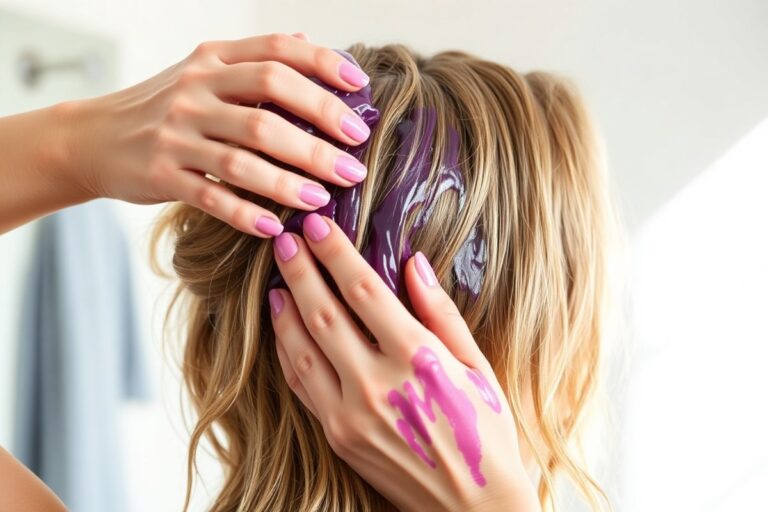
- Apply a leave-in conditioner tailored to your hair’s needs.
- Blow-dry hair fully on medium heat, using sections for thick hair.
- Ensure hair is completely dry with no damp spots before straightening.
4. Heat-Free Hair Straightening Techniques That Work
You can straighten hair without heat using methods like wrapping, rollers, and careful air drying. These techniques take longer but prevent damage from heat exposure. They work well for smooth hair, especially when done overnight or with patience.
Hair Wrapping Technique for Straightening
Hair wrapping smooths hair by wrapping it tightly around your head. This method stretches hair strands gently to reduce curls and waves. Wrapping works best on damp or nearly dry hair for sleek results by morning.
To get best results, use a soft, wide-tooth comb and a silk or satin scarf. Wrapping takes consistent practice but can cut down on frizz and heat styling needs.
- Start with clean, damp hair about 80% dry.
- Comb hair flat from one side of your head to the other.
- Secure with bobby pins as needed to keep hair flat.
- Wrap a silk or satin scarf tightly around your head.
- Leave the wrap on overnight to set the smooth shape.
- Remove pins and scarf in the morning slowly.
- Use a light serum or oil for extra shine if desired.
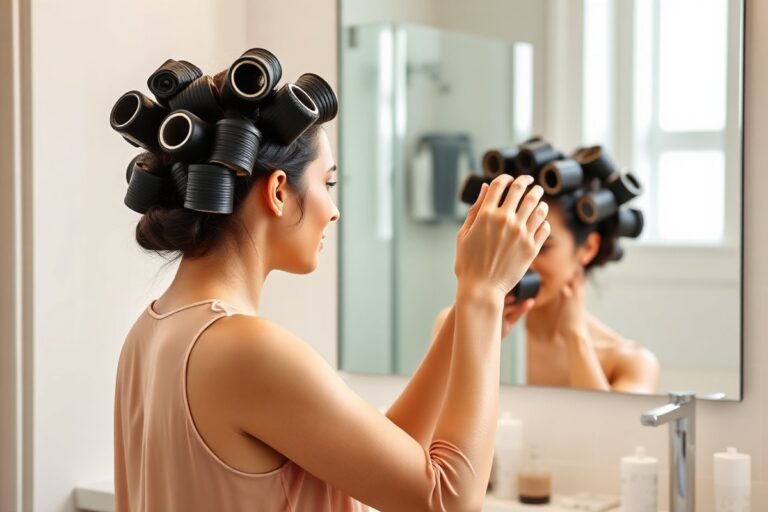
Using Jumbo Rollers and Plastic Rollers
Jumbo rollers are about 1¾ inches or larger in diameter. They gently straighten hair by reducing volume. They also smooth curls.
Unlike small rollers, they avoid tight curls and add a soft wave with shine. Plastic rollers are easy to use and affordable. A set usually costs between $5 and $10.
Setting your hair on rollers while damp and allowing it to dry fully works best. Air drying after rolling reduces damage compared to heated dryers and gives glossy, bouncy hair.
- Wash and towel dry hair until damp but not wet.
- Section hair into large chunks, depending on hair thickness.
- Roll each section around a jumbo roller, securing it tightly.
- Let hair air dry completely, which may take 3 to 5 hours.
- Remove rollers carefully to avoid pulling strands.
- Run your fingers or a wide comb through for style.
- Apply a lightweight finishing spray to set the look.
Air Drying with Brushing and Styling Products
Using the right brush and styling products can create straighter hair while air drying. Brushing hair downwards during drying gently stretches the strands. Applying smoothing creams or gels helps tame frizz and hold the hair straighter.
Cold air blow drying is a safer option too. It speeds drying without heat damage and gives a softer finish than regular air drying.
- Towel dry hair gently to remove extra water.
- Apply a smoothing serum or leave-in conditioner evenly.
- Use a paddle brush to comb hair straight while drying.
- Let hair air dry fully, brushing occasionally for smoothness.
- Alternatively, use a blow dryer with cool air setting.
- Finish with a light anti-frizz spray for shine.
5. Straightening Hair Safely Using Heat Tools: Best Practices
To straighten hair safely using heat tools, use the right temperature and section hair properly. Avoid going over the same section more than once to prevent damage. Keep your flat iron moving smoothly and steadily for the best results.
Sectioning Hair Evenly
Divide hair into small, even sections before straightening. Smaller sections let heat spread evenly and reduce how many passes you need. This protects hair from extra heat exposure.
Start at the nape of your neck. Clip the upper hair away. Work your way up section by section.
Use clips or hair ties to hold sections firmly but not too tight. Even sections make it easier to straighten every strand without missing spots.
Setting and Adjusting the Temperature
Choose the right temperature based on your hair type to avoid heat damage. Fine or damaged hair needs heat between 250°F and 300°F. Medium-density hair can use 300°F to 350°F. Thick or coarse hair may need 350°F to 400°F. Set your flat iron within these ranges.
Use a tool with adjustable temperature control to keep heat consistent. Avoid using the highest setting unless your hair is very thick. Too much heat dries hair and causes split ends.
Proper Flat Iron Movement Techniques
Move the flat iron slowly and steadily down each hair section. Pause less than a second on any spot to prevent overheating that strips moisture. One smooth pass often works better than several quick ones.
Start close to the roots but leave a little space to avoid burning your scalp. End at the tips.
But treat ends gently, they’re the oldest and most fragile part of your hair. Holding the iron too long on ends can cause breakage and dryness.
Follow these steps to safely straighten your hair using heat tools:
- Section dry hair into 1-inch-wide parts using clips.
- Set your flat iron to a temperature suited for your hair type.
- Apply a heat protectant spray evenly throughout the hair.
- Starting from the bottom, take one section and place the flat iron near roots.
- Slowly glide the iron down the length of the hair in one continuous motion.
- Repeat once if needed, but avoid more passes on the same section.
- Move to the next section and continue until all sections are straightened.
- Finish with a light serum on ends to seal and protect moisture.
Don’t hold the flat iron on one spot longer than one second. This prevents burning your hair.
6. Recognizing and Preventing Heat Damage to Hair
Heat damage happens when hair is exposed to too much heat or for too long. The outer layer, called the cuticle, can break down if tools exceed 180°C (about 356°F). This lets moisture escape and leaves hair dry, brittle, and prone to breakage.
You’ll notice signs like dry or crunchy strands, split ends, and frizz. Hair may also feel rough when you run your fingers through it. Another sign is that hair loses shine and becomes hard to style or hold a shape.
Heat damage comes from using too high heat or skipping protective steps. Straightening wet hair damages it faster because water turns into steam inside the strands.
Not using a heat protectant spray also raises the risk. Pressing the flat iron on one section for too long causes local burning or breakage.
- Inspect hair often for dryness or unusual texture changes
- Use heat tools set at 300°F or lower, especially on fine or damaged hair
- Apply a quality heat protectant before every heat styling session
- Avoid straightening hair more than twice a week
- Let hair dry completely before using heat tools
- Don’t hold the straightener in one spot longer than 5 seconds
- Trim split ends regularly to prevent further damage
Monitoring your hair’s feel and look helps spot damage early. Stick to lower temperatures if your hair is fine or fragile. Always apply a heat protectant; they create a barrier that reduces moisture loss.
Let your hair air dry to reduce damage from steam. Using a blow dryer on cool mode helps too. Both options protect your hair better.
Long-term prevention means balancing use and care. Heat tools shouldn’t be your daily fix.
When damage shows, a break from heat styling helps hair recover. Using deep conditioners and regular trims improves texture and appearance over time.
7. Maintaining Hair Health After Straightening
Moisturizing your hair after straightening is key to keeping it healthy. Use a light leave-in conditioner to seal the hair cuticle and reduce split ends. Avoid heavy, waxy treatments before straightening since they can cause buildup and make straightening harder.
Deep conditioning once a week helps repair damage and restore moisture. Choose a treatment that suits your hair type. Use hydrating masks for dry hair.
For fragile strands, try protein treatments. For oily scalps, pick balancing masks. Apply these after shampooing and leave them on for 15 to 30 minutes before rinsing.
Timing your trims also protects your hair. Get a trim every 8 to 10 weeks. This cuts off split ends early.
It keeps damage from moving up the hair shaft. Your hair shows more damage? Visit a hairdresser for a targeted trim.
Try an intensive mask to add moisture. Afterward, style using lower heat to prevent further harm.
- Use a thermal heat protectant before any heat styling
- Deep condition weekly with hair-type specific treatments
- Avoid heavy products that cause buildup pre-straightening
- Trim every 8 to 10 weeks to prevent split ends
- Use intensive hair masks monthly for moisture boost
Intensive hair masks once a month support ongoing repair and shine. Pick masks that meet your hair’s needs. Use protein-rich masks for brittle hair.
Moisturizing masks work well for coarse hair. Keep up with these routines to maintain softness and strength after straightening. Skipping these steps can leave hair brittle and prone to breakage.
Pay attention to how your hair feels between treatments. Hair feels rough or looks dull?
Hydrate it more and style it less with heat. Consistent care keeps your hair sleek and healthy longer after every straightening session.
8. When to Consider Professional Straightening Treatments
Professional straightening treatments like keratin or Japanese straightening change hair more deeply than home methods. These treatments usually last longer. They use chemicals or heat.
Both can damage hair if done wrong. These treatments suit you if you want smooth hair for months without daily heat styling.
Keratin treatments coat hair with a protein formula that smooths frizz and adds shine. They usually last 2 to 4 months, depending on your hair care routine. Japanese thermal straightening actually changes hair structure to stay straight permanently, needing touch-ups for new growth.
Choosing between them depends on your hair type and goals. Keratin works well for wavy or curly hair wanting frizz control with some flexibility. Japanese straightening is better for very curly or coarse hair that needs a sleek, straight look.
| Treatment | Duration | Best for Hair Type | Main Benefit | Possible Downsides |
|---|---|---|---|---|
| Keratin Treatment | 2, 4 months | Wavy, curly | Reduces frizz, smoothes hair | Fades with washing, may contain chemicals |
| Japanese Thermal Straightening | Permanent with regrowth touch-ups | Coarse, curly, very curly | Completely straight, sleek finish | Long process, damage risk if not done right |
| Relaxer/Perm Straightening | Permanent with regrowth touch-ups | Very curly, kinky | Softens curls, makes hair manageable | Can be harsh, risk of breakage |
Professional treatments aren’t necessarily safer than careful heat styling at home. They involve chemicals or high heat, and mistakes can cause damage.
However, done by a licensed stylist, they offer longer-lasting results. These treatments cost more, usually starting around $150, plus follow-up care costs.
Pick professional treatments if you struggle with daily heat damage or spend too much time straightening. Also, consider them if your hair resists home straightening or breaks easily. Make sure a stylist tests a small section to check your hair’s reaction.
Keep in mind, humidity and sweat can shorten how long your straightened hair lasts.
After treatment, follow all aftercare rules. Avoid washing hair too soon, typically 3 days for keratin. Use gentle shampoos and deep conditioners to protect the new straight texture.
Spot dryness or breakage? Visit your stylist for advice or repair help.
Step-by-Step Action Plan for Damage-Free Hair Straightening
Follow these easy steps to straighten your hair without causing harm. Each step helps you see progress and keep hair healthy.
- Before you start: Choose the right tool and set the heat low. Test on a small strand to avoid damage.
- Day 1: Wash and condition your hair with a moisturizing product. Hair should feel soft and smooth.
- Day 1, before straightening: Apply a heat protectant evenly. Your hair will have a light, non-greasy coating.
- Day 1, during straightening: Work in small sections using quick passes. Hair stays sleek without overheating.
- Day 2: Use a nourishing hair mask or oil at night. Hair feels hydrated and less brittle.
- After 3 days: Avoid heat styling to let hair recover. Notice improved softness and shine.
- Week 1: Trim split ends if needed. Ends look even and less frayed.
- Ongoing: Use gentle shampoos and avoid daily heat. Hair remains strong and damage-free.
Frequently Asked Questions
What Is the Healthiest Way to Straighten Hair?
The healthiest way is using heat-free methods. These avoid risks like dryness or breakage. Wrapping hair overnight or using a brush and air drying are good options.
How Can I Straighten My Hair Every Day Without Damaging It?
Use the lowest heat setting possible if you must use heat. Always apply a heat protectant first. Try heat-free methods to give your hair breaks.
How Can I Straighten My Hair Without Causing Heat Damage?
Avoid high temperatures and limit how often you use heat tools. Cool air drying and protective products help reduce damage. Proper preparation is key before using any heat.
Which Hair Straightener Causes the Least Damage?
A flat iron with adjustable temperature controls and smooth plates causes the least damage. This lets you match heat to your hair type. Avoid tools that lack these features.
Are There Products That Help Straighten Hair Without Heat?
Yes, smoothing serums and creams can help relax curls slightly. They don’t replace heat but reduce frizz and smooth hair for a straighter look.
Can I Straighten Hair Without Washing It First?
Straightening dry hair is better for some styles and reduces heat damage. Washing hair daily can strip moisture, making hair more fragile.
Key Points to Remember
Straightening your hair safely needs good tools, proper prep, and care afterward. You can lower damage risks by being patient and gentle. Try applying heat protectant every time you style your hair next.