Does Tea Tree Shampoo Help with Dandruff? What Actually Works for Fast Relief
Does tea tree shampoo help with dandruff? Yes, it can, especially for mild to moderate cases.
Research shows shampoos with 5% tea tree oil reduce dandruff severity noticeably within four weeks. It works better than some shampoos without medicinal ingredients.
Tea tree oil fights the yeast linked to dandruff, cutting flake buildup and itchiness. Using a shampoo with 5% tea tree oil daily helps keep your scalp clear. Choose a product that clearly lists tea tree oil.
Look for a strength around this level. Using the right amount helps fight dandruff effectively.
Start by washing your hair regularly with the tea tree shampoo. Using it too often or skipping treatments might lessen the benefits. Staying consistent is key to seeing steady improvement over time.
Key Takeaways
- Pick a tea tree shampoo containing about 5% tea tree oil for effectiveness.
- Use the shampoo daily for at least four weeks to reduce dandruff.
- Tea tree oil targets the yeast that causes most dandruff flakes.
- Avoid washing hair too infrequently to get better scalp health results.
- Be patient; dandruff relief takes time and needs regular shampoo use.
- Severe scalp issues may need a dermatologist’s advice. You might want to see one for proper care.
Does Tea Tree Shampoo Effectively Reduce Dandruff?
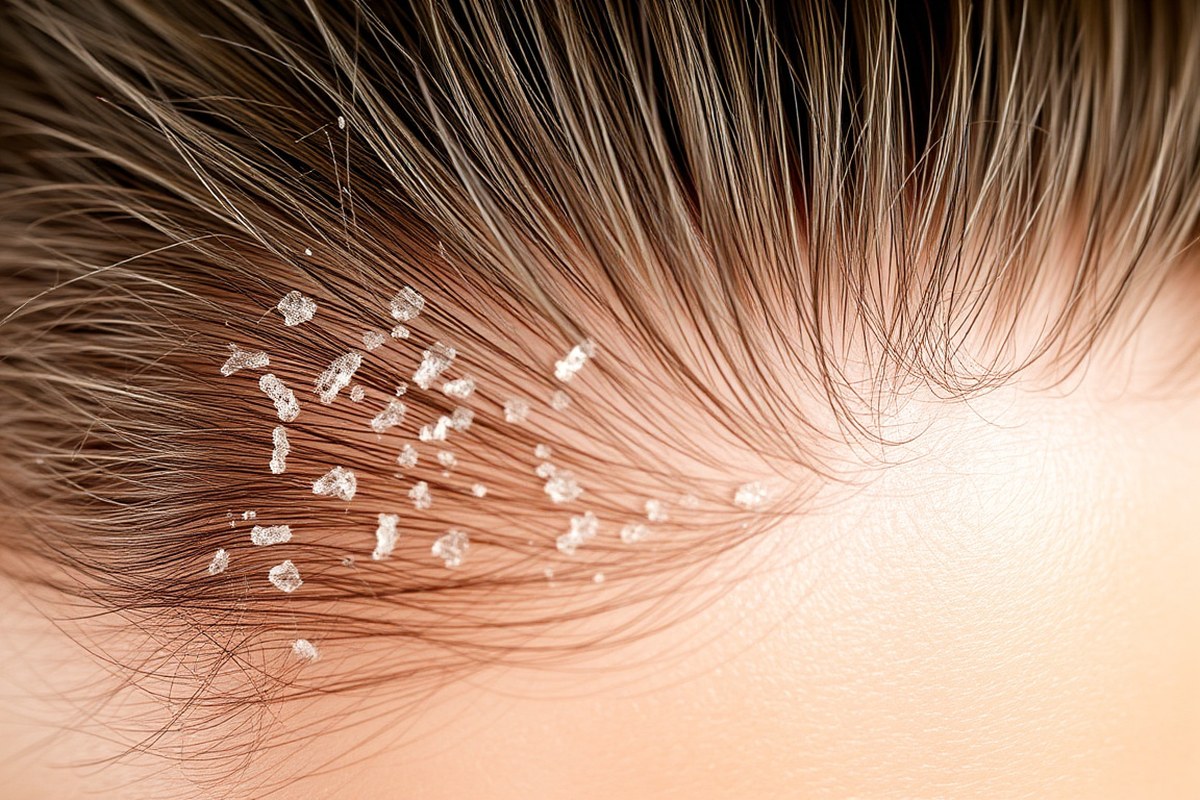
Tea tree shampoo can help reduce dandruff, especially when caused by oily scalp and fungal overgrowth. A study found shampoos with 5% tea tree oil cut dandruff by 41%. This improvement showed up after four weeks of use.
The result shows a clear benefit for dandruff control. This makes tea tree shampoo effective for mild to moderate dandruff linked to yeast called Malassezia.
The 5% concentration of tea tree oil is key for results. Lower levels may not work well enough, while higher amounts risk irritating your scalp. Using shampoo with 5% tea tree oil every other day works best.
It cleans oil, lowers flakes, and soothes scalp irritation. Regular use keeps the scalp healthier.
Dandruff from dryness or conditions like psoriasis often reacts less well. Tea tree shampoo may not reduce flakes much in these cases. Other treatments might be needed instead.
It works best on flakes linked to oil buildup and fungal growth. Combining tea tree shampoo with other treatments can help stubborn dandruff.
Talking to a dermatologist is also a good choice for tough cases. This approach boosts chances of relief.
Good results usually appear after four weeks of steady use. You should notice less flaking, reduced scalp itchiness, and less greasiness. Stop using tea tree shampoo if your scalp gets irritated or red.
See a healthcare provider for advice on how to proceed. It’s safer to check before continuing.
Tea tree shampoo supports scalp health and lowers visible dandruff flakes. Using it regularly as part of your routine helps maintain scalp comfort. This can improve how your hair looks and feels.
Keep in mind consistent use and the right concentration are needed to see improvement. This shampoo won’t completely clear every case but offers a natural option for common dandruff triggers.
How Tea Tree Oil Works to Control Dandruff

Tea tree oil works against dandruff mainly because of its antifungal and antimicrobial properties. It contains terpinen-4-ol, a compound that fights the yeast Malassezia, which commonly causes dandruff. This helps reduce flakes and soothes the scalp by clearing out harmful microbes that irritate skin.
Besides fighting fungus, tea tree oil also offers anti-inflammatory effects. It calms irritated, itchy scalp skin and reduces redness.
This moisturizing action prevents dryness, which often makes dandruff worse. Using a shampoo with about 5% tea tree oil lets you get these benefits without over-drying.
The oil works as a natural antiseptic. It cleans dirt and oil buildup. This buildup can clog your pores.
Cleansing this buildup supports healthy hair growth and avoids conditions that worsen dandruff. Products mix tea tree oil with aloe vera or salicylic acid. They help remove flakes and soothe your scalp more.
Caution: Avoid undiluted tea tree oil on skin, it can cause irritation or allergic reactions.
Which Types of Dandruff Benefit Most from Tea Tree Shampoo?
Tea tree shampoo works well against common dandruff caused by dry or oily scalp buildup. It helps reduce flakes and calm itchiness with regular use. You need to leave shampoo on your scalp for 3 minutes.
Let it sit up to 5 minutes. Then rinse it out to get full benefits.
It also shows promise for mild to moderate seborrheic dermatitis, which causes redness and greasier flakes. This type often needs stronger products or prescriptions.
But tea tree oil combined with oregano oil can ease symptoms. For severe or persistent cases, check with a dermatologist for the right treatment.
Here are dandruff types that tend to respond well to tea tree shampoo:
- Dry scalp dandruff with small, white flakes
- Oily scalp buildup causing visible flakes and itch
- Mild seborrheic dermatitis with redness and flakes
- Scalp irritation from products or environment
- Dandruff linked to fungal buildup on the scalp
Tea tree shampoo doesn’t replace professional care for stubborn dandruff or psoriasis. You may see results after 4 to 6 weeks of consistent use.
Everyone’s scalp reacts differently. So watch for irritation and adjust how often you use it.
How to Use Tea Tree Shampoo for Best Results
Use tea tree shampoo two to three times a week for best results. Adjust how long you leave it on based on your scalp type and dandruff severity. Gentle scalp massage during application boosts its effect.
Standard Shampoo and Rinse Method
This method is good for daily washing. Use it if your dandruff is mild.
It also helps keep dandruff from coming back. It cleanses your scalp without over-drying, supporting comfort and dandruff control.
Follow these steps for the standard method:
- Wet your scalp and hair with warm water.
- Apply a small amount of tea tree shampoo to your scalp.
- Massage the shampoo gently for about 60 seconds to boost circulation.
- Leave the shampoo on your scalp for around 3 minutes to let it work.
- Rinse thoroughly with warm water, avoiding excess water on hair lengths.
- Apply conditioner to your hair lengths only, not the scalp, to avoid buildup.
Use this method two to three times a week. It’s good for mild flaking.
You can also use it as a routine after dandruff clears up. This routine keeps the scalp clean and comfortable without irritation.
Extended Leave-On Technique
Use this technique if dandruff is persistent or your scalp produces excess oil. The longer leave-on time improve the antifungal action of tea tree oil. Follow this method for an extended effect:
- Wet your scalp and hair thoroughly.
- Rub tea tree shampoo into your scalp, focusing on problem areas.
- Gently massage your scalp for at least one minute.
- Leave the shampoo on the scalp for 5 to 10 minutes. Use a shower cap to avoid dripping.
- Rinse off the shampoo completely with warm water.
- Finish with conditioner on hair lengths to keep strands soft.
Repeat three times a week to tackle stubborn dandruff or oily scalp conditions. Avoid daily use to prevent dryness or irritation.
DIY Tea Tree Shampoo Recipes
You can make your own tea tree shampoo if you want natural products. Be careful when mixing the ingredients.
Use only small amounts to avoid irritation. Use precise recipes to avoid scalp irritation or ineffective results.
Here is a simple and safe DIY recipe incorporating apple cider vinegar:
- Mix 1 cup of gentle shampoo with 10 drops of tea tree oil.
- Add 2 tablespoons of apple cider vinegar to the mixture.
- Shake the bottle well to blend all ingredients evenly.
- Wet your scalp and apply the DIY shampoo.
- Massage for about 60 seconds.
- Leave it on your scalp for 3 to 5 minutes, then rinse thoroughly.
- Use this mixture within one week to keep it fresh and effective.
Apply this DIY shampoo two to three times a week, adjusting if your scalp is sensitive. Dilute essential oils properly and avoid overuse to prevent irritation.
Choosing the Right Tea Tree Shampoo Product
Choosing the right tea tree shampoo depends on tea tree oil levels. It also matters what other helpful ingredients it contains. Clear labels help you pick the best one.
These factors affect how well the shampoo controls dandruff and soothes your scalp. Pick a shampoo with a good formula and at least 5% tea tree oil. These usually work better for dandruff.
Tea Tree Oil Concentrations Compared
Tea tree oil concentration in shampoos ranges from low to moderate levels. Most effective shampoos contain at least 5% tea tree oil. Higher amounts can increase irritation risks, so safety limits matter.
| Concentration | Typical Benefits | Irritation Risk |
|---|---|---|
| Below 1% | Gentle cleansing, minimal antifungal effect | Low |
| 1% to 4% | Moderate dandruff control, soothing | Low to moderate |
| 5% | Effective in reducing dandruff fungi | Moderate; watch for dryness |
| Above 5% | Potentially stronger antifungal action | Higher; possible irritation or dryness |
Check the ingredient list to confirm the exact concentration. Choose shampoos around 5% for the best balance of action and comfort.
Complementary Anti-Dandruff Ingredients
Ingredients like aloe vera, chamomile, and nourishing proteins ease scalp irritation. Aloe vera adds moisture and calms itchiness caused by tea tree oil.
Salicylic acid and lactic acid help remove flakes and oils that build up. Some shampoos mix tea tree oil with beta-glucan and vitamin E for scalp support. Fenugreek and quinoa protein can promote stronger hair alongside dandruff control.
Product Labels and What to Look For
Look for tea tree oil as a named ingredient in the front or back label. Check the concentration range if it’s listed; 5% or higher is ideal for dandruff.
Look for shampoos with soothing ingredients like aloe vera or vitamin E. They help stop your scalp from drying out. Avoid products with too many harsh chemicals or artificial fragrances, which may worsen irritation. Certifications or mention of dermatologist testing can add assurance.
Always do a patch test before regular use to avoid unexpected irritation.
Safety, Side Effects, and When to Avoid Tea Tree Shampoo
Tea tree shampoo can cause irritation or allergic reactions in some people. Common symptoms include itching, burning, redness, and swelling on the scalp. These reactions happen because tea tree oil is very strong.
It can irritate sensitive skin easily. Be cautious when using it.
You should avoid adding pure tea tree oil directly to your shampoo. Doing this raises the risk of irritation and makes it harder to control the right amount.
Stop using the shampoo right away when you feel discomfort or see skin reactions. This prevents more issues.
Side effects are mostly limited to skin issues, but they can be uncomfortable. Some users also find tea tree shampoo drying, which may worsen dandruff symptoms instead of helping. It’s important to watch how your scalp responds during the first two weeks of use.
Stop using tea tree shampoo when redness or swelling does not go away. Rash that lasts also means stop. Do not keep using it.
Also, if you experience pain or blistering, you should see a doctor. People with eczema, psoriasis, or very sensitive skin should talk to a healthcare provider first. This helps avoid bad reactions.
The best approach for safety is to do a patch test before regular use. Apply a small amount of the shampoo behind your ear and wait 24 hours.
Try tea tree shampoo on your scalp only if you see no irritation. Rinse it quickly the first time to reduce exposure.
Tea Tree Shampoo Versus Medicated Anti-Dandruff Shampoos
Tea tree shampoo and medicated anti-dandruff shampoos target dandruff differently. Medicated shampoos usually treat it more aggressively with active ingredients. Tea tree shampoo supports scalp health gently, ideal for mild to moderate cases or sensitive scalps.
Effectiveness Against Different Dandruff Types
Medicated shampoos often have stronger ingredients like Piroctone Olamine. They aim to reduce severe dandruff and seborrheic dermatitis effectively. Tea tree shampoo suits mild to moderate dandruff and helps maintain scalp balance.
For example, Australian Organic Tea Tree Anti-Dandruff Shampoo combines tea tree oil with Piroctone Olamine. This blend can handle moderate scalp issues better than pure tea tree shampoos. However, strong medicated shampoos work best for severe dandruff causes.
Side Effect Profiles
Medicated shampoos may cause dryness or irritation in sensitive users. Tea tree shampoo usually doesn’t dry out hair. This is great for curly or dry hair types.
It helps keep your hair feeling soft. People allergic to tea tree oil should avoid it to prevent reactions.
Most tea tree shampoos suit both men and women. Himalaya Anti-Dandruff Tea Tree Shampoo is one example. They usually don’t cause harsh side effects.
Usage Recommendations and Frequency
Use medicated shampoos 2 to 3 times weekly for active dandruff control. Follow label instructions carefully to avoid overuse and scalp dryness. Tea tree shampoo can be used more regularly to support scalp health and prevent flare-ups.
Reviewers on Amazon say tea tree shampoo keeps hair cleaner. It helps prevent oiliness for longer. This makes it useful for frequent washing.
Switch to medicated shampoo if dandruff worsens or irritation happens. Here’s a table comparing the two shampoo types:
| Feature | Tea Tree Shampoo | Medicated Shampoo |
|---|---|---|
| Main Ingredients | Tea tree oil, sometimes mild actives | Piroctone Olamine, ketoconazole, selenium sulfide |
| Best For | Mild to moderate dandruff, dry or sensitive scalp | Moderate to severe dandruff, seborrheic dermatitis |
| Use Frequency | Daily or every other day | 2-3 times per week |
| Side Effects | Low risk of dryness or irritation | May cause dryness or irritation with frequent use |
| Gender Suitability | Both men and women | Both men and women |
| Hair Type | Good for dry or curly hair | Effective for all hair types but may dry curly hair |
This helps you compare treatments based on your dandruff type and scalp needs. Use medicated shampoos for stronger results. But tea tree shampoo works well to maintain a healthy scalp.
Common Mistakes and Tips to Maximize Tea Tree Shampoo Benefits
Many miss good dandruff control because they rinse tea tree shampoo away too fast. The shampoo needs at least 3 to 5 minutes on your scalp to work well. Don’t skip the wait time.
Tea tree oil and oatmeal need time to work. They help reduce flakes and itching.
Another common slip is using too much shampoo or rinsing with very hot water. Overdoing shampoo strips natural oils and causes dryness.
Hot water also irritates the scalp, making dandruff worse. Lukewarm water and a small amount of shampoo keep your scalp calm and balanced.
- Apply shampoo directly to your scalp, not just hair ends
- Massage gently for 2 minutes to spread ingredients well
- Leave the shampoo on your scalp for 3 to 5 minutes before rinsing
- Use lukewarm water to rinse thoroughly but gently
- Limit use to 2 or 3 times a week to avoid drying
- Follow up with a gentle conditioner if needed, avoiding heavy oils
- Be patient: improvements can take 2 to 4 weeks to show
Shampoos without sulfates and parabens protect your scalp more. Look for types with tea tree oil and shea butter. They are better for sensitive scalps.
They calm irritation while keeping the skin barrier strong. Using them right helps reduce redness and itching over time instead of causing flare-ups.
Wearing hats or increasing sweat without washing soon after can undo gains. It traps oil and flakes, making dandruff worse.
Also avoid switching products too fast. Give at least three weeks to see if your scalp truly improves.
Patience pays off with tea tree shampoo; rushing results leads to frustration and flare-ups.
Correct use means fewer flakes, less itching, and a scalp that feels cleaner and healthier. You’ll notice the scalp becoming less red and flaky around the third week.
When you feel more itching or discomfort, reduce use or stop. Talk to a dermatologist for advice.
Step-by-Step Action Plan for Using Tea Tree Shampoo
Follow these steps to start using tea tree shampoo and watch how your dandruff changes. Keep track of your scalp’s response as you go.
- Before you start: Choose a tea tree shampoo with at least 5% tea tree oil. Check the label to avoid added irritants like sulfates.
- Day 1: Wash your hair with the shampoo, massaging your scalp gently for 2 minutes. Rinse well and note any itching or redness.
- Week 1: Use the shampoo every other day. Observe if flakes reduce and your scalp feels less dry.
- Week 2: Increase to daily use if your scalp tolerates it well. Look for fewer flakes after each wash.
- After 3 weeks: Evaluate dandruff improvement. You might want to try a medicated dandruff shampoo or see a doctor.
- Maintenance phase: Use the tea tree shampoo 2 to 3 times weekly. It helps keep dandruff symptoms under control after improvement.
- Note any side effects: Stop if you get persistent irritation, burning, or redness. Consult a healthcare provider if needed.
Frequently Asked Questions
Can Tea Tree Shampoo Completely Cure Dandruff?
Tea tree shampoo helps reduce dandruff but does not completely cure it. It helps keep your scalp healthy and fights fungal growth. It controls common causes of dandruff but not all of them.
How Long Does It Take for Tea Tree Shampoo to Show Dandruff Improvement?
You can see dandruff improvement in about four weeks with daily use. A 2002 study found a 41% reduction in dandruff severity after that time.
Can Tea Tree Shampoo Cause Dryness or Irritation on the Scalp?
Yes, tea tree shampoo can cause dryness or irritation for some people. Start with less frequent use and watch how your scalp reacts.
Is Tea Tree Shampoo Safe for Color-Treated or Damaged Hair?
Tea tree shampoo is generally safe for color-treated hair but may dry it out. Use a conditioner afterward to keep hair moisturized.
Can I Use Tea Tree Shampoo with Other Dandruff Treatments?
You can use tea tree shampoo with other dandruff treatments but avoid over-drying your scalp. Consult a dermatologist if combining products.
Does Tea Tree Shampoo Help with Scalp Psoriasis Flaking?
Tea tree shampoo may soothe scalp psoriasis but isn’t a primary treatment. It can help reduce itch and flaking but see a doctor for psoriasis care.
Before You Go
Tea tree shampoo can help reduce dandruff if used right and with patience. Watch your scalp’s reaction closely and adjust use as you go. Start with a gentle, good-quality shampoo to see if it works for you.