

Why Is My Hair Frizzy? 8 Expert Answers for Smoother Hair
Why is my hair frizzy? Frizz happens when your hair swells and loses smoothness. Moisture in the air makes hair strands swell up to 14%.
This swelling causes frizz. It happens especially when humidity is above 70%.
Dry, damaged hair also struggles to hold moisture, making frizz worse. Heat styling without protectant harms hair strands. Harsh hair care habits make frizz worse.
Both weaken your hair over time. A heat protectant spray can shield hair up to 450°F. It helps prevent damage. This keeps your hair smoother.
Switching to a satin pillowcase reduces friction while you sleep, stopping frizz before it starts. Washing hair every 2 to 3 days helps keep natural oils balanced and hair hydrated. Starting with these simple changes can make a big difference in your frizz control.
Key Takeaways
- High humidity causes hair to absorb moisture and swell, increasing frizz.
- Heat protectant sprays protect hair from styling tools up to 450°F.
- Satin pillowcases reduce friction, helping hair stay smooth overnight.
- Washing hair every 2 to 3 days maintains natural moisture balance.
- Damaged hair traps more moisture but struggles to stay smooth.
- Harsh hair care habits and heat cause structural hair damage and frizz.
What Causes Hair to Become Frizzy?

Hair frizz happens because your hair’s outer layer, called the cuticle, gets rough or damaged. Normally, the cuticle lies flat, making hair smooth and shiny. When cuticles lift or crack, hair won’t reflect light well.
It grabs onto moisture or static. This causes frizz.
The cuticle controls moisture balance. Hair with healthy cuticles keeps moisture steady. When the cuticle is damaged, moisture escapes quickly or soaks in unevenly.
For example, porous hair has gaps in its cuticle. So moisture enters and leaves fast. This causes hair to dry out fast and develop a sharp frizzy halo.
Frizz isn’t just about dry hair. It also comes from excess moisture in the air, especially if your cuticle has damage. Hair with damaged outer layers absorbs this moisture, causing the strands to swell.
Swelling breaks hydrogen bonds in the hair. This makes strands puff up. Frizz gets worse in humid weather.
Dryness and damage both make frizz worse. Dry hair needs moisture but often can’t hold it properly. This causes frizz and dryness.
When hair is damaged from heat, dye, or harsh chemicals, the cuticle swells or breaks. Dye can raise the cuticle by increasing hair’s pH.
This leaves hair more open to damage. The result is more frizz.
Different hair types frizz in different spots and for different reasons. Straight hair’s frizz often results from product buildup and humidity at the roots. Wavy hair gets frizzy in the middle and ends.
Dryness or wrong product weight cause this. It makes hair look rough.
Curly hair loses moisture between washes, causing frizz all over. Coily hair struggles with severe dryness and frequent handling, leading to frizz around edges and throughout.
How Hair Porosity Impacts Frizz and Moisture Balance
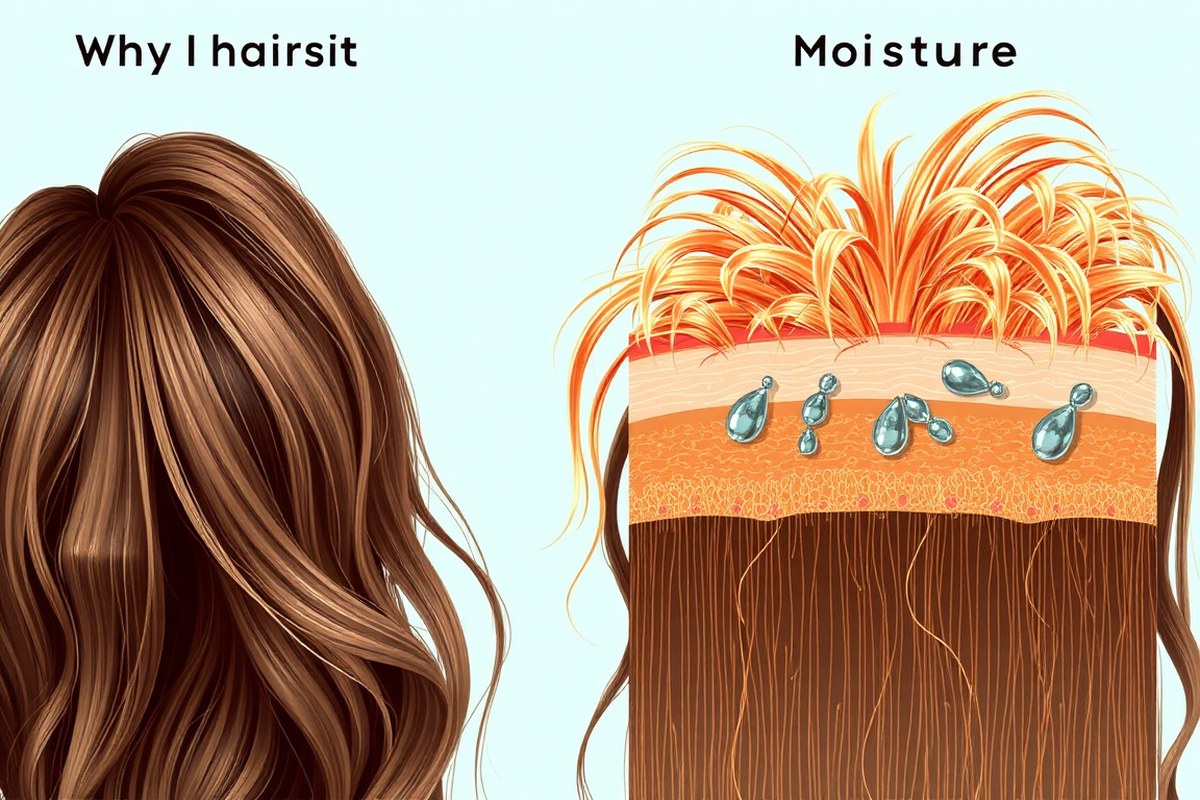
Hair porosity means how well your hair absorbs and holds moisture. It affects frizz because moisture levels determine cuticle behavior and how hair swells or shrinks. You can test porosity by putting a strand in water.
Hair sinks fast when porosity is high. When it floats, porosity is low.
Low Porosity Hair Characteristics
Low porosity hair has tightly closed cuticles that resist water absorption. This hair type often looks frizzy because heavy products can sit on the surface. Buildup happens easily with poor moisture penetration.
Conditioners don’t soak in well. Your hair feels coated but tends to be dry and rough.
Try lighter products that won’t weigh hair down. Use warm water when washing to help open the cuticles. Avoid heavy oils and butters that add buildup without fixing frizz.
Medium Porosity Hair Behavior
Medium porosity hair has balanced cuticles that allow moisture in and hold it fairly well. This hair type usually controls frizz better because it maintains moisture without swelling unevenly.
You may still see frizz in high humidity. But your hair responds well to regular moisturizing routines.
Use conditioners that match your hair texture without overloading your strands. Applying 1 to 2 pumps of deep conditioner weekly can help maintain moisture balance. This approach reduces tangles and frizz by keeping hair smooth and hydrated.
High Porosity Hair Challenges
High porosity hair has many gaps in the cuticle. This lets moisture enter fast. It also escapes quickly from the hair.
This causes hair to swell and puff up with changes in humidity. It feels dry despite frequent moisturizing because water evaporates fast from the open cuticles.
Focus on sealing moisture with heavier creams or oils after applying water-based products. Avoid excessive heat styling that worsens cuticle damage. Regular protein treatments can temporarily fill gaps and improve hair strength.
Overusing heavy products on low porosity hair creates buildup that traps dryness inside, worsening frizz.
Why Does Humidity Make Hair Frizzier?
Humidity changes your hair’s water content by making it absorb moisture from the air. Hair strands soak up this moisture unevenly, causing them to swell. This swelling lifts the cuticle, the outer layer of the hair, which normally keeps strands smooth.
When the cuticle lifts, hair strands lose their neat alignment and start to stick out. That results in the frizzy, rough texture you see. The cuticle swells and becomes raised.
It lets moisture escape. It also pulls moisture from the air. This creates a cycle that makes frizz worse.
Hair type plays a big role here. Curly and wavy hair swells more. Its natural bends lift the cuticle easily.
This causes more frizz. These hair textures soak up humidity faster, making frizz worse than on straighter hair. Damaged or dry hair is also more prone to water imbalance and frizz under humid conditions.
Hair that’s well-moisturized and sealed with natural oils resists humidity better. Oils help lock moisture in and block moisture from air. Without this protective layer, your hair swells more and frizz becomes more noticeable.
To reduce swelling, try using a humid weather-friendly shampoo with oils that protect hair. Also, avoid styling hair when it’s still wet or too damp, since that adds extra moisture. Using diffusers instead of high heat and harsh blow drying keeps curls bouncy and less frizzy.
Maintaining balanced moisture both inside and outside the hair is key. When you keep the cuticle smooth and sealed, hair won’t soak up water unevenly. That stops hair from puffing up and looking frizzy on humid days.
How Damage and Hair Care Habits Influence Frizz
Frizz often comes from damage caused by heat styling, chemicals, and frequent washing. These habits harm your hair’s moisture and protective layer, making strands rough and frizzy. Changing your daily routine and product use can help reduce frizz and protect your hair.
Heat Styling and Frizz
Heat tools like flat irons and curling wands can cause permanent damage if overused. They heat hair up to 450°F, which can break protein bonds and open the cuticle. This breaks down hair’s natural structure.
It leads to frizz. The hair gets a zigzag texture, not smooth waves or curls.
Use a heat protectant spray before any hot styling. These sprays create a shield on your strands, reducing damage and moisture loss.
A good heat protectant allows styling up to 450°F. It helps keep hair strong. It also reduces frizz.
Avoid daily heat styling. Limit blow-drying or flat-ironing to two or three times a week.
Air dry hair whenever you can. Use the coolest setting on heat tools to help keep hair smooth.
Chemical Treatments and Hair Health
Coloring, bleaching, and perming break down the hair’s outer protective layer. This loss of natural oils causes strands to dry out and frizz more easily. Chemicals also break the bonds that hold hair’s shape, leaving it weaker and rough.
Chemical damage often shows as split ends and rough texture. Split ends make hair break off faster and cause more frizz. Regular trims every 6 to 8 weeks help stop damage from spreading along the strand.
To protect your hair:
- Choose mild, sulfate-free shampoos and conditioners.
- Use deep conditioning treatments once or twice a week.
- Space out chemical treatments by several months when possible.
- Consider professional keratin treatments for long-term smoothing.
- Limit how much your hair is brushed or pulled.
Washing and Drying Practices to Avoid
Washing hair too often strips away natural oils that smooth the cuticle. Overwashing causes dryness and makes your hair frizz more. Many experts suggest washing hair every other day or less for frizz-prone hair.
Hot water also contributes to frizz by opening the cuticle and drying strands out. Use lukewarm or cool water when rinsing to keep the hair’s moisture in place. Avoid harsh shampoos with sulfates, which can over-dry your hair and scalp.
After washing, gently squeeze out excess water with a soft towel. Avoid rough rubbing, which can cause physical damage and more frizz. Use a wide-tooth comb to detangle wet hair.
Start at the ends. Work your way up gently.
Choosing the Right Products to Control Frizz
Choosing the right products can smooth frizzy hair and keep it manageable. Look for shampoos and conditioners made for frizzy or dry hair without sulfates. These products keep moisture in your hair.
They stop stripping natural oils. This helps fight frizz from the inside out. Lightweight leave-in conditioners and anti-frizz serums keep flyaways down without weighing hair or causing buildup.
Formulas with jojoba and argan oils are especially good for taming frizz and adding shine. Oils penetrate dry hair, making it softer and easier to control. For styling, look for sprays or creams with anti-humidity labels.
These catch frizz in muggy weather. They keep hair sleek. Use these on damp hair before you blow dry or on dry hair for touch-ups.
Match your products to your hair type to avoid greasy roots with dry ends. Fine hair benefits from lightweight serums and sprays. Thicker hair needs richer creams to smooth strands.
Avoid ingredients like hydrolyzed proteins near the label’s top. They cause stiff hair. Stiffness can make frizz worse.
Glycerin pulls moisture into hair. Avoid it on humid days. It might cause more frizz then.
| Product Type | Key Ingredients | Best For | How to Use |
|---|---|---|---|
| Shampoos & Conditioners | Sulfate-free, moisturizing | Dry, frizzy hair | Use regularly to maintain moisture |
| Leave-in Conditioners | Jojoba oil, argan oil | Flyaways, daily frizz control | Apply on damp hair, comb through |
| Hair Oils | Vegetable oils, argan oil | Dry, tough to manage hair | Use sparingly on ends or dry strands |
| Styling Sprays & Creams | Anti-humidity agents | Humid days, touch-ups | Apply before blow-drying or on dry hair |
Look for products that nourish and repair your hair as well as control frizz. For example, 24K Gold Hair Oil uses five vegetable oils. It smooths very dry hair well.
Living Proof’s No Frizz products suit different hair types. They help keep hair smooth for a long time. Combining the right product with professional tools, like a high-quality brush and dryer, improves results.
Use frizz control products on damp hair for better absorption and lasting smoothness.
Pay attention to your hair’s response to new products. Greasy roots and frizzy ends? Use lighter products at your roots.
Focus oils or creams on the ends. Good products keep hair shiny and soft without feeling heavy or sticky. Avoid buildup by using clarifying shampoos once or twice a month if needed.
Daily and Weekly Hair Care Routines for Less Frizz
Washing every two to three days keeps frizz under control for most hair types. Use gentle cleansing and conditioning daily if needed, plus weekly deep treatments. Small styling changes and nightly habits also help reduce that fuzzy look.
Morning Care Essentials
Wash your hair with lukewarm water to avoid opening the cuticle too much. Finish with a cool water rinse to seal the hair surface and lock in moisture.
Apply conditioner mainly on your hair lengths and ends after shampooing. This approach prevents oily roots and smooths strands, preparing your hair for styling without excess buildup.
Use a mild shampoo every 2, 3 days, adjusting if your scalp gets oily sooner. Use a special shampoo once every one or two weeks. It removes product residue and keeps your hair balanced.
Styling to Prevent Frizz
Start with a leave-in conditioner or an anti-frizz styler on damp hair. This seals the cuticle and reduces frizz throughout the day.
Avoid harsh brushing or towel rubbing, which roughens the hair cuticle and encourages frizz. Instead, comb gently with a wide-tooth comb while hair is wet.
- Use a microfiber towel or soft cotton T-shirt to dry hair.
- Apply styling products evenly to damp hair before air-drying or blow-drying.
- Choose a blow-dryer with heat control and use a cool shot to lock styles.
- Avoid touching your hair too much during the day to keep it smooth.
- Consider silicone-based serums to smooth strands if humidity spikes.
These steps make your hair six times smoother. They also cut frizz by about 75% after styling. Being consistent is key.
Nighttime Habits to Protect Hair
At night, use a satin or silk pillowcase instead of cotton to reduce friction. This lowers breakage and frizz formation while you sleep.
Try loosely braiding your hair or tying it in a low bun. It helps control tangling and maintains moisture overnight.
A weekly deep conditioning mask replenishes moisture and heals damage. Doing this once a week improves your hair’s texture and minimizes frizz in the long run.
Minimizing Friction and Physical Damage to Reduce Frizz
Rough towel drying creates friction that roughens your hair cuticle. This pulls oils from your strands and leaves your hair prone to frizz. Gently blot your hair with a microfiber towel.
This soaks up water without rubbing. Avoid tugging on your hair.
Let your thick or long hair air dry for 20 to 30 minutes. Then gently towel dry.
This step reduces the time your hair stays wet and cuts back on friction damage. Also, avoid touching your hair while it dries because contact raises frizz.
Picking the right pillowcase helps cut down overnight friction. Satin and silk pillowcases slide smoothly against your hair fibers. Polyester satin pillowcases cause less friction than cotton.
They also beat some satin blends. This helps lower sleep lines and crease marks that damage hair.
- Blot your hair with a microfiber towel after washing, no rubbing
- Air dry thick or long hair partially before towel drying
- Use a satin or polyester satin pillowcase instead of cotton
- Detangle hair when wet with a wide-tooth comb, start at ends
- Avoid brushes with nylon bristles on wet hair to limit cuticle damage
- Don’t over-touch or rub hair during drying and styling
When detangling, use a conditioner or detangler to smooth strands first. Begin combing at the ends and work your way up to the roots slowly. This method prevents breakage and stops hair from snagging or tearing, which increases frizz.
Avoid backcombing or teasing your hair because this roughens the cuticle and causes frizz. Use gentle hair tools like wide-tooth combs or soft brushes, especially on damp hair. Your hair will feel smoother and look less frizzy with these small changes.
When to Consult a Professional About Frizzy Hair
Frizz might point to more than just dryness or humidity. Some medical conditions cause hair to dry out or break easily, making frizz worse. Your hair is frizzier and your scalp feels irritated or itchy.
Redness appears too. You should see a doctor or dermatologist soon.
Sometimes frizz won’t go away even with good care. Your scalp or hair may need help. Seeing a professional could solve the problem.
Hair stylists can suggest help beyond home products. They offer treatments like keratin smoothing. Deep conditioning is another option for frizz.
Dermatologists check for scalp problems like dandruff or psoriasis. These can cause flakes. They also affect how healthy your hair looks and feels.
To decide when to see a pro, watch your hair and scalp. Notice how they feel over 2 to 4 weeks. Track any changes or problems.
Frizz with scalp problems that last longer is a bad sign. Hair that breaks off more than normal also needs a check. Time to get advice.
Treatment costs vary: a dermatologist visit ranges from $100 to $300. Salon smoothing treatments run $150 to $500 depending on hair length and style.
Treatments from specialists help by fixing scalp health and sealing hair cuticles. Keratin treatments temporarily smooth hair for weeks, reducing frizz in humidity.
Dermatologists might prescribe medicated shampoos or lotions to calm scalp inflammation that triggers dryness and breakage. Following their advice can prevent damage turning into split ends or hair loss.
Don’t ignore sudden scalp pain or redness with your frizz. These signs need same-day professional care.
Your hair type influences frizz too. Curly hair naturally traps oils near roots, making ends dry and frizzy more often. Over-washing or hot water washes worsen this problem.
Specialists customize care to your hair’s needs, which you won’t get from generic advice. Investing time and money in the right treatment pays off with smoother, stronger hair.
Step-by-Step Action Plan to Reduce Frizz
Follow these steps to start taming your frizz and see real improvements.
- Day 1: Switch to a sulfate-free shampoo and conditioner made for your hair type. Notice if your hair feels less dry after washing.
- Week 1: Use a deep-conditioning treatment twice this week. Your hair should feel softer and more hydrated.
- Week 2: Add a leave-in conditioner or anti-frizz serum after towel drying. See if your hair stays smoother through the day.
- Week 3: Start drying your hair with a microfiber towel or cotton t-shirt. Check if there’s less breakage and frizz when dry.
- Week 4: Cut back heat styling to once a week at most. Always use a heat protectant when you style with heat. Hair should look shinier and less brittle.
- After 1 Month: Get a professional trim to remove split ends. Your hair’s texture should improve noticeably.
- Ongoing: Protect hair from humidity with anti-humidity sprays and cover hair during bad weather. Frizz should reduce on humid days.
Frequently Asked Questions
Why Does My Hair Get Frizzy Even When It’s Not Humid Outside?
Your hair can be frizzy without humidity if it’s damaged or lacks moisture. Dry, broken cuticles let hair strands pull in different directions causing frizz. Repair with nourishing oils to smooth and prevent this dryness.
Can Cold Weather Make My Hair Frizz More?
Yes, cold air is dry and strips moisture from hair causing frizz. Adding a leave-in serum protects your hair’s moisture, helping it stay smoother through winter months. Using protective hats that don’t cause static also helps.
Why Do Heat Styling Tools Cause My Hair to Frizz Afterward?
Heat tools can dry and damage hair cuticles making hair frizzy. Apply an anti-frizz serum before heat styling.
It protects hair from damage up to 450 degrees Fahrenheit. Use lower heat settings for less harm.
Is Frizz Caused by My Diet or What I Eat?
Poor nutrition can cause dry, brittle hair which leads to frizz. Eating foods rich in omega-3 and vitamins A, C, and E helps nourish hair from within. Drinking plenty of water keeps hair hydrated.
Can Sleeping on Cotton Pillowcases Increase Frizz?
Yes, cotton pillowcases cause friction that roughens hair cuticles creating frizz. Switching to satin or silk pillowcases reduces friction and keeps hair smoother overnight. You may notice less morning frizz this way.
Does Frequent Washing Make My Hair Frizz More?
Washing too often strips natural oils that smooth hair cuticles causing frizz. Try washing your hair 2 to 3 times a week and use gentle shampoos. Follow with conditioning to lock in moisture.
Wrapping Up
Frizzy hair happens because of moisture imbalance, damage, and daily habits. You can control it by choosing the right care and protecting your strands. Start small with one change today, like switching your shampoo, and build from there.


