
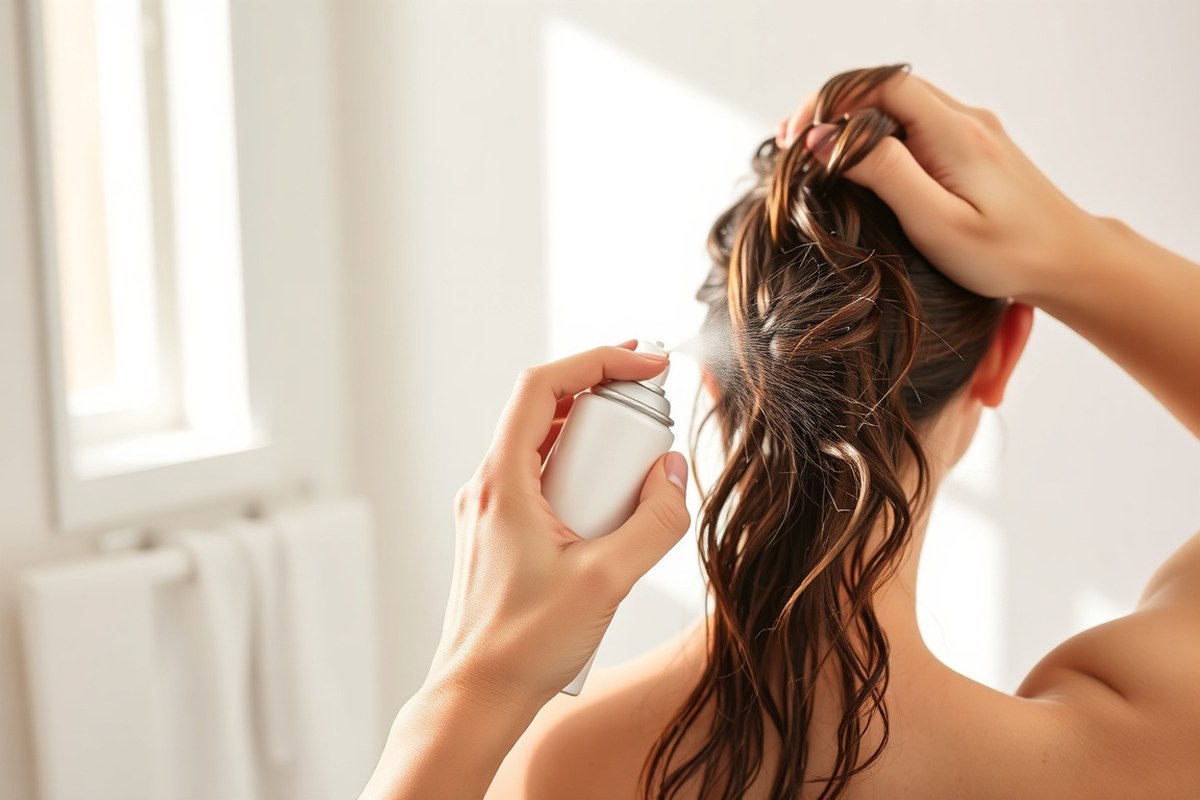
Can You Use Dry Shampoo on Wet Hair? What Actually Works and Why
Dry shampoo doesn’t work well on wet hair. It soaks up oil and moisture only from dry strands. Using it on damp hair can cause clumps and leftover powder.
Wait until your hair is mostly dry before spraying dry shampoo. Ideally, your hair should be about 90% dry to get the best results. Hold the can 6 to 8 inches from your scalp to evenly distribute the product.
Spray your dry shampoo on clean, dry hair. Wait 3 to 5 minutes for it to absorb oil. Then rub or brush it out gently.
Using dry shampoo on damp hair often leaves a white powder or clumps, which looks messy. Dry shampoo just isn’t designed to work with wet strands.
Key Takeaways
- Use dry shampoo only when your hair is mostly dry, about 90% or more.
- Hold the spray can 6 to 8 inches away from your scalp for even coverage.
- Wait 3 to 5 minutes after application before massaging or brushing your hair.
- Avoid applying dry shampoo to wet hair to prevent clumping and white residue.
- Dry shampoo mainly absorbs oil, so it won’t work on damp or wet hair.
- Using dry shampoo on slightly damp hair can sometimes add volume but may cause buildup.
Can You Use Dry Shampoo on Wet Hair? The Straight Answer
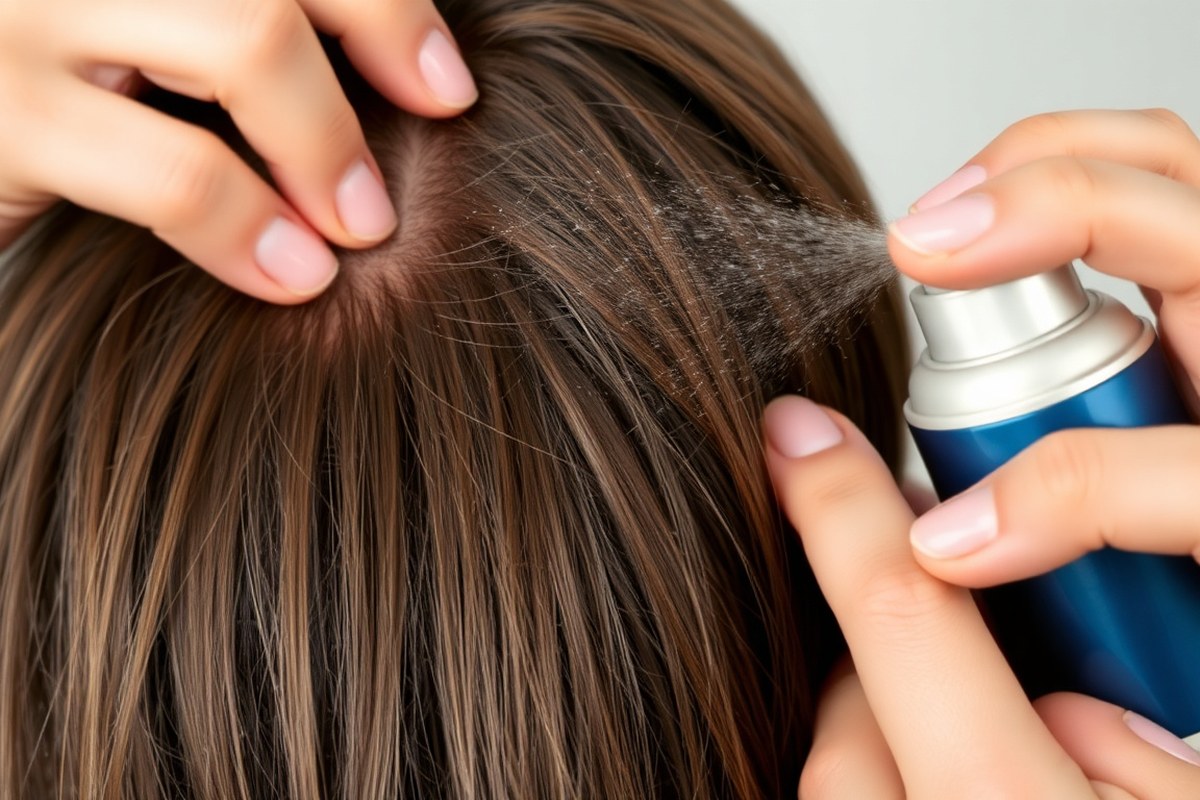
Dry shampoo does not work well on wet hair. It needs dry hair to absorb oils properly. Applying it to wet hair usually causes clumping and leaves a messy residue.
Dry shampoo is a spray or powder you use without water. It soaks up oil on your scalp and roots quickly. This helps refresh your hair without washing it.
When your hair is wet, the product mixes with water instead of oil. This prevents the dry shampoo from doing its job and often creates visible buildup.
That said, you can use dry shampoo on hair that’s nearly dry, about 90% dry. Spraying it on damp hair can sometimes help extend a blowout or reduce sweat after exercise. But the hair must be mostly dry for it to work well.
As a quick rule, apply dry shampoo only when your hair feels dry to the touch. Let your hair dry before using dry shampoo. Wait or finish blow-drying first.
This makes the shampoo work better. Using it on wet hair risks sticky clumps and an unnatural look.
How Dry Shampoo Works and Why It Needs Dry Hair

Dry shampoo works by absorbing extra oil from your scalp and hair. It has tiny particles that stick to oily spots. These particles soak up the moisture.
That moisture makes your hair look greasy. This absorption refreshes your look without needing water or a regular wash.
Dry shampoo is designed for dry hair. It works by using oil, not water, to activate. That’s why water doesn’t help it work well.
Oil sticks well to the powder. So the shampoo can grab it and reduce shine. When your hair is wet, the powder reacts with water molecules.
It does not stick to oil. This reaction makes hair feel thick and clumpy.
Wet hair changes how dry shampoo acts. Instead of absorbing oil, the particles stick to moisture on the strands. This causes your hair to look heavy and leaves a residue that’s tough to brush out.
The product also lands on your scalp. It can trap sweat there over time. This buildup may irritate your skin.
Using dry shampoo on wet hair often means your scalp is oily. Your hair ends may feel dry too. These are signs you might want to wash.
In these cases, relying on dry shampoo can worsen buildup. This buildup blocks hair follicles.
It stops your scalp from renewing cells normally. That can cause irritation or hair problems.
Make sure you apply dry shampoo only on fully dry hair. This helps the powder absorb oil better.
It also makes styling easier. Wet hair will make it clump and leave residue.
Risks and Common Issues When Applying Dry Shampoo on Wet Hair
Applying dry shampoo on wet hair often leads to clumping and uneven residue. The moisture prevents the powder from absorbing oil properly. This causes flakes or white patches that stick and look messy.
Wet hair is more fragile and prone to breakage. Dry shampoo on damp strands can dry the hair out more, causing damage over time. It may also cause scalp irritation if the product builds up without proper cleansing.
Dry shampoo works by soaking up oils and sweat from dry hair. Using it on wet hair makes it less effective. It’s best to apply dry shampoo on dry hair only.
The wet surface limits oil absorption, leading to leftover powder residue. This residue can clog hair follicles and irritate your scalp.
- Clumping due to product mixing with moisture
- White or chalky residue on hair and scalp
- Increased risk of scalp irritation and itchiness
- Dry, brittle hair prone to breakage
- Reduced oil absorption and freshness
- Buildup that requires regular clarifying shampooing
- Potential for hair shedding if used too often on damp scalp
Spraying dry shampoo about 6 to 8 inches away helps reduce residue and uneven spots. Sectioning your hair to target the roots works best for oil absorption. However, if your hair feels wet, the product might not settle well.
Keep in mind that dry shampoo buildup only washes out with water-based shampoo. Using dry shampoo on wet hair often traps the product, causing longer buildup. This buildup can lead to dull hair and clogged pores on your scalp, causing discomfort.
How to Properly Apply Dry Shampoo for Best Results
Preparing Hair Before Application
Make sure your hair is completely dry before using dry shampoo. Applying it to damp or wet hair causes clumping and residue. The dry shampoo needs dry hair to absorb oils properly and give volume.
Let your hair air dry or use a hairdryer on a cool setting. Avoid any moisture on the scalp or strands, or the product won’t work right. You want your roots dry and clean of water particles.
Spraying and Applying Dry Shampoo
Hold the spray can 6 to 8 inches from your scalp to get an even mist. Spray in short bursts rather than a long continuous stream. This prevents overloading one spot and causing white patches.
Part your hair into small sections to cover all oily or flat areas well. Focus on roots first since they get greasy quickest. Less is more; avoid applying too much product to reduce buildup risk.
Here is a step-by-step on how to apply dry shampoo for the best results:
- Shake the dry shampoo can well before use to mix ingredients.
- Part your hair into 3 to 5 sections using your fingers or a comb.
- Hold the can 6 to 8 inches away from your roots in one section.
- Use short sprays lasting 1 to 2 seconds per section, covering all roots.
- Move around to the next hair section and repeat the spray process.
- Let the product sit on the scalp for 3 to 5 minutes to absorb oils.
- Use fingers or a brush to break up product and blend it with your hair.
Blending and Styling for a Natural Finish
After letting the dry shampoo absorb, gently massage your scalp with fingers. This helps remove white powder and evenly distributes the product. A soft brush works well to smooth the hair and blend roots.
Use a cold setting on your hairdryer to dry off any residue. Warm or hot air can make oils spread again, so avoid it. Cool air helps your hair stay clean, not oily or sticky.
For darker hair, consider tinted dry shampoos to reduce visible white residue. Applying slowly and blending thoroughly lowers chances of clumping or a powdery look. Try a light touch at first and add more only if needed.
When and How It’s Safe to Use Dry Shampoo on Slightly Damp Hair
You can use dry shampoo on slightly damp hair if you adjust how you apply it. It works best when hair is mostly dry with just a bit of moisture left. Too much dampness stops it from absorbing oils and can clump the powder.
Ideal Hair Dryness Levels
Your hair should feel dry but not stiff to the touch before using dry shampoo. A light dampness is okay, like a quick towel blot. A mist from a spray bottle works too.
Hair that is too wet will make dry shampoo clump. It won’t soak up oils properly when wet.
A good test is to run your fingers through your hair. Let it dry longer if your hair feels cool or wet.
Or blow-dry briefly to remove excess moisture. Aim for about 90% dry hair to get the best freshening effect without mess.
Product Types Suitable for Damp Hair
Powder dry shampoos often do not work well on damp hair because they clump easily. Use dry shampoo with a powder brush applicator instead.
Or try one with a spray made for moisture. These spread more evenly and reduce patchiness.
Lighter, aerosol sprays are better for slightly damp hair as they dry fast and add volume. Some brands say on the label if it is safe.
Check the label before you buy to be sure. This investment can avoid extra hair cleaning or buildup problems later.
Situations to Consider
Dry shampoo on damp hair adds volume fast after workouts. It works well when you don’t want full drying.
It offers a balance of refreshment and styling without heat damage. Use sparingly to avoid product buildup or a sticky scalp.
Stop if your scalp is itchy or hair looks dull. You might be using too much or applying too soon.
In those cases, wait until hair dries more or wash with regular shampoo. Dry shampoo helps less if your hair is very oily just after sweating or swimming.
Always shake off excess powder before applying to damp hair to avoid clumps and dryness.
Dry Shampoo Alternatives for Wet Hair and Refreshing Hair Between Washes
A better choice than dry shampoo for wet hair includes leave-in conditioners and styling sprays. These products work well on damp hair, helping you refresh without causing buildup. They add moisture and control without the chalky residue dry shampoo might leave behind.
Refreshing your hair without washing means focusing on light products. Use a small amount of leave-in conditioner on the ends to smooth frizz and restore softness. Spray a lightweight styling mist on roots for volume.
Then gently scrunch or comb it through your hair. Avoid heavy products that can weigh your hair down when it’s damp.
Leave-in conditioners add moisture and protect damp hair. Dry shampoo absorbs oil from dry roots only. Styling sprays add texture and hold, making your hair look fresh and styled.
Both keep your hair healthy between washes and add manageable softness. Use them after towel drying for the best results.
| Product Type | Best Use | Effect on Wet Hair | Notes |
|---|---|---|---|
| Leave-in Conditioner | After shower or damp hair | Hydrates, smooths, reduces frizz | Use a pea-sized amount; avoid roots |
| Styling Spray | Damp or dry hair | Adds volume, texture, light hold | Spray evenly, scrunch for best look |
| Wet Dry Shampoo | Damp hair (rare, specific products) | Absorbs oil without chalky buildup | Not common; check labels before use |
| Regular Dry Shampoo | Dry hair only | Absorbs oil, refreshes between washes | Do not apply to wet hair |
Using leave-in conditioners and styling sprays helps keep hair lovely without daily washing. Dry shampoo is a quick fix but suits dry hair best. Using the right product protects hair’s natural oils and avoids buildup from overuse.
For coily or textured hair, styling products like curl creams work great on damp hair. Dry shampoo can sit on these products and leave a white cast.
So it’s best to skip it here. Instead, refresh curls with a water mist or light conditioner.
How to Fix and Remove Dry Shampoo Buildup from Wet Hair Application
Dry shampoo buildup on wet hair can cause clumps or white residue. Quick fixes can remove this without a full wash. Taking the right steps helps restore your style fast and smooth.
Identifying Buildup Symptoms
Clumped patches feel stiff or crunchy to the touch. White or chalky spots appear on your hair strands and scalp. The hair may look dull and powdery instead of fresh.
Visible residue can ruin your whole look, so avoid it. You might notice this after spraying dry shampoo on damp hair by mistake. Recognizing these issues early helps you fix them before the day is lost.
Gentle Removal Techniques
Start by using a clean, gentle brush or wide-tooth comb. This loosens the dry shampoo particles without breaking or frizzing hair. Next, apply a small amount of leave-in conditioner or water to soften the residue.
Then gently massage your scalp with your fingertips to break up clumps. Avoid vigorous scrubbing, which spreads residue or irritates skin. Rinse only the spots that need it with cool water, not your whole scalp.
Follow these steps for a quick cleanup without washing fully:
- Use a gentle brush or wide-tooth comb to break up residue.
- Spritz a little water or leave-in conditioner to soften powder.
- Massage your scalp lightly with fingertips to loosen clumps.
- Spot rinse affected areas if residue persists, using cool water.
- Towel blot hair gently, avoiding rubbing that causes tangling.
- Air dry or use a low-heat blow dryer to finish styling.
Preventing Future Buildup
Apply dry shampoo only on dry hair to avoid clumps. Let your hair dry fully after washing or dampening before use. Use a lightweight aerosol formula if your hair is fine or thin.
Spray the dry shampoo from 6 to 8 inches away in short bursts. Then, wait 2 to 3 minutes to let it absorb oils before brushing out. This routine reduces white residue and keeps your scalp healthier.
Expert Tips and Scalp Health Considerations When Using Dry Shampoo
Use dry shampoo no more than two or three times each week. Overusing leads to buildup that can clog your hair follicles. Letting your scalp rest helps prevent itching and keeps your hair healthy.
Take care of your scalp by washing it regularly with a gentle shampoo. Use a scalp scrub or treatment once a week to remove any lingering dry shampoo residue. This stops flakes and dullness while keeping your scalp balanced and clean.
Experts say apply dry shampoo only on dry hair. Wait about 20 to 30 minutes before brushing your hair. This helps the product work better.
This lets the powder absorb oil properly. Try using it in the morning or mid-afternoon, not right before bed, to avoid overnight buildup.
Keep the area around your hairline and crown free of excess product. Spray or sprinkle a small amount of dry shampoo onto your hair. Gently rub your fingers through to spread it well.
Use only enough to cover oily areas lightly. This prevents white residue and helps the product blend into your natural hair.
Check for signs of scalp irritation, like redness or itching. Signs like redness or itching mean use less dry shampoo.
Visit a dermatologist if symptoms do not get better soon. Healthy scalp care involves balancing product use with regular washing and avoiding harsh ingredients.
Put dry shampoo on hair that is fully dry. Wait 20 minutes or more before styling your hair. This helps avoid product buildup and scalp problems.
Step-by-Step Action Plan for Using Dry Shampoo Safely
Follow these steps to freshen your hair without washing it. Use dry shampoo only on dry hair for best results.
- Before you start: Make sure your hair is completely dry. Applying dry shampoo to wet hair causes buildup and dullness.
- Day 1: Spray dry shampoo 6 to 8 inches from your roots. Look for a matte finish, not white flakes.
- After 5 minutes: Massage your scalp gently with fingers. This helps absorb oil and spreads the product evenly.
- Day 2: Brush thoroughly to remove excess powder. Your hair should feel lighter and less oily.
- Week 1: Try refreshing damp hair instead of wet. Lightly towel dry before applying a small amount of dry shampoo. Check that it blends well.
- Week 2: Test dry shampoo alternatives like scalp wipes or waterless cleansing sprays on damp hair. Notice if these feel less heavy or gritty.
- After 3 weeks: If you spot buildup, use a clarifying shampoo to clean your scalp. Healthy scalp equals healthier hair.
- Ongoing: Keep track of scalp irritation or dryness. Pause dry shampoo use if your scalp feels itchy or flaky.
Frequently Asked Questions
Can Using Dry Shampoo on Wet Hair Damage Your Scalp?
Yes, it can clog pores and cause irritation. Wait until your scalp is dry for better scalp health.
Can Dry Shampoo on Wet Hair Affect Hair Texture Differently?
Yes, it may leave your hair stiff or sticky. It’s best on dry hair for a natural feel.
Does Dry Shampoo on Wet Hair Reduce Its Oil-Absorbing Power?
Yes, water blocks dry shampoo from absorbing oil properly. Use it only when hair is dry for full effect.
Can I Use Dry Shampoo Immediately After Swimming or Washing?
No, hair needs to be dry before applying dry shampoo. Pat your hair dry first to avoid clumps and residue.
Is It Okay to Spray Dry Shampoo on Damp Hair from Humid Weather?
Damp hair can cause dry shampoo to clump and look messy. Apply once your hair feels dry to the touch.
Does Dry Shampoo on Wet Hair Affect How Long It Lasts?
Yes, moisture reduces its staying power and effectiveness. For longer-lasting results, apply dry shampoo only to dry hair.
The Bottom Line
Dry shampoo works best on dry hair to absorb oil and freshen your style. Using it on wet hair can cause buildup and scalp issues. Try refreshing damp hair with other products instead, or follow the plan above for good results.


