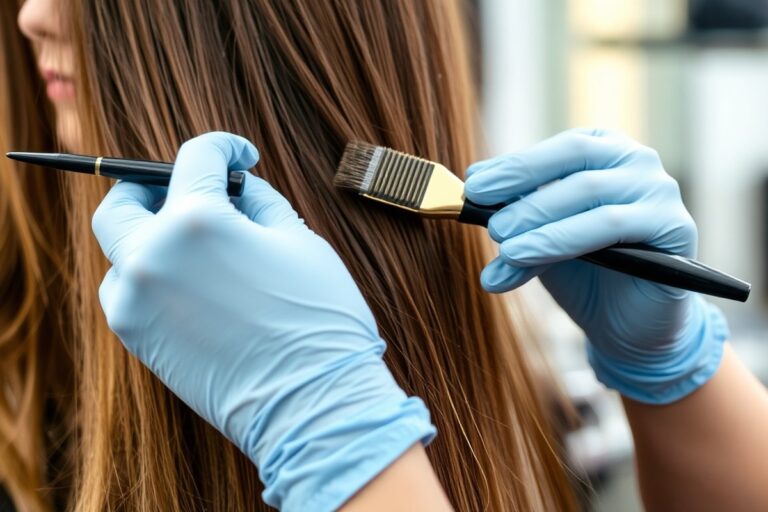
What Oil Helps Hair Growth: Top Oils That Actually Work for Fuller Hair
Wondering what oil helps hair growth? Castor oil, rosemary oil, and peppermint oil top the list.
These oils nourish your scalp and boost follicle activity, helping your hair grow fuller and thicker. Start with a small amount to avoid buildup or irritation.
Rosemary oil works well for hair growth and is gentler than some treatments like minoxidil. Castor oil locks in moisture, improving hair strength and reducing breakage. Applying these oils regularly can make a visible difference over weeks.
Some oils help block DHT, a hormone linked to hair loss. DHT can cause thinning hair over time. Blocking it may reduce hair loss and promote growth.
Coconut and argan oils are excellent carriers that also strengthen and hydrate your scalp. Use oils consistently and watch for any scalp sensitivity before increasing use.
Key Takeaways
- Use rosemary oil to boost hair growth with less scalp irritation than minoxidil.
- Apply castor oil weekly to lock moisture and strengthen your hair strands.
- Combine essential oils like lavender and peppermint for improved follicle stimulation.
- Coconut and argan oils hydrate your scalp and aid in nutrient absorption.
- Apply oils 10, 15 minutes before washing hair for best absorption.
- Choose oils based on your scalp type to avoid clogging pores or dryness.
Which Oils Are Proven to Help Hair Growth?

Rosemary oil stands out as one of the best oils for hair growth. Scientific studies show it can stimulate hair growth and improve scalp health. In a trial, rosemary oil performed as well as 2% minoxidil but caused less irritation.
Castor oil is another popular choice, known for locking in moisture and strengthening strands. It doesn’t directly boost hair growth but makes hair healthier and less prone to breakage. Using castor oil regularly can lead to thicker, shinier hair over time.
Saw palmetto oil has antioxidant and anti-inflammatory effects. It also blocks DHT, a hormone linked to hair loss. This helps protect hair from falling out.
This makes it helpful for slowing hair thinning. Its natural DHT-blocking effect shows promise for maintaining fuller hair.
Cedarwood essential oil has traditional support and some evidence for balancing oil glands in the scalp. This may promote better blood flow and nutrient exchange in hair follicles. People with alopecia saw improved hair thickness using cedarwood in combined oil treatments.
Lavender oil is known for calming skin. Small studies tested it on people with alopecia. It showed some benefits in those trials.
Those tests showed lavender oil alongside other essential oils can encourage new hair growth. It also protects hair follicles from damage.
Peppermint oil’s cooling effect and potential to extend the hair’s growth phase are intriguing. Early studies suggest it might speed up hair growth, but more research is needed. Mixing peppermint oil with carrier oils can help avoid skin irritation.
Carrier oils like jojoba, olive, and safflower are good bases for essential oils. They also nourish the scalp directly. They help your hair absorb oils better.
These oils hydrate the scalp and remove product buildup, creating a healthier environment for hair growth. They work best when combined with essential oils for added stimulation.
Natural oils differ in type, cost, and ease of use. Essential oils require dilution, usually about 3 to 5 drops per tablespoon of carrier oil.
This prevents irritation and boosts benefits. Carrier oils alone can be applied directly and often cost less.
Rosemary oil helps hair follicles and soothes irritation. Castor oil strengthens hair and adds moisture. Saw palmetto blocks hormones that cause hair loss.
Cedarwood balances scalp oils. Lavender supports healing and hair growth.
Peppermint stimulates hair to grow faster. Each has a unique role but works best with a carrier oil.
Top Carrier Oils to Stimulate Hair Growth and Nourish Scalp

Carrier oils play a big role in supporting scalp health and hair growth. Each oil has unique fatty acids and nutrients. They nourish hair follicles and improve scalp elasticity.
They also soothe sensitive skin. Knowing their benefits helps you pick the right one for your hair needs.
Castor Oil: Boosts Growth and Moisturizes
Castor oil is rich in ricinoleic acid, which improves blood flow to follicles. This acid also reduces inflammation that can cause dandruff or itching. The oil’s thick texture moisturizes the scalp deeply.
It makes hair strands stronger. This helps reduce breakage.
Use about one tablespoon of castor oil. Mix it with a lighter oil. This makes spreading easier.
Massage the oil into your scalp for five to ten minutes. Leave it on at least one hour. For best results, keep it overnight.
Coconut Oil: Protects and Fights Bacteria
Coconut oil contains lauric, myristic, and capric acids, which give it antibacterial and antifungal properties. It helps clean the scalp and protect against infections that slow hair growth. This oil also penetrates the hair shaft, reducing protein loss and damage.
Apply coconut oil to damp hair for better absorption. Use one to two tablespoons, focusing on your scalp and ends.
Leave the oil on for 30 minutes before washing. You can also use it overnight once a week.
Argan Oil: Nourishes and Increases Elasticity
Argan oil is high in oleic and linoleic acids, both essential for a healthy scalp. These fatty acids help restore scalp elasticity and lock in moisture. Argan oil also contains vitamin E, which repairs damage and boosts shine.
Use argan oil as a finishing oil or mixed with essential oils on your scalp. Apply a few drops to your palms and gently massage three times a week. Avoid overuse to prevent greasy buildup, especially on oily scalps.
Almond Oil: Soothes Sensitive Scalps
Almond oil has mono- and polyunsaturated fatty acids. It helps soften your skin. It also reduces irritation.
It protects against UV damage, making it ideal for sensitive or sun-exposed scalps. Almond oil also adds softness to hair without heavy residue.
Try almond oil as a daily scalp moisturizer. Use one teaspoon and massage gently to calm dryness and flakiness. It can also be mixed with essential oils for added scalp comfort.
Choosing Carrier Oils for Your Scalp Needs
Here’s a quick guide to pick carrier oils. Base your choice on scalp and hair type.
- Dry scalp: Use argan, coconut, or olive oil for deep hydration.
- Oily scalp: Light oils like almond or jojoba avoid clogging pores.
- Sensitive scalp: Almond or jojoba oil soothes irritation.
- Dandruff-prone: Castor oil’s anti-inflammatory properties help.
- Normal scalp: Coconut or argan oils maintain balance and shine.
Mixing a few drops of your favorite essential oil with a carrier improves benefits. Always patch test new oils to avoid allergic reactions.
Apply oils on a damp scalp for better absorption. Massage gently for five to ten minutes. Use oils no more than three times a week to keep your scalp balanced and healthy.
Essential Oils That Promote Hair Growth and Follicle Stimulation
Several essential oils support hair growth and scalp health. Rosemary, peppermint, lavender, and tea tree are popular choices. They stimulate follicles, reduce dandruff, and improve circulation.
Rosemary Oil Benefits and Usage Tips
Rosemary oil boosts circulation at the scalp, helping hair follicles get more nutrients. It may slow down hair loss and promote new growth. Apply a couple drops daily after mixing it with carrier oil.
Leave it on your hair for a few hours. This method often works well for hair growth.
Mix 2 or 3 drops of rosemary oil with coconut oil. Use one tablespoon of coconut or jojoba oil. Stir the oils together before applying.
Massage this blend gently into your scalp. Avoid leaving it on too long if you have sensitive skin to prevent irritation.
Peppermint and Lavender Oil Effects on Follicles
Peppermint oil improves blood flow and cools the scalp. It also helps reduce flakes and inflammation caused by dandruff. Dilute peppermint oil with a carrier to soothe your scalp without burning sensations.
Lavender oil has been shown to increase hair follicle count in studies. It conditions hair deeply and adds shine while helping with dandruff. A few drops in any carrier oil make a great nightly scalp treatment.
Both oils encourage hair growth partly by stimulating follicles directly and calming the scalp. Adding either one or both to your hair care routine can improve results over time.
Safety and Dilution Guidelines for Essential Oils
Never apply essential oils directly to your scalp without dilution. Use 2 to 3 drops per tablespoon of carrier oil like almond or castor oil. This ratio lowers the risk of skin irritation.
Test your oil blend on a small skin patch before full use. Stop if redness or itching occurs. Start with small amounts and increase slowly as your scalp adjusts.
For application, massage the diluted oil into the scalp for 5 minutes. Leave it on for at least 30 minutes or overnight before washing out. Regular use 2 to 3 times a week helps you see improvements gradually.
How to Apply Hair Growth Oils for Maximum Effectiveness
Applying hair growth oils properly helps your scalp absorb nutrients better. A gentle massage boosts blood flow, which can help stimulate follicles. Regular but not excessive use avoids buildup and scalp issues.
To get started, part your hair in small sections. Warm a few drops of oil between your palms to improve spreadability.
Use your fingertips, not nails, to massage the scalp in small circles. Aim for at least 5 minutes per session for good stimulation.
You can leave the oil on overnight for deeper penetration if you like. Use a shower cap or towel to protect your pillow. Rinse the oil out with shampoo the next morning to prevent residue and clogged follicles.
For best results without buildup, apply oil 2 to 3 times a week. Use a scalp scrub once a week to clear away old oil and dead skin. This keeps follicles open and ready to absorb fresh oil.
- Part your hair into sections about 1 inch wide for even oil coverage.
- Warm 5-10 drops of your chosen oil in your hands until it feels comfortably warm.
- Apply the oil directly to your scalp using your fingertips.
- Massage gently in small circles for 5 minutes to boost circulation.
- Cover your hair with a shower cap if leaving oil overnight.
- Rinse oil out with shampoo the next morning to avoid buildup.
- Repeat this routine 2-3 times weekly for steady hair growth support.
Factors That Affect How Quickly Oils Stimulate Hair Growth
Results from using oils to stimulate hair growth usually take at least three to six months. Hair grows about half an inch monthly, so visible changes happen slowly.
Your hair type affects how soon you see improvement. Thicker, curlier hair might look fuller faster than fine, straight hair.
Your scalp condition plays a key role, too. A healthy scalp with less flaking helps oils soak in better. It also reduces irritation and works with your natural growth cycle.
Keeping your scalp healthy supports hair health effectively. Regular scalp massages with oils can boost blood flow and may speed up growth. For example, some studies show rosemary oil matches minoxidil in effectiveness for pattern hair loss.
Diet also impacts oil effectiveness. Eating enough protein, vitamins A, C, and E, plus minerals like zinc, supports hair growth internally.
Oils work best when combined with healthy eating and hydration. Avoid harsh shampoos and minimize heat styling to keep your scalp healthy and receptive.
Men and women often differ in scalp oil needs due to hormone-related hair loss patterns. Men with androgenetic alopecia may see better results with certain oils. Pumpkin seed oil is one example with effects on DHT.
Oils like this might help slow hair loss. Women might focus on oils that strengthen and moisturize without clogging follicles.
Track your progress by noting hair thickness, scalp condition, and any shedding changes monthly. Stick to a steady routine applying oils two to three times a week. Massage the oil into your scalp for 5 to 10 minutes each time.
This helps the oil soak in and stimulate growth. Patience is key because hair follicles need time to shift from resting to growing phases.
Don’t expect fast results from natural oils for hair growth. You need to use them consistently for at least three months. This gives enough time to see real improvement.
Which Oils Help Reduce Hair Loss and Block DHT Effectively?
| Oil | DHT-Blocking Effect | Uses | Evidence | Risks or Side Effects |
|---|---|---|---|---|
| Pumpkin Seed Oil | Strong natural blocker of DHT | Apply scalp oil twice daily or use supplements | Studies support effectiveness for reducing hair loss | Mild scalp irritation possible; patch test first |
| Saw Palmetto Oil | Known to inhibit DHT production | Massage into scalp daily for best results | Widely used for androgenic alopecia with positive results | Rare headaches or digestive upset if absorbed systemically |
| Castor Oil | No direct DHT blocking; reduces inflammation | Use 2, 3 times a week for scalp moisture and thickness | May improve scalp health, lessens hair shedding | Possible allergy; very thick and sticky to apply |
| Rosemary Oil | Alternative treatment; possibly inhibits DHT indirectly | Mix a few drops with carrier oil; apply 3, 4 times weekly | Small studies support use for pattern baldness | May cause scalp irritation if undiluted |
| Black Seed Oil | Potential to reduce hair loss causes | Apply directly or mix with other oils daily | Small studies show improved hair density in hair loss types | Allergic reactions uncommon but possible |
Pumpkin seed oil and saw palmetto oil are your top natural options for blocking DHT. DHT causes hair follicles to shrink, leading to pattern baldness. Using pumpkin seed oil twice a day on your scalp can slow hair loss.
You can also take it as a supplement. Both ways may work well over time. Saw palmetto oil works in a similar way.
Massaging it into your scalp daily often helps with androgenic alopecia. This can support hair health.
Castor oil doesn’t block DHT but helps by reducing scalp inflammation and adding moisture. This supports hair growth indirectly by keeping follicles healthy. Use it 2 or 3 times weekly.
Its thick texture can be hard to wash out. So dilute it first with a lighter oil.
Rosemary oil shows promise in small studies for pattern baldness. This oil might block DHT indirectly. Dilute it before applying.
Use it 3 to 4 times a week to improve scalp circulation. Black seed oil has emerging evidence for improving hair density with daily use. These oils help with pattern baldness and some alopecia types.
Don’t expect quick fixes or overnight results. Regular use is needed for effect.
Some side effects can happen. Pumpkin seed and saw palmetto oils might irritate sensitive scalps. So try a patch test first.
Saw palmetto could cause rare headaches if absorbed too much through skin. Castor oil can trap bacteria if applied to a dirty scalp, possibly making hair loss worse. Always dilute essential oils like rosemary to avoid redness or burning.
Costs vary: good pumpkin seed and saw palmetto oils start around $15 for 2 ounces. High-quality blends or supplements can cost $30 or more. For best results, stay consistent for at least 3 months and track progress.
Stop using the oil if you get more irritation or shedding. Talk to a healthcare provider or dermatologist. They can give you proper advice.
Common Mistakes and Risks When Using Hair Growth Oils
You can damage your hair by using oils too often or in the wrong way. Overusing oils makes your scalp greasy and can clog follicles. This clogging might slow hair growth or cause hair loss instead of stopping it.
Some oils need to be diluted with a carrier oil to work safely. Essential oils like lavender or rosemary can irritate your scalp if you apply them undiluted. Always mix a few drops of essential oil in a tablespoon of carrier oil.
Use jojoba or coconut oil for best results. This helps protect your skin from irritation. Undiluted oils can cause redness, itchiness, or even burns.
Allergic reactions are another concern. Even natural oils can cause sensitivity. Test a small amount on your forearm first.
Wait 24 hours before using it on your scalp. This helps check for any reaction.
Avoid that oil if the spot gets red or itchy. Try a different oil instead.
- Use oils only 2 to 3 times a week to avoid buildup
- Dilute essential oils with 1 tablespoon of carrier oil per 3 to 5 drops
- Patch test oils on skin before scalp use to check for allergies
- Avoid heavy oils like mineral oil, which can block follicles
- Rinse hair properly to remove extra oil and prevent greasiness
- Use oils suited to your hair type to avoid weighing hair down
Some oils can cause hair loss or damage if misused. Mineral oil and greasy petroleum-based oils sit on hair instead of absorbing. They block pores and trap dirt, damaging hair roots.
Use lighter oils like rosehip or sunflower oil instead. These feed your scalp and reduce protein loss in hair.
Taking time to apply oils right matters. Warm the oil to about 98°F for best absorption. Massage gently for 5 to 10 minutes to boost blood flow.
Rinse hair with a mild shampoo after 30 minutes to avoid residue build-up. This way, you help your scalp and strands grow stronger without risk.
Choosing the Right Oil Blend Based on Hair Type and Scalp Needs
Pick oils that suit your hair type and scalp needs. This helps speed up hair growth. It also makes your hair healthier.
You want to target dryness, oiliness, sensitivity, or thinning with specific blends. Choosing pure, authentic oils also keeps your scalp healthy and boosts results.
Blends for Dry Scalp and Brittle Hair
Dry hair and scalp need oils that lock in moisture and reduce breakage. Jojoba oil is ideal because it mimics your scalp’s natural oils and seals in hydration. Mixing jojoba with a heavier carrier like coconut or avocado oil helps strengthen brittle strands.
Add a few drops of rosemary or lavender essential oil for extra stimulation. Use about 2 tablespoons of your carrier blend warmed to body temperature before applying. Leave it on overnight or for 30 minutes, then gently rinse to avoid stripping moisture.
Oils Suited for Oily or Dandruff-Prone Scalp
Oily scalps should avoid heavy or pore-clogging oils like castor. Lighter oils like grapeseed or sweet almond oil condition without weighing down hair. Tea tree or peppermint essential oils help reduce dandruff and balance scalp oils.
Apply a small amount, about a teaspoon, mainly to the scalp to prevent greasiness. Frequency can be two to three times a week. Wash hair with a gentle shampoo to keep buildup away while benefiting growth stimulation.
Choosing Oils for Sensitive or Irritated Scalps
Sensitive scalps react better to mild, fragrance-free oils like sunflower or fractionated coconut oil. Avoid untested essential oils since some irritate skin. Patch test a drop on your inner arm before using on the scalp.
Keep your essential oil drops very low, around 0.5%, blended into a carrier oil. This means about one drop per tablespoon of carrier. Use oils that soothe, like chamomile or calendula, and never apply to broken skin.
Check for cold-pressed and organic labels to ensure your oils are pure and effective.
Your First 30 Days: A Quick-Start Plan for Hair Growth Oils
This simple plan helps you start using oils for hair growth safely and see early results. Follow the timing and steps to track your progress well.
- Before You Start: Do a patch test with your chosen oils. Wait 24 hours to check for irritation or allergies.
- Day 1: Apply a carrier oil like castor or coconut mixed with rosemary essential oil. Massage for 5 minutes. Your scalp should feel nourished, not itchy.
- Week 1: Use the oil blend 2 to 3 times a week after washing your hair. Notice if your scalp feels less dry and more balanced.
- Week 2: Increase massage time to 10 minutes for better blood flow. You may start to feel your scalp more sensitive and lively.
- Week 3: Add peppermint oil for added stimulation if your scalp tolerates it. Watch for tingling but no burning sensation.
- Week 4: Stick to your routine and avoid over-washing. Hair may feel softer and look shinier by now.
- After 4 Weeks: Assess hair thickness and scalp condition. Keep using oils or adjust your blend based on what feels best.
Frequently Asked Questions
What Is the Best Essential Oil for Hair Growth?
Rosemary oil is one of the best for hair growth. Better circulation helps hair grow strong.
It may match medical treatments. You get fewer side effects.
What Oil Will Make Hair Grow Faster?
Peppermint oil may help hair grow faster by extending its growth phase. Use it diluted with a carrier oil to avoid irritation.
What Are the Big 3 for Hair Growth?
Castor, rosemary, and peppermint oils are the big three. Castor locks in moisture while the others stimulate follicles.
Which Oil Should I Avoid for Hair?
Avoid heavy mineral oils and some synthetic oils. They can clog pores and weigh hair down.
Can Hair Oils Help with Hair Thinning?
Yes, oils like rosemary and cedarwood may reduce thinning by balancing scalp oils. Use them regularly for best results.
Is It Safe to Use Essential Oils Directly on the Scalp?
Never put essential oils straight on your scalp. Always mix them with carrier oils first. This prevents irritation.
Final Thoughts
Choosing the right oils and using them regularly helps support hair growth naturally. Start with small amounts and listen to your scalp’s response. Now, pick your favorite oil blend and begin your gentle scalp massages this week.