What Oils Promote Hair Growth: A Complete Guide for Effective Results
What oils promote hair growth is a common question with a simple answer. Oils like rosemary, castor, and lavender have shown clear results in boosting hair growth. These oils work by feeding and strengthening hair follicles with natural nutrients.
Start applying oils at least 30 minutes before you wash your hair for better absorption. You can use a brush to stimulate your scalp. This helps boost blood flow.
Better blood flow helps the oil work faster. Choosing the right oil depends on your hair type and any scalp conditions.
Key Takeaways
- Rosemary oil boosts hair growth nearly as well as minoxidil after six weeks.
- Castor oil deeply nourishes the scalp and supports strong hair roots.
- Lavender oil increases hair follicle count when applied regularly at 5% solution.
- Apply hair growth oils 30 to 90 minutes before shampooing for best effects.
- Use a scalp brush to remove buildup and improve oil absorption.
- Mixing oils like rosemary and castor can increase hair growth rate significantly.
Which Oils Are Proven to Promote Hair Growth?

Several essential and carrier oils have scientific support for promoting hair growth. They help by improving circulation, reducing inflammation, and nourishing the scalp. Using these oils correctly can support healthier hair over time.
Top Essential Oils for Stimulating Follicles
Rosemary, peppermint, and lavender essential oils contain compounds that boost scalp circulation and calm inflammation. These oils have been shown to help hair follicles function better, making hair thicker and stronger. For example, rosemary oil’s anti-inflammatory properties can reduce scalp irritation that slows growth.
Cedarwood oil may also promote growth by balancing scalp oils and improving nutrient flow to follicles. Studies found it helped reduce hair loss in people with alopecia when combined with other oils. These essential oils are usually diluted in a carrier oil first.
Then, massage the mixture gently into your scalp. Do this before washing your hair.
Best Carrier Oils for Nourishing Scalp and Hair
Carrier oils like castor, meadowfoam seed, and safflower seed oil help nourish your scalp. They also keep hair strands strong and healthy.
Castor oil is rich in fatty acids that add moisture and may boost circulation. Meadowfoam and safflower oils mainly moisturize without blocking hair follicles.
Carrier oils form the base for essential oil blends. Applying them 30 to 90 minutes before shampooing lets nutrients soak in. Start with about 1 tablespoon of carrier oil for a scalp treatment.
Add 3 to 5 drops of essential oil to it. Mix well before applying.
Oils with DHT-Blocking or Anti-Inflammatory Effects
Some oils target hormone-related hair loss by blocking DHT, a key factor in hair follicle shrinkage. Saw palmetto oil is known for its effect on hair growth. It is in products like Ulo Hair Growth Serum.
This serum contains 2% saw palmetto oil. It often comes blended with rosemary and peppermint oils for extra stimulation.
Anti-inflammatory oils help calm scalp conditions that contribute to hair loss. Peppermint and rosemary oils reduce inflammation and increase blood flow, which can restore healthier follicles. Regular use improves scalp environment, supporting gradual hair regrowth.
Here is a comparison of the main oils and their effects:
| Oil | Promotes Circulation | Anti-Inflammatory | DHT-Blocking | Moisturizing |
|---|---|---|---|---|
| Rosemary Essential | Yes | Yes | No | No |
| Peppermint Essential | Yes | Yes | No | No |
| Cedarwood Essential | Yes | No | No | No |
| Lavender Essential | Yes | Yes | No | No |
| Saw Palmetto Oil | No | No | Yes | No |
| Castor Carrier | No | No | No | Yes |
| Meadowfoam Carrier | No | No | No | Yes |
Choosing oils depends on your hair needs. For example, use rosemary or peppermint oils to soothe inflammation and stimulate follicles.
Add saw palmetto if you suspect hormone-related hair loss. Blend these with carrier oils like castor or meadowfoam to keep scalp hydrated and healthy.
How Do Hair Growth Oils Work on Your Scalp and Follicles?
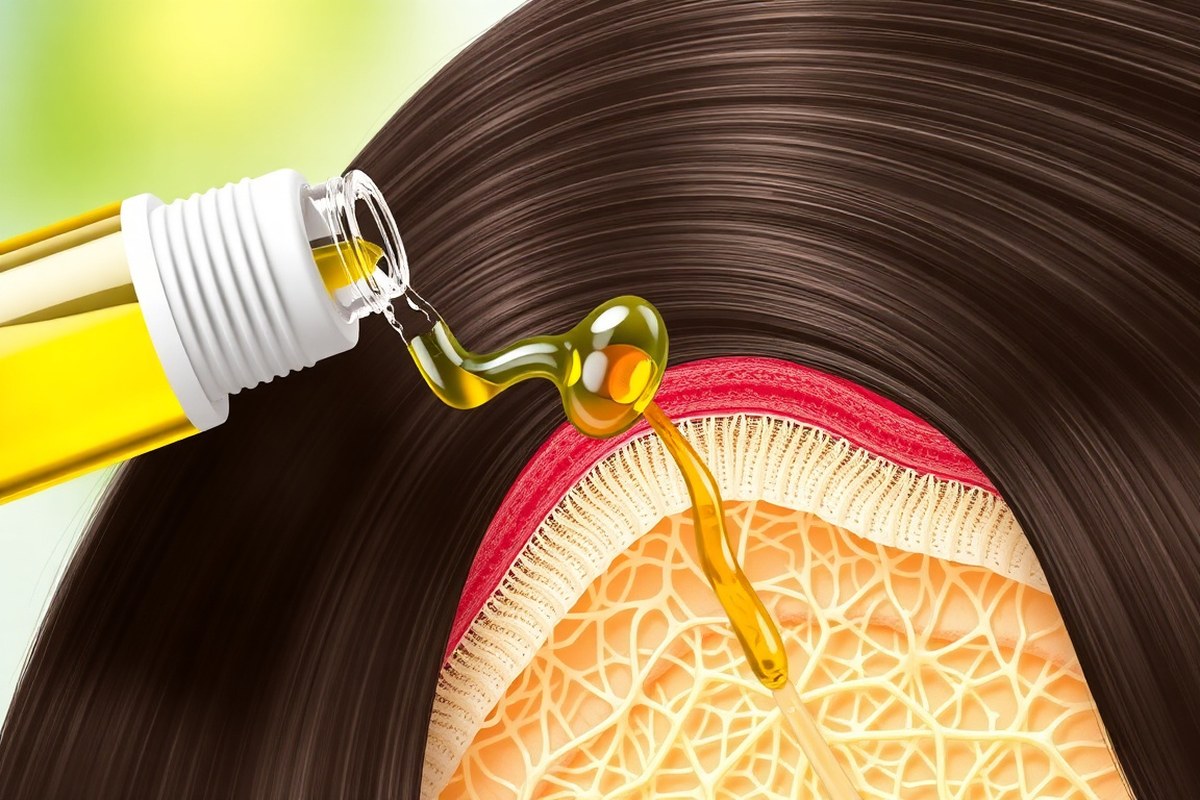
Hair growth oils improve scalp circulation by stimulating blood flow with massage and certain compounds. Essential oils like peppermint contain 1,8-cineole, which promotes blood flow to hair follicles. This increased circulation brings more oxygen to hair follicles.
It also delivers key nutrients. These help follicles stay healthy and active.
Most hair growth oils contain vitamins and nutrients like niacinamide (vitamin B3) to nourish hair follicles. Oils like jojoba and chia seed give these nutrients. They reduce inflammation.
They also balance oil production on your scalp. Better hydration soothes irritation on the scalp.
This creates a healthier place for hair to grow. Hair grows stronger and thicker here.
These oils help hair stay longer in the growth phase. They do this by reducing inflammation. They also protect the follicles.
Antioxidants in oils shield hair from damage caused by free radicals. This means hair stays in the growth phase for more time.
After 4 to 6 weeks, hair looks fuller. It also looks healthier overall.
Applying oils properly supports these effects. Use your fingertips to rub a few drops on your scalp. Massage for 5 to 10 minutes.
This helps the oil absorb well. This not only spreads the oil but also boosts circulation. Concentrate on areas where the hair feels thin or dry for better results.
Some oils, like olive oil, make follicles stronger. They fix damage by deeply conditioning scalp and hair strands. This keeps hair healthy.
This protects against breakage and improves texture, creating an optimal environment for continuous hair growth. Using cold-pressed, high-quality oils provides the best nutrient absorption and avoids irritation.
Massage the oils gently on your scalp at least 3 times weekly. This improves blood flow. It helps feed your hair follicles.
How Long Does It Take to See Hair Growth Results with Oils?
You usually notice hair growth or thickness after three months. Use hair growth oils consistently. Keep applying them to see results.
Some studies show signs of improvement in animals or humans after one month. But visible changes often take longer on real hair. Patience is key since hair grows slowly, roughly half an inch per month.
The timeline to see results depends on the oil type and your hair condition. Oils like rosemary and pumpkin seed showed significant growth effects after about three months in studies. Castor oil lotions made hair softer and thicker in animals in one month.
Results vary for humans. Everyone’s hair reacts differently. Your scalp health and how you apply the oil also change how fast you see progress.
Apply your chosen oil daily or several times a week. Do this for at least three to six months. Consistency is key for best results.
Consistency is important to moving hair follicles from resting to growing phases. Stopping early might cause you to lose progress.
You may not see any change if you quit too soon. Healthy hair gains often appear as thicker strands and fuller scalp coverage over time.
Use oils with castor or argan for thinning or damaged hair. They can improve hair texture faster. These oils add strength and shine.
Peppermint or rosemary oils increase scalp circulation. They may speed up the hair growth phase.
These oils give your scalp a good boost. Still, don’t expect overnight results because hair growth cycles vary per person and follicle.
Apply oils to a clean scalp for best results. Massage gently to boost blood flow. This helps nutrients reach hair roots better.
Combining oils with healthy hair habits like balanced diet and gentle styling speeds up progress. Some brands have clinical studies where users noticed improvements in as little as 30 days. But those results depend on product quality and usage routine.
Remember, factors like genetics, overall health, and hair care habits influence how quickly you see results. Keep track of changes with photos every month to notice subtle thickness or length gains. No hair growth after six months?
See a professional. They can suggest other treatment options for you.
Best Application Techniques for Hair Growth Oils
Use a small amount of oil, about one teaspoon per application. Apply oils to dry hair for best absorption. Massage gently to stimulate follicles and improve circulation.
Preparing Your Scalp and Hair Before Application
Begin with clean, dry hair to allow oils to absorb fully. Avoid applying oils on soaking wet hair, as it dilutes them. Your scalp should feel free of heavy products or dirt.
Warm the oil slightly to help it spread easier. You can rub it between your palms.
Warming the bottle in warm water also works. Warm oil penetrates the scalp better and feels soothing.
Performing an Effective Scalp Massage
Massaging breaks up dead skin and boosts blood flow to the scalp. Use your fingertips to apply gentle pressure in small, circular motions. Focus on areas where hair feels thin or slow-growing.
Spend 5 to 10 minutes massaging to get good results. Avoid using fingernails to prevent irritation or damage. Use about a teaspoon of oil to cover the entire scalp evenly.
- Pour a small amount of oil (about 1 tsp) into your palm.
- Warm the oil by rubbing your hands together for 10 seconds.
- Divide your hair into sections for easier application.
- Apply oil to your scalp using fingertips, focusing on thin spots.
- Massage the scalp with circular motions for 5 to 10 minutes.
- Work the oil gently across your entire scalp surface.
- Leave the oil on for at least 30 minutes before washing.
Post-Application Care and Washout Tips
Leave the oil on for a minimum of 30 minutes to soak in. Overnight treatments can help but may cause scalp irritation in some people. Always rinse thoroughly with a gentle shampoo afterward.
Use lukewarm water to avoid stripping natural oils. Avoid harsh scrubbing to keep the scalp healthy. Repeat oiling 2 to 3 times weekly for consistent results.
Using Oils Overnight vs. Pre-Shampoo Treatments
Overnight oiling is good for deep conditioning but can clog pores if not washed out. Pre-shampoo treatments with oil strengthen hair and soften strands before wash. Both methods boost hair growth but watch for scalp irritation.
For oily scalps, leave oil on for 30, 60 minutes before washing. People with dry hair can leave oil overnight but should monitor for itchiness. Adjust oil types and timing based on your scalp’s response.
Can You Mix Oils? Creating the Best DIY Hair Growth Blends
You can mix some essential oils with carrier oils safely. This makes your own hair growth blends. Use simple blends for best results.
Use 2 to 3 drops of essential oils per tablespoon of carrier oil. This helps avoid skin irritation.
Don’t use more than that. This method balances effectiveness and safety for your scalp and hair.
Popular Oil Blend Combinations for Different Hair Needs
Different oils suit different hair types and concerns. Mix coconut oil with avocado oil for dry hair. Add rosemary essential oil to help hair grow.
These oils work well together. For oily hair, jojoba and grapeseed oils work well.
Add tea tree oil to clean and nourish your scalp. These oils won’t weigh hair down.
Try combining these blends for your hair type:
- Coconut + avocado + rosemary essential oil for deep hydration
- Jojoba + grapeseed + tea tree oil for oily, dandruff-prone scalps
- Argan + sunflower + camellia seed oils for light shine and moisture
- Olive oil + peppermint essential oil to stimulate the scalp
- Castor oil + lavender essential oil to support thickening and soothing
These combos avoid harsh reactions when used properly and offer targeted benefits.
Carrier Oil and Essential Oil Ratios Explained
Keep the ratio at 2 to 3 drops of essential oil per tablespoon of carrier oil. This dilution helps your scalp tolerate powerful oils safely. Using more essential oil can cause irritation or reduce effectiveness.
For a 2-tablespoon blend, add 4 to 6 drops of essential oil. This scale keeps the concentration effective without risk. Always patch test your mix on a small skin patch before full use.
Never apply undiluted essential oils directly to your scalp or skin. Always use a carrier oil.
DIY Hair Growth Oil Recipe and Application Tips
Here’s a simple recipe to try at home:
- 1 tablespoon jojoba oil (carrier oil)
- 2 drops rosemary essential oil
- 2 drops peppermint essential oil
Mix oils in a small glass bottle or bowl. Massage the blend gently into your scalp for 5 minutes. Leave it on for at least 30 minutes before washing it out.
Doing this 2 to 3 times a week helps maximize benefits. Store your blend in a cool, dark place to keep it fresh longer.
Which Hair Oils Are Best for Different Hair Types and Conditions?
Oils suit different hair types depending on their weight and nutrients. Dry scalp and coarse or coily hair do well with rich oils. Castor, coconut, or batana oils work great for these hair types.
They help keep the scalp hydrated and hair soft. These oils lock in moisture and reduce breakage, making hair softer and thicker over time.
On the other hand, oily scalps benefit from lighter, stimulating oils such as peppermint or rosemary. Peppermint oil helps control excess oil and boosts circulation to thinning areas. Rosemary oil promotes scalp health without weighing hair down.
It suits most hair types. It also helps with slower-growing spots.
Curly and coily hair often needs deeply hydrating oils that protect natural texture and prevent frizz. Baobab oil works well because of its moisturizing blend. It has shea butter and biotin.
These nourish curls without making them greasy. Using these oils regularly helps maintain healthy curls and scalp condition.
Color-treated or delicate hair requires gentle oils with antioxidants to protect hair shafts from damage. Argan oil suits this need, as it hydrates brittle ends and protects color. It’s lightweight enough to use before styling or as a finishing treatment.
- Dry scalp: Use castor, coconut, or batana oil once or twice a week.
- Oily scalp: Try peppermint or rosemary oil diluted with a carrier oil, applied 1-2 times weekly.
- Curly/coily hair: Baobab oil can be used as a leave-in or overnight treatment.
- Color-treated hair: Apply argan oil sparingly on ends to avoid buildup.
- Thinning edges: Peppermint oil massage for 5 minutes to boost circulation.
- All types: Massage scalp gently with oil to stimulate follicles.
Applying oils correctly makes a big difference. Use about a teaspoon to a tablespoon depending on hair length. Avoid heavy oils on oily scalps to prevent clogged pores and breakouts.
For dry or brittle hair, an overnight oil treatment deeply nourishes. But rinse well in the morning.
Using oil regularly improves scalp condition. It keeps hair follicles healthy. This can help support better hair growth.
Scalp massage during application spreads oil evenly and encourages blood flow. Watch for irritation, especially with concentrated oils like peppermint, always dilute before use. Proper selection and routine keep hair strong and scalp balanced.
Common Mistakes When Using Oils for Hair Growth (and How to Fix Them)
Common Mistakes When Using Oils for Hair Growth (and How to Fix Them)
Using too much oil can cause buildup on your scalp and hair. This buildup blocks hair follicles and can slow growth instead of helping. Start with a small amount, like one teaspoon for your entire scalp.
Washing your hair too often after oiling may strip natural oils, leaving hair dry and brittle. On the other hand, not washing enough can keep oils and dirt trapped on your scalp. Aim to wash your hair twice a week or follow your normal routine to maintain balance.
Scalp irritation or oily scalp often means the oil isn’t right for you. It could also mean you used too much.
Test any new oil on a small skin spot for 24 hours. Stop using that oil when irritation happens.
- Use 1 to 2 teaspoons of oil for your scalp to avoid buildup.
- Massage oil gently into your scalp to prevent irritation.
- Wash hair with a gentle shampoo twice weekly unless scalp feels greasy.
- Try lighter oils like jojoba or grapeseed if your scalp feels oily.
- Patch test new oils on your skin before applying to your scalp.
- Mix essential oils with carrier oils to reduce irritation risk.
- Adjust frequency based on how your scalp and hair respond.
Applying oil too heavily or skipping washing can leave your hair greasy. Use just enough oil to lightly cover your scalp. When irritation happens, stop that oil and switch to milder options.
Following these steps takes little time but improves the oil’s benefits. Overusing oil often causes more problems than it fixes.
Use oil moderately to keep your scalp healthy. This helps hair growth by avoiding blockages.
Are Hair Oils Safe? Side Effects and Allergy Precautions
Essential oils like rosemary and peppermint are popular for hair growth but can cause side effects. Burning, itching, or allergic reactions can happen. This is more likely with high concentrations.
Using them every day can increase the risk. These reactions usually appear as redness or rash on the scalp.
Test for allergies before using new oils. Put a small drop mixed with carrier oil on your inner arm. You can also try behind your ear.
Do this to test for reactions. Wait 24 to 48 hours without washing it off.
Stop using that oil if you notice redness, itching, or swelling. This helps avoid scalp irritation.
People with sensitive scalps should try gentler oils. You can also dilute essential oils with coconut or jojoba oil.
Apply oils before showering to minimize buildup. Avoid applying oils right after medical hair treatments, as they might reduce absorption or cause irritation.
Some hair oils work well alongside treatments like minoxidil or finasteride. But check your medication instructions first. Oils with anti-inflammatory properties may soothe your scalp.
But overuse can interfere with drug effectiveness. Talk to your doctor if unsure about combining oils and medications.
Always do a patch test before full application, especially with essential oils. This helps spot allergic reactions early and keeps your scalp safe.
How Do Hair Growth Oils Compare to Conventional Treatments?
You can use hair oils to help stimulate growth. But they don’t fully replace FDA-approved treatments like minoxidil. Minoxidil is clinically tested and approved to treat pattern hair loss with consistent, daily use.
Some natural oils like rosemary and peppermint show good results in studies. They might reduce scalp irritation better than minoxidil.
Since oils and medications work differently, your choice depends on your hair loss type and goals. Oils often focus on scalp health and circulation.
Minoxidil directly stimulates follicles to grow. For severe or hormonal hair loss, doctors generally recommend professional treatments over oils alone.
| Feature | Rosemary Oil | Pumpkin Seed Oil | Minoxidil 5% | Peppermint Oil |
|---|---|---|---|---|
| Effectiveness | Similar to 2% minoxidil over 6 months | Performed close to minoxidil in 3 months trial | Clinically proven for female pattern hair loss | Shown to promote growth better than minoxidil & saline in some studies |
| Usage | Apply daily; massage into scalp | 1 mL once daily | 1 mL topical foam once daily | Topical application; consistent use needed |
| Safety & Side Effects | May reduce scalp itching more than minoxidil | Minimal side effects reported | Possible irritation and unwanted hair growth | Generally safe; patch test recommended |
| Cost | Usually less expensive than medications | Moderate price | Higher cost; generic options vary | Affordable and widely available |
Keep in mind that hair oils require steady use like medications. Both can take several months for visible improvement, often 3 to 6 months. You should be patient and consistent with any treatment.
You should talk to a healthcare provider if no improvement happens. Also, see one if hair loss gets worse after 6 months.
Severe hair loss or cases linked to hormones usually need medical attention. Oils can help protect your scalp and make it healthier.
They don’t cure all types of hair loss, though. Use oils alongside professional treatments if you want the best chance for regrowth and scalp health.
When to Consult a Professional About Hair Loss Instead of Using Oils
Sudden or heavy hair loss is a sign to see a healthcare provider. Hair oils usually take time to show effects and won’t fix serious issues. If you notice patches, scalp pain, or sudden thinning, professional advice is important.
A medical expert can check for conditions like alopecia, thyroid problems, or nutritional deficiencies. They might suggest blood tests, scalp biopsies, or hormone level checks. These tests help find the exact cause and guide effective treatments beyond oils.
- Sudden or patchy hair loss
- Itching, redness, or pain on the scalp
- Hair loss lasting more than six months
- Visible scalp alongside thinning hair
- Family history of pattern baldness
- Hair loss related to other symptoms like fatigue
- Failure to see improvement after months of oil use
Expect your specialist to review your health history and scalp condition closely. They often recommend blood tests to check iron, thyroid, and hormone levels. Imaging or a scalp biopsy might be needed if results are unclear.
Treatments can include prescription medications, laser therapy, or lifestyle changes. These options normally work faster than oils for serious hair loss. Your healthcare provider can tailor the approach based on your test results and condition severity.
Step-by-Step Action Plan for Using Hair Growth Oils
Follow this plan to begin using oils and see if your hair responds well. Track your progress as you go.
- Before you start: Pick an oil that suits your hair type. Do a patch test to check for allergies. This step helps avoid skin reactions and ensures safety.
- Week 1: Apply oil twice a week using gentle scalp massage. Look for improved scalp feeling and less dryness.
- Weeks 2-4: Increase application to three times weekly. Notice any changes in hair texture or shine.
- After 1 month: Look for baby hairs sprouting on your scalp. Check if your strands feel thicker than before. These signs show new hair growth beginning.
- Month 2: Try mixing a secondary oil for added benefits. Watch for scalp irritation; reduce if needed.
- Week 8 and beyond: Maintain consistent oiling routine. Track progress with photos every month.
Frequently Asked Questions
Can Hair Growth Oils Help with Thinning Eyebrows?
Yes, oils like castor help stimulate hair follicles for thicker brows. Apply gently to avoid irritation and use consistently for best results.
Are Carrier Oils Necessary When Using Essential Oils for Hair Growth?
Yes, carrier oils dilute essential oils to prevent scalp irritation and improve absorption. Using too strong essential oils can cause redness or itching.
Can Hair Growth Oils Be Used on Color-Treated Hair?
Most are safe but test first, especially on sensitive scalps. Some oils can affect color fade, so apply sparingly or on ends.
Do Scalp Massages with Oils Speed Up Hair Growth?
They improve blood flow and spread oils well, promoting healthier follicles. Try massaging 5 minutes before washing for best effect.
How Often Should Hair Growth Oils Be Reapplied?
Reapplication depends on oil type and hair condition, usually 2, 3 times weekly. Over-applying can weigh hair down or cause buildup.
Are There Oils That Block Hair Growth?
Some heavy oils can clog follicles and slow growth if not washed out properly. Use lighter oils for oily or fine hair to avoid this.
The Bottom Line
Oils can support hair growth when used correctly and consistently. Start with one type and watch how your scalp feels. Taking a simple step today can lead to healthier hair tomorrow.