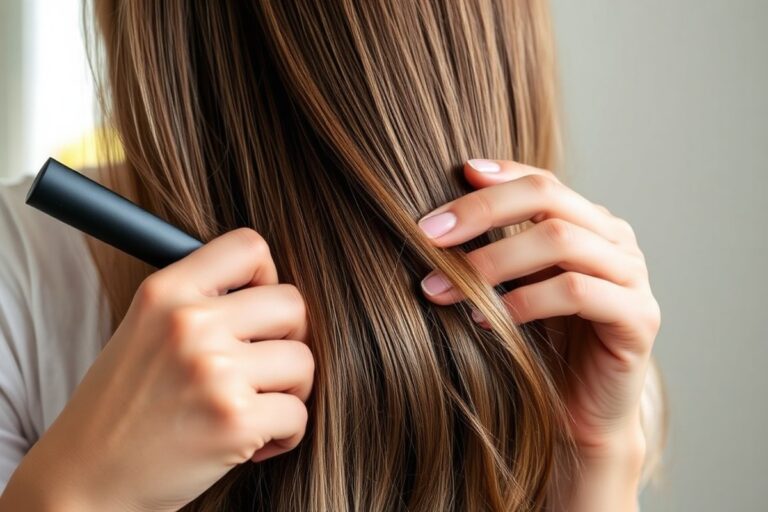
How Do Dry Shampoos Work: A Complete Guide with Tips and Safety
How do dry shampoos work to refresh hair without water? They absorb excess oil and sweat from your scalp and roots.
This gives your hair a cleaner look and fresher feel without needing a full wash. Dry shampoo powders and sprays act like a sponge, grabbing dirt and grease on contact.
Most dry shampoos come in aerosol cans for easy spraying. Shake the can well before use and hold it about 6 inches from your scalp. Apply directly to the roots where oil and sweat build up the most.
After spraying, let the product sit for a few minutes. Then massage it into your scalp and brush it out thoroughly to remove any visible residue. This process lifts oils and adds volume to tired hair between washes.
Key Takeaways
- Shake dry shampoo cans before spraying for even product distribution.
- Spray dry shampoo 6 inches away to avoid visible white residue.
- Apply dry shampoo only to roots where oil and sweat collect.
- Wait a few minutes after applying before massaging and brushing out.
- Use dry shampoo 2 to 4 times a week, not as a daily substitute.
- Limit dry shampoo use to no more than two days in a row.
How Do Dry Shampoos Refresh Hair Without Water?

Dry shampoos refresh your hair by absorbing excess oil using special ingredients. The main active parts are starches or alcohol-based powders. These ingredients soak up oil and sweat from your scalp without using any water.
Starchy powders like rice or tapioca starch act like tiny sponges. When you spray or sprinkle dry shampoo on your roots, the powders stick.
They cling to oily spots on your scalp. This absorption reduces grease, making hair look cleaner and less shiny within minutes.
Some formulas also include clays like bentonite or rhassoul. These help balance oil and add a matte finish.
Alcohols help the product dry quickly and spread out well. They pick up oil particles when they evaporate.
Dry shampoo doesn’t wash or clean your scalp. Unlike regular shampoo, it can’t remove dirt, sweat, or buildup completely. It doesn’t remove oil.
Instead, it traps grease on the powder’s surface. You then brush or shake it out.
After applying dry shampoo, you’ll often see a white residue. This is normal and comes from the powder waiting to be brushed out.
You need to remove residue to stop buildup. Buildup can weigh hair down or irritate your scalp.
Dry shampoo gives hair a fresher look and feel between washes but doesn’t replace regular shampooing. It’s a quick fix to absorb oil and reduce the greasy shine without water. But cleaning requires traditional shampoo.
Ingredients and Types of Dry Shampoo Formulas

Dry shampoos come in powder, spray, or foam forms. Their formulas mainly use starches, alcohol, or clay to absorb oil. Each type feels and works differently depending on your hair and preferences.
Common Dry Shampoo Ingredients and Their Roles
Dry shampoos contain starches like rice or corn to soak up oil and sweat. Some use talc or clay powders that absorb grease but may feel heavier. Alcohol speeds drying once you apply the product.
Fragrance is often added to leave a fresh scent. But it may irritate sensitive scalps.
Some formulas mix oils and vitamins to nourish your scalp. The ingredient mix affects how the dry shampoo feels and looks afterward.
Differences Between Spray, Powder, and Foam Formulas
Aerosol sprays are the most common dry shampoo type. They let you cover hair evenly from about 6 to 10 inches and dry quickly. Powder formulas come loose or shaken out, avoiding airborne particles and letting you target specific spots.
Foam dry shampoos offer a creamy texture that spreads like regular shampoo. These may hydrate hair better but can take longer to dry.
Powders work well on thick or curly hair. Sprays suit fine or straight hair better.
Choosing Between Alcohol-Based and Starch-Based Formulas
Alcohol-based dry shampoos dry very fast but can dry out your hair if used often. They often contain type like ethanol. Starch-based dry shampoos soak up oil without drying hair much.
They work well for sensitive or dry scalps. These formulas cause less scalp dryness overall.
The starch versions may leave some white residue, especially on dark hair, unless tinted. Using starch-based products twice a week or less helps avoid buildup or breakage. Alcohol-based types may suit occasional use to freshen faster.
Natural and Organic Dry Shampoo Options
Organic dry shampoos usually contain over 60% natural ingredients like rice powder and tapioca starch. These avoid synthetic fragrances or alcohol, which some people find harsh. They can be gentler on the scalp and hair in the long run.
Natural options sometimes cost more, around $15 to $25, but offer a plant-based choice. Some also include nourishing extracts or oils that support hair health. Check the label for “organic” certification to be sure of the ingredients.
| Common Ingredient | Role in Dry Shampoo |
|---|---|
| Rice Starch, Corn Starch | Absorbs oil and sweat |
| Talc or Clay Powders | Soaks up oil, adds texture |
| Alcohol (Ethanol, Methanol) | Helps formula dry quickly |
| Fragrance | Adds fresh scent |
Don’t apply dry shampoo to damp hair; it can cause clumping and leave residue.
How to Apply Dry Shampoo Correctly for Best Results
Start by spraying dry shampoo 6 to 10 inches from your scalp. Apply just a little at a time on the oily spots. Wait 1 to 2 minutes before you touch your hair to let the product absorb oil.
Ideal Distance and Areas to Apply
Hold the dry shampoo can about 6 to 10 inches away from your scalp. Spraying too close can cause uneven spots and white residue build-up. Target areas that feel greasy, usually the roots and crown of your head.
Spray a light, even mist instead of soaking your hair. Focus mainly on your scalp where oil builds up the most. Applying too much can weigh your hair down or make it look dusty.
- Shake the can well before each use.
- Spray from 6 to 10 inches away.
- Sparingly cover oily roots and scalp spots.
- Avoid spraying dry shampoo on dry, clean hair.
- Work in sections to cover all greasy areas evenly.
Start with small amounts and add more only if needed. Dry shampoo won’t clean hair like water and soap. Use it to freshen up between washes, especially before hair looks very greasy.
Waiting Time Before Styling Hair
Wait 1 to 2 minutes after spraying before you style your hair. This gives the dry shampoo time to absorb oils. Rushing to style can spread the product unevenly and reduce effectiveness.
Don’t add more spray immediately after the first application. Allow the first layer to settle before deciding if you need extra product. The wait time helps avoid heavy or chalky residue on your hair.
Massaging and Brushing Out Residue
After the wait, gently massage your scalp with your fingertips to spread the product. This loosens the dry shampoo and helps absorb oil fully. Then brush your hair thoroughly to remove powder and white residue.
Using a brush with natural bristles works well for smoothing hair and removing leftover dust. You can blast hair with a blow dryer on cool. This helps remove extra powder.
Use short bursts to avoid disturbing your style. Warm air softens oils and can make hair look greasy again.
- Massage scalp gently for even oil absorption.
- Brush through hair to remove visible residue.
- Use a cool blow dryer to fluff hair if needed.
- Focus on roots to avoid chalky buildup.
- Repeat brushing if white flakes remain.
Dark hair may show white residue more plainly. Consider tinted dry shampoo formulas to avoid this issue. Proper massaging and brushing usually clear away most leftover powder.
Adjustments for Curly or Colored Hair
Curly hair requires a lighter touch when massaging dry shampoo. Press fingertips lightly to avoid breaking curls or causing frizz. You can also spray fewer spots, focusing on highly oily areas only.
Colored or dark hair benefits from tinted dry shampoo to hide white marks. Spray carefully to avoid visible powder patches. After brushing, you’ll still get a fresh look without chalky spots.
For both hair types, use dry shampoo before oil buildup is severe. This keeps curls lively and colors vibrant without washing every day.
How Often Is It Safe to Use Dry Shampoo?
You can safely use dry shampoo for up to two consecutive days without washing your hair. Using it beyond that leads to product buildup on your scalp. This buildup can cause itchiness, dryness, and even inflammation that harms your hair health.
It’s best to wash your hair with traditional shampoo every two to three days. Washing removes oil, dirt, and dry shampoo residue that dry shampoo cannot clear. Your hair gets oily fast.
Try dry shampoo on day two for freshness. It can stretch time between washes.
Stop using dry shampoo temporarily if you notice scalp irritation or flaking. These signs mean your scalp needs a proper wash. Using dry shampoo too long without washing can hurt your hair.
It may cause breakage. Your scalp might get worse too.
Dry shampoo works by absorbing oils, not cleaning the scalp like water and shampoo do. Overusing it leaves oils and dead skin trapped under the product. Use dry shampoo as a quick fix only.
It helps when you can’t wash. Don’t make it a regular replacement.
Using dry shampoo moderately can help protect color-treated hair. Traditional shampoos can strip color.
So less washing with water helps your color last longer. Just make sure to wash properly every couple of days to avoid scalp health issues.
The right balance depends on your hair type and lifestyle. Fine, long hair that frizzes can benefit from fewer washes and dry shampoo usage between them. For oily hair, dry shampoo can be used two days in a row.
It freshens your look without damage. Avoid using it longer than that.
Common Mistakes That Reduce Dry Shampoo Effectiveness
Spraying dry shampoo too close to your hair often causes visible white residue. Hold the can about 6 to 8 inches away to get fine, even coverage. This distance lets the product spread without clumping or looking powdery.
Applying dry shampoo on damp hair ruins its oil-absorbing effect. The powder or spray won’t stick well, leaving hair feeling greasy or sticky instead of fresh. Make sure your hair is fully dry before spraying dry shampoo.
Wait 10 to 15 minutes after washing before applying it. This helps the product work better on dry hair.
Overusing dry shampoo leads to product buildup on your scalp and hair. This causes clumps, flakes, and sometimes an itchy or irritated scalp. Use dry shampoo only once or twice between washes.
Always brush or massage it in to spread the product evenly. This stops buildup and makes a natural look.
- Shake the can well before use.
- Spray from 6 to 8 inches away.
- Use on dry hair only, never damp.
- Apply in short bursts, not a long spray.
- Massage scalp or run fingers through hair after spraying.
- Limit use to one or two times per week.
- Choose products with rice starch to reduce visible residue.
Follow the label’s instructions carefully every time you use dry shampoo. Avoid applying near heat sources or open flames. This lowers the risk of fire or injury.
White residue shows up because some dry shampoos have ingredients that don’t fully blend. These ingredients sit on top and contrast with your hair color. That’s why you see the white powder.
Opting for products with rice starch helps reduce this. You’ll see less powder and more natural-looking hair.
Clumps and greasy buildup happen when you spray too much product at once. Uneven spreading also causes this problem. Work the dry shampoo through your hair well.
Light sprays followed by gentle scalp massage help distribute dry shampoo better. This keeps hair looking clean, not heavy or sticky.
Dry shampoo can irritate your scalp if left on too long without washing. The powder may clog hair follicles and cause inflammation. Wash your hair normally after one or two days of dry shampoo use.
This reduces itchiness and keeps your scalp clean and healthy. Don’t skip regular washing too long.
How Dry Shampoo Works Differently for Various Hair Types
Dry shampoo works differently depending on your hair type and color. It absorbs oil and adds texture.
But the key is to pick the right formula and apply it correctly. Adjusting for oily, curly, fine, or color-treated hair will help you avoid buildup and residue.
Using Dry Shampoo on Oily Hair
Dry shampoo works best on oily hair at the roots. It soaks up extra oil there. This refreshes your hair quickly.
Choose a formula designed for oily hair to avoid weighing your hair down. Spray or sprinkle from 6 to 8 inches away.
Wait a few minutes before brushing. Brush hair well to remove leftover powder.
For oily hair, applying dry shampoo in the evening helps control oil overnight. This keeps hair fresher in the morning and reduces the need for washing. Don’t put on too much dry shampoo at once.
Thick layers cause visible buildup. This also makes hair look dull.
Adapting Application for Curly or Textured Hair
Curly and coarse hair holds less oil at the roots. But it can get dry easily. It may also build up product.
Use dry shampoo sparingly to avoid dehydration or flakes. Opt for a light, powder-based formula and focus on the scalp rather than the hair lengths.
Spray dry shampoo into your scalp from about 8 inches away using a gentle mist. Then, lightly massage it in with your fingertips to avoid disrupting the curl pattern. Avoid heavy rubbing, which can cause frizz or disturb natural texture.
Tips for Color-Treated or Blonde Hair
Colored hair benefits from dry shampoo because it reduces the need for washing. Less washing means less color fading. Use tinted dry shampoo to match your hair shade.
This helps hide any powder residue well. It’s good for blondes and reds.
Choose a dry shampoo with a fine, light formula for blonde hair. This prevents white or gray powder on roots.
Apply a small amount and blend thoroughly by brushing or massaging. Avoid formulas with darker tints that can temporarily stain lighter hair.
Special Care for Fine or Fragile Hair
Fine or thin hair can get weighed down if you use too much dry shampoo. Pick lightweight, volumizing formulas that refresh without flattening your hair. Spray or sprinkle lightly at your hair roots.
Lift hair at the scalp while applying. Use just enough to refresh the roots.
Applying dry shampoo the night before helps create volume by absorbing oil overnight. This gives your hair a fuller look by morning. Avoid layering multiple products on fragile hair, as buildup can cause limpness and dullness.
What Dry Shampoo Can and Cannot Do Compared to Traditional Shampoo
Dry shampoo mainly soaks up surface oil and masks odors. It doesn’t actually remove dirt, sweat, or product buildup from your hair or scalp.
Traditional shampoo uses water and surfactants to clean deep. It wraps up oils and grime, then rinses them away.
You can’t replace wet shampoo with dry shampoo. Think of dry shampoo as a quick refresh that buys extra time before your next wash. It helps keep your hair looking less oily and smelling fresher.
But it doesn’t clean deeply. Using dry shampoo too often without washing causes buildup.
This buildup can look like flakes. It can also make scalp irritation worse.
Dry shampoo often increases hair volume by absorbing oil that weighs hair down. This can make hair appear thicker and easier to style.
But it won’t improve your hair’s health or remove dandruff. Adding dry shampoo won’t fix scalp issues caused by dirt or sweat.
| Feature | Dry Shampoo | Traditional Shampoo |
|---|---|---|
| Cleansing Ability | Absorbs surface oils, no real dirt removal | Removes oils, dirt, and product buildup |
| Oil Removal | Temporary, only on hair surface | Thorough, from scalp and hair |
| Time Savings | Quick application, use when pressed for time | Takes 5, 10 minutes including rinse and dry |
| Scalp Impact | May cause buildup if overused | Keeps scalp clean, prevents odor and flakes |
| Limitations | Cannot replace washing; no deep clean | Requires water and drying; best for hair health |
For best results, apply dry shampoo on dry or slightly damp hair. Use it after workouts to refresh your hair. Rarely apply it on wet hair; it doesn’t work well there.
Choose dry shampoo when you want to add volume or freshen up fast. But plan regular shampoo washes to clean thoroughly.
Overusing dry shampoo without washing leads to product buildup and scalp irritation. Most experts suggest using it just 1-2 times between regular washes.
That way, you prevent clogged oil glands and keep your scalp healthy. For true clean hair, a regular shampooing routine remains necessary.
Safety Tips and When to Avoid Dry Shampoo Use
Dry shampoo can cause scalp irritation or dryness if used too often. Using it daily or for more than three months may lead to buildup on your scalp. This buildup can clog follicles and cause itching, redness, or even hair shedding.
Notice these signs? Stop using the product. Wash hair with water and shampoo instead.
People with sensitive scalps should choose dry shampoos with natural ingredients. These tend to cause less irritation and discomfort. Dry shampoo is usually safe during pregnancy.
Check labels first. Avoid harsh chemicals. Don’t spray near flames.
Alcohol in dry shampoo can catch fire. Be careful.
To avoid buildup and irritation, apply dry shampoo only on dry hair and scalp. Spray it 6 to 8 inches away and wait about two minutes before brushing or styling. This lets the product absorb oils without leaving white flakes or residues.
Wash hair every 2 to 3 days. This removes dry shampoo buildup. Avoid clogged pores.
Scalp itchy, red, or flaky beyond dandruff? Visit a dermatologist soon.
Persistent scalp discomfort might need medical advice to rule out conditions like seborrheic dermatitis. Also consult a professional if hair shedding increases or your scalp looks inflamed or infected.
Stop using dry shampoo immediately if you experience itching or visible redness on your scalp.
Use a checklist before dry shampoo. Choose a product that suits your hair type. Spray from 6 to 8 inches away.
Apply only to dry hair; limit use to 2-3 times per week. Wash hair regularly; check scalp health weekly. Following this will reduce risks and keep your scalp feeling healthy.
Step-by-Step Action Plan for Using Dry Shampoo
Follow these steps to get fresh hair without water. You’ll see results quickly by using dry shampoo right.
- Before applying: Shake the bottle well to mix ingredients. This ensures even oil absorption.
- Day 1: Spray or sprinkle dry shampoo onto dry roots from 6 to 8 inches away. You should see less shine and feel less oil.
- After 5 minutes: Let the powder absorb oil without touching. Check if hair feels less greasy before moving on.
- After waiting: Gently massage or brush through roots to spread product evenly. Your scalp should feel cleaner and not dusty.
- Repeat every 1 to 2 days: Use dry shampoo only when hair looks oily, not daily. Avoid buildup and scalp irritation this way.
- After a few uses: Wash your hair with regular shampoo. Do this at least twice a week. It helps remove any residue. Your scalp will stay healthy.
- As needed: Adjust amount and type based on your hair texture and oiliness. Thicker hair may need more product, fine hair less.
- Before sleep: Avoid applying dry shampoo before bed to let your scalp breathe overnight. It lowers risk of irritation.
Frequently Asked Questions
How Do Dry Shampoos Help with Oily Roots?
Dry shampoos absorb excess oil from your scalp using starch or powder. This prevents hair from looking greasy between regular washes.
Can Dry Shampoo Help with Scalp Odor?
Yes, dry shampoos neutralize odors by absorbing sweat and oils that cause smell. They keep hair smelling fresher longer without water.
Do Dry Shampoos Damage Chemically Treated Hair?
Using dry shampoo sparingly is usually safe for color-treated or permed hair. Choose powder-based formulas to avoid drying ingredients like alcohol.
How Far Should I Spray Dry Shampoo from My Scalp?
Spray about 6 to 8 inches away from your roots for even coverage. Close spraying can cause buildup and greasy spots.
Why Does Dry Shampoo Sometimes Leave a White Residue?
Residue happens when too much is applied or the powder isn’t blended well. Use less product and massage your scalp after application.
Can Dry Shampoo Replace Daily Washing?
No, dry shampoo refreshes hair but doesn’t clean it fully. Use it between washes, not as a substitute for regular shampooing.
Key Points to Remember
Dry shampoo works by soaking up oils and freshening your roots without water. Try it carefully to avoid common mistakes. Start with a small amount and see how your hair feels before using more.