How to Flat Iron Hair: A Complete Guide for Safe, Sleek Results
How to flat iron hair without damaging it starts with choosing the right heat. Keep the temperature under 150°C (302°F) for natural hair to avoid dryness. Using a good heat protectant shields your strands before you start.
Make sure your hair is fully dry before applying heat. Wet hair plus heat causes breakage and frizz. Blow dry your hair completely or at least to 80% dry before straightening.
Select the appropriate flat iron plate size for your hair length. Wider plates work best for long hair, while 1-inch plates suit shorter styles. The right heat setting is about 365°F for most hair types.
Use smooth, even strokes when flat ironing. Don’t hold the iron too long in one spot. Keep the iron moving to avoid damage and hair dents.
Key Takeaways
- Keep your flat iron below 150°C (302°F) to protect natural hair.
- Always dry your hair 100% before straightening to prevent damage.
- Choose flat iron plates wide for long hair, narrower for short hair.
- Set your flat iron heat to about 365 degrees Fahrenheit for smooth results.
- Use heat protectant sprays to save hair from high temperatures.
- Move the flat iron slowly and don’t hold it on one spot.
How to Flat Iron Hair Properly Step-by-Step

Flat ironing your hair properly means working in clean, dry, and protected strands. Take your time to section your hair well. Glide the iron smoothly.
This prevents damage and helps even straightening. The process usually takes 20 to 40 minutes.
It depends on hair length and thickness. Plate size also affects time.
Start by dividing your hair into manageable parts. Small sections, about 1 inch wide, help heat reach all strands evenly without multiple passes. Hold the iron close to the roots.
Glide it down in one smooth motion. This avoids ridges or bends. Work from the bottom layer to the top.
This helps get every bit smooth. It makes your hair sleek.
- Divide your dry, protected hair into four sections. Put two on each side. Add two sections in the back. Use clips to keep sections separate and easy to handle.
- Take a 1-inch wide subsection from the bottom layer. Hold your flat iron plates close to the scalp without touching skin.
- Clamp the iron gently on the hair. Pull it slowly down to the ends. Use one steady pass per strand.
- Repeat gliding once or twice if needed. Only do this per section to smooth hair. Avoid holding the iron too long.
- Move to the next 1-inch subsection. Repeat the flat ironing steps. Continue until the bottom section is done.
- Release the next hair section below the clip. Flatten those smaller sections the same way. Go from roots to ends.
- Work your way upwards until all hair is sleek and straight. Do not rush; steady passes give the best results.
Avoid flat ironing the same section more than twice. Keep temperature under 300°F (149°C). This helps keep hair healthy.
Expect the whole process to take about 30 minutes. This is for medium length hair.
Thickness also plays a role. Quick results come from steady, confident motions, not speed or multiple passes.
Choosing the Right Flat Iron and Settings for Your Hair

Picking the right flat iron plate size depends on your hair length and texture. Short hair works best with smaller plates, about 0.5 inches wide. This size allows you to get closer to the roots and handle small sections easily.
For most people with medium-length or average hair, the standard 1-inch plates are a good balance. They cover more hair per pass without being hard to control. Choose wider plates like 1 inch for very thick or coarse hair.5 inches save time by straightening more hair at once.
| Hair Length / Texture | Recommended Plate Size | Temperature Range | Notes |
|---|---|---|---|
| Short or Fine Hair | 0.5 inch | 250°F – 300°F (120°C – 150°C) | Lower heat protects delicate hair from damage |
| Medium Length, Normal Texture | 1 inch | 300°F – 375°F (150°C – 190°C) | Standard size fits most hair types well |
| Thick or Coarse Hair | 1.5 inch | 375°F – 450°F (190°C – 230°C) | Higher heat needed to straighten stubborn texture |
| Very Long Hair | 1.5 inch or larger | 350°F – 400°F (175°C – 205°C) | Wider plates speed up the process |
Always start with a flat iron that has adjustable heat settings. This lets you tailor the temperature to your hair’s needs. Lower temps suit fine or fragile hair, while thicker hair can handle more heat.
Only flat iron fully dry hair. Damp hair will burn and cause more damage.
Blow dry your hair all the way before styling. Use a heat protectant only on hair that is almost dry.
The ideal temperature for many hair types is around 365°F (185°C). Use this as a starting point if you’re unsure. Adjust up or down based on how your hair responds after the first pass.
Avoid using a flat iron on wet or damp hair to prevent damage.
Preparing Your Hair for Flat Ironing
To prepare your hair for flat ironing, make sure it’s clean, dry, and protected. Start by washing and conditioning with gentle products. Then dry your hair completely and apply a heat protectant before using the flat iron.
Washing and Conditioning for Straight Hair
Use a moisturizing shampoo and conditioner designed to nourish your hair. They help protect your strands from drying out during heat styling. Hydrated hair straightens more smoothly and suffers less damage.
Rinse thoroughly and avoid heavy conditioners that leave residue. Lightweight formulas work best for flat ironing because buildup can block heat. Clean, nourished hair lets the flat iron glide without snagging.
Drying Techniques: Air Dry and Blow Dry Options
Your hair must be completely dry before using a flat iron. Damp hair heats unevenly and causes cuticle blistering. Dry your hair fully with a blow dryer or air dry until no moisture remains.
If you blow dry, point the nozzle downward along the hair shaft. This smooths the cuticle and reduces frizz. Use medium heat settings to avoid extra damage and speed up drying.
Applying Heat Protectant Correctly
Heat protectant sprays or serums form a barrier between your hair and the flat iron. They reduce moisture loss and protect from heat damage. Apply a fine, even layer over completely dry hair.
Spritz your hair with the heat protectant or spread serum evenly from roots to ends. Wait a few minutes for it to absorb fully before turning on your flat iron. This step prevents sizzling and keeps hair smoother.
Follow these steps to prepare your hair for flat ironing:
- Wash hair with a hydrating shampoo and conditioner.
- Rinse thoroughly to remove all product.
- Towel-dry gently to remove excess water.
- Blow dry hair completely on medium heat, directing airflow downward.
- Apply a heat protectant spray or serum evenly over dry hair.
- Wait 2 to 3 minutes for the protectant to soak in.
- Ensure hair is fully dry before using the flat iron.
Safe Temperature Practices to Avoid Heat Damage
Keep your flat iron at a safe temperature to avoid heat damage. For fine or damaged hair, use settings below 300°F. Thick, coarse hair can handle higher heat, up to about 400°F. Adjust based on your hair’s texture and condition.
Always start flat ironing on the lowest heat setting that works. Gradually increase heat if the first pass doesn’t straighten your hair fully. Avoid going above 450°F, as extreme heat causes dryness and breakage.
Watch for signs of heat damage as you straighten. A burning smell means you should lower the temperature immediately. If your hair feels dry, brittle, or looks frizzy afterwards, you’re using too much heat or flat ironing too often.
Flat ironing hair every day increases the risk of damage. Try limiting sessions to two or three times a week. Between sessions, let your hair rest and use good conditioners to keep it hydrated.
Condition your hair well before flat ironing but rinse the conditioner out completely. Leftover conditioner on hair can burn or damage both your strands and flat iron plates. Always start with dry hair to get the best results.
Use ceramic flat irons if your hair is fine or sensitive. These distribute heat evenly and lower the risk of hot spots that cause damage. Titanium plates heat faster but can be harsher on fragile hair.
Pulling hair taut helps you use fewer passes with the iron. Fewer passes mean less heat exposure and less chance of breaking strands. Slowly glide the plates down without stopping to avoid kinks or burns.
Tips to Get Sleek, Long-Lasting Results
To keep your hair sleek after flat ironing, use a light anti-frizz serum with silicone. This kind of serum helps keep your hair smooth and blocks humidity.
Apply it about one minute after flat ironing your hair. Your hair should be warm but not hot.
Oils like argan, Moroccan, or coconut oil also help maintain straight hair. Use just a few drops to avoid greasiness. Rub the oil between your palms first.
Smooth it over the hair ends. Also lightly cover midlengths for shine.
For the best hold, avoid touching your hair too much after styling. Oils and sweat from your hands can cause frizz and undo the straightening.
Wear a loose silk or satin scarf at night. This will stop friction and keep hair flat.
Applying anti-frizz serum within a minute after ironing seals your hair cuticles for longer-lasting straightness.
Using a light hairspray with humidity protection can help if your climate is humid. Spray it evenly about 10 inches away from your head once your hair cools. Avoid heavy sprays that can stiffen hair or cause buildup.
To extend your style, use a dry flat iron pass. Set the heat very low when doing this.
Don’t overdo it, as repeated heat damages hair. Use a heat protectant spray before any touch-ups.
Remember, flat ironed hair looks best on dry hair only. Damp hair creates steam when flat ironing.
This can damage your strands. After showering, blow-dry completely before ironing and applying styling products.
Common Flat Iron Mistakes and How to Fix Them
Flat ironing hair can easily go wrong when you skip key steps. Applying heat to wet hair will fry the strands and cause breakage. Always make sure your hair is completely dry before using the flat iron.
Skipping the sectioning step wastes time and can leave parts unevenly straightened. Divide your hair into sections no thicker than an inch. This way, heat evenly reaches all parts and reduces repeated passes that damage hair.
- Using too high heat setting for your hair type, start low and increase only if needed
- Running the flat iron too slowly, move it steadily to avoid overheating one spot
- Not using heat protectant spray, always spray your hair beforehand
- Flat ironing the same section multiple times, limit passes to 1 or 2
- Hold the iron near the roots, but don’t touch your scalp. Keep it at least half an inch away to avoid burns. This spacing helps protect your skin while styling.
- Ignoring signs of heat damage like dryness and split ends, trim regularly
- Using a dull or worn-out flat iron, replace every few years for consistent heat
Fixing flat iron damage starts with cutting off split ends and deep conditioning your hair. Use protein-rich masks weekly to rebuild strength and prevent further breakage. Give your hair breaks from heat styling to recover natural moisture.
Choosing the right heat setting for your hair type helps prevent damage. Fine or thin hair should stay below 350°F. Thick or coarse hair can tolerate 400°F. Adjust temperature slowly and watch how your hair reacts.
Adapting Flat Iron Techniques for Different Hair Types
Hair texture changes how you flat iron your hair. It affects the tools and temperature you use. Fine hair needs lower heat and gentle passes to avoid damage.
Thick or coarse hair requires higher heat and bigger plates to straighten faster. Curly hair benefits from close, slow sections for smooth roots.
Flat Iron Tips for Fine and Thin Hair
Use the lowest heat setting that works, around 250 to 320 degrees Fahrenheit. Choose a small flat iron, about 1 inch, for better control on fine, short hair. Go slow with thin strands, using one or two passes per section to avoid overheating.
Apply a light heat protectant before styling to prevent breakage. Avoid pressing too hard or holding the iron too long, which can cause damage. Fine hair straightens easily but needs careful handling to stay healthy.
Handling Thick and Coarse Hair Effectively
Set your flat iron between 370 and 410 degrees Fahrenheit for thick hair. For very coarse hair, go up to 410 degrees.
Use larger plates, around 1.5 inches, to cover more hair in each pass. Titanium irons work well because they heat up fast and keep heat steady.
Section your hair into smaller parts, especially if it’s curly, for even results. Slowly glide the iron from root to tip. Keep it less than 1 inch from the scalp.
This smooths curls. Use more passes only if needed. Avoid holding the iron too long to cut heat damage.
Using a Flat Iron to Curl or Wave Hair
You can make curls or waves by twisting the flat iron. Pull it slowly through your hair. Smaller plates give more control for curls, while larger plates work better for waves.
Keep the iron at medium heat around 330 to 370 degrees. This styles your hair without burning it.
Start with dry hair and use a heat protectant to help maintain shine and prevent breakage. Practice the twist and pull on short strands first.
This helps you learn how to shape curls. This technique lets you get both straight and styled looks with one tool.
Cleaning, Storing, and Maintaining Your Flat Iron
Cleaning your flat iron regularly keeps it working well and safe for your hair. Store it in a dry, cool place to avoid damage. Proper upkeep extends its life and helps you get smooth, even results every time.
How to Clean Flat Iron Plates Safely
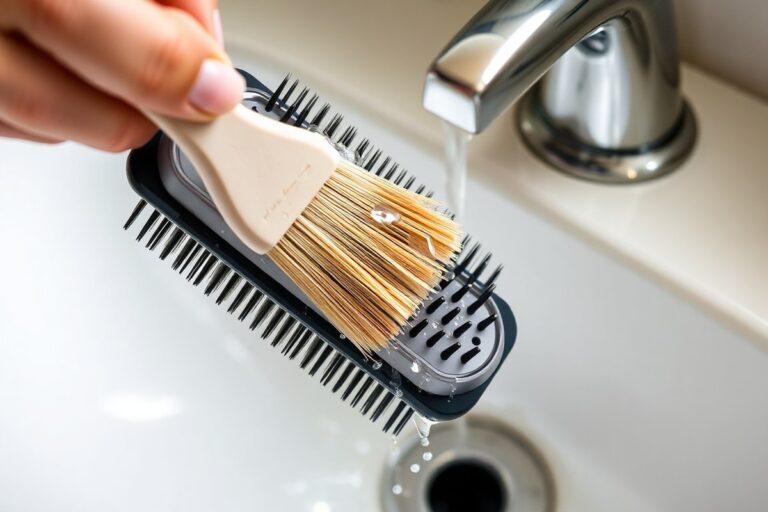
Dirty plates cause uneven heating and can snag hair. Clean the plates after every few uses to remove product buildup. Use a gentle method to avoid scratching or loosening any parts.
Follow these steps to clean your flat iron safely:
- Unplug the flat iron and let it cool completely.
- Wipe the plates with a soft, damp cloth to remove leftover hair products.
- Mix equal parts water and rubbing alcohol or use a small amount of gentle dish soap.
- Dampen a cotton ball or cloth with the mixture, then gently rub the plates.
- Use a clean, damp cloth to remove any soap or residue from the plates.
- Dry the plates thoroughly with a soft towel or let them air dry before storing.
- Clean the edges and body of the flat iron with a dry cloth to prevent buildup.
Never submerge your flat iron in water or use harsh chemicals to clean it.
Storing Your Flat Iron Between Uses
Always let your flat iron cool completely before storing it. Avoid wrapping the cord tightly around the device. This can damage both the cord and the iron, shortening its lifespan.
Choose a place free from heat, moisture, and direct sunlight. A dedicated pouch or heat-resistant mat works well to keep your flat iron safe. Storing flat irons carefully helps them last longer and stay safe to use.
Keep your flat iron away from bathrooms or other humid spots to avoid internal damage.
When to Replace Your Flat Iron
Flat irons can last several years with good care but watch for signs of wear. Uneven heating, unusual noises, or damaged plates mean replacement is needed. Continuing to use a faulty flat iron risks hair damage or electric hazards.
Replace the flat iron every 2 to 5 years depending on use and maintenance. If the plates start peeling or the temperature control stops working, it’s time for a new one. Regular checks help you catch problems before they hurt your hair or safety.
Don’t ignore cracks or exposed wires; replace your flat iron immediately to stay safe.
When to Consult a Professional About Heat Styling
When your hair feels dry, brittle, or snaps after flat ironing, see a pro. These signs show your hair needs special care. A hairstylist can help fix the damage.
These signs mean heat damage may be starting. A stylist can assess it properly. They offer treatments to repair your hair and suggest ways to prevent more damage.
Your hair looks dull or gets split ends despite home care. A professional can offer ways to improve your hair health. They understand how to treat damaged hair.
They can recommend deep conditioning or protein treatments designed for heat-damaged hair. These services usually cost between $40 and $100, depending on the salon and treatment type.
Preventing heat damage is easier with professional advice before problems appear. A stylist can recommend heat protectants that match your hair type. They know sprays and serums for your styling needs.
Use the right products to reduce flat iron damage. Using these products before blow-drying or flat ironing lowers the risk of damage.
Different hair types need different protective steps. Fine hair should be styled at lower temperatures, about 300°F. Thick or curly hair can handle up to 450°F with the right protectants. A hairstylist can guide you on exact temperatures and tools that work best for your hair.
Notice your flat iron pulls or snags your hair? A stylist can check your technique and the iron’s condition. Proper use prevents hair breakage and damage.
Using a clean iron with ceramic or tourmaline plates reduces heat damage. Pros show how to glide the iron smoothly to minimize stress on strands.
Some damage, like severe breakage or scalp irritation, needs more than home solutions. Professionals can safely apply treatments that rebuild hair structure or soothe your scalp. They can also evaluate if frequent heat styling is causing deeper issues, advising on safer habits.
Regular check-ins with a stylist help your hair stay healthy if you style often. Scheduling a trim every 6 to 8 weeks removes damaged ends before they worsen. Your stylist also updates your care routine as seasons or hair condition change.
Step-by-Step Action Plan
Follow these easy steps to get smooth, damage-free straight hair. You’ll see your hair look shiny and sleek after each session.
- Before You Start: Wash and condition your hair with a moisturizing shampoo and conditioner. Your hair feels soft, not crunchy.
- Right Before Flat Ironing: Apply a heat protectant cream evenly through your damp hair. Hair should feel coated but not sticky.
- First Pass: Set your flat iron to the right temperature for your hair type. For fine hair, keep it at 300°F; for thick hair, 380°F works. Your hair straightens with just one slow pass.
- Midway Through: Work in small sections about 1 inch wide. Straighten each section slowly from root to tip. Check if hair stays smooth and frizz-free.
- After Finishing: Use a blow dryer on cool air for your hair. Or wait 10 minutes before touching your hair. Hair should feel cool and hold the style.
- Daily Care: Avoid washing hair every day to keep natural oils. On non-wash days, use a light dry shampoo to stay fresh.
- Weekly Maintenance: Clean your flat iron gently with a damp cloth after every use. The plates shine and have no build-up.
- Monthly Check: Inspect your flat iron for damage or uneven heat. Replace it if it heats unevenly or damages hair.
Frequently Asked Questions
Can Flat Ironing Wet Hair Cause Damage?
Yes, flat ironing wet hair can severely damage it. Always dry your hair completely before using a flat iron to avoid breakage and heat damage.
How Often Can I Safely Flat Iron My Hair?
You should flat iron your hair no more than once or twice a week. Frequent heat styling increases the risk of dryness and breakage over time.
Can I Use a Flat Iron to Curl My Hair?
Yes, many flat irons have rounded edges that let you curl hair. Use slow, controlled movements while wrapping hair around the iron to create curls safely.
What’s the Best Way to Detangle Hair Before Flat Ironing?
Use a wide-tooth comb or detangling brush on damp hair before drying. This reduces breakage and helps your flat iron glide smoothly through your strands.
Do I Need a Heat Protectant Spray Before Flat Ironing?
Yes, always apply heat protectant spray before flat ironing. It forms a protective barrier that helps prevent heat damage and keeps hair shiny.
How Do I Avoid the Ridge Line from Flat Ironing?
Avoid holding the iron too long in one spot; move slowly and steadily. Keeping motion consistent helps prevent ridges and keeps your hair smooth.
Before You Go
Flat ironing works best when you prepare your hair well and avoid high heat. Stick to steady, slow passes to keep hair healthy and shiny. Start using a heat protectant today for safer styling.