Is It Bad to Straighten Wet Hair? What Actually Happens and Safe Steps
Is it bad to straighten wet hair? Yes, it really is.
Straightening wet or even damp hair can cause serious damage to your strands. Wet hair stretches more and is much weaker when heated.
When water meets a hot flat iron, it instantly turns to steam. That steam can make your hair swell and weaken the cuticle layer. This leads to breakage, split ends, and frizz down the line.
The best rule is simple: never use a flat iron on wet hair. Your hair should be 100 percent dry before applying any heat styling tool.
If you’re in a rush, rough dry your hair with a blow dryer until it’s about 80 percent dry. This helps reduce damage but still doesn’t replace full drying before straightening.
Key Takeaways
- Always ensure hair is 90-100% dry before using a flat iron.
- Wet hair is 30% longer and more fragile, so avoid heat on it.
- Use a blow dryer to rough dry hair if you lack air-drying time.
- Set flat irons to lower temperatures for fine or damaged hair.
- Apply a heat protectant spray to shield hair from thermal damage.
- Trim hair every 6-8 weeks to remove split ends and boost health.
Is It Bad to Straighten Hair When It’s Wet or Damp?
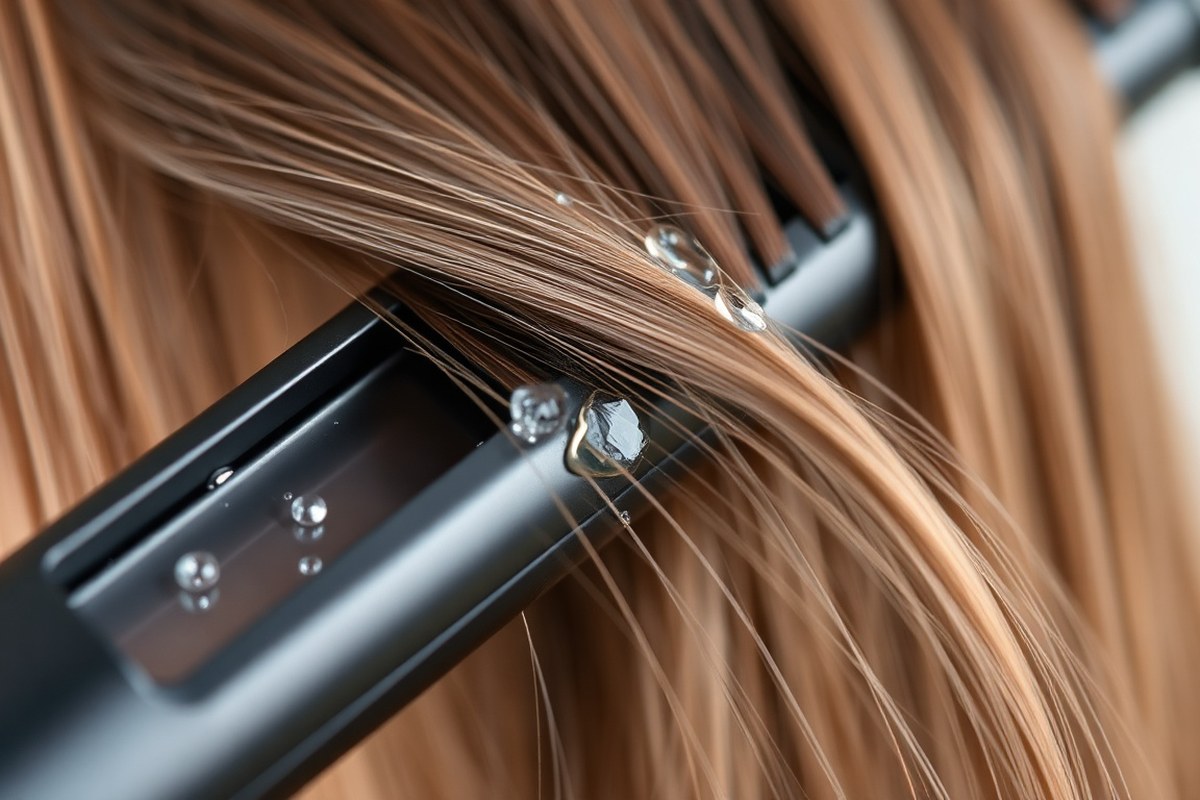
Straightening wet hair causes serious damage because hair is very fragile when wet. Water stretches the hair shaft, weakening its structure. Heat from a flat iron on wet hair makes damage worse.
It boils water inside your hair strands. This process harms your hair’s structure.
Hair is made of keratin proteins arranged in layers. When hair is wet, the water pushes apart these layers, making it more stretchy and delicate.
Adding heat quickly evaporates the moisture, but trapped water turns to steam. That steam creates pressure inside the hair shaft, causing it to swell and break.
Flat irons heat between 180 and 230°C (356, 446°F). This temperature is high enough to boil water inside the hair shaft at a rapid rate.
The sudden steam expansion damages keratin bonds on a molecular level, weakening hair strands. This damage shows as breakage, split ends, and brittleness.
Repeatedly straightening wet hair worsens damage over time. Hair becomes dry, coarse, and prone to snapping.
Because this harm affects keratin’s molecular structure, it cannot be reversed. Although some tools say they can straighten damp hair, they only work safely on towel-dried hair.
Using a flat iron on soaking wet hair raises heat burn risks. It also leads to more hair breakage. This happens because wet hair is weaker.
The best way to avoid damage is to dry hair thoroughly before applying heat. This helps keep your hair strong and smooth instead of brittle and fried.
How Dry Should Hair Be Before Using a Flat Iron?
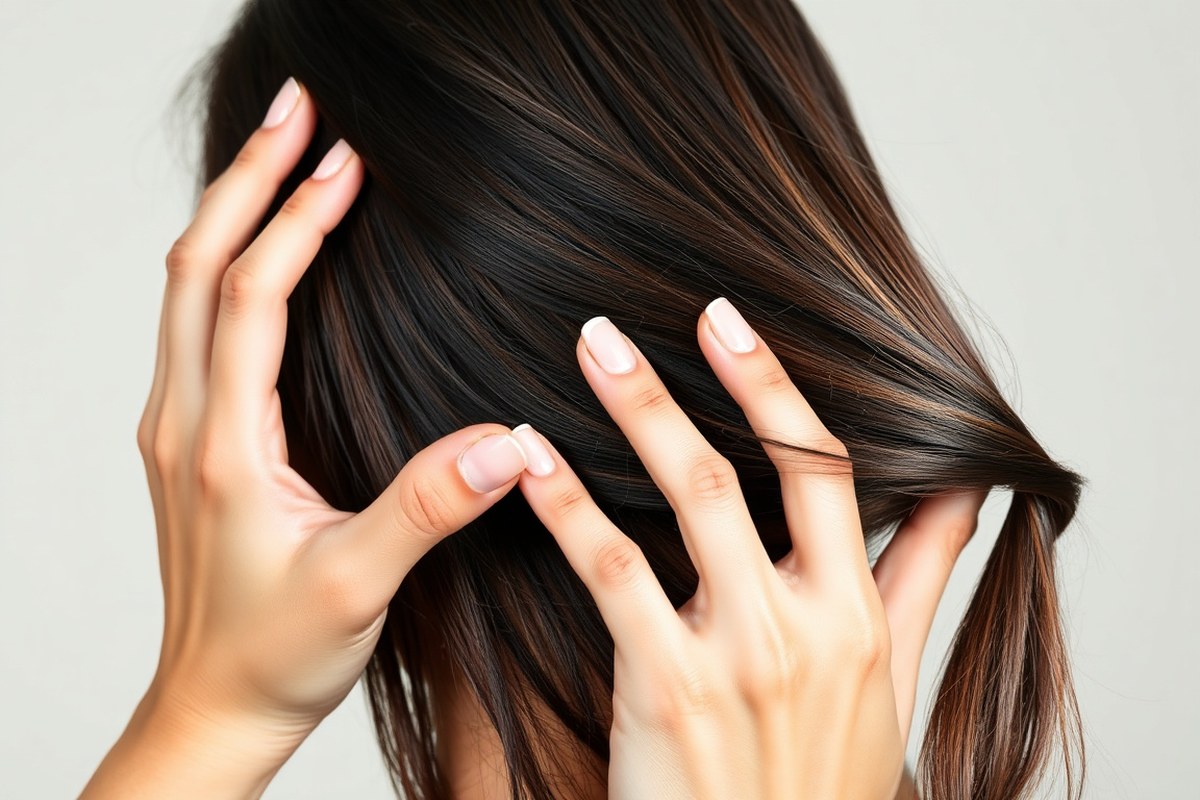
Your hair needs to be almost completely dry before using a flat iron. That means about 90 to 100 percent dry with no damp spots. Any wetness can turn into steam under hot plates.
This steam can damage the inside of the hair shaft. That damage weakens your hair over time.
Wet hair is dripping or very saturated. Damp hair feels cool and slightly moist but no water drips when you squeeze it. Dry hair is room temperature and doesn’t feel wet or cooler to the touch.
Check dryness by running your fingers through your hair. Strands stick together or feel cool means your hair is not dry.
You should let your hair dry longer before straightening. You can also touch the ends closely to make sure they aren’t cold or damp.
- Pat hair gently with a towel to remove extra water without rubbing.
- Air dry hair in sections for about 15-30 minutes if indoors.
- Use a blow dryer on medium heat with the nozzle attached to focus airflow.
- Keep the dryer moving constantly to avoid overheating any spot.
- Separate hair into smaller sections for faster, more even drying.
- Avoid applying heavy products after drying; apply when hair is damp.
- Let hair cool completely before straightening; hot hair straightened while warm risks damage.
Blow dry your hair until it’s almost dry. Use a cool shot to seal the cuticle. The cool shot finishes drying your hair strands.
Once hair feels as dry as it does after soaking up after a shower, you’re ready. You want no sticky or cold-feeling spots anywhere on your hair before applying heat.
Using a flat iron on wet hair increases damage risks. Steam traps inside your strands and causes harm. Even slightly wet hair can get damaged this way.
For thicker or coarse hair, extra drying time is key since moisture hides inside dense layers. Fine hair dries quicker but is more vulnerable to heat, so double-check dryness carefully. Setting a timer while drying helps avoid rushing straightening too soon.
Are Some Hair Types More Vulnerable When Straightening Wet Hair?
Your hair type changes how much damage happens when you straighten damp hair. Fine hair burns and breaks more easily because it’s thin.
Thick or coarse hair can handle more heat but still risks breaking if it’s wet. Curly hair needs extra care since heat plus water causes strong damage fast.
Here’s a simple table showing risk levels for each hair type. It also includes safe temperature settings to use.
This helps you choose the right heat. This helps pick the right heat level and tool to lower damage:
| Hair Type | Damage Risk When Wet | Recommended Heat Setting (°C) | Tips for Safer Straightening |
|---|---|---|---|
| Fine | High – fragile strands break easily | 80 | Use light heat protectant spray; avoid high temperatures |
| Medium/Everyday | Moderate – handle mild heat but still vulnerable | 120 | Avoid straightening fully wet hair; use mild cream protectant |
| Thick or Coarse | Lower but still high if hair is soaking wet | 140 | Use cream or oil-based protectants; prefer tools made for damp hair |
| Curly or Textured | High risk due to fragility and moisture retention | 120, 140 | Detangle gently; use tools designed for damp hair; apply rich protectants |
Using the right heat setting prevents extra damage when your hair is damp. Picking a tool made for damp hair helps cut damage risk even more. Tools made for wet or damp hair heat differently than others.
They protect your hair shaft from burning. This lowers the chance of breakage. Avoid using a regular flat iron on hair that’s more than slightly damp.
Common mistakes vary by hair type. People with fine hair often use too high heat settings. They want faster results but this hurts their hair.
Heat can cause breakage especially when hair is damp. Thick hair users might apply heat with too much pressure while their strands are still soaked. Curly hair often gets brushed hard when wet.
This stretches the hair right before applying heat, increasing breakage risk. Be gentle and patient with your styling steps.
Can You Safely Straighten Damp Hair with Special Tools?
Some heat tools can safely straighten damp hair if made for it. Wet-to-straight stylers use technology to reduce heat damage on damp strands. These differ from standard flat irons by managing moisture and heat better.
How Wet-To-Straight Technology Works
Wet-to-straight tools combine airflow and heat to style hair without burning it. They dry the hair gently as they straighten, avoiding the flash steam effect. This protects the hair cuticle from the sudden heat damage typical in flat irons.
Most use lower temperature settings and air circulation to evaporate water slowly. This takes more time than a flat iron but avoids breaking the hair shaft. These tools often have sensors to adjust heat based on moisture levels.
Advantages over Traditional Flat Irons
Standard flat irons use direct high heat, 350°F to 450°F, which can harm wet hair. Wet-to-straight devices keep temperatures lower and add airflow, reducing breakage risk. They let you style damp hair safely without first fully drying it.
Benefits include less frizz, fewer split ends, and smoother hair texture after styling. They also cut down on total styling time by blending drying and straightening. Using these tools often means fewer passes on each hair section, lowering heat exposure.
- Lower temperatures compared to regular flat irons
- Gentle drying with airflow to prevent steam damage
- Sensor technology adjusts heat based on hair moisture
- Saves time by combining drying and straightening steps
- Reduces frizz and breakage better than direct heat
- Works well on damp, not soaking wet, hair
Despite these pros, it’s still smart to use a heat protectant spray first. Protectors help form a barrier that limits heat damage on wet strands. Avoid styling hair that is dripping wet for even safer results.
Limitations and When to Avoid These Tools
Wet-to-straight tools are less effective on soaking wet hair. They struggle if hair is dripping because too much water increases styling time. This can cause frustration and might lead to overheating the hair by repeated passes.
These devices often cost more than regular flat irons, sometimes over $200. Also, styling time tends to be longer than fully drying hair first. If you want quick, intense straightening or have very thick hair, traditional styling may work better once dry.
Avoid using any tool marketed as “steam styling” unless it explains its technology well. Many will burn wet hair by turning water into hot steam directly inside the strands. Only use wet-to-straight models designed with airflow and moisture sensors.
Recommended Brands and Models
The Dyson Airstraight is a notable tool combining heated air with styling plates. It styles damp hair gently without clamping it like a flat iron. This model uses smart heat control to avoid damage while straightening.
Other wet-to-dry flat irons and blow-dry brushes are available in the $100 to $250 range. Look for ones with temperature controls, airflow channels, and good user reviews on damp hair. Choose based on your hair type and styling needs.
Step-by-Step Guide to Straightening Damp Hair Safely
You can safely straighten damp hair by taking careful steps to protect your strands. Towel dry first, apply heat protection, and use a moderate temperature. Work slowly in small sections to avoid damage and finish with a nourishing serum.
Towel Dry and Assess Hair Moisture
Start by gently towel drying your hair to remove excess water. Avoid rubbing harshly, which causes breakage, and instead pat hair with a soft towel. Make sure hair feels damp, not dripping wet, before styling.
This step helps the flat iron glide better and reduces the chance of steam damage. Wet hair holds heat and water inside the strand, increasing risk of injury to your hair.
Apply Heat Protectant Thoroughly
Spread a heat protectant spray or serum evenly on damp hair. Cover every strand, including roots and tips, for full protection. Using heat protectant before straightening helps shield hair from thermal damage.
Avoid styling products containing alcohol before you use heat on hair. Heat can bake those products into your hair strands.
This can lead to dryness and damage. Let the protectant absorb for a minute before moving on.
Select and Adjust the Right Temperature
Choose a flat iron with adjustable temperature and set it between 300°F and 350°F. Lower temperatures work best on fine or damaged hair. Thick or coarse hair may need closer to 350°F, but avoid going above this.
Using the right temperature reduces the chance of burning or breaking strands. Let your iron heat fully before using it so styling is consistent.
Work in Small Sections Slowly
Divide hair into 1-inch wide sections using clips to keep hair organized. Slowly run the flat iron down each section from roots to tips. Use smooth, steady strokes to avoid having to repeat passes over the same area.
Working in small parts means better control and even straightening. Overlapping strokes or rushing can lead to uneven heat and more damage.
Always straighten hair on damp, not wet, strands to prevent severe heat damage and breakage.
Finish with Nourishing Hair Oil or Serum
After straightening, apply a lightweight hair oil or serum to seal cuticles and add shine. Focus on ends where dryness often appears first. This step locks in moisture and helps smooth flyaways.
A little product goes a long way and keeps your hair silky without feeling greasy. Choose one with ingredients like argan or jojoba oil for best results.
- Towel dry your hair by gently patting it until damp.
- Apply heat protectant evenly from roots to ends.
- Set your flat iron between 300°F and 350°F.
- Separate hair into 1-inch sections with clips.
- Smoothly glide the flat iron down each section once or twice.
- Apply nourishing oil or serum, focusing on dry ends.
Identifying and Repairing Damage from Straightening Wet Hair
You can spot damage from straightening wet hair by noticing rough, dry strands and unusual breakage. Repair takes weeks or months depending on damage severity, with treatments speeding recovery. Trimming split ends and using deep conditioners help restore hair health.
Common Damage Symptoms to Watch For
Hair damaged by straightening wet strands often feels brittle and looks frizzy. You might also see split ends or strands breaking easily when brushing. Another sign is your hair shrinking and curling back quickly after washing.
Check your hair regularly using this checklist:
- Dry, rough texture rather than smooth and shiny
- Increased hair fall or breakage during combing or styling
- Frizz that does not go away with usual styling products
- Split ends or uneven hair shaft thickness
- Loss of natural bounce or elasticity
- Dullness and lack of shine, especially on previously healthy ends
Spotting these signs early helps you start treatment sooner. Avoid more damage by stopping heat styling until you see improvement.
Best Conditioning and Repair Treatments
Intensive conditioning helps replace moisture and protein lost from heat and steam damage. Look for masks with argan oil or keratin, which restore softness and strength. DpHUE’s heat protectant and conditioner is a popular choice.
It costs about $30. The product also nourishes hair deeply.
Use a deep conditioner at least once a week. Apply it to damp hair, leave it on for 10-20 minutes, and rinse with cool water. This helps seal the cuticle and reduce further damage.
Also, use a leave-in heat protectant before any styling to guard your hair. Products with lower heat settings minimize damage. But a thermal protector still matters, especially on fragile or color-treated hair.
When to Schedule Hair Trims
Trims every 6 to 8 weeks help stop split ends from traveling up the hair shaft. This keeps the ends healthy and prevents fraying and breakage. Even if your hair looks fine, regular trimming encourages better growth and manageability.
Schedule a trim if you notice a lot of splitting or roughness at the ends. Waiting too long lets damage worsen, requiring a bigger cut later. For damaged hair, cutting off the worst parts lets treatments work better on healthy strands.
Protective Maintenance to Avoid Recurrence
Protect your hair by limiting heat styling frequency and drying hair thoroughly before straightening. Use a heat protectant each time, especially if your hair is color-treated or already weakened. Keep flat iron temperatures below 350°F to reduce steam damage risks.
Maintain moisture levels with gentle shampoos and conditioners meant for dry or damaged hair. Avoid harsh chemicals and tight hairstyles that strain weak strands. This routine helps your hair stay strong and less prone to heat damage.
Common Mistakes That Cause Straightening Damage on Damp Hair
Straightening damp hair often leads to damage when heat is too high. Many people crank up the flat iron to maximum, thinking it speeds up styling. This causes overheating that weakens hair structure and causes breakage over time.
Not using a heat protectant is another common mistake. It might feel like an extra step, but skipping it leaves hair vulnerable. Heat protectants form a thin barrier that cuts damage, frizz, and moisture loss.
Trying to style hair right from soaking wet also causes problems. Water inside the strands heats rapidly and turns to steam. This can make hair brittle and cause split ends.
- Avoid using your flat iron’s highest heat setting. Use medium heat instead, about 300°F to 350°F. This temperature protects your hair better.
- Skipping heat protectant, always apply generously before styling damp hair.
- Straightening hair that’s still dripping wet, dry it until it’s at least 80% dry.
- Pressing and holding the iron for too long, glide the iron smoothly and quickly.
- Not detangling first, comb hair gently before straightening to reduce snags.
- Straightening the same section repeatedly, limit passes to one or two for each section.
High heat harms hair, especially when it’s damp. Most flat irons can go up to 450°F, which is too hot for wet hair.
Use a heat protectant made for damp hair before styling. It helps reduce damage and tame frizz.
When you jump straight from towel-damp or soaking hair to flat ironing, microscopic steam forms inside. That steam strains the hair shaft and can lead to breakage.
Let hair air dry a bit or blow-dry until just damp. Check by running fingers through hair, no dripping or soaking wet strands.
Overstyling also hurts hair. Pressing a flat iron too long in one spot causes damage. Hold the iron for no more than one second per section.
Moving it quickly helps prevent pressure damage. You want to glide the iron in a smooth motion, moving from root to tip quickly. Comb hair before straightening to remove tangles and keep you from pulling.
Avoid going over the same section multiple times. Keep it at one or two passes.
Best Heat Protectant and Repair Products for Protecting Wet-Damp Hair
Heat protectants shield your hair from damage when flat ironing damp strands. Applying them right after towel drying blocks some heat stress and smooths cuticles. For best results, spray or oil your hair evenly and wait a minute before styling.
Some sprays work well on damp hair without drying it out. Lightweight oils also keep hair flexible and less prone to breakage under heat. Repair products revive hair after straightening damage, making strands softer and stronger over time.
- Kevin Murphy Heated.Defense: Protects hair up to 450°F, light formula, around $30.
- TRESemmé Thermal Creations Heat Tamer Spray costs about $6. It’s a cheap option for daily use. Use it on damp hair before heat styling.
- Moroccanoil Treatment Light: Nourishing oil for finer hair, helps with frizz, costs roughly $44.
- OGX Renewing + Argan Oil of Morocco Penetrating Oil: Budget-friendly ($7), adds shine and softness.
- Aussie 3 Minute Miracle Moist Deep Conditioner costs around $6. Use it once weekly after using heat tools. It repairs hair quickly.
- SheaMoisture Raw Shea Butter Restorative Conditioner has a thick, rich formula. It’s for dry or damaged hair. The price is about $13.
Use protectants every time you straighten damp hair, even if styling at lower temperatures. Apply a small amount of repair treatment twice weekly. Use after straightening your hair.
It helps fix and hydrate hair. Avoid sprays with alcohol on wet hair to reduce drying and brittleness.
Don’t skip heat protectant, especially with damp hair, it cuts down heat damage significantly.
Applying the protectant in sections ensures each strand gets coverage. Let your hair air dry for 5 to 10 minutes after product application before heating. Repair masks or conditioners help rebuild your hair after repeated heat styling.
Step-by-Step Action Plan to Straighten Damp Hair Safely
Follow these steps to minimize damage when straightening damp hair. You’ll know it works if your hair looks smooth and feels healthy.
- Before you start: Apply a heat protectant spray evenly to your damp hair. It guards against heat damage and keeps hair smooth.
- After towel-drying: Blow dry your hair on low heat for 5 to 10 minutes. This removes most of the moisture from your hair. Avoid using high heat to protect your strands. Hair should feel slightly damp, not wet.
- Right before straightening: Section your hair in small parts. This helps each area get evenly heated without extra passes.
- During straightening: Set your flat iron to a temperature between 300°F and 350°F. Use the lowest heat that still straightens your hair well.
- While straightening: Glide the flat iron steadily without stopping mid-strand to avoid hotspots and damage.
- After straightening: Apply a light serum or oil to the hair ends. This locks in moisture and adds shine. Use just a small amount to avoid heaviness.
- Daily care: Avoid repeatedly straightening damp hair. Give your hair time to rest between heat styling sessions.
Frequently Asked Questions
Can Straightening Wet Hair Cause Split Ends?
Yes, wet hair is weaker and breaks easily with heat. Applying heat then causes split ends.
This damage adds up over time. Using heat on damp hair increases the risk of split ends and dry, brittle strands.
Is It Okay to Use a Blow Dryer Before Straightening?
Yes, but make sure your hair is mostly dry before straightening to avoid damage. Blow drying dries hair fully or mostly.
This helps lower breakage risk. Heat from flat irons then causes less damage.
How Does Straightening Wet Hair Affect Hair Length?
Wet hair can be about 30% longer due to water weight and swelling. Straightening wet hair won’t fully straighten it, and can cause uneven results and damage.
Why Does Straightening Wet Hair Never Fully Work?
Hair strands are too hydrated and pliable when wet, making flat irons less effective. The heat first evaporates moisture instead of straightening, so hair won’t stay straight long.
Can Special Flat Irons Straighten Wet Hair Safely?
Some modern wet-to-dry straighteners work at lower heat and protect hair better on damp strands. However, even these require careful technique and slow passes to avoid damage.
Does Hair Type Affect Damage from Straightening Wet Hair?
Yes, fine and delicate hair suffers more damage because it’s less strong when wet. Thick hair also risks damage due to internal steaming from trapped moisture.
The Bottom Line
Straightening wet or damp hair can cause damage if done without care. Protect your hair with heat guards and proper drying before styling. Try the plan above and watch your hair stay healthier while still looking sleek.