What Is Low Porosity Hair: A Complete Guide with Proven Care Tips
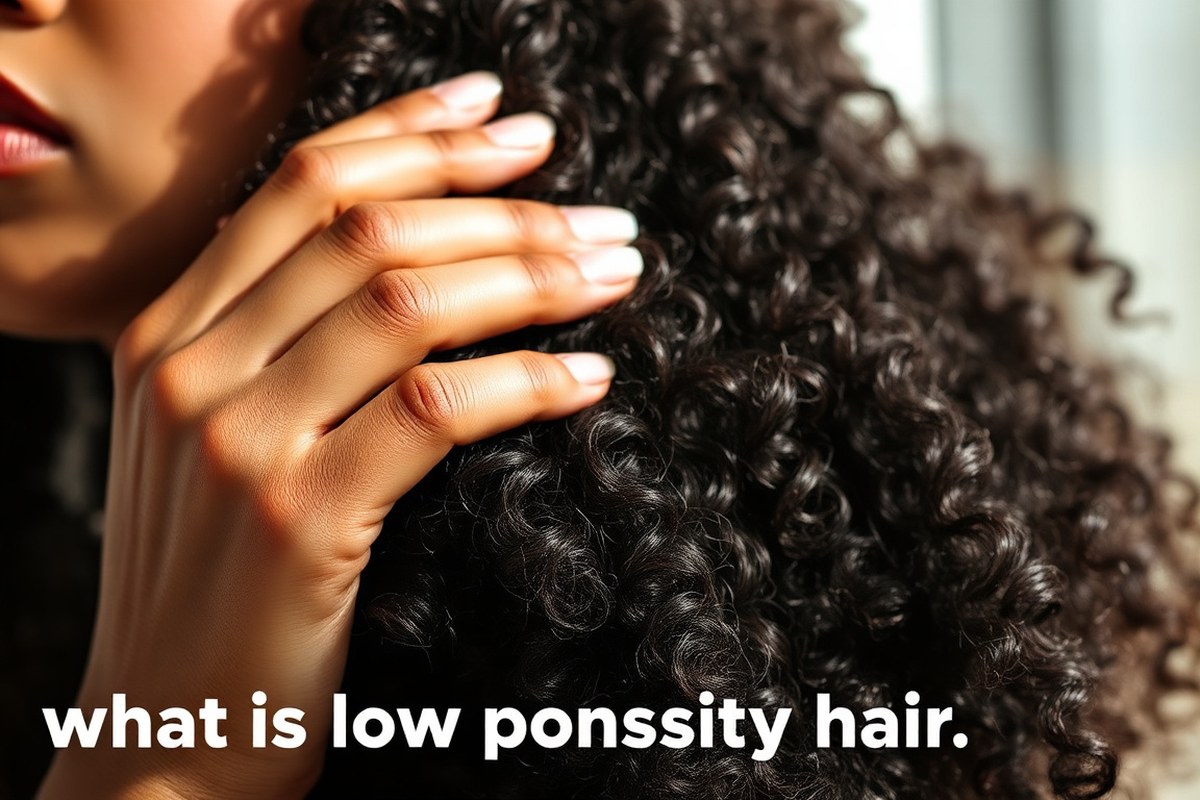
What is low porosity hair? It means your hair cuticles lie flat and tightly packed. This keeps moisture out, which makes your hair slow to absorb water and products.
Your hair often feels dry even after washing. It needs special care. Moisturizing it properly takes extra effort.
Low porosity hair is common in wavy, curly, and coily types. These hairs often have strong, smooth strands. Its tight cuticle layer protects the hair but can also cause buildup from products.
Use light, water-based products for your hair. Apply heat during treatments to open the cuticles.
Start with a warm water rinse. You can also steam your hair for 10 to 15 minutes. The warmth helps your hair absorb conditioners and deep treatments better.
Avoid heavy oils or silicones. They can sit on your hair and weigh it down.
Key Takeaways
- Low porosity hair has tightly packed cuticles that resist moisture absorption.
- Use heat, like warm water or steam, to open cuticles before conditioning.
- Lightweight, water-based products work better than heavy creams or oils.
- Pre-shampoo treatments with coconut oil help penetrate without weighing hair down.
- Deep condition with heat for 15-30 minutes to improve hydration uptake.
- Avoid buildup by detoxing with a mineral-removing pre-shampoo spray when needed.
What Is Low Porosity Hair and How Does It Affect Moisture?
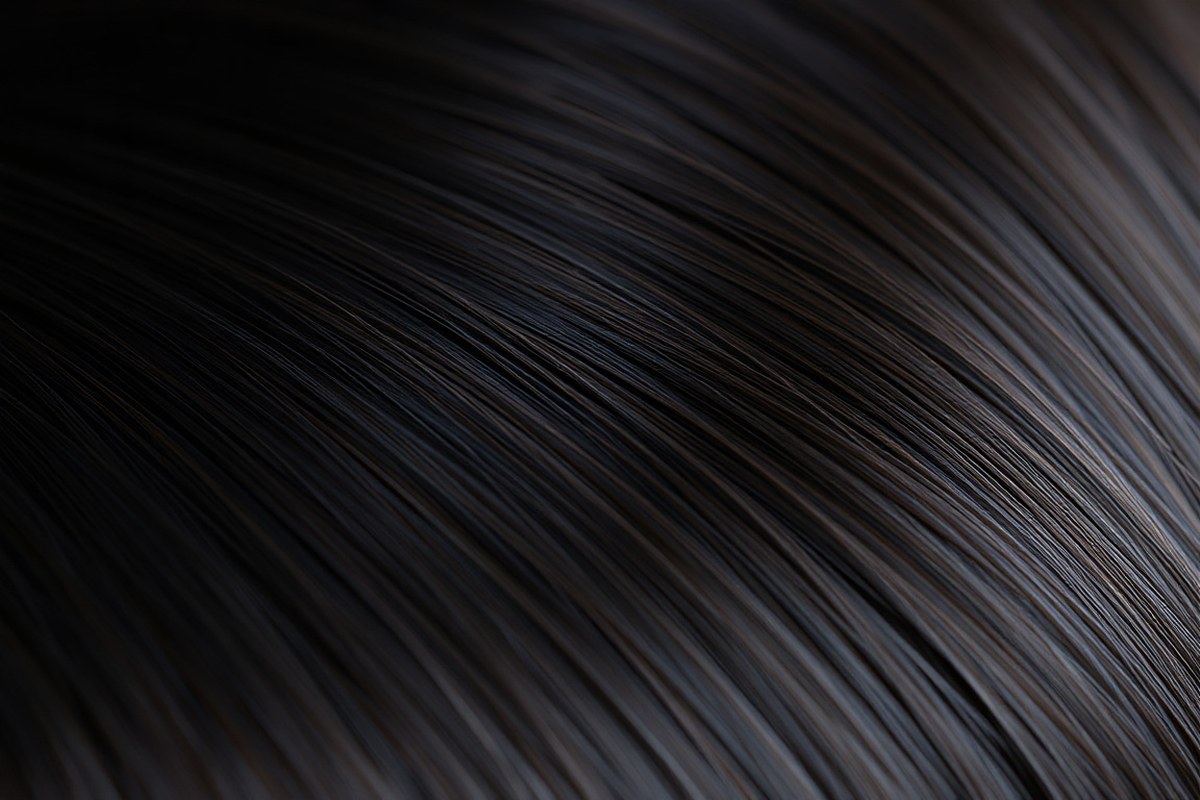
Low porosity hair means your hair’s cuticle layer is tightly closed and flat. This compact structure works like a shield for your hair. It keeps moisture and products from getting inside.
This helps protect the hair strand. Cuticle cells lie flat and overlap very closely.
This makes it hard for water and conditioners to get in. They struggle to reach your hair’s core.
The tightly bound cuticle slows down water absorption. Low porosity hair takes longer to soak in products. This is true for curly or wavy hair.
It’s like your hair is naturally sealed to protect itself. So moisture stays mostly on the surface. Products often sit on the surface of your hair.
This can feel frustrating when your curls need moisture. Your hair doesn’t soak them in well.
Low porosity hair holds moisture inside well after it absorbs it. It doesn’t dry out quickly but can feel weighed down by heavy products. Your hair might seem smooth and strong but it’s hard to style and moisturize.
Managing low porosity hair means helping cuticles lift a little. This lets moisture slip into the hair shaft. It makes your hair easier to hydrate.
Warm water during washing helps open your cuticles a bit. Light steam can also gently lift the cuticles. This helps moisture enter your hair.
Avoid cold water because it tightens the cuticle even more. Tighter cuticles make moisture harder to soak into your hair. Using cold water can make hair feel dry.
Oils like jojoba, grapeseed, and sweet almond add shine. They rest on low porosity hair without weighing it down. These oils keep hair looking healthy.
Coconut oil can enter your hair strands. It works best when used before washing. This softens the cuticle for better moisture absorption.
Avoid heavy silicones that don’t dissolve in water. These can build up on low porosity hair over time. They block moisture and harm hair health.
Because the cuticle is so tight, low porosity hair resists chemical treatments like coloring or relaxing. The dense cuticle layer blocks chemicals from entering easily. Chemical treatments need gentle care and lots of patience.
This helps avoid damage. Thick cuticles keep moisture inside once it’s absorbed.
They also block moisture from entering fast or easy. This controls how water moves in and out.
How to Accurately Test for Low Porosity Hair at Home
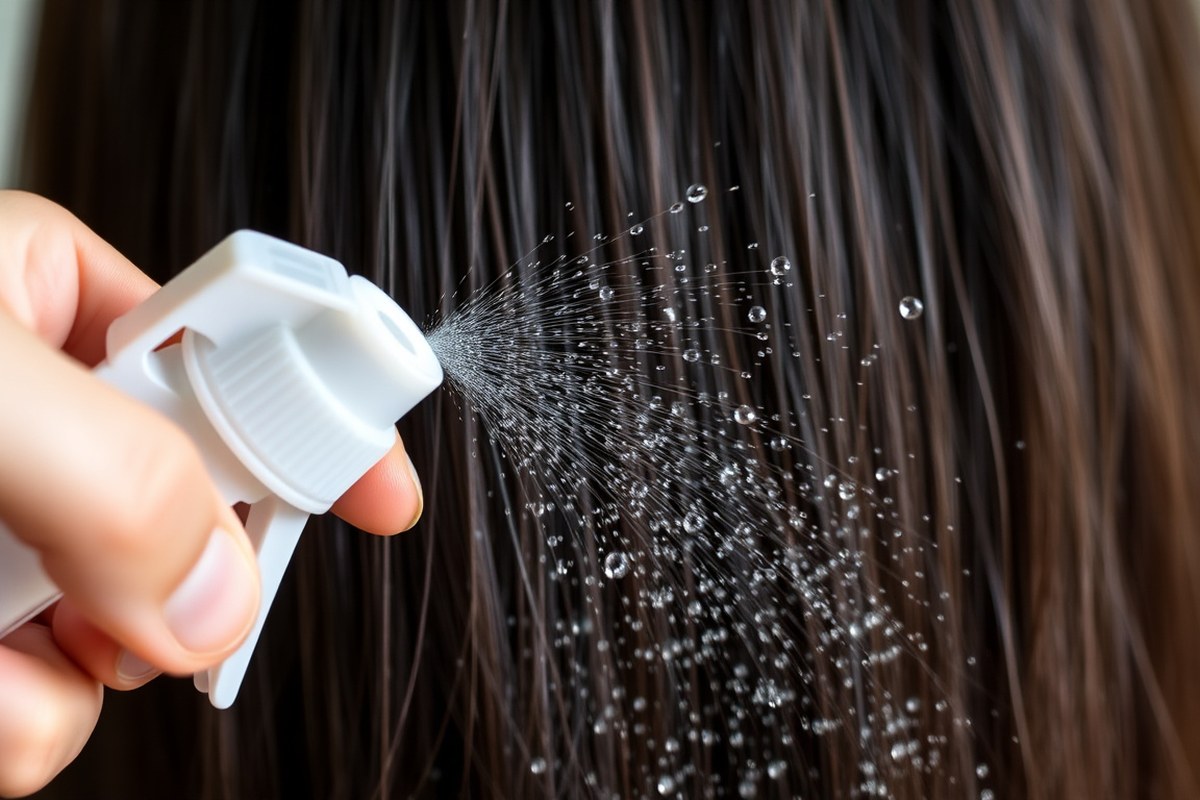
You can test for low porosity hair at home. Use simple methods like the float test or the spray bottle test. They are easy and quick.
Both tests show how well your hair absorbs water. But they have limitations and common mistakes. Knowing how to do them right helps you understand your hair’s moisture needs.
The Float Test Procedure and Limits
The float test shows how your hair reacts to water. See if your hair sinks or floats in water. This tells you about your hair porosity.
Low porosity hair usually floats because it repels water. High porosity hair sinks faster. This test relies on clean, product-free hair for the best results.
Follow these steps to do the float test:
- Fill a clear glass with room-temperature water.
- Take a few clean, shed hair strands from your brush.
- Place the strands gently on the water surface.
- Watch for 2 to 4 minutes without disturbing the glass.
- Check if the strands float, sink slowly, or sink quickly.
- Record your observations to compare with the spray bottle test.
Floating hair suggests low porosity. Sinking quickly usually means high porosity. Strands that sink slowly tend to be medium porosity.
Don’t test hair with product buildup on it. Product buildup can make your hair float falsely. It may seem like low porosity when it’s not.
How to Perform the Spray Bottle Test
The spray bottle test means misting your hair with water. Watch how fast your hair soaks up the moisture. This shows if your hair is low porosity.
Low porosity hair makes water bead on the surface. The water will sit there longer than on other hair types.
This means the hair absorbs moisture slowly. This test is easy to do anywhere and takes just a few minutes.
Try these steps for the spray bottle test:
- Start with dry, product-free hair.
- Fill a spray bottle with room-temperature water.
- Lightly mist one section of hair evenly.
- Observe the hair for up to 2 minutes.
- Notice if water beads, runs off, or absorbs quickly.
- Repeat on different sections to confirm results.
Water that beads and takes a while to soak in indicates low porosity. Quick absorption points to higher porosity levels.
Do not over-saturate your hair. Too much water can skew how quickly it absorbs moisture.
Common Errors in DIY Porosity Testing
Testing often fails when hair isn’t clean or is coated with oils or products. This creates a barrier that can mimic low porosity, causing false results. Hair must be freshly washed and free from styling products for accurate testing.
Another mistake is not controlling water temperature or timing. Cold water may slow absorption.
Hot water can open cuticles and affect the test. Also, using very short or damaged strands can give misleading results because those hairs behave differently.
Always test on multiple strands and repeat tests at different times to get reliable results.
What Causes Low Porosity Hair: Genetics and Environmental Factors
Low porosity hair is mostly determined by genetics and natural hair structure. Your hair cuticles lie flat and are packed tightly. This makes it hard for moisture to enter your hair.
Your genes make it hard for your hair to soak up water. This keeps it shiny but harder to moisturize.
Damage or environmental factors typically don’t cause low porosity hair. Using heat or chemicals won’t lower porosity or make your cuticles tighter.
Instead, damage tends to increase porosity, making hair more open and less resistant to moisture. Low porosity is usually present from birth, not developed over time.
Environmental buildup can affect low porosity hair by adding a surface barrier. Oils, heavy creams, and dirt can sit on the cuticle, blocking moisture even more.
This buildup can weigh hair down. So cleansing regularly with gentle shampoos or occasional clarifying treatments helps restore moisture absorption.
Aging can loosen your hair cuticles. This might make low porosity hair a bit more porous. However, the core structure from genetics mostly stays the same.
Steam treatments and light conditioners help. Heat opens cuticles briefly and helps products soak in.
Many people with curly hair types, like 3C to 4D curls, naturally have low porosity hair. This makes curls look shiny and healthy but prone to product buildup.
Use light products and skip heavy proteins. This keeps your curls soft and easy to manage.
Key Challenges and Common Myths About Low Porosity Hair
Low porosity hair often feels dry because its cuticles stay tightly closed. Water and products can’t soak in well. This happens even with careful application.
It makes hydration hard to achieve. Many people use lots of heavy creams.
Sometimes, this causes buildup instead of help. It can make hair feel sticky or greasy.
Protein treatments tend to cause issues for low porosity hair when used too much. Your hair might feel stiff or brittle because this hair type doesn’t absorb protein well. It’s better to limit protein products and focus on lightweight, hydrating options instead.
- Use products with water and humectants like glycerin or aloe vera.
- Apply natural oils lightly to seal moisture rather than weigh hair down.
- Choose shampoos that clarify without stripping, helping remove buildup.
- Apply products when hair is damp, not dripping wet.
- Try warm water or gentle heat to open cuticles before conditioning.
- Limit heavy butters and wax-based products that sit on the surface.
- Give your hair time to absorb products before adding more layers.
Low porosity doesn’t mean your hair is unhealthy. It’s just a different way the hair is built. Don’t fight the problem directly.
Learn how to help moisture enter your hair. This helps it stay hydrated longer.
Using heat gently can speed this up. Regular cleansing prevents the sticky buildup that blocks moisture.
Best Products and Ingredients for Nourishing Low Porosity Hair
You want oils and treatments that penetrate low porosity hair without sitting on top. Coconut oil is one rare oil that actually seeps into the hair shaft.
Use it as a pre-wash treatment once or twice a month. This helps moisture soak into your hair more easily.
Shampoos and conditioners should be lightweight and water-based to avoid buildup. Heavy oils or butters can create a barrier that stops moisture absorption.
Deep conditioning works best with added heat. Heat opens up the tight cuticle scales and allows conditioner to penetrate.
| Product Type | Recommended Ingredients | Why It Works for Low Porosity Hair |
|---|---|---|
| Oils | Coconut oil (occasional use) | Penetrates hair shaft better than other oils |
| Oils | Lightweight oils (argan, jojoba) | Lighter, less likely to sit on hair surface |
| Shampoos | Water-based, sulfate-free | Clean without heavy residue buildup |
| Conditioners | Water-based, humectants (glycerin, aloe vera) | Hydrates while remaining light |
| Deep Treatments | Heat-activated deep conditioners | Heat helps open cuticle for better absorption |
| Ingredients to Avoid | Heavy butters, waxes, silicones (in excess) | Can cause product buildup and block moisture |
What you want to avoid are heavy products that stay on your hair and scalp. Too much buildup can make your hair feel dry and weighed down. Try a light leave-in or gel to keep hair manageable without blocking moisture.
Use heat with deep conditioners for 15-30 minutes to help your hair absorb the treatment better.
Consistency in using the right product types matters more than how much you use. Lighter, water-based products hydrate better and save you from the frustration of buildup. When selecting products, look for those designed specifically for low porosity or fine hair textures.
Effective Washing, Conditioning, and Deep Treatment Routines
Washing low porosity hair should happen every one to two weeks. Heat improves deep conditioning by opening hair cuticles for better moisture intake. Pre-poo treatments help prevent buildup and make washing easier.
Washing and Clarifying Routine for Low Porosity Hair
Low porosity hair holds product buildup easily, so regular clarifying is key. Use a clarifying shampoo once every two weeks to keep your hair light and clean. Avoid overwashing to prevent drying out your strands.
Follow these steps to wash and clarify effectively:
- Wet your hair thoroughly; low porosity hair takes longer to get fully wet.
- Apply a small amount of clarifying shampoo focusing on your scalp.
- Massage gently for a few minutes to dissolve buildup without roughing cuticles.
- Rinse thoroughly with warm water to help open cuticles and lift residue.
- Use a moisturizing conditioner on your ends, avoiding the scalp.
- Rinse conditioner out well with cool water to close cuticles.
- Pat hair dry with a microfiber towel or old T-shirt to reduce frizz.
Heat-Based Deep Conditioning Steps
Deep conditioning low porosity hair helps add moisture where you need it most. Heat is your friend: it opens the tightly packed cuticles to absorb conditioners deeply. Use a warm towel or hair steamer for about 20 minutes during each treatment.
Here is a simple heat-based deep conditioning routine:
- Choose a rich, moisturizing deep conditioner suited for low porosity hair.
- Apply conditioner generously to clean, damp hair, section by section.
- Cover hair with a plastic cap to retain moisture.
- Wrap a warm, damp towel around your head. Leave it for 15 to 20 minutes. Or sit under a steamer during that time.
- Rinse hair thoroughly with cool water to seal cuticles after treatment.
- Style and dry as usual, avoiding heat tools unless necessary.
Using Pre-Poo and Occasional Detox Treatments
Pre-poo treatments soften your hair and protect it from shampoo stripping. They help loosen buildup and prepare your strands for better moisture absorption. Use pre-poo oils or conditioners about once a week before washing.
Detox treatments with gentle clarifying agents remove stubborn residue without harsh effects. Give your hair a detox every two to four weeks, depending on product use and environment. This keeps your hair fresh without overdrying or damaging the cuticles.
Styling Tips and Product Use for Manageable Low Porosity Hair
Low porosity hair reacts best to lightweight styling products like water-based leave-ins and light gels. Heavy creams, butters, or oils often sit on top of your hair and cause buildup. Because your hair resists moisture absorption, you want products that penetrate rather than coat.
To avoid buildup, limit the number of products you apply at once. Using too many layers or thick products can make hair feel weighed down and rubbery. Wash with a curl cleansing shampoo every one to two weeks.
It removes residue and minerals from hard water. These things get stuck on your strands.
You can use oils daily, but keep them light and apply sparingly. Oils such as jojoba or argan spread thin and won’t clog pores or cause heaviness. Avoid thick oils like coconut or shea butter.
Use them less if hair feels greasy. They also slow down drying time.
- Use water-based leave-in conditioners or sprays for easy absorption
- Apply styling products on damp hair to lock in moisture
- Limit heavy creams and butters to a small amount or occasional use
- Wash with a sulfate-free curl cleansing shampoo every 7 to 14 days
- Try clarifying treatments monthly to prevent buildup from water and products
- Use lightweight oils like jojoba or argan, applying a few drops daily
- Refresh curls by spritzing water mixed with a little leave-in between washes
Maintaining moisture throughout the day means refreshing your hair without overloading it. A quick spritz of water or diluted leave-in spray helps revive curls without adding heaviness. Low porosity hair doesn’t lose moisture fast.
You don’t need to reapply oils every day. Creams aren’t needed daily either.
Keep an eye on how your hair feels and looks. Cut back on styler layers if hair is stiff. Switch to lighter products for sticky, dull hair.
Cleanse regularly to keep strands open for moisture to enter. So your hair stays soft, bouncy, and hydrated all day long.
Adjusting Care for Low Porosity Hair by Hair Type and Season
Low porosity hair needs care that matches your curl pattern and the season. Your hair’s texture changes how much moisture it holds and how products work. Adjusting your routine helps keep hair healthy and hydrated all year.
Impact of Hair Texture on Moisture Needs
Curly and coily hair usually needs heavier oils and creams because their twists limit water flow. Wavy low porosity hair often responds better to lightweight lotions and water-based sprays. Straight low porosity hair takes very light products to avoid buildup, which blocks moisture.
Density also matters. Thick curls need thicker products but use sparingly to avoid weighing hair down.
Thin fine hair should use light, non-greasy formulas even if curls are present. Match product thickness with your hair’s pore size for the best absorption.
Seasonal Adjustments for Hydration and Cleansing
Cold months dry out hair and scalp faster. So add richer conditioners and use hot water around 100°F for better absorption.
In summer, sweat and oil increase, so wash more often with gentle shampoos. Use lighter moisturizers then to avoid sticky buildup.
Switching your products every 3 to 4 months works well. In winter, switch to creams with shea butter or jojoba oil.
For summer, try leave-in sprays with aloe or glycerin for cooling hydration. Pay attention to what your hair needs, it might change seasonally.
When Professional Help Is Recommended
Visit a stylist if your hair feels unusually dry or breaks easily despite proper care. Professionals can test porosity with tools and suggest treatments tailored to your curl type. Color-treated low porosity hair especially benefits from expert advice to avoid damage.
Scalp issues like persistent itching or flaking call for a dermatologist’s evaluation. These problems may need medicated shampoos or treatments, not just changing your hair routine. Don’t wait if irritation or hair loss increases.
Use warm water and steam treatments to open cuticles, improving moisture in low porosity hair.
Step-by-Step Action Plan for Low Porosity Hair Care
Follow these simple steps to give your low porosity hair the right care. Watch your hair improve as it absorbs moisture better.
- Day 1: Do the water test to confirm low porosity hair. Check if hair floats or takes a long time to sink.
- Week 1: Switch to products with humectants like glycerin or honey. Notice if your hair feels softer and less dry.
- Week 2: Try warm water when washing your hair. It opens the cuticles and helps conditioners soak in better.
- Week 3: Use a lightweight leave-in conditioner after washing. See if your hair feels lighter, not weighed down.
- Week 4: Add deep conditioning treatments with heat. Use a warm towel or heat cap to boost moisture absorption.
- After 6 weeks: Evaluate how your hair responds to these changes. Adjust your routine if hair feels heavy or dry.
Frequently Asked Questions
Can Low Porosity Hair Handle Frequent Washing Without Damage?
Yes, it can tolerate regular washing. The slow moisture absorption means you might not need to wash daily to avoid buildup.
Does Low Porosity Hair Require Less Protein in Hair Treatments?
Yes, it generally needs less protein. Too much protein can make the hair stiff and cause buildup on the surface.
Can Heat Help Improve Moisture Absorption in Low Porosity Hair?
Yes, warm heat can open the cuticle. Using a warm towel or steamer during conditioning helps products penetrate.
Is Low Porosity Hair More Prone to Buildup from Hair Products?
Yes, it is more prone to buildup. Heavy creams and oils often sit on top rather than absorb into strands.
Does Water Hardness Affect Low Porosity Hair Differently?
Yes, hard water can increase product buildup. Using filtered water or chelating shampoos helps with buildup removal.
Can Low Porosity Hair Become High Porosity over Time?
Yes, damage from heat and chemicals can raise porosity. Careful handling keeps the cuticle intact and healthy.
Before You Go
Low porosity hair needs gentle care and the right products to stay healthy. Start by confirming your hair type with the water test.
Then take one simple step today by changing your conditioner to one with humectants. Your hair will thank you for it.