How to Stimulate Hair Growth: 12 Proven Methods for Stronger, Faster Growth
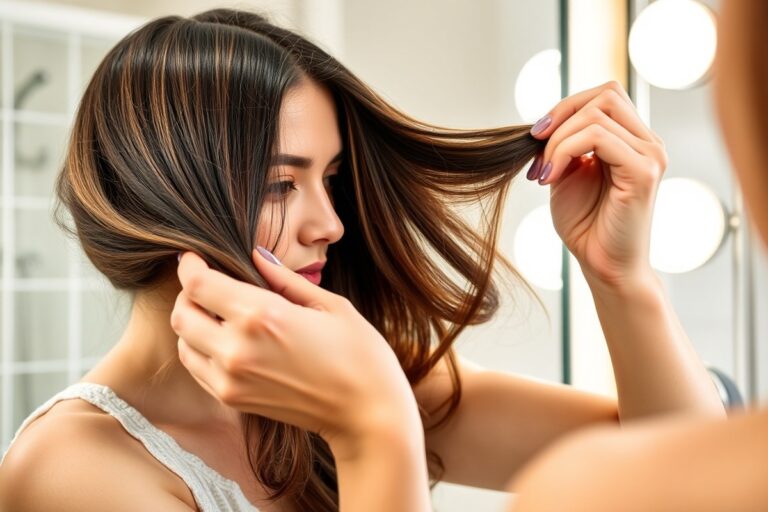
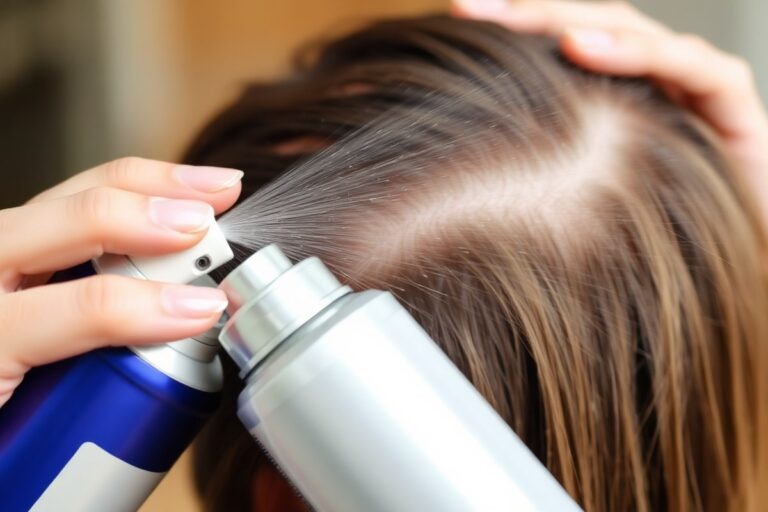
Wondering how to stimulate hair growth? The key is to create a healthy scalp environment.
Nourish your scalp and hair follicles with gentle care and good nutrition. This encourages strong, faster growth naturally.
Start by keeping your scalp clean and moisturized. Use mild shampoos and avoid harsh chemicals that cause damage.
Also, focus on protein-rich foods since 95% of hair is keratin, a type of protein. Eating foods like eggs, nuts, and fish can help support hair strength.
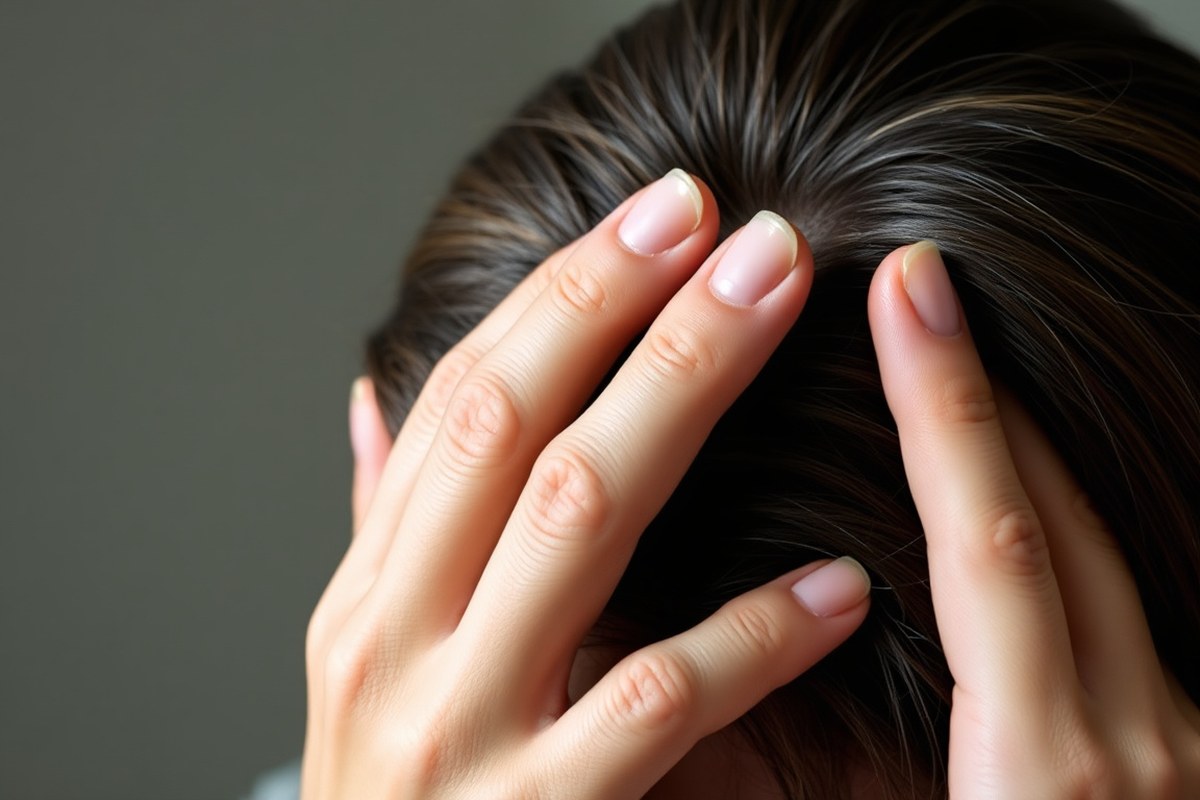
Massaging your scalp regularly boosts blood flow to hair follicles. This helps deliver nutrients and supports new hair growth. Use your fingertips to massage gently for five to ten minutes every day.
Limit heat styling and tight hairstyles that pull on your hair. This reduces breakage and hair loss. Drinking plenty of water and managing stress also contribute to healthier hair growth over time.
Key Takeaways
- Keep your scalp clean using gentle, sulfate-free shampoos.
- Eat protein-rich foods like eggs, dairy, and lentils for keratin support.
- Massage your scalp daily to improve blood flow and hair follicle health.
- Avoid harsh chemical treatments that weaken hair strands and slow growth.
- Be patient; hair grows roughly half an inch per month naturally.
- Moisturize your scalp to prevent dryness and reduce inflammation risks.
1. How to Stimulate Hair Growth Effectively at Home

Supporting your hair follicles physically and nutritionally is key to encouraging hair growth at home. Your genes decide how fast your hair grows. You can keep your hair follicles healthy.
Healthy follicles stay active longer. Eating well helps your hair grow.
Drinking enough water is important too. Gently massaging your scalp speeds up hair growth.
These practical steps show you how to get started. Each step supports healthy hair growth. Your scalp stays active and strong.
Over time, hair grows thicker and stronger. Hair grows about half an inch each month.
It takes a few months to see results. Be patient and consistent with care.
- Eat protein-rich foods daily. Hair is made mostly of protein. So include eggs, dairy, and lentils to provide your scalp with building blocks. These foods also contain biotin, which supports follicle health.
- Stay well hydrated. Drink enough water throughout the day. Hydration keeps your scalp moist and improves nutrient flow to hair follicles.
- Massage your scalp gently for 5 minutes. Use your fingertips in small circles. This increases blood circulation, which can stimulate follicles and hair growth.
- Use natural oils known to strengthen hair. Oils like rosemary or peppermint may promote follicle activity. Apply a small amount and leave it on for 30 minutes before washing out.
- Get daily moderate sunlight or red light exposure. Exposure to 650 nm red light has been shown to trigger growth factors in follicles. About 10 to 15 minutes daily is enough.
- Manage stress levels. Chronic stress disrupts hormone balance and slows hair growth. Practice relaxation techniques like deep breathing or yoga.
- Keep your scalp clean and avoid harsh treatments. Clean skin supports growth, but over-washing or harsh chemicals can damage follicles. Choose gentle shampoos and wash 2 to 3 times weekly.
2. Which Nutrients and Foods Support Hair Growth?

Eating a balanced diet rich in vitamins and minerals supports stronger, faster hair growth. Vitamins A, B (especially biotin), C, D, and E boost scalp health. They also help keep hair follicles strong and healthy.
Protein supplies building blocks to hair strands. Iron increases oxygen delivery to hair follicles.
You should include foods like spinach, lentils, and red meat for iron. Nuts and seeds offer vitamin E and biotin.
Fruits like oranges and berries give you vitamin C. Vitamin C reduces scalp inflammation and supports collagen growth. These nutrients work together to keep hair in its active growth phase longer and avoid thinning.
- Spinach and lentils: rich in iron and folate
- Nuts and seeds: provide vitamin E and healthy fats
- Eggs and dairy: good sources of protein and biotin
- Oranges and berries: full of vitamin C and antioxidants
- Fatty fish: offers vitamin D and omega-3 fatty acids
- Lean red meat: high in iron and protein
Avoid highly processed foods, too much sugar, and fried items. These limit nutrient absorption and cause scalp inflammation. Smoking and stress reduce blood flow to hair roots.
Less oxygen slows hair growth and increases shedding. Drinking plenty of water and focusing on fresh whole foods will better support your hair health.
Too much sugar and processed fat may block nutrients from reaching your hair follicles.
Hair growth depends on your overall nutrition, not a single nutrient. Eating a variety of these foods daily helps give hair follicles steady support.
A balanced diet supports scalp health and hair strength. It helps reduce hair breakage and adds thickness over time.
3. How Do Supplements Impact Hair Growth? What Works?
Supplements can support hair growth, but their effects vary. Biotin helps strengthen hair, especially if you have a deficiency. Collagen is linked to hair health, but strong proof is still missing.
Omega-3 fatty acids reduce scalp inflammation and help nourish hair follicles. A 2015 study showed women using omega-3s, omega-6s, and antioxidants improved hair density. Taking these supplements can support follicle health and reduce hair loss.
Below is a comparison of popular hair growth supplements, their roles, and evidence behind them.
| Supplement | Primary Role | Scientific Support | Typical Use | Side Effects or Risks |
|---|---|---|---|---|
| Biotin (Vitamin B7) | Strengthens hair and nails | Good for deficiency; limited evidence for healthy hair | 30-100 mcg daily; advised if deficient | Rare, but high doses can mask lab tests |
| Collagen | Supports skin and possibly scalp health | Anecdotal; more research needed | 2.5-10 grams daily in powder or pills | Generally safe; possible allergies |
| Omega-3 Fatty Acids | Reduces inflammation, nourishes follicles | 2015 study showed increased hair density | 500-1000 mg daily fish oil | Blood thinning effect at high doses |
| Zinc | Supports immune function, hair growth | Anecdotal and some limited evidence | 15-30 mg daily if deficient | Too much causes nausea and gut issues |
| Multivitamins | Fills general nutrient gaps | May help weak or thinning hair | Follow label doses | Risk of excess if combined with other supplements |
Seeing clear results takes time, usually three to six months minimum. Do not start biotin or collagen without a healthcare provider confirming a deficiency. Otherwise, supplements might not improve your hair noticeably.
Watch out for side effects like stomach upset or allergic reactions. High doses can interfere with blood tests or cause other health issues. Sticking to recommended amounts is safer and smarter in the long run.
4. How Does Scalp Care Stimulate Hair Growth?
Taking care of your scalp helps create the best environment for hair growth. A healthy scalp keeps hair follicles active, which supports hair thickness and strength. Methods like massage and exfoliation increase blood flow and clear debris, helping hair grow better.
Benefits of Scalp Massage
Massaging your scalp boosts blood circulation, bringing more nutrients to hair follicles. This can make hair strands thicker and stronger over time. Regular scalp massage also reduces stress, which lowers cortisol that may cause hair shedding.
Studies show daily scalp massage helps stop hair loss. Do it 11 to 20 minutes a day. Keep this up for six months.
Some people even saw slight or significant regrowth from consistent massage. It’s a simple, non-invasive way to support your scalp’s health.
Effective Scalp Scrubs and Exfoliators
Exfoliating your scalp removes dead skin cells and buildup that block hair follicles. This helps keep follicles open and ready for new growth. Use gentle scrubs or exfoliating shampoos once or twice a week to avoid irritation.
Avoid harsh chemicals that dry out your scalp. Instead, look for products with natural ingredients to calm flakes or itchiness. Clear skin on your scalp signals better conditions for hair to grow.
Choosing the Right Oils for the Scalp
Applying oils like castor or rosemary oil supports scalp hydration and helps protect hair follicles. Castor oil can boost hair growth. Use it once a week.
Leave it on your scalp overnight for best results. Rosemary oil has been shown to improve scalp health and stimulate hair growth.
Always patch-test oils first to avoid allergic reactions. Massage the oil into your scalp gently to spread it evenly. Oils also help reduce dryness and flakiness, preventing inflammation that can slow hair growth.
Using Scalp Massagers and Devices
Scalp massagers are handy tools that increase blood flow and stimulate follicles better than fingers alone. They can be used daily during shampooing or with oils to improve their effects. Many small hand-held devices cost around $10 to $30.
These devices can activate hair growth genes. Use them 5 to 10 minutes daily. Consistency matters for results.
Press the massager lightly and move it in small circles. Avoid strong pressure, which can irritate your scalp and harm hair roots.
Follow these steps for an effective scalp care routine that encourages growth:
- Choose a gentle shampoo and apply a small amount.
- Massage your scalp softly with fingertips or a scalp massager for 5-10 minutes.
- Rinse shampoo thoroughly and apply a scalp exfoliator once or twice weekly.
- Gently massage castor or rosemary oil into your scalp once a week, then leave overnight.
- Wash your hair normally the next day to remove oil residue.
- Use a wide-toothed comb or soft brush daily to distribute natural oils.
- Keep your scalp clean and hydrated, avoiding harsh heat styling tools.
- Stick to this routine for at least three months, as results take time to show.
5. What Lifestyle Changes Promote Healthy Hair Growth?
Staying well hydrated helps your scalp stay healthy and supports hair growth. Dehydration can make hair dry and brittle, increasing breakage. Aim for about 64 ounces (8 cups) of water daily, adjusting for activity and climate.
Stress disrupts your hair growth cycle and can lead to shedding or thinning. Managing stress lowers inflammation and hormone imbalances that hurt your hair. Try deep breathing to help your hair.
Meditate for 10 minutes every day. Do light exercise three times a week.
Good sleep supports tissue repair, including hair follicle health. Aim for 7 to 9 hours of quality sleep per night to keep hair growth steady. Poor sleep adds to oxidative stress, one cause of hair loss in adults.
- Limit alcohol, which dries out your scalp and harms hair hydration.
- Avoid tight hairstyles that pull on roots and cause traction alopecia.
- Skip harsh chemical treatments that irritate or inflame your scalp.
- Reduce exposure to smoke, which damages hair cells and scalp health.
- Minimize sun exposure without protection to prevent scalp damage.
Alcohol dries your scalp by drawing water from skin cells, so drink in moderation. Tight ponytails or braids create constant tension and can cause permanent hair loss.
Harsh chemicals and buildup irritate your scalp, which slows hair growth. These habits raise oxidative stress and inflammation, harsh on hair follicles.
Stress can delay new hair growth, so give yourself regular breaks and calming activities.
6. How to Choose Hair Care Products That Support Growth
Shampoos and conditioners matter for healthy hair growth. Choose gentle products that don’t irritate your scalp. For example, avoid shampoos with heavy fragrance, which can cause itching or dryness.
Instead, pick anti-dandruff shampoos if your scalp feels flaky or sensitive. This keeps hair follicles clear and ready to grow.
Hair growth serums can help too, especially those with proven oils. Rosemary oil is popular because some studies say it works as well as certain medicated treatments.
Look for serums that combine essential oils with vitamins like biotin or niacin. Those help nourish your scalp while stimulating hair follicles.
Avoid harsh ingredients that dry or damage your hair. Sulfates, parabens, and alcohols in products can strip natural oils and weaken hair strands.
When your scalp is sensitive, avoid strong chemicals that irritate or inflame. This can slow down growth and cause more hair to fall out.
- Look for sulfate-free and paraben-free shampoos
- Choose conditioners with moisturizing oils like argan or jojoba
- Pick serums containing rosemary, peppermint, or biotin
- Avoid heavily scented products to reduce scalp irritation
- Use products with gentle cleansers suited for your scalp type
- Consider dermatologist-recommended formulas if you have scalp conditions
Good products support scalp health and hair growth without harsh side effects. Expect your scalp to feel clean but not dry after washing.
Healthy hair looks fuller and grows stronger over weeks to months. Watch for new baby hairs or less shedding as signs your products work well for you.
Some conditions need a doctor’s advice though. Persistent scalp irritation or major hair loss means you should see a dermatologist.
They can recommend the right treatments or prescription products for your specific needs. Your hair care routine should adapt based on how your scalp responds over time.
7. How Does Hair Care Routine Affect Growth and Thickness?
Treating your hair gently stops breakage and helps keep it thick. Washing too often strips natural oils, which slows growth and makes hair fragile. Using heat tools too much breaks down hair bonds, leading to dryness and split ends.
Trimming doesn’t make hair grow faster. But it stops split ends from moving up the shaft.
Protective hair habits like loose braids and silk pillowcases shield hair from damage. These small changes create a much better environment for hair to grow fuller and healthier.
Follow these steps every day or week to protect and support your hair growth:
- Wash your hair 2, 3 times a week with a gentle shampoo and conditioner. This keeps your scalp clean without stripping oils that protect hair strands.
- Use lukewarm or cool water instead of hot water. Hot water can dry out your scalp and weaken hair roots.
- Style hair gently by avoiding tight ponytails or braids. Instead, use loose buns or braids with satin scrunchies to reduce pulling and breakage.
- Limit heat styling to no more than once a week.When using heat tools, pick a low or medium heat setting. Keep the temperature below 350°F. This helps protect your hair from damage.
- Trim hair every 8 to 12 weeks to remove split ends. This prevents damage from traveling up and causing breakage.
- Sleep on silk or satin pillowcases or wear a satin bonnet. This reduces friction that can cause hair to tangle and break during sleep.
- Massage your scalp daily for 5 minutes. Massaging increases blood flow to hair follicles, supporting growth and thickness over time.
Protective hairstyles are especially helpful if your hair texture changes or if the weather is harsh. Over time, these daily habits reduce breakage and help hair maintain its natural thickness and length.
8. When Does Hair Growth Slow and Why? Common Causes
Hair growth slows due to many factors, including genetics, hormones, and health issues. Genetics shape how fast your hair grows and how thick it stays over time. Medical conditions like alopecia areata can disrupt your hair cycle.
Anemia also affects hair growth. Both can cause your hair to thin.
Hormones deeply affect hair growth. High androgen levels, often linked with hormonal disorders, can cause hair thinning and loss.
Consistently high insulin levels also trigger more androgens, worsening hair loss. For women, doctors may prescribe spironolactone (Aldactone) to regulate these hormones and slow thinning.
- Genetics determines your natural hair growth rate and pattern.
- Hormonal imbalances, like androgens, cause thinning in both sexes.
- Medical issues, including autoimmune conditions, disrupt hair follicles.
- Nutrient shortages, especially zinc, impair hair tissue repair.
- Medications such as spironolactone help control hormone-driven hair loss.
- Red light therapy may encourage hair growth and reduce thinning.
Hormone changes happen in many life stages, like pregnancy or menopause. These fluctuations can temporarily slow or speed up hair growth.
Always talk to a doctor if you see sudden or severe hair thinning. They can check for underlying causes and suggest treatments.
Consult a dermatologist if your hair suddenly thins or stops growing well.
Some hair loss is natural, but spotting the cause helps manage it. Medical tests can reveal if hormones, genetics, or illness are involved. This way, you can start the right care for your hair’s health.
9. How Effective Are Natural Remedies and Oils for Hair Growth?
Natural remedies like herbal oils can help stimulate hair growth, but results vary widely. They often improve scalp health and blood flow, which supports stronger hair follicles. Using these oils right can boost benefits while keeping your scalp safe.
Popular Essential Oils and Their Effects
Rosemary oil is well-known for promoting circulation to hair follicles. This improved blood flow can help hair grow thicker and reduce thinning.
Some people use peppermint oil for a cooling effect. It might help hair grow by increasing scalp circulation.
Lavender oil is praised for its antimicrobial properties and calming scent. It might help in reducing scalp inflammation that blocks hair growth.
Tea tree oil removes excess oils and dandruff from hair follicles. This helps hair grow more freely by clearing blockages.
How to Safely Use Oils on Scalp and Hair
Always dilute essential oils before applying them to your scalp. Mix 3 to 5 drops of essential oil with one tablespoon of carrier oil. Choose coconut or jojoba oil for this mix.
Apply the oil mix with your fingertips on your scalp. Massage gently for 5 to 10 minutes. This improves blood flow.
Do this two to three times per week to avoid irritation. After massaging, keep the oil on your scalp 30 minutes or more.
Then wash your hair with a mild shampoo. Avoid applying oils directly without dilution because they can cause burning or allergic reactions.
Limitations and What Science Says
Some studies show oils might help hair growth. But there is no strong proof for severe thinning or genetic loss. Oils can help keep your scalp healthy.
They can’t fix issues like hormones or scalp disease causing hair loss. Medical treatments targeted to specific causes often work better.
Natural oils also don’t provide immediate or dramatic results. You might see subtle improvement after 3 to 6 months of consistent use.
Some people experience dryness or irritation. So stop using oils if you notice worsened redness or itching.
10. What Medical Treatments and Devices Can Help Hair Growth?
Two FDA-approved topical treatments that help hair regrowth are minoxidil and finasteride. Minoxidil comes as a liquid or foam you apply directly to your scalp twice daily. It opens blood vessels, boosting the hair follicles’ nutrient supply to encourage growth.
Finasteride is a prescription pill mainly for men. It lowers the hormone DHT that shrinks hair follicles and causes thinning. You take it once a day.
But it may cause side effects like reduced libido. Women usually avoid this drug, especially during pregnancy.
Low-level laser therapy devices are another option. These handheld or cap-like devices use red light to stimulate hair follicles. You typically use them three times a week for 15 to 30 minutes.
Some studies show light therapy can improve hair density over months. Devices can cost from $200 to $600, depending on the brand.
Here’s a checklist to decide if medical treatments or devices fit you:
- You’ve tried diet and home remedies for 3 to 6 months with little change.
- Your hair loss is steady or worsening.
- You want to avoid harsh chemicals or surgery.
- You can commit to daily or regular treatment periods.
- You consult a doctor to rule out conditions like thyroid issues or alopecia.
- You understand potential side effects and costs.
- You’re okay with gradual regrowth over 4 to 6 months.
Some people see new hair in 2 to 4 months. But it often takes half a year or longer for thicker growth.
Failures usually happen when treatment stops early or if there’s an underlying health problem. You should see a doctor if hair thins suddenly or bald spots appear.
A doctor might offer other treatments like corticosteroid shots or platelet-rich plasma therapy. These procedures come with higher costs and require professional administration.
Always follow your healthcare provider’s advice and watch for any negative reactions. Maintaining realistic expectations is key since results vary by individual and cause of hair loss.
11. How to Identify and Avoid Common Hair Growth Mistakes
Over-washing your hair often strips away natural oils that protect and nourish it. Washing daily or too often dries your scalp and hair out. This leads to breakage and slower hair growth.
Wash your hair two to three times a week. Use a gentle shampoo for your hair type.
Tight hairstyles like ponytails, braids, or buns pull on your hair and scalp. This pulling causes stress on hair follicles, sometimes leading to permanent loss.
Use soft hair ties to protect your strands. Avoid tight hairstyles for more than two weeks straight.
Harsh chemical treatments, including bleaching and frequent dyeing, weaken the hair shaft. Peroxide and other strong ingredients cause inflammation and disrupt hair growth cycles. Protect your hair by limiting chemical use and including breaks between treatments for several weeks.
- Wash hair two to three times weekly with mild shampoo
- Use soft hair ties and avoid tight styles more than two weeks
- Limit chemical treatments like bleaching or dyeing
- Sleep on silk or satin pillowcases to reduce friction
- Apply a leave-in conditioner or oil before bed to protect strands
- Avoid vigorous towel-drying; instead, gently pat hair dry
- Use a wide-tooth comb to detangle when hair is wet
Sleeping habits matter too. Hair rubs against rough cotton pillowcases causing breakage overnight.
Switch to silk or satin pillowcases to cut down on friction. Before bed, add a light leave-in oil or conditioner to keep strands hydrated and better shielded.
Too-tight hairstyles can cause scalp tension and eventual hair loss. Try switching styles every two weeks and choose gentle ties.
Other habits to watch include pulling hair back too tightly when wet and brushing aggressively. Wet hair is fragile and prone to breakage.
Instead, detangle gently with a wide-tooth comb and avoid harsh chemicals on sensitive roots. Protecting the hair you have is key to helping it grow longer and thicker over time.
12. How to Monitor Hair Growth Progress and Know When to Seek Help
You can expect to see some hair growth results after about 3 to 6 months. Watch for thicker hair strands and less shedding as key signs. Seek professional help if hair thinning worsens or if you notice scalp irritation.
Typical Hair Growth Timeline and Phases
Hair grows in three phases: anagen, catagen, and telogen. The anagen phase lasts 2 to 6 years and is when hair actively grows. Most people lose 50 to 100 hairs daily as old hairs shed during the telogen phase.
Visible hair growth after starting new care routines usually takes 3 to 6 months. Some thickening or less shedding may appear after 8 to 12 weeks. Slower growth or no improvement past six months could signal deeper issues.
How to Track Changes Effectively
Tracking your hair growth helps spot improvements or problems early. Use clear photos of your scalp and hair from different angles every 2 to 4 weeks. Note changes in hair thickness, length, and shedding levels.
Here’s how to track your hair progress:
- Choose a well-lit area for photos to capture true color and texture.
- Use the same distance and angle each time for consistent comparisons.
- Keep a simple journal recording daily hair condition and any treatments applied.
- Measure hair length monthly to track growth rate more precisely.
- Note how much hair sheds during brushing or washing on a weekly basis.
- Observe skin on your scalp for redness, dryness, or scaling.
Keep in mind, hair growth rates vary by person. Average scalp hair grows half an inch per month. But factors like age or health can slow this.
Red Flags Indicating Medical Consultation
Consult a dermatologist or trichologist if hair thinning worsens despite your efforts. Sudden or patchy hair loss needs immediate medical attention. Scalp pain, itching, or persistent redness also require professional care.
Get advice if you see bald spots on your scalp. Early diagnosis can catch conditions like alopecia or scalp infections. Professional help is key to safe and effective treatment.
Your First 30 Days: A Quick-Start Plan to Boost Hair Growth
Follow these simple steps over the next month to help your hair grow stronger and thicker. Track your progress with photos or notes to see real changes.
- Day 1: Start a balanced diet rich in protein, iron, and vitamins. You’ll feel more energized and notice less hair fall.
- Week 1: Use a mild shampoo and conditioner designed for hair growth. Your scalp should feel cleaner without dryness or irritation.
- Week 2: Massage your scalp daily for 5 minutes using gentle, circular motions. Your scalp will feel more stimulated and blood flow should improve.
- Week 3: Add a proven hair growth supplement like biotin or zinc. Choose one if your diet doesn’t have enough of those nutrients. Watch for less hair shedding after a few weeks.
- Week 4: Cut back on heat-styling and harsh chemical treatments. Hair should feel less brittle and break less easily.
- After 30 days: Reassess your routine and scalp health. Notice smoother hair texture or early signs of new growth.
Frequently Asked Questions
What Role Does Blood Circulation Play in Hair Growth Stimulation?
Better blood circulation delivers nutrients to hair follicles, boosting growth. Scalp massages can improve circulation and support healthy follicles over time.
Can Stress Reduction Really Help Hair Grow Faster?
Yes, lowering stress prevents the hormone cortisol from harming hair follicles. Simple relaxation or exercise routines consistently can help maintain healthier hair cycles.
How Often Should You Wash Hair to Support Growth?
Washing hair 2-3 times weekly keeps the scalp clean without stripping natural oils. Overwashing can cause dryness and breakage, harming new hair growth.
Can Regular Trimming Improve Hair Growth Speed?
Trimming removes split ends but doesn’t change growth rate directly. It helps hair look fuller and prevents damage that might break hair off.
Does Sleeping on Certain Pillowcases Affect Hair Growth?
Smooth pillowcases like silk reduce friction that causes hair breakage. Less breakage means hair stays thicker and grows longer over time.
Are There Specific Hairstyles That Promote or Hinder Hair Growth?
Loose styles reduce scalp tension and breakage, helping hair stay healthy. Tight hairstyles can pull on follicles and contribute to hair thinning.
Final Thoughts
Stimulating hair growth takes time and consistent care. Focus on healthy habits and gentle treatment that suits your scalp. Start today by adjusting one step and watch your hair improve.