How to Take Care of Hair: A Complete Guide for Healthy, Strong Hair
Knowing how to take care of hair means keeping it healthy and strong daily. The key is gentle handling and using the right products for your hair type. Start by washing your hair with a suitable shampoo.
Use a conditioner to keep your scalp and strands hydrated. Avoid products that dry out your hair.
Next, dry your hair carefully. Let it air dry for about 20 to 30 minutes before any heat styling. Over-drying or blow-drying wet hair can cause breakage and weaken your strands.
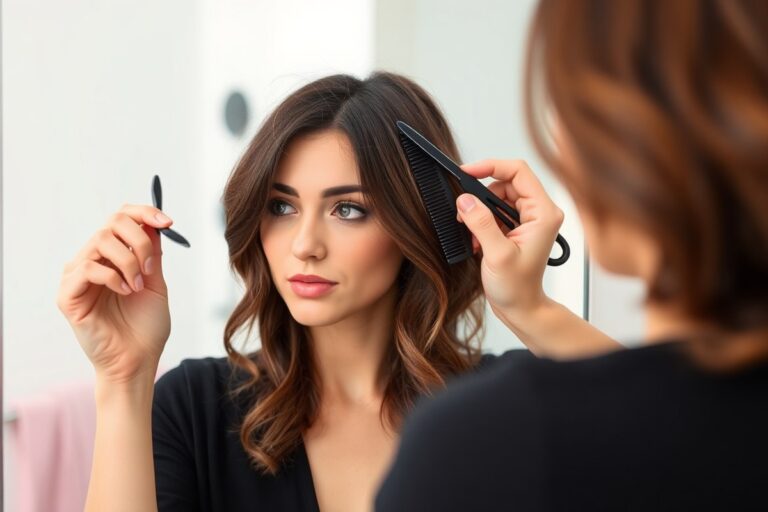
Use a wide-tooth comb to detangle hair only when it’s 80% dry. This helps stop snapping and split ends. Remember, consistent care every day helps your hair stay soft and resilient over time.
Key Takeaways
- Wash dry or curly hair every 2 to 3 weeks to keep it from drying out.
- Wavy hair should be washed every 3 to 4 days for balance and shine.
- Use conditioner after shampoo to provide moisture and protect hair strands.
- Apply heat protectant sprays 6, 8 inches away before using hot tools.
- Stop blow-drying when hair feels about 90% dry to avoid excess heat damage.
- Detangle gently with a wide-tooth comb only when hair is mostly dry.
Basic Daily Hair Care Steps Everyone Should Follow
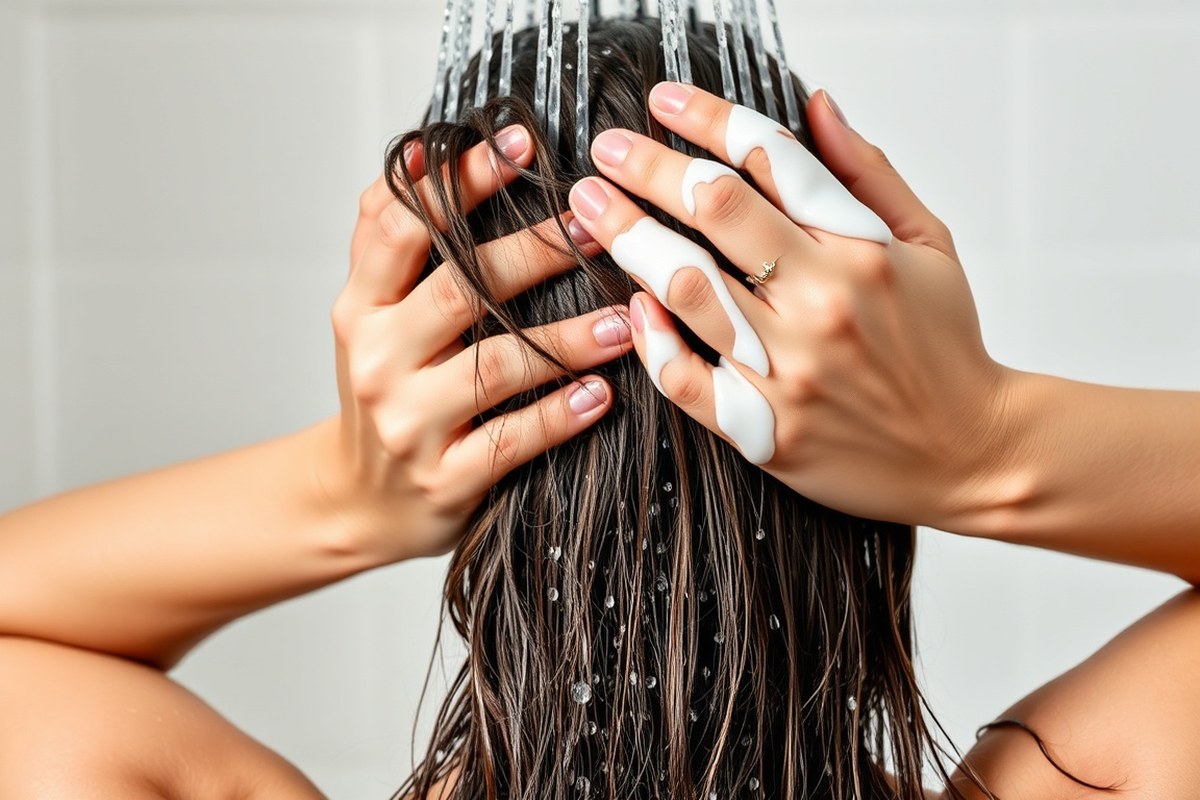
Start your daily hair care by gently cleansing your scalp and strands. Use mild shampoo made for your hair type every two to four days. Wash based on how oily or dry your hair feels.
Don’t wash your hair every day unless your scalp gets very oily. Over-washing removes natural oils. This can cause dryness.
After shampooing, apply conditioner mainly to the mid-length and ends. Conditioner adds moisture without weighing hair down. Leave conditioner on your hair for one to three minutes.
Then rinse it out with cool water. This seals the cuticle and adds shine. Skip conditioner on your scalp if it feels oily to prevent buildup.
For daily care, avoid hairstyles that pull tightly or rub your hair. This can cause your hair to break. Limit touching your hair too often.
Don’t brush dry curly or wavy hair. Brushing dry hair causes frizz and split ends. Instead, use fingers or a wide-tooth comb to detangle gently after conditioning or when damp.
Notice dryness or split ends? Apply a drop or two of light oil daily to your hair ends. This helps lock in moisture and protect tips.
Oils like argan or jojoba cost around $10 to $20 per bottle and last for months. Adding oil works well to keep hair soft.
Use only small amounts and avoid roots. Too much oil there can make your hair greasy.
Lastly, protect your hair from environmental damage by adjusting your routine seasonally. In dry winter months, use more hydrating conditioners or leave-in treatments to combat static and brittleness.
In humid weather, focus on cleansing and light styling to control frizz and scalp sweat. These adjustments help keep your hair balanced all year.
How Often Should You Wash Hair Based on Hair Type and Lifestyle?
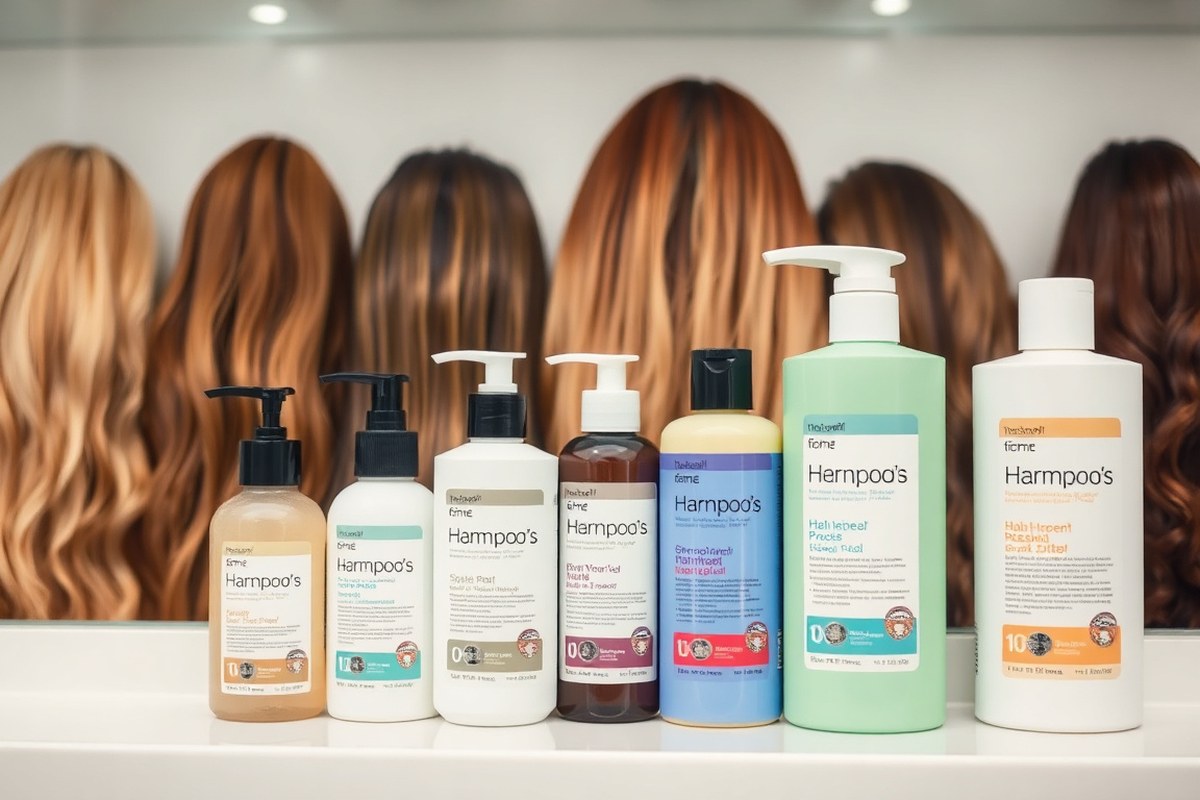
Wash oily hair every day or every other day to control excess oil. Dry hair needs less frequent washing, about once a week to avoid stripping natural oils. Curly or textured hair should be washed every 2 to 3 weeks.
Curls block oils from spreading on the scalp. This is why less frequent washing works best. Fine hair tends to get oily faster and may need washing every 1 to 2 days.
You can wash your hair too often if it causes dryness, itchiness, or scalp irritation. Not washing enough may lead to buildup and scalp odor. Adjust washing frequency based on how oily or dirty your scalp feels.
Activities like daily exercise or dusty work mean washing more often. You’ll need to keep your hair cleaner in these cases. This helps remove dirt and sweat buildup.
Think about your lifestyle when deciding how often to wash. Sweating a lot or using hair products daily means washing more often. This helps remove sweat and product buildup from your hair.
For less active lifestyles, washing every few days can preserve moisture and scalp health. Use shampoo and conditioner suited to your hair type to keep your routine effective and gentle.
Wait two days after washing before dyeing your hair. This allows natural oils to protect your scalp and give the color more depth.
Choosing and Using Shampoo and Conditioner Correctly
Look for shampoos with gentle, sulfate-free formulas that clean without stripping natural oils. Avoid shampoos with sulfates listed near the top. Sulfates can dry out your scalp.
They also strip moisture from your hair. Ingredients like cannabinoids may help balance scalp oils and repair hair, improving overall scalp health.
Choose shampoo based on your hair type. For fine hair, pick volumizing shampoos without heavy oils.
Dry or color-treated hair benefits from moisturizing shampoos that add hydration without weighing hair down. Using products made for your specific hair type helps improve hair health and appearance faster.
When shampooing, wet your hair with warm water, not hot, since heat strips natural oils. Apply a small amount of shampoo only to your scalp.
Use your fingertips to gently massage and lift dirt, avoiding nails that can irritate skin. Rinse thoroughly to remove all buildup but don’t over-wash, which can dry hair.
Conditioner should be applied only from the mid-lengths to ends, never on your scalp. Applying conditioner near roots can make your scalp greasy and disrupt its natural pH. Refrigerating conditioner for 10 minutes before use and leaving it on for 20 minutes deepens moisture.
Adding two minutes of steam boosts absorption. Finish with a cold-water rinse to close the hair cuticle and increase shine.
Use conditioner one to three times a week depending on your hair’s dryness. Over-conditioning can weigh down fine hair or create buildup.
So adjust based on how your hair feels. For extra softness and manageability, pick a conditioner designed to match your shampoo’s formula.
Safe Drying Techniques to Prevent Hair Damage
Drying your hair the right way stops breakage and dryness. Avoid rubbing your hair with towels. Use microfiber towels, T-shirts, or air dry for gentler care.
Blow dry using low heat. Stop when hair is nearly dry, about 90%.
Why Avoid Rubbing Hair with Towels
Rubbing hair with towels roughs up the cuticle layer and causes breakage. Your hair is weakest when wet, so rough drying can easily damage strands. The American Academy of Dermatology says wrapping hair prevents mechanical breakage better than rubbing (AAD, 2026).
When you rub, hair strands catch and snag against the towel fibers. This action causes split ends and frizz over time. Using a gentle method protects your hair from unnecessary damage.
Advantages of Microfiber Towels and T-Shirts
Microfiber towels and old T-shirts absorb moisture without rough friction. They are softer than regular towels, so they don’t disrupt your hair’s cuticle. A 30-inch by 10-inch microfiber wrap covers all hair types fully and dries hair gently.
Wrapping your hair in a microfiber towel or T-shirt after washing cuts drying time without heat. You can even rewrap with a dry one after 15 minutes to speed up the process. These fabrics help prevent frizz and keep hair in better condition.
How to Air Dry and When to Use Heat Safely
Air drying avoids heat damage by letting your hair dry naturally. Let it dry for 20 to 30 minutes before using a blow dryer. Use the blow dryer only until your hair feels 90% dry to protect it.
Using a blow dryer on low or medium heat is safer than high heat settings. Keep the dryer at least 6 inches away from your hair to prevent damage. Gentle drying helps prevent dryness and breakage over time.
| Drying Method | Effect on Hair | Recommended Usage |
|---|---|---|
| Rubbing with regular towel | Causes breakage and frizz | Avoid completely |
| Microfiber towel / T-shirt wrap | Gently absorbs moisture, reduces frizz | Wrap immediately after washing, rewrap after 15 min |
| Air drying | No heat damage, slower | Let hair dry naturally 20-30 min before styling |
| Blow drying low/medium heat | Safe if stopped at 90% dry | Keep dryer 6 inches away, do not over-dry |
These drying methods help you balance drying time and hair health. Using microfiber and air drying often causes less damage than blow drying.
Using Diffusers and Plopping for Curly Hair
Curly hair gets a lift from plopping. Wrap your hair with a T-shirt or microfiber towel after washing. This method helps curls form better.
Let hair sit wrapped for 20, 30 minutes to reduce drying time and frizz. This method keeps curls intact without rough drying.
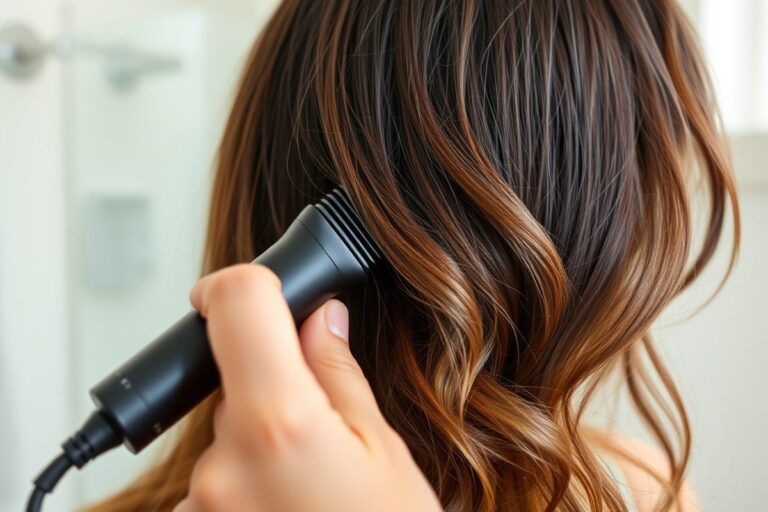
Diffusers spread air evenly when blow drying, reducing heat damage and frizz. After air drying for 20 to 30 minutes, use a diffuser on low heat. This gently finishes drying curly hair.
The diffuser reduces frizz and keeps curls soft. This technique keeps curls defined and healthy.
Effective Techniques to Detangle Hair Without Breakage
Start detangling hair when it is damp, not soaking wet or dry. For fragile or curly hair, spritz on a detangling spray or hair milk before combing. These products soften hair and reduce knots, which helps prevent breakage and split ends.
Use a wide-tooth comb for wet hair, especially with thick or curly textures. This comb gently separates strands without harsh pulling. For fine hair, a paddle brush works best on dry hair to remove tangles softly.
Curly hair needs tools that preserve its pattern. So wide-tooth combs designed for curls are ideal.
Detangle from the ends upward to avoid ripping hair. Start at the bottom and slowly work your way to the roots. This method reduces tugging and pain, lowering the chance of split ends and breakage.
Detangling sprays can help with stubborn knots by adding slip to strands. Spray evenly onto damp hair before using your comb or brush. Choose products with conditioning ingredients to keep hair smooth and manageable without buildup.
Never tie wet hair tightly; it causes breakage and split ends over time.
For thick hair, brushes with wide-spaced bristles lift and separate strands well. Avoid brushing wet hair harshly, as it can cause tears and knots. Using your fingers first to gently break up large tangles can save you from damage.
If your hair is curly, avoid brushing too often. Detangle only when necessary, applying leave-in conditioner or detangling milk. This adds moisture and protects fragile curls from snapping.
A good brush or comb costs between $10 and $25 but lasts months if cleaned regularly. Using the right tools and products takes just a few extra minutes.
But it saves hair from future damage. Notice reduced hair shedding and smoother strands after consistent gentle detangling.
How to Protect Hair from Heat Styling Damage
Protect your hair from heat damage by using a heat protectant spray every time you style. Choose the right product and apply it evenly on damp hair before using any heat tools. Limit the temperature and frequency of heat styling for healthier hair.
Choosing the Right Heat Protectant Product
Look for heat protectants that shield hair up to 450°F. These sprays create a thin film that spreads heat and prevents breakage. A lightweight formula with conditioning ingredients helps keep hair smooth and strong while styling.
A void heavy or greasy products that weigh your hair down. Most heat protectants cost between $10 and $20 and last for months with regular use.
You can find sprays, serums, or lotions. So pick what feels easiest and fits your hair type.
Step-by-Step Application Guide
Start with towel-dried hair that’s damp, not wet. Spray or apply the heat protectant evenly from roots to ends. Use your fingers or a wide-tooth comb to spread the product without clumps.
Wait about one to two minutes before applying heat to let the protectant set. This ensures better protection and less damage. Reapply if using a heat tool on the same section multiple times.
Recommended Temperature Ranges for Styling Tools
Use lower temperatures for fine or damaged hair, ideally between 250°F and 300°F. Medium hair thickness can handle 300°F to 350°F safely. Coarser or thicker hair may need temperatures as high as 375°F but no more than 410°F.
Never crank your flat iron or curling wand above 450°F. Higher temperatures cause cuticle damage and dryness. Turn heat tools off as soon as you finish styling to avoid excess heat exposure.
Tips for Styling While Minimizing Heat Exposure
Try air-drying your hair for 80% of the drying process before using heat styling. This cuts down on heat damage and gives your hair time to regain moisture. Use the heat tool quickly on each section, no longer than 5 to 7 seconds.
Limit heat styling to no more than two to three times a week. Give your hair breaks by embracing natural styles or braids.
Finish with a moisture-sealing product like a serum or light oil. It locks in hydration and helps prevent damage.
Weekly and Monthly Treatments for Deep Conditioning and Scalp Health
Deep conditioning and scalp treatments keep your hair strong and healthy. Do these treatments weekly or monthly depending on your hair needs. They restore moisture, reduce buildup, and help prevent damage.
Preparing Homemade and Store-Bought Hair Masks
Mix 2 teaspoons of hair oil with a deep conditioning mask for a nourishing treatment. Apply this mix on damp hair, focusing from roots to tips. Leave it on for 10 minutes, then rinse with cold water to seal moisture.
You can use store-bought masks too, which work well for all hair types. Some act quickly, like the L’Oréal Paris Elvive deep conditioner that works in one minute. For dry or damaged hair, pick masks designed to support hydration and softness.
Conducting a Hot Oil Treatment Safely at Home
Warm your chosen hair oil slightly until it’s just warm, not hot, to avoid burns. Divide your hair into sections and apply the oil from scalp to ends. Gently massage your scalp with rounded fingertips for five minutes to boost blood flow.
Wrap your hair with a warm towel or shower cap. Leave the oil in for at least 30 minutes. This helps the oil soak in.
You can do this once a week or twice if your hair is dry or curly. Wash it out with a mild shampoo to remove excess oil without stripping moisture.
Monthly Scalp Care Tips to Prevent Dandruff and Build-Up
Maintain scalp health by gently exfoliating once a month to reduce flakes and buildup. Use a scalp scrub or soft brush with rounded tips. Massage your scalp gently.
It helps circulate the blood. This helps decrease dandruff and may lower hair loss risks.
Avoid piling on too many products daily. Buildup can block hair growth and clog pores. Shampooing properly breaks down residues and refreshes your scalp.
Notice flakes or irritation? Change your routine until your scalp feels better. Find what works best for your scalp.
Incorporating Protein Treatments to Strengthen Hair
Protein treatments repair damaged hair by filling weak spots in the hair shaft. Use these treatments every 2 to 3 weeks. This is best if hair is heat styled or chemically treated.
It helps protect your hair. Apply the protein mask on wet hair evenly.
Massage it down to the ends. Leave it on for 2 to 5 minutes.
Rinse thoroughly with cool water to close the hair cuticles and lock in strength. Avoid overusing protein treatments, as they can cause stiffness or dryness when used excessively. Balance protein with moisturizing masks to keep hair flexible and healthy.
Customizing Hair Care Routines for Different Hair Types
Hair type changes how you should care for your hair daily. Curly hair needs more moisture and gentle handling. Straight hair can handle lighter, less heavy products.
Thick hair benefits from extra hydration. Fine hair can get weighed down by too much product.
Oily scalps require frequent washing and lightweight conditioners. Dry scalps need gentle cleansing and richer conditioners.
Chemically treated hair demands special care with protein-rich and hydrating treatments. These prevent breakage and dryness that often follow bleaching or coloring.
| Hair Type | Key Care Focus | Product Tips | Washing Frequency |
|---|---|---|---|
| Curly | Moisturizing, gentle detangling | Use hydrating shampoos and conditioners | 2-3 times per week; avoid daily shampoo |
| Straight | Light cleansing, avoid heaviness | Lightweight conditioners, avoid buildup | Every 2-3 days or as needed |
| Thick | Extra hydration and nourishment | Deep conditioning masks weekly | 2-3 times per week |
| Fine | Volume without weighing down | Volumizing shampoos, light conditioners | Every other day |
| Oily Scalp | Frequent cleansing, balance scalp | Clarifying shampoos, avoid heavy oils | Every day or every other day |
| Chemically Treated | Repair, moisture, protect from damage | Protein treatments, deep conditioners | 2-3 times per week, avoid harsh shampoos |
For chemically treated hair, look for products made for damage repair. Protein helps strengthen weakened strands.
Deep conditioning with hydrating masks keeps hair soft and smooth. Avoid daily shampooing to stop more dryness and color loss.
Oily scalps need balancing shampoos that clean well without stripping oil. Apply conditioner only to ends.
Dry scalps need rich conditioners and less frequent washing. Both need gentle products suited for their moisture needs.
Use a hydrating mask once a week if your hair is thick, dry, or chemically treated.
Step-by-Step Hair Care Action Plan
Follow these steps in order to build a safe and effective hair routine. Track your hair’s feel and look to see if each step helps.
- Day 1: Choose shampoo and conditioner for your hair type. Use a small amount and rinse well to avoid residue.
- Day 2: Let hair air dry or use the cool setting on your blow dryer. Check if your hair feels less dry or brittle afterward.
- End of Week 1: Try detangling hair with a wide-tooth comb starting from the ends. Notice if you have less breakage or pulling.
- Week 2: Add a heat protectant spray before any heat styling. Use low heat and watch for softer strands after styling.
- Week 3: Apply a deep conditioning treatment once this week. Your hair should feel smoother and look shinier the next day.
- Month 1: Assess scalp health by noticing any itchiness or flakiness. Use a gentle scalp scrub or massage if needed.
- Month 2: Adjust washing frequency based on your hair’s oiliness and activity level. Your scalp should feel balanced, not oily or dry.
- Ongoing: Match products and care steps to seasonal changes or hair needs. Keep notes to track what works best for your hair.
Frequently Asked Questions
How Do I Adjust My Hair Care Routine for Changing Seasons?
Change your hair care routine as seasons shift to avoid damage. Use richer conditioners in winter and lighter products in summer to protect your hair better.
What Should I Do to Protect My Hair at Night?
Protecting your hair at night helps prevent breakage and frizz. Use a silk or satin pillowcase and loosely braid long hair to reduce damage while sleeping.
How Can I Care for My Hair Before a Digital Perm?
Before a digital perm, deep condition your hair to strengthen it. Avoid heat styling and harsh treatments at least a week before for healthier results.
What Are the Best Hair Care Tips Before a Wedding Day?
Before your wedding, keep your hair well-hydrated and avoid any drastic treatments. Schedule a trim and do regular deep conditioning treatments for shine and health.
How Long Does It Usually Take to Find the Right Hair Care Routine?
Finding the right hair care routine can take several days to a few weeks. Be patient and adjust steps based on how your hair feels and looks over time.
Why Is Understanding My Hair Thickness Important for Care and Styling?
Knowing your hair thickness helps you pick products and styling methods. Thicker hair often needs more hydration. Thinner hair benefits from lighter products for volume.
Before You Go
Healthy hair starts with simple, consistent steps that fit your needs. Pick one action you haven’t tried yet and add it today. Your hair will thank you with better shine and less damage.