
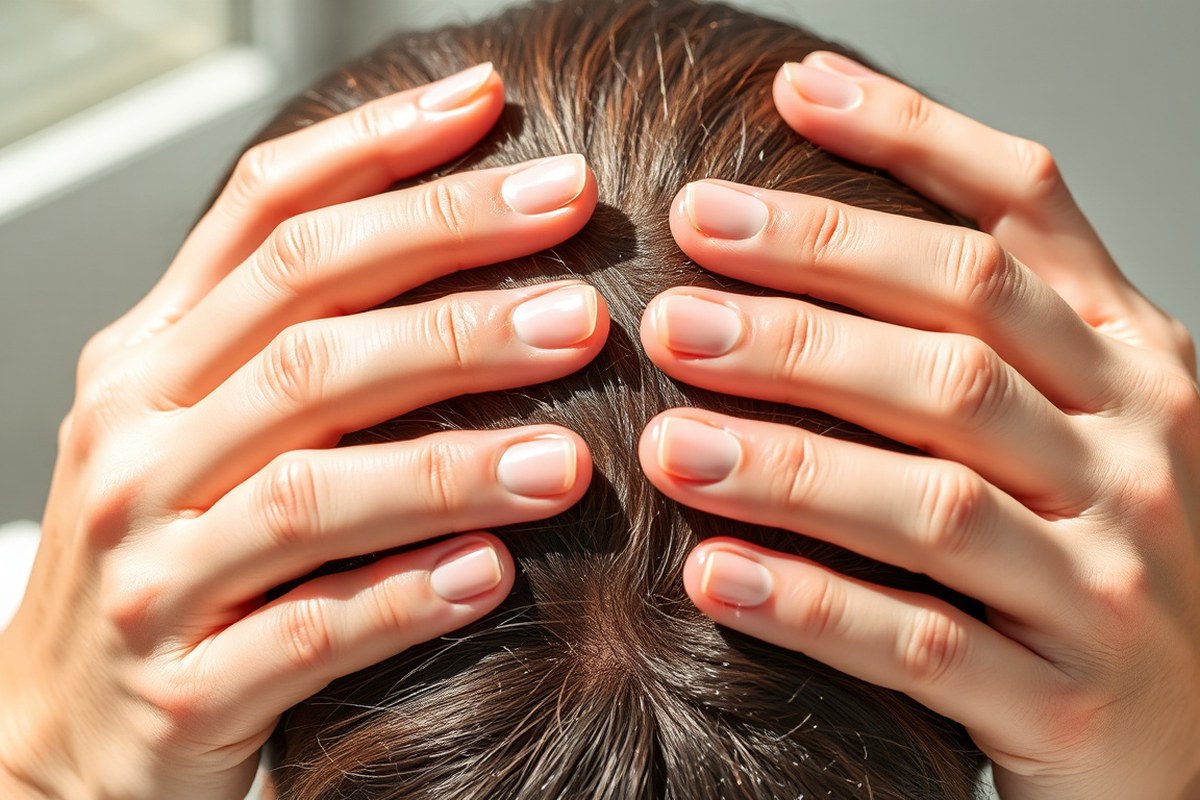
How to Stop Scalp Itching Immediately: 8 Proven Ways for Fast Relief
How to stop scalp itching immediately starts with calming your scalp fast. You can use a cool compress to reduce irritation and slow down the itch. Applying an over-the-counter anti-itch scalp spray or lotion right away also helps bring quick relief.
Gently massaging your scalp with an anti-itch shampoo can reduce discomfort too. Let the shampoo sit on your scalp for five minutes before rinsing it off. Avoid scratching, which can make the problem worse and cause sores or infections.
Watch out for hot water when washing your hair since it strips natural oils. Use lukewarm water instead, about 100°F or less, to keep your scalp’s protective barrier intact. These quick steps can stop the itch almost immediately and protect your scalp from damage.
Key Takeaways
- Use a cool compress to soothe scalp irritation immediately.
- Massage anti-itch shampoo into your scalp and wait five minutes before rinsing.
- Avoid scratching to prevent further irritation and possible infections.
- Wash hair with lukewarm water, not hotter than 100°F (38°C).
- Apply an anti-itch scalp spray or lotion to calm immediate discomfort.
- Be gentle when handling your scalp to avoid worsening the itch.
1. Immediate Steps to Stop Scalp Itching Now
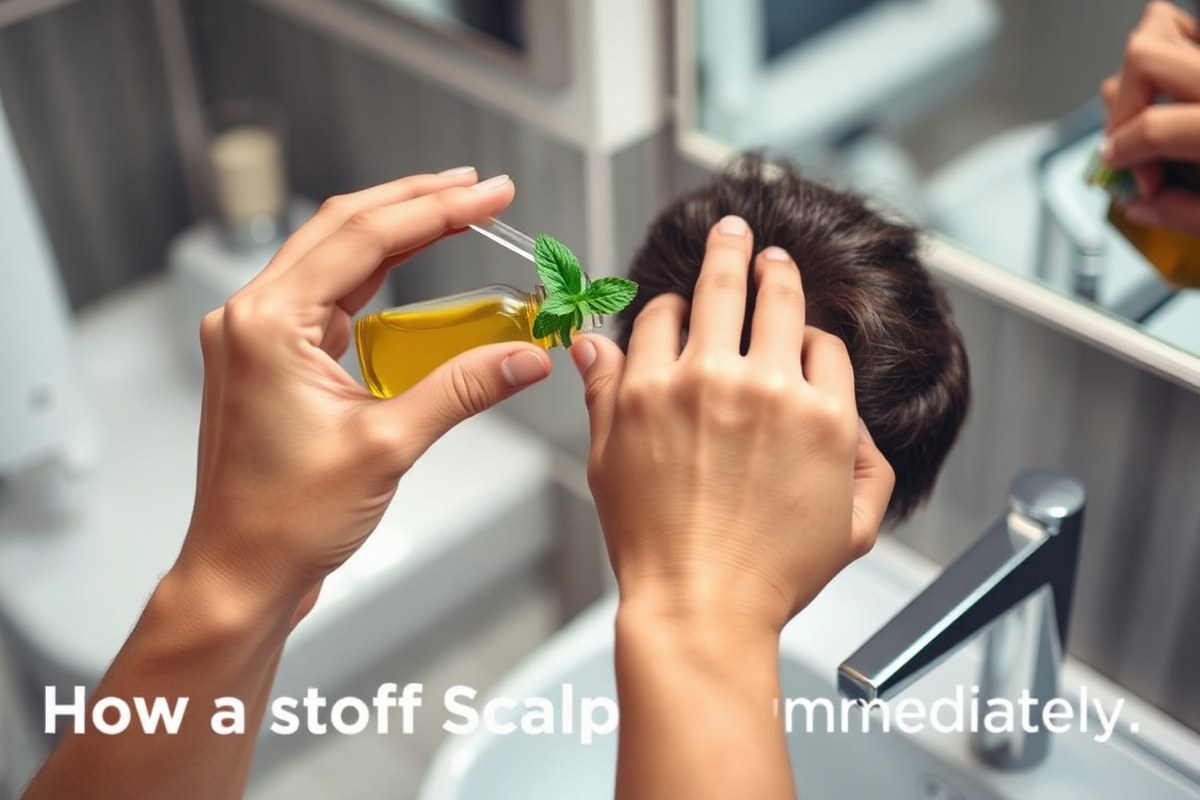
Relieving intense scalp itching fast takes a few careful actions. You want to cool the skin, calm inflammation, and avoid making the itch worse. Simple home steps using common items often give quick relief without chemicals.
Start by avoiding hot water, which dries the scalp and makes itching worse. Instead, use a mild, gentle shampoo that won’t strip natural oils. Next, cooling and anti-itch natural oils can soothe the skin.
Peppermint or tea tree oil help because they fight inflammation. They also ease itchiness when you apply them gently.
- Wet your scalp with cool, not hot, water. This helps reduce irritation and keeps natural oils that protect skin intact.
- Use a gentle, fragrance-free shampoo. Wash your hair carefully to remove irritants but don’t scrub hard or too often.
- Apply a few drops of peppermint or tea tree oil mixed with a carrier oil.Mix 3 drops of essential oil with 1 tablespoon of coconut oil. You can use olive oil instead to avoid irritation.
- Massage the oil blend into your scalp gently. Let it sit for 10 to 15 minutes so it can calm redness and itching.
- Rinse your hair thoroughly with cool water. Removing residue prevents further irritation after treatment.
- Use a cool compress on your scalp if itching persists.Hold a cool, damp cloth against your scalp for 10 to 15 minutes. This helps reduce itching right away.
- Avoid scratching, which worsens irritation and risks infection. Try tapping or pressing the itchy area lightly instead of scratching.
Natural oils cost around $5 to $15 per bottle and last a long time. Peppermint oil provides a cooling sensation within minutes of application.
Your scalp feels cooler and less itchy after these steps. That means the treatment is working.
Watch for signs of worsening irritation like redness, swelling, or rash. Stop all home remedies if these appear and see a healthcare provider. These steps help most people find fast relief safely and comfortably at home.
2. Identifying Common Causes of Scalp Itching
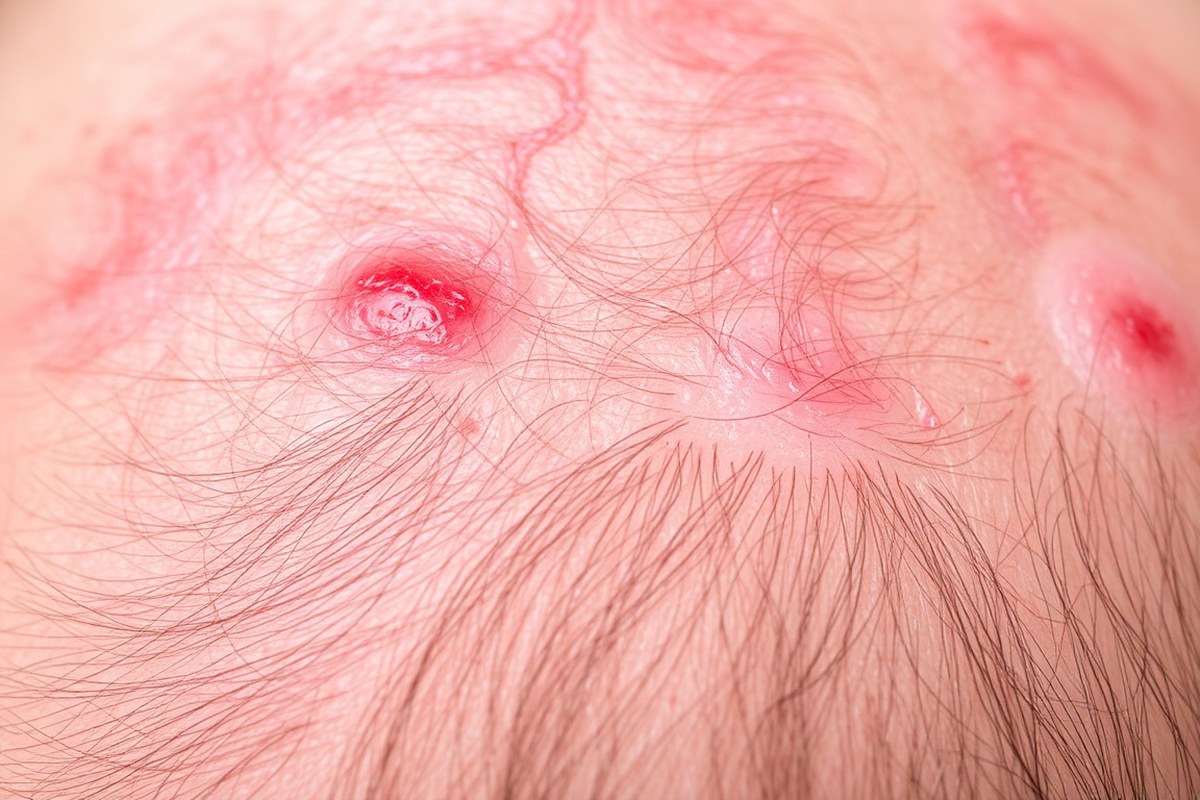
Scalp itching can come from different causes like dandruff, scalp psoriasis, or allergic reactions. You need to recognize the symptoms to treat it properly. Many factors, including lifestyle and products, make the difference in how your scalp feels.
Common Skin Conditions Causing Scalp Itching
Dandruff is the leading cause of scalp itch. It shows as small, white flakes that fall from your scalp. The skin feels tight and dry because of mild seborrheic dermatitis, a common eczema type.
Psoriasis is less common but more severe. It creates inflamed, raised patches covered with thick scales anywhere on your scalp. The patches may look red or silvery and can be painful or bleed sometimes.
Signs to Differentiate Your Scalp Condition
Dandruff flakes are small and dry, usually white. Psoriasis flakes are bigger with an oily look and yellow color. Severe itching often comes with scalp psoriasis.
Scalp infections like ringworm cause round, red patches that can ooze or form pus. Head lice cause tiny bugs or eggs stuck near hair roots and intense itching.
Product Reactions and Lifestyle Factors
Allergic reactions to shampoos, conditioners, or hair dyes might cause redness, swelling, and itching. Product buildup from styling sprays or infrequent washing can also irritate your scalp and cause itchiness.
Cold weather can dry out your scalp, worsening itch in winter. High humidity and stress trigger flare-ups for some people, especially those with psoriasis or dermatitis.
Checklist to Identify Your Scalp Itching Cause
- Look for flakes: small white flakes suggest dandruff; larger, oily flakes suggest psoriasis
- Check scalp redness and patches: red, scaly patches may indicate psoriasis or ringworm
- Notice itching pattern: intense or constant itching may signal infection or lice
- Inspect for bugs or eggs at hair roots: this usually means head lice
- Recall recent hair product changes or use: new or harsh products can cause allergies
- Consider washing habits: infrequent washing may cause buildup and dryness
- Watch environmental factors: cold, dry air or humidity can worsen symptoms
Identifying these clues can help you decide if you need special treatment or a doctor’s checkup. Different causes respond to very different remedies and care routines.
When to Trust a Medical Professional
Because symptoms overlap, a doctor or dermatologist can give a precise diagnosis. They can check if infections like ringworm or lice are the problem. Skin conditions like psoriasis may need prescription medicines to control inflammation.
Don’t scratch too hard. This irritates your scalp more and may cause infections.
3. How to Use Medicated Shampoos Effectively
Medicated shampoos work best when you pick the right ingredients and use them properly. Let the shampoo sit on your scalp long enough to kill the cause of itching. How often you wash matters, too, depending on your scalp’s needs.
Choosing the Right Shampoo Ingredients
Pick shampoos with ingredients that match your scalp problem. Ketoconazole fights fungus that causes dandruff and itching. Selenium sulfide reduces scalp oiliness and dandruff symptoms.
Zinc pyrithione fights yeast and bacteria linked to seborrheic dermatitis. Salicylic acid helps remove flakes by dissolving dead skin. Coal tar slows skin cell growth for psoriasis-related itch.
Application Steps for Maximum Effect
Applying medicated shampoo the right way helps it work well. Follow these steps to get the most relief from scalp itching:
- Wet your hair and scalp thoroughly with warm water.
- Apply a small amount of medicated shampoo to your scalp.
- Massage gently using fingertips to spread shampoo evenly.
- Let shampoo sit on your scalp for 5 to 10 minutes to work.
- Rinse hair fully with warm water, making sure no residue remains.
- Repeat the process if your instructions recommend two washes.
Leaving the shampoo on your scalp for at least 5 minutes allows the medicine to act. Rinsing too soon means you won’t get the full effect. Be gentle when massaging to avoid irritating your scalp.
Frequency and Duration of Use
Use shampoos like ketoconazole or selenium sulfide twice per week at first. Most people see improvement after 2 to 4 weeks with regular use. You can reduce frequency once itching and flaking ease.
Rotating between shampoos with different ingredients can help avoid resistance. For example, use zinc pyrithione one wash and salicylic acid the next. Shampoo daily with formulas made for frequent use to avoid dryness.
Follow product labels closely since treatment time varies by shampoo type and scalp condition. Stop using if you notice irritation or worsening symptoms, then consult a healthcare provider.
4. Top Natural Oils and Remedies That Soothe Scalp Itch
Natural oils like tea tree, peppermint, and lemongrass can calm your itchy scalp quickly. These oils fight microbes and reduce inflammation, which often cause itchiness. Use them diluted to avoid irritation, applying gently to your scalp for best results.
Peppermint, Tea Tree, and Lemongrass Oils Compared
Tea tree oil is the most studied for scalp itching. It’s antifungal and antiseptic, helping fight dandruff and lice. Peppermint oil cools and soothes irritated skin, easing the itch faster.
Lemongrass oil also reduces inflammation and can leave a fresh scent. You can choose based on your skin’s sensitivity and your preference for scent and sensation. Tea tree oil shows the strongest clinical evidence for lasting relief.
| Essential Oil | Key Benefit | Effective Use | Research Results |
|---|---|---|---|
| Tea Tree Oil | Antimicrobial, antifungal | 5% dilution in shampoo or carrier oil | Reduces scalp symptoms by 41% in 4 weeks |
| Peppermint Oil | Cooling, anti-inflammatory | Dilute before applying to scalp | Soothes irritation and itch quickly |
| Lemongrass Oil | Inflammation reduction | Diluted use recommended | Helps calm scalp irritation |
Using these oils safely helps you avoid skin irritation and get itch relief. Tea tree oil has proven effects on dandruff, making it a reliable choice.
Safe Dilution and Application Guidelines
Always dilute essential oils to about 5% before applying. Mix 5 drops of essential oil in 1 teaspoon of carrier oil like coconut or jojoba. Pure oils can cause redness or burning if applied directly.
Use a cotton ball or your fingertips to spread the mix evenly on your scalp. Leave it on for 15 to 30 minutes before rinsing with a gentle shampoo. Repeat 2 to 3 times a week, monitoring your skin’s response.
Stop use immediately if you see redness, swelling, or extra irritation. Do a patch test first. Put a small drop on your forearm.
Wait 24 hours to check for a reaction. This simple step prevents unwanted allergic responses.
Additional Soothing Home Remedies
Coconut oil is a great option for mild scalp itching. It moisturizes dry skin and reduces irritation without harsh chemicals. Massage 1 to 2 teaspoons warmed coconut oil into your scalp, leave 20 minutes, then rinse.
Apple cider vinegar rinse can balance scalp pH. Mix 2 tablespoons with 1 cup of water. Apply it after shampooing.
Leave it on for 5 minutes, then rinse. This can reduce itch caused by dandruff or buildup.
Adding these remedies to your routine can soothe itching without harsh meds. They work best combined with gentle shampooing and avoiding over-washing, which dries and irritates your scalp.
5. Lifestyle and Hair Care Habits That Reduce Scalp Itching
Washing your hair too often can dry out your scalp, making itching worse. Two to three times a week is usually enough for people with itchy scalps. Use a gentle shampoo without sulfates (SLS-free).
It cleans without stripping natural oils. These oils keep your scalp hydrated.
Rinse your hair with cool or lukewarm water. Hot water often removes too much oil, causing dryness and irritation. Avoid piling on hair products like gels or sprays.
They can build up on your scalp. This makes itching worse. It happens especially if you don’t rinse well.
Hydration inside your body matters too. Drink enough water daily. Aim for about half your weight in ounces.
This helps keep your skin and scalp moist. Eat foods rich in omega-3 fatty acids like salmon or flaxseeds.
These can improve scalp health. They reduce inflammation.
- Wash hair 2-3 times weekly with mild SLS-free shampoo
- Rinse with cool or lukewarm water, not hot
- Carefully rinse out all shampoo and conditioner
- Avoid heavy styling products or switch to lighter ones
- Drink 8-12 cups of water daily for skin hydration
- Include omega-3 rich foods in your diet
- Use a gentle brush to reduce irritation while detangling
Dry scalp often shows flakes or visible redness. This means the skin barrier is weak and needs gentle care.
Avoid scratching as it can cause damage, redness, or even hair loss. Regular good habits reduce dryness, itch, and buildup over time.
Rinse products out thoroughly to prevent buildup, which can cause itching and irritation.
6. When to Seek Medical Advice for Persistent Scalp Itching
Try home remedies for scalp itching up to one week unless symptoms worsen. Persistent or worsening itchiness despite gentle shampoos means see a doctor. Persistent itching can signal conditions like psoriasis, infections, or scalp lice needing specific care.
See a healthcare provider right away for hair loss or sores. A rash on your scalp also needs a medical check.
Increasing redness, severe itch, or scarring also need professional attention. These may mean inflammation or infections that require medical diagnosis and treatment.
Doctors might prescribe topical steroids to reduce scalp inflammation or steroid injections for stubborn cases. Oral meds can treat infections or health problems under the surface.
These include thyroid disease or anemia. Getting checked helps target treatment and avoid complications from untreated scalp problems.
7. How Allergies and Sensitivities Cause Scalp Itching
Allergic reactions on your scalp often come from ingredients in hair products. Common offenders include synthetic fragrances and preservatives.
Hair dye, especially with PPD, can cause itching and rash. These symptoms often appear a day or two after use.
Contact dermatitis on the scalp shows as redness, swelling, and small blisters. The area may itch intensely or burn.
It often happens soon after using a new shampoo, conditioner, or styling product. Sometimes the rash looks like dry, flaky patches mixed with redness.
Stop using the product right away if you think it causes a reaction. Rinse your hair well to remove any leftover residue.
Switch to gentle, fragrance-free shampoos designed for sensitive skin. Avoid hair dyes or test them on a small skin patch 48 hours before full use.
Watch for improvement within a few days after you stop the product. See a dermatologist when itching and rash keep going or get worse.
They may suggest shampoos with zinc pyrithione or selenium sulfide. These fight inflammation and yeast that make dermatitis worse.
To prevent reactions, check ingredients before buying hair products. Avoid those with synthetic fragrances and harsh preservatives like parabens.
Use products labeled hypoallergenic when possible. Always rinse your hair thoroughly and keep your scalp hydrated to reduce irritation.
Even products you used safely before can cause new allergies, so stay alert. Act quickly when itching shows up soon after trying a new product.
Early removal and gentle care help your scalp heal and stop the itching without lasting damage. Using a patch test before dyeing or applying new hair treatments cuts down risk.
8. Preventing Scalp Itching from Returning Long-Term
Dryness and sun damage make your scalp more likely to itch. Always wear a hat or use a lightweight scarf when outdoors for long periods. Use a scalp sunscreen spray with at least SPF 30 to shield your skin.
Moisturize your scalp regularly with oils like jojoba or coconut. These oils stop dryness. They won’t make your hair greasy.
Some hair care products cause buildup that triggers itching. Choose shampoos that clarify and remove excess oils but do not strip moisture.
Look for ingredients like salicylic acid or ketoconazole, which help control dandruff and irritation. Avoid heavy styling products or waxes that stay on your scalp and clog pores.
Healthy lifestyle habits support your scalp’s strength and resistance to itch. Keep yourself hydrated by drinking eight cups of water daily or more if you exercise. Eat a balanced diet with omega-3s and vitamins A, E, and D. These nutrients help repair your skin.
Try to reduce stress through activities like yoga or walking. Stress can worsen eczema or psoriasis on your scalp.
- Use a gentle shampoo 2 to 3 times per week to avoid over-drying
- Rinse your hair thoroughly to remove all product residues
- Apply lightweight leave-in scalp treatments with aloe vera during dry seasons
- Wear breathable hats and avoid synthetic headbands that trap sweat
- Limit heat styling tools to prevent scalp dryness and cracks
- Check for lice after close contact with others and treat immediately if found
- Adjust hair care routines based on seasons; use richer oils in winter
Switching products can cause scalp flare-ups, so try new things slowly. When itching comes back, switch back to treatments that worked before. Protecting your scalp takes daily care and attention to avoid buildup and damage.
Test any new scalp product on a small spot before full use to avoid reactions.
Step-by-Step Action Plan to Stop Scalp Itching Now
Follow these clear steps in order to get fast relief and keep your scalp healthy.
- Immediately: Rinse your scalp with cool water to soothe the itch. Notice if the itching lessens within 10 minutes.
- Within 30 minutes: Apply a gentle, fragrance-free moisturizer or natural oil like coconut oil. Check for reduced dryness and itch.
- By the end of Day 1: Use a medicated shampoo made for your scalp problem. Try anti-dandruff or antifungal types. Follow the instructions on the bottle carefully. Watch for less flaking and irritation next wash.
- Day 2 to 3: Avoid harsh hair products and limit heat styling to prevent further irritation. See if itching steadily decreases.
- One week later: Adjust your hair-washing schedule to every 2 to 3 days with appropriate shampoo. Ensure scalp feels clean but not dry or tight.
- Two weeks in: Introduce a gentle scalp massage daily to improve circulation and reduce itch. Check if discomfort continues to ease.
- Continued itching past 2 weeks: Book an appointment with a dermatologist for exact diagnosis and treatment.
Frequently Asked Questions
How Can I Stop Scalp Itching Immediately Without Shampoo?
Rinse your scalp with cool water to soothe itching fast. Cool water helps calm nerve endings and prevents drying your scalp further.
What Household Item Can Stop Scalp Itching Quickly?
Applying plain aloe vera gel soothes itching with its cooling effect. It also hydrates your scalp and reduces inflammation naturally.
Can I Use Ice to Relieve Scalp Itching Right Away?
Yes, gently pressing ice wrapped in cloth can numb the itch. Use it for short bursts to avoid irritating your skin.
How Fast Do Medicated Shampoos Work on Itchy Scalp?
You may feel relief in minutes to hours after using medicated shampoo. Keep using as directed for best results on persistent itching.
What Should I Avoid Doing When Scalp Itching Suddenly?
Avoid scratching as it can worsen irritation and cause infection. Also, skip harsh hair products that dry out or irritate your scalp.
Is It Safe to Use Natural Oils Immediately for Scalp Itch?
Yes, light oils like castor or coconut oil can relieve itching quickly. They have antibacterial properties that help protect and soothe your scalp.
Before You Go
Stopping scalp itching fast takes the right actions and care. Try these steps today and watch how your scalp responds.
Persistent itching needs prompt attention. See a doctor to avoid serious scalp problems.


