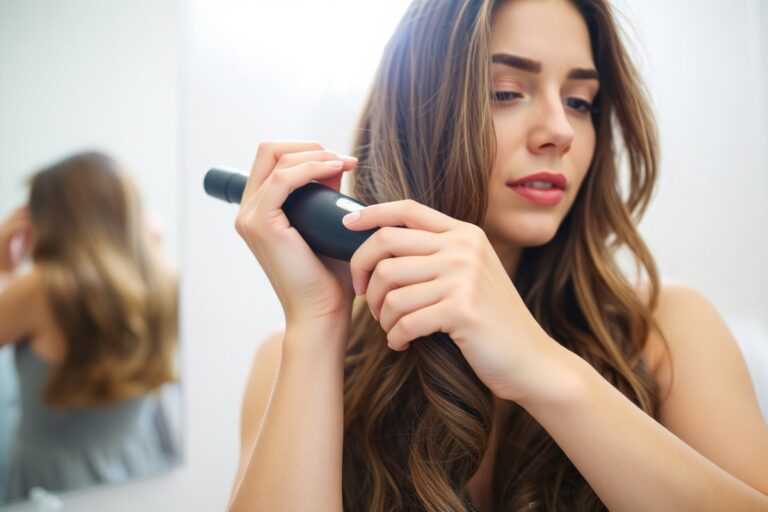
How to Use a Curling Comb for Curly Hair: A Complete Guide with Pro Tips
Wondering how to use a curling comb without messing up your curls? Start by applying a leave-in conditioner to wet or damp hair. This cuts frizz by up to 25 percent and makes combing much easier.
Next, pick a wide-tooth curling comb with smooth teeth. It lowers friction by 25 percent so you avoid breakage and nasty knots. Brush gently to keep curls intact.
Use the comb to detangle your hair section by section, starting from the ends. Work your way up slowly to prevent tugging or ripping.
Once your hair is detangled, wrap tiny strands around the comb to shape curls. Allow your hair to dry naturally or use a diffuser set to low heat. This method preserves your curl design and lowers the risk of harm.
Key Takeaways
- Always apply leave-in conditioner before using a curling comb to reduce frizz.
- Choose a wide-tooth comb with smooth teeth for the least friction and damage.
- Comb curly hair in small sections starting from the ends, working upward.
- Keep your hair damp or wet before combing for easier detangling.
- Brush very gently to avoid breaking or pulling on your curls.
- Use a lightweight, water-resistant comb for in-shower detangling if possible.
What Is a Curling Comb and Why Use It?

A curling comb is a special type of comb designed for curly or wavy hair. It usually has wider teeth spaced apart more than regular combs. This spacing helps to detangle curly hair gently without breaking the curls or causing frizz.
Unlike fine-tooth combs or brushes, a curling comb keeps the natural curl pattern in place. The wide teeth don’t pull or stretch the curls like a brush might. This helps keep your curls’ shape while you remove tangles.
You won’t lose your curl pattern with this comb. It’s a great choice for curl care.
Curling combs are used not just for detangling but also for styling curly hair. Their shape helps define curls and separate them neatly. Use a small round curling comb to make layers or add volume.
Regular combs don’t do this as well. This tool gives you more styling options.
Some curling combs have heat-resistant material. So you can use them with blow dryers on low heat.
This can speed up styling by shaping curls as you dry. However, take care not to use too much heat, as it can damage curly hair quickly.
Good results with a curling comb mean smooth curls without frizz or breakage. You start detangling at the ends and slowly work upward in sections. Combing wet hair with conditioner to soften it gives the best glide through curls.
The price for a quality curling comb ranges from about $5 to $20. Cheaper combs might break easily or have rough edges that can snag hair. A well-made curling comb lasts much longer and protects your hair health better.
How to Prepare Curly Hair Before Using a Curling Comb

Prepare your curls by hydrating, detangling, and sectioning your hair properly. Use a conditioner or leave-in detangler to soften strands. Section hair into manageable parts before you start combing.
Step 1: Hydrate with Conditioner or Detangler
Curly hair tends to be dry, so moisturizing before combing is key. Apply a generous amount of conditioner or leave-in detangler to wet hair. This eases combing and reduces breakage.
Using conditioner on wet hair helps soften knots. It also adds slip, allowing the comb to glide smoothly. This method cuts frizz and protects your curl pattern.
Step 2: Section Hair to Prevent Tangles
Divide your hair into small sections before combing. Sections about 2 to 4 inches wide work well for managing curls. This prevents pulling and helps you reach every tangle.
Secure each section with clips or hair ties. Work slowly and carefully on one section at a time. This method reduces stress on your curls and stops damage.
Step 3: Choose the Right Products for Your Hair Type
Pick shampoo and conditioner made for curly hair. These usually provide extra moisture to dry, brittle strands. Use a leave-in conditioner or detangler to get more slip.
When your hair feels greasy, apply dry shampoo and conditioner first. Avoid products with heavy silicones that can weigh curls down. Light oils or curl creams usually work best.
Step 4: Wet vs Dry Hair, Best Timing to Comb
Combing curly hair is easiest and safest when it’s wet with conditioner. Wet curls have more elasticity and less chance of breakage. Avoid combing dry curls as they are more fragile and prone to frizz.
When curls feel dry, comb them to spread oils evenly only. Do not force a comb through dry tangles; instead, re-wet and add detangler. Combing right after washing, while hair is still damp, is ideal.
- Start by washing your hair with a moisturizing shampoo.
- Apply conditioner generously from roots to ends. Leave it in for 3 to 5 minutes.
- Rinse out conditioner or leave some in for extra slip.
- Spray or apply leave-in detangler evenly, focusing on tangled spots.
- Section your hair into 2 to 4 inch parts using clips or hair ties.
- Comb each section gently, starting from the tips and working upward.
- Add water and more detangler if needed for stubborn tangles.
Warning: Never comb dry curly hair roughly; it causes breakage and frizz. Always detangle when hair is wet or damp with conditioner for best results.
Choosing the Right Curling Comb for Your Curl Type
You need a comb that suits your curl pattern and thickness. Wide-tooth combs work best for most curly hair types. Picking the right material also helps lower breakage and protect your curls.
Wide-Tooth Combs for Type 3 & 4 Curls
Wide-tooth combs are great for type 3 and 4 curls. They gently detangle without breaking your hair or messing with curl definition. Start combing the ends and slowly work up to the roots to reduce tugging.
These combs help keep volume and natural curl shape. They’re best used after applying leave-in conditioner or a detangling product. Avoid tight-tooth combs which can cause frizz and snapping.
Material Differences: Plastic, Wood, Bamboo
Plastic combs are common and affordable but can have sharp teeth that pull hair. Wood and bamboo combs have smoother teeth that reduce snagging and breakage. These natural materials help keep your hair soft and static-free.
Boar bristle brushes, while not combs, are another tool to tame thick curls. They blend curl texture without rough pulling. Check your comb regularly for damage and replace it to avoid harming your curls.
Specialty Combs for Fine or Thick Curls
Fine curls need a very gentle touch with flexible bristles or wide teeth to avoid breakage. Thick or dense curls work best with detangling brushes. Handling smaller hair sections, about 1 inch wide, makes curling easier.
Using your fingers to section and detangle also helps protect finer curls. Thick hair sometimes requires stronger tools but still needs gentle technique to keep curls intact. Over-brushing can cause frizz, so limit combing passes to two or three.
Here’s a quick overview of the types of curling combs and materials best for different curls:
| Curl Type | Recommended Comb | Material | Why It Works |
|---|---|---|---|
| Fine Curls | Wide-Tooth Comb or Flexible Bristle Brush | Plastic or Bamboo | Prevents breakage; gentle on fragile curls |
| Type 3 & 4 Curls | Wide-Tooth Comb | Wood or Bamboo | Keeps volume and curl pattern intact |
| Thick Curly Hair | Detangling Brush or Wide-Tooth Comb | Boar Bristle or Wood | Flexible enough for tangles, reduces breakage |
Picking the ideal comb depends on your unique curls and hair thickness. The right comb and material balance gentle detangling with curl care. Using a damaged comb or the wrong tool can cause breakage and rough curls.
How to Use a Curling Comb for Detangling Curly Hair
Using a curling comb to detangle curly hair works best when careful. Use the right technique for smooth detangling. Take your time to avoid damage.
Start detangling at the ends of your hair. Move the comb upward using slow, gentle strokes.
This helps avoid breakage and frizz. Combining finger detangling with combing gives you more control over knots without stressing your curls.
Start from the Ends and Work Upward
Begin detangling at the hair ends, where knots form most often. Working upward gently loosens tangles without pulling from the roots. This method helps prevent hair snapping and reduces breakage.
Always avoid jumping straight to the roots, which can cause more damage. Taking the time to detangle from ends to scalp saves your curls from extra strain.
Use Gentle, Slow Strokes Without Pulling
Moisturize hair with conditioner or detangling spray before combing. This provides slip for the curling comb.
It helps the comb glide easily through hair. Move the comb slowly through small sections with soft pressure to avoid damaging strands.
Pulling or rushing causes frizz and breakage, especially on dry curls. Keep your strokes smooth and gentle to keep curls intact and defined.
Work in Small Sections for Better Control
Divide your hair into manageable sections before you start. Work on small sections of hair at a time.
Focus on each part without creating new knots. This keeps the rest of your hair smooth.
Small sections help the curling comb work more effectively. You can spot stubborn tangles easier and give them extra attention without pulling hard.
When to Combine Finger Detangling with Combing
Use your fingers first on very tangled or matted spots to gently separate curls. This avoids forcing the comb through knots that could break your hair.
Finger detangling is better when curls are damp and coated with conditioner. After detangling, use the curling comb to smooth curls.
Separate curls gently for a polished look. This step helps define your natural curl pattern.
Follow these steps for proper detangling using a curling comb:
- Apply a generous amount of conditioner or detangling spray to wet or damp hair for slip.
- Divide your hair into small sections with clips or hair ties.
- Start combing at the ends of one section using slow, gentle strokes.
- Move the comb upward gradually toward the roots, avoiding tugging.
- Use your fingers to loosen any stubborn knots before combing through again.
- Repeat this process on each section for thorough detangling.
- After combing, apply a light oil or curl cream to reduce frizz and lock moisture.
How Often and When Should You Use a Curling Comb?
Use a curling comb mainly when your hair is damp. Avoid using it on soaking wet hair. Don’t use it on fully dry hair either.
Damp hair stretches less while combing, which keeps your curls intact and lowers frizz. Combing your hair many times a day is not needed.
It can damage your hair, especially if dry. Try to limit combing dry hair.
Comb through your curls gently after shampooing and conditioning, while they are still damp. Start by dividing your hair into sections if it is longer than a couple of inches. This step stops pulling and breakage when combing.
Glide the wide-toothed curling comb from ends to roots. Move gently to avoid damage.
It’s best not to comb dry curls aggressively because dry hair breaks more easily. Lightly comb dry hair daily can help scalp blood flow. It also refreshes curls without changing their shape.
Keep the combing gentle and light. Use a bamboo or wide-toothed comb for detangling.
They work well on both wet and dry curls. Avoid fine-toothed combs for curly hair.
Avoid detangling dry curls harshly since it causes split ends and frizz.
Since wet hair is fragile, avoid combing it right after a shower when dripping. Pat your curls with a towel to remove excess water first. Then, use the curling comb to detangle and shape your curls gently before drying or styling.
The timing during your hair care routine matters. After conditioning on damp hair, comb lightly to detangle. On dry days, use the comb again to refresh curls.
It also helps stop buildup on your scalp. This keeps your curls healthy and neat. Remember to replace your curling comb regularly to maintain gentle, effective detangling.
Common Mistakes When Using Curling Combs and How to Fix Them
Common Mistakes When Using Curling Combs and How to Fix Them
Combing dry curly hair too roughly is a top mistake. Dry curls have raised cuticles, so rough combing causes breakage and frizz. You should always be gentle and patient, working on smaller sections.
Using a comb with damaged or broken teeth can snag and tear hair. Check your curling comb regularly for bent or broken teeth. Replace it or smooth out rough edges to avoid pulling strands.
- Don’t comb very tangled hair without conditioner or detangler to avoid snap breaks.
- Switch to a wide-toothed comb when combing wet hair, not a brush, for less damage.
- Clean your curling comb before use to keep dirt and oil from transferring.
- Avoid excessive combing; that adds friction and makes hair dry and brittle.
- Use a fine-toothed comb only on dry hair for styling, not for detangling.
Rough or frizzy ends and more broken strands are clear signs of damage. Stop combing that section, and apply a moisturizing leave-in product to calm frizz. You can also try finger detangling to minimize friction.
Tangles get worse if you pull hard. Try spraying water mixed with conditioner to gently untangle stubborn knots. Wait a few minutes, then try combing again, starting at the ends and moving upward gently.
Combing damp hair with a wide-toothed curling comb helps prevent damage. It softens curls and lowers breakage chances. Let hair air dry or use a diffuser after combing before adding styles or products.
Maintaining Curl Definition and Style After Combing
After you finish combing your curls, it’s key to keep their shape and avoid frizz. Start by applying a lightweight leave-in conditioner or oil. These products lock in moisture and cut frizz by 15 to 40 percent.
They keep your curls smooth and bouncy all day. Use them regularly for best results.
Avoid playing with your curls after combing. Too much touching breaks the curl shape and causes frizz.
Let your hair dry naturally or use a low heat diffuser. This cuts frizz about 25 percent compared to regular blow-drying.
Try curl creams or mousse for better hold or a gentle curl shape. Some popular choices are curl defining cream for soft hold or super mousse for hydrated volume. Apply these products evenly by scrunching them into wet or damp curls right after combing.
Maintaining healthy ends also supports curl shape. Trim your curls every 8 to 12 weeks to prevent knots and keep styles fresh. Healthy ends reduce breakage and help curls bounce back better after styling.
For tougher knots, avoid forcing the comb through. Work gently and in sections to stop breakage.
A wide-tooth curling comb moves through hair gently. It doesn’t damage strands or mess up your curl pattern.
Change your wide-toothed comb every six to twelve months. A comb in good shape detangles hair smoothly. Old combs can catch and break hairs, ruining curls.
Cleaning and Caring for Your Curling Comb
Use warm water and mild shampoo to clean your curling comb once a week. Soak it for five minutes, then scrub gently between the teeth with a soft brush. This removes product buildup, oils, and dirt that can clog curls and cause scalp irritation.
After washing, rinse your comb well under warm water to get rid of shampoo residue. Dry it thoroughly with a clean towel or air dry before storing. A dry comb helps prevent bacteria and mold growth, keeping your hair and scalp healthier.
Skipping cleaning lets product buildup go back into your hair. This makes curls look dull and weighed down.
Dirty combs can also spread germs, causing scalp itchiness or infections. Regular cleaning prevents these problems and extends your comb’s life.
Once a month, soak your comb in vinegar and warm water. Use one part vinegar to two parts warm water. Leave it for 10 minutes to disinfect.
Vinegar kills bacteria and removes stubborn residue without harming the comb. Rinse well and dry afterward to avoid any leftover smell.
Inspect your comb regularly for broken or bent teeth. Replace it if the teeth could tear or damage your curls.
Choose a comb made with sturdy material to withstand gentle detangling without snapping. Good care makes styling safer and easier.
Clean your comb in the shower after detangling to remove buildup before it dries and hardens.
Step-by-Step Action Plan
Follow these steps to use your curling comb safely and keep your curls looking great.
- Before you start: Lightly detangle your damp hair with your fingers. You want no big knots before using the comb.
- Right before combing: Apply a leave-in conditioner or curl cream. This helps reduce breakage and keeps curls soft.
- First combing: Use your curling comb gently on the ends of your hair first. When the comb glides through easily, start combing the mid-lengths.
- During combing: Work in small sections, holding hair above to avoid pulling. Stop if you feel resistance or tugging.
- After detangling, let your hair dry naturally or use a diffuser. Keeping heat low helps maintain your curl patterns.
- Only use your curling comb on damp or wet hair. This reduces frizz and breakage. Dry hair is more prone to damage. Avoid combing dry curls.
- Deep condition your hair once a week. This keeps curls moist and easier to comb. It also helps prevent breakage.
- Cleaning your comb: Wash your curling comb every two weeks with warm water and mild soap. Remove hair buildup to keep it working well.
Frequently Asked Questions
Can I Use a Curling Comb on Dry Hair?
Yes, but be gentle. Dry hair is more prone to breakage.
So use a wide-toothed comb and avoid harsh pulling. It’s best to apply a leave-in conditioner first to reduce frizz and protect your hair.
How Do I Prevent My Curls from Losing Shape After Combing?
Use a light curl cream or gel after combing to hold your curl pattern. Avoid touching your hair too much afterward, which can cause frizz and flatten your curls.
Is It Safe to Use a Curling Comb on Colored or Chemically Treated Curls?
You can, but comb carefully and use hydrating products beforehand. These hair types are often drier and more fragile.
Avoid harsh detangling. Use a gentle touch instead.
Can I Use a Curling Comb to Style Thick, Coarse Curly Hair?
Yes, choose a wide-toothed comb with sturdy teeth. This reduces pulling and breakage, making it easier to detangle and shape thick curls.
Should I Avoid Curling Combs with Plastic Teeth?
Not necessarily, but choose ones with smooth, strong teeth to prevent snagging. Comb teeth made from natural materials like wheat straw are often gentler on curls.
Can Using a Curling Comb Replace Finger Detangling for Curly Hair?
Curling combs can speed up detangling but fingers allow more control. Try using both methods to detangle your curls.
Start with your fingers to separate curls. Then use a comb to smooth them.
Wrapping Up
Using a curling comb correctly can help you style and maintain your natural curls without damage. Start with gentle detangling and keep your hair moisturized. Grab your curling comb and try this out on your next wash day.