How to Get Wavy Hair: 9 Proven Methods That Actually Work
How to get wavy hair? It takes a mix of good technique and the right tools.
You can make waves without using heat that harms your hair. Start with clean, slightly damp hair for the best hold when making waves.
Heat-free methods often work best overnight. Twist or braid your damp hair, then take it out fully dry to see natural waves.
Be patient and avoid removing pins or buns too soon. Your hair must be completely dry before undoing them to keep waves intact.
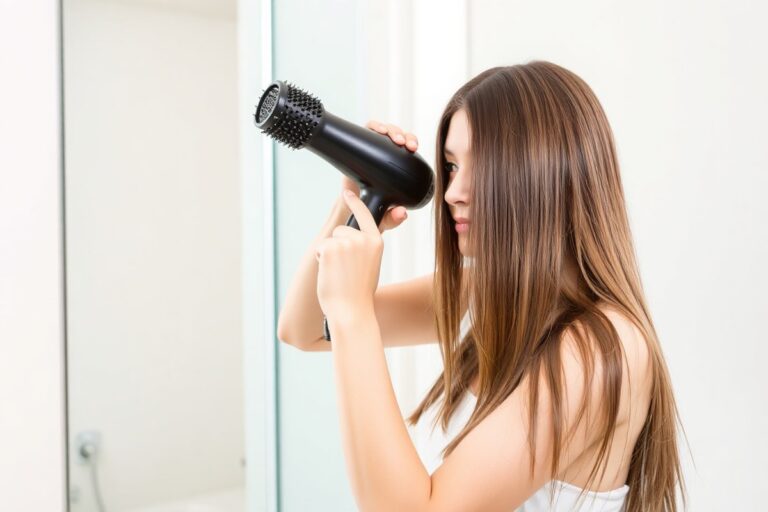
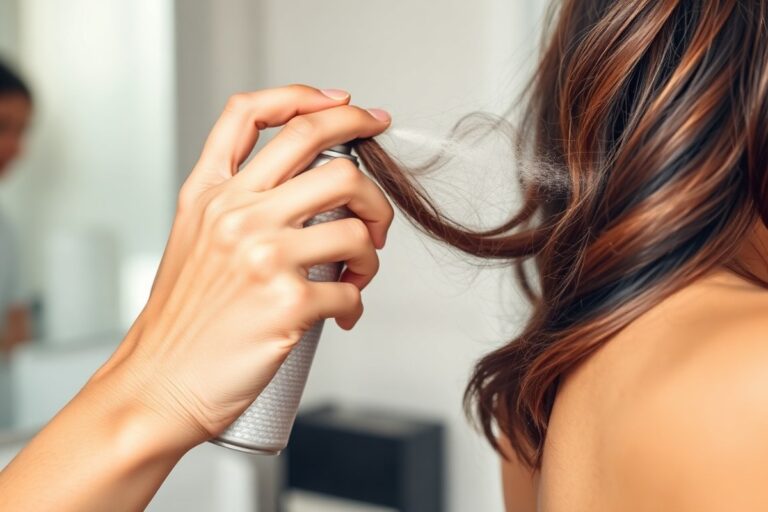
Using heat means protecting your strands with spray or oil first. Always use the lowest effective temperature on your curling iron or flat iron. This helps prevent damage and keeps your waves looking fresh longer.
Key Takeaways
- Twist or braid 80% damp hair and let it fully dry for natural waves.
- Use a flat iron for quick waves, but protect hair with heat spray first.
- Remove pins or buns only once hair is 100% dry to avoid frizz.
- Scrunch your hair every 10 to 30 minutes while drying for better texture.
- Apply a light hair oil like French Argan to keep waves smooth afterward.
- Choose styling tools with adjustable heat to reduce hair damage.
1. What Are the Best Ways to Get Wavy Hair at Home?

You can get wavy hair at home using a few easy methods. Curling wands and flat irons are top picks because they create waves quickly and look polished. Using just one heat tool helps keep your hair light and avoids product build-up.
You can try simple no-heat styles. They don’t need special tools. These are easy to do at home.
These methods work well for beginners and can give natural, easy waves. Starting with slightly damp hair helps the styles hold better without heat.
- Use a curling wand or flat iron on dry hair for quick waves.
- Twist damp hair into buns or braids overnight for no heat waves.
- Try hair rollers or foam curlers for gentle waves without damage.
- Pin sections of damp hair in loose loops and let dry naturally.
- Use salt spray or lightweight mousse to add texture and hold.
Wavy hair suits many lengths. But short hair can also hold waves using small sections and careful styling. Starting easy with buns or braids is smart for beginners to learn how waves form.
Hair extensions or wigs also work. They let you test waves. This way, you don’t change your own hair.
Patience is important. Practice shows what suits your hair best. It also fits your time schedule well.
Some styles cost nothing, like braids. Tools like curling wands cost $20 to $50. Expect to invest if you want heat styles.
Good waves look soft and loose, not stiff or crunchy. Avoid overusing heat to keep your hair healthy as you experiment.
2. Heat-Free Techniques to Create Natural Waves

Heat-free methods let you get waves without risking damage from hot tools. These options work well on damp or dry hair and give natural-looking results. You can try braids or twists for wavy hair styles.
Pin curls and headbands also help make waves. Flexible tools fit different hair types and styles.
Braiding and Twisting Overnight
Braiding or twisting wet hair creates waves that last until you wash your hair again. These methods suit straight to wavy hair and help you avoid heat damage. Make sure to start with damp hair that is not soaking wet for better wave formation.
Follow these steps to get waves from braids or twists:
- Wash and towel-dry your hair until damp but not dripping wet.
- Divide your hair into two to four equal sections depending on wave tightness.
- Braid or twist each section from roots to ends and secure with elastics.
- Leave your hair to dry completely overnight or for at least 6 hours.
- Carefully undo the braids or twists without brushing the waves out.
- Run your fingers through to separate waves, then style as usual.
Make sure your hair is fully dry before unraveling to keep waves defined.
Bobby Pin and Headband Waves
Using bobby pins or wrapping hair around a headband creates soft, loose waves. This technique works well for medium to long hair and gives a casual look. It’s gentle on your hair and good for damp or slightly dry hair.
To create waves with pins or headbands, follow these steps:
- Start with damp hair, sectioning it into small pieces around your head.
- Wrap each section around a headband or roll it into a loop secured with bobby pins.
- Make sure the twists lay flat and evenly spaced for uniform waves.
- Leave your hair wrapped and pinned for at least 4 to 6 hours or overnight.
- Remove pins or headband gently and finger comb the waves lightly.
- Finish with a light mist of hairspray if you want longer hold.
Use enough pins to keep hair secure overnight but avoid tight pulling that hurts.
Using Flexi Rods and Socks for Heatless Waves
Flexi rods and rolled-up socks create curls or waves without any heat or chemicals. These tools work on damp hair or dry hair. They help make soft curls or defined waves.
Choose based on the look you want. This option requires some patience but can be done at home with reusable tools.
Follow this method for waves using flexi rods or socks:
- Section your hair into small parts to make wrapping manageable.
- Wrap each section around a flexi rod or a rolled sock from ends to roots.
- Bend the rod or secure the sock so the hair stays rolled tightly in place.
- Let the hair dry completely, air dry or wait overnight for best results.
- Carefully remove rods or socks and gently separate the curls with fingers.
- Style waves with a little texturizing spray for volume if desired.
Avoid removing rods or socks before hair is dry to prevent frizzy, loose waves.
3. Using Heat Tools to Achieve Perfect Waves Safely
To get wavy hair with heat tools, use curling irons, flat irons, or hair wavers wisely. Pick the right tool for the wave style you want. Keep heat below 350°F to prevent damage.
This helps protect your hair from heat stress. Always start with dry hair and a heat protectant to keep strands healthy and shiny.
Flat Iron Waves Technique
Flat irons can create loose, natural waves when used with a twisting motion. Wrap hair sections around the iron or twist them gently. Glide the iron down to shape an S form.
This creates smooth, stylish waves easily. This method takes about 5 minutes for medium-length hair and works well for quick styling.
These waves look soft and have a light shine. They frizz less than typical curls made with irons.
This gives your hair a natural, relaxed look. Keep the flat iron clean and clamp hair gently to avoid uneven bends or crimps.
- Spray heat protectant evenly on dry hair.
- Divide hair into 1- to 2-inch sections.
- Clamp your hair section near the roots with the flat iron. Slowly twist the iron 180 degrees down the strand. This motion shapes smooth, defined waves safely.
- Release the hair once you reach the ends.
- Repeat for all sections, alternating twist direction for natural volume.
- Run fingers through hair to loosen waves gently.
- Apply light hairspray to hold the shape.
Using a Triple Barrel Hair Waver
Triple barrel hair wavers create uniform beach waves with smooth, repeated S patterns. Their barrel shape helps shape bigger, looser waves fast. A 1-inch or 1.25-inch waver is ideal for most hair lengths and thicknesses.
Use a medium heat setting (around 300°F) to avoid damage, especially if hair is fine. Move the waver along hair without clamping too tightly to keep texture soft and bouncy.
- Apply heat protectant to fully dry hair.
- Section hair into manageable pieces.
- Press the waver down near roots, hold 3-5 seconds per section.
- Release and move down hair length, maintaining consistent pressure.
- Repeat for each section until all hair has waves.
- Lightly brush or finger-comb waves for a natural look.
- Use a sea salt or texture spray to add volume and grip.
Curling Iron for Loose and Defined Waves
Curling irons work well for waves ranging from soft bends to tighter curls. Use a 1-inch barrel curling iron for defined waves or a 1.25-inch for softer waves with more bounce. Wrapping hair around the barrel once creates relaxed waves instead of tight curls.
Wrap hair strands without clamping the iron to keep curls loose and shiny. Direction matters, curling away from the face adds volume and a flattering shape.
- Spray heat protectant throughout dry hair.
- Divide hair into 1- to 2-inch sections for even curling.
- Wrap one section around the barrel once, starting near the roots but not touching scalp.
- Hold for 5 to 7 seconds to set the wave.
- Release gently and let curls cool before touching.
- Continue curling all sections away from the face.
- Shake out curls with fingers for tousled waves.
4. How Hair Type Influences Wave Results and Method Choice
Your hair’s natural texture and length shape how waves look and last. Very straight hair needs more heat or styling hold to keep waves.
Thick hair may resist soft waves, needing stronger curling or more product. Fine hair lets you get beachy waves easily but won’t hold heavy curls well.
Short hair can have waves, but the style looks more like tousled texture. Waves on shorter lengths often need lighter methods like finger waves or sea salt sprays. Longer hair looks best with classic waves from tools or braids.
The length lets the wave pattern show fully. This style suits hair that can hold the shape well.
The table compares different hair types and lengths with methods that work best. Use it to pick the right technique for your hair.
| Hair Type/Length | Wave Formation Quality | Best Methods | Tips |
|---|---|---|---|
| Very straight, fine, shoulder length+ | Light beachy waves, easier to shape | Heat tools (30-350°F), plopping, braids | Use light mousse or sea salt spray to hold waves |
| Coarse, thick, medium to long | Slight waves, harder to curl | Heat tools with longer holds, braids, finger coiling | Apply firm-hold products; section hair for uniform waves |
| Wavy (2B), fine to medium | Easy wave boost, natural shape | Scrunching, plopping, finger coiling | Touch up waves by scrunching every 20-30 minutes |
| Short hair (chin length or above) | Textured waves, less defined | Sea salt spray, finger waves, halo braid waves | Choose lighter styles to avoid stiff or heavy feel |
Wave strength depends on how tight or loose your natural pattern is. Wavy 2B hair holds waves well since it already forms ‘S’ shaped patterns. Coarse hair takes more heat to set waves with wavers.
Hold each clamp for about 20 seconds on thick strands. It needs this time to form a strong wave. Straight hair takes less time but needs a product to help hold the waves.
Short hairstyles suit waves but look different from longer styles. Pick methods that add volume and texture without weighing hair down.
Sea salt sprays keep waves light, while finger waves give a classic soft curve. Try different tools for your length and texture, then adjust your routine based on results.
5. Preparing Hair for Styling to improve Wave Longevity
Start by washing your hair with products made for wavy or textured types. After washing, your hair should feel damp, not dripping wet. Avoid applying styling products to soaking wet or fully dry hair.
Hair just damp enough helps products work better. This helps products spread evenly and keeps waves defined longer.
Choosing the Right Shampoo and Conditioner
Look for shampoos and conditioners designed for wavy hair. These products help boost your natural wave pattern and reduce frizz. Use only lightweight products on fine wavy hair.
Heavy or greasy ones can make waves limp and lifeless. Choose formulas that keep waves bouncy and soft.
Switching to a wave-friendly shampoo and conditioner will cost around $10 to $30 each. The extra care can make your waves look more lively and last longer throughout the day.
Drying Techniques That Protect Your Waves
Pat your hair dry with a soft towel to avoid frizzing from rough rubbing. Leaving hair damp before styling works best. Use a diffuser on your blow dryer to dry waves gently.
This helps reduce frizz and keeps waves shaped nicely. Avoid high heat directly on your hair.
Stop blow drying when hair is about 80% dry. Finish drying by air to avoid damage. Lightly scrunch hair every few minutes to keep waves strong.
Applying Products for Hold and Moisture
Select lightweight styling creams, mousses, or sprays made for waves. These protect your hair and boost wave formation without weighing your hair down. Apply products evenly on damp hair for better wave hold.
A nourishing curl-improving cream and a leave-in mist with frizz control work well together. After styling, spray a little lightweight hairspray for hold.
This helps lock your waves in place all day. It also keeps frizz under control.
- Use a curl-improving cream on damp hair
- Apply a lightweight leave-in spray for shine and frizz control
- Dry gently with a diffuser if using a blow dryer
- Scrunch hair lightly while air drying
- Add a small hairspray mist for extra hold
- Avoid heavy oils or thick creams that flatten waves
- Use microfiber towels or old T-shirts to dry hair
Special Tips for Frizz-Prone Wavy Hair
Wavy hair tends to frizz more than straight hair. Keep moisture and hold balanced with products that target both. Using too much product can make your hair sticky or greasy, which hurts wave shape.
Try ‘plopping’, wrapping your damp hair in a soft cloth, to reduce frizz and add definition. It helps hold waves while hair dries without heat tools, which can damage your natural wave.
Always apply styling products when hair is damp, never dry, to avoid uneven wave shape.
6. Maintaining Wavy Hair: Products and Daily Care Tips
To keep wavy hair fresh, pick the right products. Use setting sprays, mousse, or light gels. These help hold your waves better.
Apply setting spray every 10 minutes during your styling until your hair dries fully. This locks in the waves and helps prevent frizz without making hair stiff or crunchy.
Refreshing waves midday doesn’t need a full redo. Lightly mist wavy hair with a curl-refresh spray or water. Then scrunch gently to bring back the waves.
This reactivates your style quickly. Avoid brushing, since this can create frizz and loosen your waves.
Wavy hairstyles last about 1 to 3 days. How long depends on your hair type and products used. The right products help them stay longer.
Medium to long hair holds waves better than short hair. Applying mousse or gel before styling helps lock in waves.
This keeps your look lasting. Using hairspray after waves cool down gives them a longer hold without crunchiness.
- Use a light-hold hairspray once hair cools to avoid stiffness
- Apply mousse on damp hair before styling to define waves
- Refresh waves by misting with water or curl spray, then scrunch
- Sleep on a silk pillowcase to reduce frizz overnight
- Avoid brushing waves to keep them intact longer
- Reapply setting spray every 10 minutes while drying for stronger hold
- Use anti-frizz serums sparingly to maintain shine and smoothness
Daily care includes gentle detangling using fingers or a wide-tooth comb. Avoid heavy shampoos too often since they dry waves and cause more frizz. When sleeping, loosely braid or twist hair to maintain wave shape and reduce morning tangles.
Simple steps and light, nourishing products save money. They keep waves looking natural and fresh for longer. This avoids extra styling every day.
You can enjoy your wavy hairstyle for days without extra styling or damage risk. Just keep products light and refresh waves as needed with a spray and scrunch.
7. Common Mistakes When Making Waves and How to Fix Them
Applying heat to wet hair is one common mistake that can ruin your waves. Hair is more fragile when wet and can burn or get damaged.
Always dry your hair until it’s just a little damp. Set your curling iron or waver from 300°F to 350°F. Using this heat range works best for your waves.
Using wrong hair sections also messes with the wave pattern. Large sections create loose waves, while tiny ones can make tight, unnatural curls. Split your hair into 6 to 8 equal parts.
This helps make balanced waves with no uneven spots. Each section should be about the same size.
Don’t scrunch your hair too much or use lots of product. This can weigh your waves down or make them greasy. Light use helps keep your waves bouncy.
Use small amounts of anti-frizz serum on your hair. Avoid scrunching dry hair for more than 10 seconds. This keeps your waves light and frizz-free.
Touching your hair a lot after styling adds moisture from your skin. This makes waves fall flat quickly. Try to keep your hands off your hair.
- Don’t apply heat on wet or soaking hair.
- Divide hair into 6 to 8 sections before waving.
- Use 300°F to 350°F on heat tools for most hair types.
- Apply a small amount of anti-frizz serum, not more.
- Limit scrunching to 10 seconds on damp hair only.
- Avoid touching dry waves to keep them bouncy.
- Use a wide-tooth comb to separate waves gently.
Tight-looking waves mean your sections might be too small. Heat may have been too hot or held too long. Adjust either to get looser waves.
Try bigger sections and lower the temperature by 25°F intervals to soften waves. Let waves cool completely before running fingers through to loosen them gently.
Waves fall out fast because of heavy products or too much touching. Starting with very clean, slippery hair can also cause this. Less product and less touch help.
Use less serum, spray light hairspray, and wait until second-day hair to wave for better hold. Also, sleeping on a silk pillowcase reduces frizz and extends wave life.
8. Time Needed and Longevity: What to Expect from Different Methods
The time to create waves depends on the method you pick. Heat tools like curling irons take 10 to 20 minutes for most hair lengths. Heat-free options include braiding or twisting wet hair.
These styles need 4 to 8 hours or overnight to set. This helps your waves hold longer.
Faster methods suit daily styling better, but they don’t always last as long. For example, a quick heat styling lasts 1 or 2 days. Overnight braids can keep waves 2 to 3 days if you protect your hair while sleeping.
Durability also varies with hair type and care. Using a light styling cream can help hold waves without weighing them down. Avoid piling on many products or your waves could fall flat quickly.
| Method | Approximate Time to Style | Drying/Setting Time | Wave Longevity |
|---|---|---|---|
| Curling Iron | 10, 20 minutes | Immediate | 1, 2 days |
| Flat Iron Waves | 10, 15 minutes | Immediate | 1, 2 days |
| Overnight Braids | 5, 10 minutes | 6, 8 hours (overnight) | 2, 3 days |
| Twist and Air Dry | 5, 10 minutes | 4, 6 hours | 1, 2 days |
| Heatless Rods | 10, 15 minutes | 6, 8 hours | 2, 3 days |
Applying heat to dry hair means you see results quickly. But it may cause damage without care.
Braided or twisted waves call for patience but use no heat, which suits delicate hair. Time investment matches your daily routine and hair health.
Take smaller hair sections with heat tools to ensure even curls and better wave hold.
9. Deciding When to Seek Professional Help for Wavy Hair Styling
Colored or chemically treated hair needs extra care when styling waves. It’s best to avoid heat tools set above 300°F, since high heat can damage fragile strands. Your hair has been bleached, permed, or relaxed.
Don’t try body waves or digital perms without a stylist’s advice. These treatments work best on healthy hair.
Mistakes cause breakage. They can also lead to uneven texture.
See a professional if you notice dryness, breakage, or uneven wave patterns after DIY attempts. Thick hair needs salon visits. Pros thin it safely.
They create soft waves without weighing hair down. A stylist can suggest cuts that lift heavy hair.
They shape waves better. This saves you time and product.
Start with this decision checklist: You have damaged or chemically treated hair. Your waves don’t hold or look frizzy. You want a long-lasting style like a perm.
Or you have thick, dense hair that’s hard to style. One or more is true. Book a consultation with a stylist.
Professional perms or wave styling cost $100 to $300. Prices depend on salon and location.
Special treatments can keep your waves healthy between salon visits. Use deep conditioning masks weekly to restore moisture and strengthen hair keratin. Apply leave-in conditioners or light oils every few days to protect against heat and dryness.
Start home styling with a nourishing lather. It hydrates waves and keeps strands flexible. This helps create a softer look.
For best results during styling, apply products with your head upside down to boost volume naturally. Avoid high heats that can burn or thin your hair. A stylist trained in wavy hair helps find your best care routine.
They show styling techniques fit for your hair type and condition. This guidance reduces risk and improves how your waves hold and look over time.
Step-by-Step Action Plan
Try this plan to get wavy hair at home. Follow the steps to see what works best for your hair type.
- Day 1: Prep Your Hair Wash and condition with moisturizing products. Check your hair feels soft and not heavy.
- Day 2: Heat-Free Waves Use braiding or twisting on damp hair before bed. Wake up and see loose, natural waves.
- Day 3: Test Heat Tools Try a curling wand on a small section. Use a heat protectant and check for smooth waves without frizz.
- Day 4: Customize Waves Adjust braiding tightness or wand size to change wave volume. Pick the look you like best.
- Week 1: Maintain Waves Use a light hold spray or mousse daily. Notice if waves keep shape longer without stiffness.
- Week 2: Avoid Mistakes Don’t overbrush or wash daily. If waves drop, refresh with a damp hand or light product.
- After 2 Weeks: Review Results Evaluate wave hold and hair health. Decide if you want to try a professional styling session next.
Frequently Asked Questions
How Long Should You Leave Hair in Braids for Waves?
Leave braids in for at least 4 to 8 hours or overnight for best waves. The longer you keep them, the more defined and lasting the waves will be.
Can You Get Wavy Hair from Salt Spray Alone?
Salt spray can improve natural waves but won’t create waves on very straight hair. It’s best used on slightly textured hair for that beachy look.
Does Washing Hair Less Often Help Waves Last Longer?
Yes, washing less often preserves natural oils that help waves hold shape. Overwashing can strip oils, making hair limp and waves fade faster.
Is It Better to Use Mousse or Gel for Wavy Hair Styling?
Mousse usually works better for wavy hair because it adds volume without weighing it down. Gel can sometimes make waves crunchy or stiff.
Can You Get Waves with Straight Fine Hair?
Yes, fine straight hair can get waves. It might need gentle heat or product.
These help the waves hold better. Using light texturizing sprays can help keep waves in place.
Will Sleeping with Damp Hair Make My Waves Frizzier?
Sleeping with damp hair can cause frizz if hair isn’t protected well. Use a loose braid or satin pillowcase to reduce friction and keep waves smooth.
The Bottom Line
Getting wavy hair at home is doable with the right steps and patience. Start with some heat-free methods and build from there. Try your favorite technique today and see the new waves appear.