What Does Purple Shampoo Do to Brown Hair? A Complete Guide with Proven Tips
What does purple shampoo do to brown hair? It mainly neutralizes yellow and gold tones.
Since brown hair rarely has these tones, the effect is subtle or none at all. Purple shampoo can sometimes brighten dull or brassy highlights in brown hair, giving a fresher look.
Purple shampoo works best on lightened or highlighted brown hair, not fully natural shades. Apply it to damp hair, focusing on the lighter strands.
Leave it on for five to twenty minutes. The time depends on your hair’s lightness and how much brassiness you want to reduce.
Using it too long can leave a faint purple tint. This happens mostly on light strands like balayage or ombre.
Pay attention to the timing and hair texture. Start with a short leave-in time, like two to three minutes, if you’re new to it.
Key Takeaways
- Purple shampoo targets yellow or brassy tones, not pure brown shades.
- Leave shampoo on damp hair 5 to 20 minutes depending on hair lightness.
- For darker brown hair, blue shampoo may be more effective than purple.
- Start with 2 to 3 minutes if you never used purple shampoo before.
- Apply purple shampoo only every other wash to avoid over-toning.
- Watch for a slight purple hue on very light hair if left too long.
What Does Purple Shampoo Actually Do to Brown Hair?
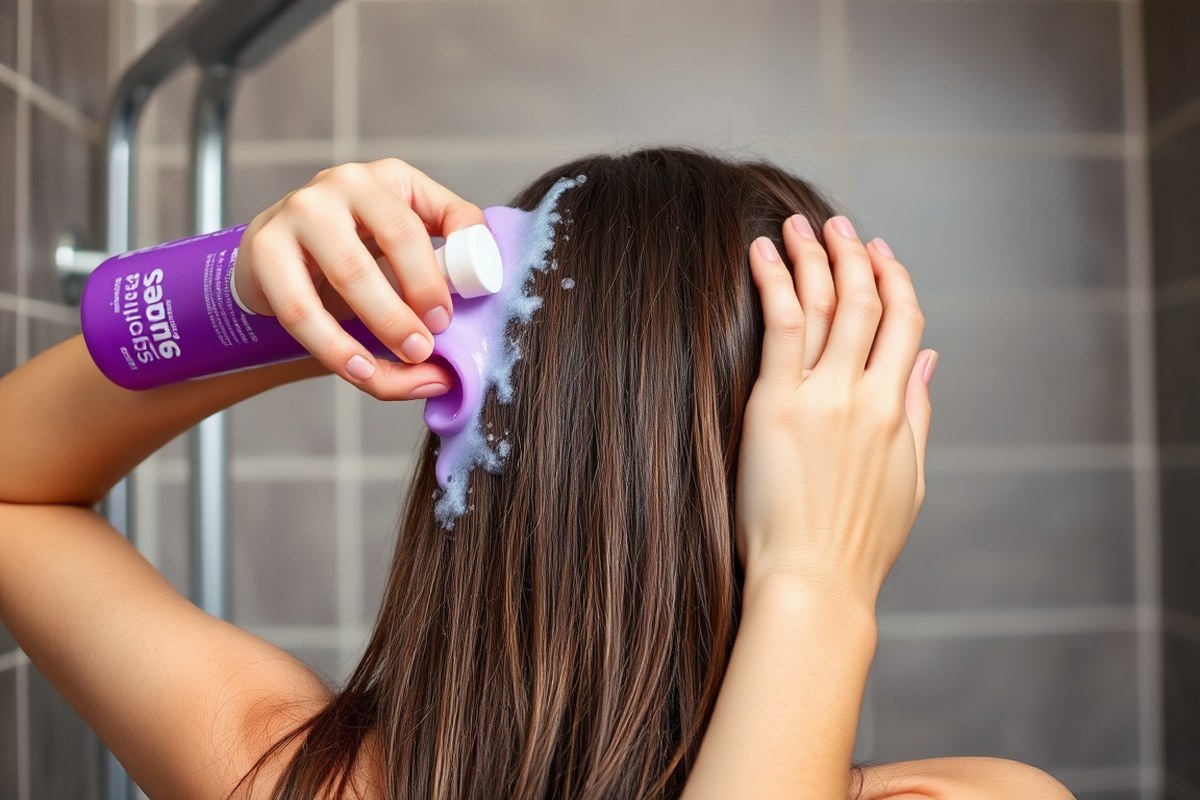
Purple shampoo works by depositing violet pigments onto your hair. These pigments neutralize yellow and brassy tones. It doesn’t lighten your natural brown color but tones any unwanted warm shades.
Color theory explains why purple shampoo works. Purple is opposite yellow on the color wheel.
This cancels yellow, changing brassy tones to cool, ashy shades. Purple shampoo suits blonde or highlighted hair with yellow tones.
On 100% brown hair, purple shampoo has little visible effect. Brown hair lacks enough yellow tones for the purple pigments to neutralize. Purple shampoo helps remove brassiness on blonde highlights or lightened sections.
It works only on those parts, not the whole brown hair. The shampoo targets yellowing in lighter strands.
Unlike a true toner, purple shampoo is mainly a maintenance product. It refreshes and keeps brassiness in check between salon visits.
Toners use chemicals to change hair color by adding or removing pigment. But purple shampoo just deposits violet pigment temporarily.
Applying purple shampoo means working it through the hair like normal shampoo. Let it sit for 2 to 5 minutes to allow pigment to absorb.
Rinse well to avoid purple stains or over-toning. Use it once or twice a week, depending on your hair’s brassiness level.
The best outcome is cooler, brighter highlights without dulling your brown hair. Using purple shampoo too often can cause a purple tint. Leaving it on too long may also stain lightened strands.
Be careful not to overdo it. Washing with regular shampoo removes the purple tint fast. It restores your hair’s natural color quickly.
How Purple Shampoo Works Differently on Light, Medium, and Dark Brown Hair
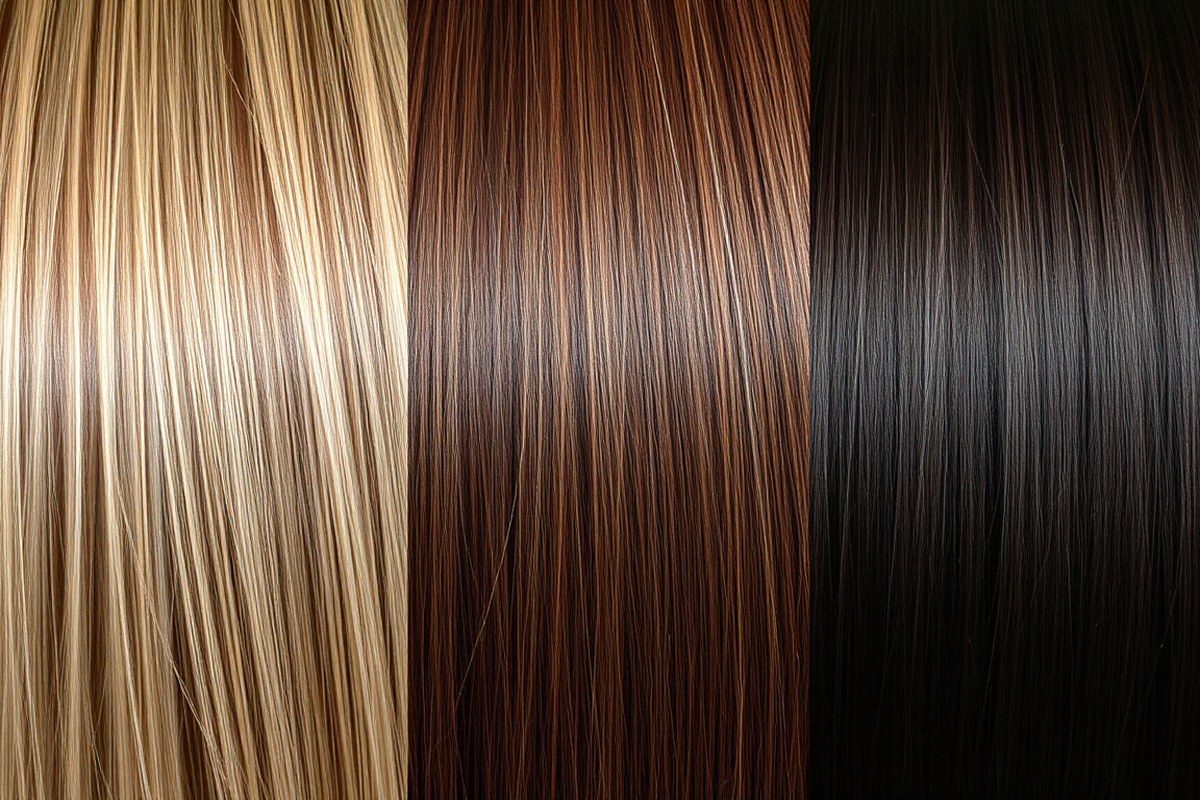
Purple shampoo impacts brown hair differently depending on how light or dark it is. On light and medium brown shades, it tones down unwanted yellow or warm hues. Dark brown hair usually won’t change color but may feel smoother and shinier.
Effects on Light Brown Hair
Light brown hair, including bronde, benefits most from purple shampoo because it targets yellow tones. These hair types often have lifted or highlighted strands that turn brassy. Leaving purple shampoo on for 2 to 3 minutes helps soften brassiness and brighten your color.
Use it every 2 to 3 washes to keep warmth in check without over-toning. Use purple shampoo on your highlights or balayage lighter strands.
Let it sit longer there, about 3 to 5 minutes. But rinse your darker roots sooner to avoid a purple tint.
Using Purple Shampoo on Medium Brown Hair
Medium brown hair sees subtler changes. Purple shampoo mainly improves shine and evens out tone with cooler undertones. Leave the shampoo on for about 2 minutes.
This refreshes your color. It avoids too much violet deposit.
Natural medium brown hair doesn’t show strong changes. But color-treated strands can benefit from the toner effect. Put shampoo mainly on highlighted or warm spots.
This works well for balayage or bronde. Avoid longer exposure to prevent dullness.
Applying Purple Shampoo to Dark Brown Hair
Dark brown hair does not lighten or shift color after purple shampoo use. The violet pigment has little effect on hair this deep in natural tone. However, it helps reduce dullness and improves smoothness and shine.
Use it like regular shampoo, leaving it on for 1 to 2 minutes before rinsing. Purple shampoo doesn’t fix orange brassiness, which can appear in dark brown hair after coloring. For that, you might need other treatments.
For dark hair with highlights or lighter balayage, apply purple shampoo only on the light sections. Keep it on for 2 to 3 minutes.
It gently tones down yellow hues. It won’t change your darker base much.
Here’s a quick timing and result guide based on your brown shade:
| Hair Shade | Timing | Expected Results |
|---|---|---|
| Light Brown & Bronde | 2, 3 minutes, 2, 3 washes | Softened brassiness, brighter tones |
| Medium Brown | About 2 minutes | Subtle tone correction, cooler glow |
| Dark Brown | 1, 2 minutes | Smoother hair, no color change |
Check how your hair reacts after the first use. Leave purple shampoo on longer only if your lighter sections need more toning.
Always rinse your hair with warm water before applying purple shampoo. Warm water opens the hair cuticle so the violet pigment deposits where needed. Apply to wet hair, focusing on lifted or highlighted strands for the best effect.
Step-by-Step Guide to Using Purple Shampoo on Brown Hair
Use purple shampoo on brown hair by applying it carefully. Time it right for best results. Rinse well to avoid any stains.
Leave it in for 3 to 10 minutes depending on your hair’s brassiness. Using it once or twice a week keeps unwanted warm tones down without drying your hair.
Preparation Before Application
Start by wetting your hair with warm water until it’s fully soaked. Towel-dry gently to remove excess water but keep your hair damp. Check your hair for any build-up from styling or products.
Rinse your hair if needed first. This helps the shampoo work evenly.
Gather your purple shampoo and a comb or brush. Have a timer or clock handy to track how long you leave the shampoo on. Wearing an old shirt helps just in case some purple tints drip during application.
How to Apply and Time Purple Shampoo
Apply a quarter-sized amount of purple shampoo to your hands. Distribute it evenly through your damp hair, focusing on the brassiest areas. Massage it gently and comb through to spread the color-correcting pigments.
Set a timer for your hair type and brassiness:
- Apply quarter-sized shampoo to hands.
- Work shampoo through hair focusing on brassy spots.
- Massage scalp gently and comb through strands.
- Leave shampoo on for 3 to 10 minutes. Use 3-5 minutes for fine or less brassy hair. Use 7-10 minutes for thick or brassy hair.
- Watch for any purple tint developing; don’t exceed time if so.
Leaving purple shampoo too long risks a grayish or purple tint. Check the color after 3 minutes, especially if this is your first time using it.
Rinsing and Follow-Up Care
Rinse your hair with cool or lukewarm water until the water runs clear. Cool water helps close the hair cuticle and lock in moisture. Avoid hot water as it may dry out your hair and fade color correction.
After rinsing, apply conditioner or a deep conditioner that suits your hair type. This step restores moisture and smooths your hair after shampooing with pigments. Leave the conditioner on for 2 to 5 minutes before rinsing as usual.
Recommended Usage Frequency
Use purple shampoo once or twice a week in your hair care routine. Adjust frequency based on your hair’s porosity, how often you wash, and level of brassiness. More frequent use can dry hair out or dull your brown tones.
For medium to dark brown hair with mild brassiness, once a week usually works fine. Notice warm orange or yellow tones?
Use purple shampoo twice weekly for a few weeks. Stop or reduce use if your hair turns faintly purple or dries excessively.
Choosing the Right Purple Shampoo Formula for Brown Hair
Picking the right purple shampoo means checking pigment strength first. You also need to look at sulfate content. Extra treatments can make a difference too.
Formulas vary for different brown shades and hair needs. You want a shampoo that tones your hair gently.
It should not leave a purple tint. Also, it should avoid drying your hair out.
Differences in Purple Shampoo Pigments
Purple shampoos use violet pigments to cancel out yellow tones in hair. Brown hair usually needs gentler pigment than blonde hair. Strong pigment can make brown hair look dull.
It might give a slight purple sheen too. That kind of look usually isn’t wanted.
For example, if your brown hair has no highlights, a purple shampoo might be too harsh. A blue shampoo often works better for warming down brassiness on brunettes. Many purple shampoos made for blondes have very strong pigments to battle bright yellows.
Sulfate-Free vs. Regular Purple Shampoos
Sulfate-free shampoos are less drying. They’re a solid choice if your brown hair feels dry or fragile. Regular shampoos with sulfates clean deeply but might strip color or moisture from your hair.
Use sulfate-free purple shampoos when you want to tone your hair but keep it soft. These products cost a little more, around $15 to $25 per bottle. But they’re better for sensitive scalp or dry hair types.
Choosing Conditioners and Complementary Treatments
Purple shampoo often comes with a conditioner or mask. These help lock in tone well. They also nourish your hair deeply.
Conditioners designed for toning usually have milder pigments and extra moisturizers. Look for ingredients like shea butter or argan oil for hydration.
Try to avoid conditioners with heavy silicones if your hair gets weighed down easily. Some toning sets offer masks you can leave on longer for deeper color refreshment.
Checklist for Selecting Purple Shampoo Based on Hair Condition
- Assess your brown shade: light, medium, or dark
- Decide if you need strong pigment or a gentle tone
- Pick sulfate-free formulas for dry or damaged hair
- Look for added conditioners to prevent dryness
- Avoid heavy silicones if your hair gets greasy or flat
- Consider blue shampoo if your brown is very dark or brassy
- Check reviews for how subtle or vivid the toner effect is
Following this list helps limit surprises like purple stains or dryness. Testing a small amount before full use is also smart.
Popular Purple Shampoo Options for Brunettes
Some brands tailor purple shampoos especially for brown hair. These often mix blue and purple pigments for balanced toning. They keep warmth better while reducing brassiness and fading.
Prices usually range from $12 to $30 depending on brand and ingredients. You’ll see products offering both shampoo and conditioner, sometimes as a set. Look for ones with extra moisture if you color or bleach your brown hair.
Purple Shampoo vs Blue Shampoo: Which Is Better for Brown Hair?
Purple shampoo and blue shampoo use different pigments to cancel out brassiness in brown hair. Purple shampoo targets yellow tones, while blue shampoo works on orange tones. Your hair’s brassiness color decides which shampoo suits you best.
Here’s a clear comparison of how each shampoo affects brown hair:
| Feature | Purple Shampoo | Blue Shampoo |
|---|---|---|
| Pigment | Violet | Blue |
| Neutralizes | Yellow tones | Orange/copper tones |
| Best for | Brassy, yellowish brown hair | Brassy, orangey brown hair |
| Effect on brown shade | Brightens without changing natural tone | Reduces warm orange hues |
| Typical use | Between color appointments for dullness | When hair turns copper after coloring, you need to act quickly. |
You should reach for purple shampoo when your brown hair shows off yellow brassiness. This is common if your brown is medium or light with highlights.
It deposits violet pigment, which cancels yellow without bleaching your hair. Use it about once or twice weekly after shampooing for 2-5 minutes.
Blue shampoo comes into play if your hair shifts toward orange or copper hues. Orange brassiness often happens with warm brown shades or some color dyes.
The blue pigment neutralizes these tones. Stubborn brassiness that shampoos don’t fix often needs a professional toner.
Try a patch test with a small amount of shampoo to check for unwanted color shifts.
For a quick decision: check your brassiness under natural light. Yellowish brass calls for purple shampoo.
Orangey or copper tint calls for blue shampoo. Swapping between them without matching your hair’s undertones might cause uneven color or dullness.
Common Mistakes with Purple Shampoo on Brown Hair and How to Fix Them
Using purple shampoo on brown hair can cause issues if you overdo it. Leaving the shampoo on too long often gives your hair a purple tint. This happens because purple pigments deposit heavily, especially on lighter strands.
Another common mistake is uneven application, which leads to patchy color. You might see some spots turn more purple while others stay warm or brassy. This usually happens when the shampoo isn’t spread evenly from roots to ends.
Here are some mistakes to avoid when you use purple shampoo on brown hair:
- Overusing purple shampoo, more than 2-3 times a week
- Leaving shampoo on for over 5 minutes
- Applying unevenly, causing patchy tone
- Not rinsing thoroughly after use
- Using purple shampoo on wet hair without proper lather
- Ignoring the condition of hair that’s already damaged
Notice a purple or blue tint after washing? Wash again with clear shampoo.
This helps fade the unwanted purple tone. Using a deep conditioner after can soften your hair and improve its look.
For patchy results, next time apply the shampoo in sections. Use a comb to spread it evenly from roots to tips. Wet your hair enough to spread shampoo easily.
Avoid hair dripping. This helps control shampoo better.
Purple shampoo won’t harm hair when used right. Using it too often can dry hair out. Leaving it on too long also causes dryness.
Hair feels dry or brittle? Use purple shampoo less often.
Always follow with a good conditioner. Avoid using it more than twice a week unless recommended for your color.
For sensitive or already colored brown hair, do a patch test first. Apply a small amount on a hidden section and watch for 3-5 minutes.
You see strange colors or dryness? Stop using that shampoo brand or formula.
Fixing unwanted purple tones can take a few washes with regular shampoo, often costing nothing extra. For stubborn purple stains, a clarifying shampoo or a professional hair color correction may be needed. These treatments can cost $50 or more but help restore natural brown shades.
Protecting Brown Hair Health When Using Purple Shampoo
Purple shampoo can cause dryness if used too often on brown hair. It contains pigments and cleansing agents that strip some natural oils. Overuse may leave your hair feeling rough or brittle.
To avoid damage, use purple shampoo no more than twice a week. Start with just the shampoo, skipping the conditioner at first to see how your hair reacts. Focus the shampoo on lighter or highlighted spots, not all-over.
Keeping hair moisturized is key when toning. Follow purple shampoo with a rich, nourishing conditioner or deep treatment to restore moisture and strength. Look for products rich in oils, keratin, or shea butter.
- Apply purple shampoo to clean, dry, or towel-dried hair
- Use clarifying shampoo once a month to remove buildup
- Leave purple shampoo on for 1 to 5 minutes depending on shade
- Rinse thoroughly with cool water to seal cuticles
- Follow with moisturizing conditioner or hair mask
- Limit purple shampoo use to no more than two days per week
- Avoid daily use to prevent scalp irritation or hair drying out
Deep conditioning once a week helps maintain softness and shine. Products labeled for colored or damaged hair usually work well. They support your hair’s natural barrier and keep tones looking fresh.
Some brown hair types need more time to adapt to purple shampoo. Watch for signs like itching, redness, or increased dryness. That happens when you should cut back or try a gentler toner.
Using purple shampoo right keeps your brown hair healthy. It also helps stop brassy tones. Pairing it with good hydration gives the best results your hair will show.
When to Choose Professional Toners or Alternatives over Purple Shampoo
Purple shampoo helps neutralize unwanted brassy tones but won’t fix every color problem on brown hair. Your hair is very orange, uneven, or dull.
You might need a professional toner. Salon toners can target specific tones much more precisely and last longer than purple shampoos.
Choose professional color toning when purple shampoo doesn’t remove brassiness after several uses. Choose a salon if your hair tone is patchy. It may be too warm from bleaching or dyeing.
A stylist picks the right toner strength. They apply it evenly. This avoids stains or uneven color from home use.
Professional toning usually involves a hair color or gloss that balances tones with precision. It costs about $50 to $150 depending on your salon and treatment. The stylist mixes toner to match your shade.
They leave it on for 10 to 30 minutes. Then rinse it out. This delivers instant, long-lasting results that purple shampoo often can’t achieve alone.
Besides professional toning, some at-home alternatives include color-depositing conditioners or masks. These products are richer than purple shampoos and add pigment back to your hair slowly.
Toners help maintain color after salon visits. But they usually don’t fix heavy brassiness alone.
Blue shampoo works better for deep reddish brassiness. It suits dark brown hair more than purple shampoo. Purple shampoo isn’t working.
Try blue shampoo for a few washes. See if it cools your tone better. Still, severely damaged or unevenly lightened hair likely needs a toner to fully correct the color.
Remember to stop using purple shampoo if your hair turns too purple or grayish. This signals it’s time to visit a professional. A stylist checks your hair condition first.
They pick the right toner formula. This prevents extra color damage.
Don’t overuse purple shampoo trying to fix bad color. It can dry out hair and cause patchy tones instead of fixing them.
Step-by-Step Action Plan for Using Purple Shampoo on Brown Hair
Follow these steps to see the best results with purple shampoo on your brown hair. Track how your hair tone changes as you go.
- Before you start: Choose a purple shampoo suited for your brown shade. Look for formulas labeled for medium to dark hair if yours is in that range.
- First wash: Apply purple shampoo once and leave on for 2 minutes. Rinse and check if your cooler tones show. Yes, keep using it once a week to maintain results.
- Week 1-2: Use purple shampoo once a week, leaving it on for 3 minutes. Look for less brassiness or yellow tones.
- After 2 weeks: Assess your hair’s tone. Stop if your hair feels dry or purple stains appear. Otherwise, continue weekly or every two weeks.
- Before styling: Always use a conditioner or hair mask after purple shampoo. It helps keep your hair soft and hydrated.
- Monthly check: Review if your natural brown color looks cooler and brighter. Adjust usage frequency if needed for your hair’s health.
- When needed: Skip purple shampoo if you have no brassiness. Avoid it if your brown hair looks too ashy. Try other toners or professional help.
Frequently Asked Questions
Can Purple Shampoo Lighten Brown Hair?
No, purple shampoo doesn’t lighten brown hair. It helps reduce brassy or yellow tones to make hair look cooler and less warm.
Will Purple Shampoo Work on Natural Brown Hair with No Highlights?
Purple shampoo has little effect on pure brown hair without lightened parts. It mainly targets yellow or golden tones which natural brown hair lacks.
How Often Should I Use Purple Shampoo on Brown Hair with Highlights?
Use purple shampoo once or twice a week to keep brassy tones in check. Too much use can dry out your hair or cause a slight purple tint.
Can Purple Shampoo Change the Shade of My Brown Hair?
Purple shampoo won’t change your brown hair color. It only neutralizes unwanted warm, brassy tones for a cleaner look.
Is Purple Shampoo Safe to Use on Brown Hair Treated with Henna?
Henna-treated hair may not respond well to purple shampoo. It can cause uneven color, so test a small section first.
Will Purple Shampoo Remove Brassiness from Dark Brown Hair?
Yes, purple shampoo can reduce some brassiness in dark brown hair. It works best if your hair has highlights or lighter bits. Use it to help keep your color fresh.
Wrapping Up
Purple shampoo gently tones brown hair by reducing unwanted warm shades. It’s not for every wash but use it right to keep your color fresh. Start with one wash a week and watch your brown hair look cooler and richer.