How to Treat Hair Breakage: 8 Proven Ways to Repair and Prevent
How to treat hair breakage starts with gentle care and hydration. Avoid harsh brushing and towel drying, which can roughen hair surfaces.
You want to reduce stress on your strands and nourish them well. Using deep conditioners and cutting heat styling are key first steps.
Next, trim your hair every 6 to 8 weeks to stop split ends from worsening. Avoid temperatures above 350°F when blow-drying or straightening to protect keratin bonds.
Let hair air dry partially before using heat tools to lessen damage. These small changes will help your hair stay strong and stop breaking.
Pay attention to how your hair feels after washing. Use products with natural oils like argan or coconut for extra moisture.
Apply mask treatments that sit for at least 15 minutes. This helps seal moisture and rebuild hair’s structure, making strands less fragile.
Key Takeaways
- Trim hair every 6 to 8 weeks to prevent split ends and breakage.
- Keep heat styling tools below 350°F to avoid damaging keratin bonds.
- Use deep conditioning masks and leave on for 15 minutes or more.
- Rinse hair with cold water to help seal the cuticle and reduce breakage.
- Avoid tight hairstyles that pull on your hair and cause stress.
- Choose gentle hair care products with natural oils to strengthen strands.
1. What Is Hair Breakage and How to Spot It

Hair breakage means strands snapping due to damage or weakness. It happens along the hair shaft instead of coming from the root. Board-certified dermatologist Marisa Garshick explains that breakage refers to broken strands, not hairs falling out completely.
You can tell breakage from shedding by comparing hair strand lengths. Lost hair that is shorter or uneven compared to your usual length shows breakage. Shedding means hair falls out from the root.
Whole hairs come loose. Often, a small bulb shows at the end.
Visible signs of hair breakage include split ends and uneven strands, especially around the edges. You may notice more short, broken pieces on your pillow or clothes. Dry, brittle hair and a rough texture also point to breakage rather than normal shedding.
Check for breakage by gently running your fingers through dry hair. Small pieces that snag or fall out may mean damage.
Look at recent haircuts; uneven or frayed ends suggest breakage. Regular trims every six months help reduce splits that cause breakage.
Damaged strands tend to break more when wet. So be gentle handling hair right after washing.
Avoid brushing wet hair hard, or heat above 350°F, which weakens keratin bonds and fuels breakage. Paying attention to these signs early can help you treat hair breakage before it worsens.
2. Top Causes of Hair Breakage You Should Know

Heat Styling and Tool Damage
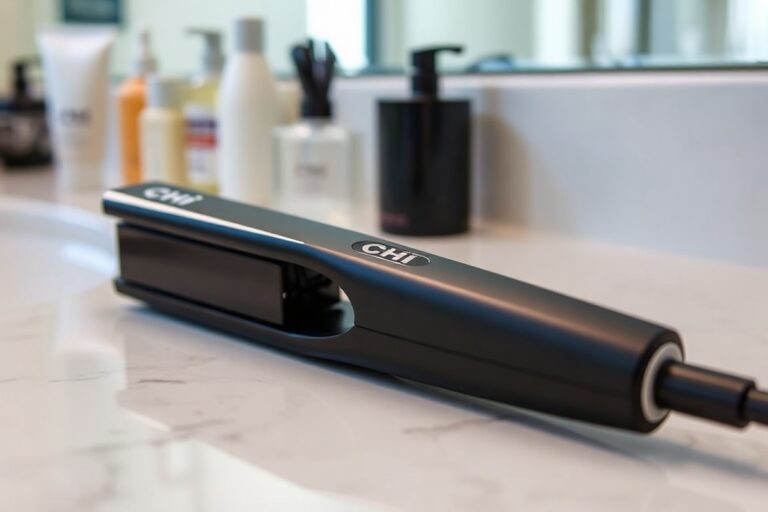
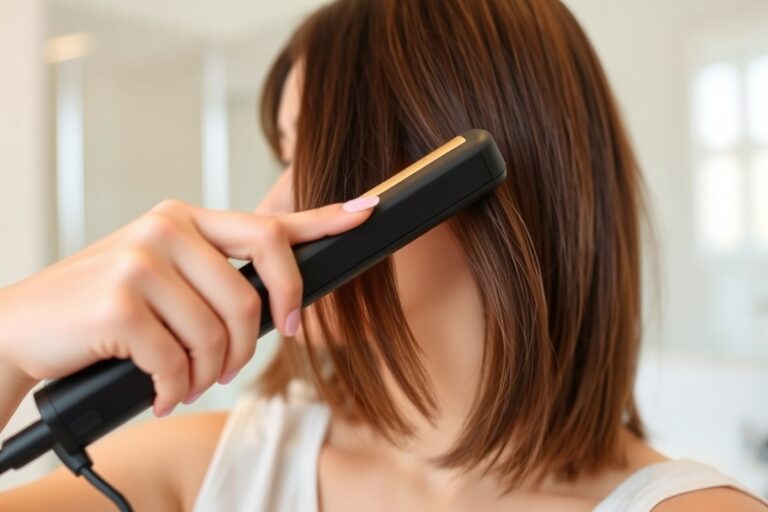
Using hot tools like straighteners and curlers often weakens hair strands. Heat above 350°F damages the hair’s protein structure, making it dry and prone to breakage. Limit heat styling to two times a week only.
Always use a heat protectant spray before styling. This helps protect your hair from damage.
Hair dryers on high heat also cause damage if held too close or used too long. Try drying your hair with cooler settings and keep the dryer several inches away. This helps prevent unnecessary stress and splits.
Tight Hairstyles and Mechanical Stress
Wearing hairstyles like tight ponytails, braids, or cornrows regularly puts strain on hair fibers. This constant tension weakens the hair shafts and can break them near the scalp. Switch to looser styles and avoid elastic bands that pull hard on your roots.
Detangling roughly or overwashing hair also causes mechanical damage. Use a wide-tooth comb and gentle movements starting from the ends. Detangling carefully reduces snapping and prevents further breakage.
Chemical Treatments and Their Effects
Chemical processes such as coloring, bleaching, or relaxers change the hair’s natural makeup. These treatments break down proteins in the hair, leaving it fragile and prone to splitting. Space out treatments by several weeks.
This gives your hair enough time to heal. Avoid doing treatments too close together.
Adding a hair repair mask after chemical treatments can strengthen strands. Look for products with keratin or natural oils to help restore lost moisture and protein. Doing this once or twice a week can reduce damage.
Impact of Diet and Nutritional Deficiencies
Hair needs nutrients like protein, iron, and vitamins to grow strong. Poor diet or deficiencies slow hair growth and cause weak, brittle strands that break easily. Eating balanced meals rich in lean meats, green veggies, and nuts supports hair health.
Vitamin D and zinc help maintain the hair growth cycle. Consider talking to a doctor about supplements. This helps if your diet misses key nutrients.
Nutrients support strong, healthy hair growth. Avoid self-medicating without guidance because excess certain vitamins can cause harm.
Role of Stress and Overall Health
Stress triggers hormone changes that interrupt the hair growth cycle, causing breakage and shedding. During stressful periods, your hair’s natural repair slows down, increasing breakage risk. Managing stress through exercise, sleep, and relaxation can help your hair recover.
Certain medical issues like thyroid problems also cause hair weakening. See a healthcare provider for sudden or severe breakage. They can check for other health problems.
Getting the right help protects your hair health. Proper diagnosis lets you treat the root cause, not just the symptom.
Limit heat styling and avoid tight hairdos to reduce breakage and protect your scalp.
3. How Long Does Hair Breakage Take to Repair?
Hair breakage repair usually starts to show after about two to four weeks. During this time, your hair begins to feel stronger and looks less frizzy or uneven. Using weekly deep conditioning treatments speeds up this process by nourishing damaged strands.
Your hair type, breakage cause, and care affect repair speed. These factors change how fast your hair heals. Treating your hair well helps it repair quicker.
Hair damaged by heat styling takes longer to improve. Hair weakened by dry weather may heal faster.
The damage type affects recovery time. Avoid brushing wet hair or using tight ponytails to stop more damage while repairing.
Checking your progress means looking at your hair’s texture and length regularly. Notice if split ends reduce or strands feel softer after treatments. Take pictures every two weeks to compare how your hair becomes healthier over time.
Consistency matters most. Protein treatments cost $10 to $20 per bottle each week. You can also make a simple egg mask at home.
Both help repair hair damage. Stick with gentle handling and good products. You should see less breakage within a month.
Noticing less hair falling during brushing and fewer short, broken pieces means your repair is working. Your hair feels brittle after eight weeks; change your routine.
Seek advice from a specialist for better guidance. Help your hair heal properly with expert tips.
4. Safe Hair Trimming and Haircare Routine to Prevent Breakage
Trimming your hair regularly helps stop breakage from spreading up the strands. You don’t need a full haircut each time.
Just trimming off split ends keeps hair healthier. Most people benefit from trimming every 6 to 8 weeks to prevent damage from worsening.
Using the right trimming technique matters too. A blunt cut with sharp scissors reduces snagging and split ends.
Avoid pulling or twisting the hair while trimming. Also, daily haircare habits like gentle brushing and careful drying matter a lot.
Brushing your hair too much or when it’s wet can actually cause more breakage. Switch to a wide-tooth comb for wet hair and brush gently. Pat your hair dry using a soft towel.
Don’t rub it. This reduces friction and damage.
- Trim hair every 6 to 8 weeks: Mark your calendar to cut split ends. This stops damage from moving up your hair.
- Use sharp, clean scissors: Dull blades snap hair and cause uneven edges that break faster.
- Cut hair dry and free from tangles: Dry hair shows damaged ends clearly. Avoid cutting healthy strands by detangling first.
- Avoid twisting or pulling hair: Hold each section softly when trimming. Use low tension to protect your strands.
- Brush hair gently with a wide-tooth comb: Use this especially on wet hair. It eases strain and prevents split ends.
- Pat hair dry with a soft towel: Avoid rubbing, which roughens and weakens cuticles.
- Use moisturizing shampoo and conditioner suited for damaged hair: These products restore strength. They make brittle hair more flexible.
- Limit washing to 2-3 times per week: Overwashing strips natural oils that protect hair.
5. Choosing and Using the Best Treatments for Hair Breakage
Treatments like deep conditioning masks, hair oils, and leave-in products can stop and fix hair breakage. Picking the right one depends on your hair type and damage level. How and when you apply these treatments affects how well they work.
Deep Conditioning Masks and Their Benefits
Deep conditioning masks add moisture and protein to damaged hair. They help repair broken strands and improve hair bounce. You usually apply them for about 15 minutes before rinsing.
Masks with nourishing ingredients, such as avocado, can hydrate and strengthen hair. Weekly deep conditioning sessions boost moisture, which reduces breakage. You can also do in-salon treatments for intensive repair.
Oils and Serums for Strengthening Hair
Hair oils like Olaplex Bonding Oil target broken protein bonds and seal split ends. Oils keep hair hydrated by locking in moisture during and after styling. Using oils before washing can protect hair from shampoo drying it out.
Choose oils based on hair texture: thicker, coarser hair benefits from heavier oils. Finer hair needs lighter ones. Oils also add shine and reduce frizz, which helps hair look healthier.
Leave-In Treatments and Protein Products
Leave-in products such as the K18 Leave-In Molecular Repair Mask restore hair bonds throughout the day. They protect hair from future damage caused by heat and styling. Protein treatments should be used carefully because too much can make hair stiff.
These products are light enough to wear daily without rinsing, keeping hair strong and smooth. Applying them on damp hair helps the product absorb better and maximize repair.
Best Treatment Routines by Hair Type
Dry, coarse, or type 4 hair needs heavy moisture. Stock up on rich deep conditioners, oils, and moisturizing leave-ins. Steaming hair with a deep conditioner once a week hydrates better.
Fine or thin hair should avoid heavy oils or thick masks that cause buildup. Use light leave-in conditioners and protein treatments sparingly. For all hair types, bi-weekly deep conditioning suits many lifestyles and prevents dryness.
| Treatment | Best for | How often | Application | Effect |
|---|---|---|---|---|
| Deep Conditioning Mask | Dry, damaged hair | Weekly or bi-weekly | Apply for 15 minutes, then rinse | Adds moisture and protein to strengthen |
| Hair Oils (e.g., Olaplex Bonding Oil) | Coarse, dry, thick hair | Before washing or daily on ends | Apply a small amount to lengths | Seals moisture and repairs broken bonds |
| Leave-In Treatments (e.g., K18 Leave-In Mask) | All types, especially brittle hair | Daily or as needed | Apply on damp hair, no rinsing | Repairs bonds and prevents future breakage |
| Protein Treatments | Weak, over-processed hair | Monthly or less frequently | Follow product directions carefully | Rebuilds hair strength but avoid overuse |
Tailoring treatments to your hair and damage improves results. Avoid overdoing protein or heavy products on fine hair. Use moisture-focused care for thick, curly, or dry hair to keep strands strong.
Application Tips to Maximize Repair
Apply deep conditioners and masks on damp hair for better absorption. Use a wide-tooth comb to evenly spread products and avoid tugging hair. Cover your hair with a warm towel or use a steamer to boost treatment effect.
Apply oils sparingly to the ends to avoid greasiness. Leave-in treatments work best on towel-dried hair with fresh product. Stick to a routine that fits your schedule, like deep conditioning once or twice a week.
Overusing protein treatments can make hair brittle. Use them sparingly and combine with moisturizing products.
6. Diet, Supplements, and Lifestyle Changes to Strengthen Hair
Vitamins C and D3, along with biotin, play key roles in strengthening hair. Vitamin C helps your scalp make collagen, which supports strong hair roots.
Vitamin D3 encourages keratin production, essential for hair structure. Biotin promotes faster hair growth.
Add foods rich in these nutrients to your meals. Choose oranges for vitamin C. Eat fatty fish for vitamin D3. You might want to try supplements when your diet isn’t balanced.
A typical biotin dose ranges from 2,500 to 5,000 mcg daily. This might help reduce breakage over time. Keep an eye on results.
Protein is another major building block for hair. Applying a protein treatment once a week can help repair damaged strands. Protein strengthens hair from the inside, making it less likely to snap when brushed or styled.
Stress can cause your hair to weaken and break by disrupting normal hair growth cycles. Try relaxing through meditation, yoga, or quiet breaks every day.
These can lower stress hormones that affect your scalp. Even 10 to 15 minutes of deep breathing daily can improve your hair health.
Besides diet and stress, lifestyle shifts can help protect your hair. Avoid harsh chemical treatments and minimize heat styling to prevent further damage. Getting enough sleep and drinking plenty of water each day supports healthy hair growth too.
You could see breakage linked to thyroid problems or rapid weight loss. Fixing those issues can help improve your hair.
Talk to your doctor about testing nutrient levels or hormone balance. This helps rule out deficiencies causing weakness.
These steps require patience. Visible improvements often take 6 to 8 weeks of consistent care. Your hair will feel softer and look shinier as breakage slows down.
Remember, supplements and diets don’t fix split ends. But they help keep new hair strong enough to stay healthy longer.
7. How to Adjust Styling and Handling to Avoid Breakage
You can reduce hair breakage by brushing gently. Use safe heat settings. Choose styles that don’t pull your strands.
Detangling properly lowers snapping, and protective hairstyles shield your hair from daily stress. Follow heat tool temperature limits suited for your hair texture to avoid damage.
Proper Brushing and Detangling Techniques
Use a wide-tooth comb or a brush with flexible bristles to detangle wet hair. Avoid brushing wet strands roughly because they stretch and break easily. Start detangling from the ends and work your way up to minimize pulling.
Try detangling hair while it is damp and coated with conditioner to reduce friction. For curly or textured hair, this method especially helps prevent breakage. Don’t rush; gentle strokes protect the hair shaft from mechanical damage.
Safe Heat Styling Tips by Hair Texture
Fine or damaged hair breaks more easily. Use lower heat settings. Style with heat less often.
Thick or coarse hair handles higher heat. Give your hair breaks between heat styling sessions. Limit heat styling to a few times per week to give hair a rest.
Curly, wavy, or textured hair stays strong with air drying. Try heatless styles like twists or braids.
When you do use heat, apply a thermal protectant spray before styling. These sprays shield hair from damage caused by temperatures above 250°F (120°C).
Protective Hairstyles to Reduce Tension and Breakage
Protective hairstyles keep your hair strands relaxed and shielded from stress. Styles like loose braids, low buns, or twists reduce pulling and friction that cause breakage. Avoid tight ponytails or buns that can stress your hairline and shafts.
Try low-manipulation styles to give your hair a break from daily handling. Overnight hairstyles like loose plaits prevent tangles without tension. Use soft hair ties without metal parts to prevent breaking strands when securing your hair.
Heat Tool Temperature Guidelines
Set your flat or curling iron between 250°F and 300°F. This range suits fine or damaged hair. Medium-textured hair can usually tolerate 300°F to 350°F (150°C to 175°C) safely. Thick or coarse hair needs heat between 350°F and 400°F. Lower the heat if your hair feels dry.
Always check your tool’s temperature with a thermometer or display if it has one. Avoid using the highest heat setting for everyday styling. Lower temperatures keep your hair cuticle intact and prevent strands from drying out and breaking.
Avoiding Common Styling Mistakes
Don’t brush or comb hair aggressively, especially when it is wet. Pulling knots hard causes strand snapping.
Skip excessive heat styling and never use it on soaking wet hair. That causes more damage.
Avoid using rubber bands or accessories with sharp edges that cut into your hair. Don’t forget to use heat protectants when you style with temperature tools. Heat breaks bonds inside your hair, so protectants help keep the cuticle safe.
- Choose a wide-tooth comb or soft-bristle brush for detangling.
- Apply conditioner before detangling damp hair to lower friction.
- Start removing tangles from the ends, slowly moving upward.
- Set heat tools to the lowest effective temperature for your hair type.
- Apply a heat protectant spray before any heat styling.
- Limit heat styling sessions to two or three times per week.
- Wear loose, low-tension hairstyles to reduce daily strand stress.
- Use soft hair ties without metal parts to secure styles safely.
8. When to See a Hair Specialist for Severe Breakage
Sudden or patchy hair loss with breakage means you should see a specialist. Also seek help if scalp pain or heavy shedding occurs. These signs can point to medical conditions beyond normal breakage.
Specialists, usually dermatologists or trichologists, examine your scalp and hair closely. They might do scalp biopsies or blood tests. These check for infections.
They also look for nutrient shortages or hormone problems. These tests help find the root cause of severe breakage and hair loss.
Beyond home treatments, professionals offer targeted solutions like prescription shampoos, topical medications, or light therapy. They can also recommend medical treatments such as corticosteroid injections or platelet-rich plasma therapy. Such options often outperform over-the-counter products when breakage is serious.
Try gentle care for 4 to 6 weeks. If breakage stays the same, see a specialist.
Quick action matters because treating hair loss as breakage can delay proper care. Likewise, treating breakage as hair loss may miss the real issue.
One clear way to tell breakage from hair loss is hair length. Broken hairs are shorter and frayed, often stopping growth abruptly.
Hair loss means full strands fall out, causing thinner areas or bald patches. Look for uneven hairline wisps or dull, frizzy ends as signs of breakage.
Avoid ignoring heavy shedding or sudden patches of missing hair. They need a doctor’s evaluation to prevent lasting damage.
Step-by-Step Action Plan to Stop Hair Breakage Now
Follow these steps to protect your hair and see real improvements. Measure progress by less breakage and stronger strands.
- Day 1: Trim off split ends with sharp scissors. Your hair will look healthier and feel smoother.
- Week 1: Switch to a gentle shampoo and conditioner made for damaged hair. Notice less dryness and fewer tangles.
- Week 2: Add a deep conditioning treatment once a week. Your hair will feel softer and easier to style.
- Week 3: Cut back on heat styling tools like flat irons and blow dryers. You should see fewer broken hairs and less frizz.
- Week 4: Choose hairstyles that don’t pull on your hair. Avoid tight ponytails to stop stress on your strands.
- Month 2: Start including protein-rich foods like eggs and nuts in your diet. Stronger hair needs good nutrition.
- Month 3: Review your progress and adjust your routine if breakage continues. Consider seeing a hair specialist for advice.
Frequently Asked Questions
Can Using Cold Water Help Reduce Hair Breakage?
Yes, rinsing hair with cold water can help close the hair cuticles. This makes hair smoother and less prone to breakage after washing.
Is It Okay to Brush Hair When It’s Wet to Prevent Breakage?
Wet hair is more fragile and breaks easier, so avoid brushing it when wet. Instead, gently detangle with a wide-tooth comb and start at the ends.
How Often Should I Shampoo to Avoid Hair Breakage?
Shampooing 2-3 times a week is usually enough to avoid drying out hair. Overwashing strips natural oils, making hair brittle and more likely to break.
Can Scalp Massages Help Reduce Hair Breakage?
Scalp massages boost blood flow to hair follicles, promoting growth. Use fingertips in gentle circular motions for a few minutes daily to improve hair health.
Is It Harmful to Use Rubber Bands or Tight Hair Ties Regularly?
Yes, tight hair ties can cause tension and hair breakage. Use soft, fabric-covered bands or loose styles to protect your strands.
Does Exposure to Chlorinated Pool Water Affect Hair Breakage?
Yes, chlorine dries out hair and weakens it, leading to breakage. Rinse hair before swimming and use a swim cap or protective conditioner.
Before You Go
Hair breakage can improve with the right care and patience. Start with gentle handling and better nutrition today. Keep tracking your hair’s strength as you go.