Is Aluminium Foil Harmful? What Science Says and Safe Cooking Tips
Is aluminium foil harmful? The short answer is no, not when used properly.
Only a tiny bit of aluminium from foil ever gets into your food or body. Your kidneys can flush out almost all of the aluminium you take in.
Still, cooking methods and certain foods can change how much aluminium ends up in your meal. You want to watch acidic or spicy dishes wrapped in foil for a long time. Using foil sparingly and avoiding high heat can keep things safe.
Aluminium is everywhere in food naturally. So small amounts from foil are usually no big deal. Use aluminium foil carefully.
Don’t let it touch your food too long. Avoid heating it too much.
Key Takeaways
- Only a small percent of aluminium in foil transfers into food during cooking.
- Healthy kidneys eliminate almost all aluminium you absorb from food.
- Avoid wrapping acidic or spicy foods tightly in foil to limit leaching.
- Don’t use foil at very high temperatures, like under direct flames.
- Aluminium naturally occurs in foods, so foil adds only a small extra amount.
- Use foil in moderation to keep your aluminium exposure low.
Is Aluminum Foil Harmful to Your Health?

Aluminum foil is generally safe when you use it normally in the kitchen. It’s made from a metal that doesn’t release harmful chemicals under everyday conditions. The World Health Organization says adults can safely ingest aluminum daily.
The safe amount is up to 40 mg per kilogram of body weight. This amount won’t cause health problems for most adults.
Normal cooking with foil rarely gets close to this limit. Only a small amount of aluminum transfers from foil to food. This transfer is about 4% or less.
It is less if you avoid cooking acidic or spicy foods wrapped in foil. Using foil to wrap cold food is fine short-term. Aluminum can slowly leach into some foods over time.
This is more likely with foods containing salt or spices. Be mindful if you store such foods in foil for a while.
Heating food in aluminum foil can increase the amount of aluminum that seeps into your meal. High heat, acidic foods, and long cooking times raise this risk. Most people don’t eat enough aluminum from foil alone to cause health issues.
Heavy or frequent aluminum foil use may add up for some people. Those with kidney issues or bone diseases should be careful. Limiting long-term exposure is best for these groups.
There is no proven link between aluminum foil and cancer under typical use. Researchers agree that aluminum toxicity happens only in rare, extreme cases. Aluminum foil doesn’t react chemically with cooking oils or most spices.
So it won’t easily contaminate your food. Caution means not cooking spicy or salty foods in foil at high heat.
Avoid long cooking times in foil with these foods. This helps reduce aluminum leaching into your food.
Use foil only occasionally to stay safe. Don’t wrap acidic or spicy foods in foil before heating. This lowers your aluminum exposure while cooking.
Switching to safer alternatives for roasting or grilling acidic foods helps reduce aluminum intake even more. Using foil properly in the kitchen keeps any risks very low for most people.
How Aluminum Can Enter Your Body from Foil
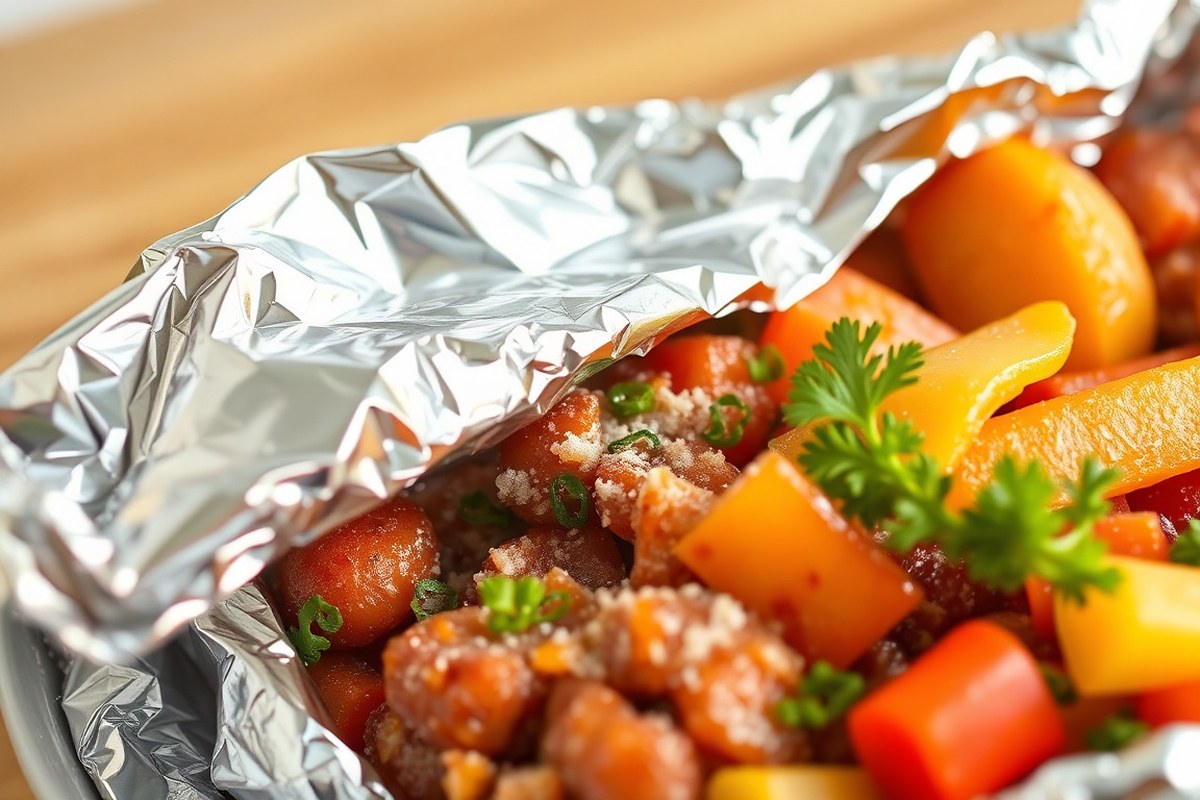
Aluminum can transfer from foil to food when the foil touches the food directly. Tiny amounts of aluminum leach into the food, especially if the food is acidic or salty. Acidic foods like tomatoes cause more aluminum to migrate from foil.
Vinegar does the same because it reacts with the foil’s surface. This reaction increases aluminum transfer into your food.
Heat also affects how much aluminum moves into your food. Cooking at high temperatures increases this leaching process. Baking or grilling wrapped in foil raises aluminum levels in food.
This increase is more than what you get from cold storage. Heat causes more aluminum to move into your food. Using heavy-duty foil can slightly reduce the amount, but contact still matters most.
The thin foil layer may stick to the food and get swallowed. Once inside your stomach, aluminum ions react with gastric acid and enter your system. Your body absorbs only a tiny amount of the aluminum you eat.
Typically, it takes in less than 1%. Most aluminum passes through without absorption. The rest passes through your digestive tract.
Most of the aluminum absorbed is eliminated by the kidneys efficiently. Healthy people excrete aluminum quickly in urine, preventing buildup. Repeated high aluminum exposure may raise aluminum levels in your body.
Kidney problems can increase the amount your body keeps. This buildup might cause health issues over time.
Place parchment paper between foil and food to cut down aluminum transfer.
Which Foods and Cooking Methods Increase Aluminum Exposure?
Acidic and salty foods cause more aluminum to leach from foil, especially when heated. Using foil with these foods increases your aluminum exposure. Cooking methods that use high heat, like grilling, make this worse.
Acidic and Salty Foods That React with Foil
Acidic or salty foods can react with aluminum foil. This reaction causes the foil to break down.
This releases tiny amounts of aluminum into the food. Avoid wrapping citrus fruits, tomatoes, or pickles directly in foil.
Here are some common acidic or salty foods to watch out for when using foil:
- Lemons, limes, and other citrus fruits
- Tomatoes and tomato-based sauces
- Vinegar-based dressings or pickled vegetables
- Highly salted meats or fish
- Brined items like olives or sauerkraut
- Foods with soy sauce or salty marinades
Using foil with these foods risks higher aluminum migration into your meal, especially if heated.
Heat Levels and Their Impact on Aluminum Release
High heat speeds up aluminum leaching from foil. Grilling or broiling with direct flames raises the temperature quickly, causing more foil breakdown. Baking at moderate oven temperatures (around 350°F) leads to less aluminum transfer.
Avoid wrapping food in foil on an open flame or grill. Don’t use foil to line pans on broilers or near heating elements. Instead, bake in foil at lower heat or use alternatives like parchment paper.
Role of Spices, Marinades, and Cooking Duration
Spices and acidic marinades increase aluminum leaching from foil, especially when heated. Ingredients like chili powder, vinegar, and lemon juice make foil react faster. Marinades that combine salt and acid are even more reactive.
Longer cooking times raise aluminum exposure too. The longer foil touches acidic, salty, or spicy foods, the more aluminum gets into your food.
Heat increases this transfer. Keep cooking times short when using foil with sensitive foods or switch to safer wrap options.
Who Is More Vulnerable to Aluminum Risks?
People with kidney problems should be extra careful around aluminum. Your kidneys help remove aluminum from your body. When kidney function is weak, aluminum can build up and cause harm.
Bone diseases like osteoporosis also increase risk. Aluminum may affect bone strength and calcium balance. This makes bones more fragile in those already struggling with bone issues.
Children face higher risks too. Their bodies are still developing.
So aluminum exposure can affect their brain and bone growth. Limiting aluminum contact, especially through food or cooking, helps keep them safer.
To protect these groups, avoid cooking acidic or salty foods in aluminum foil. Acidic foods cause more aluminum to leach into meals. Using alternatives like parchment paper or glass containers can help lower exposure.
Even for healthy adults, don’t overuse foil on high heat. Aluminum amounts leached depend on temperature and cooking time. Staying moderate reduces the chance of excess intake, especially for sensitive individuals.
Check with a doctor if you or a family member has kidney or bone conditions. They can advise how much aluminum exposure is safe based on your health. Staying aware and using foil wisely limits risks without giving up the convenience.
How to Use Aluminum Foil Safely in Cooking
Use aluminum foil carefully to limit aluminum getting into your food. Avoid acidic or salty foods touching foil directly. Use parchment paper between food and foil to reduce contact and lower risk.
Avoid Wrapping Acidic or Salty Foods Directly
Acidic foods like tomatoes, citrus, and vinegar can increase aluminum leaching. Salty foods also speed up this process by breaking down the foil’s surface. Avoid wrapping these foods directly in foil, especially for long cooking or storage.
Long-term storage of acidic or salty items in foil containers is not recommended. Instead, use glass or ceramic containers when saving leftovers. Cooking acidic foods in foil is safer only if short, under 30 minutes.
It’s still not the best choice for cooking. Try other cookware for better results.
Use Parchment Paper as a Protective Layer
Placing parchment paper between the foil and food creates a barrier. This stops direct contact and lowers aluminum exposure. It’s an easy step that adds almost no extra cost or time.
For example, wrap fish or spicy dishes in foil to bake. First, place a sheet of parchment on the foil. This protects the food from direct contact with foil.
Then wrap the food with foil over that. This also prevents sticking and makes cleanup easier.
- Cut parchment to fit inside foil wrap area
- Place food on parchment, not directly on foil
- Use heavy-duty foil over parchment for better heat protection
- Use parchment only once; discard after cooking
- Keep foil loosely wrapped, avoid tight presses
Choose Heavy-Duty Foil for High-Heat Cooking
Thicker heavy-duty foil withstands high heat better and leaches less aluminum. Regular thin foil can tear or break down faster under heat. Choose heavy-duty foil when grilling or baking above 400°F (204°C).
This kind costs a bit more but lasts longer than regular foil. It also lowers the chance of foil breaking into food.
You get better durability and safety with this type. Look for labels like “heavy-duty” or “extra heavy” when buying foil to ensure better durability.
Don’t Place Foil Directly on Open Flames or Broilers
Direct contact with open flames or broiler elements heats foil unevenly and can cause fumes. Do not let aluminum foil touch bare flame or heating coils. This prevents foil burning or melting, which could contaminate your food.
Use a pan or tray under the foil to protect it in the oven. Keep foil away from the edges of the broiler to avoid hotspots. This also stops foil from catching fire or breaking apart.
Always avoid foil touching acidic foods or direct flames to keep cooking safe.
Comparison of Aluminum Foil Types and Alternatives
Heavy-duty aluminum foil is thicker than regular foil and offers a bit more protection when cooking. Some foils have coatings that reduce aluminum contact. There are also several non-aluminum options that lower your aluminum exposure while wrapping or cooking food.
Regular Aluminum Foil Characteristics
Regular aluminum foil is about 0.006 millimeters thick, thinner than a human hair. This thin foil tears easily but is flexible for most kitchen tasks. It releases small amounts of aluminum if food is acidic or cooked at high heat.
This foil is cheap and widely available. It’s best for low-heat cooking or food storage when you want minimal material. High temperatures or repeated reuse can increase aluminum transfer.
Heavy-Duty and Coated Foil Benefits
Heavy-duty foil is twice as thick, around 0.012 millimeters, making it stronger and harder to tear. This thickness lowers the chance of foil holes that let heat or juices escape. It also handles longer cooking times better without breaking down.
Some heavy-duty foils have nonstick or coated layers to reduce direct foil-to-food contact. These coatings can help limit aluminum exposure but might raise cost. Reusing heavy-duty foil is easier since it holds up longer.
Non-Aluminum Alternatives and Their Uses
Alternatives include parchment paper, silicone mats, glass, and stainless steel containers. Parchment paper withstands oven heat up to 420°F and doesn’t leach aluminum. Silicone mats are reusable and heat safe to about 480°F.
Glass and stainless steel don’t add any aluminum to food. They suit baking or storage but aren’t flexible for wrapping. Switching to these options reduces aluminum exposure but may need different cooking methods.
Here’s a table comparing common foil types and alternatives on key factors:
| Material | Thickness (mm) | Reusable | Aluminum Exposure | Max Temperature (°F) | Typical Cost per Roll or Unit |
|---|---|---|---|---|---|
| Regular Aluminum Foil | 0.006 | No | Low to moderate | 400, 450 (varies) | $0.50 per 10 sq ft |
| Heavy-Duty Aluminum Foil | 0.012 | Limited | Lower than regular foil | 450, 500 | $1.00 per 10 sq ft |
| Coated/Nonstick Foil | 0.010, 0.012 | Limited | Lowest aluminum contact | 400, 450 | $1.20 per 10 sq ft |
| Parchment Paper | Thin sheet | No (single-use) | None | Up to 420 | $0.20 per 10 sq ft |
| Silicone Mat | 2, 3 mm | Yes (100+ uses) | None | Up to 480 | $15, 20 each |
| Glass or Stainless Steel | Varies | Yes | None | Oven safe (varies by product) | $10, 30 per item |
Choosing heavy-duty or coated foil can reduce aluminum leaching. Still, using parchment paper or silicone mats cuts it out entirely. Glass and stainless steel work well for baking or storing without any foil.
Calculating Your Aluminum Exposure from Foil Use
Your aluminum intake from foil depends on how much foil touches your food. Studies show leaching ranges from 0.1 to 0.4 milligrams of aluminum per gram of food when cooked in foil. To estimate intake, weigh the portion wrapped and multiply by the leaching factor.
A 200-gram baked potato wrapped in foil may release aluminum. It can release up to 80 milligrams of aluminum. That’s based on a leaching rate of 0.4 mg per gram.4 mg/g).
The World Health Organization says 2 milligrams per kilogram is safe. This limit is for daily aluminum intake per body weight. For a 70-kilogram adult, that’s about 140 milligrams per day.
Eating one foil-wrapped potato with 80 mg aluminum is under the limit. But it still counts as a large portion of your daily limit. You’d want to consider other aluminum sources throughout the day to avoid exceeding the safe intake.
Cooking time and acidity affect aluminum release. Acidic foods like tomatoes or citrus increase leaching, sometimes doubling intake.
So, wrapping a lemon-baked chicken might release closer to 0.8 milligrams per gram, doubling your intake compared to neutral foods. Wrapping foods briefly or using foil only as a cover reduces the chance of aluminum transfer.
You can safely use foil daily if you vary your cooking methods. Avoid wrapping acid-rich or salty foods directly in foil for long periods. For example, limiting foil use to simple baking without direct food contact cuts aluminum exposure significantly.
Over weeks, the body handles small aluminum amounts well. But habitual high intake could add up, especially in vulnerable individuals.
Aluminum is found in many foods and drinks, not just foil. This makes tracking your exact intake difficult. You can estimate aluminum intake by multiplying food weight by leaching rate.
This rough total helps you monitor your consumption better. Try other cooking methods if you wrap food in foil often. Limit foil-wrapped meals to stay safely under the WHO aluminum limit.
Common Myths and Misconceptions About Aluminum Foil
Many ask if aluminum foil causes cancer. Studies find no clear connection between foil and cancer. The Aluminum Association says blaming foil is like blaming cigarette wrap, not the harmful chemicals inside cigarettes.
Concerns about aluminum poisoning from foil are also common. However, aluminum poisoning is rare and usually happens only in extreme cases. Most people get only a tiny amount of aluminum from foil.
This amount is much less than from food additives or medicines. Your body naturally handles small amounts of aluminum safely.
Your kidneys play a key role in clearing aluminum from your body. People with normal kidney function can safely remove aluminum without problems. People with kidney disease may struggle to remove aluminum from their body.
They should avoid too much aluminum exposure. That’s why the biggest health risk comes from high aluminum intake combined with poor kidney function.
When you cook with aluminum foil, a small amount can leach into acidic or spicy foods. This amount is usually very low and stays far below safety limits set by health agencies. You can lower aluminum intake by avoiding foil with acidic foods.
Also, don’t cook at very high temperatures for long times in foil. This helps keep aluminum levels in check without giving up foil altogether.
Use parchment paper between acidic foods and aluminum foil to reduce aluminum transfer.
Because normal kidneys clear aluminum well, foil use isn’t a health risk for most people. Worries about cancer or poisoning from everyday foil use don’t match scientific facts. Keep an eye on your kidney health.
Skip foil with acidic foods when you can. This keeps you safe without changing your cooking much.
Step-by-Step Action Plan for Safe Aluminum Foil Use
Follow these steps to reduce aluminum exposure when using foil. You’ll see results by protecting your health and keeping food safe.
- Before you start: Choose heavy-duty or non-stick foil to limit food contact. This shows less foil sticks to the food.
- Day 1: Avoid wrapping acidic or salty foods directly in foil. After cooking, check that food surfaces stayed clean and not shiny or pitted.
- Week 1: Use foil only for short cooking times and lower temperatures under 400°F (about 200°C). Food should stay moist and not burn.
- Week 2: Swap foil with glass lids, parchment paper, or ceramic when possible. See if food taste and texture stay just as good.
- After 3 weeks: Avoid reusing the same foil sheet to prevent buildup of aluminum particles. Use fresh sheets and feel confident in your routine.
- Ongoing: Wash hands and cooking surfaces frequently to reduce any aluminum dust around your kitchen. Keep your foil stored in a dry place.
- Monthly check: Review your foil use and food types. Notice if you cook less with foil or use safer alternatives more often.
Frequently Asked Questions
Can Aluminum Foil Cause Alzheimer’s Disease?
Current research does not prove a clear link between aluminum foil and Alzheimer’s. The amount of aluminum absorbed from foil is very low compared to other sources.
Does Aluminum Foil Affect the Taste of Food?
Aluminum foil can sometimes give a slight metallic taste to food. This happens when acidic or spicy food reacts with the foil’s surface.
Is Aluminum Foil Safe for Microwaves?
Do not use aluminum foil in the microwave as it can cause sparks. Use microwave-safe containers instead to avoid fire hazards.
Can Aluminum Foil Cause Skin Irritation or Allergies?
Aluminum foil rarely causes skin reactions or allergies. People sensitive to metals should handle it carefully but most can use it fine.
Is There a Difference in Safety Between Shiny and Dull Sides of Aluminum Foil?
Both sides of aluminum foil are made from the same material and are equally safe. Use either side based on preference, not safety.
Does Recycling Aluminum Foil Remove the Health Risks Associated with It?
Recycling foil does not affect health risks since those relate to direct contact when cooking. Recycling helps environment but not safety during use.
Key Points to Remember
Using aluminum foil safely means lower health risks and tasty meals. Start by adjusting your cooking methods and foil choices. Keep learning about safe kitchen habits to protect yourself and your family.