What Shampoo Helps Hair Grow: 12 Proven Tips and Top Products That Work
What shampoo helps hair grow depends on ingredients that nourish the scalp and strengthen strands. Look for shampoos with proven growth boosters and scalp-friendly formulas. These shampoos usually improve hair health, reduce breakage, and support new growth over time.
Many effective shampoos contain things like zinc pyrithione, biotin, or caffeine to encourage growth. These ingredients work by improving blood flow to hair roots or reducing scalp inflammation. Start by choosing shampoos tailored to your hair type and problems for the best results.
Don’t expect quick changes since hair grows about half an inch each month. Consistent use over weeks is key to seeing any real difference. Also, keep your scalp clean and hydrated, as healthy scalp conditions help shampoos work better.
Key Takeaways
- Choose shampoos with key ingredients like zinc pyrithione and biotin for hair growth.
- Match shampoo type to your hair texture and scalp condition for effectiveness.
- Use hair growth shampoos consistently for at least 8 to 12 weeks to see results.
- Maintain scalp health by keeping it hydrated and free from dandruff or buildup.
- Avoid shampoos with harsh sulfates that can dry out hair and scalp.
- Consider shampoos that strengthen hair to reduce breakage and promote thickness.
1. Which Shampoo Helps Hair Grow and How Do They Work?

No shampoo by itself can directly make your hair grow faster. The one exception is products containing minoxidil, like Rogaine. Minoxidil is the only FDA-approved topical ingredient for hair growth.
It helps stimulate hair follicles. Both men and women can use it.
Most hair growth shampoos work differently. They focus on nourishing your scalp and hair strands.
Ingredients like caffeine, biotin, and peptides improve scalp health and reduce breakage. This creates a better environment for hair to grow steadily over time.
Some shampoos include zinc pyrithione or rosemary extract. These help reduce dandruff and inflammation, which block hair growth when severe.
Others include saw palmetto, thought to lower DHT, a hormone linked to hair thinning. Such shampoos support growth but don’t cause new hair roots to form.
Clinical results show shampoos with these supportive ingredients often reduce hair fall. For example, Nioxin shampoo users reported less shedding after 12 weeks.
Still, visible new growth takes longer. Healthy hair grows about half an inch per month, so expect slow changes.
You can combine hair growth shampoos with minoxidil treatments for stronger effects. Shampoos clean and prep the scalp to help minoxidil soak in better. Shampoos without minoxidil usually don’t boost growth much.
This is true if hair loss is advanced. Hormones can also limit shampoo effects.
Budget choices like Pantene Grow Strong have good ingredients. Umberto Giannini Grow Root Shampoo helps strengthen hair too. Both stimulate the scalp gently.
Premium choices may include biomimetic peptides and hyaluronic acid for hydration. Prices usually range from $8 to $20 per bottle.
Each bottle lasts one to two months. How long depends on how often you use it.
2. Key Ingredients That Stimulate Hair Growth in Shampoos
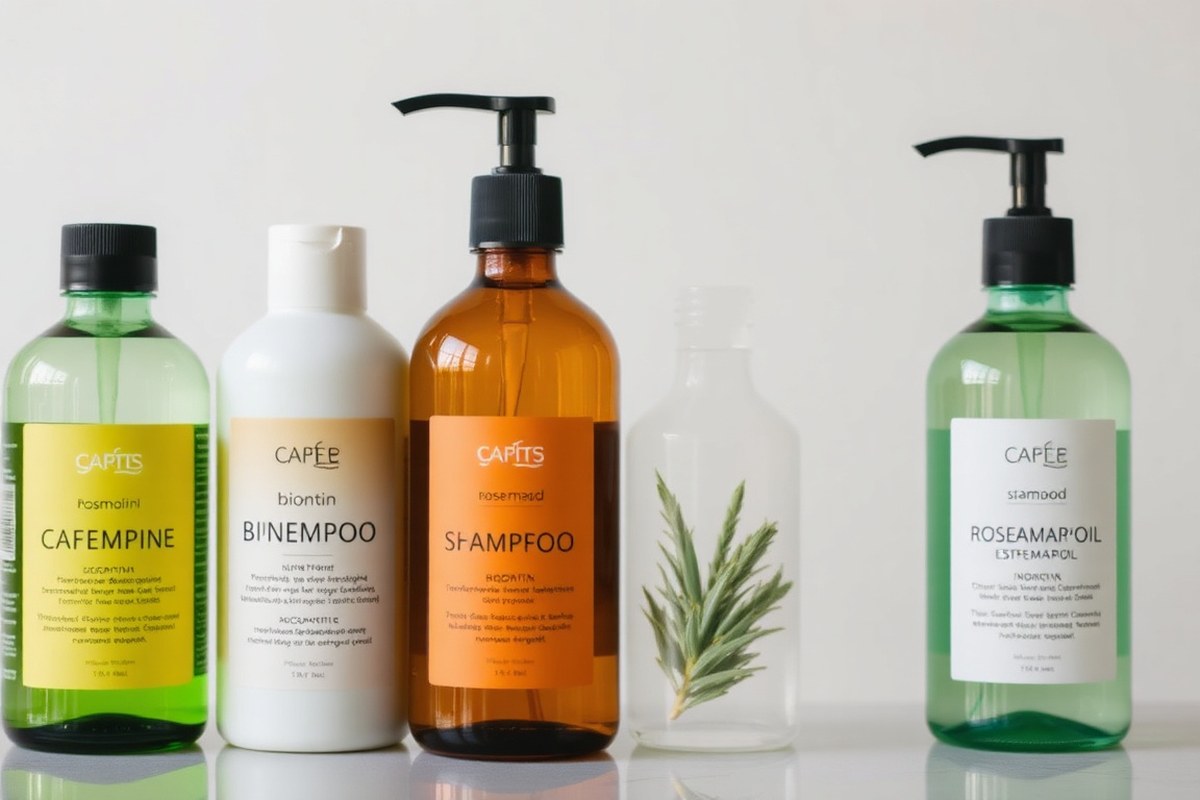
Shampoos that help hair grow often include ingredients that stimulate hair follicles and nourish the scalp. Key active ingredients like biotin, caffeine, and zinc pyrithione show potential benefits. Combining these ingredients may improve hair thickness and reduce shedding with consistent use.
Biotin and Vitamin B Complex
Biotin, a B vitamin, supports keratin production for stronger hair strands. It helps reduce breakage and promotes thicker, fuller hair over time. Many shampoos include biotin alongside other B vitamins to nourish the scalp and hair roots.
Vitamin B complex improves blood flow to hair follicles, encouraging growth. The vitamins feed the scalp for a healthier environment where hair can grow. Look for shampoos that combine biotin with vitamin B5 or niacinamide for better results.
While biotin supplements are popular, shampoos deliver smaller doses directly to your scalp. Consistent shampooing with biotin can keep your follicles nourished without needing high oral doses. Remember, results appear gradually and require regular use.
Caffeine and Plant Extracts
Caffeine can stimulate hair follicles when applied topically to your scalp. It counteracts the effects of DHT, a hormone linked to hair loss. Shampoos with caffeine may help prolong the hair growth phase, leading to fuller hair.
Plant extracts like saw palmetto and green tea also reduce DHT and soothe the scalp. They have anti-inflammatory properties that create a healthier scalp environment. Ingredients such as peppermint and rosemary oil boost circulation, helping nourish follicles further.
Combining caffeine with these natural extracts can improve hair growth benefits. Look for shampoos blending caffeine, saw palmetto, and green tea for a more complete formula. These ingredients work best with patience and daily use over several months.
Zinc Pyrithione and Anti-Dandruff Agents
Zinc pyrithione fights scalp irritation and dandruff, common issues that stunt hair growth. By reducing inflammation and flakiness, it creates a healthier scalp for follicles. Many hair growth shampoos include zinc pyrithione to keep your scalp balanced.
Other anti-dandruff ingredients like ketoconazole help stop fungal infections. These infections can cause hair loss. Stopping them supports hair growth.
These ingredients reduce irritation which may trigger hair thinning. Keeping your scalp clean and calm helps follicles stay healthy and active.
Shampoos with zinc pyrithione and biotin help hair get stronger. They also stimulate hair follicles. Using both can boost these benefits.
These formulas suit people struggling with itchy or flaky scalps along with hair thinning. Consistent care is key to seeing progress with these active ingredients.
Look closely at shampoo labels before buying. Avoid shampoos with harsh sulfates. These can dry out your scalp and hair.
3. How Long Does It Take to See Hair Growth from Using Shampoo?
Hair growth shampoos usually take several weeks to a few months before you notice any difference. A typical timeline to expect visible changes is around three months of regular use.
The shampoo helps protect follicles and improve scalp health. But hair growth itself is a slow process.
Shampoo alone can’t regrow thinning hair or reverse genetic hair loss. It mainly slows down shedding and makes hair look fuller by improving scalp condition. For best results, some people pair shampoo with serums or other treatments designed to boost growth.
Look for signs like reduced hair fall during washing and fuller texture over time. If your hair still thins after three months, the shampoo is likely not effective for your situation. Factors like your hair loss cause, overall health, and nutrition influence how well shampoos work.
4. How Scalp Health Impacts Hair Growth and Shampoo Effectiveness
Healthy hair needs a healthy scalp. Problems like dryness, irritation, dandruff, or clogged follicles can slow hair growth or cause hair loss. A shampoo that targets scalp health helps by moisturizing, reducing inflammation, and clearing buildup.
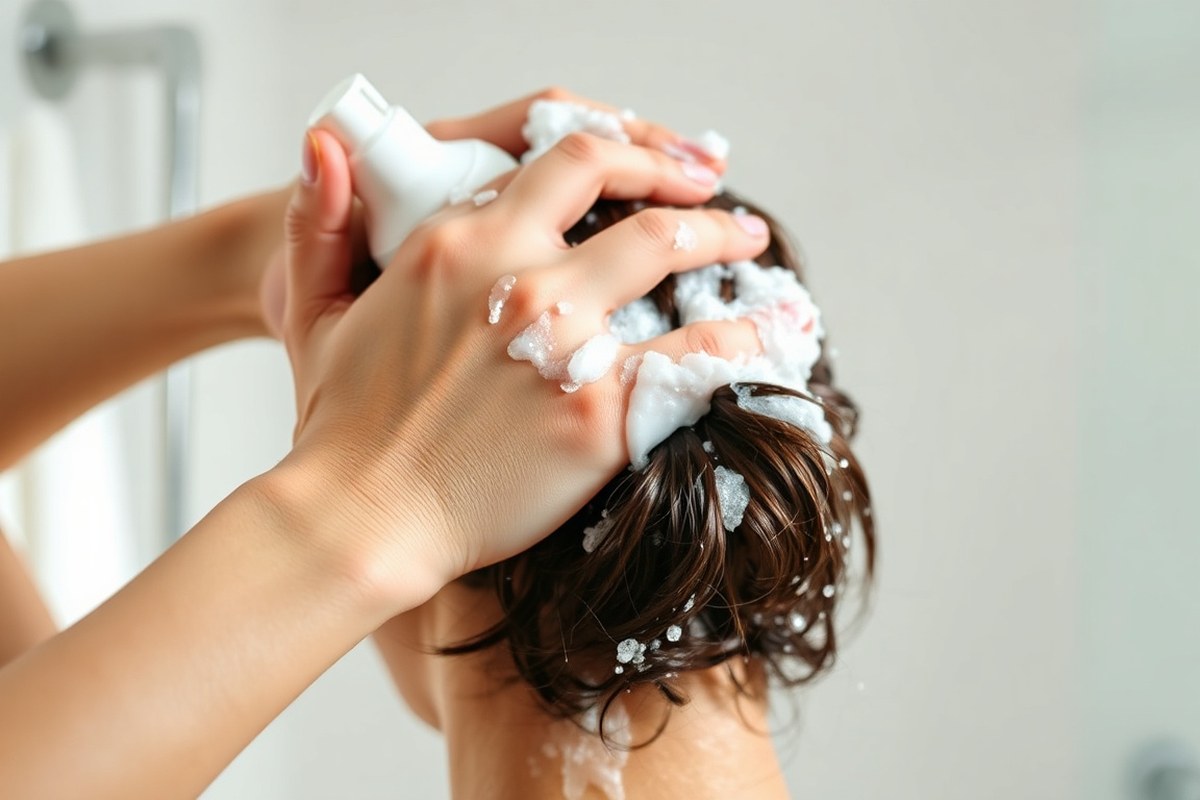
To keep your scalp clean and healthy, wash it gently but regularly. Use 1 to 2 pumps of shampoo. Massage it evenly into wet hair and scalp.
Do this for about 30 seconds. Rinse well to remove residue, which can block hair follicles and stop new hairs from growing.
Shampoos with ingredients like tea tree oil, rosemary oil, or hyaluronic acid improve scalp health. Tea tree oil fights scalp microbes and eases itching.
Rosemary oil can boost scalp blood flow, which supports hair growth. Hyaluronic acid keeps your scalp hydrated to prevent dryness.
Some scalp issues like inflammation or dandruff need special care. Your scalp feels sore, flaky, or oily.
Choose a shampoo made for your condition. Avoid harsh cleansers that strip natural oils, as they can make scalp problems worse.
Using a hair growth shampoo daily is usually safe if it suits your scalp type. Stick to gentle formulas with proven ingredients and avoid over-washing.
Over-washing can dry out your scalp and damage existing hair. So washing every other day often works better.
Improving scalp health takes time. You might not see new hair immediately. But better scalp condition supports stronger, fuller hair over months.
Pair shampoos with scalp massages using oils like jojoba or rosemary for extra benefits. These steps create a good environment that helps hair grow naturally.
5. Best Shampoos for Hair Types and Specific Hair Concerns
Choosing the right shampoo depends on your hair type and main concerns. For thinning hair, options with biotin or caffeine help strengthen strands and reduce shedding. Those with breakage need shampoos with moisturizing ingredients.
These help smooth cuticles. They also lock in hydration.
Dandruff can worsen hair thinning by irritating the scalp. Shampoos containing zinc pyrithione or ketoconazole are effective for controlling flakes and supporting hair retention. You can find shampoos that add volume instantly.
They make hair look fuller. They improve scalp health over time.
| Hair Type / Concern | Recommended Shampoo | Key Features | Size & Price |
|---|---|---|---|
| Thinning Hair | Caviar Anti-Aging Multiplying Shampoo | Contains omega-3, reduces breakage, restores moisture | 8.5 oz, around $50 |
| Breakage | Shampoo with Edelweiss and Ginger Root | Strengthens strands, prevents breakage, nourishes | 10 oz, about $25 |
| Dandruff & Thinning | Aveda Exfoliating Shampoo | Deflakes scalp, thickening ingredients, gentle cleansing | 8.5 oz, roughly $30 |
| Postpartum Shedding | Biotin-Enriched Moisturizing Shampoo | Moisturizes scalp, reduces shedding, strengthens hair | 12 oz, near $20 |
| General Fullness & Volume | Shampoo with Peptides & Rosemary Oil | Nourishes scalp, adds shine, boosts volume | 9 oz, about $28 |
Look for shampoos that avoid harsh surfactants and parabens. The first five ingredients usually make up 97% of the formula. So choose those focused on nourishing actives.
Regular use of these shampoos can keep hair thicker. They help hair look fuller. They also slow thinning from age or hormones.
Shampoos with ketoconazole help reduce sensitivity to DHT, which promotes hair retention. Adding conditioners alongside shampoos smooths the hair cuticle and limits breakage. Consistent use for several months is needed to see noticeable changes in thickness and length retention.
Always follow the label instructions carefully when using new shampoos. Consult your dermatologist first. This is important for scalp or hair issues.
6. How to Choose the Right Hair Growth Shampoo for Your Needs
Pick shampoos that suit your hair type and growth goals. Look for clear ingredient lists and check if the shampoo suits colored or sensitive hair. Avoid products with harsh sulfates.
Too much fragrance can bother your scalp. These can also harm thin hair.
Budget matters but doesn’t mean you need to settle for less. Shampoos range from $5 to $50 per bottle. Cheaper options often hydrate well and keep hair healthy.
Pricier labels may include special growth-boosting compounds. Balance cost against ingredient quality and user reviews.
- Check if it has biotin, caffeine, or saw palmetto for growth support
- Avoid sulfates like sodium lauryl sulfate if you have color-treated hair
- Look for products labeled safe for dyed or chemically treated hair
- Review customer feedback for real growth and scalp improvement claims
- Ignore vague promises like “miracle growth” with no listed ingredients
- Match shampoo moisture level to your hair’s natural oiliness
- Consider shampoos tested by dermatologists to reduce scalp irritation
Steer clear of shampoos that boast dramatic overnight results or rely heavily on fillers. These products often disappoint or cause dryness.
Checking if the brand discloses clinical studies or dermatologist backing helps spot legit options. Also, be cautious of shampoos making broad claims without naming active ingredients.
Use online reviews but watch for repeated complaints about shedding or scalp redness. These could signal a mismatch or a problem ingredient for you. Fast results may come from products that gently stimulate follicles.
They can speed up hair growth. Your choice depends on your hair condition, patience, and budget constraints.
7. Proper Shampoo Use to Maximize Hair Growth Benefits
To get the best results from your hair growth shampoo, wash your hair right. Follow a routine that focuses on scalp stimulation, gentle cleansing, and proper conditioning. Avoid rushing and harsh scrubbing that can irritate your scalp or dry out your hair.
Step 1: Choose the Right Water Temperature
Start washing your hair with warm water, not hot. Warm water opens your hair cuticles and loosens dirt without stripping natural oils.
This setup gets your scalp ready to soak up shampoo ingredients. These ingredients help deliver nutrients straight to your hair roots.
Hot water can dry the scalp and harm hair growth. Cold water won’t clean well.
Step 2: Apply Shampoo and Massage Scalp
Use about a quarter-size amount of shampoo on your palm. Spread it evenly on your scalp and hair roots.
Massage gently with your fingertips for around two minutes. This boosts blood flow and helps the shampoo soak into your scalp for better effect.
Avoid your nails as digging can damage skin and cause irritation. Massage is key since hair growth depends on a healthy, oxygen-rich scalp.
Step 3: Rinse Thoroughly and Repeat If Needed
Rinse your scalp completely with warm water, removing all shampoo residue. Leftover shampoo can clog follicles and slow growth.
When your hair is very oily or dirty, shampoo one more time. Two washes ensure deep cleansing for products that fight DHT or promote hair volume.
Make sure rinsing is gentle. Heavy water pressure can irritate your scalp or tangle your hair.
Step 4: Use Conditioner Appropriately
Apply conditioner from mid-length to ends; keep it off the scalp. Conditioner moisturizes and detangles hair without weighing down follicles.
Let it sit for 2 to 3 minutes before rinsing with cool water. Cool water helps close hair cuticles and seals moisture in strands, improving shine and strength.
Step 5: Dry Hair Gently
Pat your hair dry using a soft towel instead of rubbing it harshly. Rubbing can cause breakage and split ends, which interfere with growth progress.
Letting hair air-dry is ideal to reduce heat damage. Use a blow dryer on low heat only. Hold it six inches or more from your scalp.
- Use warm water to wet your hair thoroughly.
- Apply a quarter-size amount of shampoo to your scalp.
- Massage your scalp gently for 1 to 2 minutes.
- Rinse shampoo completely with warm water.
- Repeat shampoo if hair is very oily or dirty.
- Apply conditioner only from mid-length to the ends.
- Rinse conditioner out with cool water after 2 to 3 minutes.
- Gently pat hair dry; avoid rough towel rubbing.
8. Lifestyle Factors That Influence Shampoo Effectiveness on Hair Growth
Your diet plays a big role in how well shampoo works for hair growth. Nutrients like biotin, zinc, iron, and vitamins A, C, D, and E help build strong hair. You’ll want to eat foods like eggs, nuts, spinach, and sweet potatoes.
These support hair health from the inside out. Without good nutrition, shampoo alone can’t fix thinning hair.
Stress creates oxidative stress in your body, which can slow hair growth or cause hair loss. Chronic stress also disrupts hormones that regulate hair health. Getting enough sleep, about 7 to 9 hours per night, is important.
Sleep helps scalp cells recover and grow new hair. High stress and poor sleep can make your shampoo less effective and slow down visible results.
Good hair habits matter. Washing hair regularly prevents scalp buildup, letting your shampoo do its job. Avoid harsh chemicals or too hot water, which dry out hair and scalp.
Pair shampoo with a balanced diet and stress management like meditation or light exercise. This combo helps your hair grow stronger and look healthier over several months.
Consistent shampoo use won’t help much without a healthy diet and good sleep habits.
9. Safety Considerations and Side Effects of Hair Growth Shampoos
Using hair growth shampoos daily is usually safe. Choose one that suits your scalp well. This helps avoid problems.
Avoid harsh shampoos that strip your natural oils. Washing too much can dry out your scalp.
This may cause irritation. Choose shampoos with moisturizing ingredients or oil-based formulas to keep your scalp balanced and healthy.
Some people may experience side effects like redness, itching, or flaking after using hair growth shampoos. These reactions often come from allergies or sensitivity to certain ingredients. Stop using the shampoo right away if you notice burning or significant irritation.
Sometimes, a mild side effect fades after a few uses. But ongoing discomfort means the shampoo isn’t right for you.
To prevent reactions, test new shampoos on a small skin patch first. Apply a small drop behind your ear or on your wrist. Wait 24 to 48 hours before full use.
Watch for swelling, irritation, or redness on your skin. Stop if you see any.
- Check ingredients for known allergies before buying
- Use a small amount at first to see how your scalp reacts
- Wash hair every other day to avoid dryness and irritation
- Choose shampoos with gentle, moisturizing formulas
- Stop use if scalp burns, itches intensely, or peels
- Consult a doctor if allergic reactions worsen or spread
Oil-based shampoos can help if your scalp feels dry or sensitive. They moisturize the scalp while supporting hair growth without stripping oils. Choose shampoos that boost circulation and remove buildup.
This keeps your scalp clean but healthy. Balance is key for hair growth. Keep in mind, hair growth shampoos work best with a healthy scalp and careful use.
10. Hair Loss Causes and When Shampoo Alone Isn’t Enough
Hair loss can happen for many reasons besides scalp health. Hormonal changes, genetics, stress, and certain medical conditions all play a part. Nutritional deficiencies and medications can also cause thinning hair and slow growth.
Shampoo alone rarely fixes hair loss that comes from inside your body. Shampoos mainly support scalp health and reduce breakage. They clean and nourish but don’t reach deep into hair follicles where growth happens.
Rapid or patchy hair loss that worsens over months needs a doctor visit. They can check for conditions like thyroid problems or alopecia. A healthcare provider can also suggest advanced treatments like laser therapy or platelet-rich plasma injections.
A simple way to decide on treatment is to watch your hair pattern and timeline. Your hair thins slowly? Use gentle, sulfate-free shampoo with growth ingredients.
Sudden hair loss or bald spots need more than shampoo care. Scalp irritation is also a warning sign. See a doctor to find the cause.
Medical advice costs vary widely depending on tests and treatments. Basic doctor visits might start around $100.
Laser or PRP therapies can run several hundred dollars per session. These options require multiple treatments over months before you see changes.
Good shampoo results take three to six months to show. You should stop hair loss and see new hairs grow.
Patience is key because hair grows about half an inch monthly. Using the right shampoo supports the process but does not replace medical care when needed.
11. How Shampoos Work Differently for Men and Women
Shampoos do work differently for men and women because of hormonal and biological differences. Men tend to lose hair due to sensitivity to DHT.
Women usually experience overall thinning. Shampoos should match these patterns and hormone effects for better results.
Male Pattern Hair Loss and Shampoo Use
Male hair loss often follows a clear pattern called androgenic alopecia. By age 50, about 85% of men experience some hair loss. This happens because DHT shrinks hair follicles, making hairs thinner and shorter.
Shampoos for men target DHT by including ingredients like ketoconazole or saw palmetto. These help reduce scalp DHT and support thicker hair growth. Using these shampoos regularly, at least twice a week, can slow hair loss over months.
Not all shampoos work for male pattern loss. So look for products labeled for men with DHT-blocking ingredients. Avoid harsh cleansers that dry the scalp, as healthy scalp skin supports better growth.
Female Hair Thinning and Targeted Ingredients
Women usually face diffuse thinning instead of bald spots. About 50% of women experience this genetic thinning, often affected by hormonal changes. Their follicles shrink more evenly, causing overall hair volume loss.
Shampoos for women often include ingredients like biotin, caffeine, or niacinamide. These support scalp circulation and strengthen hair strands. Some may contain lower levels of DHT blockers since female hair loss involves different triggers.
Hormonal shifts from pregnancy, menopause, or stress also worsen thinning. Women may need shampoos combined with topical treatments to see good results. Using gentle, moisturizing shampoos helps avoid scalp irritation common with thinning hair.
Hormonal Influences on Scalp and Hair
Hormones regulate hair growth cycles and scalp oil production. Testosterone converts to DHT in the scalp, triggering male pattern loss. Women’s hormones, like estrogen and progesterone, protect hair to some extent, but imbalances cause shedding.
Shampoos that balance scalp pH and reduce excess oils help maintain a healthier environment. Ingredients such as salicylic acid remove buildup, making hair more responsive to growth agents. Hormonal effects mean shampoos alone may not fully stop hair loss.
Combining shampoo with lifestyle changes or medical treatments can improve outcomes. Using the right shampoo for your hair loss type helps.
Matching it to your hormones improves results. Regular use can lead to thicker, fuller hair over months.
Choose shampoos formulated for your sex and hair loss pattern to get the best results.
12. Tracking Progress and Knowing When to Switch or Stop Shampoo
Watch for signs like less hair shedding during washing and brushing. Your hair should feel stronger, smoother, and look fuller in photos over time.
Your scalp might feel healthier, less itchy, or less flaky now. That could mean the shampoo is working as it should.
Try a shampoo for about 8 to 12 weeks before deciding if it’s working. Hair growth happens slowly.
So give it at least two to three months to see visible changes. Stop earlier if you notice irritation, worsening hair loss, or no scalp improvement.
Keep notes or photos to measure hair health improvements. Take a clear picture of your scalp and hairline before you start. Snap identical photos every 3 to 4 weeks with consistent lighting and angles.
- Track hair shedding by counting loose strands on your brush or pillow daily
- Note changes in hair texture: harder breakage or smoother strands
- Observe scalp condition for dryness, redness, or swelling
- Mark dates and shampoo brand in a journal or app
- Record any new hair growth or visible thickening in photos
- List any side effects like itching or flaking
- Compare before and after photos after 8 to 12 weeks
Switch shampoos when you see no change after 12 weeks. Also, change if side effects last more than 1 to 2 weeks.
Choose a product with different key ingredients, like adding biotin or rosemary oil. Those natural ingredients might better support your hair health.
Remember, shampoos mainly thicken and strengthen hair. Combining them with other treatments can improve results more.
Talk to a doctor when hair keeps thinning or breaking. Other treatments might be needed besides shampoos.
Your First 30 Days: A Quick-Start Plan
Follow this plan to start using the right shampoo and see early signs of hair growth.
- Day 1: Choose a shampoo with proven hair growth ingredients like biotin or caffeine. Check for no harsh chemicals.
- Week 1: Wash your hair 2-3 times per week with the shampoo. Use gentle scalp massage for 2 minutes each time.
- Week 2: Add a moisturizing conditioner to prevent dryness. Watch for reduced hair shedding in the shower.
- Week 3: Improve your diet by adding protein and vitamin-rich foods. Notice if your scalp feels healthier and less itchy.
- Week 4: Track hair appearance with photos. Look for thicker strands and less scalp visibility.
- After 4 weeks: Assess if hair shedding has decreased. Keep using the shampoo regularly to continue progress.
- After 8 weeks: Evaluate new growth or stronger hair. If no changes, consider consulting a dermatologist for other options.
Frequently Asked Questions
Can I Use Hair Growth Shampoo Every Day?
Yes, but it depends on your scalp type. Daily use might dry oily scalp, so adjust to how your scalp feels.
Does Shampoo Help Reduce Hair Shedding?
Some shampoos can reduce shedding by improving scalp health. Ingredients like zinc pyrithione help reduce dandruff and irritation.
Can I Use Hair Growth Shampoo on Colored Hair?
Yes, but choose one safe for colored hair. L’Oréal Absolut Repair is a good example that nourishes treated strands.
Will Shampoo Alone Make My Hair Thicker?
Shampoo helps scalp health but won’t alone thicken hair. Use with serums for better results on thinning hair.
Can Shampoo Improve Hair Texture as It Grows?
Yes, shampoos with keratin can improve fullness and smoothness. This makes hair look healthier as it grows.
Is Shampoo Safe to Use with Hair Loss Medications?
Usually yes, but check with your doctor. Some shampoos’ ingredients may interact with treatments like minoxidil.
Key Points to Remember
Shampoos with the right ingredients can support hair growth if you use them properly. Stay patient and consistent with your routine. Start today by picking a shampoo designed for your hair type and goals.