Is Purple Shampoo Bad for Your Hair? Safe Use and Damage Prevention
Is purple shampoo bad for your hair? Not if you use it right.
Purple shampoo can help keep blonde or light hair looking fresh by neutralizing brassy tones. The key is using it in the right amount and frequency.
Applying purple shampoo for 1 to 3 minutes usually works well. But fine or porous hair needs less time. Leaving it on too long can dry out your hair.
Using it every day might make your hair brittle. Both can weaken your hair over time. Start slow and watch how your hair reacts.
Knowing how purple shampoo works helps you avoid damage. It deposits violet pigments that cancel yellow and orange tones in your hair. This keeps blondes cooler and brighter without using harsh chemicals.
Key Takeaways
- Use purple shampoo for 1 to 3 minutes to avoid over-drying hair.
- Fine or porous hair needs even shorter application times.
- Limit purple shampoo use to 1-2 times per week to prevent damage.
- Allow at least 72 hours between uses for healthy hair recovery.
- Leave the shampoo on for no longer than 3-5 minutes maximum.
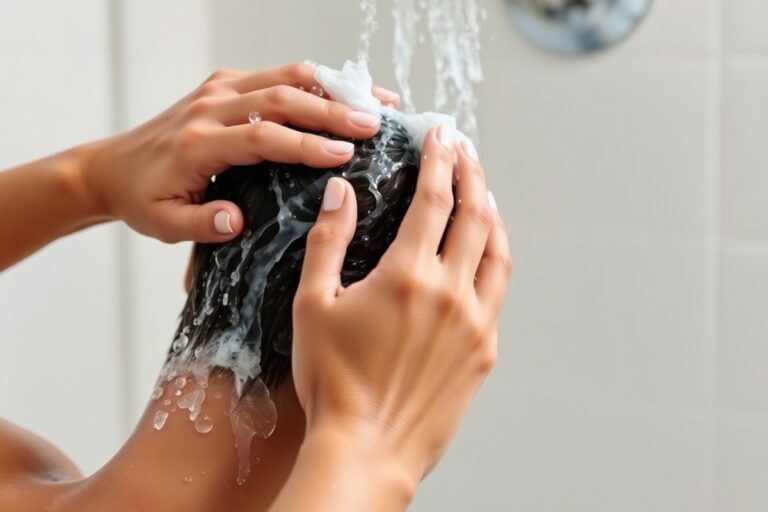
- Massaging shampoo into wet hair helps evenly spread violet pigments.
Is Purple Shampoo Actually Bad for Your Hair?

Purple shampoo can keep your hair from turning brassy without damage. Use it only a little and follow the time limits on the bottle. This helps you avoid problems and protect your hair’s health.
Using purple shampoo every day can dry out your hair and make it rough over time. This happens because some contain sulfates and other chemicals that lift the hair cuticle. When the cuticle lifts too much, your hair gets porous and can feel coarse or fragile.
Light or porous hair needs careful care with purple shampoo. Use it every 10 to 14 days for the safest results. This prevents overdoing the purple toner.
Using purple shampoo less often stops too much purple from staining your hair. Overuse can dull your hair color or leave a stain. Limiting use keeps your hair brighter.
Try washing your hair with purple shampoo for just one or two minutes. This short time helps you check how your hair reacts. You can leave it longer only if your hair handles it well.
Hair breakage is usually from using purple shampoo too much or weak hair. Purple shampoo itself doesn’t cause damage when used properly. Overuse on damaged hair can make things worse.
Hair already fragile from bleach or heat needs extra care with purple shampoo. Using it too often can increase damage and breakage.
Be gentle with treated hair to keep it healthy. Watching your hair’s condition and adjusting how often you use it will help avoid stress.
Purple shampoo is safe with regular use if you space out washes. Rinsing well after shampooing helps protect your hair from pigment buildup. This routine keeps your hair looking fresh and healthy.
Don’t leave purple shampoo on your hair too long. Leaving it too long could tint your hair purple. Follow the timing instructions to avoid unwanted violet shades.
Notice dryness or rough hair after using purple shampoo? Try using it less often or apply a moisturizing conditioner afterward. This helps maintain your hair’s softness and shine.
How Purple Shampoo Works to Neutralize Brassiness
Purple shampoo uses purple pigments to cancel yellow and brassy tones. It works well on blonde or lightened hair. This helps your hair look cooler and less yellow.
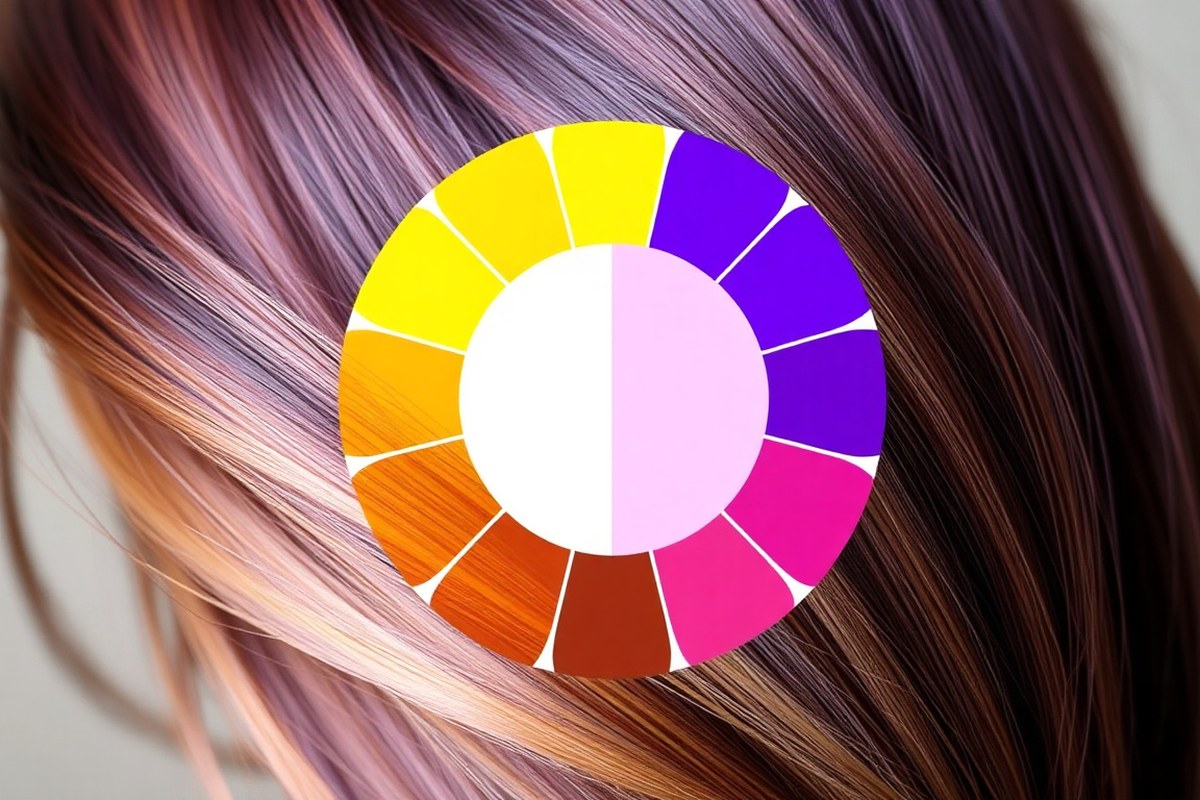
This happens because purple is the opposite of yellow on the color wheel. So the pigments neutralize the unwanted warmth. The shampoo adds a violet tint to the hair strands.
This balances the yellow tones. It cools down unwanted brassiness.
Color Theory and Opposite Colors
The key is understanding the color wheel. Purple sits opposite yellow, meaning they can cancel each other out when mixed. When you use purple shampoo, violet pigments reduce yellow tones.
They do this by neutralizing yellow through complementary colors. This makes yellow less visible.
Yellow and orange appear as warm tones in lightened hair. Purple shampoo targets yellow shades best.
So it helps make brassiness look less intense and more natural. It works less well on deeper orange tones, which need blue pigments instead.
How Pigments Deposit and Neutralize Brassiness
Purple shampoo contains small, violet-colored pigment particles. These pigments stick lightly to the surface of your hair strands during washing.
They don’t bleach or strip your hair color. Instead, they add a temporary color layer that balances yellow tones.
The hair absorbs the shampoo’s violet pigments. It leaves just enough purple to cut brassiness.
This reduces the yellow tones you see. The effect lasts until your next few washes when the pigments gradually wash out.
Simple Color Wheel Diagram Description
Picture a circle where colors form a connected rainbow. Each color sits next to its neighbors. Opposite colors face each other across the circle.
Purple is placed directly across from yellow on this circle. Opposite colors on this circle cancel each other when mixed.
This creates a neutral color like gray or brown. It helps balance unwanted tones in hair.
This is why purple tones reduce yellow tones. When purple shampoo deposits violet pigment onto yellowish hair, the opposing colors dull each other. This balances your hair color and makes brassiness less visible.
Applying Purple Shampoo Correctly
Use purple shampoo every third wash or about once a week to avoid over-toning. Applying too often can lead to a slight purple tint or dry hair from pigment build-up.
Leave the shampoo on your hair for 3 to 5 minutes for best results. Adjust time based on how brassy your hair feels.
Keep in mind purple targets yellow rather than orange tones. Your hair has orange brassiness? Blue shampoo may help more.
Blue cancels orange on the color wheel. This could reduce orange tones better for you.
Limitations and Hair Tone Variations
Purple shampoo works best on blonde, silver, or highlighted hair with yellowish brassiness. On brunette hair, it may not fully neutralize orange tones or brassiness. Purple shampoo on darker hair might leave a light purple shade.
This happens if you leave it on too long. The shade can look gray or purplish.
For very light blonde hair, purple shampoo refreshes cool or ashy shades nicely. Using purple shampoo too often can dry your hair out.
The pigments build up and strip natural oils. This can make your hair feel rough.
Do a patch test before using purple shampoo all over. This checks if it tones brassiness without unwanted color. It helps you avoid surprises later.
How to Use Purple Shampoo Without Damaging Your Hair
You should use purple shampoo about once or twice a week to avoid damage. Applying it for 3 to 5 minutes works well for most hair types. Adjust timing and frequency depending on your hair’s condition and porosity.
Recommended Application Times by Hair Type
Fine or fragile hair benefits from shorter application times, around 2 to 3 minutes. Thick or coarse hair can handle the full 5 minutes for better toning. For normal hair, 3 to 4 minutes offers a good balance between effectiveness and safety.
More porous hair tends to absorb purple dye faster, so shorter times prevent over-toning. Use a timer to avoid guessing, and rinse promptly when time is up. Leaving shampoo on too long might cause dryness or a grayish tint.
Frequency Guidelines for Different Hair Porosity
If your hair is porous or damaged, limit purple shampoo to once weekly. Hair that’s healthy with low porosity might handle two applications per week. Using purple shampoo too often on porous hair risks dryness or color buildup.
Look at your hair’s texture and how it reacts after each use. You can skip purple shampoo every other wash and use a regular, moisturizing shampoo instead. Adjust the frequency based on your hair’s tone and moisture levels.
How to Monitor Hair Response and Adjust Use
Test purple shampoo on a small section before applying it to all your hair. Watch for changes in tone and any increased dryness over a week.
Your hair feels dry or fragile. Cut back on how often you use it.
Some people add conditioner right after rinsing out purple shampoo to help avoid dryness. Tracking changes with photos can help you see progress or problems. Always stop or pause use if you notice unwanted color or texture changes.
Using purple shampoo properly means balancing tone and hair health to avoid damage. Careful timing, spacing out washes, and adjusting for your hair type are key. When in doubt, less frequent use with quality follow-up care keeps hair safe.
- Choose a purple shampoo suitable for your hair type and porosity.
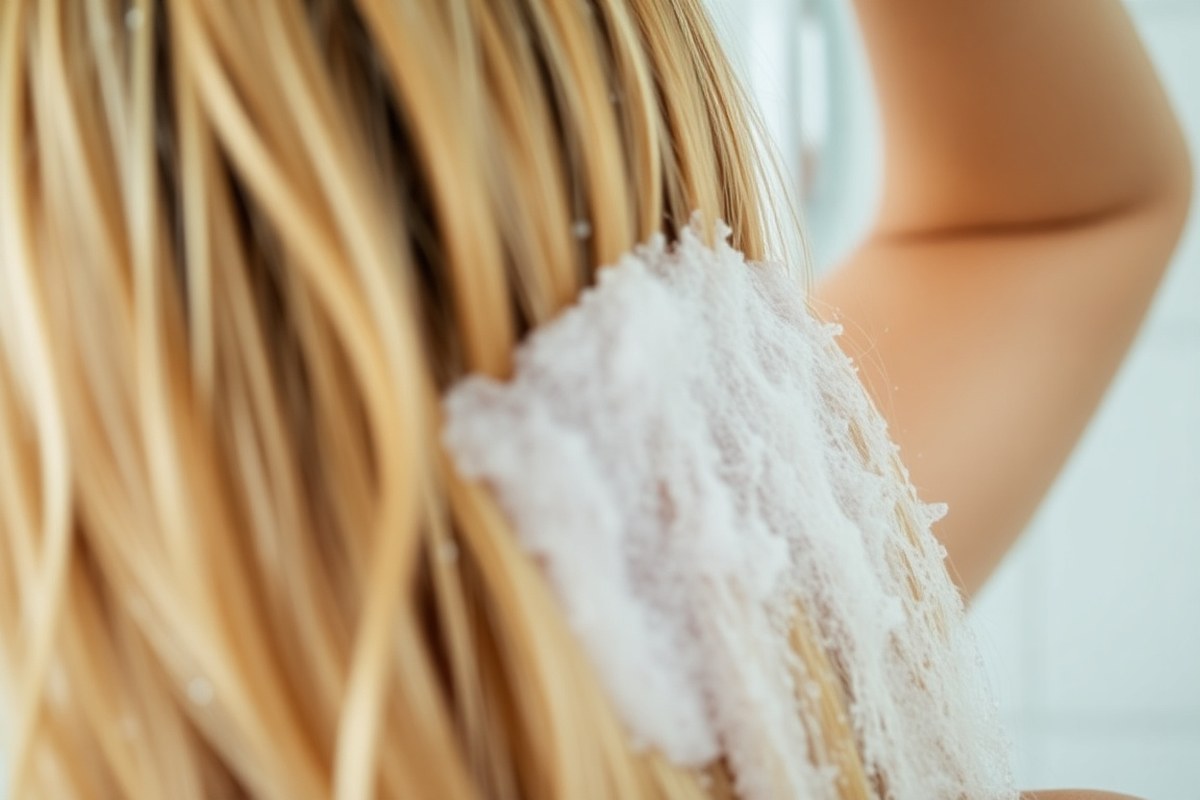
- Apply a small amount to wet hair, focusing on brassy areas.
- Leave purple shampoo in your hair for 3 to 5 minutes. Apply less time for fragile or porous hair. Adjust time based on your hair’s strength.
- Rinse thoroughly and follow with a conditioner to restore moisture.
- Purple shampoo works well one or two times a week. Adjust this based on how your hair responds.
- Test the product on a hidden section before full application.
- Adjust frequency and timing based on your hair’s tone and condition.
Common Signs Purple Shampoo Is Damaging Your Hair
Watching for damage from purple shampoo means noticing dryness, breakage, and odd color shifts early. These signs tell you when to cut back or change your routine. Catching them soon helps keep your hair healthy and looking right.
Dryness and Brittle Texture
Dry, brittle hair feels rough and straw-like. Purple shampoo can strip natural oils if used too much. It happens especially when left on too long.
Use it carefully to avoid dryness. You might notice dryness within a few uses if you shampoo daily.
To check, run your fingers through your hair. Cut back on purple shampoo to twice a week or less.
Watch your hair if it feels stiff or snaps. Adding a deep conditioner can help restore moisture.
Increased Tangling and Breakage
Hair that tangles more than usual could be showing damage from overuse. Dryness makes strands fragile, so they snap when brushed or styled. You might see small broken pieces or split ends after a few weeks.
Stop using the purple shampoo for a while if breakage appears. Use gentle, hydrating shampoos and conditioners instead. Avoid rough towel drying and tight hairstyles to help hair rebuild strength.
Uneven or Unnatural Color Tones
Purple shampoo left on too long can cause color changes. You might see purple, pink, or blue shades. Use it less often to avoid this.
This tone happens when the pigments over-deposit on your hair. It’s easier to spot on light blonde or white hair.
Rinse hair right away if too much purple shampoo is left. Only keep it in for 1 to 3 minutes.
This helps fix unwanted color. Use it once or twice a week to prevent buildup of purple pigments.
Checklist: Signs Purple Shampoo Harms Your Hair
- Your hair feels dry or straw-like after washing.
- More tangles form even after gentle combing.
- You notice breakage or split ends near the scalp or along strands.
- Hair takes on a slight purple, pink, or blue hue.
- Hair feels rough or brittle, breaking when stretched lightly.
- Color looks patchy or uneven after using purple shampoo.
- Scalp feels itchy or irritated soon after shampooing.
Tune in to these clues after each use to avoid long-term damage. Adjust your routine as soon as you spot a few signs.
How to Respond to Early Damage Signs
When you notice damage, pause purple shampoo use. Hydrate hair with conditioners that contain panthenol or glycerin, which restore softness. Deep conditioning treatments once a week can repair dryness from over-toning.
Cut back shampoo frequency to once every 5 to 7 days. Always follow the product’s recommended time on hair, typically no longer than 3 minutes. Grinding down on these limits helps prevent harmful dryness or color mishaps.
Who Should Avoid or Use Purple Shampoo with Caution
Purple shampoo works best on blonde, silver, or highlighted hair. It cancels out yellow and brassy tones by using violet pigments. Your brown, black, red, or dark hair won’t benefit much from purple shampoo.
It might even leave a slight purple tint behind. Avoid using it on these colors unless you want that effect.
People with very dry, damaged, or curly hair might want to use purple shampoo cautiously. Purple shampoos often contain strong pigments and sulfates that can dry out hair further.
Use it only once a week for 3 to 5 minutes, then rinse well. Skip it if your scalp feels irritated, itchy, or sensitive.
Purple shampoo can sometimes work on colored hair that isn’t blonde. It helps if you have light highlights or balayage. Use it carefully on these styles.
But if your dye is darker or vibrant red, purple shampoo won’t help your color. It might even dull your tone.
Wait at least a week after coloring your hair before using purple shampoo. This timing helps protect your fresh dye job from changing.
Scalp conditions like eczema, psoriasis, or dermatitis require special care. Purple shampoo often contains ingredients that could worsen inflammation or dryness. Have a scalp condition?
Test purple shampoo on a small patch of your skin first. This helps avoid irritation.
Stop using it if redness or itching develops. Talking to a dermatologist before adding purple shampoo is a smart choice.
Test purple shampoo on a small hair section or scalp area before full use. Stop immediately if you notice dryness or irritation.
Use purple shampoo carefully for healthier hair and scalp. Avoid overusing it, especially if your hair isn’t blonde or highlighted. Using it too often, or leaving it on too long, can cause dryness and roughness.
One to two times a week for up to five minutes works best for most blondes. Adjust based on how your hair reacts and your hairdresser’s advice.
Risks of Over-Toning and Environmental Factors
Leaving purple shampoo on your hair too long can lead to over-toning. Purple pigments can build up on your hair. This causes an unwanted purple or grayish tint.
It usually happens after repeated use. Leaving purple shampoo on hair over 3 to 5 minutes often leads to this.
It happens more if you shampoo frequently. This causes pigment buildup and discoloration.
Over-toning also makes hair look dull and lifeless. Instead of brightening your blonde or highlighted hair, it can wash out your natural shine. Rinse out purple shampoo after 2 to 3 minutes the first time.
Watch how your hair reacts. You can adjust the time on later washes.
Sun exposure affects how purple shampoo works on your hair by changing hair’s color tone. Constant sun lightens hair and can cause yellow or brassy tones.
Purple shampoo helps neutralize these tones. But strong sun can reduce its effectiveness, requiring more frequent touch-ups.
However, too much sun combined with purple shampoo use can increase hair dryness. UV rays damage hair cuticles.
The shampoo’s cleansing agents might strip oils, worsening dryness. You can guard against this by using a UV protection spray before going outside.
Pollution is another environmental factor that can worsen hair dryness, especially when using purple shampoos. Particles from pollution stick to hair, weighing it down and making it feel rough. Using purple shampoo on polluted hair without rinsing well often leads to more dryness and dullness.
To keep your hair healthy, wash away any pollution before applying purple shampoo. A gentle clarifying wash once a week prevents buildup. Follow up with a conditioner to restore moisture, as purple shampoo itself often lacks hydration.
Ingredients to Watch for in Purple Shampoos
Some purple shampoos include harsh chemicals that can dry out or damage your hair. Ammonia and formaldehyde can hurt your hair strands. They also damage your scalp.
You should avoid products with these chemicals. Purple shampoos rely on violet pigments to tone brassiness. But those with stronger cleansing agents might strip natural oils too much.
Choosing a purple shampoo without sulfates or with gentle surfactants helps protect your hair’s moisture. These gentler formulas use conditioning agents that keep hair soft while slowly toning yellow hues. Stronger pigments deliver quicker toning but might be harsher if used often or on fragile hair.
| Type | Key Ingredients | Benefits | Potential Drawbacks |
|---|---|---|---|
| Sulfate-based | Sodium laureth sulfate, purple pigments | Strong cleansing, effective brassiness removal | Can dry out hair, may cause irritation |
| Sulfate-free | Gentler surfactants, purple pigments, conditioning agents | Less drying, safer for sensitive scalps | May require longer processing time |
| Color-depositing mask | Conditioning base, higher concentration of purple pigments | Deep conditioning, intense toning | Heavier texture |
Look for purple shampoos with added nourishing ingredients like keratin, chamomile, or argan oil. These help support hair strength and softness while toning your color. Avoid harsh chemicals and products that feel drying or stiff after use.
Stronger pigments work quicker on your hair. Using them too much or too long dries hair out. Be careful not to overuse these products.
Spread shampoo evenly and leave it on for only 3 to 5 minutes. Follow with a good conditioner to keep moisture up and protect your hair from brittleness.
Alternatives to Purple Shampoo for Toning and Brassiness
Blue shampoos offer an alternative to purple shampoo for blondes. They work best for neutralizing orange or brassy red tones. Using them once or twice a week helps maintain cool tones without over-toning your hair.
Conditioning treatments also play a key role in keeping hair healthy. After any toning shampoo, applying a nourishing conditioner or mask prevents dryness and damage.
At-home options like purple leave-in treatments or styling sprays provide gentle toning. They don’t strip or dry hair as much as toning shampoos. These products add a gentle tone gradually over time.
They work well for people with sensitive hair. They are also good if you want less upkeep.
Natural hair masks with coconut or olive oil can reduce the need for chemical toners. Regular use protects your hair and improves its shine.
Here’s a comparison of purple shampoo, blue shampoo, and conditioning treatments to help you choose:
| Option | Tones | How Often to Use | Price Range | Benefits | Risks |
|---|---|---|---|---|---|
| Purple Shampoo | Neutralizes yellow tones | 1-2 times per week | $10, $25 | Quick brassiness fix, easy application | Can dry or stain hair if overused |
| Blue Shampoo | Neutralizes orange/red tones | 1-2 times per week | $12, $30 | Great for warmer brassiness, gentle | Less common, may not suit all blondes |
| Conditioning Treatments | Maintains moisture, subtle toning | After every shampoo | $8, $50 | Reduces dryness, strengthens hair | Less immediate tone change |
| Leave-In Toning Sprays | Subtle purple hue build-up | Daily or as needed | $15, $35 | Gentle toning without dryness | Slower results, requires patience |
| Natural Hair Masks | Improve shine, protect hair | Weekly or biweekly | Varies, often DIY | Highly nourishing, chemical-free | No direct toning effect |
Choose a product depending on the kind of brassiness you want to fix. Purple shampoo suits yellow tones well. For orange or red hues, blue shampoo works better.
Adding a deep conditioner after toning shampoo helps restore moisture and prevent breakage. Natural masks are best for ongoing hair health, though their toning benefit is limited.
Use toning shampoos sparingly and always follow with a moisturizing conditioner to protect your hair.
When to Consult a Professional About Hair Damage
Look for signs that your hair feels brittle, breaks easily, or has persistent dryness despite conditioning. These symptoms often mean professional care is needed beyond at-home purple shampoo use.
Your hair feels rough, looks dull, or splits often. Schedule a salon visit to stop more damage.
Write down your hair care routine before the appointment. Include how often you use purple shampoo. Also, list any other treatments you try.
Tell your stylist about any color changes or reactions you’ve noticed. Saying something like, “I’ve been using purple shampoo twice a week. But my hair feels dry and breaks easily,” helps them understand your situation clearly.
Professionals can offer treatments like protein rebuilders and deep conditioning masks that restore structure and moisture. These sessions last 30 to 60 minutes. They usually cost between $30 and $100.
The price varies by salon. Treatments that add protein help fix strength, while hydration therapies restore softness and shine.
In some cases, a stylist might recommend trimming damaged ends or suggest products with nourishing ingredients. A good sign is softer hair after two or three treatments. Hair should also break less.
Damage often needs many visits spaced weeks apart. Avoid heavy purple shampoo use during recovery.
If your scalp gets itchy or irritated, act fast. Look for unexpected hair thinning too. Get expert advice quickly.
These issues signal a stronger reaction that may need medicated shampoos or tailored scalp treatments. Bring notes on when symptoms began.
Include what treatments you have tried. This helps your stylist find solutions faster.
Step-by-Step Action Plan for Using Purple Shampoo Safely
Follow these steps to use purple shampoo without harming your hair. Watch for changes to avoid damage.
- Before You Start: Check your hair condition. Avoid purple shampoo if your hair feels very dry or brittle.
- Week 1: Use purple shampoo once a week for 2-3 minutes. Look for reduced yellow tones after the first wash.
- Week 2: Increase use to twice a week only if brassiness remains visible. Stop if hair feels dry or stiff.
- After 3 Weeks: Assess your hair’s moisture and softness. Add extra conditioner if hair feels rough.
- After 1 Month: Limit purple shampoo to once every 1-2 weeks. Keep your hair hydrated with moisturizing products.
- After 6 Weeks: Consider a professional hair treatment if you notice excess dryness or breakage.
- Ongoing: Protect hair from sun and chlorine. Use leave-in treatments to reduce damage from environmental factors.
Frequently Asked Questions
Can Purple Shampoo Cause Dryness or Breakage?
Purple shampoo can cause dryness if used too often. Keep usage to once or twice a week and add conditioner to avoid breakage.
Does Purple Shampoo Remove Hair Dye?
Purple shampoo does not remove hair dye but neutralizes unwanted yellow tones. It helps tone your color, not wash it out.
Can Purple Shampoo Be Used on Natural Blonde Hair?
Yes, purple shampoo works on natural blonde but use it sparingly. Overuse can make your hair look dull or purple-tinted.
Is Purple Shampoo Safe for Chemically Treated Hair?
Purple shampoo is generally safe for chemically treated hair if used correctly. Avoid leaving it on too long to prevent damage.
How Long Should I Leave Purple Shampoo in My Hair?
Leave purple shampoo in hair for 1 to 3 minutes max. Start with 1 minute to see how your hair reacts.
Can Purple Shampoo Cause Scalp Irritation?
Purple shampoo may irritate sensitive scalps, especially if used frequently. If you experience itching, rinse it out quickly and reduce use.
Key Points to Remember
Purple shampoo can work well when used carefully. Watch your hair and adjust use to keep it healthy. Try it gently and see how your hair feels first.