Is There a Shampoo That Promotes Hair Growth? What Actually Works
Is there a shampoo that promotes hair growth? Yes, some shampoos can help support hair growth. But they don’t make hair sprout overnight.
Hair only grows about half an inch each month, so results take time. The right shampoo mainly helps by improving scalp health and reducing hair fall.
Hair growth shampoos usually clean away buildup and nourish your scalp and follicles. Ingredients like zinc pyrithione and biotin can support a healthy scalp environment. Pick a shampoo that fits your hair type and concerns for the best effect.
Don’t expect a miracle product to fix thinning hair alone. Shampoos work best combined with good scalp care and, if needed, other treatments. Watch for signs of irritation when using your shampoo.
Give it 8 to 12 weeks to work. Only then expect to see any difference.
Key Takeaways
- Healthy hair grows about 0.5 inches monthly, results take time.
- Shampoos can support scalp health but won’t create instant growth.
- Choose shampoos with proven ingredients like zinc pyrithione or biotin.
- Match your shampoo to your hair type and scalp condition.
- Combining shampoo with other hair treatments often boosts results.
- Expect noticeable improvement only after 8 to 12 weeks.
Can Shampoos Really Promote Hair Growth?

No shampoo can directly stimulate new hair growth or reactivate dormant follicles on its own. Hair growth happens deep in your scalp, where follicles need strong blood flow and proper nutrition. Shampoos mainly improve scalp health to help hair grow.
They reduce inflammation and clear buildup. This creates better conditions for hair growth.
Supporting your scalp with the right shampoo creates a better environment for hair growth. For example, ingredients like zinc pyrithione or niacinamide help soothe irritation and reduce dandruff. These effects can stop extra hair loss from scalp problems.
They don’t instantly regrow lost hair. Hair regrowth takes more time and effort.
Consistent use matters because benefits come from healthier scalp skin over weeks or months. Nioxin users reported less hair fall after 12 weeks. This shows slow improvement over time.
Reviews suggest consistent use is key. Good shampoos help if thinning comes from scalp problems.
They won’t fix genetic baldness or bad follicle damage. Severe hair loss needs other treatments.
Shampoos with prebiotics, biotin, or rosemary boost scalp blood flow. They support hair follicles indirectly. Ingredients work best together in formulas.
These shampoos work best in full hair care routines. Scalp massage and a diet with omega-3s help the most.
Antioxidants also support scalp and hair health. Overwashing or using harsh shampoos can damage hair and worsen thinning.
Choose gentle shampoo if your scalp is dry or inflamed. Look for moisturizing and anti-inflammatory ingredients. This helps keep hair healthier longer.
That lays a solid base for other treatments that might stimulate real growth. Use products as the directions say and watch for irritation.
More shedding may mean you should switch products. Seeing a professional helps with issues.
How Hair Growth Shampoos Work on Scalp and Follicles

Hair growth shampoos mainly target the scalp and hair follicles to support healthy growth. They clean away buildup and dead skin that blocks follicles from getting nutrients. This helps follicles stay active and nourished, which is how your hair grows stronger and thicker.
Keeping the scalp healthy is key for hair growth. Without a clean, balanced scalp, follicles can become irritated or weakened. Ingredients like glycerin and panthenol moisturize the scalp to prevent dryness or flaking.
A good shampoo cleans your scalp well. It also conditions your scalp. This creates a better setting for hair growth.
Certain ingredients in these shampoos can stimulate follicles or reduce factors that cause hair loss. Saw palmetto and caffeine may block DHT, a hormone that shrinks hair follicles. Some ingredients include rosemary, biotin, peptides, and amino acids.
They help hair follicles work better. These also keep hair in its growth phase longer. Peppermint oil can increase blood flow to the scalp, improving nutrient delivery.
Not all shampoos with ‘hair growth’ claims contain effective ingredients. Products with clinically tested components like minoxidil or advanced peptides offer the most support. Shampoos focusing on scalp cleansing, like Nioxin System 2, improve hair’s appearance rather than growth directly.
Use these shampoos every day for several months. This is needed to see thicker hair. You will also notice less hair shedding.
Choose shampoos with proven ingredients and be patient, results often take three to six months.
Key Hair Growth Ingredients Backed by Science
Shampoos that promote hair growth usually include a few key ingredients proven by science. These ingredients help prevent hair loss and nourish follicles for better growth. They work by strengthening hair, reducing shedding, and improving scalp health.
Biotin and B Vitamins Benefits
Biotin, also called vitamin B7, supports keratin production. Keratin is the main protein in hair.
So biotin helps hair grow thicker and stronger. Biotin often pairs with other B vitamins in shampoos to improve scalp health and reduce breakage.
B vitamins improve blood circulation to the scalp. This helps deliver nutrients that follicles need for growth. Using shampoos with biotin and B vitamins can boost hair volume.
You may also notice less shedding after regular use. This happens over time with consistent shampooing.
Caffeine and Peptides Effects on Follicles
Caffeine stimulates hair follicles by increasing blood flow. It helps awaken follicles in a resting phase, encouraging more active growth. Shampoos with caffeine are popular for preventing hair thinning and slowing shedding.
Peptides act like small proteins that signal the scalp to repair and grow stronger hair. Some peptides in shampoos also help reduce inflammation and protect follicles from damage. Together with caffeine, peptides support longer, healthier strands.
Natural Oils and Plant Extracts
Natural oils such as rosemary, aloe vera, and saw palmetto nourish the scalp and reduce irritation. Rosemary oil has shown promise in promoting hair health and stimulating growth. Oils also provide moisture, reducing dryness and breakage.
Plant extracts like red clover contain antioxidants that protect follicles from oxidative stress. Some extracts may also block hormones that cause hair loss. Natural oils and plant extracts help create a healthy scalp environment for hair growth.
Here’s a table showing key shampoo ingredients for hair growth. These are based on clinical evidence and common formulas. They help support your hair health.
| Key Ingredients | Sulfate-Free | Size |
|---|---|---|
| Biotin, caffeine, copper peptides | Yes | 8 oz |
| Biotin, caffeine, red clover, rosemary, panthenol | Yes | 8 fl oz |
| Biotin and saw palmetto | Yes | 16 oz (set) |
| Niacinamide, caffeine, lauric acid | Yes | 8.1 oz |
| Biomimetic peptides, caffeine, biotin | Yes | 8 oz |
Choosing a sulfate-free shampoo is important to avoid stripping natural oils. These shampoos use natural and tested ingredients to strengthen hair. They also help clear the scalp for new hair growth.
Their aim is better hair health. Brands with these formulas often get good feedback.
Users see thicker, healthier hair after several weeks. Consistent use is important for results.
How to Choose the Best Shampoo for Your Hair and Scalp
Choosing the right shampoo means matching it to your hair type and scalp needs. Focus on how your scalp feels and what kind of hair loss you face. That helps you pick a shampoo that cleans well without causing more damage.
For Thinning and Fine Hair
Shampoos for thinning hair aim to make each strand look thicker and fuller. Choose formulas that strengthen hair and reduce breakage without harsh ingredients. Avoid shampoos that dry out your scalp, as dry scalp may worsen hair thinning.
Look for shampoos that support healthy hair growth by moisturizing and cleansing gently. Products with nourishing oils help reduce moisture loss, which can slow hair growth. Thinning hair responds best to shampoos designed for fragility and volume.
For Dandruff or Scalp Irritation
Your scalp flakes or itches? Choose shampoos with soothing ingredients and buildup removers.
Clean your scalp without stripping oils to avoid worsening irritation. Sulfate-free shampoos often suit sensitive or dry scalps better.
Choose a shampoo that balances oil and moisture for lasting comfort. Consistent use helps ease dandruff and cuts down on scalp redness.
Watch for signs of irritation like flaking or itching. Stop use if they appear.
Budget Versus Premium Options
Shampoos priced higher don’t always work better than budget options. Look at ingredients and how well they fit your hair goals instead of price tags. Many affordable shampoos clean and nourish hair gently while avoiding harsh sulfates.
Premium shampoos may offer added benefits like thicker textures or luxury scents. But these don’t guarantee hair growth or less hair loss. Choose according to your budget and how your scalp and hair react.
Here’s a chart comparing popular hair growth shampoos by price and size. It also shows hair type and sulfate-free status.
| Brand | Price | Size (fl. Oz) | Hair Type | Sulfate-Free |
|---|---|---|---|---|
| Groot | $19 | 6.4 | All | Yes |
| Brand X (Thinning focus) | $38 | 6.4 | Thinning | Yes |
| Nioxin | $26 | 10.14 | All | No |
| Head and Shoulders | $14 | 13.5 | All | No |
| Davines | $36 | 8.45 | Fragile | Yes |
| Shea Moisture | $11 | 13 | Damaged, Curly | Yes |
| Olaplex | $30 | 8.5 | All | Yes |
This table shows a range of options for different budgets and hair needs. Sulfate-free shampoos offer gentler cleansing for dry or sensitive scalps.
Bigger sizes might give more value. But smaller bottles can help you test a new shampoo first.
How Long Does It Take to See Results from Hair Growth Shampoos?
You need to use hair growth shampoo for at least three months. This helps you see visible changes. Consistency is key for best results.
Hair growth involves slow cycles, so patience and proper use matter. Evaluating progress means watching for subtle improvements, not overnight transformations.
Typical Hair Growth Cycle Overview
Your scalp hair grows in cycles that last about two to six years each. During the growth phase, hair lengthens before resting and shedding naturally. Shampoos rinse out fast, so their effect is indirect.
They improve scalp health and hair follicles. This supports hair growth in a subtle way.
Each hair follicle is at a different stage, making uniform regrowth slow. Noticeable thickening or fuller hair usually takes multiple cycles to develop. Real hair restoration depends on more than shampoo, like diet and hormones.
Recommended Shampoo Use Timeline
Use the shampoo for at least three months. Wash your hair every other day or as needed. Keep a regular routine for the best results.
Using it too sporadically can slow benefits or confuse results. Look for gradual changes in hair texture and reduction in breakage first.
To track progress, check for thicker hair strands and less scalp flaking once or twice weekly. Since the shampoo is rinse-off, leave it on for two minutes to let active ingredients work. Avoid changing products mid-cycle as you test results.
- Choose a gentle shampoo with proven hair-growth ingredients.
- Use it regularly, ideally every other day for best scalp care.
- Massage shampoo gently into the scalp to increase blood flow.
- Leave on for 1 to 3 minutes before rinsing fully.
- Track progress monthly by photographing your scalp and hairline.
- Note improvements in hair volume or reduction in hair fall.
- Stay patient; expect to wait at least 12 weeks for results.
- Avoid switching shampoos too soon to fairly assess effectiveness.
Don’t expect instant changes; hair growth shampoos usually take months to show effects.
Signs It’s Time to Consult a Professional
Consult a dermatologist if hair thinning worsens after three to six months. A specialist can check for underlying issues like hormones or nutrient deficiencies. Early professional advice avoids wasting time on ineffective products.
Seek help if you notice sudden, patchy hair loss or scalp irritation. Persistent redness, pain, or itching signals a need for medical evaluation. Your healthcare provider may recommend treatments beyond shampoos to address the root cause.
Using Shampoos to Complement Other Hair Growth Treatments
Shampoos that promote hair growth usually work best with other treatments. They help thicken and strengthen your existing hair rather than stimulate new growth alone. Combining shampoo with topical treatments like minoxidil or supplements can boost your overall routine.
Minoxidil and similar leave-on products stay on your scalp longer, helping active ingredients reach hair follicles. Shampoos rinse away quickly, so their effect is more about scalp health and cleaning.
Using shampoo with saw palmetto and minoxidil can improve hair. It helps increase hair density and quality more than shampoo alone.
Some supplements contain biotin and omega-3 and 6 fatty acids. They support hair health from inside your body. Nutrafol and similar formulas have shown good results in improving hair thickness and strength.
Take supplements with your shampoo and topical treatments. This supports hair growth from different angles.
Shampoos can have ingredients like Swiss apple stem cells. These protect follicles and help with early thinning.
They prepare your scalp and existing hair to respond better to other treatments. You still need those more powerful solutions to reactivate dormant follicles or grow new hair strands.
Professional treatments like PRP therapy boost blood flow to your scalp. This can aid hair growth further. PRP sessions cost around $1,500 to $3,500 for three visits.
They may help if other methods don’t work well. They work best combined with a good hair care routine, including supportive shampoos and supplements.
Shampoos alone won’t usually revive dormant hair follicles or produce dramatic new growth. Their role is mostly to support and strengthen existing hair and scalp conditions.
You might not see strong results using only shampoo. Combine it with topical or oral treatments instead.
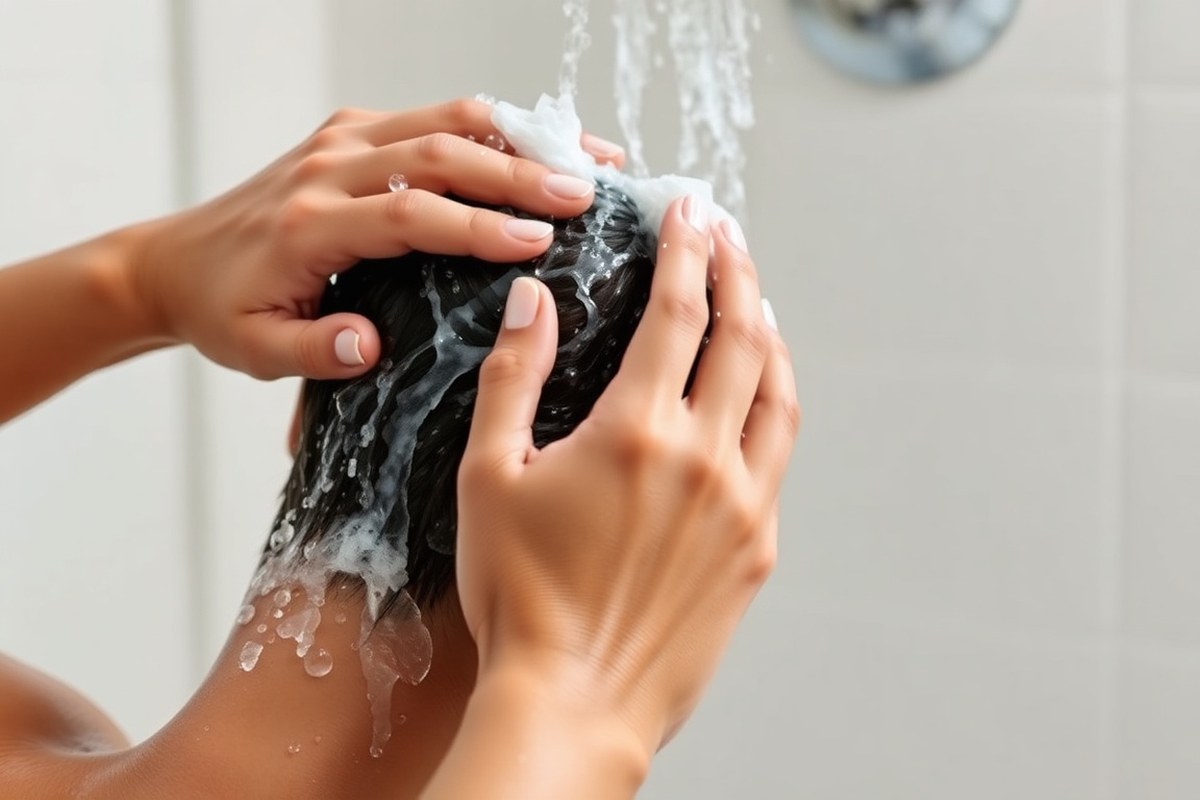
Applying shampoo correctly is key. Use lukewarm water and massage your scalp gently for two minutes. This helps circulation and spreads shampoo ingredients.
Follow with topical solutions on a dry scalp to let them absorb fully. Take supplements daily as directed. Keep up this routine consistently for several months before judging results.
Common Misconceptions About Hair Growth Shampoos
Many people expect hair growth shampoos to work like magic. But that’s not how they function. These shampoos can support scalp health and strengthen hair.
But they won’t cause instant or thick new hair to grow. Real hair growth takes weeks or months and depends on other factors like nutrition and hormones.
Some assume they can speed up hair growth rapidly by just switching shampoos. Certain ingredients like vitamin E and L-menthol can speed hair growth. Lab studies showed these results can take time.
These findings don’t always apply exactly to humans. Any change usually appears slowly over several months.
Hormonal changes also play a big role in how well your shampoo works. Hormones affect hair cycles and may cause thinning even if you use the best shampoo.
This especially affects people assigned female at birth during pregnancy or menopause. So, shampoo alone may not fix hair loss caused by hormones.
Here are common misconceptions to avoid when using hair growth shampoos:
- Shampoos won’t instantly regrow lost hair or fill in bald spots.
- More shampoo use doesn’t mean faster hair growth.
- Shampoos can’t counteract hormone-driven hair loss fully.
- Only shampoos with proven ingredients like niacin or peptides can help.
- Hair growth shampoos work best combined with good diet and scalp care.
- Rapid effects seen in studies often take months to appear in real life.
- Not all shampoo brands deliver the same results or ingredients.
Expecting quick fixes wastes time and money. You need to use products regularly for at least 3 to 6 months. This time frame lets you see real improvement.
Results generally don’t show up right away. Combine shampoos with nutritional changes, like adding protein and iron, since diet influences hair health.
Some hair growth shampoos mix peptides and plant extracts to improve scalp condition and hair fullness. These promote healthier roots, which supports natural hair cycles but still need patience. Shampoos help your hair look better and feel stronger over time.
They don’t change how your hair grows suddenly. Be patient with the process.
Potential Side Effects and Safety of Hair Growth Shampoos
Some active ingredients in hair growth shampoos can cause side effects. Synthetic ceramides and plant-based ingredients usually have low risk but may still irritate sensitive scalps. Products free of sulfates and harsh chemicals help reduce dryness and itching.
Watch for signs that hair loss may be from a medical issue. Sudden bald patches, scalp redness, or severe itching need a doctor’s checkup. Hair loss with other symptoms like weight loss or fatigue may also require medical attention.
Your daily habits affect how well the shampoo works. Avoid overwashing, which can dry out your scalp and weaken hair.
Use lukewarm water, not hot, to protect hair follicles and scalp moisture. Pat your hair dry gently instead of rubbing hard.
- Test new shampoo on a small skin area before full use
- Avoid shampoos with harsh sulfates if you have a sensitive scalp
- Use shampoo as directed, usually 2 to 3 times a week
- Rinse thoroughly to avoid residue buildup that can cause irritation
- Stop use and see a doctor if you notice scalp redness or pain
- Complement shampoo with a healthy diet rich in vitamins and minerals
- Stay consistent with use for at least 8 weeks to see effects
Do a patch test before using a new shampoo to avoid allergic reactions.
Some active drugs for hair loss, like finasteride, may cause sexual side effects and others. Discuss these risks with your doctor before use. Always follow product labels and local guidelines to keep treatments safe.
Tips for Maximizing Hair Growth Shampoo Results
Using hair growth shampoo works best when combined with proper scalp care and daily habits. Shampoo alone can’t stop or reverse thinning hair completely.
Genetics, hormones, and health mainly control hair growth. Still, proper use and lifestyle help your scalp absorb ingredients better.
Massaging your scalp boosts blood flow. This supports follicle health and can help hair grow faster.
You’ll get better results if you use the shampoo regularly, but not too often. Overwashing might dry out your scalp and cause irritation.
Here are key steps to get the most from your hair growth shampoo. Follow these daily or as recommended. This routine supports your hair’s natural growth cycle without causing damage.
- Wet your hair with lukewarm water. Hot water can dry your scalp, so keep the temperature gentle.
- Apply a small amount of shampoo to your scalp. Use enough to cover the thinning areas without soaking the ends.
- Massage your scalp gently for 2 to 3 minutes. Use your fingertips, not nails, to avoid scratching.
- Rinse thoroughly with lukewarm water. Any leftover shampoo can irritate the scalp and block follicles.
- Use conditioner only on hair ends. Avoid the scalp; it can weigh your hair down and clog pores.
- Limit shampooing to 3 to 4 times a week. Daily washing may strip natural oils, worsening hair thinning.
- Maintain a balanced diet rich in vitamins and minerals. Poor nutrition can slow hair growth and weaken strands.
- Manage stress through exercise, sleep, or relaxation. Stress hormones can affect hair growth negatively.
Good results usually show after 4 to 6 weeks of consistent care. Look for healthier scalp skin and less hair shedding. If you don’t see improvements after 3 months, consider talking to a dermatologist for other treatments.
Comparison of Top-Rated Hair Growth Shampoos by Key Features
Different shampoos target hair growth with varied ingredients and suit different needs. Some have clinical backing.
Others focus on scalp health or address dryness and dandruff. Price often reflects ingredients and size but doesn’t always mean better results for your hair.
| Shampoo | Price | Key Ingredients | Hair Type | Size | Notes |
|---|---|---|---|---|---|
| Minoxidil Shampoo | Mid-range | Minoxidil, Propylene Glycol, Salicylic Acid | Natural | 33.8 oz | Cruelty-free, sulfate-free, peppermint scent; clinical support for growth |
| Keratin Boost Shampoo | Mid-range | Keratin, Sodium Lauroyl Methyl Isethionate | Thin | 8 oz | Cruelty-free, sulfate-free, citrus & basil scent |
| Rosemary & AHA Shampoo | High-end | AHA, PHA, LHA, Rosemary Leaf Oil, Menthol | All | 8.4 oz | Targets scalp health with exfoliating acids and oils |
| Camellia Oil Shampoo | Budget | Camellia Oil | Dry, damaged | 6.7 oz | Nourishes dry hair and scalp to encourage growth |
| Head & Shoulders Bare Soothing Hydration | $20 (2-Pack) | Anti-dandruff formula | Dandruff-prone scalp | Varies | Good for scalp inflammation control; soothing hydration |
Shampoos with ingredients like minoxidil have better clinical proof for promoting hair growth. They often cost more but offer measurable benefits. Other shampoos with oils or acids help by improving scalp conditions, reducing dandruff, or soothing dryness.
Expensive shampoos don’t always outperform cheaper ones if your scalp issues differ. For dry or damaged hair, camellia oil shampoos restore moisture and strengthen strands. Those with dandruff should prioritize anti-dandruff options like Head & Shoulders Bare Soothing Hydration.
When to Seek Professional Help for Hair Loss Concerns
Using shampoo alone usually won’t stop or reverse hair thinning caused by medical issues. Hair loss might hint at underlying conditions that need more than topical treatment.
A dermatologist or hair specialist can find the exact cause. They also advise on the right treatments to use.
See a specialist if hair loss is sudden. Also go if scalp patches become visible. Lots of shedding, redness, itching, pain, or flaking could be serious.
These may signal infection or skin disorders. Specialists check the scalp and take your medical history. They may order blood tests for hormones and nutrients.
Here are some signs that turn hair loss into a medical concern needing professional attention:
- Rapid or patchy hair loss appearing in weeks
- Scalp pain, redness, swelling, or severe itching
- Excessive shedding beyond normal daily loss
- History of recent illness, surgery, or medication changes
- Visible scalp sores or scaling
- Hair breaks easily or unusual thinning patterns
- Hair loss accompanied by other body symptoms like weight changes
Booking a visit with a dermatologist typically costs from $100 to $300 without insurance. Treatments might include prescription shampoos, topical meds, hormone therapy, or supplements.
The specialist will suggest what fits your case. Follow-ups help track progress, which might take several months to show effect.
Don’t delay seeing a specialist if your hair loss worsens quickly or comes with scalp discomfort.
Correct diagnosis often matters more than any shampoo. Treatments that target a specific medical cause tend to give better, longer-lasting results.
Getting professional advice early can stop permanent hair loss. It helps you pick the right product or therapy.
Your First 30 Days: A Quick-Start Plan for Using Hair Growth Shampoo
This plan helps you start using a hair growth shampoo the right way. Follow it closely to see clear progress within a month.
- Day 1: Choose a shampoo with proven ingredients like biotin or caffeine. Look for labels showing these key elements.
- Week 1: Wash your hair 3 times a week using lukewarm water. Notice your scalp feels refreshed and not dry.
- Week 2: Massage your scalp gently for 2 minutes while shampooing. You should feel improved scalp circulation and less tension.
- Week 3: Add a conditioner formulated for thinning hair to reduce breakage. Hair should start feeling softer and less brittle.
- Week 4: Compare photos of your scalp and hairline. Look for less shedding and improved hair thickness.
- After 1 Month: Evaluate scalp health and hair texture. If you see no positive change, consider consulting a dermatologist.
- Ongoing: Keep using shampoo consistently and combine it with a balanced diet and gentle styling habits.
Frequently Asked Questions
What Types of Shampoos Should I Avoid If I Want to Promote Hair Growth?
Avoid shampoos with harsh sulfates and alcohols. These can dry your scalp and damage hair strands, leading to breakage. Look for gentle formulas that hydrate and protect your scalp health instead.
Can Hair Growth Shampoos Prevent Hair Loss Permanently?
Hair growth shampoos cannot stop hair loss permanently. They improve scalp health and support growth phases but don’t cure underlying medical causes. Persistent hair loss needs professional evaluation and targeted treatment.
Should I Use Conditioner Along with a Hair Growth Shampoo?
Yes, a lightweight conditioner helps keep hair strong and moisturized. Use one without heavy silicones to avoid buildup on the scalp, which can block follicles. Conditioning complements shampoo effects by reducing breakage as hair grows.
Can Using Hair Growth Shampoo Cause Scalp Irritation?
Some hair growth shampoos can irritate sensitive scalps. This happens especially with strong ingredients like zinc pyrithione. Your scalp may feel itchy or dry.
Start with a patch test. You feel itchiness or redness, switch to a milder product. Or talk to a dermatologist about your symptoms.
How Often Should I Wash My Hair with a Growth-Promoting Shampoo?
Washing your hair 2 to 3 times a week works for most. This helps keep natural oils on your scalp. Avoid washing too often to stop dryness.
Over-washing can dry your scalp and hair. Follow the instructions on the bottle and adjust based on how your scalp feels.
Can Hair Growth Shampoos Work on All Hair Types?
Most hair growth shampoos fit many hair types. Some even treat dryness or brittle hair specifically. Check the label to find what suits you best.
Shampoos with biotin and rosemary help thinning hair. Still, see if the product matches your scalp type. This keeps your scalp healthy as you use it.
Key Points to Remember
Hair growth shampoos can support your efforts but don’t work alone. Stick with a routine and pay attention to your scalp’s health. Ask a professional if hair loss continues despite your best care.