What Is Dry Shampoo Used for? A Complete Guide to Benefits and Best Use
What is dry shampoo used for? Dry shampoo helps clean your hair without water. It soaks up excess oil and sweat that builds up between washes.
This makes your hair look fresh quickly. It’s good when you lack time. Use it instead of a full wash.
You spray or sprinkle dry shampoo on roots. The roots get greasy first. That’s where you apply it.
Dry shampoo soaks up oil on your scalp. This refreshes your hair right away.
It stops hair from feeling heavy and shiny. Letting it sit for 30 seconds helps it soak up the grease better.
Dry shampoo is great when your hair needs a quick fix or extra volume. You can often skip washing for 2 to 4 days with it.
Just remember, it doesn’t replace shampooing completely. So wash your hair regularly to keep your scalp healthy.
Key Takeaways
- Hold the dry shampoo can about 6 to 10 inches from your roots.
- Apply evenly where hair feels oily or sweaty for best results.
- Shake the can well before spraying to mix the ingredients properly.
- Let dry shampoo sit at least 30 seconds before brushing it out.
- Use dry shampoo starting from day 1 after washing for fresh texture.
- Dry shampoo can extend the time between hair washes by several days.
What Is Dry Shampoo Used For?

Dry shampoo is mainly used to soak up excess oil from your hair. It helps your hair look less greasy and extends the time between washes. You only need to apply it where your scalp feels oily, usually starting at the roots.
This product doesn’t replace washing your hair. Instead, it refreshes hair by absorbing sweat, oil, and odor without water. Dry shampoo provides a quick way to clean your hair’s surface when you can’t shampoo fully.
Beyond oil control, dry shampoo can add volume to limp or fine hair. When you spray or sprinkle it, it lifts your roots. It works by soaking up oils that make hair heavy.
This gives your hair more bounce and volume. This effect can make styles last longer.
Apply a small amount at your scalp first. Let it sit for one minute. Then brush or massage it through your hair.
Overusing dry shampoo may cause buildup, which can clog follicles and irritate your scalp. For daily freshness, wash your hair regularly to avoid problems.
Dry shampoo comes in powder or spray form. It usually costs between $7 and $15 per bottle. Both types work depending on your preference.
A single can usually lasts for weeks, depending on how often you use it. Good results mean less shine on your roots.
Your hair should smell fresher and feel lighter. There won’t be any heavy or powdery residue left behind.
How Does Dry Shampoo Work to Refresh Hair?

Dry shampoo works by absorbing excess oil from your scalp and hair strands. It usually contains starch-based powders or alcohol, which pull grease away without water.
These powders stick to oil and dry it up. This makes your hair look cleaner and less shiny.
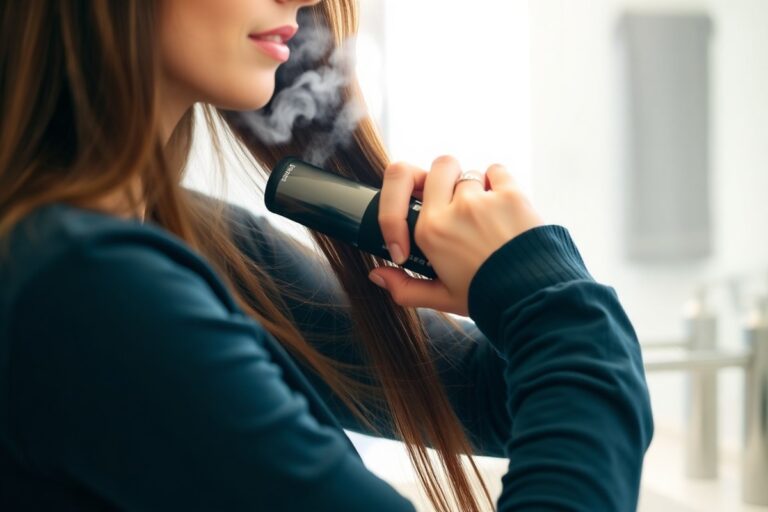
Hold the dry shampoo six to 10 inches from your head. Spray it straight onto oily roots. Let it sit for at least 30 seconds so it can absorb the oil fully.
Massage your scalp with fingertips after spraying. This spreads the product evenly. It also stops visible powder spots.
The powder particles can change your hair texture slightly. They leave a light coating that adds a bit of bulk and lift. This makes hair feel fresher and adds volume.
It works well for oily or fine hair types. Still, the oil remains trapped in the powder. So dry shampoo doesn’t clean your scalp like traditional shampoo does.
Using the right amount matters a lot. Overapplying can leave a chalky cast or residue, especially on dark hair. It also risks build-up on your scalp, which might cause irritation.
Apply dry shampoo only where your hair is oily. This avoids problems and refreshes your hair best.
Spray dry shampoo on oily spots only. Wait for it to absorb, then rub it in gently.
Types of Dry Shampoo and Choosing the Right One
Dry shampoo comes in several forms, each suited for different hair types and colors. Choosing right means matching to oily, curly, dry, or colored hair. Use color-matched products to avoid visible residue or discoloration.
Aerosol Sprays: Features and Uses
Aerosol sprays are the most common dry shampoo type. They release a fine powder that absorbs oil quickly without wetting hair. It’s fast to apply and works well for oily or fine hair.
Sprays give good volume and cleanse roots efficiently. However, they may leave pale residue on dark hair and need careful application. The spray can also dry out textured or curly hair if overused.
Powder and Paste Dry Shampoos Explained
Powder dry shampoos offer more control in application than sprays. You can rub a small amount into your roots to avoid visible residue. Powder works well for all hair types but is especially good for dry or curly hair.
Paste formulas are newer and often moisturize hair while cleaning. They suit dry and textured hair better, adding softness and shine. Paste is a bit thicker to apply and might take longer to blend evenly.
Tinted Formulas for Dark or Colored Hair
Tinted dry shampoos use a shade that matches your hair color. They help hide residue that pale powders or sprays might leave behind. Dark or color-treated hair benefits from tinted dry shampoo to avoid visible buildup.
Batiste’s Divine Dark and L’Oréal Paris EverPure Sulfate Free Tinted Dry Shampoo work well for dark hair tones. These products prevent any white residue and keep your hair refreshed between washes. Choosing the wrong shade could lead to short-term color changes in your hair.
Here’s a quick comparison of dry shampoo types, how they suit hair, and color options:
| Type | Best For Hair Type | Color Options | Pros | Cons |
|---|---|---|---|---|
| Aerosol Spray | Oily, fine hair | Mostly pale powders | Quick, volumizes, easy to use | Can leave white residue, dries curly hair |
| Powder | Dry, curly, all hair types | Some tinted options available | Controlled application, blends well | May take longer to apply |
| Paste | Dry, textured hair | Usually untinted | Adds softness, moisturizes | Thicker, slower to blend |
| Tinted Formula | Dark or color-treated hair | Multiple shades to match hair | Hides residue, natural look | Wrong tint can cause discoloration |
Picking the right dry shampoo saves time and avoids frustration. Use tinted ones for dark hair and paste for dry, coarse textures. Powder suits most hair types if you want more control on how much you apply.
Step-by-Step Guide to Applying Dry Shampoo Correctly
You want to hold the dry shampoo spray 6 to 12 inches away. Aim for about 6 to 12 inches between the spray and your scalp.
This distance avoids white residue and lets the product spread evenly. Wait one to two minutes before brushing to let it absorb oil fully.
Preparing Your Hair Before Application
Make sure your hair is completely dry before using dry shampoo. Applying it to damp hair can cause uneven patches. Section your hair for targeted application on oilier spots like your crown and roots.
Spraying and Massaging Techniques
Shake the can well to mix the formula fully. Hold the spray 6 to 12 inches from your scalp. Spray in short bursts on each section of hair.
Repeat for every section. Lift your hair and spray at the roots to avoid build-up and white powder.
Finishing Touches: Brushing and Styling
After spraying, wait at least one minute to let the dry shampoo soak up the oil. Use your fingers or a brush to blend it into your roots.
Style your hair as usual. But avoid immediately using hot tools, as opinions differ on this.
- Shake the dry shampoo can vigorously for 10 seconds.
- Part your hair into sections and lift each section at the roots.
- Hold the spray 6 to 12 inches from your scalp for even coverage.
- Spray short bursts on the roots, focusing on oily areas.
- Wait 1 to 2 minutes to let the powder absorb excess oil.
- Use your fingers or a brush to gently work the product through roots.
- Check for any white residue and blend it in or adjust with dark-tinted shampoo if needed.
- Style hair as usual after blending and fluffing for volume.
Benefits of Using Dry Shampoo Beyond Oil Absorption
Dry shampoo adds volume by coating hair strands with starch or color products. This layer lifts hair strands at the roots, creating body and fullness. Spray or sprinkle dry shampoo on your roots.
Wait a few minutes. Then massage or brush it in to spread evenly.
Besides volume, dry shampoo helps control unwanted odors and sweat. It absorbs the oils and moisture that carry smells, making your hair feel fresher between washes. After exercise or a long day, spray dry shampoo on roots.
Let it sit for 2-3 minutes. Rub and comb it through to refresh without water.
Using dry shampoo also preserves hair color and salon styles like blowouts or highlights. It prevents excess washing, which can fade dye or strip hair treatments faster.
Applying dry shampoo keeps the scalp less oily, which helps the color stay vibrant. Tinted dry shampoos match your hair shade, blending roots and making color last longer.
Don’t apply dry shampoo directly onto wet hair. Always use it on clean, dry hair for best results.
Dry shampoo gives hair texture and grip, useful for styling updos or messy looks. It creates a light hold, so hair products stick better. Spray dry shampoo for extra texture.
Wait a few minutes. Then tousle hair with fingers or brush. This works well on flat hair or flattened styles after sleeping.
Prices for dry shampoo vary from $5 to $20 depending on brand and size. Low-cost versions absorb oil but may leave powdery residue.
Higher-end ones often include scalp care ingredients like bhringaraj or charcoal, known for adding extra benefits. These can soothe the scalp or remove impurities while keeping hair fresh.
Potential Risks and How Often to Use Dry Shampoo Safely
Dry shampoo is good for your hair when used occasionally to reduce washing. It helps you avoid harsh shampooing that strips natural oils and causes damage. Using it correctly keeps your hair looking fresh and prevents added wear.
Do not use dry shampoo on your scalp more than two days in a row. Overuse can dry out your scalp and cause irritation. After two days, wash your hair to remove buildup and let your scalp breathe.
Watch for signs like itchiness, redness, or flaking skin on your scalp. These symptoms could mean you use dry shampoo too often. Buildup might cause dandruff on your scalp.
Watch for signs like itching or flakes. Stop use at these signs and wash thoroughly with a gentle shampoo.
When applying dry shampoo, separate thick hair into sections so the product reaches oily roots. This helps absorb surface oils more evenly without leaving residue. This is helpful if your hair looks dull after using dry shampoo.
It also works if your hair feels heavy. Try it to refresh your hair’s look and feel.
Choosing a dry shampoo that is color-safe and safe for chemically treated hair matters. Some formulas can cause dryness or damage if they contain harsh ingredients. Always test new products on a small scalp area and watch how your hair reacts.
Dry shampoo only masks oil on the surface without cleansing the scalp. Relying on it too much can cause scalp issues and damage hair health. You must wash your hair as often as needed for true cleanliness and scalp health maintenance.
When to Wash Your Hair Instead of Using Dry Shampoo
You should wash your hair if your scalp feels itchy. It means the dry shampoo may not be enough to clean. Washing removes buildup and soothes irritation better than dry shampoo.
Dry shampoo can’t remove sweat, dirt, or heavy oil buildup. These issues clog hair follicles and cause discomfort that dry shampoo only masks.
Another sign is when your hair looks dull or weighed down. Dry shampoo leaves a powdery residue that builds up if you don’t wash regularly. Also, if your scalp flakes or peels, washing is necessary to soothe and clean properly.
Here’s a simple checklist to decide if it’s time to wash your hair:
- Your scalp feels itchy, irritated, or sensitive.
- Your hair has visible oil, dirt, or sweat buildup.
- Your hair looks dull or heavy despite dry shampoo.
- You notice flakes or scalp peeling.
- You’ve used dry shampoo multiple days in a row without washing.
- Your hair smells unpleasant even after dry shampoo.
- You want to avoid clogged follicles or scalp dryness.
Using dry shampoo once or twice a week is fine. But washing resets your scalp health.
Washing removes oils, sweat, buildup, and product residue completely. It also helps prevent conditions like seborrheic dermatitis or follicle blockages caused by overusing dry shampoo.
Wash your hair with water and a gentle shampoo when the checklist items apply. Doing this every few days keeps your scalp clean and hair looking healthy. You can still use dry shampoo on busy days to stretch out wash sessions.
But don’t skip washing for too long. Washing your hair takes only water and time.
It protects your hair and scalp far better than dry shampoo. This simple step helps keep your scalp healthy and clean.
Professional Tips: How Stylists Use Dry Shampoo for Best Results
Stylists use dry shampoo to refresh hair and boost volume between washes. They apply it carefully to avoid residue and create texture that lasts. Using sectioning and precise spraying helps them get the best results.
Sectioning and Targeted Application
Stylists divide hair into small sections before spraying dry shampoo. This method ensures even coverage and targets oily spots effectively. They hold the spray 6 to 8 inches from the scalp.
This distance creates a light mist. It helps avoid heavy buildup.
Applying dry shampoo right after blow-drying on day one helps keep hair fresh longer. Some stylists prefer applying it at night, letting the product absorb oil while you sleep. This technique prevents white residue and delivers a more natural look in the morning.
Creating Volume and Texture
To add volume, they focus on the roots and crown area where hair tends to flatten. After spraying, they massage the product into the scalp. Fingertips lift strands.
This spreads the powder evenly. This also avoids chalky patches and creates a subtle lift.
For textured styles, stylists spray dry shampoo on mid-lengths and ends. Then they rough up the hair. They scrunch or tousle with fingers.
This method creates grip and makes hair easier to style and hold. Curly hair needs gentler sprays and careful scrunching to keep curls defined.
Recommended Products by Stylists
Many professionals prefer dry shampoos that blend easily and add volume without stiffness. Olaplex No.4D Clean Volume Detox Dry Shampoo is popular for its lightweight formula and scalp benefits. Other stylists choose products with a clear or translucent finish.
This helps avoid chalkiness. It works better on dark hair.
Choosing a dry shampoo specifically designed for your hair type yields better results. For example, fine hair benefits from flexible formulas that boost volume without weighing strands down. Thick or curly hair may need stronger oil absorption and texture support.
Avoid spraying too close to hair to prevent powder clumps that are hard to blend.
Step-by-Step Action Plan for Using Dry Shampoo
Follow these simple steps to get fresh hair with dry shampoo. Watch how your hair feels and looks after each use.
- Before you start: Pick a dry shampoo for your hair type. Use spray for fine hair. Powder works better for thick hair. This helps avoid residue.
- First use: Spray or apply dry shampoo to your roots from 6 to 8 inches away. Wait 5 minutes for it to absorb oils. Your roots should feel less greasy.
- After application: Gently massage the product into your scalp with your fingertips. This spreads it evenly and stops white flakes.
- Within 10 minutes: Brush your hair well. This removes extra powder. It also blends the shampoo with your hair color. Your hair should look cleaner and more voluminous.
- Day 2 or 3: Use dry shampoo again only if hair feels oily. But avoid daily use to protect your scalp and hair health.
- After a week: Wash your hair with water and shampoo to remove all dry shampoo buildup. Your scalp should feel fresh and not itchy.
- Ongoing: Adjust dry shampoo use based on your hair’s oiliness and scalp condition. Notice irritation? Stop using the product as much. Talk to a doctor if the problem continues.
Frequently Asked Questions
Can Dry Shampoo Be Used on All Hair Types?
Yes, dry shampoo works on all hair types. Some formulas suit thick, thin, curly, or straight hair better than others. Choosing the right type can improve results and reduce residue.
Can Dry Shampoo Damage Your Scalp?
Dry shampoo can irritate if overused or not brushed out. It may clog pores causing dryness or flakes. Use it sparingly and massage well to avoid buildup and irritation.
How Often Can You Safely Use Dry Shampoo?
Most experts recommend using dry shampoo only a few times a week. Overuse can lead to scalp buildup and dull hair. Always follow with regular washing to keep scalp healthy.
What’s the Best Time to Apply Dry Shampoo?
Applying dry shampoo at night is recommended by some stylists. Let the dry shampoo absorb oil overnight while you sleep. This routine helps extend time between washes.
Can Dry Shampoo Be Used on Colored Hair?
Yes, dry shampoo is safe for color-treated hair. Some products even protect color and add volume. Look for formulas labeled color-safe or sulfate-free for the best results.
Is It Better to Spray Dry Shampoo on Wet or Dry Hair?
Dry shampoo should always be applied to dry hair. Applying to wet hair reduces its oil-absorbing power and leaves residue. Make sure hair is dry before use for clean, fresh-looking roots.
Wrapping Up
Dry shampoo helps keep your hair fresh between washes. Use it wisely to avoid buildup and scalp issues. Try it today and notice how it perks up your hair quickly.