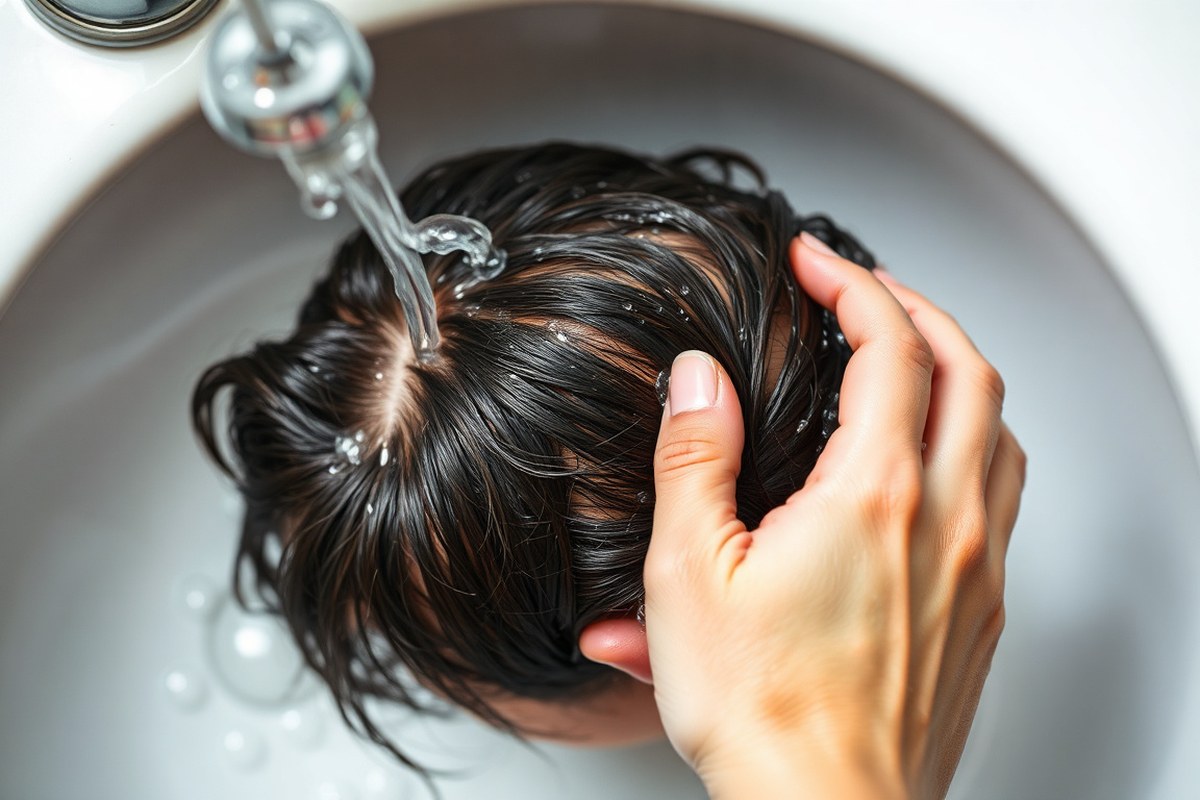
What Causes Oily Hair: 8 Clear Reasons and How to Fix Them
What causes oily hair is mainly how much oil your scalp produces. Your scalp makes oil to keep hair soft and healthy.
But some make too much. This extra oil can build up and make your hair look greasy fast.
Several things affect how oily your hair gets, like hormones, diet, and how often you wash. Hormones can crank up oil production, especially during changes like puberty or menopause. Eating lots of omega-6 fatty acids without enough omega-3s might make your scalp oilier too.
Hair type also plays a role in how oily it feels. Straight hair often gets oily faster than curly or thick hair. Knowing this helps you decide how often to wash your hair.
It also guides you on which products to use. This can help you better control your oily hair.
Key Takeaways
- Oily hair comes from excess scalp oil that builds up quickly.
- Hormones affect oil levels, especially during puberty and menopause.
- A diet high in omega-6 fats can increase scalp oiliness.
- Straight hair usually gets oily faster than curly or thick hair.
- Washing straight oil-prone hair daily can help reduce greasiness.
- Use a gentle shampoo designed for oily hair about 1-2 times weekly.
1. What Causes Oily Hair and Scalp Buildup?
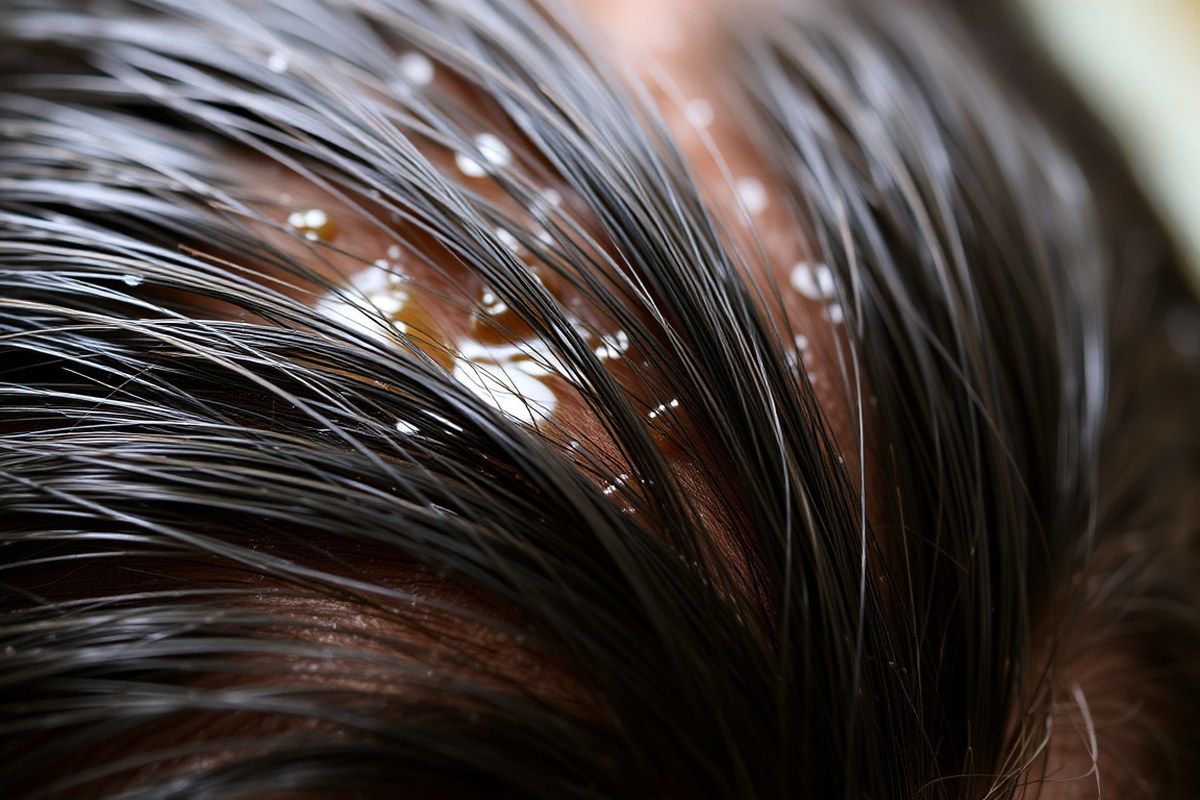
Your scalp has thousands of sebaceous glands that make sebum, a natural oil. This oil keeps your scalp and hair lubricated and healthy. Oily hair happens when your glands make too much sebum.
Your hair can’t take in or spread all this oil. That causes the excess sebum to build up.
Excess sebum builds up at your hair roots, making them look greasy fast. Fine or straight hair spreads oil quickly.
So your scalp can appear oily sooner than curly or thick hair types. Buildup from hair products or sweat can trap oil, worsening the greasy feeling.
Some causes of oily hair are biological, like genetics or hormonal changes. Others come from your hair routine. Washing hair too often can make glands produce more oil in rebound.
Using oily or waxy styling products can add to buildup. So your scalp holds more oil.
Seborrhea is a condition where the sebaceous glands release too much sebum. This excess oil makes your scalp oily. You might also get acne around your hairline or face.
These skin problems happen because of the oil. Heat and humidity can increase sweat and oil, making your hair feel greasy faster.
The key to managing oily hair is to control sebum without stripping all natural oils. Using shampoos that cleanse without heavy buildup helps sebum spread properly. Avoid over-washing and oily products that weigh down your hair, trapping oil at the scalp.
Some essential oils can break down sebum and unclog pores, helping reduce excess oil. Your hair needs some oil to stay healthy, but keeping a balance matters. Recognize your hair type and scalp needs to adjust your cleaning routine effectively.
2. How Do Hormones and Diet Affect Oily Hair?

Hormonal changes can make your scalp produce more sebum, leading to oily hair. During puberty, your body boosts androgen hormones, which signal the scalp’s oil glands to work overtime. This increase often causes hair to look greasy sooner than usual.
You might also notice oily hair during your menstrual cycle. Fluctuations in estrogen and progesterone cause sebum production to rise or fall. Pregnancy causes big hormone changes.
These usually make your hair oilier. This often happens in the second trimester. Menopause brings another wave of hormone changes, sometimes increasing scalp oiliness before eventually drying out hair.
Some health conditions like polycystic ovary syndrome (PCOS) can cause excess androgen hormones. This also leads to oily scalp and sometimes acne.
See a doctor if your oily hair comes with new symptoms. Get a checkup to be safe.
Your diet can affect your oily scalp too. Eating lots of dairy can raise androgen hormones. Sugary snacks do this too.
These hormones can increase oil in the scalp. Switching to low-glycemic foods like whole grains and vegetables might help slow down oiliness.
Vitamin deficiencies can contribute to greasy hair. Lack of vitamins A, D, or B-complex can unbalance scalp health and oil control. You don’t need expensive supplements for this.
Eating fresh fruits, vegetables, and lean protein helps your scalp stay healthy. A balanced diet gives your scalp needed nutrients.
Don’t wash oily hair every day. Overwashing tricks your scalp into making even more oil.
Try tracking your hair’s oiliness pattern around your cycle or life changes. Adjust your haircare routine based on this.
Near your period, use a gentle, balancing shampoo to rinse your hair. This removes oil but does not dry your scalp.
Keep an eye on your diet by reducing sugary and dairy-heavy foods if oily hair worsens. Add more fiber and lean proteins instead. This takes some time, several weeks to notice a difference, because your hormone levels adjust slowly.
3. How Hair Type and Texture Influence Oiliness
Straight hair tends to look oily faster than curly hair. The hair strands lie flat and close to the scalp. This makes it easier for natural oils to spread down the hair shaft and shine.
Curly or coily hair has textured twists that slow oil movement. Oil stays at the roots instead of coating the whole strand. This means curls often look less greasy, even if the scalp is oily.
Hair thickness also affects oil buildup. Fine hair holds less oil because strands are thinner.
But oil shows up faster because the hair can’t soak it all up. Thick hair takes longer to look greasy since it absorbs more oil before shine appears.
Washing frequency should match your hair type. People with straight, fine hair usually need to wash their hair every 1 to 2 days.
This helps remove oil before it weighs hair down. Using a shampoo made for oily hair can keep oils in check without stripping moisture.
Curly or coarse hair often benefits from washing less often, about once or twice a week. Overwashing can dry the scalp and trigger more oil production. Using a mild cleanser or co-washing (conditioner washing) can balance moisture and oil.
Not washing enough can cause oil buildup on all hair types. Your scalp might look shiny and feel greasy.
This happens because oil mixes with sweat and dirt. Finding a washing routine that fits your hair texture and thickness is key to managing oiliness.
Touching hair too much spreads oil from your fingers to strands. Pillowcases also transfer face oils to hair, making it greasy in the morning. Using clean pillowcases and keeping your hands off hair’s surface help reduce excess oil.
4. Common Haircare Mistakes That Increase Oily Hair
Certain haircare habits make oily hair worse by upsetting the scalp’s natural balance. Overwashing, using the wrong shampoos, and heavy products can boost oil production or trap buildup. Cleaning your tools and changing pillowcases often also helps keep grease under control.
Overwashing and Oil Rebound Effect
Washing your hair too often strips away natural oils, which your scalp tries to replace quickly. This rebound effect makes your scalp produce even more oil than before. Don’t wash your hair daily.
Try every other or third day instead. This helps control oily build-up.
Choose a gentle shampoo meant for oily hair to clean without overstimulating the scalp. Shampoos that are too harsh can dry the scalp out, triggering more oil production. Look for products labeled “gentle” or “for oily scalp” and rinse with lukewarm water, not hot.
Avoiding Heavy Products on the Scalp
Applying conditioner or thick styling products right on your scalp adds extra weight and traps oil. Avoid this by putting conditioner only on your hair ends. Heavy oils, waxes, and silicone-based products also cause buildup and make hair look greasy sooner.
Too much product causes residue that dulls hair and blocks pores, worsening oiliness. Using the right amount of lightweight, water-based products works better. Here’s what to avoid and practice:
- Skip conditioners on the roots
- Use light formulas designed for oily or fine hair
- Avoid wax, heavy oils, and silicone-heavy styling products
- Wash hair with a clarifying shampoo once a week to clear buildup
- Don’t apply too many products, less is more
By focusing on lighter products and avoiding the scalp, you prevent extra grease buildup. This also helps your hair feel cleaner longer without extra washing.
Cleaning Brushes and Changing Pillowcases Regularly
Oily hair sheds natural oils that stick to brushes and throw scalp cleanliness off balance. Dirty tools spread this oil back onto your hair every time you style it. Washing brushes once a week with warm water and mild soap reduces residue significantly.
Changing pillowcases frequently prevents oils, sweat, and dirt from building up at your roots overnight. You can swap pillowcases twice a week if you have oily hair to keep scalp fresher. These small habits help manage greasiness between washes.
5. Which Hair Products Help Control Oily Scalp Effectively?
Use shampoos made for oily hair that focus on cleansing the scalp. These shampoos remove excess oil without stripping moisture. Look for ingredients like green tea extract and tea tree oil.
Salicylic acid can help reduce oiliness gently too. These ingredients work well to keep your scalp clean.
Clarifying shampoos help remove buildup from styling products and heavy oils. Use these ingredients once a week or every two weeks. Try this if your hair still feels greasy after washing.
This helps control oil without harsh drying. Overuse can dry out your scalp and cause more oil production.
| Product Type | Key Ingredients | How Often to Use | What It Does |
|---|---|---|---|
| Clarifying Shampoo | Salicylic acid, citrus extracts | Once a week or biweekly | Removes buildup from oils and styling products |
| Natural Shampoo | Green tea extract, tea tree oil | Every wash (2-3 times per week) | Cleanses scalp without stripping moisture |
| Dry Shampoo | Starch, clay | As needed between washes | Absorbs excess oil and grease instantly |
| Detox Shampoo | Sulfates, clarifying agents | Once every 2 weeks | Breaks down heavy silicone and resin buildup |
Focus shampoo on the scalp, not the hair length. This targets oil at the source and avoids drying out hair ends. After cleansing, dry shampoo can soak up oil on days between washes.
Using too much heavy styling product makes regular shampoo less effective against grease.
Natural shampoos that clean gently keep your hair healthy and lively. They don’t trigger your scalp to produce extra oil. Choose products free of parabens and harsh silicones to avoid buildup.
6. Home Remedies and Lifestyle Tips to Reduce Oiliness
Managing oily hair at home means balancing scalp oil without stripping it dry. Small changes can help reduce excess grease naturally. Home remedies and lifestyle shifts often improve how your hair feels and looks.
Using Natural Rinses Safely
Apple cider vinegar (ACV) and aloe vera are popular for oily hair care. ACV helps balance your scalp’s pH and reduce oiliness when used occasionally. Aloe vera soothes the scalp and can calm irritation linked to oil buildup.
Try a gentle ACV rinse after shampooing to avoid drying your hair. Use aloe vera as a light leave-in treatment to keep your scalp healthy without added grease.
- Wash your hair with a mild shampoo.
- Mix 1 to 2 tablespoons of apple cider vinegar with 1 cup of cool water.
- Pour the mixture slowly over your scalp and hair.
- Massage your scalp gently for about 1 minute.
- Rinse thoroughly with cool water.
- Repeat this rinse once or twice a week, not daily.
- Apply a small amount of pure aloe vera gel to your scalp.
- Leave aloe vera on without rinsing, unless sticky buildup forms.
Adjusting Diet for Balanced Sebum
Your diet can affect how much oil your scalp produces. Eating a balanced mix of proteins, healthy fats, and vitamins supports natural sebum production. Avoiding too many processed sugars and fried foods may reduce greasy scalp issues.
Include plenty of fruits, vegetables, and whole grains in your meals. Hydrating well with water also helps keep your scalp and hair healthier over time.
Stress Reduction Techniques for Scalp Health
Stress can increase oil production on your scalp through hormonal changes. Managing stress with simple methods helps keep your hair’s oil levels in check. Try breathing exercises, stretching, or a short daily walk to lower stress.
Consistent sleep also supports your scalp’s oil balance. Aim for 7 to 9 hours every night to help your body regulate hormones better. Small changes in how you handle stress can reduce oily buildup comfortably at home.
7. How to Tailor Washing and Styling for Oily Hair Types
Wash oily hair every other day or every two days. Washing too often makes your scalp produce more oil. Keep conditioner away from your scalp and use gentle styling tools.
Recommended Washing Schedule by Hair Type
For fine or straight hair, washing every day or every other day helps control oil. Thicker or curly hair may need washing less often, like twice a week. Finding your sweet spot avoids stripping natural oils or triggering extra oil production.
Adjust your washing routine based on how oily your scalp feels. Your hair looks greasy the morning after washing; wash more often. Your hair feels dry or itchy; wash every two or three days.
Conditioner Application Tips for Oily Scalp
Apply conditioner only to the mid-lengths and ends of your hair. Avoid your scalp and roots, as conditioner there can weigh hair down and cause greasiness. Use small amounts of conditioner each time, about a teaspoon for shoulder-length hair.
Rinse thoroughly to remove all product, which helps prevent buildup. Consider light, oil-free conditioners made for oily or fine hair. These keep hair soft without adding extra weight or greasiness.
Styling Do’s and Don’ts for Oily Hair
Use styling tools that reduce heat damage and avoid heavy products. Frequent heat styling can make your scalp produce more oil. Dry shampoos can help absorb excess oil between washes.
- Do use a soft-bristle brush to distribute oils evenly.
- Don’t apply styling products directly on the scalp or roots.
- Do air dry your hair when possible to avoid oil buildup.
- Don’t overwash or scrub your scalp harshly.
- Do clean your styling tools regularly to avoid oil and dirt buildup.
- Don’t sleep with wet hair, which can trap oil and dirt.
- Do wash your pillowcase at least once a week to keep hair fresh.
Following these tips helps you manage oil without damaging your hair. You’ll spend less time washing and styling while keeping your hair looking clean and fresh.
8. When to See a Professional About Persistent Oily Scalp
Greasy hair alone is not usually a sign of a health problem. You should see a doctor if your scalp stays oily despite good hair care. Also, if you notice redness, itching, or flaking that won’t go away, seek medical advice promptly.
Persistent oily scalp with irritation can mean conditions like seborrheic dermatitis or scalp psoriasis. These conditions cause inflammation and need treatment beyond regular shampoos. A doctor or dermatologist can look at your scalp and suggest proper diagnosis and care.
Medical treatments often include medicated shampoos with ingredients such as ketoconazole, selenium sulfide, or coal tar. These ingredients help reduce oil production and inflammation. Many medicated shampoos cost between $10 and $30.
Use them two to three times a week. Keep using for several weeks to see results.
Sometimes, topical corticosteroid creams or solutions are prescribed for inflamed areas. These reduce redness and swelling. Over-the-counter and prescription shampoos might not work.
Your doctor can prescribe oral meds. These treat hormone imbalances or infections.
Results usually show by a few weeks, with less oil, itching, and flaking. Oiliness getting worse or hair loss needs quick medical care. Don’t wait to see a doctor.
Early treatment can help more. A healthcare professional will tailor treatment to your exact problem to avoid damage or scalp infections.
Don’t wait more than a few weeks if scalp irritation and oiliness persist despite home care. A professional check-up is best.
Step-by-Step Action Plan to Control Oily Hair
Follow these simple steps in order. You’ll see improvements in a few weeks.
- Day 1: Switch to a shampoo made for oily hair. Watch if your scalp feels less greasy after a few washes.
- Week 1: Skip daily hair washing to avoid boosting oil production. Notice if your hair stays cleaner longer.
- Week 2: Use a gentle scalp scrub once a week to clear buildup. Your scalp should feel fresh, not irritated.
- Week 3: Avoid heavy conditioners on your roots; apply only to ends. See if your hair feels lighter and less oily.
- Week 4: Adjust your diet by reducing greasy and sugary foods. Check if your hair oiliness decreases over time.
- After 1 Month: Add dry shampoo on no-wash days for extra refreshment. Your hair should look less shiny without washing.
- After 6 Weeks: Evaluate your hair’s oil levels. If oily scalp persists, schedule a visit with a dermatologist or trichologist.
Frequently Asked Questions
How Do I Stop My Hair from Getting so Oily?
Use a balancing shampoo and avoid overwashing your hair every day. Wash your hairbrush regularly and change your pillowcase every couple of days to reduce oil transfer.
Why Is My Hair Greasy After 1 Day?
Your scalp may produce excess oil or you might be overwashing causing rebound oiliness. Hair type, hormones, and product buildup can also speed up grease appearance.
Is Greasy Hair a Symptom of Anything?
Yes, oily hair can signal a scalp condition that causes excess sebum production. If it comes with acne or irritation, seeing a doctor is a good idea.
What Deficiency Causes Greasy Hair?
No specific vitamin deficiency causes greasy hair directly. Diet affects hormones that influence oil production but skipping meals or dehydration doesn’t cause oiliness.
Can Touching My Hair Make It Greasy Faster?
Yes, touching your hair transfers oils and dirt from your hands to hair strands. Try to avoid frequent touching and wash your hands often.
Does Using Dry Shampoo Cause Oily Scalp Buildup?
Dry shampoo can build up on the scalp if overused, making oiliness worse. Use it sparingly and clarify your hair regularly with a cleansing shampoo.
Key Points to Remember
Oily hair comes from natural oil mixed with lifestyle and product factors. Make simple changes and give them time to work. Start today by picking a shampoo for oily hair and watch your scalp improve.