How Often to Use Blue Shampoo: A Complete Guide for Vibrant, Brassy-Free Hair
How often to use blue shampoo depends on your hair type and goals. For most brunettes, using it every 3 to 4 days keeps brassiness away and color fresh. You want to avoid overuse that can dry out your hair or leave a bluish tint.
Start with leaving the shampoo on for 3 to 5 minutes for the best results. Fine hair needs less time, about 1 to 3 minutes, to avoid over-toning.
Thicker or coarse hair needs a longer soak, up to 10 minutes. This helps neutralize orange tones completely.
Dry or damaged hair should use blue shampoo only once every 2 to 3 weeks. This helps prevent further dryness while still controlling brassiness. Using cool water to rinse helps seal in moisture and protect your hair.
Key Takeaways
- Use blue shampoo every 3 to 4 days for brassy light brown or brunette hair.
- Leave blue shampoo on your hair between 3 and 5 minutes for best toning.
- For fine hair, reduce time to 1 to 3 minutes to prevent over-toning.
- Coarse hair needs 5 to 10 minutes of blue shampoo to neutralize brassiness.
- Dry or damaged hair should limit blue shampoo to once every 2 to 3 weeks.
- Rinse hair with cool water to lock in hydration after using blue shampoo.
How Often Can You Use Blue Shampoo for Best Results?

Using blue shampoo 1 to 2 times per week works well. This suits most lightened brown or brunette hair. It helps keep tones balanced.
This frequency helps keep cool tones and reduces brassy orange hues without causing buildup. You wash your hair every day or every other day. Blue shampoo once a week is a good start.
For natural brown hair with light brassiness, use once a week. This keeps your hair’s tone looking good. Your hair is color-treated.
You can use blue shampoo up to twice weekly. Dark brown hair with strong orange tones benefits from 2 to 3 times weekly.
This helps reduce brassiness effectively. But avoid daily use to prevent dryness or a blue tint.
Your hair is dry or damaged. Use blue shampoo less often, like once every two weeks.
Porous strands absorb pigment more quickly, which can cause unwanted blue coloring or additional dryness. In those cases, spacing out the blue shampoo treatments minimizes risks and protects your hair.
How Long Should You Leave Blue Shampoo on Your Hair?

Leave blue shampoo on your hair for about 2 to 5 minutes. How long depends on your hair type and how much brassiness you want to tone. Too long can leave a bluish tint, especially on light or porous hair.
How Hair Porosity Affects Leave-In Time
Porous hair soaks color faster. So you should leave blue shampoo on for a shorter time. Two to three minutes usually works well for highly porous, damaged, or lightened brunettes.
Hair that is less porous can handle leaving shampoo in longer. Aim for about five minutes to get stronger toning effects. This works well to keep cool tones vivid.
Check how quickly your hair absorbs moisture. Keep shampoo on the shorter time if your hair feels dry or brittle. This helps avoid over-toning or a blue cast on your hair.
Adjusting Time for Hair Thickness and Length
Thicker or longer hair takes more time for the shampoo to spread and tone evenly. Leaving shampoo on for about five minutes can help even out tone. This can make sure all strands look cool and consistent.
For fine or thin hair, leave shampoo on for one to three minutes. This avoids a color that is too dark or has a blue hue.
Make sure to fully saturate your hair with the shampoo. This boosts even color correction, especially if you have highlights or balayage in your brunette hair.
Managing Brassiness Level with Leave-In Duration
Leave shampoo on closer to five minutes when you see strong orange tones. This helps cancel out brassiness.
For mild brassiness, two to three minutes usually works well. Keeping the time short helps avoid discoloration on less brassy areas.
Remember, blue shampoo is a toner, not a deep cleanser. Using shampoo too long can darken your hair color. Some people might not like this darker look.
How to Apply Blue Shampoo Step by Step
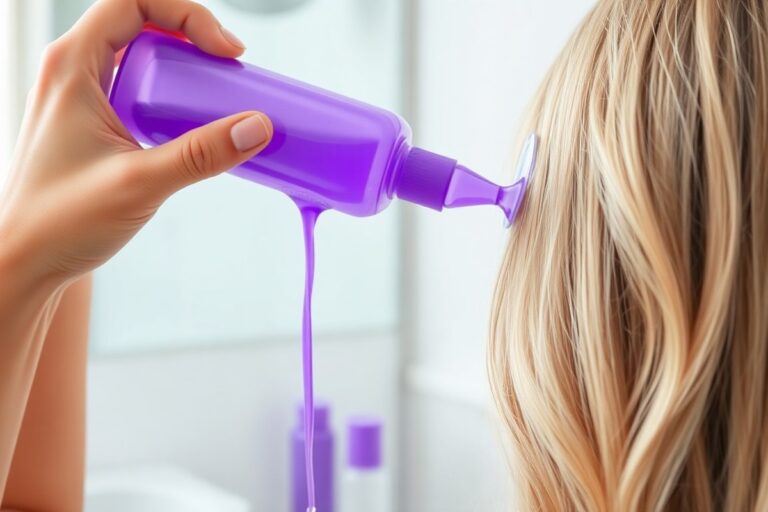
Wet your hair completely before applying blue shampoo. Use an amount that covers your hair without dripping. Massage it gently from roots to ends to spread it evenly.
Start timing once your hair is fully saturated. Check your hair tone every minute if you’re new to blue shampoo.
Rinse shampoo as soon as you get your desired tone. Make sure it’s within the 2 to 5 minute window.
Signs You Left Blue Shampoo on Too Long
Your hair may develop an unwanted blue or gray tint if shampoo stays on too long. This is more common with light or porous hair. It can also make your hair feel dry or rough if over-applied.
Rinse immediately if you notice an odd color cast during application. Use a hydrating conditioner afterward to restore softness.
Test blue shampoo on a small hair section first to find your ideal leave-in time safely.
Factors That Affect How Often to Use Blue Shampoo
How often you use blue shampoo depends on several hair and lifestyle factors. Hair porosity affects pigment absorption. Higher porosity means hair grabs pigment quickly, requiring one to two uses per week.
Lower porosity hair soaks up less pigment than other types. It may need less frequent application. This avoids over-toning or drying out your hair.
Other styling habits influence frequency too. Heat styling tools can dry your hair. So using blue shampoo more than twice weekly may strip natural oils and cause damage.
You should always use a heat protectant when applying heat to prevent further dryness. Hair products like conditioners and treatments help balance moisture when using blue shampoo regularly.
- Hair condition: damaged hair needs fewer blue shampoo uses to avoid extra dryness.
- Hair porosity: high porosity calls for 1-2 weekly uses; low porosity less often.
- Heat styling: use heat protectant and limit blue shampoo to twice weekly maximum.
- Color treatments: frequent coloring may increase pigment fading; adjust blue shampoo use accordingly.
- Sun exposure and swimming: these can cause brassy tones faster, possibly requiring more frequent use.
Your daily hair care routine shapes blue shampoo frequency. Using heavy styling products or sulfate shampoos can affect hair tone and the shampoo’s performance. Sun and chlorine exposure speed up brassiness.
So you might need to boost blue shampoo use temporarily after sun or pool days. Monitor how your hair feels and looks to find the right balance. Overuse can cause unwanted blue or gray tints.
Adjusting Blue Shampoo Use for Different Hair Types
Hair thickness affects how often you use blue shampoo. It also changes how long you leave it on. Thicker hair may need longer and more frequent use.
Fine hair can build up color quickly. So use blue shampoo once a week at most.
Keep the leave-in time short, about 1 to 2 minutes. This prevents dryness and avoids a blue tint on hair.
Thicker hair needs more attention to cover all strands evenly. You can use blue shampoo 1 to 2 times per week.
Let the shampoo sit longer, around 3 to 5 minutes. This helps the pigment work through dense hair better.
Dry or damaged hair requires gentler treatment. Use blue shampoo once every 2 to 3 weeks to avoid further dryness or breakage.
Leave the shampoo on for only 1 to 2 minutes. Always follow up with a rich conditioner to add moisture.
Virgin or natural hair doesn’t usually need blue shampoo, since it hasn’t gone through color changes. Using it may deposit pigment to cool down warm tones, but effects are softer.
Use blue shampoo only once every 3 to 4 weeks. Leave it on for just 1 minute each time.
| Hair Type | Frequency of Use | Leave-In Time | Tips |
|---|---|---|---|
| Fine Hair | Once per week or less | 1 to 2 minutes | Watch for buildup and dryness |
| Thick Hair | 1 to 2 times per week | 3 to 5 minutes | Apply evenly for full coverage |
| Dry or Damaged Hair | Once every 2 to 3 weeks | 1 to 2 minutes | Use a moisturizing conditioner afterward |
| Virgin/Natural Hair | Once every 3 to 4 weeks | About 1 minute | Gentle use to cool warm tones |
| Color-Treated Hair | Use as advised by stylist | 2 to 5 minutes | Choose shampoo for color-treated hair |
Too much blue shampoo on fine or dry hair can cause buildup. It may also create dry patches in hair. Thick hair needs more product and longer time to get even tone correction, so don’t rush.
Avoid using blue shampoo too often if your hair is damaged. Frequent use can worsen dryness or breakage.
Blue shampoo is not a daily shampoo. Use it only when you see brassiness or unwanted warm tones. For natural brunettes, use it cautiously to prevent unnatural hues.
Choose a blue shampoo made for your hair type. This is important if your hair is dry or color-treated.
Signs You Need to Use Blue Shampoo
Blue shampoo is ideal for lightened brown or brunette hair showing warm, brassy tones. You need it when your hair starts looking orange or red instead of cool and ashy. This usually happens after color fades and the natural warm base shows through.
Check your hair’s tint regularly by natural light. Look for unwanted orange and red tones that make your cool color dull or rusty.
Blue shampoo works best on these shades. So spotting them early helps maintain your desired cool hue.
Start using blue shampoo a week or two after coloring. This timing lets color settle while preventing brassiness from developing. Avoid using it too soon to keep your color balanced and avoid over-toning.
- Your lightened brown hair shifts from cool to orange or rusty red.
- Brassiness appears mainly on highlights or roots showing warm undertones.
- Hair loses shine and looks dull instead of vibrant and rich.
- You’ve just passed two weeks after your last color treatment.
- Your regular shampoo isn’t removing warm tones any longer.
- You notice your hair color is less balanced and cooler than before.
- Warm tones feel more visible on the strands and near the scalp.
Using blue shampoo as soon as these signs appear helps keep your color fresh. It neutralizes orange and red tones effectively, unlike purple shampoo which targets yellow. This keeps brunette-based highlights looking cooler, not washed out or golden.
Don’t use blue shampoo daily; overuse can tint your hair too cool or dull.
Watching your hair’s warm tones regularly saves you from heavy brassiness. Blue shampoo applied when you see those first red-orange hints prevents buildup. It also brightens hair by removing dullness, making your cool color stand out again.
How to Incorporate Blue Shampoo into Your Hair Routine
Use blue shampoo once or twice a week and alternate with your regular shampoo. This keeps your hair toned without drying it out or turning blue. Follow a clear routine to get the best results and protect your hair health.
Step 1: Frequency Based on Hair Needs
Choose how often you use blue shampoo depending on your hair’s brassiness and porosity. For lightly brassy hair, once a week is usually enough. Using blue shampoo twice a week helps if your hair is very brassy or porous.
Darker or denser hair needs less frequent use to avoid over-toning. Using blue shampoo too often can deposit excess pigment, making hair look muddy or tinted blue. Always listen to how your hair reacts and adjust accordingly.
Step 2: Correct Application and Timing
Saturate your hair thoroughly for even blue pigment coverage. Section your hair to make sure every strand gets coated well. Using cool water to rinse seals the cuticle and keeps color vibrant.
Leave the shampoo on for 5 to 15 minutes depending on brassiness. Start shorter if you’re new to it.
Longer times work better for intense brassiness but watch to avoid blue tinting. Timing is key to balance tone and avoid damage.
Step 3: Use Conditioner and Treatments
Always follow blue shampoo with a moisturizing conditioner or blue conditioner. These help replace moisture lost during pigment deposit. Products like Matrix Brass Off conditioner keep your hair soft and add more blue pigment safely.
Conditioner soothes and strengthens color-treated strands to prevent dryness and breakage. Some blue shampoo sets come with matching conditioners designed for brunettes. Using both regularly maximizes toning and hydration benefits.
Step 4: Monitor Hair and Adjust
Check your hair’s feel and tone after each use. Cut back on blue shampoo or add conditioner when your hair feels dry or rough. Too much blue shampoo can cause a cool, unnatural tint instead of just reducing brassiness.
Adjust frequency by hair type and response. Porous hair may need blue shampoo more often, less porous hair may need it less. A simple routine helps avoid over-toning and dryness while keeping your color fresh.
Here’s a practical routine you can follow:
- Start by wetting your hair thoroughly with warm water.
- Apply blue shampoo evenly in sections for full coverage.
- Massage the shampoo gently into your scalp and hair from roots to ends.
- Leave the shampoo on for 5 to 15 minutes depending on your brassiness level.
- Rinse with cool water to close the hair cuticle and lock in color.
- Apply a moisturizing blue conditioner or normal conditioner to your hair.
- Leave the conditioner on for 2 to 3 minutes, then rinse with cool water.
- Use this treatment once or twice a week, alternating with your regular shampoo on other days.
Blue Shampoo vs. Purple Shampoo: Which One Should You Use?
Blue shampoo uses blue pigments to fight orange brassy tones in hair. Purple shampoo uses purple pigments to counter yellow tones. Both shampoos tone hair but target different brassiness colors and hair shades.
Pigment Color and Purpose
Blue shampoo contains blue pigments that neutralize orange and red brassiness. Orange is opposite blue on the color wheel, so blue cancels it well. Purple shampoo features purple pigments that cancel yellow tones, which appear in lighter hair.
Using the right pigment matters because wrong tones can add odd hues. For example, blue shampoo can leave a faint bluish tint on pale blonde hair. Purple shampoo works best where yellow brassiness is common, such as on blonde or lightened hair.
Best Hair Colors for Each Shampoo
Blue shampoo fits brunettes, mainly caramel to ash brown shades. These hair colors tend to develop orange brassy tones over time. Blue pigments gently reduce brassy warmth and restore a cool shade.
Purple shampoo suits blondes and lightened hair. It helps fight yellow discoloration from sun, chlorine, or heat. Using purple shampoo on dark brown hair may not fix orange brassiness effectively.
You can sometimes alternate or use purple shampoo on brunette hair. However, blue shampoo rarely works well on blonde hair due to its stronger tone.
Recommended Usage Frequency
Frequency depends on your hair color and how fast brassiness returns. Brunettes with porous or very light hair may need blue shampoo every 3 to 4 days. Others can use it once or twice weekly to maintain cool tones.
Purple shampoo is used similarly on blondes, often once or twice a week. Overusing these shampoos can dry hair or cause unwanted tinting. Focus shampoo on hair ends where color fades fastest to avoid buildup near roots.
Alternating blue and purple shampoos usually isn’t necessary unless you have mixed hair colors. Use each shampoo based on the brassy tone you want to correct for the best results. The table below compares key features of blue and purple shampoo for quick reference:
| Feature | Blue Shampoo | Purple Shampoo |
|---|---|---|
| Primary Pigment | Blue | Purple |
| Neutralizes | Orange/red brassiness | Yellow brassiness |
| Best For Hair Colors | Caramel to ash brown, brunettes | Blonde and lightened hair |
| Typical Use Frequency | Every 3, 7 days | 1, 2 times per week |
| Potential Issues | Blue tint on pale blonde hair | Less effective on orange tones |
| Use on Mixed Colors | Sometimes alternated with purple | Rarely combined with blue |
Choosing the right shampoo depends on your hair’s base color and brassy hues. Stick to blue shampoo for brunettes and purple shampoo for blondes. Use the recommended frequency for cool, natural-looking tones without buildup.
Common Mistakes When Using Blue Shampoo and How to Fix Them
Using blue shampoo too often can dry out your hair or leave a blue tint. This happens because it deposits dense pigments that gently tone but can build up. Leaving it on too long also causes over-toning, dullness, or even a slight blue-grey shade.
Many new users skip a strand test before their first full wash. A patch test helps you see how your hair reacts to blue shampoo. Without it, you risk unexpected colors or dryness.
Applying blue shampoo to very dark hair can cause patches. It may not suit non-lightened hair, either.
These patches can look uneven and strange. It’s best suited for lightened brown or brunette hair aiming for cool tones.
- Always do a strand test before regular use, especially on virgin hair
- Use blue shampoo only once or twice a week to avoid dryness
- Leave shampoo on 2 to 5 minutes, but adjust by hair reaction
- Rinse thoroughly to prevent pigment build-up and uneven tone
- Avoid mixing blue shampoo with other colored products without testing
Light brown hair that’s already cool-toned needs less frequent washing. On the other hand, warmer brassy tones often require more regular use. Watching your hair’s feel and colour helps you know when to pause.
Test a small section first to prevent unwanted blue or green tinting.
Overuse leads to lifeless, dry hair, while underuse won’t reduce brassiness. Striking a balance keeps hair smooth and colour fresh. This care also protects your hair’s health, saving you from extra repair treatments later.
Your First Week: A Simple Start with Blue Shampoo
Follow these steps to begin using blue shampoo safely and see results fast.
- Day 1: Try blue shampoo after your usual shampoo. Leave it on your hair for 2 minutes. Rinse well. You should notice less brassiness.
- Day 3: Use blue shampoo again and watch for any dryness. When your hair feels dry, use a deep conditioner after washing.
- Day 5: Check your hair tone. Brassiness may reduce but color looks natural; use blue shampoo every 2-3 days.
- Day 7: Assess your hair health. Oily hair may benefit from blue shampoo every other wash. Dry hair needs blue shampoo only once a week.
- After Week 1: Adjust use based on your hair’s reaction. Use blue shampoo less if hair feels dry or dull.
Frequently Asked Questions
Can Using Blue Shampoo Daily Damage My Hair?
Using blue shampoo every day can dry out or over-tone your hair. Stick to 1-3 times a week to avoid damage and keep color balanced.
Is Blue Shampoo Safe for Chemically Treated Hair?
Blue shampoo is generally safe on colored hair but use it less often. Overuse can fade your dye or cause dryness. So adjust use based on your hair’s condition.
Can I Use Blue Shampoo on Dark Brunette Hair?
Blue shampoo works best on lightened brown and medium brunettes with warm tones. It may not show visible effects on very dark hair.
Will Blue Shampoo Fade My Brown Hair Color?
Blue shampoo can slightly fade your brown dye if used too often. Use it only to tone brassiness and not as your regular shampoo.
How Long Does It Take to See Results from Blue Shampoo?
Usually 1-3 washes show noticeable tone improvement on lightened brown hair. Use it for 3-5 minutes per wash for best effect.
Is Blue Shampoo Suitable for Oily Hair?
Blue shampoo can work for oily hair but may be drying. Use it less often and follow with a gentle conditioner to avoid scalp dryness.
The Bottom Line
Using blue shampoo carefully keeps your cool tones fresh and stops brassiness. Watch how your hair reacts and adjust the frequency. Start today with a short application to see the difference yourself.