Are Steam Straighteners Good for Your Hair? What Actually Works
Are steam straighteners good for your hair? They can be gentler than regular flat irons by using steam to style. The steam adds moisture, helping reduce dryness and breakage while still giving smooth results.
Steam straighteners work by releasing a controlled mist of steam as they heat, softening hair strands. This lets the plates slide smoothly with less drag. It locks in moisture too.
This helps avoid extreme dryness from heat. You can straighten hair faster, sometimes 10 minutes quicker, because steam helps relax curls efficiently.
Start with clean, damp hair for best results. Or lightly spray dry hair before straightening.
Watch out for excess water, which may cause uneven straightening or damage. Using the right temperature and quality steam straightener preserves your hair’s natural protein and moisture balance.
Key Takeaways
- Steam straighteners help reduce heat damage by locking in hair moisture.
- They allow faster styling, cutting straightening time by about 10 minutes.
- Using steam lowers the risk of dryness and breakage compared to dry heat.
- Start with slightly damp or freshly washed hair for best steam results.
- Avoid over-wetting hair to prevent uneven heat distribution.
- Adjust the straightener temperature to your hair type to avoid damage.
Are Steam Straighteners Good for Your Hair or Damaging?
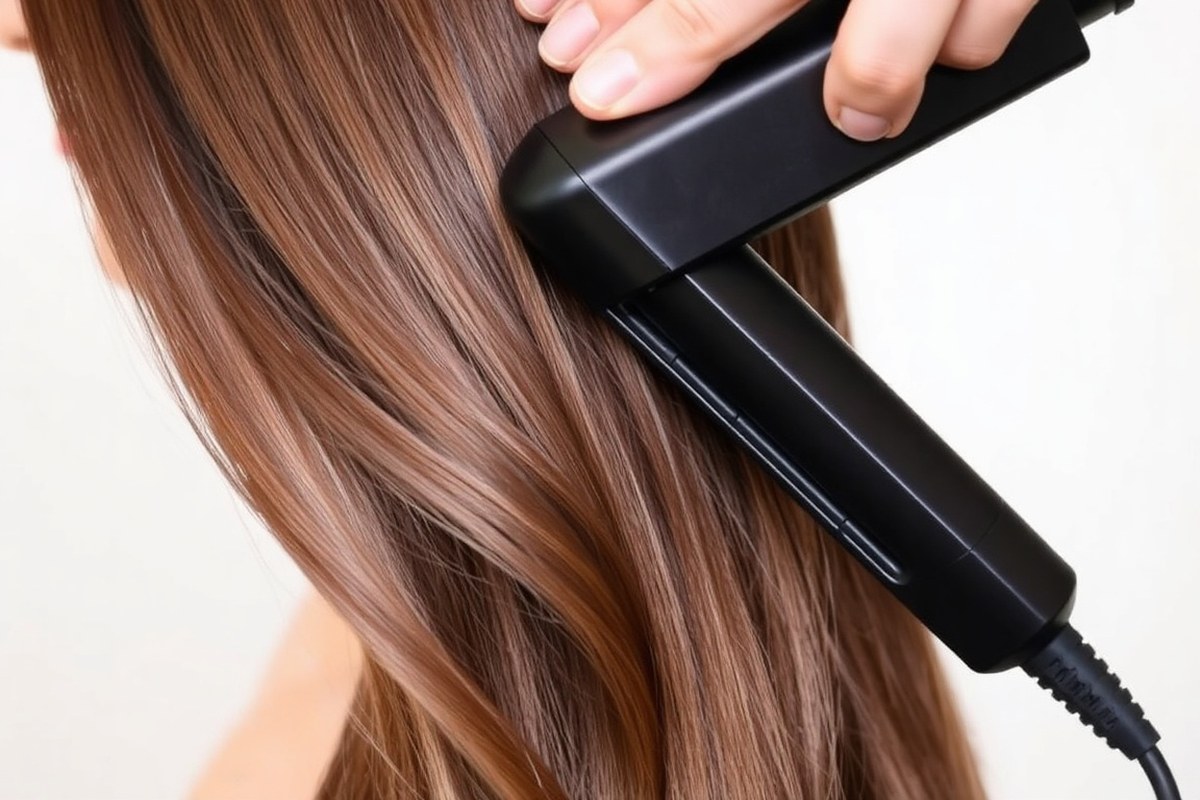
Steam straighteners are generally gentler on your hair than regular flat irons. They use vaporized water to add moisture while styling, which reduces heat damage. This extra hydration helps maintain your hair’s elasticity and prevents the cuticle from cracking.
Unlike a flat iron that applies dry heat, steam straighteners mix moisture with heat. This combo keeps your hair more hydrated during styling. The steam makes the hair shaft swell slightly.
This makes hair smoother and shinier. It also reduces frizz.
Steam straighteners work at lower temperatures than many flat irons. This lowers the risk of heat damage. You’ll notice less breakage and split ends if you don’t overuse the tool.
Steam straighteners help relax curls on thick or curly hair. They do this without drying out strands. It makes styling easier.
There are still risks, though. Leaving your hair wet or using steam straighteners too often can cause damage. Hair may become brittle.
Dry your hair partly before styling with a steam straightener. Keep the steam reservoir filled. This helps deliver steady moisture.
Steam straighteners usually cost between $30 and $60. They cost more than basic flat irons. They are less than top professional models.
The price is worth it if you want to reduce styling damage. Steam straighteners help keep your hair healthier over time.
For fine or thin hair, a flat iron offers more precise control. Steam straighteners can feel too wet or heavy sometimes.
Still, if you want shiny, soft hair with less heat exposure, steam is a smart option. Use slow, steady passes and don’t skip a heat protectant spray to protect your strands fully.
How Steam Hair Straighteners Work to Style and Protect Hair

Steam hair straighteners generate steam using a built-in water tank. You fill this tank before styling.
The device heats the water to create vapor. This steam is released through small holes near ceramic plates during hair straightening.
The steam opens the hair cuticle slightly, allowing moisture to enter the hair shaft. This helps the hair stay more hydrated compared to regular flat irons. Moisturized hair resists dryness and brittleness better, reducing split ends and breakage.
The ceramic plates evenly distribute heat from 250°F to 450°F, depending on the setting. The steam combined with heat smooths the hair shaft and seals the cuticle afterward. Keeping the cuticle closed helps maintain shine and softness after straightening.
Before styling, fill the water tank with distilled or clean tap water to avoid buildup. Turn on the straightener and wait 1 to 2 minutes for steam to start. Slowly glide the straightener over dry hair sections, allowing steam to penetrate while you style.
Some steam straighteners let you adjust steam levels for different hair types. Lower steam works better for fine or low-porosity hair.
Higher steam suits thick or coarse hair. You want enough moisture balance without making strands damp or too wet during styling.
Always check your straightener’s instructions to know if it’s safe to use on damp hair. Using it on wet hair without permission can cause damage or reduce steam effectiveness.
Which Hair Types Benefit Most from Using Steam Straighteners?
Steam straighteners work best on thick, coarse, curly, or dry hair. These hair types usually resist moisture loss from heat styling. Steam helps keep your hair hydrated while straightening, reducing frizz and damage.
Fine, thin, or damaged hair can use steam straighteners but with caution. Using lower heat settings between 250°F and 320°F is safer. Too much moisture or heat may cause limpness or breakage in fragile hair.
Hair porosity also matters. Low porosity hair, which resists moisture absorption, responds well to steam.
The steam opens the cuticle gently, allowing moisture in without heavy damage. High porosity hair absorbs water quickly but can get weighed down or frizzy if over-steamed.
- Thick, coarse, or curly hair: heat settings around 350°F to 400°F
- Fine or damaged hair: low heat near 250°F to 320°F, less steam
- Low porosity hair: steam helps soften and hydrate without damage
- High porosity hair: use moderate steam to avoid extra frizz
- Color-treated or chemically processed hair: steam protects moisture balance
- Adjust steam levels according to hair texture and condition
Using a steam straightener with ceramic and tourmaline plates helps. It reduces heat damage for coarse or thick hair.
They emit a steady flow of steam that penetrates hair shafts while straightening at moderate temperatures. This process results in softer, smoother hair without dehydration.
For fine or damaged hair, keep the straightener temperature lower and increase the speed of passes. Don’t overuse steam; a few quick passes avoid weighing hair down. This method strengthens hair strands and refreshes damaged areas without harsh heat.
Steam Straighteners vs Regular Flat Irons: A Detailed Comparison Table
Steam straighteners and regular flat irons both use heat, but their methods differ. Steam straighteners add moisture through vapor infusion, which hydrates your hair as it styles. Regular flat irons rely solely on dry heat from the plates, usually between 300°F and 450°F.
This difference impacts how quickly they style hair and control frizz. Steam straighteners work faster on tough or frizzy hair. The steam smooths hair strands while heating.
This makes styling quicker and easier. Regular irons often need more passes to get slick hair.
This can increase the risk of damage. You must be cautious using them.
| Feature | Steam Straighteners | Regular Flat Irons |
|---|---|---|
| Heat Source | Heated plates plus steam (vapor infusion) | Heated plates only (300, 450°F) |
| Styling Time | Typically faster on thick or frizzy hair due to steam | Needs more passes on coarse or frizzy hair |
| Finish | Hydrated, shiny, frizz-reduced hair | Slick, very straight but can be dry or brittle |
| Damage Potential | Lower risk with proper use; steam helps reduce dryness | Higher risk if overused; dry heat can cause brittleness |
| Cost | Ranges approximately $80 to $150, often pricier | Usually $30 to $100, more budget-friendly options |
| Maintenance | Requires regular water refills and cleaning of steam vents | Minimal upkeep; occasional plate cleaning suffices |
Maintaining a steam straightener involves filling its water tank and cleaning vents about every few uses. This prevents mineral buildup from damaging the tool or affecting steam flow. A flat iron only needs plate cleaning to remove product residue occasionally.
Both tools can cause damage if misused. Steam straighteners protect hair better by adding moisture, which keeps strands flexible. Using very high heat can dry out your hair.
Skipping heat-protective products causes more frizz and damage. Both irons can cause these issues.
How to Safely Prepare and Style Hair Using a Steam Straightener
Start by making sure your hair is clean, dry, and detangled. Using a steam straightener on wet hair may cause uneven results and damage. Applying heat protectant and choosing the right temperature setting helps avoid heat damage while styling.
Preparing Your Hair Correctly
Wash your hair with a gentle shampoo and conditioner suited for your hair type. Let your hair air dry completely. Or use a blow dryer.
Set it on cool and dry until no moisture remains. Comb through your hair carefully to remove all tangles before styling.
Using the steam straightener on damp hair can cause hair to fry or weaken. Dry hair allows the tool to work better with the steam, sealing the cuticle evenly. Start with sections about 1 inch wide for more control during straightening.
Using Heat Protectant Sprays
Spritz a heat protectant evenly over your dry, detangled hair. The spray creates a barrier, reducing damage from the heat plates and steam vapor. Put a fair amount on mid-lengths and ends.
That’s where damage shows most. Focus there when applying.
Let the heat protectant dry for 2 to 3 minutes before using the straightener. Apply again if you restyle your hair during the day.
Also if you use other heated tools. This step helps keep your hair hydrated and less prone to breakage.
Applying the Steam Straightener Safely
Fill the water tank fully according to the manufacturer’s instructions before turning on the steam straightener. Wait for the tool to reach the selected temperature and start producing steam vapour. Clamp the iron on each small section and glide slowly from root to tip.
Taking steady, slow passes allows the steam to combine with heat, reducing friction and boosting shine. Avoid holding the tool in one spot too long to prevent heat burns or damage. Repeat the process for every hair section until your entire head is done.
Adjusting Steam and Temperature Settings
Select a lower heat setting, around 300°F, for fine or damaged hair to avoid excess heat. Use medium settings near 350°F to 380°F for normal and colored hair types.
Use higher heat up to 450°F for thick or very curly hair. Be careful to avoid damage with high heat.
Adjust steam levels based on your hair’s moisture needs and tool options. More steam helps hydrate drier hair during styling. Less steam suits hair that tends to frizz or is more susceptible to humidity.
- Dry hair thoroughly before styling
- Always use heat protectant spray
- Choose temperature based on hair type
- Work in small sections for best control
- Avoid excessive repeats on the same area
- Keep steady speed when running the steamer
- Refill water tank as needed for consistent steam
Finishing and Maintaining Your Style
Once you finish, let your hair cool before touching or brushing to set the style. Use a light serum or oil to add shine and control flyaways. Avoid heavy products that can weigh hair down or make it greasy.
To keep the style longer, wait about a day before washing your hair again. Regularly clean your steam straightener’s plates and water tank to maintain safe, effective operation. Proper care of your tool also reduces the risk of damage to your hair.
Never use a steam straightener on soaking wet hair to prevent heat damage and uneven styling.
Common Mistakes When Using Steam Straighteners and How to Fix Them
Using a steam straightener on wet hair is a common mistake. Most steam straighteners are not made to style soaking wet hair.
Doing this can cause steam burns and serious heat damage. Always towel-dry your hair until it’s damp, not dripping, before using the iron.
Heat damage happens when the temperature is too high or when protection is missing. Steam helps reduce heat damage but doesn’t prevent it alone. Applying a heat protectant spray before styling adds a protective layer.
It costs about $10 to $20 for a good one. It takes just a few seconds to apply.
Frizz after steaming often means the hair wasn’t prepped well or the iron temperature was off. Using the wrong temperature can leave your hair dry and fuzzy rather than smooth. Set the heat based on your hair type.
Use 300°F for fine hair, 350°F for medium hair. Do not go higher than 400°F for thick hair.
- Don’t use the steam straightener on soaking wet hair.
- Use a heat protectant spray before straightening.
- Set the iron temperature according to your hair thickness.
- Towel-dry hair until damp before styling.
- Don’t hold the straightener in one spot for too long.
- Use a smoothing serum after styling for extra shine.
- Make sure the steam function is working properly and clean.
Holding the straightener too long in one spot can cause damage. Move it slowly but steadily for even heat distribution.
Using a smoothing serum after styling seals the hair cuticle for shine and fewer flyaways. A clean steam plate ensures smooth steam flow, which helps with consistent results.
Choosing the Best Steam Straightener Features for Your Hair Needs
Choosing a steam straightener means checking features for your hair. Match the tool to your styling habits. This helps you get better results.
Pay attention to plate material, how you control steam and heat, and plate size. These determine how well the tool works and how gentle it is on your hair.
Plate Materials and Coatings
Ceramic plates are a top choice for hair straighteners. They spread heat evenly over hair surfaces.
This lowers the chance of hot spots. They keep your hair smooth and shiny without too much damage.
Titanium plates heat up quickly and last a long time. However, they get hotter than ceramic plates.
This heat might be too strong for fragile hair. Aluminum is less common and less durable, often causing uneven heat.
Coatings like tourmaline help reduce frizz by adding negative ions during styling. This makes your hair look healthier and less static-prone.
Steam Output and Regulation Options
The steam spray in these straighteners reduces dryness and heat damage. It makes hair softer and keeps natural moisture locked in.
Adjustable steam control helps you match the amount to your hair’s needs. Thicker or curlier hair may need more steam. Fine hair requires less to avoid limpness.
Look for straighteners with multiple steam levels or on/off options for better control.
- Choose tools with fine mist steam output
- Look for adjustable steam settings
- Check if steam can be turned off
- Consider how long steam lasts per refill
- See if the water tank is easy to fill
Steam control avoids over-hydrating or overheating hair. It lets you tailor styling to your day’s hair health.
Heat Settings and Temperature Control
Good steam straighteners offer adjustable heat settings from about 180°F to 455°F. This range covers most hair types from fine to coarse. Lower settings suit fine or fragile hair, preventing damage. Higher temps work better for thick, curly, or resistant hair to get smooth results.
Precise temperature control helps avoid heat damage by not overheating your hair. Always start with a lower setting and increase only if needed.
Plate Width and Shape Choices
The ideal plate width depends on your hair thickness and length. Narrow plates (1 to 1¼ inch) fit short or thin hair and tight curls better.
Wider plates between 1½ to 2 inches cover more hair. They speed up styling for thick or long hair.
This saves you time daily. But they can be hard to maneuver on shorter hair.
Curved or rounded edges let you curl or flick hair, adding style versatility beyond straightening.
Additional Features to Consider
Check voltage compatibility if you travel internationally; dual voltage supports different outlets. Warranty length hints at build quality and brand confidence.
Some models offer quick heat-up times under 30 seconds, saving you prep time. Auto shut-off adds safety by turning the iron off after inactivity.
- Look for dual voltage for travel use
- Choose models with at least a 1-year warranty
- Consider auto shut-off for safety
- Fast heat-up saves time
- Ergonomic handle for easy use
These features make styling more convenient and safe while protecting your investment in the tool.
Maintaining Your Steam Straightener for Longevity and Performance
Your steam straightener needs regular care to work well and last longer. Clean the water tank and plates often. Use the right water and store it carefully to avoid damage or leaks.
Refilling and Using the Right Water
Use distilled or purified water to refill the steam tank. Tap water often has minerals that cause buildup inside the tank and plates. Skipping this step might clog your straightener or cause uneven steam spray.
Refill the tank before every styling session if you use a lot of steam. Some models let you style up to 30 minutes on one fill. Check your user manual for exact tank size and refilling tips.
Regular Cleaning of Plates and Reservoirs
Wipe the plates after every use to remove hair product residue or oils. Use a soft, damp cloth with a few drops of mild soap. Wipe the straightener gently.
Then dry it with a clean towel. Avoid abrasive sponges that scratch ceramic or titanium plates.
Clean the water reservoir every 1 to 2 weeks. Empty the tank first. Fill it halfway with a 50/50 mix of white vinegar and water.
Run the straightener on steam mode for a few minutes. Rinse the tank with clean water and dry it well afterward.
Storage Tips to Prevent Damage
Always unplug the straightener and let it cool completely before storing. Coil the power cord gently without tight loops or knots. Store in a dry place away from direct sunlight or moisture.
Keep it in a padded case or heat-resistant pouch to protect the plates from scratches. Avoid tossing the straightener into drawers where it bumps against other tools or hard objects.
- Cool completely before coiling the cord
- Use a heat-resistant pouch for storage
- Keep it dry and away from sunlight
- Place it on soft surfaces when hot
- Avoid tight cord loops to prevent damage
Never store the steam straightener while it’s hot or still plugged in. Doing so can cause fire hazards and damage.
When to Replace Parts or the Whole Tool
Replace the water tank or reservoir if you notice cracks or leaks. These can cause water to escape and damage internal parts. Some models offer replacement tanks from the manufacturer or retail stores.
You should replace the whole straightener if the plates get chips or scratches. Damaged plates can snag hair or unevenly heat strands, causing breakage. Most steam straighteners last 2 to 5 years with good care.
Step-by-Step Action Plan for Using Your Steam Straightener
Follow these steps to start using your steam straightener safely and see good results quickly.
- Before your first use: Clean hair well and towel-dry until just damp. You want your hair moist but not wet for steam to work right.
- Day 1: Test on a small hair section to see the heat level and steam output. Adjust settings if hair looks shiny and smooth without damage.
- Week 1: Use the steam straightener 2 to 3 times this week. Check that your hair feels soft and not dry or brittle after styling.
- Week 2: Add a light heat protectant spray before straightening. This helps protect hair while improving the steam’s smoothing effect.
- After 3 weeks: Inspect your hair ends and scalp condition. Hair stays healthy and straight longer when your routine works well.
- Monthly: Clean the steam plates and water tank in your straightener. Follow the manual to avoid buildup that reduces steam flow.
- Ongoing: Avoid daily use to keep hair from drying out. Stick to every other day or less based on your hair’s response.
Frequently Asked Questions
Are Steam Straighteners Suitable for Chemically Treated Hair?
Yes, they usually work well on chemically treated hair but use lower heat settings. This helps avoid extra damage while still getting smooth results.
Can Steam Straighteners Reduce Frizz Better Than Regular Ones?
Steam straighteners often cut frizz more effectively by adding moisture during styling. This helps hair stay sleek without the dry, stiff feel some flat irons cause.
Do Steam Straighteners Require Special Water for the Steam Function?
Most recommend using distilled water to prevent mineral buildup. This keeps the steam vents clear and the device working well longer.
How Long Does It Take to Straighten Hair with a Steam Straightener?
It usually takes about the same time as a regular straightener. Speed depends on your hair texture and the tool’s steam output.
Can You Use a Heat Protectant with Steam Straighteners?
Yes, applying a heat protectant is a smart idea even with steam straighteners. It adds a layer of defense against heat damage.
Are Steam Straighteners Heavy Compared to Regular Flat Irons?
They tend to be slightly heavier because of the water tank and steam mechanism. This might affect comfort for long styling sessions.
Wrapping Up
Steam straighteners can protect hair better than traditional irons if used right. Start slow and watch how your hair feels after each session. Try it on a small section first.
Check if it suits your hair type. Only then style your full hair.