Can Purple Shampoo Dye Your Hair? What Actually Works and How to Avoid Stains
Can purple shampoo dye your hair? The short answer is no.
Purple shampoo doesn’t dye your hair like a regular hair dye. Instead, it uses violet pigments to tone down yellow and brassy hues.
These pigments temporarily settle on your hair surface. They don’t change your natural or dyed hair color permanently. That means the effect fades with washing, usually after a few shampoos.
Start with a short application time, usually one to three minutes. Watch closely the first few times to avoid unwanted purple stains. Applying a nourishing oil such as coconut or argan oil helps.
Do this 30 minutes before to protect your hair from drying out. It also cuts down on staining.
Key Takeaways
- Purple shampoo deposits violet pigments without permanently altering hair color.
- Use purple shampoo mostly to neutralize yellow and brassy tones.
- Leave purple shampoo on for 1-3 minutes for most hair types.
- Low-porosity hair needs 5-7 minutes of purple shampoo for tone adjustment.
- Apply coconut or argan oil before shampoo to avoid dryness and stains.
- Rinse hair with cool water to help seal cuticles and lock in tone.
Can Purple Shampoo Actually Dye Your Hair or Just Tone It?

Purple shampoo is not a hair dye. It works as a toning shampoo to neutralize yellow and brassy tones in blonde hair. The shampoo deposits violet pigment temporarily to cancel out warm, unwanted color.
The violet pigments come from a dye called Acid Violet 43. This ingredient is temporary and washes out after a few shampoos. It does not permanently change your natural or dyed hair color.
You might see a slight purple tint if you leave purple shampoo on too long. This usually fades within a couple of washes without damage. Keep in mind low-porosity hair needs 5 to 7 minutes for the pigment to work.
Purple shampoo can stain skin, nails, or wet fingers temporarily because it is highly pigmented. These stains are easier to remove than permanent purple hair dye. It does not dye your hair but deposits a color layer on top as you wash.
Using purple shampoo helps maintain cool blonde hair but won’t replace permanent hair coloring. It’s ideal to apply the product every 1 to 2 weeks to keep brassy tones away. Leaving purple shampoo on too long can cause a faint purple shade.
This happens more with porous hair. Avoid using it too often.
For non-blonde hair, purple shampoo’s effect varies. It can tone down warm hues in brown hair subtly but doesn’t act as a dye.
Purple shampoo might dull warm or deep burgundy hair. It won’t brighten these natural tones.
How Purple Shampoo Neutralizes Yellow and Brassy Tones

Purple shampoo has violet color that fights yellow tones in hair. Violet sits opposite yellow on the color wheel.
This means purple cancels out yellow, reducing brassy shades. The result makes hair look cooler and less orange or yellow.
The shampoo deposits a subtle amount of violet pigment onto your hair during washing. It acts as a semi-permanent toner on your hair. It refreshes cool tones that fade from sun or heat.
This helps your hair keep a fresh look longer. Violet pigments come from dyes like basic violet 3 most times.
These dyes coat the hair shaft but rinse out slowly. The color doesn’t last permanently but fades with washes.
Hair porosity impacts how well purple shampoo deposits pigment. High porosity hair soaks up more dye because its cuticles are more open or damaged. Purple shampoo can leave a slight purple tint sometimes.
This happens more if you leave it on too long. The tint appears as a faint haze or residue.
Low porosity hair resists pigment more. So the toning may be softer or take longer to show.
Since purple shampoo works by depositing color, it doesn’t permanently change your hair. It coats your strands temporarily to mask yellow and brassy hues. For best use, spread the shampoo evenly through your hair.
Leave it on based on your hair’s porosity and brassiness. Usually, 2 to 5 minutes works well for most.
Test purple shampoo on a small hair section first to avoid unwanted purple staining.
How Long to Leave Purple Shampoo on Based on Hair Type and Color
Leave purple shampoo on from 1 to 7 minutes, depending on your hair color and porosity. Platinum or highly porous hair needs less time, around 1 to 3 minutes. Dyed or bleached hair requires 4 to 7 minutes to neutralize brassiness without staining.
Timing for High Porosity and Bleached Hair
Bleached and color-treated hair is usually high porosity. It absorbs the purple pigment faster but loses it quickly.
So apply the shampoo for 4 to 7 minutes. This range helps tone the brassiness without overly staining your hair.
Using coconut or argan oil 30 minutes before shampooing can protect your hair. It reduces dryness and prevents extra pigment from settling into damaged spots.
Timing for Natural and Low Porosity Hair
Natural blonde and low porosity hair need more time for the toner to work. Leave purple shampoo on for 2 to 5 minutes for natural blonde. For low porosity hair, leave it on longer, up to 5 to 7 minutes.
Your hair resists color? Apply purple shampoo to dry strands.
Wait up to 10 minutes before rinsing. This helps the pigment penetrate better.
Risks of Over-Processing and How to Avoid Them
Leaving purple shampoo on too long can tint hair purple or gray. This is common if you exceed 7 minutes regularly or shampoo daily. It may cause patchy or unnatural tones that need a clarifying shampoo to fix.
To avoid this, limit usage to once or twice a week and time each wash carefully. Start with the minimum recommended time and increase only if brassiness remains.
- Use 1-3 minutes on platinum and very porous hair
- Apply 2-5 minutes on natural blonde or moderately porous hair
- Leave 4-7 minutes on dyed or bleached hair
- Do not exceed 10 minutes except on dry low porosity hair
- Space washes to two times per week for best results
- Use pre-shampoo oils to protect hair from dryness
- Rinse with cool water to help pigment stay balanced
Best Rinsing Practices (Water Temperature and Thoroughness)
Rinse purple shampoo out thoroughly to avoid residue buildup. Use cool or lukewarm water to lock in the toner and prevent fading. Hot water can open the cuticle too much and wash out the pigments quickly.
Be gentle when rinsing to preserve your hair’s health. Remove all purple shampoo from the scalp.
Pay special attention near the hairline. This helps avoid stains or irritation.
Using Purple Shampoo Safely on Red, Brown, and Darker Hair Tones
Purple shampoo can have different effects on red, brown, and darker hair colors. It may not stain or tint all these shades the same way.
Purple shampoo mainly targets yellow tones. So it’s not usually meant for darker hair but can still help reduce warmth or brassiness.
Red hair, especially dark red shades like black cherry or merlot, can benefit from purple shampoo. It can cool down orange or brassy tones without causing weird purple stains if used carefully. Brown hair can sometimes get warm tones, especially when treated.
Purple shampoo helps reduce these tones. This works well for highlighted hair too. Darker brown hair might show a faint tint.
This tint looks blue or purple. It happens if shampoo stays on too long.
For very dark or black hair, purple shampoo often won’t show much effect. The purple pigment has to be very strong and left on briefly. Otherwise, you risk a subtle bluish or purple hue that might look strange.
Many with brunette or dark hair use purple shampoo rarely. Some apply it only on highlights. It’s usually a spot treatment.
| Hair Color | Effect of Purple Shampoo | Precautions |
|---|---|---|
| Dark Red (black cherry, merlot) | Neutralizes brassy orange tones well | Use in small amounts; avoid long exposure |
| Brown (chemically treated or highlighted) | Reduces warm tones; can show faint blue/purple tint | Patch test first; rinse quickly if tint appears |
| Dark Brown/Black | Minimal visible effect or slight bluish tint | Use only occasionally; stronger formulas may help |
| Red (bright or natural) | May dull vibrancy or cause unwanted tinting | Test small section first; avoid frequent use |
To use purple shampoo safely on darker hair, start with a patch test. Apply a small amount to a hidden section and watch for any unwanted tone changes. No purple, blue, or dullness after 5 minutes?
Try a full wash then. Limit your first use to 3 to 5 minutes, then rinse well.
Avoid leaving the shampoo on too long, especially with porous, fine, or chemically treated hair. Overuse risks purple, pink, or grayish tones. For red hair, purple shampoo might mute bright, natural reds.
So many prefer special red shampoos instead. Adjust the time and frequency based on how your hair reacts.
Common Mistakes That Cause Purple Staining and How to Fix Them
Purple shampoo can leave purple stains on your hair or skin when used incorrectly. Common mistakes include leaving it on too long or using it like regular shampoo. Fixing these issues involves precise timing, targeted application, and gentle stain removal methods.
Top Mistakes with Time and Amount Applied
Leaving purple shampoo on your hair too long causes a strong lavender or ashy tint. Using a timer to check every minute helps avoid this problem.
Applying too much shampoo or not thinning it out can lead to uneven, blotchy purple spots. Section your hair and apply shampoo mainly to brassy areas for better results.
- Use a timer and rinse within 1 to 5 minutes depending on your hair shade
- Apply to damp hair, focusing on mid-lengths and ends
- Use a small amount, about a quarter-size per section
- Don’t use purple shampoo daily to prevent build-up
- Test on a small piece of hair before full use
Purple shampoo is not a hair dye substitute. So it won’t cover gray hair or give full color. Stick to using it as a toner to maintain your lightened shade.
Effective Stain Removal with Clarifying Shampoo and Oils
Purple stains appear when shampoo stays on skin too long. It happens when the shampoo touches your scalp or skin directly.
Rinse quickly to avoid these stains. Rinse immediately with warm water and a gentle cleanser.
Use clarifying shampoo once or twice a month to reset your hair and remove residue. Pure, clear oils, safe for silver hair, help break down pigments without staining.
- Rinse stained skin with warm water and facial cleanser
- Wash hair with a clarifying shampoo for deeper cleaning
- Apply a gentle oil to stained areas, massage, then rinse
- Repeat as needed, but avoid harsh scrubbing to protect skin
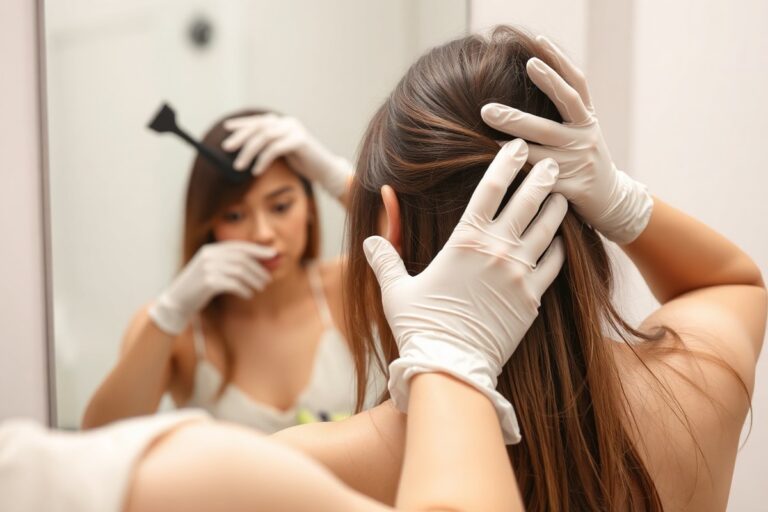
- Wear gloves during application to prevent skin staining
Use mild surfactants in your shampoo to remove color but avoid drying out your hair. Overwashing can cause brittleness.
Using Color Removers and Protective Aftercare
Use a color remover made for toners when purple feels strong. You can also ask a stylist for advice about it. These products lighten unwanted pigment safely.
After removing stains or overtoning, treat hair with deep conditioners or hydrating masks to restore moisture. This avoids dryness common with toning products.
- Only use color removers designed for toners
- Apply deep conditioning treats to repair hair texture
- Limit shampooing to maintain toner’s balance
- Use a clay mask monthly for a deeper clean reset
- Protect hair from heat and sun after toning
Set a timer every time you use purple shampoo to avoid overtoning and unwanted purple stains.
Protecting Your Hair from Dryness and Damage While Using Purple Shampoo
Purple shampoo can dry out your lightened or blonde hair if used too often. You need to prep your hair with oils or conditioners before using it. Spacing out how often you wash keeps your hair from getting brittle.
Pre-Treatment Oils: Coconut vs Argan
Applying oil before using purple shampoo helps protect your hair. Coconut oil soaks deep into your strands, sealing moisture inside. Argan oil sits more on the surface, adding shine and smoothing cuticles.
Choose coconut oil if your hair feels very dry or porous. Use argan oil for a lighter feel and extra shine. Apply just a small amount, about a dime size, to damp hair before shampoo.
Post-Wash Conditioning and Protein Treatments
After rinsing purple shampoo, seal moisture with a lightweight oil. This stops your hair from losing water and becoming brittle. Follow with a conditioner made for color-treated hair to maintain softness.
Space protein treatments every 4 to 6 weeks. For example, use a protein mask or treatment to rebuild hair strength and avoid breakage. Use a purple conditioner and leave it on longer for extra softness.
- Rinse purple shampoo thoroughly with cool or lukewarm water
- Apply a color-safe conditioner or purple conditioner after every wash
- Add a few drops of lightweight oil once hair is towel-dried
- Use a protein treatment once a month or as needed
- Avoid heavy oils that can weigh hair down
These steps help keep your hair hydrated and healthier between purple shampoo washes. Avoid sulfate shampoos to prevent stripping natural oils.
Frequency Recommendations Based on Hair Condition
Use purple shampoo every 1 to 3 washes depending on your hair’s dryness. Dry or damaged hair needs less frequent purple shampoo to avoid extra dryness. In contrast, healthy hair can tolerate a bit more frequent use.
Mix purple shampoo with your regular shampoo to dilute its pigment. This reduces dryness and over-toning, especially for fine or sensitive hair. Following the manufacturer’s instructions also helps avoid damage.
Choosing the Right Purple Shampoo Formula for Your Hair Needs
Most purple shampoos use violet dyes like Acid Violet 43 or D&C Violet 2. These ingredients come from petroleum or coal tar, meaning no purple shampoo is 100% organic. Still, some brands add fewer synthetic chemicals and include plant-based moisturizers.
These options cut down on harsh additives in your haircare. They usually cost more than regular products. Expect to pay about $15 to $25 per bottle.
Sulfates are common cleansing agents, but they can strip hair and cause dryness. Sulfate-free purple shampoos cleanse gently and help keep color vibrant longer. They’re best if you have damaged or sensitive hair.
These formulas have conditioners like polyquaternium-7 or -10 added. They help smooth your hair strands. They also protect your hair from damage.
| Feature | Synthetic Purple Shampoos | Organic-lean Purple Shampoos | Sulfate-Free Purple Shampoos |
|---|---|---|---|
| Dye Type | Acid Violet 43, D&C Violet 2 | Same violet dyes but often fewer additives | Same violet dyes, no harsh sulfates |
| Ingredients | Petroleum-derived dyes, some silicones | More natural oils, plant extracts | Added conditioning agents like polyquaternium |
| Effect on Hair | Strong toning but may dry hair | Gentler, mild toning with moisturizers | Mild cleansing, protects color and moisture |
| Best For | Normal to resistant hair | Sensitive scalps, short-term use | Dry, damaged, or color-treated hair |
| Price Range | $10 to $20 | $15 to $25 | $15 to $30 |
To pick the best shampoo, start with your scalp and hair condition. Sensitive scalps benefit from sulfate-free or organic-lean options. Avoid harsh detergents and check for soothing ingredients like aloe vera or chamomile.
Check the label for sulfate content. Sulfate-free means no sodium lauryl sulfate or sodium laureth sulfate.
Also, avoid bottles that list strong alcohols high up, as they can dry hair. A gentler formula usually means fewer chances of purple stains on skin.
Apply purple shampoo just once a week to minimize fading and buildup. Less frequent use suits damaged or dry hair types best. Monitor how your hair reacts.
Feeling brittle or stained means you should try a gentler formula. You could also use your product less often.
When to Seek Professional Help for Purple Shampoo and Toning Issues
Purple shampoo can damage hair by drying it out. It can also cause unwanted color buildup. Watch out for these effects on your hair.
You may notice brittle strands, rough texture, or hair that breaks easily. Your hair may look dull or feel straw-like after purple shampoo.
That means you might need to stop using it. Consider asking for help.
Another sign to watch for is scalp irritation. Burning, itching, redness, or swelling after shampoo use are not normal. These reactions might mean an allergy or sensitivity to ingredients in the shampoo.
Notice any of these symptoms? Rinse your hair right away. Then call a dermatologist or hairstylist for advice.
Strong purple staining that won’t wash out after several shampoos can also require expert help. Leaving purple shampoo on too long or using it often can cause uneven hair color. You might end up with gray, purple, or blue patches.
A salon can fix uneven tones with professional color correction. They balance the color or gently lift pigment. This avoids extra damage to your hair.
Watch for severe dryness, breakage, or scalp redness as warning signs. Persistent purple stains or uneven hair color are also alerts. These mean you may need expert care.
Professionals have tools like deep conditioning treatments and color-balancing formulas that you can’t get at home. They also ensure your hair stays healthy while fixing the color problems.
You don’t have to spend a lot at first. A single visit to a colorist usually costs between $75 and $150, depending on your location. This can save you money compared to struggling with home fixes that might worsen the problem.
Make an appointment if hair damage lasts two weeks after stopping purple shampoo. Also see a pro if symptoms get worse over time.
Stop purple shampoo use as soon as you notice scalp irritation or too much dryness. This helps prevent the problem from getting worse.
Step-by-Step Action Plan for Using Purple Shampoo
Follow these steps to use purple shampoo safely and get the tone you want. Check results at each stage to avoid over-toning or staining.
- Before you start: Choose a purple shampoo suited for your hair type and lightness. Look for formulas labeled hydrating if your hair feels dry.
- First wash: Apply purple shampoo on wet hair for 1 to 3 minutes, then rinse. Your hair should feel cleaner without unnatural purple tint.
- After 1 week: Use purple shampoo once or twice weekly. Apply it only on lightened or blonde hair. Notice if yellow and brassy tones soften.
- Week 2: If brassiness remains, increase shampoo time to 3 to 5 minutes. Avoid leaving it on longer to prevent purple staining.
- Week 3: For dry or brittle hair, reduce purple shampoo use and add a moisturizing conditioner. Check your hair for softness and shine.
- Every 4 weeks: Assess your hair color and scalp health. Space out shampoo days or choose a milder formula when staining or dryness happens.
- Ongoing: Use a deep conditioner weekly to protect hair from damage. Seek professional help if tones look uneven or purple stains won’t fade.
Frequently Asked Questions
Can Purple Shampoo Leave a Purple Tint on Your Hair After Washing?
Purple shampoo can leave a slight purple tint if used too long. Rinse thoroughly within the recommended time to avoid this.
Does Purple Shampoo Stain Your Scalp or Skin Permanently?
Purple shampoo may stain skin or scalp temporarily but won’t stain permanently. Washing with soap usually removes stains easily.
Can Purple Shampoo Lighten or Bleach Hair in Any Way?
Purple shampoo does not lighten or bleach hair; it only tones brassiness. For lightening, use a dye or bleach product.
Is It Safe to Use Purple Shampoo Daily on Blonde Hair?
Using purple shampoo daily is generally safe but can cause dryness. Use it a few times a week and moisturize well.
Will Purple Shampoo Affect Chemically Treated or Damaged Hair Differently?
Chemically treated hair may absorb more pigment, risking a stronger purple tint. Always follow timing instructions carefully.
Can Purple Shampoo Interact Badly with Other Hair Products Like Conditioners?
Some conditioners can reduce purple shampoo’s toning effect by coating hair. Use a conditioner designed for color-treated hair.
Before You Go
Purple shampoo won’t dye your hair but tones down yellows and brassy shades. Use it carefully to avoid stains and dryness. Try it this week and watch your hair’s color improve gently.