What Can Be Used as Dry Shampoo: 8 Natural Alternatives That Actually Work
Wondering what can be used as dry shampoo? Several natural powders and rinses can freshen your roots and soak up oil. Baking soda, arrowroot powder, and even certain makeup powders work well as easy alternatives.
Hold the dry powder 6 to 8 inches above your roots. Sprinkle or dust it evenly over the roots. Let it sit for 5 to 10 minutes to absorb oils before brushing it out gently.
Natural dry shampoos avoid harsh chemicals, making them great for sensitive scalps or eco-friendly routines. Avoid powders that can leave residue behind.
Some can irritate your skin. This is worse if your hair is dry or damaged.
Key Takeaways
- Use baking soda or arrowroot powder as natural dry shampoo options.
- Shake or sprinkle powder about 6-8 inches from your scalp for even application.
- Let the powder sit for 5-10 minutes before brushing it out thoroughly.
- Limit dry shampoo use to 2-3 times between regular hair washings.
- Dilute apple cider vinegar rinses 50:50 with water if your hair is dry.
- Choose translucent makeup powders for light-colored hair to avoid visible residue.
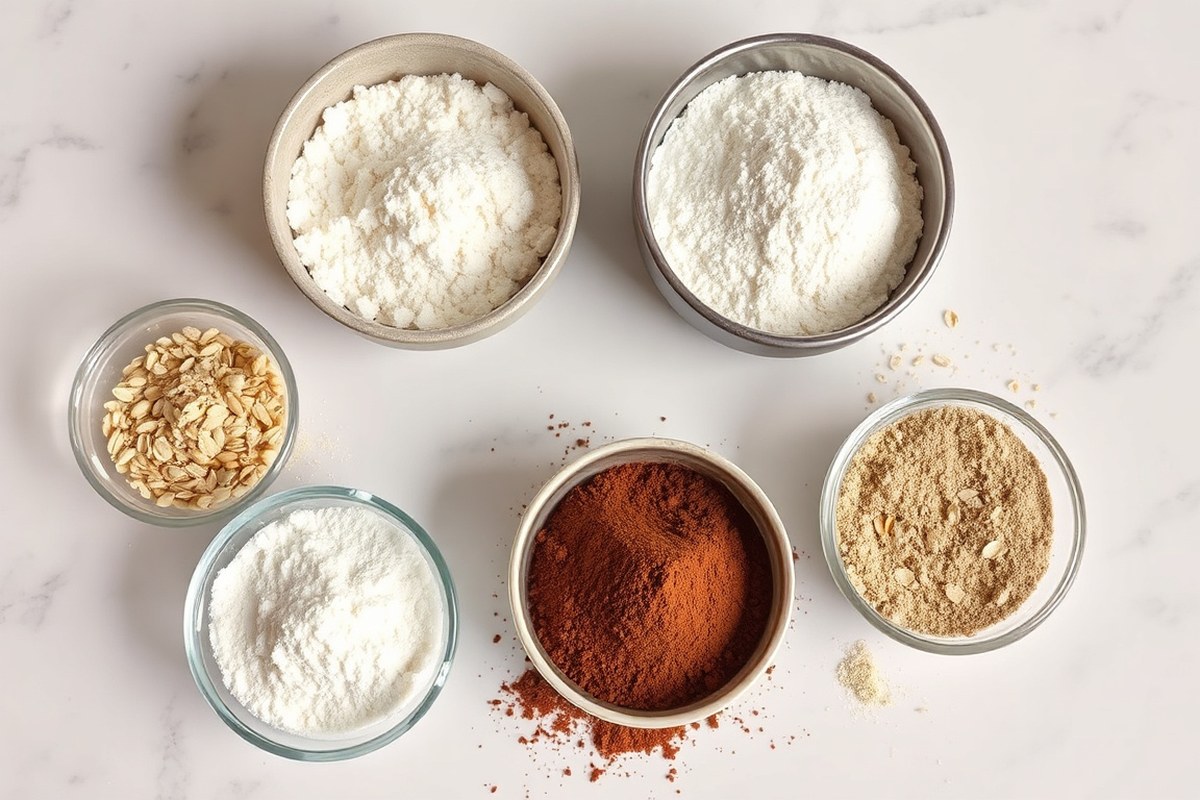
8 Natural Products That Can Be Used as Dry Shampoo
| Product Type | Description |
|---|---|
| Cornstarch | Natural powder that absorbs oil and adds volume. |
| Baby Powder | Similar to cornstarch, with mild scent but may contain talc. |
| Cocoa Powder | Good for darker hair; absorbs oil and blends with hair color. |
| Baking Soda | Strong oil absorber; use sparingly due to potential scalp dryness. |
| Arrowroot Powder | Gentle on scalp; absorbs oil while being talc-free and natural. |
| Rice Flour | Absorbs oil well; can add some thickening effect in hair. |
| Oat Flour | Soft powder that soaks up oil and soothes irritated scalps. |
Cornstarch is one of the most common dry shampoo alternatives. It soaks up oil well and adds volume, making your hair look flatter-free. Use about 1 to 2 teaspoons.
Dust onto roots with a makeup brush or your fingers. Avoid white residue by blending it in carefully. Baby powder works similarly but may contain talc.
If you want a talc-free choice, check labels or choose pure cornstarch. Baby powder often smells nice but sometimes leaves a slight white cast. Apply just a small amount to avoid this.
Cocoa powder works best for dark hair. It blends well with hair color and tackles oil without leaving noticeable powder. Use sparingly because too much makes hair look dull or brownish.
Mix with cornstarch to adjust if needed. Baking soda is a strong oil absorber but can be rough on your scalp if overused. Keep usage low, about half a teaspoon at most, and don’t apply daily.
It helps if you need a quick fix but moisturize afterward to avoid dryness. Arrowroot powder is gentle and natural. It absorbs excess oil without irritation, great for sensitive scalps.
Apply the same way as cornstarch. It’s talc-free and less likely to cause buildup or itching. Rice flour is another option that absorbs oil while thickening hair slightly.
Use about a teaspoon, and apply at your roots. Watch out for pale residue on darker hair and dust off any excess. Oat flour is softer and soothing.
Besides oil absorption, it can calm itchiness or scalp irritation. It has a fine texture but might add a slight weight to very fine hair.
Use a small amount if your hair is thin. For quick tips by hair color and type: – Light hair: cornstarch or arrowroot powder avoids visible residue. – Dark hair: cocoa powder mixed with a natural starch blends well. – Sensitive scalps: arrowroot or oat flour reduces irritation. – Oily hair: baking soda works fast but use just once in a while.
How to Apply Dry Shampoo Alternatives for Best Results

You need to apply powder dry shampoo lightly and evenly at your scalp’s roots. Let it sit for 5 to 10 minutes before brushing it out well. Use the right brushes and gentle scalp massage to remove residues without spreading oil.
Step 1: Applying Powder Evenly to Roots
Begin by selecting a powder that suits your hair color to avoid visible residue. Use a clean makeup brush or small sieve to dust powder.
Focus on oily areas first, near your scalp and hairline. Also dust the crown to control shine there.
Applying a little at a time helps control buildup and prevents your hair from looking chalky. Focus on applying the powder only to your roots where oil gathers most.
- Pick a dry shampoo powder that fits your hair color. Use cornstarch if your hair is light. Use cocoa powder for dark hair.
- Use a clean, soft brush or sieve for even, light dusting at your scalp.
- Apply powder slowly, working in small sections to avoid over-application.
- Target your scalp and oily spots, skipping hair ends.
- Avoid clumps by shaking excess powder off the brush before applying.
Applying too much powder can leave a white, chalky look. Use light layers and build if necessary.
Step 2: Waiting Time for Oil Absorption
Waiting 5 to 10 minutes lets the powder soak up excess oil effectively. Use this time for other grooming steps like dressing or applying light makeup.
This pause improves dry shampoo performance and avoids a powdery appearance when you brush it out. You’re aiming for your scalp to feel less greasy before removal.
- Allow the powder to sit undisturbed on your roots for at least 5 minutes.
- Use the waiting time to style your clothes or handle other routines.
- Check the scalp oiliness after waiting to see if the powder feels dry.
Waiting less than 5 minutes reduces oil absorption. Patience helps get better results.
Step 3: Brushing Techniques and Tools
Start removal by massaging your scalp gently with your fingers to loosen powder and oil. Then use a boar bristle brush or a natural bristle paddle brush to remove residue thoroughly.
Brushing helps distribute the powder evenly and lifts away any clumps without damaging your scalp. Sweep lightly from root to ends, focusing on removing excess powder.
- Massage scalp gently with fingertips to loosen dry shampoo and absorb oil.
- Choose a soft bristle brush to avoid irritating your scalp.
- Brush hair thoroughly, moving from roots down to ends.
- Repeat brushing on oily spots to ensure no residue remains.
Use a stiff brush, and you risk spreading residue or scratching your scalp. Stick with soft, natural bristles.
Tips for Avoiding Residue on Dark Hair
Dark hair shows powder easily. Mix cornstarch with a small amount of cocoa powder to match your natural hair color. Apply the blend sparingly to avoid a white cast.
Focus on light dusting and thorough scalp massage to reduce clumping. Using arrowroot powder can also result in less visible residue on dark strands.
- Mix dry shampoo powder with a small pinch of a tinted powder like cocoa.
- Apply lightly in thin layers to prevent any visible chalky patches.
- Massage powder deeply into the roots before brushing out.
- Brush well with a soft bristle brush designed for dark hair.
Applying too much powder on dark hair causes white flakes. Using tinted powder can help mask this.
Choosing the Right Dry Shampoo Alternative for Your Hair Type
The best dry shampoo alternative depends on your hair color, texture, and scalp sensitivity. Lighter powders work well for light hair. Darker powders suit dark hair without visible residue.
Curly or textured hair needs gentle ingredients. Sensitive scalps require careful application. This avoids irritation and build-up.
Best Powders for Light vs. Dark Hair Colors
White or light-colored powders like arrowroot or cornstarch blend well with light hair. They absorb oil without showing up as a residue. For dark hair, mix cocoa powder with arrowroot.
You can also use cornstarch. This makes a tinted powder to hide white flakes.
Choosing the right powder color prevents your hair from looking chalky or dull. Start with a small amount and rub it in well to check for visible residue. Avoid powders with a bright white or gray tint if your hair is dark.
Dry Shampoo Alternatives for Curly and Textured Hair
Curly and textured hair usually needs more moisture, so use dry shampoo alternatives sparingly. Powders can sometimes dry out curls or make hair feel stiff. Choose finely milled powders like arrowroot and avoid thick coatings to keep curls soft and bouncy.
Finger massage works better than brushing for applying dry shampoo on textured hair. This spreads the powder evenly without disturbing the curl pattern. Use a light touch to prevent clumps or patches of powder buildup.
Sensitive Scalp Considerations and Soothing Ingredients
Sensitive scalps can react to powders that dry too much or clog pores. Test any powder or mixture on a small scalp patch first before applying widely. Powders without fragrances or harsh additives tend to cause less irritation.
Add soothing ingredients like chamomile tea powder or aloe vera gel to your dry shampoo mix. They help calm itchiness and redness. Always avoid harsh chemicals and rinse thoroughly if irritation develops.
Adjusting Application Amount to Hair Thickness
Thin hair needs only a light dusting of powder to avoid a heavy, sticky feel. Use about half a teaspoon of powder for fine hair, focusing on oily areas. Too much powder weighs hair down and looks uneven.
Thick or dense hair needs more powder to absorb oil in all layers. Start with one teaspoon, then add more if needed. Massage powder into the scalp well before styling to prevent buildup and clumps.
DIY Dry Shampoo Recipes Tailored for Different Hair Colors
You can easily make dry shampoo at home tailored to your hair color. Using simple ingredients like cornstarch, baking soda, cocoa powder, and cinnamon helps match your hair tone. These mixtures absorb oil and blend well, avoiding powdery residue.
Light Hair Formula Using Cornstarch and Baking Soda
Cornstarch and baking soda absorb oil from the scalp and lighten the hair. This mix works well for blonde or very light hair without leaving a noticeable residue. Baking soda helps reduce scalp odor.
Use it sparingly. If you have a dry or sensitive scalp, be careful.
Here’s a simple recipe with the right balance for light hair:
- Measure 2 tablespoons of cornstarch and 1 tablespoon of baking soda.
- Combine both powders in a clean bowl and stir well.
- Transfer the mixture to an empty powder container or jar with a sifter.
- Apply sparingly to your roots, using a makeup brush or clean fingers.
- Let it sit for 5 to 10 minutes to absorb oil.
- Brush out the excess powder thoroughly to avoid visible clumps.
Dark Hair Formula with Cocoa Powder and Arrowroot
For dark hair, cocoa powder helps avoid the white residue traditional powders leave. Mixing cocoa powder with arrowroot or cornstarch absorbs oil while matching hair color. Arrowroot is gentle and effective, making the blend ideal for brunettes or black hair.
Try this easy recipe to keep color even and roots fresh:
- Mix 2 tablespoons of arrowroot powder with 1 tablespoon of unsweetened cocoa powder.
- Stir well until evenly combined to avoid patchiness.
- Optional: add 6 drops of your favorite essential oil for scent.
- Pour the blend into a clean spice shaker or aerosol bottle.
- Sprinkle or spray on dry roots, focusing on oily areas.
- Let it absorb for about 10 minutes before massaging or brushing it in.
- Remove excess to prevent buildup or dullness.
Medium to Auburn Hair Mix with Cinnamon and Starches
Cinnamon tones blend well with medium to auburn hair, avoiding dull gray residue. Mixing cinnamon with cornstarch or arrowroot absorbs oils and adds a natural warm tint. This combo maintains scalp freshness and complements reddish tones.
Follow these steps to prepare your batch:
- Combine 2 tablespoons of arrowroot powder with 1 teaspoon of ground cinnamon.
- Mix thoroughly to spread the color evenly throughout the powder.
- Adjust the amount of cinnamon slightly to better match your auburn shade.
- Optionally add a few drops of light essential oil for fragrance.
- Store the mix in a clean container with a sifter or shaker lid.
- Apply to roots with a brush, allowing 5 to 10 minutes to work.
- Brush or rub in gently to remove extra powder and blend well with hair.
Storage and Usage Tips for Homemade Powders
Store your dry shampoo powders in airtight containers to keep them fresh and dry. An old spice shaker or a small jar with a sifter lid works well. Keeping them in a cool, dry place prevents clumping and scent fading.
Use a light hand applying dry shampoo to avoid visible powder patches. Wait a few minutes for it to absorb oil before brushing out excess powder.
Avoid overuse, as heavy application can build up and dry out your scalp. Try blending powders to suit oiliness or hair texture better.
Common Mistakes When Using Natural Dry Shampoo Alternatives
Using too much natural dry shampoo powder often causes white residue on your hair and scalp. This happens when the powder sits on your hair without fully absorbing oils or blending in. Start with about a quarter teaspoon of powder.
Apply it in small amounts. Add more only if you truly need it.
Not brushing or rubbing the powder out properly also leads to visible white flakes. After applying, gently massage the powder into your scalp and then brush your hair well. Use a clean, soft brush or your fingers to spread the powder evenly and remove excess.
Scalp over-drying can cause itching or irritation, especially if you use dry shampoo powders daily. Natural powders like cornstarch soak up oil. They can dry your skin if left too long.
Use them carefully and sparingly. Use dry shampoo no more than two days straight.
Wash your hair regularly after that. This helps prevent dandruff and scalp issues.
- Apply dry shampoo powder about 6 inches from your scalp
- Start with a small amount, around ¼ teaspoon per section
- Massage the powder into your scalp gently with fingers
- Brush through hair carefully to remove visible residue
- Use dry shampoo for no more than two days consecutively
- Stop use if you notice itching, burning, or irritation
- Wash hair thoroughly every few days to clean scalp
Using too much powder or skipping brushing leads to white flakes and scalp buildup.
Baby powder and arrowroot powder work well for DIY dry shampoo. Avoid non-powder products like dryer sheets. These can cause scalp irritation or clog pores.
How much powder you use matters a lot. Also, how you remove it is important. Both affect your hair health.
How Long Does Dry Shampoo Need to Work and How Often to Use It
Let dry shampoo powder sit on your roots for about 5 to 10 minutes. This time allows the powder to soak up excess oil effectively. Brushing or finger-combing too early stops it from absorbing well.
Your hair may still look greasy if you do this. Wait a bit before brushing for best results.
You can use dry shampoo two to three times between regular washes. Stretching it beyond that risks buildup on your scalp. Buildup can clog hair follicles and cause irritation or dandruff over time.
Avoid daily use of dry shampoo. Continuous use can harm your scalp and hair by trapping dirt and oil without cleansing. Wash your hair with water and shampoo every three or four days.
This helps keep your scalp healthy. Don’t skip washing for too long.
Dry shampoo helps cut down washing for fine or frizzy long hair. It refreshes hair without stripping natural oils. Use it to save time between washes.
Applying it the night before lets it absorb sweat and oils overnight. By morning, your hair feels fresher without extra water or shampoo.
Some people use dry shampoo for up to three months straight. After that, they take a break to avoid buildup. Giving your scalp a rest helps too.
This cycle prevents overloading your scalp with powder or residues. After that, give your hair a thorough wash and scalp care routine to refresh everything.
Household powders like cornstarch or milk powder need the same wait time. Apply then wait before brushing or styling. This helps them work properly.
Apply lightly, let it sit 5 to 10 minutes, then brush out the excess well. This routine keeps your hair looking clean without daily shampoo.
Benefits and Limitations of Dry Shampoo Compared to Washing
Dry shampoo soaks up extra oil and grime from your scalp. It doesn’t wash away dirt like water and shampoo do. Your hair looks less oily and feels fresher, but residue stays behind.
Use dry shampoo as a supplement, not a full replacement for washing. Washing removes dirt, sweat, and product buildup that dry shampoo can’t. Skipping regular shampooing can cause scalp issues like itching, rashes, or inflammation over time.
Regular use of dry shampoo may cause oil and residue to pile up on your scalp. This buildup can block hair follicles and irritate the skin. To avoid this, wash your hair with water every few days, especially if you notice itching.
Dry shampoo’s effects usually last about a day, depending on your hair type and oiliness. Exercising regularly or living somewhere humid can cause you to use it more frequently.
But don’t overuse. Using too much dry shampoo can dull your hair color and dry the scalp.
Some dry shampoos include ingredients like essential oils that soothe your scalp. But these don’t replace washing.
Natural alternatives like aloe vera gel absorb oil and calm the skin too. Still, they won’t remove buildup that daily washing gets rid of.
Color-treated hair can look duller if dry shampoo residue builds up. Washing gently with suitable shampoos helps keep your color vibrant. Avoid letting dry shampoo sit on your scalp and hair for days without rinsing.
Special Tips for Using Dry Shampoo on Different Hair Textures
Fine hair benefits from light application of dry shampoo. Hold the spray or powder about 8 to 10 inches away. Focus on oily spots near the scalp, especially the roots.
For coarse hair, use a slightly larger amount to cover thicker strands. Comb through with fingers or a wide-tooth comb for even distribution without weight.
Curly and coily hair needs a different dry shampoo approach. Apply it mainly to the scalp instead of the hair length. This prevents curls from drying out or becoming stiff.
Use your fingertips to gently massage the dry shampoo into the scalp. Avoid heavy powders. Instead, try a leave-in conditioner as a freshener, which adds moisture while absorbing oils.
Textured or high-porosity hair can dry out easily, so beware of drying ingredients. Choose alternatives with natural oils or moisturizing additives to keep hair soft. A mix of baking soda and cornstarch works well.
Use it only once or twice every week. Don’t apply it more often than that. Rinse lightly or brush out buildup to prevent residue.
Thick hair tends to build up dry shampoo quickly, causing dullness or flakes. Break hair into sections and apply the product bit by bit.
Comb between sections, so you don’t miss scalp areas or overload strands. This takes more time but saves cleaning and avoids product clumps.
Too much dry shampoo on textured hair may cause buildup or dryness. So apply sparingly and spread evenly with fingers.
Step-by-Step Action Plan for Using Natural Dry Shampoo Alternatives
Try these steps to get the best results from natural dry shampoos. You’ll see which product works and how often to apply it.
- Before Use: Choose a dry shampoo alternative based on your hair color and texture. Check if it matches by looking for leftover powder or residue after application.
- Day 1: Apply a small amount of your chosen product to the roots. Rub it in gently and wait 5 to 10 minutes to absorb oil.
- Day 2: Brush or comb your hair to remove excess powder. Your hair should look fresher without feeling weighed down.
- Week 1: Repeat application on days when your hair feels oily but not every day. Notice if this schedule keeps your hair cleaner between washes.
- Week 2: Try a different product or recipe this week. Use it if the first one left residue. Also switch if it didn’t soak up oil well. Compare how each one looks and feels after use.
- After 2 Weeks: Adjust how much you apply based on hair texture. For thicker hair, use a bit more product; for fine hair, less is better.
- Monthly Check: Wash your hair at least once a week. This stops product buildup on your scalp and strands. Make sure to use your normal shampoo.
Frequently Asked Questions
Can I Use Baby Powder as Dry Shampoo?
Yes, baby powder works well as dry shampoo. It absorbs oil and refreshes roots quickly but avoid overusing to prevent residue buildup.
Is Cornstarch Safe for All Hair Types as Dry Shampoo?
Cornstarch is safe for most hair types and very effective. It soaks up oil but may lighten dark hair if applied heavily.
Can I Use Apple Cider Vinegar as a Dry Shampoo?
Apple cider vinegar can refresh scalp oils but isn’t powdery like dry shampoo. Use diluted versions as a quick scalp rinse rather than dry product.
What Household Items Should I Avoid as Dry Shampoo?
Avoid dryer sheets as they may irritate your scalp. They remove static but aren’t meant to absorb oil.
How Do I Prevent White Residue from Natural Dry Shampoo Powders?
Apply dry shampoo powders lightly from 6, 8 inches away. Gently massage to blend and avoid visible residue.
Can Natural Dry Shampoos Affect Hair Color?
Some powders may dull color if used heavily but don’t chemically alter hair. Rinse before coloring to remove buildup.
The Bottom Line
Using natural dry shampoo alternatives can keep your hair fresh without water. Pick what fits your hair and use it right. Try your first application today and watch how your hair responds.