Can You Dye Freshly Washed Hair? What Actually Works for Best Results
Can you dye freshly washed hair? Yes, but it’s better to wait.
Washing your hair 12 to 24 hours before coloring helps the dye work evenly. It also protects your scalp from irritation because natural oils have time to return.
Dyeing hair immediately after washing removes those oils. Without them, your scalp might feel sensitive. The color also may not last as long or take as well on very clean hair.
Your scalp’s natural oils act as a barrier against harsh chemicals. When they’re washed away, the chemicals in hair dye may cause itching or burning. Waiting gives your scalp a chance to recover and lowers this risk.
You should pick an ammonia-free dye when dyeing hair right after washing. These are gentler and less likely to irritate your scalp. Otherwise, waiting a day or two after washing is the safest plan.
Key Takeaways
- Wait at least 12 hours after washing before dyeing your hair for better results.
- Ideal waiting time is 24 to 48 hours to let natural oils protect your scalp.
- Ammonia-free dyes are a safer choice if you dye freshly washed hair.
- Do not dye hair immediately after shampooing to avoid scalp irritation.
- After dyeing, avoid shampooing hair for 48 to 72 hours to keep color intact.
- Use a clarifying shampoo 24 to 48 hours before dyeing if your hair feels oily.
Can You Dye Hair Immediately After Washing?
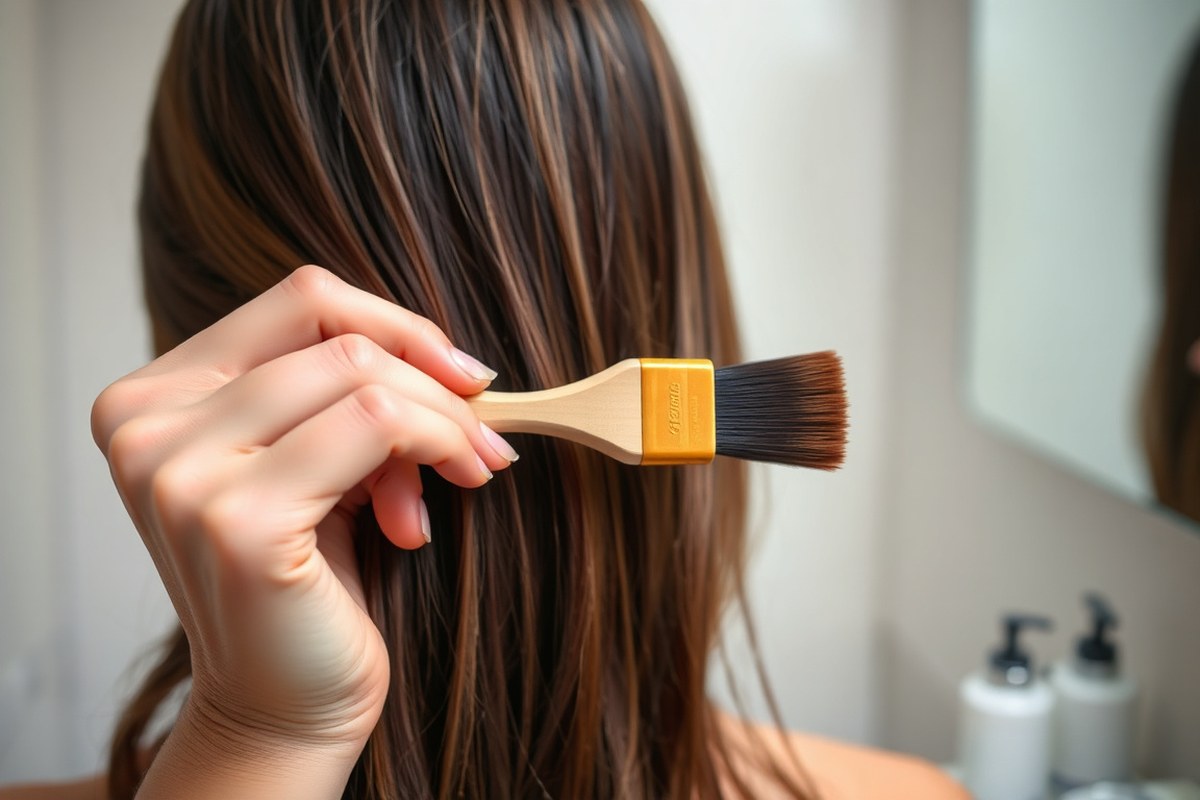
You can dye freshly washed hair, but it comes with some drawbacks. Hair washed within a few hours does not have natural oils. These oils help protect your scalp from harsh chemicals.
Without them, your scalp can get irritated easily. This leaves your scalp more vulnerable to irritation, itching, or stinging during dyeing.
Most color experts suggest waiting at least 24 to 48 hours after washing before coloring. Natural scalp oils act as a buffer to lessen chemical exposure and make dye application smoother. Dyeing immediately after washing might cause uneven color absorption and more scalp sensitivity.
Wet hair should not be dyed with most permanent hair colors. Dye works best on dry or slightly damp hair.
Applying color to wet hair can dilute the formula, leading to patchy results or fading faster. It’s safer and more effective to towel dry completely before starting.
Semi-permanent dyes are an exception since they work well on freshly washed hair. They need a clean base to stick to without buildup. For permanent color or bleach, wait one or two days before dyeing.
This helps protect your scalp and gives even color. The wait lets your scalp oils build back up.
You must check your scalp sensitivity before dyeing hair right after washing. Make sure your scalp feels calm and not itchy. If it’s sensitive, wait a day before applying dye.
Dry your hair fully and avoid shampooing again for several days after coloring. This helps color last longer and reduces potential irritation.
How Natural Oils Affect Hair Dyeing Results

Your scalp naturally produces oils that form a protective layer over the skin. This thin layer, called sebum, shields your scalp from harsh chemicals in hair dye. Without it, the dye can irritate your scalp, causing redness, itching, or even burns.
These oils do more than just protect your skin. They also help the dye spread evenly across your hair roots. Dyeing freshly washed hair can cause uneven color absorption.
This happens because your hair lacks natural oils. Oils help the dye stick evenly. This can lead to patchy spots or overly intense color in some areas.
Natural oils keep your hair cuticles from opening too wide during dyeing. Your hair may be too clean. Dye molecules might enter but also leave easily.
This makes your color fade faster than usual. But a small amount of oil keeps the color sealed longer, helping it last.
Waiting 12 to 24 hours after washing your hair lets oils return naturally. By this time, your scalp holds enough oil. This oil protects your scalp.
It also helps dye work better. This timing creates a good balance: protection without oil buildup blocking color.
Very oily hair or product buildup may block color. Washing gently a day before dyeing helps remove that.
Remove excess grime without stripping all natural oils. Avoid washing right before dyeing because that removes oils important for scalp care and color quality.
To avoid scalp irritation during dyeing, never dye hair immediately after washing. Let natural oils rebuild for at least 12 hours before coloring.
Recommended Waiting Times Between Washing and Dyeing
How long to wait between washing and dyeing depends on your hair type and dye. Waiting helps natural oils build up on your scalp, protecting it from irritation.
It also helps the dye stick evenly. So your color looks better and lasts longer.
For permanent hair color, wait at least 24 hours. If your scalp is sensitive, waiting 48 hours is best. More time helps reduce irritation.
Semi-permanent dyes usually work well on clean, slightly damp hair. So washing right before coloring is fine. Demi-permanent colors need 12 to 24 hours after washing.
This wait lets your scalp’s natural oils come back. These oils help protect skin during coloring.
| Dye Type | Best Washing Window Before Coloring |
|---|---|
| Permanent Color | 24, 48 hours |
| Semi-Permanent Color | Clean, damp hair (follow instructions) |
| Demi-Permanent Color | 12, 24 hours |
| Bleach or Lightener | 24, 72 hours (avoid silicones for a week) |
Waiting around 12 to 24 hours suits most people using permanent or semi-permanent dyes. This window removes excess oil without stripping your scalp, which prevents irritation. For very oily hair, washing 12 to 24 hours before dyeing helps balance the oils.
Your schedule might not allow 24 or 48 hours. In that case, try ammonia-free dyes instead. They’re gentler on your scalp.
These are gentler on the scalp even when applied soon after washing. Remember, freshly washed hair may not hold color well.
It might also feel more sensitive during dying. Give your scalp time to adjust.
Differences in Dye Type: When to Wash Before Coloring
Different hair dyes ask for different hair cleaning routines before coloring. Permanent and demi-permanent dyes work better if your hair isn’t freshly washed.
Waiting 24 to 48 hours after washing lets natural oils build up. These oils protect your scalp and help the dye spread evenly.
Semi-permanent dyes often want clean or slightly damp hair. Many semi-permanent kits say to apply them on freshly washed hair. This helps these dyes stick since they coat the hair shaft instead of changing its structure.
Bleach should always go on unwashed hair. The oils and dirt act like a shield against its harsh chemicals, reducing scalp irritation.
| Dye Type | Hair Condition Before Dyeing | Why This Matters |
|---|---|---|
| Permanent/Demi-Permanent | Hair washed 24-48 hours earlier | Natural oils protect scalp and help color last |
| Semi-Permanent | Clean, dry or damp hair | Works better on fresh hair since it coats hair |
| Bleach | Unwashed hair with natural oils | Oils reduce scalp irritation and protect skin |
Permanent dye changes the hair’s structure. Oils help protect your scalp from harsh chemicals. Applying permanent color on freshly washed hair can cause irritation or uneven color.
Semi-permanent color is gentler and sits on the hair’s surface. Clean hair avoids buildup blocking color.
Bleach is harsh, so natural oils act as a cushion. If your hair is too clean, bleach stings more and can burn your scalp.
Preparing Freshly Washed Hair for Same-Day Dyeing
Dyeing your hair right after washing can work if you take the right steps. Make sure your hair is fully dry before applying color. Use gentle products and protect your scalp to avoid irritation.
Drying Hair Properly Before Dyeing
Wet hair is more open and vulnerable to damage during dyeing. Towel drying gently helps remove excess water without roughing up the strands.
Let your hair air dry or use a blow dryer on cool. Keep drying until your hair feels fully dry all over.
Wet hair can cause the dye to dilute, leading to patchy color results. Wait at least 30 minutes after washing to start drying your hair. Rubbing hair hard with a towel can cause breakage, so pat dry instead.
Using Scalp Protection Products
Freshly washed scalps may feel more sensitive to dye chemicals. Applying a thin layer of scalp protector balm can reduce irritation. These products create a barrier that shields skin without affecting hair color.
Wear gloves and avoid scratching or rubbing your scalp before dyeing. Choose gentle shampoos when washing to prevent extra irritation before coloring. Consider doing a patch test even if you don’t usually have sensitive skin.
- Use a scalp barrier cream or balm before applying dye.
- Wear gloves to protect your hands during dyeing.
- Choose shampoos free of harsh detergents before washing.
- Avoid washing hair too hot to limit scalp dryness.
- Do a patch test 48 hours before coloring to check for reactions.
- Don’t scratch or irritate your scalp before dyeing.
- Keep your scalp moisturized with light oils or serums if dry.
Always do a patch test before dyeing if you have a sensitive scalp.
Choosing Gentle or Ammonia-Free Dyes
Ammonia-free dyes tend to be less harsh on freshly washed hair. They protect hair moisture and reduce scalp dryness during the coloring process. Look for permanent dyes labeled “ammonia-free” along with a moisturizing conditioner included.
Choose gentle formulas when your scalp is sensitive or hair is freshly washed. These dyes usually contain lower levels of harsh chemicals while still covering gray hair. Avoid permanent dyes with strong ammonia content after washing fresh hair to lower irritation risks.
Risks of Dyeing Hair Directly After Washing
Dyeing hair right after washing can make your scalp feel more sensitive. Freshly washed hair loses some natural oils that protect your skin. Without these oils, hair dye’s chemicals may irritate your scalp or cause itching and redness.
Hair freshly washed with shampoo tends to be drier. That dryness can cause uneven color absorption.
Dye can stick to some parts and not to others. This leaves patches of different colors on your hair.
When your hair is too clean, the new color can fade faster. The dye doesn’t bond as well without the natural oils balancing moisture. This means your hair color may lose its brightness or wash out sooner than expected.
Heavy product buildup or grease on your hair can cause problems with dyeing. The color might not stick well, leading to blotchy or inconsistent results. Lightly oily hair is fine, but too much oil interferes with dye penetration.
People with sensitive scalps often notice more discomfort when dyeing freshly cleaned hair. The lack of oil makes the skin barrier weaker against harsh ingredients. That’s why patch tests and gentle formulas can help reduce irritation risks.
Waiting a day or two before dyeing lets your scalp’s natural oils return. These oils help protect your skin and balance moisture levels in your hair. That improves dye absorption and color longevity, especially for permanent dyes.
Some hair types or dye formulas may still work on freshly washed hair. Semi-permanent dyes often cause fewer problems because their chemicals are milder. Still, even light dyes stick better with some natural oils present.
Avoid washing your hair with clarifying shampoos or stripping products right before dyeing. These can make your scalp dry and sensitive, increasing risks of irritation. Use gentle, moisturizing shampoos when you plan to dye soon after washing.
When Washing Is Necessary Before Coloring
Wash your hair before coloring if it feels very oily or has buildup. Use shampoo to remove heavy products and dirt. Clean hair helps the color work better and last longer.
This cleans your scalp and hair, helping the dye spread evenly. Skipping a wash in these cases often leads to patchy or uneven color.
Identifying Heavy Product or Oil Buildup
Your hair might be overloaded with styling products like gels, hairspray, or dry shampoo. These layers can act like a barrier, stopping the dye from soaking in properly. You may notice your hair feels stiff, sticky, or grimy instead of soft and clean.
Check the scalp for oiliness, too. Your roots might look greasy or feel slick. These oils could stop the color from sticking properly.
Heavy buildup happens with silicone products used often. Light shampooing won’t remove them well. You need stronger cleansing to clear the hair for coloring.
Here’s a quick way to assess buildup:
- Hair feels rough or coated rather than smooth to touch
- Roots look oily or darker than the rest of the hair
- Hair has visible flakes or residue from dry shampoo
- Hair resists water penetration when wet
- Color fading faster after past dye jobs
- Recent use of multiple styling products daily
Spot any signs of buildup or oil on your scalp. Wash it before coloring to clear surfaces. Clean hair lets the dye work better and even out.
Using Clarifying Shampoo Safely
Clarifying shampoos remove heavy buildup but can leave hair dry and squeaky. Use one 24 to 48 hours before your dye appointment for the best outcome. This gap gives your scalp time to produce some natural oil to protect from irritation.
Choose a mild clarifying shampoo free of harsh sulfates for gentler cleansing. Lather well and rinse with lukewarm water.
Avoid hot water, which dries out scalp and hair more. After washing, skip heavy conditioners to keep your hair ready for color.
Here are steps for using a clarifying shampoo:
- Apply to damp hair and massage scalp thoroughly
- Work shampoo through all hair strands
- Rinse with lukewarm water to remove residues
- Skip conditioner or use a light leave-in treatment
- Let hair air-dry completely
- Wait 24 to 48 hours before dyeing
This routine clears out silicones and oils without stripping protective scalp oils fully.
Timing Your Wash Before a Dye Appointment
Wash your hair 12 to 24 hours before your color job unless buildup is heavy. This time lets natural oils settle and protects your scalp from irritation. Washing immediately before dying can leave hair too clean and slippery for dye to hold well.
You sweat during exercise or a busy day. Rinse with water or mild shampoo 24 hours before coloring. This removes dirt and sweat that block the dye.
Avoid heavy shampoos that clean too deeply right before your appointment. Dry shampoo works well to freshen roots without full washing.
Keep this schedule in mind:
- Heavy buildup or oily scalp: clarify 24, 48 hours before
- Regular use with no buildup: wash 12, 24 hours ahead
- Exercise sweat or mild oil: rinse 24 hours prior
- Use dry shampoo on day of if needed
- No washing immediately before dyeing
- Avoid heavy conditioners before coloring
Following these steps ensures even color absorption and scalp comfort during coloring.
Experts’ Tips to Achieve Best Color on Freshly Washed Hair
You can dye freshly washed hair. Just use the right steps. Protect your scalp and color well.
Professionals usually wait a few hours or apply conditioning treatments before dyeing. After dyeing, careful washing and care help keep your color vivid and your scalp healthy.
Selecting the Right Dye Based on Hair Condition
Choose a dye suited to your hair’s current state. For freshly washed hair, semi-permanent dyes are gentler if you want less irritation. Permanent dyes work better on hair with some natural oils to protect the scalp.
Pick products for sensitive skin or with less ammonia. This is best when your scalp feels sensitive.
These reduce itching and redness during and after dyeing. Always do a patch test at least 24 hours before coloring to spot allergies.
- Use semi-permanent dye for very clean hair or sensitive scalps
- Opt for low-ammonia permanent dyes if you must dye right after washing
- Choose conditioning formulas to avoid extra dryness
- Avoid bleach or high-lift dyes immediately after washing to prevent damage
- Patch test to check for allergies or irritation
- Keep hair damp, not soaking wet, when applying dye on freshly washed strands
Selecting the right dye limits irritation and improves color hold. The less harsh the dye, the better it suits freshly washed hair.
Protecting Scalp and Color Post-Dye
After dyeing, wait at least 48 hours before washing. This helps the color lock in well.
Use cool water and gentle shampoos designed for color treatment. Hot water strips color faster and irritates the scalp.
Apply a deep conditioner or color-safe mask weekly to keep hair moisturized. Avoid shampoos with sulfates as they can fade color. Using leave-in serums that seal cuticles helps maintain shine and vibrancy longer.
Here are key tips for after-dye care on freshly washed and colored hair:
- Rinse dye out with lukewarm or cool water
- Wait 2 days before shampooing post-dye
- Use color-safe, sulfate-free shampoos only
- Condition deeply once a week
- Avoid heat styling tools for 48 hours
- Wear a hat or use UV spray outdoors to prevent fading
Good aftercare reduces scalp irritation and color loss. It costs little time but adds weeks to color lifespan and comfort.
Freshly washed hair can be more sensitive to dyes. Always do a patch test and protect your scalp with mild formulas.
When to Consult a Professional
Call a professional if you notice redness, burning, or extreme dryness after dyeing freshly washed hair. Experts can recommend safer products and scalp treatments in these cases. They also know proper timing for washing to avoid irritation.
Seek professional help if you want drastic color changes or highlights on recently washed hair. Professionals use precise timing and products that reduce damage and improve results. At-home kits may not offer this control.
Another reason to get professional advice: if you have scalp conditions like eczema or psoriasis. Certain dyes can worsen these problems without proper care and preparation.
Step-by-Step Action Plan for Dyeing Freshly Washed Hair
Start with freshly washed hair for best hair dye results. Follow these steps to dye your hair safely. Keep your hair healthy while coloring it at home.
- Before you dye: Wait at least 24 hours after washing to let natural oils return. Check if your hair feels less slippery and slightly oily.
- Day of dyeing, if washing fresh hair: Use a gentle shampoo without conditioner. Avoid rinsing for too long to keep some oilness.
- Before applying dye: Towel dry hair until damp, not soaking. This helps the dye absorb better and prevents drips.
- During dyeing: Follow the product instructions carefully. Apply evenly and do a strand test to see color result first.
- After dyeing: Rinse with cool water to lock in color. Skip shampoo for the first wash after dyeing.
- Two days later: Wait before washing again to maintain natural oils and prolong color.
- Regular care: Use color-safe shampoo and conditioner. Avoid daily washing to keep color vibrant longer.
Frequently Asked Questions
Can Dyeing Freshly Washed Hair Cause Scalp Irritation?
Yes, freshly washed hair lacks natural oils, increasing irritation risk. Those oils protect your scalp during dyeing, especially with permanent colors. Without them, your scalp is more likely to get irritated.
Does Using Conditioner Before Dyeing Affect Color Results?
Conditioner can leave a film on hair that blocks dye absorption. Avoid heavy conditioners right before dyeing to help the color stick better and last longer.
How Does Water Temperature During Washing Affect Hair Dyeing?
Using hot water strips more oils from your hair than cool water. Washing hair with cooler water before dyeing helps keep protective oils.
These oils protect your scalp. Cooler water also helps color apply evenly.
Is Towel-Dried Hair Better for Dyeing Than Air-Dried?
Slightly damp hair helps dye spread evenly on your strands. Avoid dyeing hair that is soaking wet, though. Pat hair dry until just damp for best color results.
Can Natural Hair Texture Impact When to Dye After Washing?
Yes, curly or coarse hair often benefits from more oils and time between washing and dyeing. This helps protect hair strands and scalp from harsh chemicals.
What Should You Avoid Using on Hair Immediately Before Applying Dye?
Stay away from styling products like gels or sprays before dyeing. They build up on hair, blocking color absorption and causing uneven tones.
Wrapping Up
Waiting a bit after washing helps your hair hold dye better and reduces irritation. You don’t have to wash right before coloring unless the dye instructions say so. Test your timing with small sections to find what works best for your hair.