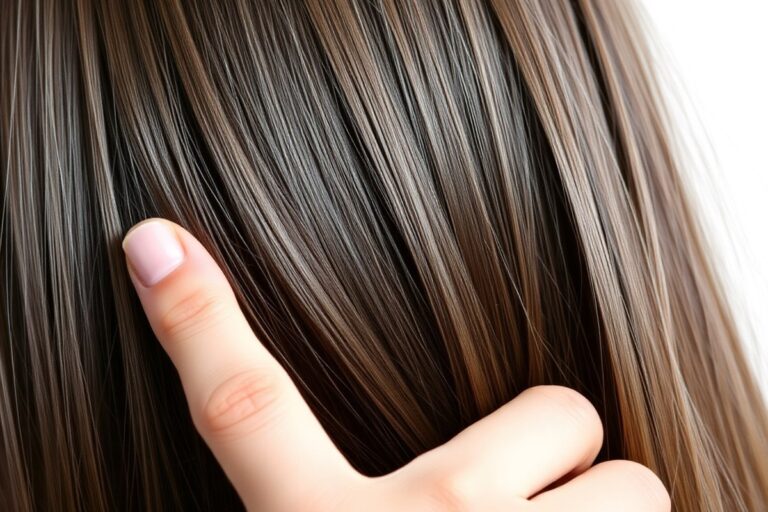
What Colour Shall I Dye My Hair? A Complete Guide to Choosing the Right Shade
What colour shall I dye my hair? Pick a shade that matches your skin tone and lifestyle. This helps your new look feel natural and easy to maintain.
First, figure out if your skin tone is warm, cool, or neutral. This step helps you limit your hair color choices. Knowing your tone matches your color better.
Also, consider your hair’s natural colour and texture before choosing a dye. Lighter shades may need bleaching, which can damage hair if done often. Be ready for regular touch-ups, especially with bright or pastel colours.
Finally, do a patch test 48 hours before dyeing to avoid allergic reactions. Wash your hair 24 hours before dyeing to keep natural oils intact for better colour. These small steps make a big difference in your results and hair health.
Key Takeaways
- Match hair colour to your skin’s undertones for the most flattering look.
- Darker, natural hair often needs bleaching to reach lighter shades safely.
- Semi-permanent dyes last 4-6 weeks, great for testing bold colours.
- Permanent dye can last up to 12 weeks but may damage hair more.
- Patch test 48 hours before dyeing to check for allergic reactions.
- Wash hair at least 24 hours before dyeing to protect your scalp.
How to Choose the Best Hair Colour for You

Start by looking at three things: your skin undertone, eye color, and natural hair color. Skin undertones can be warm, cool, or neutral. Knowing your undertone helps you pick better hair colors.
It stops your face from looking washed out. It also avoids colors that clash with your skin tone.
Next, keep your new color close to your natural shade. Stick to colors near your current shade. The rule is within two shades lighter or darker.
This keeps your hair looking natural and fresh. This reduces damage risks and makes upkeep easier, especially if you’re new to dyeing your hair.
Think about eye color too. Cooler hair colors like ash browns and grayish blondes suit blue or green eyes well.
Warmer tones such as golden browns or honey blondes highlight brown or hazel eyes nicely. Matching these details makes your overall look feel natural and balanced.
Try a hair glaze or gloss to improve your natural color. These add shine without lasting changes. They are good for a temporary boost.
These last a few weeks and add shine while deepening tones slightly. They cost less than full dye jobs and need less commitment.
Commitment and maintenance time also factor in. Bright or very different hair colors need more care. Expect root touch-ups every 4 to 6 weeks.
It takes extra time and effort to maintain these shades. Think about your budget and time for hair upkeep.
Decide if you’ll dye your hair at home or hire a pro. Choose a color that fits your plans and schedule.
Use dye packages with color charts for a preview on various natural colors. These charts show how the shade looks on different hair tones, helping you avoid surprises. Testing semi-permanent dyes first can also help decide if a new color suits you.
Matching Hair Colour to Skin Tone and Undertones

Matching your hair colour to your skin tone and undertones helps your face look its best. Warm undertones pair well with golden and caramel shades.
Cool undertones suit ashy and violet tones. Neutral undertones are more flexible and can wear a broader range of colours confidently.
Identifying Warm, Cool, and Neutral Undertones
Check the veins on your wrist under natural light. They look greenish when your undertone is warm.
They appear blue or purple if your undertones are cool. When veins are hard to tell or a mix of both, your undertone is likely neutral.
Another way to test is by holding gold and silver jewelry near your face. Gold jewelry complements warm undertones, while silver flatters cool undertones. Neutral undertones often look good with both metals.
Also, consider how your skin reacts to sun exposure. Warm undertones usually tan easily, while cool undertones may burn before tanning. Neutral tones can fall between these reactions.
Best Hair Shades for Warm Undertones
Golden blondes, honey, caramel, and copper shades highlight warm undertones beautifully. These tones bring out natural yellows and reds in your skin. For brunettes, warm brown with reddish and golden flecks works well to create harmony.
Pick Garnier GOOD Permanent Hair Dye 4.0 Cacao Brown if you have warm tones. This dark brown color with neutral hints enriches warm shades. It helps your skin appear more radiant and fresh.
People with darker skin and warm undertones often shine in rich, warm reds and browns. You can also try colors with warm yellow or orange hints for a vibrant look. These hues improve the natural warmth under your skin.
Best Hair Shades for Cool Undertones
Ashy blondes, mushroom browns, and cool espresso shades suit cool undertones best. These colors carry blue, pink, or violet tones. They match your skin’s cool base naturally.
The result is balanced and flattering hair color. The result is a balanced, crisp look without clashing.
Light eyes look great with cool hair colours like soft violet or icy blondes. These shades brighten your skin tone and create a fresh look. Cool dark shades avoid too much warmth, keeping your complexion clear.
Even if your skin is light, you can wear warm hair colours carefully. But sticking to cool tones is a safer choice when matching undertones perfectly. This gives a natural, flattering finish without conflict.
Hair Colors That Flatter Neutral Undertones
Neutral undertones offer flexibility, meaning most hair colors will work well. You can wear both warm and cool shades based on your personal style or mood. It’s great to experiment with colours like neutral brunettes or balanced blondes.
Garnier GOOD Permanent Hair Dye 4.0 Cacao Brown offers a neutral shade. Neutral undertones pair well with deep reds or gentle highlights. These colors easily suit a wide range of undertones.
Olive skin has a neutral undertone with a green hint. Warm hair colors balance this hue nicely.
They bring out the best in your skin. Testing different shades through demi-permanent glosses can help you find what suits your daily look best.
Check your wrist veins and jewelry under natural light. This helps you find your undertone easily. Testing like this is quick and simple.
How Hair Texture and Natural Hair Colour Affect Dyeing
Your natural hair texture and color both shape the way dye works on your strands. Fine hair absorbs color fast and looks brighter. Coarse strands need stronger dye for deep color.
Your current hair color helps decide what shades suit you. It also shows how many dye sessions you might need. This guides the dyeing process safely.
Hair Texture Types and Dye Impact
Fine hair lifts color quickly and shows results that are more vibrant. Coarse hair resists dye, which means it needs a stronger formula or longer processing. Hair that’s thick or very full may need more dye sessions.
This helps get an even color all over. More sessions help avoid patchy spots.
Low porosity hair can block color absorption. So applying gentle heat or allowing more time helps the dye penetrate.
High porosity hair, like bleached strands, grabs dye easier but loses it faster during washouts. Your hair texture affects both how your dye looks and how long it lasts.
Natural Hair Colour Level and Its Role
Your base hair color sets realistic limits on what shades you can reach in one session. Dark hair usually requires bleaching to go lighter, which can cause damage if done too fast. On light or medium hair, small color changes are safer.
You can lighten or darken by one or two shades. This poses less risk of damage.
Colors closer to your natural shade need less processing and are gentler on your hair. Large color jumps in one session can cause uneven spots. It also increases the chance of hair breakage.
These risks are higher with big changes. Hair already dyed or damaged may limit further changes accordingly.
Safe Shade Ranges to Avoid Damage or Poor Results
Keeping dye changes within two shades looks more natural and safer. It avoids bleach and harsh chemicals. Newcomers benefit from gentle changes or highlights.
Going beyond two shades often takes extra bleaching, which can make hair brittle or frizzy. It may require multiple appointments spaced weeks apart to protect hair integrity. A brunette wanting to go platinum should plan more than one session.
The process needs to be slow and careful. Quick changes can damage hair badly.
Using semi-permanent dye in a safe shade range helps reduce damage. These dyes fade with washing over 4 to 12 weeks.
They are gentler on hair. Letting your hair rest between dye sessions and using nourishing treatments supports healthy strands after coloring.
Types of Hair Dye and Their Pros, Cons, and Maintenance
Hair dye comes in four main types: permanent, demi-permanent, semi-permanent, and color-depositing. Each lasts a different amount of time and requires a unique upkeep routine. Your choice depends on how long you want the color to last.
You should also consider how much effort maintaining it takes. Both factors help you pick the right dye type.
Permanent dye generally stays vibrant for six to eight weeks. It keeps your new color until roots begin to grow back. You can re-dye every 4 to 8 weeks unless your hair feels weak and needs a longer break.
Semi-permanent dyes last about six weeks or 10 washes, fading faster. Demi-permanent dyes are longer-lasting than semi-permanent but shorter than permanent. Color-depositing options only add temporary tones and rinse out quickly.
| Type of Dye | Duration | Maintenance Needs |
|---|---|---|
| Permanent | 6 to 8 weeks | High, frequent root touch-ups and color care |
| Demi-permanent | 4 to 6 weeks | Medium, less fading, no harsh roots |
| Semi-permanent | Up to 6 weeks (about 10 washes) | Low, fades gradually, less upkeep needed |
| Color-depositing | 1 to 2 weeks | Very low, good for refreshing tones often |
Maintenance also depends on the color you pick. Reds need more frequent refreshes, often every 3 to 4 weeks, because they fade faster. Shades like ash blondes with blue-based reflects can help reduce brassiness, which lowers upkeep.
High-maintenance colors, such as platinums or vivid shades, need extra care and regular salon visits. Budget and schedule should match the maintenance needs before choosing your color.
Hair dye costs vary a lot, from $35 to over $200. The price depends on your hair and the dye type. Longer or more complex dye jobs cost more.
Remember, dye opens the hair cuticle to deposit pigment, which can weaken strands. Less damaging ingredients exist. But any color change needs proper care to keep hair healthy and vibrant.
Preparing Your Hair and Scalp for Dyeing
Preparing your hair and scalp before dyeing sets the stage for a smooth, even color. It helps you avoid damage, irritation, and unwanted surprises. Follow clear steps to check your hair’s health before dyeing.
Test the dye safely on a small area. Set up your space properly for the best results.
Checking Hair Health and Porosity
Healthy hair absorbs color better and breaks less during dyeing. Check for excessive dryness, brittleness, or split ends. Porosity matters too because it shows how well your hair takes in moisture and dye.
Porosity affects dye absorption. Use a strand test to reveal your hair’s porosity level before dyeing.
Porous hair can soak up too much dye and may become damaged. Low porosity hair might resist color.
Treat damaged hair with a deep conditioner or protein treatment. Do this at least three days before dyeing. It helps improve your hair’s strength.
Your hair is fragile or breaks easily. It’s best to delay coloring. Focus on repairing your hair first.
Patch and Strand Test Procedure
Always do a patch test for allergies 48 hours before dyeing. Also, do a strand test to see the color preview.
Both tests help avoid surprises. They help you avoid skin reactions and ensure you like the color on your hair.
For the patch test, apply a small amount of dye behind your ear. Or place it on your inner elbow instead. Wait 48 hours to check for reactions.
Cover it with a bandage and wait 48 hours. Watch for redness, itching, or swelling.
Next, pick a small section at the back of your head for the strand test. Apply dye following package instructions, wait the recommended time, rinse, and check the result. This step shows you how the color actually looks and if your hair reacts well.
- Clean your skin and dry it before the patch test.
- Apply a small dot of dye on the test spot.
- Cover it with a bandage or tape.
- Leave it untouched for 48 hours.
- Check your skin for any irritation.
- Select a hidden hair strand for the color test.
- Apply dye to the strand and wait the full processing time.
- Rinse and confirm if you like the color and hair condition.
Never skip patch tests; allergic reactions can be severe and sudden.
Pre-Dye Hair Washing and Conditioning Tips
Wash your hair 24 to 48 hours before dyeing. This keeps natural oils on your scalp.
These oils protect your scalp during the dyeing process. Avoid washing hair right before dyeing because a dry scalp is less likely to get irritated.
Use a gentle shampoo and skip deep conditioning the day you dye. Conditioning before dyeing might create a barrier that stops color molecules from penetrating hair strands.
Your hair is dry or damaged. Do a moisturizing treatment 2 to 3 days before dyeing. It improves elasticity and reduces breakage during dyeing.
Choosing the Right Tools and Environment
Pick tools designed for hair dye application like gloves, a non-metallic bowl, and brushes. These items help you mix and apply dye evenly without skin contact or contamination.
Choose a well-lit, ventilated space with a mirror and easy-to-clean surfaces. Good lighting helps you see coverage clearly and avoid patches.
Protect your clothes with a cape or old towel. Have petroleum jelly nearby to apply along your hairline. It stops dye from staining your skin and keeps the edges neat.
Maintenance Requirements for Different Hair Colours
Natural hair colors usually need touch-ups every 6 to 8 weeks. Since the regrowth blends well, you can stretch the time between visits. Use shampoos made for color-treated hair to keep your shade healthy and shiny.
Bold colors, like bright reds or deep blues, require more frequent upkeep. You might need touch-ups every 4 to 6 weeks to avoid fading. Bright shades fade faster, so choose products that protect color and reduce washing.
Pastel colors demand the least maintenance among bold options. They generally last about 2 to 4 weeks before fading too much.
Busy lives don’t stop pastels from looking good with little care. Avoid hot water and use shampoos for delicate color to slow fading.
Vivid colors need attention as often as bold ones or even more. Expect to refresh your color every 3 to 6 weeks.
These shades fade unevenly and can turn patchy without maintenance. Use color-depositing conditioners and wash your hair in cooler water to help.
- Touch up natural colors every 6 to 8 weeks
- Bold colors need retouching every 4 to 6 weeks
- Pastels last about 2 to 4 weeks before fading
- Vivid colors require touch-ups every 3 to 6 weeks
- Use color-safe shampoos and conditioners for all types
- Cooler water rinses help reduce color fading
- Color-depositing products help restore faded shades
Brassiness is a common problem with warm or blonde tones. Purple shampoos help neutralize these unwanted brassy shades. Use pastels once or twice weekly.
Leave on hair for 3 to 5 minutes. Then rinse it out.
You can keep your hair healthier by limiting heat styling and washing less often. Dry shampoo extends time between washes, keeping color vibrant longer. Planning maintenance along with your schedule helps avoid unexpected fading and damage.
Safe Ways to Experiment with Bold, Pastel, and Vivid Colors
Fantasy colors like pastels or vivid shades need strict prep to look right. For pastel tones, your hair must be bleached to nearly pure white, level 9 or 10. This high lift removes pigments that block lighter colors from showing well.
You can try this at home. Expect some damage if you’re not careful. Uneven results may happen without careful application.
When bleaching, divide your hair into four sections using a rat tail or metal-tip comb. Apply bleach evenly, checking progress every 10 to 15 minutes. Avoid going beyond 45 minutes to prevent severe damage.
Rinse thoroughly and deep condition to restore moisture. Your hair has dark roots or damage. Consider a professional or strand tests first.
Once lightened, apply your fantasy color immediately for best results. Use semi-permanent dyes for pastel shades. They last about 2 to 4 weeks before fading.
Vivid colors like bright reds or blues can last up to 6 weeks. Use color-depositing conditioners to keep the color longer. Avoid washing hair daily and use cool water to slow fading.
Pastels fade faster because of the low pigment concentration. So refreshing the color every 1 to 2 weeks helps keep it bright. Vivid dyes often fade to a pastel shade underneath.
This look can be cool or uneven depending on the dye. Keep your hair moisturized and rinse with gentle products made for color-treated hair.
Dyeing at home saves money but comes with risks, especially for fantasy colors. Don’t rush bleach timing. Always do a patch test for allergies.
Also, do strand tests to see how your hair reacts. Safety patch tests take about 48 hours. A strand test needs at least one day to check results.
You want to skip bleaching. Use temporary vivid sprays or chalks on dry hair instead. These don’t last but let you experiment safely without commitment.
Partial techniques like streaks or dip dye work well on light or pre-bleached hair. This reduces damage and fading problems. These styles grow out with less obvious roots too.
Common Mistakes When Choosing and Dyeing Hair Colour
Choosing the wrong hair color can lead to poor results and damage. Using bleach on hair that’s too fragile can cause breakage or dryness. Coloring without a patch test might trigger allergic reactions.
Uneven dye jobs happen when the dye isn’t spread well. It also occurs when the dye is left on for different times. This causes patchy colors in your hair.
Faded hair color results from frequent washing or harsh shampoos. Fixing faded or patchy dye might require a toner or a gentle color refresher. You can apply these at home if you follow the instructions closely.
But it costs about $10 to $20 per product at drugstores. Avoid over-processing or applying dye repeatedly as it weakens hair further.
Knowing when to call a pro helps save your hair. Get professional help for a big color change. Also seek help if uneven color keeps coming back.
Several fixes may not solve the problem. Professionals can use products that protect your scalp and hair during intense color treatments.
- Do a patch test 48 hours before dyeing to avoid allergic reactions
- Apply dye evenly starting from roots to tips for consistent color
- Use a shampoo for colored hair and wash less often to prevent fading
- Don’t bleach hair more than once in 3-4 weeks to reduce damage
- Deep condition your hair weekly to restore moisture after dyeing
- Fix uneven color with a professional color corrector or toner
- Book a salon appointment for complex color changes or damage repair
Proper preparation and upkeep reduce the risk of dull, patchy color. Planning your time before dyeing saves trouble, set aside at least an hour.
Hair generally needs 2-3 days after dyeing before it looks fully set and natural. After coloring, avoid heat styling for a few days to keep colors bright and hair healthy.
Follow dye instructions exactly every time. Don’t wash your hair for 48 hours after coloring. This helps the color stay longer and look better.
Your Hair Dye Journey: Step-by-Step Action Plan
Follow these steps to pick and dye your hair with confidence. Each step helps you check if you’re on track.
- Before you start: Test your skin undertone by holding a white cloth near your face. Your skin glows with cool tones; pick cool hair colors. Your skin has warm tones; choose warm shades for hair.
- Day 1: Select a hair dye based on your natural hair texture and color. Choose permanent dye for lasting changes or semi-permanent for gentle trials.
- Day 2: Do a patch test on a small skin spot to avoid allergic reactions. Wait 48 hours to see no irritation before proceeding.
- Day 3: Prepare hair by deep conditioning for two days before dyeing to strengthen strands. Healthy hair holds color better and feels smoother.
- Day 4: Dye your hair, following package instructions carefully. Check hair color against a reference photo to know if the tone matches your goal.
- After 1 week: Use color-safe shampoo twice a week to keep dye fresh longer. Notice if your hair feels dry or dull and add hydration as needed.
- After 2 weeks: Assess if root touch-ups or color refresh are needed. This keeps your hair looking even and vibrant.
- After 1 month: Try bold or pastel colors safely. Use color-depositing conditioners to experiment. Watch for how your hair handles the extra processing.
Frequently Asked Questions
What Colour Shall I Dye My Hair If I Want Low Maintenance?
Choose a shade close to your natural colour for the least upkeep. It reduces visible roots and fading, cutting down touch-ups.
Can I Mix Two Hair Dye Colours for a Custom Shade?
You can mix dyes, but use products from the same brand for best results. Mixing brands may cause unpredictable colours or damage your hair.
How Often Should I Wash Dyed Hair to Keep Colour Vibrant?
Wash your dyed hair 2 to 3 times a week to prevent colour fading. Use shampoo made for coloured hair to protect the dye longer.
Is It Okay to Dye My Hair Right After Bleaching?
Wait at least a week after bleaching before dyeing to avoid damage. Use deep conditioners in the meantime to help hair recover.
How Can I Tell If a Hair Colour Will Suit My Eye Colour?
Usually, warm hair shades complement warm eye colours like hazel or brown. Cool hair tones often suit blue or green eyes better.
Does Hair Dye Fade Faster on Curly Hair?
Hair dye can fade faster on curly hair due to more washing and styling. Using sulfate-free products helps keep the colour longer.
Final Thoughts
Choosing your hair color means matching it to your skin, texture, and lifestyle. Make one smart choice today. Grab a color chart or visit a salon for a free consultation to get started.