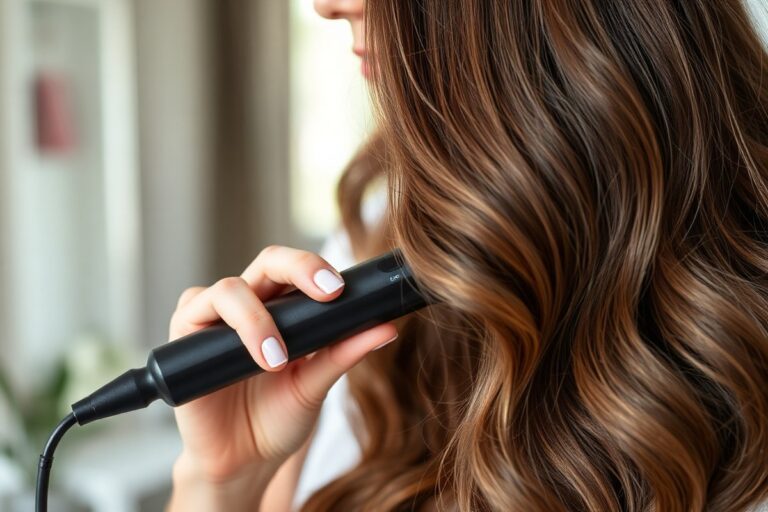
How to Use Hair Straightener Machine Safely: Complete Step-by-Step Guide
Knowing how to use hair straightener machine starts with picking the right temperature. Most hair types do well with medium heat between 300°F and 350°F. This range smooths hair without causing extra damage or drying it out.
For fine or damaged hair, lower the heat closer to 250°F to avoid extra stress. Thick or coarse hair may need higher heat up to 400°F for effective straightening. Always adjust the temperature based on your hair’s needs and condition.
Before using the straightener, always prep your hair. Make sure it’s clean and dry, then apply a heat protectant spray. This helps keep your hair safe from the high heat of the straightener plates.
Use small sections of hair when straightening. Clamp the plates gently and move slowly but steadily from root to tip. Avoid holding the plates in one place too long to prevent burns or breakage.
Key Takeaways
- Choose a hair straightener with plates sized to your hair length and thickness.
- Set your straightener temperature based on your hair type for best results.
- Always use a heat protectant on dry hair before straightening.
- Work in small sections for even, smooth straightening.
- Move the straightener continuously to avoid heat damage.
- Wait at least 72 hours before washing hair after straightening to maintain style.
How to Use a Hair Straightener Machine Step-by-Step

Start by dividing your hair into sections for easier and even straightening. Use clips to hold your hair up in sections. Leave a thin layer about 1 inch wide to work on next.
This makes straightening easier and more even. Thinner sections help you avoid missing spots and ensure each strand gets enough heat.
Your hair type matters here. Fine hair can handle slightly wider sections.
Coarse or curly hair needs smaller, more manageable pieces. This step helps your hair straighten uniformly and reduces the chance of damage.
The straightening always moves from roots to tips, not the other way around. Clamping the iron at the roots and sliding it down smooths the hair naturally. Don’t hold the straightener on your hair for too long.
Avoid moving from the tips up to the roots. These actions can cause uneven texture or damage.
- Turn on your hair straightener and wait for it to reach the set temperature.
- Take a 1-inch section of dry hair and place it between the plates.
- Start the straightener close to the roots, clamp down, and glide slowly to the tips.
- Release the hair gently without digging into it or stopping midway.
- Repeat the process on each section, working your way around your head.
- Check your work by running your fingers through your hair; restraighten any missed spots.
Using slow, steady movements prevents heat spots and keeps hair shiny. Too quick a pass won’t straighten well, while too slow can burn the hair. Most hair straighteners take 1, 3 minutes to heat; be patient and ready.
Don’t forget to keep hair clean and dry. Moisture can cause the straightener to pull or fry hair strands.
Taking your time on small sections leads to better results. Expect your hair to look smooth, sleek, and natural after these steps.
Choosing the Right Hair Straightener for Your Hair Type

Choosing the right hair straightener depends on your hair type and what look you want. Different plates and sizes work better with certain textures and styles. Picking the wrong one can leave your hair frizzy, dry, or damaged.
Flat Iron vs. Steam Hair Straightener
Flat irons use dry heat to straighten hair while steam straighteners add moisture with steam. Steam irons work well for thick, frizzy, or coarse hair because steam helps smooth and soften. Flat irons fit fine for straight, wavy, or easy-to-style hair but may leave some feeling dry.
Steam straighteners need steady, slow passes and water tank care. Flat irons just need controlled heat and quick, even passes. Steam irons often come with a water tank you must fill before use.
Plate Materials: Ceramic, Titanium, Tourmaline
Ceramic plates heat evenly and cut down on hot spots. They suit most hair types and feel gentle. Titanium plates heat up fast.
They reach higher temperatures. These plates suit very curly or thick hair best. They are light but can overheat fine hair.
Tourmaline plates release negative ions to reduce frizz and lock in moisture. They share benefits with ceramic but are better at smoothing and shine. You can find irons combining ceramic and tourmaline for a balanced effect.
Plate Sizes and Their Best Hair Type Uses
Plate width affects control and speed. Wider plates (1.5 inches or more) cover more hair per pass, ideal for long, thick hair.
Narrow plates (around 1 inch) are better for short hair or tight curls. Medium plates (~1.25 inches) suit most hair types and lengths.
Here’s a quick comparison:
| Iron | Best For | Pros | Cons | Plate Type | Plate Width |
|---|---|---|---|---|---|
| Paul Mitchell Smooth+ | Everyone | Reliable and good performance for all types | May struggle with very curly hair | Ceramic | 1.25″ |
| Sutra IR2 Infrared Flat Iron | Very curly hair | Works fast on tough hair, heats quickly | Titanium may be too harsh for wavy hair | Titanium | 1″ |
| BaBylissPro Nano Titanium Prima3000 | Very curly hair, curls | Fast heat, curls and straight styles | Less gentle on fine hair | Titanium | 1.25″ |
| Amika Confidante | Thick hair | Good heat control, infrared strip | Pricey at $150 | Titanium | 1.25″ |
| Brilliance New York Smooth Pro | Budget-friendly, general | Affordable, ceramic technology | Lacks advanced features | Ceramic | 1″ |
Choosing the right width helps speed up styling and prevents uneven heat on your hair. Match plate width to hair length and curl type to avoid damage and get smooth results.
Straightening Brushes: Pros and Cons
Straightening brushes combine brushing with heat to smooth hair. They heat slower but feel gentler on fine or slightly wavy hair. These brushes can tame frizz but usually don’t give very pin-straight hair.
Flat irons are better for sleek looks, especially on curly or thick hair. Straightening brushes work for quick touch-ups.
They smooth hair slightly. They don’t fully straighten hair.
Use a ceramic or tourmaline flat iron with a 1 to 1.25-inch plate if you want quick, smooth results on most hair types.
Preparing Your Hair Before Straightening
Preparing your hair properly before straightening helps prevent damage and keeps your style smooth. Washing, drying, and applying heat protectant are key steps. Skipping them can lead to breakage and frizz.
Washing and Conditioning Methods
Wash your hair with a gentle shampoo to remove oils and dirt. Avoid harsh shampoos that strip natural moisture. Rinse thoroughly to remove all shampoo and conditioner residues.
A conditioner suited to your hair type adds softness and makes straightening easier. Focus on the mid-lengths and ends when applying conditioner. Rinsing completely prevents buildup that weighs hair down or causes uneven heating.
Here’s a quick checklist for washing and conditioning:
- Use a mild shampoo suitable for your hair texture.
- Rinse hair with lukewarm water to avoid dryness.
- Apply conditioner mainly to hair ends, not scalp.
- Make sure no product residue remains on hair.
- Gently towel-dry without rubbing or twisting.
Drying Hair Thoroughly Without Damage
Never use a hair straightener on wet or even damp hair. The heat traps water inside hair strands, causing damage. Blow-dry your hair completely before straightening.
Use a blow dryer with a nozzle attachment to control airflow. Dry your hair gradually by section, brushing as you go. This helps smooth hair and cuts drying time.
Avoid high heat settings on the blow dryer if your hair is fragile. Use medium heat and keep the dryer 6 to 8 inches away from your scalp. Let hair cool completely before starting to straighten.
Applying Heat Protectant Correctly
Heat protectant forms a shield between your hair and hot plates. It reduces moisture loss and protects against breakage. Spray or apply it evenly on clean, towel-dried hair before blow drying.
Use a moderate amount, too much product can weigh hair down. Comb through your hair to spread the protectant uniformly. Let it dry fully; don’t use the straightener on wet protectant.
Follow these tips to apply heat protectant right:
- Choose a heat protectant spray or serum compatible with your hair type.
- Spray 6 to 8 inches from your hair and avoid scalp contact.
- Comb or brush gently to distribute the product evenly.
- Allow hair to dry thoroughly after applying.
- Reapply if you wash or wet your hair again before straightening.
Selecting the Right Temperature for Your Hair
Set your hair straightener to the right temperature for your hair type. Use too much heat, and you risk damage like dryness and breakage. Lower settings avoid harm but may take longer and need more passes.
Thicker or curlier hair needs higher temperatures to straighten effectively. Thinner or fine hair dries out faster and needs lower heat. Begin at the lowest heat setting on your straightener.
Only increase it if your hair doesn’t straighten after the first pass. This helps protect your hair from damage.
| Hair Type | Recommended Temperature (°F) |
|---|---|
| Fine or damaged hair | 250 – 300 |
| Normal hair | 300 – 350 |
| Curly or coarse hair | 400 – 420 |
For fine or damaged hair, keep your heat under 300°F to prevent damage. Normal hair works well between 300°F and 350°F for even straightening. Curly or coarse hair often requires 400°F to 420°F heat.
But avoid staying too long on one spot. Use steady, slow passes when straightening dense curls or thick hair.
Protect your hair by starting with clean, dry, detangled sections. Work with 1- to 2-inch-wide sections.
This helps heat spread evenly and avoids overheating any area. Applying a heat protectant before straightening also reduces damage.
Using the right temperature minimizes split ends and keeps hair smooth and healthy-looking. Your hair feeling dry or brittle means you should lower the heat.
Use a cooler setting next time you straighten to avoid harm. Watch your hair’s reaction closely and adjust the temperature accordingly to keep it safe.
Common Mistakes When Using Hair Straighteners and How to Fix Them
One common mistake is straightening wet hair, which can cause damage and breakage. Always dry your hair completely before using the straightener. Using a heat protectant spray also helps protect hair from high temperatures.
Many users apply straightener plates too close to the scalp, risking burns. Keep the plates about one inch away from your scalp to avoid injury. Clamp the hair near the roots.
Avoid touching the skin. This helps lift and smooth hair better.
Straightening hair in large sections might save time but reduces effectiveness. Most straighteners work best on small sections about one inch wide. This size allows even heat distribution and better results.
- Use the right iron temperature for your hair type to avoid damage.
- Straighten from roots to tips for even, smooth hair.
- Don’t go over the same section more than twice; it causes breakage.
- Choose a straightener with ceramic plates to reduce frizz.
- For long or thick hair, use wider plates for faster straightening.
- Section your hair before straightening to work efficiently.
- Wait for the iron to heat fully before starting.
Time to straighten varies by length and thickness. Short hair might take 5 to 10 minutes. Medium and long hair can take 20 to 30 minutes.
Thick or curly hair takes longer. Be patient. Using wider plates helps shorten the process.
Start near the roots, an inch from your scalp. Slowly glide the straightener down. Finish at the tips.
Moving from roots to tips helps get a consistent straight look without creases. Taking your time on each section makes the hair shinier and smoother.
Never use a straightener on damp hair. Always keep the plates at least an inch from your scalp to avoid burns.
Post-Straightening Tips to Maintain Your Style Longer
Apply a light serum or oil after straightening to lock in shine. Look for products with ingredients like argan oil or silicone. Use just a few drops to avoid weighing hair down or making it greasy.
To reduce frizz, try a smoothing cream or anti-frizz spray. These products help seal the hair cuticle and hold the style in place. Spray or smooth the product evenly over your hair while it’s still cool for best results.
Using a heat protectant spray before styling helps. But post-straightening mists with shine-boosting ingredients add extra gloss.
Look for sprays with vitamins or keratin to strengthen hair. Mist lightly, then avoid touching hair too much to keep the style fresh.
For thicker or curly hair, heavier leave-in conditioners can control flyaways better. Apply a small amount to the ends and mid-lengths to keep hair smooth. Fine hair types should stick to lighter products to prevent limpness.
Straightener brushes allow more frequent use than flat irons because they apply gentler heat. You still should avoid daily use to prevent damage. Style your hair only two to three times a week.
This depends on how healthy your hair is. Don’t overdo it to avoid damage.
Straighten your hair often? Deep condition once a week. It helps keep moisture and stops breakage.
Use rich masks with natural oils or proteins to repair heat exposure. Skip heavy products on days you don’t straighten to let your hair breathe.
Safety Precautions and How to Avoid Hair and Skin Damage
Heat damage happens when your hair is exposed to high temperatures too often. To avoid this, never set your straightener higher than needed. Use the lowest heat that works for your hair type, usually between 300°F and 375°F. Pressing hair multiple times with high heat can weaken strands and cause breakage.
Handle your hair straightener carefully to prevent burns and accidents. Always hold it by the insulated handle and never touch the heated plates. Let the device fully heat before use.
But don’t leave it on longer than needed. Use a heat-resistant mat or surface to rest it when not in use.
Using a hair straightener every day is hard on your hair. Try to limit use to 2-3 times a week to reduce damage. Overuse makes hair dry and brittle, even if you pick lower temperatures.
- Unplug the device immediately after use
- Keep the cord loosely coiled, not tightly wrapped
- Let the straightener cool completely before storing
- Use heat protection spray on your hair before straightening
- Clean plates regularly to remove product buildup
- Avoid using a straightener on wet or damp hair
- Test a small hair section first to check heat tolerance
Cleaning and upkeep help your straightener last longer and work better. Avoid tugging on the cord or letting it kink. Store it in a dry, cool spot away from moisture or heat sources.
Straightener brushes often operate at lower heat, which cuts down on damage risk. Some advanced plates have parts that flex.
This helps cover more hair. It cuts down the need for high heat.
Hair Straightener Maintenance for Longevity and Performance
Keeping your hair straightener clean and well-maintained helps it work better and last longer. Simple steps like wiping the plates and checking the cord can prevent damage and poor performance. Avoid wrapping the cord tightly or using a damaged straightener for safety.
Cleaning Residue from Plates
Build-up from hair products can stick to the straightener’s plates. Wipe the plates with a damp cloth after each use to remove oils and sprays. Don’t use harsh chemicals or soak the device.
For stubborn residue, gently rub the plates with a cloth soaked in rubbing alcohol. Make sure the straightener is unplugged and cool before cleaning. Clean the plates weekly if you straighten your hair often.
Checking Cord and Heating Elements
Inspect the power cord and heating elements regularly for worn spots or frays. Damaged cords can cause shocks or fires.
So stop using the straightener if you see any issues. Avoid pulling or twisting the cord during use or storage.
A quick check before every use ensures the straightener heats evenly. Temperatures that change or plates that stay cool may mean faulty heating elements. You might need professional repairs for electrical problems.
Storage Tips to Prevent Damage
Store your straightener in a dry, cool place to protect it from moisture and heat damage. Avoid wrapping the cord tightly around the straightener body; this can break internal wires. Instead, coil the cord loosely and secure it with a strap.
Use the heat-resistant pouch that often comes with premium straighteners. This keeps heat damage from nearby objects and helps with safe transport. Keep the device away from water sources and out of reach of children.
- Unplug the straightener after use and before cleaning
- Let plates cool down before storing
- Coil cord loosely without sharp bends
- Use a protective pouch or case
- Store in a dry, flat, stable location
- Keep away from direct sunlight and heat
- Regularly check for any wear or damage
When to Replace or Service Your Straightener
Your straightener needs replacing when it stops heating well or has visible damage. Professional servicing is rare and not always cost-effective. A new unit can offer better temperature control and faster heating.
Use a straightener with cracked plates, broken cords, or sparks only after a pro checks it. Electrical problems like shutdowns also need a professional look before use.
Notice strange smells or uneven heat? Unplug your straightener and stop using it.
Always unplug and let your straightener cool before cleaning or inspecting for damage.
Step-by-Step Action Plan for Using Your Hair Straightener
Follow these steps to get sleek, straight hair safely and effectively. Keep track of how your hair feels and looks after each step.
- Before You Start: Wash and dry your hair completely. Your hair should feel dry and smooth, not damp or rough.
- Right Before Straightening: Apply a heat protectant spray evenly. Your hair should feel light and not sticky.
- First Use: Set your straightener to a temperature for your hair type. Your hair should straighten with gentle, slow passes.
- First Week: Straighten your hair in small sections. Notice if each section looks sleek without multiple passes.
- After 3 Uses: Check your hair for dryness or damage. When it feels dry, lower the temperature or add more heat protectant.
- Weekly: Clean your straightener plates with a damp cloth. Plates should be free of buildup and smooth to the touch.
- After a Month: Check your hair’s condition. Change temperature or products to keep it healthy and straight.
Frequently Asked Questions
Can I Use a Hair Straightener Brush Instead of a Flat Iron?
Yes, a hair straightener brush can style your hair while brushing. It is gentler and ideal for mild frizz or light waves. It may not fully smooth very curly hair.
How Do I Avoid Hair Breakage When Using a Straightener Every Day?
Use heat protectant and lower temperature settings to reduce breakage risk. Limit straightening frequency and never drag the iron roughly along hair strands.
Are Ceramic Plates Better Than Metal Plates on a Hair Straightener?
Ceramic plates distribute heat evenly and reduce hot spots. They help prevent hair damage compared to metal plates, which can cause burns or uneven straightening.
Can a Hair Straightener Cause Scalp Burns?
Yes, contact with heated plates can burn your scalp or ears easily. Use caution near roots and keep the iron away from your skin for safety.
What’s the Benefit of a Steam Hair Straightener over a Regular Iron?
Steam straighteners add moisture while straightening, reducing dryness and frizz. These work best on thick, curly, or coarse hair types.
You need dry hair before use. Also, take care of the water tank.
Is It Okay to Use a Hair Straightener on Slightly Damp Hair?
Using a straightener on damp hair risks hair damage from steam and burns. Always dry your hair fully before straightening for safer, effective results.
Wrapping Up
Using a hair straightener the right way gives you smooth, lasting results safely. Try adjusting your heat settings based on how your hair reacts. Keep your straightener clean and your hair protected for the best style every time.