

How Much Are Extensions? Complete Cost Guide with Types and Budget Tips
How much are extensions depends on the type, quality, and length you want. Prices range widely, from about $100 for basic clip-ins to over $3,000 for salon-installed fusions. Most people pay between $150 and $2,000 for professional extensions.
Extensions made from 100% Remy human hair cost more but look natural and last longer. Synthetic extensions are cheaper but don’t feel as good or last as long. The length and amount of hair also influence the price significantly.
Installation method affects cost too: tape-ins cost less to maintain than fusion extensions. Start by choosing your hair type and length before worrying about installation. Watch for hidden costs like regular maintenance and repositioning visits.
Key Takeaways
- 100% Remy human hair extensions offer the best blend of quality and durability.
- Synthetic extensions cost 70, 80% less but have noticeable trade-offs in look and feel.
- Clip-in and halo extensions are the most budget-friendly, with no installation fees.
- Extensions longer than 20 inches tend to be significantly more expensive.
- Maintenance visits for tape-in extensions often cost $100 to $300 every 4, 6 weeks.
- Fusion hair extensions start around $500 and can cost up to $2,000 or more.
How Much Do Hair Extensions Typically Cost?

Hair extensions vary widely in price depending on the type and quality you choose. Clip-in extensions, which you apply yourself, are usually the most affordable.
Expect to pay around $100 to $400 for good-quality human hair clip-ins. Synthetic options can cost less than $50 to about $100.
Semi-permanent extensions like tape-ins, sew-ins, and halo extensions cost more because they need professional installation. Tape-in extensions usually cost $200 to $800 for the hair. Installation adds about $100 to $300 more.
Total price depends on length and salon. Sew-in wefts usually cost between $350 and $1,300 once you add both hair and salon fees.
Fusion or keratin-bonded extensions are the priciest, starting near $800 and climbing past $3,000 including installation. They tend to last three to six months but have higher upfront and maintenance costs. Synthetic hair saves money at first but doesn’t last as long.
It also doesn’t style like human hair. Many find it less flexible to use.
Prices break down roughly like this: clip-ins cost $100 to $500 with no installation fees. Tape-ins and sew-ins average $600 to $1,500 when installed by a professional.
Fusion and micro-link extensions often exceed $1,500 due to the skilled work required. Your total price depends on the hair weight needed and your stylist’s rates.
Synthetic clip-ins are budget-friendly for short-term wear. They cost under $100 and last three to six months. They suit occasional use and quick changes.
Human hair clip-ins start at about $100. Professional styles like tape-ins or sew-ins cost $300 to $1,500.
Prices vary based on quality and method. Keep in mind that professional installation improves the look and lifespan of semi-permanent options.
Types of Hair Extensions and Their Cost Differences
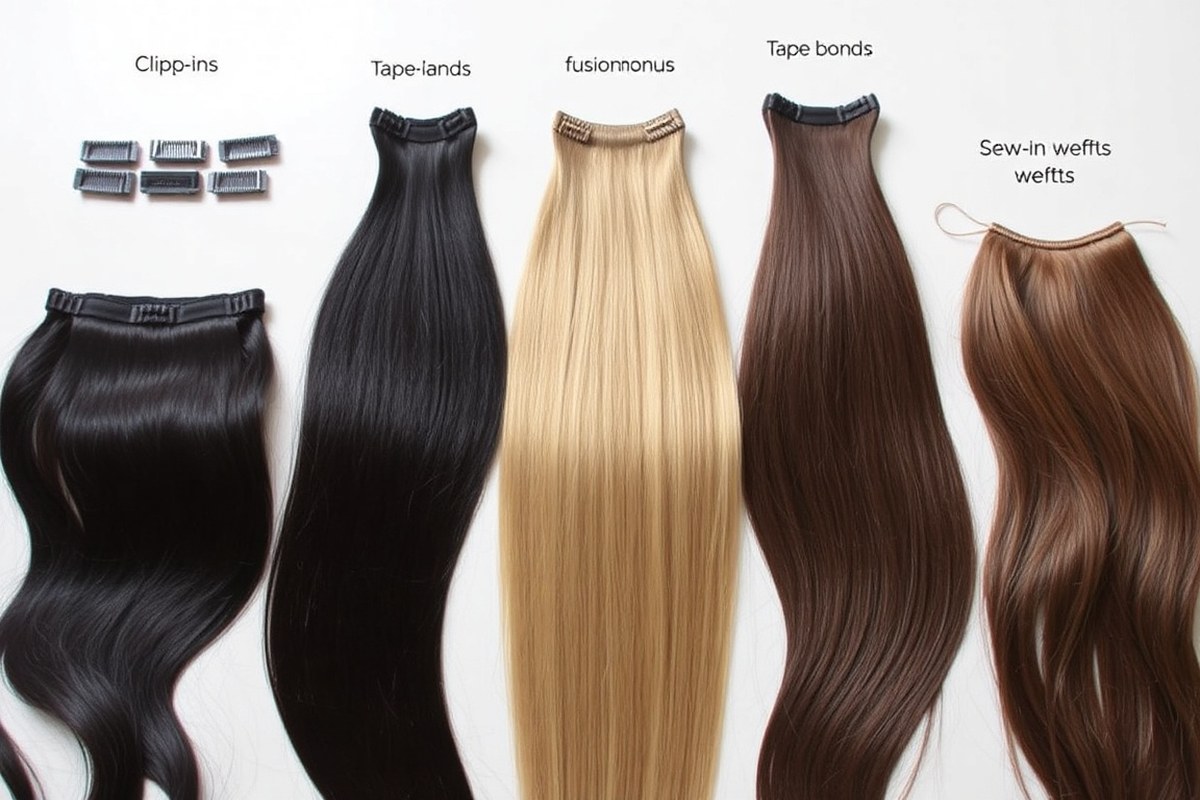
Hair extension types differ in cost, wear time, and installation. You can find options from cheap, temporary clip-ins to pricier, long-lasting hand-tied wefts. Your choice depends on your budget.
It also depends on how long you want them to last. Finally, consider the look you want.
Clip-In Extensions Cost and Features
Clip-in extensions are the cheapest and easiest to use. They cost around $100 to $300 for a full human hair set. No professional install is needed because you clip them in yourself whenever you want.
They last about 3 to 12 months with daily wear. Because they’re temporary, you remove them before sleeping or washing. This saves you repair costs but means daily prep time.
Clip-ins give a quick volume or length boost. Many people buy several sets to match styles or hair colors. They don’t damage your natural hair if used right.
Tape-In and Fusion Hair Extensions Pricing
Tape-in extensions cost $200 to $800 for hair and initial install. A professional applies them using adhesive tape strips. They last 6 to 8 weeks before needing to be moved up.
Fusion (keratin bond) extensions are pricier, around $500 to $1,600 for a full head with install. The keratin bonds are melted onto your hair with heat. They last 3 to 4 months but take longer to apply.
Tape-ins are semi-permanent and lighter while fusion offers a very natural look. Fusion costs more due to the bond material and longer install time.
Sew-In, Halo, and Hand-Tied Methods Explained
Sew-in extensions cost about $300 to $1,000 for hair and install. Your natural hair is braided, then wefts are sewn onto these braids. Maintenance is needed every 6 to 8 weeks to tighten or replace wefts.
Halo extensions are temporary and cost from $100 to $600. The halo is a wire crown with attached hair that you wear like a headband. They’re easy to put on and take off with no professional help.
Hand-tied wefts cost between $500 and $1,100 for the first install, plus regular upkeep. The wefts are tied by hand to small sections of your hair to look natural. This method is valued for its luxury feel and lasts 7 to 12 months with care.
Here is a simple cost and longevity comparison to guide your decision:
| Extension Type | Longevity | Average Hair & Install Cost (USD) |
|---|---|---|
| Clip-In | Temporary (daily wear, replaced yearly) | $100, $300 |
| Tape-In | 6, 8 weeks before move-up, total ~12 months | $200, $800 |
| Fusion (Keratin Bond) | 3, 4 months before reinstall | $500, $1,600 |
| Sew-In | 6, 8 weeks between maintenance | $300, $1,000 |
| Halo | Temporary; depends on wear frequency | $100, $600 |
| Hand-Tied Weft | 7, 12 months total, 7, 10 weeks between upkeep | $500, $1,100 |
Comparing these numbers helps you pick what fits your style and wallet. Temporary types have no install cost but need regular replacements. Permanent types cost more upfront and require professional care.
Temporary clip-in and halo styles let you test extensions without high costs or commitment.
How Hair Quality Affects Extension Prices
Remy human hair extensions cost more because the cuticles align. This stops tangling and keeps hair smooth for longer. Prices range from $100 to over $1,000 based on length and method.
Regular human hair extensions cost less but lack the cuticle alignment. This can lead to tangles and shorter lifespan.
Synthetic hair extensions are the cheapest option and start as low as $30 per bundle. They don’t last as long or look as natural as human hair.
Human hair extensions, especially 100% Remy, allow heat styling like curling and straightening. Synthetic ones can melt or get damaged from heat tools.
Remy hair allows more styling options and lasts longer. This often saves money despite the higher starting price.
Hair origin also impacts price. Ethically sourced hair costs more since suppliers pay fair wages and perform quality checks.
Processing adds cost too, coloring, sorting, and removing damaged strands demand skilled labor and time. These steps ensure better texture, color consistency, and strength.
Cheaper non-Remy hair costs 20 to 50% less. It tangles more and wears out in 1 to 3 months.
Remy extensions generally last 3 to 6 months with proper care. Synthetic extensions might only last a few weeks but cost a fraction of human hair prices.
Choose 100% Remy human hair for a natural look and styling ease. For occasional use without heat styling, synthetic can save money but may look less realistic.
Clip-in sets with AAA grade Remy hair are affordable and good quality. These work well for beginners.
Expect to spend between $33 and $296 per bundle for human hair. Bulkier or longer Remy bundles fall near the higher end. Synthetic bundles typically cost less than $50.
Think about how often you’ll wear and style extensions. Match the hair quality to your budget and lifestyle.
How Length and Amount of Hair Influence Costs
Longer hair extensions cost more because they require more hair strands. The longer the hair, the higher the price per pack.
For example, 20-inch smooth clip-in sets cost around $279 to $299 per set. 18-inch tape-in packs usually run $89 to $99 each.
You also pay more for thicker hair because that means using more packs or rows. A full head for fine hair may need 3 to 4 packs of tape-in extensions.
Medium hair often requires 4 to 6 packs. Thick hair 6 or more packs, which boosts cost.
Bulk pricing can happen if you buy a full head. But costs rise with total weight used.
For full fusion installs, costs range from $800 to $3,000 or more, combining hair and labor. That shows length and volume both directly drive up expenses.
To estimate how much hair you need, check your hair thickness. Then decide the style you want. This helps get the right amount of extensions.
Go for more packs for lots of volume or longer styles. Less hair means smaller purchases and savings but can look sparse.
Follow these steps to estimate hair volume and cost:
- Assess your hair thickness: fine, medium, or thick.
- Choose your extension length, noting longer hair costs more.
- Check extension pack weight; tape-in packs weigh about 28 grams each.
- Multiply the number of packs by the hair weight you need. Use 3-4 packs for fine hair, 4-6 for medium hair. Choose 6 or more packs for thick hair.
- Calculate cost: multiply number of packs by price per pack.
- Add installation costs if done professionally. Expect $200 to $600 for sew-in or tape-in full heads.
- Adjust number of packs up if you want extra volume or length.
For example, medium hair wanting 18-inch tape-in extensions may need 5 packs. At $95 per pack, hair alone costs about $475. Add a $400 install fee; total could reach $875 for the full head.
Misjudging how much hair you need causes two main problems. You might pay for too much hair.
Or your style could look thin and uneven. Starting with your hair type and style goal helps avoid waste or disappointment.
Installation Methods and Their Impact on Price
Hair extension prices depend a lot on the installation method. Some methods you can do yourself, like clip-ins or halos.
Others need a professional salon visit, like sew-ins, tape-ins, and fusion bonds. Professionals add labor fees from $100 to over $600, which raises the total cost.
Clip-in extensions cost between $100 and $500, with no salon charge. Tape-in extensions cost $300 to $1,100 with professional installation. Kits let you do it yourself for $200 to $800.
The price depends on how you choose to get your extensions. Sew-ins cost about $500 to $1,500 installed, or $150 to $1,000 for DIY kits. Fusion methods require experts and cost $800 to $3,000 at salons.
But DIY is not recommended. You pay extra for the right technique to avoid damage and get longer wear.
- Clip-ins: easy to apply yourself, affordable, no glue needed, no salon appointments.
- Tape-in: semi-permanent, looks natural, needs professional removal and regular upkeep.
- Sew-in (weave): uses braids to sew hair extensions, long-lasting, requires salon skill.
- Fusion/keratin bonds: bonds hair strand to strand, expensive, best for long wear.
- Micro-link: small metal rings join extensions, reusables, need salon for installation and maintenance.
- Halo extensions: a band sits on the head, simple, no glue or tools needed.
Some methods offer longer wear but demand more salon visits. Tape-in and sew-in extensions need adjustments every 6 to 8 weeks. This keeps the extensions moved up with your hair growth.
Regular upkeep helps them look better longer. Fusion extensions last 3 to 4 months but cost more upfront and must be fused professionally. Clip-ins and halos don’t need frequent salon care since you remove them daily.
Ask your salon for a clear price breakdown before you book. Get details on the hair cost, labor, and upkeep. This helps you avoid surprises on the final bill.
Professional installation ensures your extensions look natural and last longer. Using a trained stylist avoids damage from improper application. Labor costs add to your total price for extensions.
This extra cost can be worth it for better results. Paying for expert work can reduce problems later on.
Maintenance Costs and How Often Extensions Need Upkeep
The maintenance schedule and costs for hair extensions vary widely depending on the type. You usually need to have extensions moved up or replaced every few months. These upkeep visits can add a lot to your yearly cost.
They often match or even go beyond the first installation price. You should factor this in when budgeting for extensions.
Clip-In and Halo Extension Maintenance
Clip-in and halo extensions are the easiest to maintain since you apply and remove them yourself. They don’t need professional upkeep.
So your costs mainly come from buying new sets when old ones wear out. These types typically last about 3 to 6 months.
The main expense is replacing clip-ins once they start to tangle or shed heavily. Cleaning them with a gentle shampoo and storing them properly can extend their lifespan. Since there are no salon visits required, the ongoing cost stays quite low.
Semi-Permanent Extensions Upkeep Schedule
Semi-permanent types like tape-in, weft, and micro-link extensions need professional maintenance every 6 to 8 weeks. As your own hair grows, the extensions need moving back. This helps avoid tension on your scalp.
It also prevents the extensions from slipping out. These upkeep sessions typically cost between $80 and $300.
Failure to maintain semi-permanent extensions can cause matting or damage to your natural hair. The hair can last 6 to 8 months most of the time. But you need to reposition it regularly to keep the look neat.
This keeps your style fresh and tidy. The upkeep costs add up to a few hundred dollars every two months, increasing yearly expenses.
Permanent Extensions: Fusion and Sew-In
Fusion and sew-in extensions require the most frequent upkeep, usually every 6 to 8 weeks. Fusion extensions must be redone every 2 to 3 months because the bonds weaken with time. Sew-in weaves last 2 to 3 months before needing reinstallation.
Maintenance visits for fusion can cost you $100 to $200 each time. Sew-ins typically range from $100 to $400. Fusion extensions last 4 to 6 months, sew-ins 2 to 3 months.
You pay again and again for upkeep and reinstallation. This adds up over time for your hair care. These ongoing visits add significantly to your yearly total.
Here is a breakdown of common extension types, typical cost ranges, maintenance frequency, and expected lifespan:
| Type | Price Range (Full Set) | Professional Application | Maintenance Cost | Lifespan |
|---|---|---|---|---|
| Tape-In | $150, $500 | $100, $200 | Every 6, 8 weeks | 6, 8 months |
| Clip-In | $50, $300 | Optional | Minimal | 3, 6 months |
| Fusion/Keratin | $300, $1,200 | Required | $100, $200 every 2, 3 months | 4, 6 months |
| Sew-In/Weave | $200, $600 | Required | Every 6, 8 weeks | 2, 3 months per weave |
Knowing these maintenance timelines and costs can help you plan your budget. Skipping upkeep risks damaging both your extensions and natural hair. Each visit keeps your hair looking fresh and helps you avoid more expensive repairs later on.
DIY vs. Professional Installation: Cost and Risk Comparison
Doing your own hair extensions can save you between $200 and $2,000. The exact amount depends on the method you use. Clip-in and halo extensions are the safest to do yourself.
They cost about $50 to $150 for good quality hair. Tape-in, sew-in, and fusion are more complex methods. They usually need a professional and cost $500 to $2,500 or more.
Trying advanced methods yourself can cause hair damage and breakage. You might end up paying a professional later for fixing. Fusion and micro-link extensions need precise heating or tight bonds, which a trained stylist does better.
Starting with clip-ins or a halo is safer if you are new. These are easier to fix if something goes wrong.
To decide, check your skill level and how much time you have for practice and maintenance. Only pick DIY if you understand the process and can watch tutorial videos closely.
Gather tools beforehand: blending brushes, section clips, and a mirror. Plan to install in natural light and avoid rushing.
For safe DIY, avoid heat fusion unless you have special tools and training. Keep hair clean and dry; oils reduce adhesion. Use small sections to prevent tangles and uneven weight that stress your hair.
Don’t sleep, swim, or use heat styling on extensions that aren’t designed for it. These tips reduce damage and help the extensions last longer.
Professional installations also include aftercare guidance and correction if issues arise. DIY might miss signs of damage early, leading to higher repair costs.
Fragile or thin natural hair needs a stylist’s care. This helps avoid too much pulling and breakage.
DIY extensions work well for short-term styles or special events with clip-ins or halos. They’re cheaper upfront but need patience and care to avoid costly mistakes.
Professionals charge more but can save you money over time. They prevent damage and make your hair look natural and last longer.
Hidden Costs and Additional Expenses to Budget For
Besides the cost of hair and installation, several hidden expenses can add up. Custom coloring usually costs between $50 and $150. This is common if your extensions don’t perfectly match your natural shade.
Special shampoos, conditioners, and styling products designed for extensions are another cost to consider. You might spend $20 to $80 on each product. These help keep the extensions soft and tangle-free while protecting their bonds or wefts.
Removal fees can also surprise people. A professional stylist typically charges $200 to $500 for safe removal.
This depends on the amount of hair and installation type. Skipping professional removal risks damaging your natural hair.
- Custom coloring to match natural hair: $50, $150
- Extension-safe shampoo and conditioner: $20, $80 each
- Styling products like heat protectant sprays: $15, $50
- Professional removal fees: $200, $500
- Regular maintenance appointments can cost $200, $500
- Tools like wide-tooth combs or extension brushes: $10, $30
Maintenance appointments are also part of the budget. These keep the extensions secure and natural looking over time. Depending on hair volume, they might cost as much as the initial installation.
Don’t skip professional removal, it’s key to avoiding damage and extra costs.
Tools such as a wide-tooth comb or a special brush are small but necessary investments. These usually cost $10 to $30.
Using regular brushes can cause tangles and premature shedding. Planning for these costs ahead helps you avoid surprises.
Common Costly Mistakes and How to Avoid Them
One costly mistake is buying cheap extensions without checking the quality. Low-quality hair tends to tangle, shed, and look unnatural fast.
That means you replace them sooner, spending more over time. Always ask for real hair samples or check reputable reviews before buying.
Poor installation is another common error that raises costs. Incorrect bonding or heavy extensions can pull your natural hair and cause damage.
Choose a stylist experienced with your hair type and extension method to avoid this. Bad installs may need professional fixes costing hundreds extra.
- Failing to plan for regular maintenance
- Using heat tools above 350°F on extensions
- Ignoring signs of scalp irritation or damage
- Choosing the wrong extension type for fine hair
- Buying very long or thick bundles without matching your hair
- Skipping professional removal of tape or fusion extensions
Extensions that cause damage often stem from skipping upkeep. For example, fusion bonds last up to 4 months but need proper care.
Keep heat tools at 350°F or below when styling extensions to avoid damage. Heating hair beyond that speed shortens extension life and ruins the look.
See a pro right away when your extensions tangle or pull on your hair. They can adjust the installation or recommend products to protect your scalp.
Don’t ignore ongoing issues because simple fixes reduce long-term expenses. Also, avoid do-it-yourself removal, professional help prevents breakage and scalp pain.
Checking stylist credibility is easy if you know what to ask. Request to see their recent extension work and client feedback.
Licensed professionals usually offer consultations and explain costs transparently. Investing in a trusted professional upfront usually saves money by preventing damage and poor results.
How to Choose the Best Extensions for Your Budget and Lifestyle
Choosing the best hair extensions means balancing your budget with your daily routine and hair goals. Look for options that fit your lifestyle and won’t become a hassle. Knowing the true costs upfront helps you make a smart choice.
Assessing Your Hair Needs and Goals
Think about your hair type and how much volume or length you want. Matching extension texture to your natural hair improves the final look. Extensions with similar thickness and curl will blend better and feel lighter.
Choose extension types based on how you like to style your hair. Clip-ins offer flexibility if you wear extensions only occasionally. Tape-ins or fusion bonds suit those who want a more permanent, natural look.
Consider your hair’s health before adding extensions. When your hair is fragile or thin, think about the risk of damage.
Heavy or tightly bonded extensions could cause harm. Lighter options or temporary clip-ins might protect your natural hair better.
Balancing Cost with Maintenance Commitment
Remember that upfront cost isn’t the whole story. Installation costs range from $200 to over $1,000.
Maintenance every 4 to 8 weeks costs $80 to $300 each time. Knowing this helps you budget responsibly.
Fusion or tape-in extensions last longer but need more care and frequent salon visits. Clip-ins cost less and require at-home upkeep only, making them great for a tight budget. You trade some permanence for lower ongoing costs.
Look for salons offering package deals that bundle hair, installation, and starter maintenance kits. These packages can save money long term and simplify planning your expenses. Ask about these deals before you book.
Questions to Ask Before Booking Installation
Ask the stylist how much experience they have with your chosen extension type. Experience affects both the quality of results and how long your extensions will last. Be sure they understand your hair texture and lifestyle.
Request a detailed quote breaking down hair costs, installation fees, and maintenance visits. This clear pricing helps you compare options and avoid surprises. Confirm how many packs or strands you’ll need for your desired look.
Inquire about the typical time required for installation and follow-up appointments. It helps you plan your schedule and avoid rushing the process. Also, ask which aftercare products they recommend and if they provide them at the salon.
Step-by-Step Action Plan for Choosing and Maintaining Hair Extensions
Follow these steps to pick your extensions wisely and keep them looking great. Each step helps you avoid costly mistakes.
- Before You Buy: Set your budget based on types and quality you want. Check prices for the hair and installation separately to avoid surprises.
- Week 1: Research local salons or sellers with good reviews. Ask about installation methods and maintenance to see if they match your lifestyle.
- Week 2: Schedule a consultation with a stylist if possible. Confirm the hair type and quality, and discuss how much hair you really need.
- Day of Installation: Inspect the hair extensions. Make sure they match your natural hair in color and texture. Confirm installation fees and extras before payment.
- After Installation: Follow the recommended care routine to avoid damage. Learn the signs of needing maintenance to keep your hair healthy.
- After 4-6 Weeks: Visit your stylist for the first maintenance check. Catch any problems early and extend the life of your extensions.
- Ongoing: Avoid common mistakes like improper brushing or using wrong products. Replace or remove extensions as advised to protect your natural hair.
Frequently Asked Questions
How Much Do Professional Hair Extensions Cost on Average?
Professional hair extensions usually cost between $150 and $3,000. The price depends on hair quality, length, and installation method at the salon.
What Affects the Price Difference Between Tape-In and Fusion Extensions?
Fusion extensions start around $500 and can reach $2,000, while tape-ins are cheaper. Tape-ins require repositioning every 4 to 6 weeks, costing $100 to $300 per visit.
Are Synthetic Hair Extensions Worth the Low Price?
Synthetic extensions cost 70-80% less than human hair but look less natural. They are a good budget choice. But they don’t last as long or style well.
How Does Extension Length Influence the Total Cost?
Extensions over 20 inches cost much more due to the amount of hair needed. Shorter hair is easier to manage and fits better in most budgets.
What Is the Typical Maintenance Cost for Tape-In Extensions?
Maintenance for tape-in extensions runs between $100 and $300 every 4 to 6 weeks. Proper upkeep helps extensions last longer and keeps them looking good.
Can I Save Money by Installing Extensions Myself?
DIY installation saves salon fees but risks damage and poor results. Professionals ensure safe application and better appearance, especially with expensive hair.
Wrapping Up
Hair extensions cost varies a lot based on your choices and care. Picking the right type and planning maintenance saves money and hassle. Start by setting a clear budget and asking questions at the salon.


