

How to Hydrate Scalp: 8 Effective Methods for Healthy, Moisturized Skin
How to hydrate scalp starts with knowing the right products that add moisture without heaviness. Using light oils like jojoba helps your scalp soak up hydration while staying fresh. Avoid greasy feeling by applying small amounts and rinsing with a gentle shampoo.
Cool water is your friend since hot water over 104°F strips away natural oils. Gently massage moisturizing treatments into your scalp. Leave them on for at least 10 minutes.
This helps to lock in hydration well. Overdoing it or using harsh cleansers often causes dryness instead of fixing it.
Begin with a simple routine using aloe vera gel. You can also use coconut oil. Both help restore moisture fast.
Watch for signs of buildup or irritation. They can signal your scalp needs exfoliation or a change in products. Consistent, gentle care makes the biggest difference for soft, healthy skin.
Key Takeaways
- Use one teaspoon of jojoba oil for light but deep scalp hydration.
- Rinse treatments with gentle shampoo after leaving on 10 to 30 minutes.
- Avoid hot water above 104°F to prevent stripping natural scalp oils.
- Apply aloe vera gel and leave it on for 10 minutes before washing.
- Massage coconut oil into your scalp and rinse after 10 to 15 minutes.
- Keep scalp clean but avoid frequent harsh shampooing that dries skin.
1. How to Hydrate Your Scalp Without Greasiness
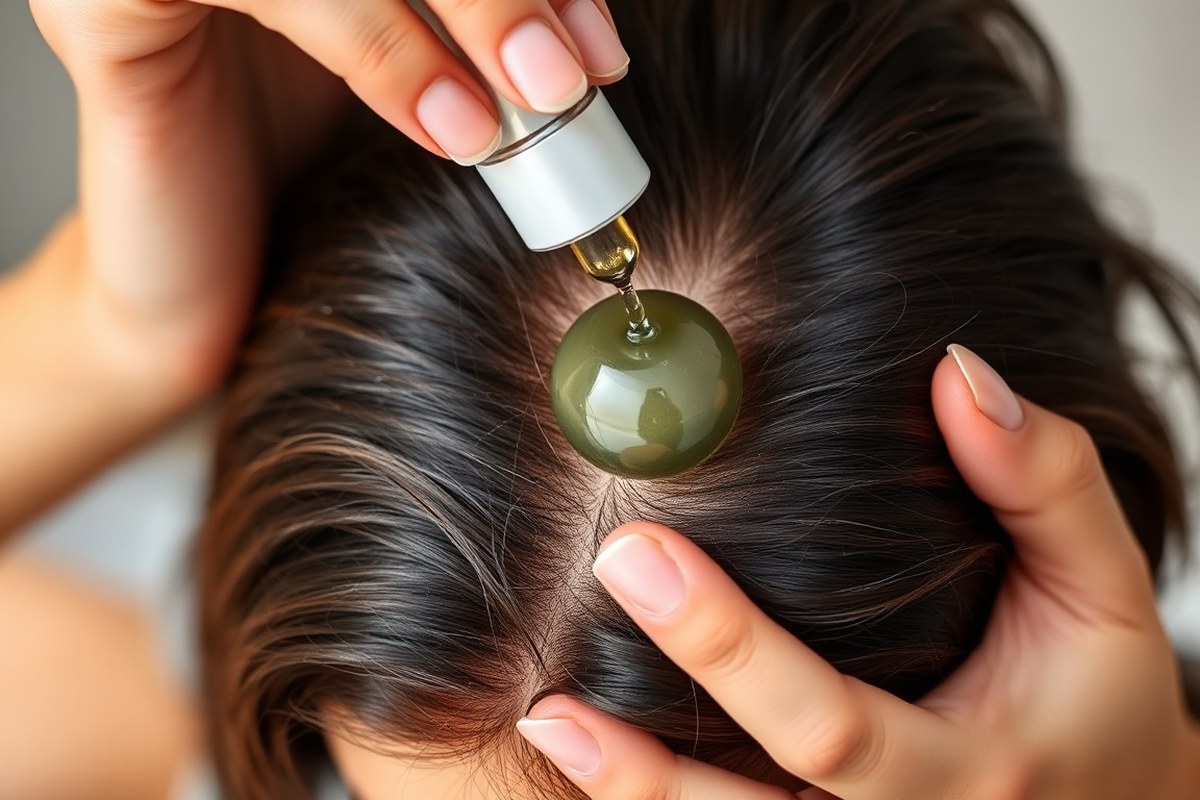
Hydrating your scalp means choosing the right products to use. Use the right amount to avoid making your hair greasy. Proper care keeps your scalp healthy and comfortable.
Lightweight oils like jojoba, argan, or coconut oil work best. They moisturize without clogging pores or weighing hair down.
Applying too much oil or heavy products can cause buildup and greasy roots. Focus on small amounts, especially if your hair is fine or prone to oiliness. You want hydration that feels natural and light.
Follow these simple steps for effective scalp hydration without greasiness. Adjust the amounts based on your hair type and dryness level. These methods keep your scalp refreshed and your hair clean.
- Choose a lightweight scalp serum or oil. Look for products with jojoba, argan, or coconut oil designed for your hair type.
- Apply about one teaspoon of oil. Use less if your hair is very fine or oily. Too much can make hair greasy.
- Part your hair into sections. This helps you apply the oil evenly right onto your scalp.
- Gently massage the oil into your scalp. Use your fingertips in small circles to boost absorption and blood flow.
- Leave the oil on for 30 minutes. You can even keep it overnight for deep hydration if your scalp feels very dry.
- Wash your hair thoroughly afterward. Use a gentle hydrating shampoo to remove residue without stripping moisture.
- Try mixing a few drops of oil into your conditioner. Leave it on for about 10 minutes before rinsing to add extra moisture without greasiness.
You might want to exfoliate your scalp gently to remove buildup before oiling. This keeps pores clear and helps with absorption. Avoid heavy creams or butters directly on your scalp.
These can make your roots oily. Choose lighter products for better scalp hydration.
Light products absorb faster and won’t flatten your hair. Look for serums labeled “non-greasy” or “lightweight” for easy choices. Using the right amount of product helps your scalp stay fresh.
It keeps your scalp hydrated without oily hair. This balance feels comfortable and clean.
2. Causes and Signs of a Dry or Dehydrated Scalp

A dry or dehydrated scalp usually happens when its moisture barrier breaks down. This can result from over-washing with shampoos that have sulfates or product buildup blocking pores. Cold weather and harsh ingredients in hair products also strip moisture away.
Stress and hormone changes play a role too. They affect your scalp’s ability to hold moisture. So you might notice itchiness or tightness.
Skin conditions like eczema or psoriasis cause chronic inflammation. This inflammation makes dryness worse than just environmental effects. It can make your scalp feel more irritated and dry.
To spot a dehydrated scalp, watch for flakes and redness. Also notice if your scalp itches or feels tight. These signs often mean your scalp needs more moisture.
Sometimes your scalp looks ashy or dull, especially if it’s dry. These are common signs that your scalp isn’t getting enough hydration.
Environmental factors that worsen dryness include cold air outside and dry heat from indoor heaters. Low humidity pulls moisture from the skin and scalp barrier. Hot showers or hair tools that use heat also dry out your scalp faster.
Many styling products, like dry shampoos, dehydrate your scalp further. They leave residue that disrupts hydration and make itching worse. Even water temperature matters when washing your hair.
Water hotter than 104°F can irritate your scalp. It can also make the dryness worse.
Cut back on sulfates and wash with lukewarm water to avoid drying your scalp further.
3. Natural Oils and Ingredients That Hydrate Scalp Effectively
Natural oils like coconut, jojoba, and avocado hydrate your scalp well without greasiness. You can also use aloe vera, honey, and banana for added moisture and soothing effects. Choosing the right one depends on your scalp type and any sensitivities.
Coconut Oil Benefits and Application
Coconut oil soaks into the scalp, hydrating the dry cells at their base. It helps cut down on flakes and forms a shield that keeps moisture in. Rub warm coconut oil into your scalp, wait 10 to 15 minutes, then wash it out with a mild shampoo.
This oil suits most scalps but works best for dry or flaky scalps. Use it two to three times a week for steady hydration. Avoid overuse if your scalp feels greasy after application.
Jojoba Oil and Aloe Vera Uses
Jojoba oil mimics your scalp’s natural oils, making it great for sensitive or itchy scalps. It hydrates without clogging pores. You can blend jojoba oil with essential oils like tea tree for added dandruff relief.
Aloe vera calms irritation and boosts moisture with its anti-inflammatory properties. Apply pure aloe gel on your scalp. Let it absorb for 15 to 20 minutes.
Then wash it off. Combine aloe with jojoba for a light serum to apply daily.
Other Natural Ingredients: Honey, Avocado, and Banana
Honey, especially Manuka honey, soothes and hydrates your scalp while reducing redness. Mix it with avocado oil, banana, or egg as a mask. Leave on 10 to 20 minutes.
Rinse well afterwards. These ingredients nourish hair and scalp with vitamins and fatty acids.
Avocado oil is particularly rich in nutrients that restore dry scalp and strengthen hair. You can also mash avocado and oatmeal for an easy at-home mask that improves moisture. Bananas add hydration and smoothness but can feel sticky if left on too long.
Here’s a quick comparison of these common natural scalp hydrators and their best uses:
| Ingredient | Main Benefits | Best For | How to Use |
|---|---|---|---|
| Coconut Oil | Deep hydration, reduces flakiness | Dry or flaky scalp | Massage warm oil; leave 10-15 min; rinse |
| Jojoba Oil | Balances oils, gentle, non-greasy | Sensitive, itchy scalp | Apply directly or with aloe; daily or as needed |
| Aloe Vera | Anti-inflammatory, boosts moisture | Red irritated or dry scalp | Apply gel; leave 15-20 min; rinse |
| Manuka Honey | Soothes, anti-inflammatory | Red, irritated scalp | Mix in mask; leave 10-20 min; rinse |
| Avocado Oil | Rich in fatty acids, nutrient dense | Dry, nutrient-starved scalp | Use in mask or massage; rinse after 15-20 min |
| Banana | Hydrates, smoothes hair | Dry scalp and brittle hair | Mix with oil or honey; leave 10-20 min; rinse |
Using these ingredients properly helps your scalp absorb moisture better. Avoid leaving sticky masks on too long or overusing oils, which might cause buildup. Start slow and adjust based on how your scalp feels after each treatment.
4. How to Use Scalp Masks and Scrubs for Deep Hydration
Using scalp masks and scrubs can deeply hydrate and nourish your scalp. Masks add moisture, while scrubs remove dead skin cells. Both work together for a healthier, softer scalp when done right.
Preparing and Applying a Hydrating Scalp Mask
Mix hydrating ingredients like yogurt, olive oil, or aloe vera for homemade masks. Store-bought options often include humectants such as glycerin or oat extract. These ingredients soothe and keep your scalp moisturized.
To apply the mask, part your hair in sections. This helps you reach the scalp evenly. Use your fingertips to massage the mask gently, increasing blood flow and absorption.
- Choose a mask with hydrating ingredients like shea butter or aloe vera.
- Apply the mask to dry or damp scalp for better absorption.
- Part hair into small sections to expose the scalp clearly.
- Use fingertips to massage the mask in gentle circular motions.
- Cover your head with a shower cap to trap warmth for deeper hydration.
- Leave the mask on for 15 to 30 minutes as directed.
- Rinse thoroughly with lukewarm water and follow with shampoo if needed.
Using Exfoliating Scrubs Safely
Scrubs help remove dead skin and product build-up that block moisture. Use a gentle exfoliating brush or a sugar-based scrub designed for scalps. Be careful not to scratch or irritate your scalp while scrubbing.
Always apply scrubs to a wet scalp to reduce friction. Massage gently in small circles and avoid harsh rubbing. This supports healthy skin turnover and prevents dryness or flaking.
Timing and Frequency for Masks and Scrubs
Use hydrating scalp masks once or twice a week. Overdoing masks can lead to buildup or greasy feeling. Scrubs should be used less often, about once every 1 to 2 weeks.
Adjust frequency based on your scalp type and needs. Dry scalps usually benefit from weekly exfoliation and regular masks. Oily scalps need less frequent masks and scrubs, focusing on cleansing instead.
5. Creating a Daily and Weekly Routine to Maintain Scalp Moisture
Stick to daily gentle cleansing, moisturizing, and light protection steps. Add weekly deep hydration and exfoliation treatments based on your scalp type. Regular care helps your scalp hold moisture and improves itch and flakiness over about four weeks.
Daily Hydration Steps and Morning Care
Start with a gentle scalp-friendly shampoo or cleansing conditioner. Avoid harsh shampoos that strip your scalp of natural oils. Follow with a lightweight moisturizer or scalp serum with humectants like glycerin or aloe vera.
Apply scalp products on damp hair for better absorption. Use your fingertips to massage the moisturizer in gently. Finish with sun protection if you’ll be outdoors long.
- Wash your hair every 1 to 2 days if it gets oily. For dry hair, shampoo up to once a week. Adjust how often based on how your scalp feels.
- Use sulfate-free, moisturizing shampoos daily or every wash
- Apply a hydrating scalp serum or leave-in treatment after washing
- Massage the scalp gently for 2 to 3 minutes to boost blood flow
- Use lightweight oils for extra shine, avoiding heavy greasiness
- Protect the scalp with hats or SPF sprays when outside
Avoid washing your hair every day if you have dry scalp to preserve natural oils.
Weekly Deep Treatments and Exfoliation
Use a scalp exfoliating scrub or gentler chemical exfoliant once a week. This clears dead skin and product build-up, allowing better moisture penetration. Follow exfoliation with a hydrating scalp mask packed with oils and moisturizers.
Deep treatments usually need 10 to 20 minutes to work effectively. Adjust time depending on product instructions. For extra moisture on dry days, add a warm oil scalp massage once a week.
- Exfoliate scalp once weekly to remove flakes and buildup
- Apply a thick, moisturizing scalp mask for 10 to 20 minutes
- Use warm natural oils like jojoba or argan for deep hydration
- Rinse with lukewarm water to avoid drying the scalp
- Limit clarifying shampoos to once or twice a week
Tracking Progress and Adjusting Routine
Expect to see reduced dryness and less itching in about four weeks of steady care. Note scalp condition weekly to spot improvement or irritation signs.
Flakes or dryness that don’t go away mean try washing less. You can also use richer moisturizers for your scalp.
Adjust cleansing frequency depending on weather or scalp oiliness. Use lighter products in summer and richer creams in winter to match humidity changes. Hydration needs change; listen to your scalp’s signals for best results.
- Check scalp for moisture and flakiness weekly
- Adjust shampooing frequency based on oiliness and dryness
- Switch moisturizers seasonally for weather changes
- Stick to routines for at least a month to judge effectiveness
- Consult a professional if dryness or itching lasts beyond six weeks
6. Diet, Supplements, and Lifestyle Habits for Scalp Health
Drinking enough water deeply affects your scalp’s moisture levels. Your scalp cells need water to stay hydrated and healthy from inside out. Drink about 8 cups of water every day.
You need more if it’s hot outside. Exercise also means you should drink more.
Foods that have omega-3s, zinc, and vitamins A and E help your scalp. These nutrients ease inflammation and boost natural oils. Add salmon, walnuts, spinach, carrots, and nuts to your diet.
Supplements can fill gaps if your diet lacks these nutrients. Fish oil capsules provide omega-3s, and zinc supplements boost skin repair.
Vitamins A and E pills help your scalp hold moisture and protect it from damage. Always check with your doctor before starting new supplements.
Aloe vera gel helps pull moisture in because it acts like a humectant. You can add it to your diet or put it on your scalp. Both ways help keep skin hydrated.
Drinking green tea supplies antioxidants called polyphenols, which reduce scalp irritation and support health. Both work together to keep your scalp balanced and less dry.
Lifestyle habits matter a lot for scalp moisture. Avoid hot showers above 104°F because they strip the scalp’s natural oils. Use lukewarm water instead to keep these oils intact and lock in hydration.
Washing hair too often can also dry out your scalp. So try every other day if your scalp is dry.
Scalp massages improve blood flow and can reduce stress that worsens dryness. Use your fingertips to massage your scalp for 5 minutes each day. Choose a light oil, like jojoba, to lock in moisture.
This method helps keep your scalp hydrated. This routine helps lock hydration and relax your scalp.
Cutting back on alcohol and harsh hair products lowers dryness. Some hair sprays have isopropyl or ethanol. These ingredients can dry out your scalp fast.
They pull moisture away from your skin. Look for products with humectants like glycerin, niacinamide, or panthenol to help your scalp keep moisture.
Apple cider vinegar diluted with water can soothe dry, flaky scalp issues. Its antibacterial and antifungal traits fight infections that cause dryness and itching. Mix one part vinegar with three parts water for a rinse.
Do this once a week for the best results. This helps balance your scalp’s moisture.
7. Common Mistakes That Prevent Scalp Hydration and How to Fix Them
Using hot water to wash your scalp can remove natural oils and cause dryness. Lukewarm water is better because it cleanses without stripping moisture. Washing your hair too much can cause dryness.
This is worse with fine or straight hair. Try washing less to keep scalp hydrated. Over-washing removes the scalp’s protective oils and can cause irritation.
Applying oils or masks the wrong way can make dryness worse. Oils should be diluted with a carrier oil or mixed into your shampoo, not applied thickly. Using heavy oils on dandruff or seborrheic dermatitis may irritate the scalp further.
Choose lightweight serums for fine hair and richer oils for thick hair needing more moisture. Avoid harsh shampoos or scrubs that strip the scalp’s natural barrier.
- Wash scalp with lukewarm water, not hot
- Limit washing to 2-3 times per week with gentle shampoo
- Dilute oils with carrier oils or mix into shampoo for even spread
- Use scalp masks or serums suited to your hair type
- Exfoliate scalp gently every 1-2 weeks to remove buildup
- Avoid harsh ingredients like sulfates or alcohol in products
- Do not overuse dry shampoo to prevent scalp dryness
Be gentle when massaging treatments into your scalp. Too much pressure or scratching causes irritation and dryness. Consistent hydration helps maintain healthy scalp circulation, which prevents conditions like receding hairlines.
Avoid products that cause buildup, since they block moisture absorption. Scalp problems that don’t get better need a professional checkup.
They can suggest the right treatment or care. Don’t wait too long to ask for help.
8. When to Seek Professional Help for Persistent Dry Scalp
Persistent dry scalp that doesn’t improve after two weeks of home care needs a doctor’s check. See a dermatologist if dry patches or greasy scales don’t clear up. These signs may point to eczema, psoriasis, or an infection needing prescription treatment.
Watch for symptoms like intense itching lasting more than four weeks, pus-filled bumps, or oozing sores. Soreness and hair loss around dry areas also hint at serious scalp conditions.
A pro can tell if you have contact dermatitis or something else. They can spot issues beyond normal dryness.
Doctors offer treatments unlike over-the-counter products. They may prescribe topical steroids, antifungal creams, or immunomodulators to ease inflammation and clear infections. These prescriptions aim to fix the root problem rather than just cover up flakes or itchiness.
Use this simple rule: scalp dryness that lasts more than two weeks or gets worse needs a doctor’s visit. Early diagnosis prevents worsening and guides proper scalp care. Some conditions, like cradle cap in babies, also require professional advice for safe treatment.
Don’t wait if your scalp itches a lot, flakes heavily, or has infected sores.
Professional care varies by scalp condition but often involves ongoing management. Prescription treatments may cost $30 to $60 for medications like medicated shampoos and lotions.
These can show improvement within a week or two if used properly. Watch for side effects such as redness or burning and report these to your dermatologist.
Good results mean reduced itching, fewer flakes, and healing sores. When home remedies fail, professional help provides targeted care that restores scalp health. Seeing a doctor early helps you avoid serious problems like hair loss or bad irritation.
Step-by-Step Action Plan to Hydrate Your Scalp
Follow these steps to refresh your scalp and keep it hydrated. Check each step’s sign to know you’re on track.
- Day 1: Gently cleanse your scalp with a mild shampoo. You’ll see less dryness if it feels soft, not tight afterwards.
- Day 2: Apply a light natural oil like jojoba or argan. Your scalp should feel moisturized but not greasy.
- Day 3: Use a scalp mask designed for hydration. After rinsing, your skin should feel smooth and calm.
- Week 1: Begin with a simple daily plan. Use a gentle shampoo every other day. Apply oil once each night. Notice reduced itching and flaking.
- Week 2: Add scalp exfoliation once or twice a week with a scrub. Your scalp will feel less flaky and more refreshed.
- Week 3: Drink 48 ounces of water daily. Eat foods with omega-3s like salmon. These steps help skin stay hydrated. Your scalp will show natural shine and softness.
- Week 4: Adjust your routine based on results. Increase scalp masking to twice a week when it stays dry. Your scalp feels consistently hydrated.
Frequently Asked Questions
Can Drinking Water Improve Scalp Hydration?
Yes, drinking water helps keep your scalp hydrated. Your scalp needs water to stay healthy and avoid dryness like your skin.
Is It Safe to Use Coconut Oil Daily on the Scalp?
Daily coconut oil helps your scalp stay hydrated. Rub some in and wait 10 to 15 minutes before washing your hair.
Are Scalp Serums Better Than Oils for Hydration?
Both serums and oils can hydrate the scalp effectively. Serums might feel lighter, but oils are great for dry scalps needing more moisture.
Can Shampooing Too Often Dry Out the Scalp?
Yes, shampooing frequently can strip natural oils and dry your scalp. Try shampooing every other day or less if possible.
Does Scalp Exfoliation Help with Dryness?
Yes, exfoliating removes dead skin and buildup that block moisture. Do it once every 1 to 2 weeks to keep your scalp feeling fresh.
Will Using Aloe Vera Gel Hydrate a Dry Scalp?
Yes, aloe vera gel soothes and hydrates dry scalp easily. Apply, let sit for 10 minutes, then rinse to avoid buildup.
The Bottom Line
Keeping your scalp hydrated helps prevent dryness and itchiness. Try adding a daily light oil to see quick results. Start with gentle cleansing today and watch your scalp improve.


