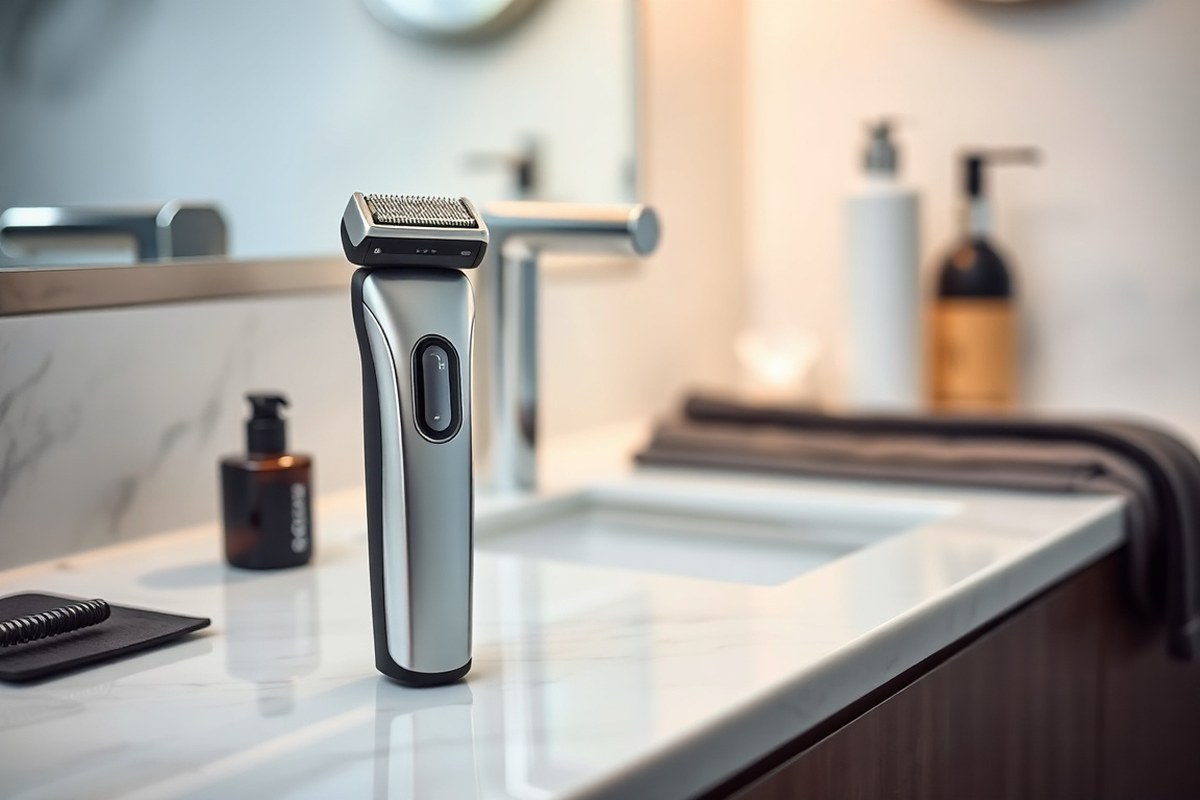
What Is a Foil Shaver? A Complete Guide to Better, Closer Shaves
A foil shaver cuts hair using a thin metal foil screen. Blades beneath the foil move back and forth fast to slice hairs. The foil protects your skin from cuts and pulls.
This shaver style is good for daily use and sensitive skin. It causes less irritation and works well for gentle, frequent shaving. Hold the shaver at a 90-degree angle to your skin for an even shave.
Replace the blades and foil every 12 to 18 months to keep it sharp. This also prevents skin discomfort and saves you money in the long run. Some models offer quick charging, giving enough power for one shave in just three minutes.
The foil helps avoid nicks, even in tricky spots like under your nose. Although foil shavers cost more upfront, they last longer than cartridge razors.
Key Takeaways
- A foil shaver has a thin metal foil covering blades that oscillate back and forth.
- It cuts hair close while protecting your skin better than many razors.
- Hold the shaver flat at a 90-degree angle for the best results.
- Replace foil and blades about every 12 to 18 months for peak performance.
- Some foil shavers offer quick-charge options for emergency shaving sessions.
- A foil shaver suits daily shavers or those with sensitive skin well.
What Is a Foil Shaver and How Does It Work?
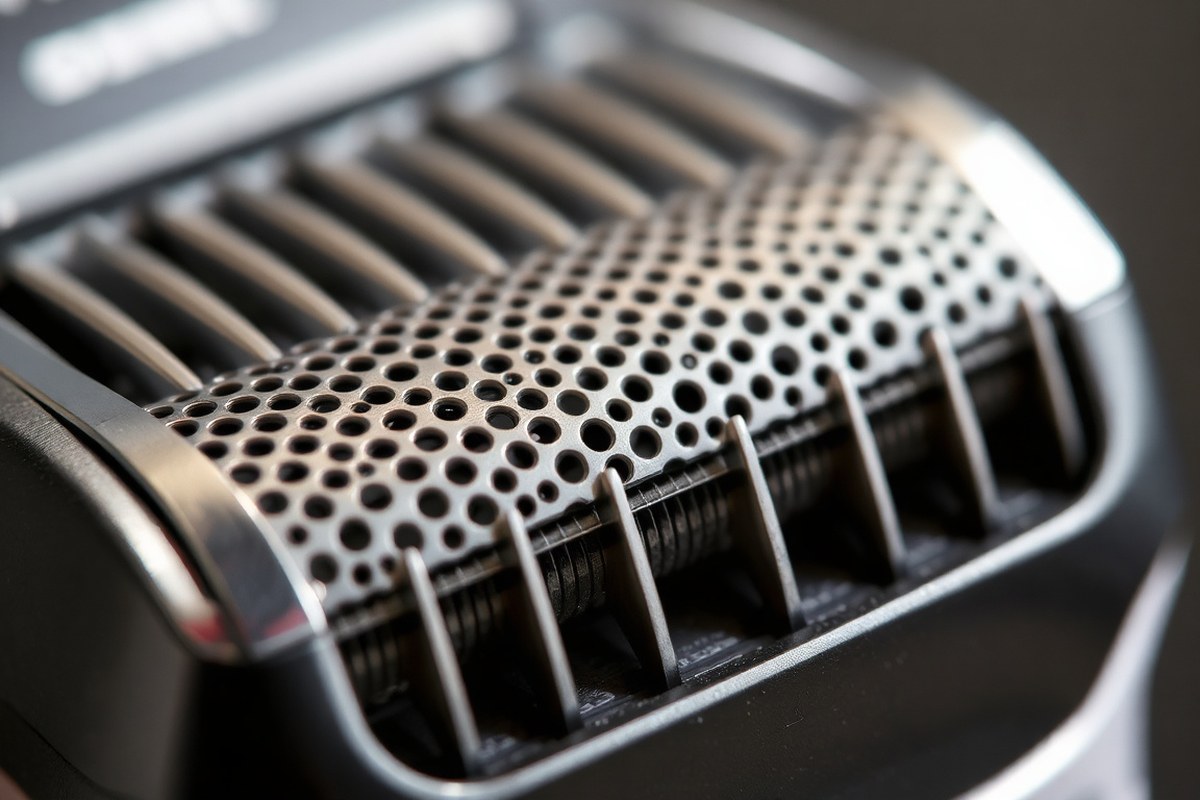
A foil shaver is an electric razor. It cuts your facial hair very close to your skin. It uses thin, perforated metal sheets called foils that cover oscillating blades underneath.
These blades move back and forth thousands of times every minute. Usually, between 7,000 and 14,000 cycles happen.
The thin foil acts as a barrier, keeping the blades from touching your skin directly. Tiny holes in the foil catch your hair as you move the razor across your face. The blades then cut the hairs that enter these holes in a to-and-fro motion.
This design helps protect your skin from cuts and nicks while still cutting hair very close. The straight cutting edge is under the foil.
It helps you detail lines and trim sideburns well. The foil also maintains a small gap between the blade and your skin, which lowers irritation.
Foil shavers are built to work best on short, straight hair. The hair needs to be short enough for the foil holes to grab it.
Many men trim longer hair first with a trimmer. Then, they finish with a foil shaver for a close shave.
The oscillating blades operate in a linear motion, moving back and forth rapidly without rotating. This contrasts with rotary shavers, which use circular blades.
The shaver’s back-and-forth action delivers a cleaner cut. It works best on flat areas like cheeks and jawlines.
Big brands add features like intercept trimmers. They cut longer hairs before the foil makes the final pass.
This improves closeness without causing bumps or ingrown hairs. Some high-end foil shavers can even adjust speed to handle coarser hair types more effectively.
Advantages of Using a Foil Shaver for Your Skin

Foil shavers give you a very close shave while protecting your skin. The thin metal foil covers the blades. It acts as a barrier.
This stops the blades from touching your skin directly. This shield lowers nicks, cuts, and razor burn. It’s helpful for sensitive skin.
They work great with a lubricating gel or shaving cream to lower friction and calm irritation. This combo often makes shaving gentler than using a manual razor or even rotary electric shavers.
People with acne or delicate skin often find foil shavers gentler. They cause fewer bumps and irritation.
Compared to manual razors, foil shavers might not shave as close for some guys. But they come close, especially on short stubble. They usually shave faster since the foil traps multiple hairs quickly.
You don’t need to worry about blade angles or pressure. Foil shavers give a nearly clean finish like blades. They cause fewer cuts.
Using them wet or dry depends on the model. But wet shaving with gel often boosts comfort and closeness. Some kits include trimmer attachments for longer hair first.
This helps you get a smoother finish with the foil head. This method cuts down irritation even more.
Always replace the foil and blades on time to keep your shave close and gentle. Old parts can pull hair and cause irritation.
Rotary shavers do better on long or coarse hair but tend to irritate sensitive skin more. Foil shavers have a straight cutting action that stays gentle and precise on delicate skin.
Your skin may react badly to your current razor. Trying a foil shaver might reduce redness and bumps.
Foil Shaver vs Rotary Shaver: Which One Suits You?
Foil shavers and rotary shavers work differently, affecting your shaving style and results. A foil shaver moves straight side to side, usually at 10,000 to 14,000 strokes per minute. It uses a thin metal screen, or foil, to cover the blades.
This design cuts hair very close to your skin. It suits precise finishes. It also works well for sensitive skin.
Rotary shavers have round heads with spinning circular blades. They handle hair growing in many directions and longer, thicker hairs better. Rotary shavers move in small circles.
They fit curved areas like your jawline. They also work well on your neck. They suit coarse or curly hair.
Your face shape may make straight-line shaving hard. Rotary shavers handle those contours well.
Choosing between them depends on your hair type, skin sensitivity, and where you mostly shave. Foil shavers excel on flatter skin areas and deliver clean edges for short hair.
Rotary models win for tough, multi-directional stubble and curved faces. Neither type is clearly better for everyone; it depends on your personal needs.
| Tool | Best Starting Job | Typical Movement | Where It Is Easiest to Control | Main Tradeoff |
|---|---|---|---|---|
| Foil Shaver | Removing short stubble for a close finish | Straight, overlapping passes | Flatter areas, edges, and defined lines | Longer or flat-lying hairs may need trimming |
| Rotary Shaver | Shaving across changing contours and growth direction | Small circular movements | Jaw, chin, neck, or scalp contours | Round head less suited for straight edges |
The foil shaver’s side-to-side motion requires a steady hand for best results. You shave with short, straight strokes, gently pressing the foil against your skin.
You might need to trim longer hairs before using the foil. It feels precise and causes less irritation, great for daily shaves.
Use slow circles with rotary shavers. Push the heads gently onto your skin. This lifts and cuts the hair.
This works well on thicker, curly hair or areas with many angles. You may need less preparation since rotary shavers can handle longer hair better. They don’t match the closeness of foil shavers but adapt easily to your facial shape.
How to Use a Foil Shaver for the Best Results
Using a foil shaver right makes a big difference in smoothness and comfort. Get your skin ready before shaving. Hold the shaver at the right angle.
Take care of your skin after shaving. Wet or dry, following the right steps will keep your shave close and your skin calm.
Skin and Hair Preparation
Start with clean, dry skin if you plan to dry shave. This removes oils and dirt that block the foil. Your foil shaver works wet and dry.
You can use shaving gel or foam. This softens hair and reduces irritation.
Hair should be short before shaving. Longer hair bends under the foil, making it hard to get a close cut.
Use a trimmer to shorten thick or fast-growing hair first. This saves time and prevents tugging on your skin.
Shaving Technique and Angle
Hold the foil shaver flat against your skin at a 90-degree angle. This means the foil lays straight, touching your face fully and evenly. Pressing too hard or angling the shaver reduces contact, causing uneven cuts or irritation.
Use short, straight strokes moving against hair growth. Don’t rush or make wide, circular motions.
Moving the shaver slowly lets it catch more hairs and avoids skin pulling. Tackle sensitive spots first, while the shaver is cool, for better results.
Certain foil shavers let you wet shave with gel or foam, even in the shower. These models have sealed parts and waterproof gaskets. Wet shaving may reduce irritation.
Always check your shaver’s instructions first. Avoid water or cream if it’s not recommended.
Post-Shave Skin Care
After shaving, rinse your face with cool water to close pores and remove loose hair. Pat your skin dry with a soft towel to avoid irritation. Avoid rubbing hard, which can cause redness and bumps.
Apply a gentle, alcohol-free aftershave balm or moisturizer. These soothe the skin and restore moisture lost during shaving. Avoid heavy creams or products with scents that might irritate freshly shaved skin.
Keep your foil shaver clean for the next use. This prevents bacteria buildup that could irritate your skin. Follow your shaver’s manual for proper maintenance and storage.
- Clean your face with warm water and dry it completely if dry shaving.
- Trim longer facial hair to about 1/8 inch if needed.
- Hold the shaver at a 90-degree angle, keeping the foil flush with skin.
- Move the shaver slowly against hair growth in short straight strokes.
- Start with sensitive areas while the shaver is still cool.
- Your shaver supports wet use. Apply shaving gel before you start. Shave wet to prevent irritation.
- Rinse your face with cool water after shaving and pat dry gently.
- Apply a gentle aftershave balm to soothe and hydrate the skin.
Cleaning and Maintaining Your Foil Shaver Properly
Clean your foil shaver right after each use. Dry it well. Store it safely to keep sharpness and good performance.
Replace the foil and blades every 12 to 18 months or sooner if you notice wear. Taking care of your shaver stops damage to the delicate foil and keeps your shave smooth.
Routine Cleaning After Each Use
After every shave, unplug your foil shaver if it’s corded and remove the shaving head. If your shaver is waterproof, rinse the head with warm water.
This removes hair clippings and residue. Use the small brush supplied with most models to clean under the foil and blades gently.
Complete this cleaning routine within a few minutes so your shaver dries fully. Leaving wet hair or skin products inside can cause rust or motor damage over time.
- Turn off and unplug the shaver.
- Remove the foil head from the shaver body.
- Tap out hair clippings gently over a trash bin.
- Use the cleaning brush to clear hair from the blades and inner parts.
- Rinse the foil head and blades under warm water if waterproof.
- Shake off excess water and leave parts to air dry for 30 minutes.
- Reattach the dry foil head to the shaver before storing.
Don’t press the cleaning brush on the foil surface hard. The foil is delicate and can dent easily.
Replacing Foil and Cutter Parts
Foil and blades lose sharpness and become less effective roughly every 12 to 18 months. Replace both parts at the same time to maintain a smooth, close shave. Most manufacturers include compatible parts for easy swapping.
To replace, press upwards on the foil and cutter to remove them. Snap the new foil and blades into place following the product’s instructions. Using worn parts risks skin irritation and poor cutting performance.
- Turn off and unplug the shaver.
- Press upwards on the foil and cutter to remove them.
- Inspect new parts for compatibility and damage.
- Snap the new blades into place first.
- Align and press the new foil over the blades until it clicks.
- Test the shaver for smooth operation before use.
Don’t replace only the foil or only the blades. Both wear together even if damage isn’t visible.
Safe Storage and Handling
Store your foil shaver in a dry place away from moisture. Don’t drop your shaver or put heavy things on it.
The thin foil can easily dent or tear. Many shavers come with a protective cap or pouch, use these for travel or storage.
Keep your shaver out of direct sunlight and extreme heat. This protects the motor and plastic parts from damage. Always make sure the shaver is turned off and dry before putting it away.
Choosing the Right Foil Shaver: What Features Matter?
Choosing a foil shaver depends on what feels comfortable and fits your skin type. Foil shavers work best for sensitive skin because the thin foil protects against direct blade contact. Look for a sharp motor that runs fast.
Good blades cut stubble smoothly. This helps avoid skin irritation.
Battery life is key. Budget models lose power fast as the battery drains, causing a rough shave. Premium shavers keep motor speed steady until they shut off.
So your shave stays consistent. Also, check if the shaver has quick-charge options for busy mornings.
- Sharp, 30-degree honed inner blades for closer cuts
- Multi-blade foils to reduce skin irritation
- Steady motor speed to avoid tugging as battery drains
- Comfortable grip and build quality for easy handling
- Battery life of at least 45 minutes per charge
- Quick charge feature for fast use after short charging
- Trimmer attachment for maintaining longer hairs
Brands known for high-quality foil shavers often target beginners with easy controls and ergonomic designs. Look for models designed for touch-ups or daily use if you’re new. Changing blades every 1 to 2 months keeps the shave close and comfortable.
Avoid cheap shavers if you have sensitive skin. The foil might not protect enough. Sensitive skin needs better protection.
Foil shavers aren’t the fastest but offer a neat, steady shave. They suit men who prefer comfort over speed and want to reduce irritation. The ultra-thin foil sits right above the blades.
It balances close shaving with skin safety. This design helps protect your skin. This setup is ideal if your skin tends to react harshly to other types of shavers.
Common Foil Shaver Mistakes and How to Fix Them
Pressing too hard with your foil shaver can cause skin irritation or even small cuts. The foil is meant to protect your skin. But pressing it down makes your skin deform and push hairs unevenly against the blades.
Hold the shaver lightly and keep it at a steady 90-degree angle instead. This helps the blades glide over hair smoothly without tugging.
Using dull blades often leads to pulling instead of clean cutting. When the blades lose sharpness, they grab hairs instead of slicing them. That tugging feels painful and can cause redness or bumps.
Change your foil and cutter blades when the manufacturer suggests. Do it sooner if the shaver pulls on your hair.
This keeps your shave smooth and comfortable. Doing this restores a comfortable shave and prevents irritation.
Shaving long or curly hair with a foil shaver can be tricky. Those hairs can bend, making the shaver catch and pull rather than cut. Trim longer hairs with clippers before shaving to avoid this problem.
Try shaving in different directions to catch hairs growing various ways. Adjusting technique helps get a closer, gentler shave.
- Keep the foil shaver at a 90-degree angle to your skin
- Apply only light, even pressure during shaving
- Replace dull blades as soon as you feel pulling or discomfort
- Trim long or curly hair first to prevent tugging
- Shave in multiple directions for hair that grows irregularly
- Clean your shaver after each use to keep blades sharp
- Use gentle, slow strokes instead of rushing through the shave
Changing these habits can improve your shave a lot. Go slow and don’t push down hard. Sharp blades mean less pulling and fewer red spots.
Dealing with long or tough hair by trimming saves your skin from stress. Adjust your angle and pressure before you start shaving.
This helps you get a closer and more comfortable shave. Taking a moment to do this really pays off.
Maintaining Shaving Quality: When to Replace Foils and Blades
Replace foil shaver parts regularly to keep your shave smooth and close. Changing foils once a year and blades every two years fits most users. Watch for signs like tugging or uneven cuts to know when to swap parts.
Signs of Worn Foils and Blades
Foils show damage as dents or holes that expose the blades. Blades often start pulling or missing patches during shaving. You might feel more skin irritation or hear louder grinding sounds when parts wear out.
Here are common signs that foils or blades need replacement:
- Shave feels rough or pulls on hair
- Uneven cutting or missed spots
- Foils look dented, torn, or have holes
- Increased skin redness or irritation
- Loud grinding or unusual noises
Replace parts as soon as you see these signs. This avoids skin damage. It also keeps shaving quick.
Recommended Replacement Schedule
Change foil covers about once every 12 months for most men. Blades usually last twice as long, so every 24 months works well. These schedules assume regular use several times a week.
Heavy daily shaving or thick hair might need faster swaps. Check your shaver’s manual for the exact model schedule.
Consequences of Using Old Parts
Worn foils and blades cut less efficiently and may cause scratches. This raises the chance of irritation and a patchy appearance. You’ll also spend more time trying to get a clean shave.
Delaying replacement lets hair get pulled instead of cut. Over time, this hurts your skin and speeds wear on the motor. Remember, worn parts reduce a foil shaver’s comfort and smoothness.
Use only parts made for your specific shaver model to avoid damage.
Step-by-Step Action Plan for Using and Maintaining Your Foil Shaver
Follow these steps to get smooth shaves and keep your foil shaver working well. This plan is easy to fit into your grooming routine.
- Before your first shave: Charge the shaver fully and clean it according to the manual. This ensures peak performance and longer battery life.
- Day 1, First shave: Shave on clean, dry skin using gentle, short strokes. You should feel comfortable with minimal tugging or irritation.
- After each shave: Brush or rinse the foil and blades to remove hair clippings. A visibly clean foil means you’re preventing buildup that dulls the blades.
- Weekly maintenance: Clean the shaver head deeply. Use the recommended cleaning solution. If allowed, rinse it under warm water. The shaver should look shiny and fresh.
- Monthly check: Inspect the foil and blades for damage or wear. Replace parts if you see dents, tears, or feel pulling on hair to keep shaves smooth.
- Every 12-18 months: Replace the foil and blades, even without visible damage. This keeps your shaver cutting efficiently and protects your skin.
- Before travel or dry spells: Charge your shaver fully and pack the cleaning brush. This keeps your routine consistent without hassle.
- Adjust based on experience: Note any skin irritation or poor cutting. Switch to a different foil model or technique if needed for better comfort or closeness.
Frequently Asked Questions
What Makes a Foil Shaver Different from a Traditional Manual Razor?
A foil shaver uses oscillating blades behind a thin foil for protection. It cuts hair close without skin contact, reducing irritation compared to manual razors.
Can a Foil Shaver Be Used on Sensitive Skin?
Yes, foil shavers are good for sensitive skin because the foil protects your skin. This reduces the chance of cuts and razor burn while giving a close shave.
Is It Okay to Use a Foil Shaver on Longer Beard Hair?
Foil shavers work best on short stubble, not on long hair. Trim longer hair first with a beard trimmer for a smoother and closer shave.
How Long Does a Typical Foil Shaver Battery Last?
Most foil shavers give between 30 and 60 minutes of cordless use after a full charge. Check your model’s specifics for exact battery life.
Why Do Foil Shavers Make a High-Pitched Sound?
Foil shavers’ blades oscillate rapidly, often around 14,000 times per minute. This quick movement causes their characteristic high-pitched humming noise.
Can Foil Shavers Be Used Wet or in the Shower?
Some foil shavers are waterproof and can be used wet or in the shower. Always check the user manual to confirm your model’s wet/dry capabilities.
Key Points to Remember
A foil shaver helps you get a close, gentle shave when used right. Clean and maintain it regularly to avoid irritation and keep it sharp. Try your first shave with the steps above and see the difference.