What Color Is Brunette? A Complete Guide to Brunette Shades and Care
What color is brunette? Brunette hair ranges from medium brown to almost black shades.
It usually involves rich brown tones with natural warmth or coolness. This brown base can have many variations, making brunette a flexible hair color choice.
Brunette isn’t just one simple color; it can include chestnut, chocolate, and espresso shades. These variations depend on different undertones like red, gold, or ash. This mix gives brunettes plenty of options to find the perfect match for their skin tone.
Knowing these basics helps you pick the right shade and care routine. Start by understanding your natural undertones to avoid colors that clash. Also, keep in mind that maintenance varies a lot, especially if you want highlights or balayage.
Key Takeaways
- Brunette hair covers shades from light brown to near-black.
- Undertones like warm red or cool ash affect the final look.
- Choose shades that complement your skin’s undertone for a natural effect.
- Gloss treatments every 6 to 8 weeks keep brunette colors vibrant.
- Use sulfate-free shampoo to extend your color’s lifespan.
- Deep conditioning masks weekly help maintain shine and softness.
What Color Defines Brunette Hair?

Brunette hair color refers to a range of brown shades that often appear rich and versatile. It’s basically a dark brown, formed by a mix of two melanin types: eumelanin and pheomelanin.
Eumelanin is the primary pigment that gives brunette its deep, earthy brown or almost black look. Pheomelanin adds subtle reddish or warm undertones.
Brown hair usually means medium to dark tones resembling timber or wood. Brunette includes many brown tones. It also leans toward darker shades.
These blend brown and almost black hair colors. People often use brunette and brown as the same word.
Brunette usually means a darker brown. It has more depth than regular brown.
Stylists manipulate the balance of eumelanin and pheomelanin to create natural, dimensional brunette shades. Stylists mix pigments to craft warm, cool, or neutral browns. They match the shade to your skin tone and style.
This gives you a flattering look. This technique keeps your brunette hair rich and vibrant.
It adds brightness or shadow where needed. That creates a natural, flattering look.
Brunette hair color suits almost every skin tone because of this versatility. The range includes anything from warm chestnut browns to cooler ash browns. Pigments in your brunette hair affect light reflection.
This changes how dark or bright your hair looks. Different lighting highlights these effects.
Thinking of dyeing your hair brunette? Professionals use brown dyes that boost natural melanin tones. These dyes improve the depth and richness of your color.
Stylists make a custom shade that looks natural. They add dimension so your hair won’t look flat.
This keeps your hair colorful and alive. Maintaining that balance means your hair stays glossy and multi-dimensional between color appointments.
Popular Shades and Undertones of Brunette Hair
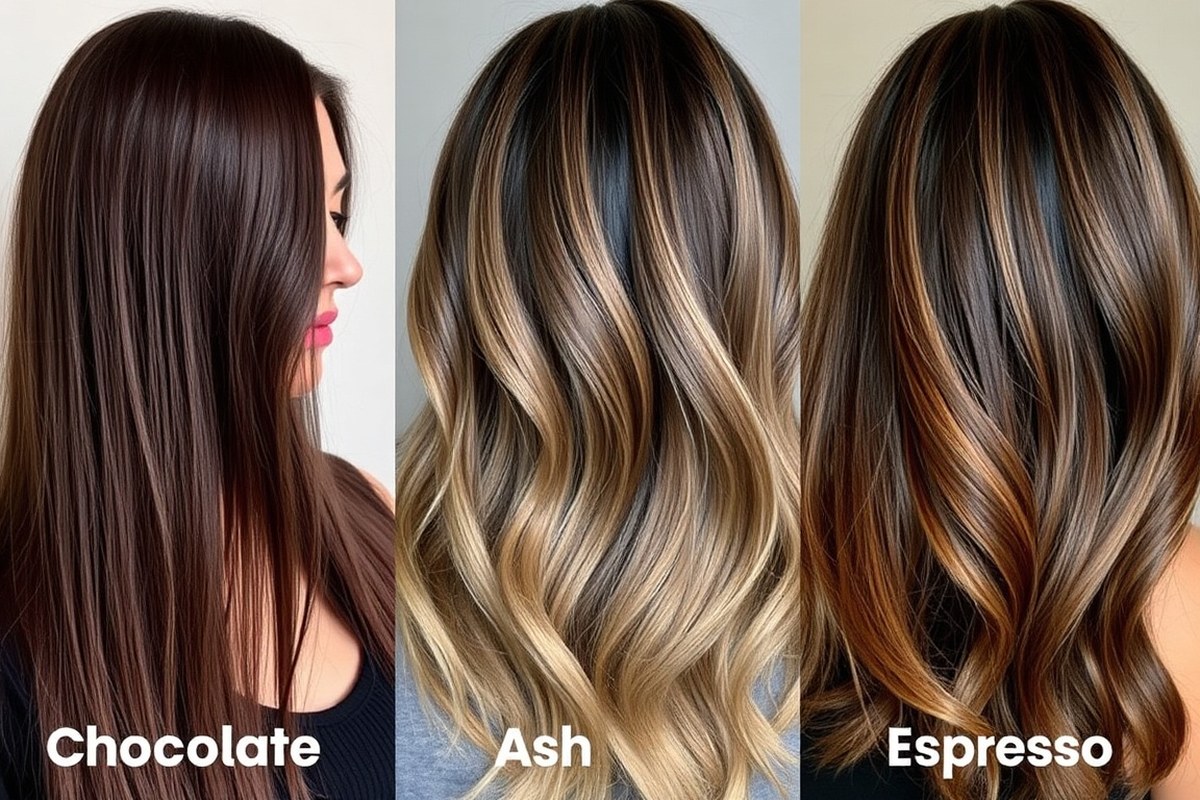
Brunette hair shows a wide range of rich shades. These shades often come with different undertones that shape the final look. The main undertones you’ll find are golden, ash, and red.
Warm brunettes usually have golden or reddish tones. These warm tones give hair a vibrant, rich look. They work well with skin that has golden or olive undertones.
This helps your hair stand out naturally. Cool brunettes lean toward ash or silvery undertones, giving a softer, more muted effect.
Knowing your undertones helps you pick the right brunette shade to flatter your skin. Ash tones give a cool, toned-down look. They fade faster because natural brunette color is warm.
You’ll notice ash shades lose their strength sooner. You might need more frequent touch-ups to keep ash tones fresh.
| Shade | Description | Undertones |
|---|---|---|
| Chocolate Brown | Rich, dark brown with striking red undertones | Warm, Red |
| Chestnut Brown | A deep brown base combines with warm red and golden blonde highlights. This mix adds depth and brightness to your hair. It makes your look more interesting. | Warm, Red & Golden |
| Mocha | Dark cocoa brown color with caramel highlights | Warm, Golden |
| Espresso | Inky dark brown close to black | Neutral to Cool |
| Dark Chocolate | Very deep, cool brown just above true black | Cool, Ash |
Chocolate and chestnut browns suit warm skin well. Their red and golden hints match your warm skin tones. This blend creates a natural, flattering look.
Mocha has caramel highlights that bring out warmth gently. Espresso hair color is very dark, nearly black.
It has a neutral or cool base tone. This shade gives a sleek, bold appearance.
Dark chocolate is a cool brunette with ash undertones for a sleek, modern style. Ash brown or ivory ash shades suit those wanting cool, silvery hues in their brunette hair. These shades often look best with fair to medium skin that has cool undertones.
Ash tones fade more quickly over time. Use shampoo made for color-treated hair to protect it. Think about getting a toner every 4 to 6 weeks.
Brunette hair color usually reflects light subtly or absorbs it, depending on undertone and dimension. Warm shades tend to reflect more light due to golden highlights.
Cool shades absorb light, creating a rich depth. For lasting color, warm tones generally hold up better with less frequent touch-ups.
How Brunette Hair Color Differs from Black Hair
Brunette hair covers a broad range of colors between brown and black. It includes shades that border on black but remain softer and warmer. Black hair usually has a deeper, cooler base with less variation in tone.
The depth of brunette shades varies more than black hair does. Brunette can have warm undertones like golden, honey, or caramel. Black hair tends to absorb light, giving it a dense, nearly shadowy appearance.
Light reflection is where brunette differs the most from black hair. Brunette shades catch sunlight and artificial light, showing multiple tones at once. This creates a natural shine and subtle dimension.
Black hair reflects light less. It often looks flat.
When coloring brunette hair, adding highlights or balayage boosts light reflection. Caramel or honey highlights brighten the overall look.
With black hair, highlights show up less dramatically. So stylists focus on lowlights or very subtle dimension to avoid dullness.
Brunette tones that nearly touch black offer elegance without harshness. They keep some warmth and visible texture under light. True black feels more solid and intense, lacking this light play.
Choosing between brunette and black depends on how much light interaction you want. Brunette invites shine and depth, especially in sunlight. Black provides a sleek, uniform finish but shows less complexity in color and light shifts.
Matching Brunette Shades to Your Skin Tone
Choosing the right brunette shade depends on your skin’s undertone and overall complexion. Warm skin tones suit rich caramel and golden browns.
Cooler skin tones look best with ash or espresso shades. Neutral skin tones can wear a wide range of brunette hues, blending warm and cool perfectly.
Identifying Your Skin Undertone
Look at the veins on your wrist under natural light. Blue or purple veins usually mean cool undertones. Greenish veins suggest warm undertones, and a mix means you’re neutral.
You can also test with jewelry: silver tends to flatter cool tones. Gold shines better on warm skin tones. Neutral tones look good with both metals.
Best Brunette Shades for Warm Tones
Warm skin tones often show peach, yellow, olive, or caramel undertones. These hues get boosted by warm brunette shades with gold or red highlights.
Caramel, tawny, amber, and nutmeg shades work well. They brighten your face and avoid unwanted brassiness. Your hair color looks natural and glowing.
- Caramel brown with subtle golden highlights
- Amber brown for a rich, warm tone
- Tawny brown to complement olive undertones
- Nutmeg brown for deeper warmth
- Sienna shades that add depth without redness
- Subtle sun-kissed highlights in warm tones
Warm undertones pair nicely with earth-toned clothing like coral and olive green. It helps your hair and skin look balanced and natural together.
Best Brunette Shades for Cool and Neutral Tones
Cool undertones include pink, red, or rose hues. Ash brown, espresso, and taupe shades match well with these tones. They prevent your skin from looking washed out.
Neutral undertones can wear a broad spectrum of brunettes, including neutral tones. These shades mix warm and cool, creating a balanced look that suits most complexions.
- Espresso brown for deep, cool richness
- Ash brown to neutralize redness
- Taupe brown for a natural cool touch
- Neutral brunette blends that suit all undertones
- Subtle highlights in cool shades like ash blonde
Cool-toned shades also make brown eyes pop. This contrast creates a sharp, polished look that many find appealing.
Skin Tone Signs to Avoid Certain Shades
Warm skin tones often look overpowered by cool, ashy brown shades. These can make your skin appear dull or sickly. Avoid ash tones if you notice your complexion losing warmth.
Cool tones should steer clear of overly warm or brassy shades. Shades like orange-based brown or bright copper might clash with your skin’s pink hues. They may make you look uneven or blotchy.
- Warm skin tones: Avoid ash or bluish browns
- Cool skin tones: Skip overly golden or red browns
- Neutral skin tones: Watch out for shades too warm or too cool
- Brassy tones often appear on warm skin with lighter brown shades
- If your hair turns brassy, try cool or neutral tones
When mismatched, your hair color can wash out your face or cause unwanted contrast. Picking the right tone helps your hair and skin work together smoothly. It’s worth testing swatches or consulting a colorist for the best match.
Techniques to improve Brunette Hair Color
Adding dimension and life to brunette hair involves color techniques like balayage, highlights, and lowlights. These methods give your hair depth and a natural glow. They keep your brunette base while subtly changing tone and brightness.
These shifts add depth without losing your natural color. You get a soft, fresh look that lasts.
Balayage: Subtle Color Flow
Balayage is a freehand painting technique that creates a soft, natural color gradient. Light brown or caramel tones are brushed onto strands for brunettes. This mimics how sunlight naturally hits your hair.
The result looks soft and natural. It takes about 45 to 90 minutes in a salon.
The cost usually runs between $100 and $200. Price depends on your hair length and thickness.
The color appears less uniform and more blended than traditional highlights. This effect works because it adds dimension without harsh lines or root regrowth. Warmer caramel balayage pops on darker brunette hair.
It gives a sunkissed but subtle appearance. This look also grows out smoothly.
Choose balayage if you want a low-maintenance style that fades naturally and covers roots smoothly.
Caramel and Honey Highlights
Caramel and honey are the go-to highlights for brunettes looking for warmth and brightness. These highlights brighten hair gradually, usually placed around the face and crown for a sunlit effect. Applying highlights usually takes 30 to 60 minutes in salons.
It costs about $60 to $120 depending on your hair. This is a common price range.
Caramel highlights add golden tones that enrich medium to dark browns. Honey highlights lighten strands gently, perfect when you want a subtle glow without going blonde. Both techniques deepen brunette hair’s look and add shine.
They make hair look fresh without big color changes. You get richer, healthier-looking hair.
Lowlights and Dimension Techniques
Lowlights are darker shades added to your brunette hair to create contrast and depth. Colors like espresso, chocolate, or ash brown work well. They suit medium or lighter brunettes aiming for more richness.
These shades boost your hair’s natural tone. The process takes about 30 to 45 minutes and generally costs less than highlights.
Mixing highlights and lowlights gives your hair a three-dimensional look that feels natural. This technique avoids flat hair color by showing off varied tones under different lighting. Dimensional brunette coloring means your hair gains texture and movement through this color interplay.
How to Dye Hair Brunette Safely and Effectively
Dyeing your hair brunette at home or in a salon takes care. You must follow steps for even, long-lasting color. Avoid damage by doing it right.
You need to prep your hair well first. Pick the right dye to match your style.
Apply carefully, then keep up with maintenance. Skipping these steps can lead to uneven color, dryness, or fast fading.
Preparation Before Dyeing
Start with clean, dry hair that hasn’t been washed for at least 24 hours. Natural oils help protect your scalp and hair during dyeing. Avoid heavy styling products to prevent uneven dye absorption.
Do a strand test first. This shows how the dye reacts with your hair and what the final color looks like. Always wear gloves when handling hair dye.
Test a small amount on a hidden strand. Wait 24 to 48 hours to check for reaction.
Lighten your hair first if you want a lighter brunette shade. Brunette dye won’t show well on dark hair unless you lift the color.
Choosing the Right Brunette Dye
Pick a shade that suits your skin tone and the depth you want. Warm brunettes with honey or caramel tones suit warm skin tones. Cool brunettes with ash or neutral tones match cooler skin tones better.
Use professional dye brands or trusted at-home kits to avoid poor results and damage. Check if the dye offers ammonia-free formulas for gentler application. Gather these tools and products before you start:
- Gloves to protect your hands
- Applicator brush for even spreading
- Mixing bowl and measuring cup (if needed)
- Wide-tooth comb for detangling
- Timer to track processing time
- Sulfate-free shampoo and conditioner
- Deep conditioning treatment or mask
Application Tips to Avoid Patchiness
Divide your hair into at least four sections using clips. This helps apply dye evenly and avoids missed spots. Start dyeing from the back, near the roots, because roots process faster.
Spread the dye about 0.25 inch from the roots towards ends for even color. Follow the instructions on the package for timing, usually 30 to 45 minutes. Check a strand midway to avoid over-processing.
Rinse hair with lukewarm water until water runs clear. Use sulfate-free shampoo to avoid stripping color.
Post-Dye Care and Color Maintenance
Apply a nourishing conditioner right after rinsing dye out. This seals the cuticle and locks in moisture. Avoid heat styling for at least two days to let your hair recover.
Wear a heat protectant when blow-drying or using hot tools. Use conditioning masks weekly to prevent dryness and breakage. Trim your ends every 6 to 8 weeks.
This keeps your hair healthy and fresh. It also stops split ends from growing.
Protect your brown hair color from sun exposure with hats or UV sprays. A monthly glossing treatment can help boost shine and keep the color vibrant longer.
Maintaining and Refreshing Brunette Hair Color
Brunette hair color usually lasts about 6 to 8 weeks before noticeable fading occurs. Using the right products slows fading and keeps your color vibrant longer. A good maintenance routine includes special shampoos and periodic salon treatments.
Shampooing with blue or multi-tone brunette formulas helps maintain your hair’s richness. Look for products with argan oil, shea butter, and glycerin to protect and nourish your strands. These ingredients lock in moisture and reduce color washout between dye sessions.
- Use blue shampoo once or twice a week to neutralize dull tones
- Apply a color-safe conditioner every time you wash your hair
- A brown hair gloss at the salon every 6 to 8 weeks refreshes color
- Touch up roots every 4 to 6 weeks depending on hair growth
- Avoid daily washing to preserve natural oils and color
- Wear hats or use UV protection sprays outdoors to prevent fading
- Limit heat styling to avoid extra damage and color loss
Salon gloss treatments add shine and deepen underlying tones. They take about 30 minutes and cost around $40 to $70, varying by salon. Glosses are especially helpful for brunettes who want to maintain multi-dimensional color.
Regular root touch-ups every 4 to 6 weeks keep your brunette color looking consistent. Touch-ups refresh the regrowth area without redoing the entire head, saving time and money. Protect your color daily by avoiding hot water over 110°F and using gentler styling tools.
Following this routine helps brunette hair stay vibrant and healthy. Ignoring maintenance risks fading and dullness that can make your color look flat. With care and the right products, your brunette shade will last longer and look salon fresh.
Choosing Warm vs Cool Brunette Tones: A Decision Guide
Warm brunette tones suit people with warm or neutral skin tones well. They add golden, red, or caramel hues to your hair. These colors brighten your face and give a sunny look.
Pick warm tones like maple glaze if you want a lively, cozy look. These shades are easier to keep up with daily. Over time, they fade into a soft, natural warmth.
Cool brunette shades suit people with cool or olive skin. They also match well with blue, gray, or green eyes. Cool tones often have violet or ash bases, creating a sleek and modern vibe.
Choosing a cool brunette like violet-based brown avoids dullness. But remember that warm base shades may muddy the color’s brightness quickly. Prepare for touch-ups every 4 to 6 weeks to keep the tone crisp and vibrant.
Your style goals matter a lot when choosing between warm and cool. Warm brunettes give you a soft, approachable look. Cool brunettes offer edgy or mysterious vibes.
You can mix warm and cool tones by adding subtle highlights or lowlights. Try warm balayage a few inches long on cool brown hair. This adds depth but keeps your hair looking smooth.
Consider your maintenance tolerance before you decide. Warm brunettes usually need less frequent salon visits. Cool brunettes might require special shampoos to prevent fading and brassiness.
Both colors work well on most brunettes but expect a cooler shade to need more upkeep. Color formulas with violet bases prevent unwanted warmth in cool brunettes. So confirm this before applying.
Check your color formula carefully to confirm it’s violet-based for cool tones before dyeing.
Match warm tones with warm skin and simple care needs. This rule makes choosing your color easier. Pick cool tones to flatter cooler complexions and handle a bit more maintenance.
Mixing tones is an option for a unique style but plan for extra upkeep. Both warm and cool brunettes give rich depth to your hair. So trust your eye and skin tone to guide your choice.
Step-by-Step Action Plan to Choose and Care for Your Brunette Hair
This plan helps you find the right brunette shade and keep your color fresh. Follow the steps to see clear results.
- Before dyeing: Use a simple swatch test near your face. Match your skin tone to warm or cool brunette shades. This helps pick the best color for you. You’ll know it worked if the color brightens your complexion, not drains it.
- Day of coloring: Try a semi-permanent dye the first time. It avoids damage and shows how color suits you. It’s a safer way to test new hues. Check if your hair feels healthy and the shade looks natural afterward.
- Week 1: Use shampoo and conditioner for color-treated hair. These products protect and keep your brunette color fresh. Start right after coloring your hair. Notice if your hair feels smoother and the color stays vibrant longer.
- Week 2: Add a weekly deep conditioning treatment to keep hair strong and shiny. Your hair should feel softer and less dry after each treatment.
- Month 1: Refresh your color with a gloss or toner if fading appears. You’ll see richer tone and fewer dull spots on your hair.
- After 6 weeks: Check how much your roots have grown out. Plan your next touch-up or tone refresh accordingly. This keeps your brunette looking even and neat. Good timing means your hair looks even and vibrant.
- Ongoing: Limit heat tools and use a spray protectant before styling to avoid color fading. Healthy-looking hair will keep your brunette shade glowing.
Frequently Asked Questions
Can Brunette Hair Look Different Under Various Lighting?
Yes, lighting can change how brunette shades appear. Natural light often shows warm tones in brunette hair.
Artificial light can make the hair look cooler. It may also appear darker under artificial lights.
Does Brunette Hair Fade Faster Than Other Colors?
Brunette hair can fade, especially if exposed to sun or chlorine. Using color-safe shampoo helps keep the brown tones rich longer.
Is Brunette Hair Good for All Seasons?
Brunette suits every season but can be styled for seasonal changes. Adding subtle highlights can brighten looks for spring or summer.
Can Brunette Hair Be Bleached Safely?
Yes, but bleaching brunette hair needs care to avoid damage. A professional stylist can protect hair while lifting color.
Are There Skin Tones That Don’t Suit Brunette Hair?
Brunette works well with most skin tones due to wide shade options. You can adjust warmth or coolness of brunette to match you.
How Often Should You Refresh Brunette Hair Color?
Every 6 to 8 weeks is ideal with a clear or tinted gloss. This keeps the color shiny without stressing your hair.
Final Thoughts
Brunette includes many brown shades with warm or cool tones. These tones match different skin colors well. This range means there’s a brunette shade for almost everyone.
Picking the right shade and caring for it keeps your hair looking fresh and natural. Try a semi-permanent dye first to find your perfect brunette shade safely.