What Is Mousse for Hair? Benefits, Types & How to Use It Right
What is mousse for hair? It’s a lightweight foam that adds volume and hold.
You spray or scoop it on damp hair to boost texture and control frizz. Mousse works by coating strands so they stay fuller and smoother without weighing hair down.
Apply mousse right after washing your hair when it’s still wet or about 80% dry. That way, it spreads evenly and locks in shape as your hair dries. Avoid using too much mousse.
It can make your hair stiff. Too much mousse can also make hair sticky instead of soft and bouncy.
The product often contains ingredients like panthenol for strength, or dimethicone for shine. These help keep your hair healthy.
They also make your hair look polished. Plus, they give you a style that lasts a few hours.
Key Takeaways
- Use mousse on damp hair for best volume and frizz control results.
- Don’t apply mousse on completely dry hair; it won’t spread evenly.
- Start with a golf-ball-sized amount, then add more if needed.
- Select mousse with panthenol to help strengthen your hair strands.
- Look for dimethicone to give hair shine and smoothness.
- Avoid too much mousse to prevent stiffness or sticky buildup.
What Is Hair Mousse and How Does It Work?
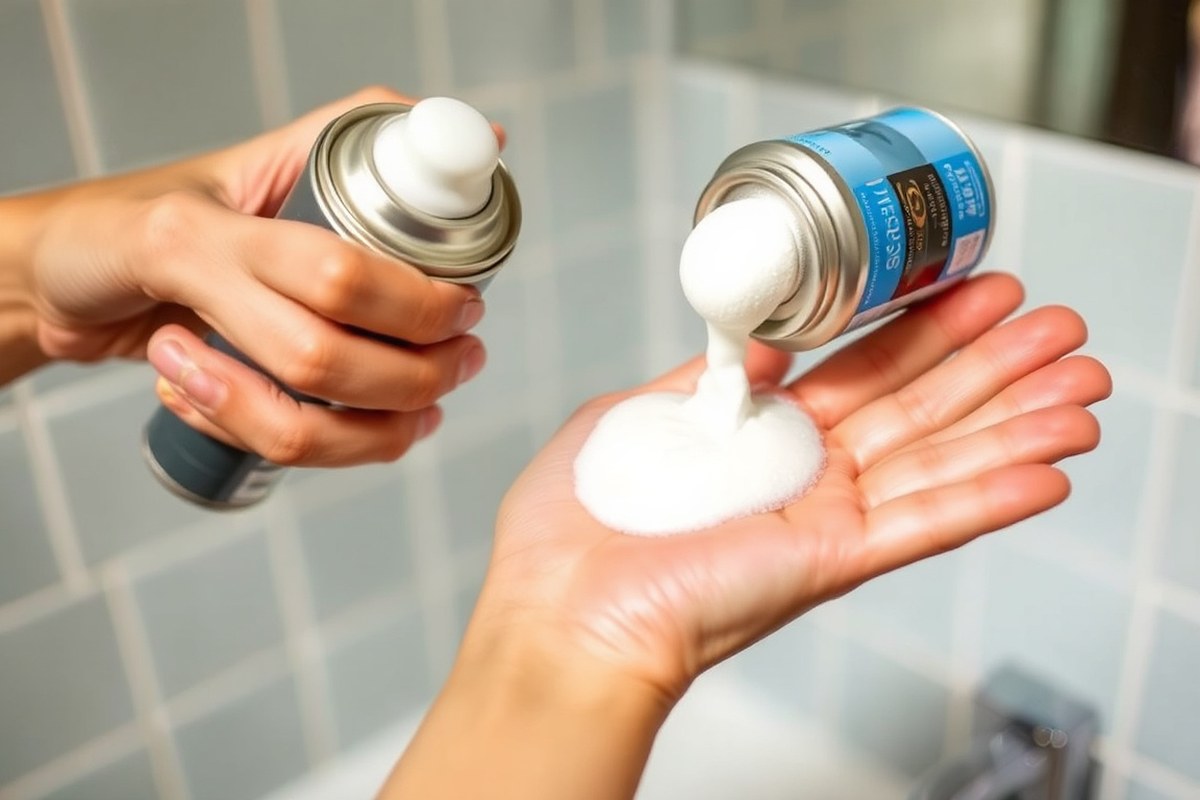
Hair mousse is a foam-based styling product that makes your hair look fuller and bouncier. It is lightweight and leaves your hair feeling natural, without any sticky or crunchy texture. You apply mousse on damp hair, spreading it evenly with your fingers from roots to tips.
Mousse works by coating each hair strand with a light foam that adds volume and hold. It lifts the roots, making fine hair appear thicker and giving curls a defined shape. Blow-dry your hair with a round brush to boost the mousse.
The brush smooths your strands. This also locks in the mousse’s hold.
The product holds your style without stiffness, allowing your hair to move naturally throughout the day. It lasts from morning until night. The mousse soaks into your hair.
It doesn’t just sit on top like hairspray. Different mousse formulas offer various hold levels. So choose one based on whether you want a soft or firmer finish.
Types of Hair Mousse and Their Key Ingredients
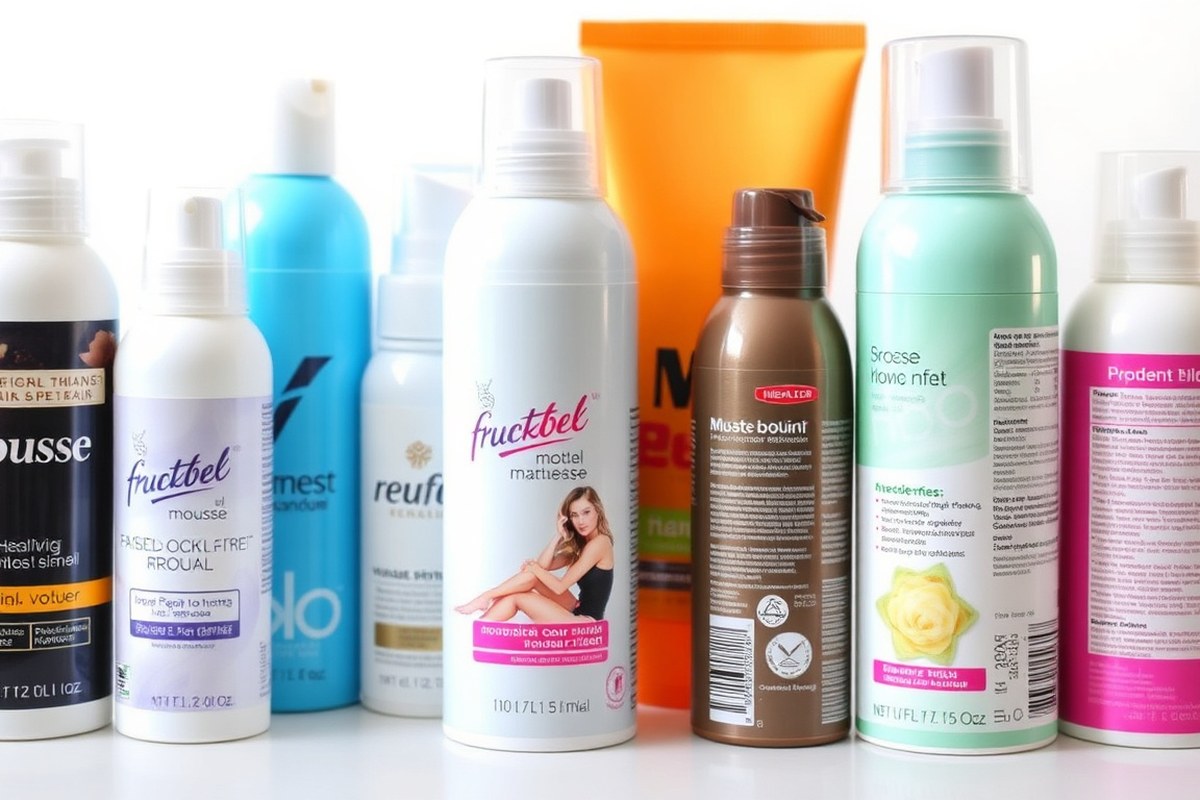
Volumizing Mousses for Body and Lift
Volumizing mousses are made to give fine or flat hair a boost. They use light films and polymers to lift hair at the roots. This helps keep hair from falling flat all day.
Look for formulas that say “volumizing” or “thickening.” These usually have extra resins and flexible polymers that hold lift without weighing hair down.
Apply a small amount mainly at the roots when hair is damp. Then blow-dry with fingers lifting the roots to lock in volume.
Curl-Defining Mousses for Frizz Control
Curl-improving mousses help shape curls while reducing frizz. They coat curls with a light film that supports drying patterns and controls humidity.
These mousses often contain polymers combined with moisturizing ingredients to keep curls soft and shiny. Use a diffuser to dry curls gently for best results.
This works well for wavy or curly hair. It helps when hair loses definition or frizzes in humidity.
Moisturizing and Heat-Protection Formulas
Some mousses include moisturizing agents like argan oil, shea butter, or glycerin. These soften coarse or dry hair while styling.
Heat-protectant mousses add a polymer buffer around strands. This shield reduces damage from blow dryers or hot styling tools up to about 450°F. Use these if you style daily with heat or have hair that easily dries out.
- Look for ingredients like argan oil or glycerin for moisture
- Choose products labeled “heat protectant” for hot tool safety
- Apply mousse to damp hair before blow-drying
- Limit heat to 350-450°F to avoid damage even with protection
- Reapply mousse only when styling, not on dry hair
Applying too much mousse can weigh down hair and reduce volume.
Lightweight Mousses for Fine Hair
Fine hair needs mousse formulas that won’t weigh it down or make it greasy. Lightweight mousses offer lift and shape but stay airy on fragile strands.
Strong- or extra-hold mousses suit thick fine hair. Make sure the formula feels light and not heavy. Use small amounts and focus on roots.
These mousses also often act as detanglers and add shine, helping make styling easier.
Ingredient Notes: What to Look for and Avoid
Good mousses balance polymers for hold with conditioning ingredients for hair health. Avoid mousses with high-alcohol content as they dry hair out.
Look for nourishing oils such as argan oil or shea butter. Polymers like polyvinylpyrrolidone (PVP) or acrylates provide flexible hold without stiffness.
Some mousses use glycerin to lock in moisture. But it can attract humidity in some climates, causing frizz. Test your product to see what works.
How to Choose the Right Mousse for Your Hair Type
Hair mousse fits all hair types but you need the right kind for yours. The best mousse depends on your hair texture, thickness, and whether it’s chemically treated. Using the correct mousse boosts volume, defines curls, or controls frizz without weighing hair down.
Matching Mousse to Fine and Thin Hair
Fine or thin hair benefits most from light mousses that add volume without heaviness. Use only a small amount of mousse on your roots. This helps avoid greasy or stiff hair.
Keep the application light for the best look. A mousse with volumizing ingredients lifts fine strands and makes your hair feel fuller.
For this hair type, use about a golf ball-sized amount for damp hair. Apply mainly at the roots and avoid heavy buildup on ends. Lightly scrunch or finger-comb hair after applying mousse to spread it evenly without crushing the volume.
Best Mousses for Curly and Wavy Hair
Curly and wavy hair needs mousse that shapes and holds natural texture while reducing frizz. Put mousse on soaking wet hair to define curls. It helps your curls bounce while drying.
You can dry naturally or use a diffuser. Avoid mousses with heavy alcohol or drying agents that sap moisture out of curls.
Wavy hair needs mousse with medium hold to shape waves. This keeps the S-shape without stiff hair. Avoid strong holds that make hair stiff.
Timing is key, apply mousse immediately after washing and scrunch gently to keep waves alive. Finger-combing or a wide-tooth comb can help distribute mousse without breaking curls.
Options for Thick, Coarse, or Frizzy Hair
Thick, coarse, or frizzy hair needs mousse formulated for control and long-lasting hold. These mousses often work best as part of a blow-dry routine to smooth and shape hair. Spread a good amount of mousse from roots to ends.
This tames frizz and gives shine. Use a round brush or diffuser after.
Mousse alone won’t soften thick hair but helps add style control and bounce. For extra softness, pair mousse with leave-in conditioners or oils. Avoid lightweight mousses that don’t provide enough hold to manage coarse strands.
Using Mousse on Chemically Treated Hair
Chemically treated hair, like colored or permed hair, can use mousse but sparingly. Overusing mousse may dry out or stress hair already weakened by treatments. Select gentle, moisturizing mousses without alcohol or harsh chemicals.
Apply mousse mainly on damp hair, using small amounts to avoid buildup. A mousse with added conditioning or protein helps protect chemically treated hair while styling. Always test a new mousse on a small section first to check how your hair reacts.
Here’s a quick comparison table to pick mousse based on your texture and needs:
| Hair Type | Recommended Mousse Type | Application Tips | Common Benefits |
|---|---|---|---|
| Fine or Thin | Light, volumizing mousse | Small amount at roots; avoid heavy ends | Adds volume, avoids weight |
| Curly | Moisturizing, flexible hold mousse | Apply on soaking wet hair; scrunch | Defines curls, reduces frizz |
| Wavy | Moderate hold, anti-frizz mousse | Apply right after wash; finger comb | Keeps wave shape, adds bounce |
| Thick or Coarse | Strong hold, smoothing mousse | Generous amount root to ends; use with blow dryer | Controls frizz, adds shine and hold |
| Chemically Treated | Gentle, conditioning mousse | Light application; avoid overuse | Protects hair, minimizes damage |
Choosing the right mousse will help you avoid stiffness, dryness, or flatness. Pay attention to how much you use as the amount varies by hair thickness and texture.
Match your mousse with your hair’s needs. You’ll see better volume, definition, and manageable style.
Step-by-Step Guide: How to Apply Hair Mousse Correctly
Use hair mousse on soaking wet hair for the best volume and hold. Apply the right amount, about a golf ball size, and spread it evenly through your hair. Style with blow-drying or air-drying to set your look and control frizz.
Preparing Your Hair Before Application
Start with clean hair that’s soaking wet, not just damp. Too much water dilutes the mousse and reduces its volume boost. Gently towel dry if your hair is dripping, but keep it very wet.
Comb your hair with a wide-tooth comb to detangle strands. This helps distribute mousse evenly without clumps. Avoid applying mousse on dry hair, as it won’t spread well or hold as expected.
Applying the Right Amount of Mousse
Squeeze out mousse about the size of a golf ball for short to medium hair. For longer hair, use a bit more but avoid overloading. Too much mousse weighs hair down, causing flat styles or uneven curls.
Warm the mousse between your hands before applying it. This helps spread product smoothly from roots to ends. Work in sections if your hair is thick or very curly for even coverage.
Techniques for Fine, Straight, and Curly Hair
For fine, straight hair, lift hair at the roots when applying mousse to add volume. Use your fingers to scrunch mousse into curly hair, defining ringlets and taming frizz. Wavy hair benefits from scrunching lightly to keep natural bends without crunchiness.
Apply mousse close to the scalp for lift, then extend to mid-lengths and tips. Avoid heavy buildup by focusing on roots and the top layers. Adjust the mousse amount based on your hair texture to prevent stiffness or flatness.
Blow-Drying and Air-Drying Tips
Blow-dry hair fully after applying mousse to lock in volume and hold. Stop when hair is completely dry, or expect your style to fall flat within an hour. Use a diffuser attachment for curls to keep shape without frizz.
Air-drying works well with mousse for loose styles but takes longer. Avoid touching your hair too much as it dries to prevent frizz and loss of shape. For extra volume, flip hair upside down while drying.
Finishing Touches to Lock in Style
After drying, you can add a light hairspray for stronger hold if needed. Avoid heavy products that weigh hair down or make it look stiff. Running your fingers through hair helps soften the look and break up any crunchy areas.
For frizz control, use a small amount of serum or anti-frizz product after mousse has set. Reapply mousse only on hair that is freshly washed or damp.
This helps avoid hair feeling sticky or heavy. Proper mousse use boosts style freshness all day.
- Start with soaking wet hair, towel-dried lightly.
- Comb hair to remove tangles evenly.
- Squeeze out mousse about golf ball size.
- Warm mousse between palms and apply from roots to ends.
- Scrunch or lift hair depending on your texture.
- Blow-dry completely or air-dry without touching hair.
- Finish with light hairspray or serum if needed.
Mousse vs. Gel vs. Cream: Which Styling Product Fits Your Needs?
Mousse offers a lighter hold than gel and cream, making it great for volume. Unlike gels, it won’t make your hair stiff or crunchy. Creams usually add moisture and smoothness but lack strong hold and volume.
You can use mousse on fine or thin hair to pump up volume. Gel works better for slick, defined styles.
Cream suits dry, frizzy, or curly hair needing softness. Mousse’s foam texture spreads easily without weighing hair down.
| Feature | Mousse | Gel | Cream |
|---|---|---|---|
| Texture | Light foam, airy | Thick, sticky | Rich, creamy |
| Hold Strength | Medium, flexible | Strong, stiff | Light to medium |
| Volume | Adds noticeable lift | Usually flattens hair | Minimal volume effect |
| Best Hair Types | Fine to medium | All, especially thick | Dry, curly, frizzy |
| Styling Outcome | Bouncy, natural look | Glossy, defined | Soft, hydrated |
| Application | Apply to damp hair; scrunch for volume | Apply to wet or dry hair; shape | Use on damp hair; smooth with hands |
| Price Range | About $19, $27 for 6, 8 oz | Similar to mousse | Often slightly more expensive |
Mousse holds without stiffness by coating strands lightly. It provides texture and volume without the wet or heavy feeling gels or creams might leave. This makes mousse the go-to for casual, voluminous curls or waves.
For best results, start with a small amount, two to three golf-ball-size dollops. Work mousse evenly through damp hair, focusing on roots and mid-lengths. Then scrunch hair upward and let air dry or use a diffuser on low heat.
Using too much mousse can make hair crunchy and sticky. Start small and build up if needed.
Common Hair Mousse Mistakes and How to Fix Them
Using too much mousse is a common mistake that causes crunchy or sticky hair. An egg-sized amount works best for medium to long hair. You can add more later if needed, but start small to avoid buildup.
Applying mousse to dry hair often leads to uneven texture and a sticky feel. It spreads better on damp hair, which helps the product activate as your hair dries. Try towel-drying your hair gently before applying mousse for the best results.
Uneven spread is another problem people face. Squeezing mousse directly on your hair creates clumps. Pump the mousse into your hands.
Rub your hands together well. Work it through your hair in sections using fingers or a wide-toothed comb.
- Use a small, egg-sized amount of mousse first
- Apply mousse to damp, towel-dried hair, not dry hair
- Dispense mousse into hands, then apply evenly through hair
- Work section by section for better coverage
- Allow thick hair enough time to fully dry before styling
- Avoid daily mousse use to prevent scalp buildup
- Choose mousse formulas for your specific hair type
Many hair mousse brands say to wait until hair is fully dry. Then finish styling your hair.
Thick hair especially needs this since it holds moisture longer. Applying heat with a blow dryer can speed dry time and lock in volume.
Choosing the wrong mousse for your hair type can cause a flat or greasy look. Lightweight mousses suit fine hair while richer formulas help thicker hair hold volume better. You might need to try a few to find the right one.
How Long Does Hair Mousse Last and When to Reapply?
Hair mousse usually lasts 4 to 6 hours on your hair. After that, you might need to refresh it. The hold is flexible.
So your style stays natural but can lose some shape as the day goes on. You can easily reapply mousse in small amounts to avoid build-up or stiffness.
Humidity plays a big role in how long mousse holds your style. Moisture tries to get into your hair in damp or rainy weather.
This can break down the mousse’s coating on your strands. This allows frizz or limpness to sneak in, especially if your hair is fine or straight.
For tight curls, mousse works better in humid conditions. It defines curls and locks in moisture. This keeps curls bouncy and frizz-free longer.
You still may need to touch up mid-day. But the right mousse prevents losing curl shape too fast.
Refreshing your style is simple. Use a small amount of mousse and warm it in your hands.
Gently scrunch or smooth it through hair needing extra hold. Avoid piling on too much product, which can weigh your hair down or leave it sticky.
The best time to reapply mousse is when your hair feels limp. Also reapply when you see frizz starting to appear.
For example, after lunch or mid-afternoon are common times to freshen up your look. Carry a travel-size mousse for quick touch-ups during busy days.
Seasonal changes affect mousse performance as well. In winter, dry indoor air may make hair feel stiff. So choose mousses with moisturizing ingredients.
Summer heat and sweat can wear down mousse faster. So washing and reapplying daily might suit your routine better.
Can Hair Mousse Damage Hair or Affect Scalp Health?
Mousse itself does not cause major damage because it coats the hair’s outside. It washes out easily without breaking strands like bleach or heat can.
However, too much mousse can dry out your hair. So use only the recommended amount and wash it out regularly to keep strands healthy.
Scalp irritation or allergic reactions happen for some people with certain mousse ingredients. Test a small amount on your skin before full use. Stop using mousse if you see itching or redness on your scalp.
Talk to a dermatologist or stylist about safe options. They can help you find the right product.
Hair mousse can work on color-treated hair. Pick a formula that is gentle and moisturizing. That helps protect your strands.
Many mousses have heat-protective coatings to shield your hair from blow dryers and styling tools. This helps maintain color brilliance and prevents extra damage during styling.
Product buildup, oils, and dirt block mousse from spreading evenly. Clean hair lets mousse coat strands better and gives the best volume and hold.
Use your fingers to massage mousse into the scalp and hair roots for lift. Wash hair at least every two or three days to avoid buildup that weakens mousse’s effects.
Use only a small amount of mousse each time. Wash your hair often to avoid dryness or buildup. This keeps your scalp healthy.
Check with your stylist if mousse suits your hair type. This is key if your scalp is dry, sensitive, or fragile. They know what’s best for you.
They can recommend the right mousse formulation and show how to apply it without causing damage. A professional can recommend products that protect colored or treated hair.
These extras help your hair stay healthy and vibrant. Listen to their advice.
Step-by-Step Action Plan to Master Hair Mousse
Follow this plan to get the best results from your hair mousse. You’ll add volume and style without damage.
- Day 1: Choose a mousse designed for your hair type. Test it on a small section to check for any irritation.
- Day 2: Apply mousse to clean, towel-dried hair following the right amount. Your hair should feel light and bouncy, not sticky.
- Week 1: Experiment with styling tools like a diffuser or round brush. Notice how your hair holds shape and volume.
- After two weeks: Evaluate how your scalp feels. Notice dryness or buildup? Cut back on product or skip a day.
- Every week: Deep clean your hair with a clarifying shampoo. This prevents mousse residue from weighing hair down.
- After one month: See if your hair needs more moisture. Try a mousse with stronger hold then.
- Ongoing: Reapply mousse only to damp hair for fresh styling. Avoid overusing to keep your scalp healthy.
Frequently Asked Questions
What Is Hair Mousse Mainly Used For?
Hair mousse mainly adds volume and body to hair. It can also help define curls and tame frizz for smoother hair.
Can Mousse Be Used on Wet or Dry Hair?
Mousse works best on damp hair, not dry. Applying to damp hair helps spread the product evenly for better volume and hold.
How Does Hair Mousse Differ from Styling Gel?
Mousse is a light foam for volume; gel is thicker for strong hold. Mousse suits fine or curly hair, gels work better for thick or coily hair.
Is Hair Mousse Suitable for All Hair Types?
Mousse works well on fine, curly, and some straight hair. It helps add volume and control frizz.
It’s especially good for boosting flat hair. For dry hair, cream might be better.
Can Mousse Protect Hair from Heat Damage?
Most mousses do not offer heat protection on their own. You should use a separate heat protectant before blow-drying or styling with hot tools.
How Often Should You Wash Mousse Out of Hair?
Wash mousse out daily to avoid build-up that can weigh hair down. Leaving mousse too long might make hair look dull or greasy.
Wrapping Up
Hair mousse is a simple way to boost your hair’s volume and shape. Using it right helps you style without damage. Start by picking a mousse that fits your hair needs today.