Which Shampoo Is Best for Hair Loss: What Actually Works and Why
Which shampoo is best for hair loss depends on the ingredients it contains. Look for shampoos with proven ingredients like ketoconazole or zinc pyrithione. These help by supporting scalp health and may reduce shedding over time.
Shampoos with 2% ketoconazole usually show stronger evidence for hair growth support than those with 1%. Avoid shampoos that only focus on dandruff, as they might not directly target hair loss. Starting with a well-formulated shampoo helps keep your scalp and hair follicles healthy.
Hair loss shampoos mainly work by improving scalp conditions and reducing inflammation. Using them regularly, as directed on the label, gives the best results. Pairing shampoo with treatments such as minoxidil can improve outcomes for thinning hair.
Choosing a shampoo without harsh sulfates or parabens also protects hair from damage. Mild formulas prevent further breakage while helping scalp health. This combination supports hair retention better over time.
Key Takeaways
- Choose shampoos containing 2% ketoconazole for better hair growth support.
- Zinc pyrithione in shampoos may reduce scalp inflammation and hair shedding.
- Minoxidil is FDA-approved for hair loss and can complement shampoos.
- Shampoo helps scalp health by reducing dandruff and inflammation.
- Consistency matters; use hair loss shampoo regularly for several months.
- Shampoos alone rarely reverse hair loss but support overall treatment.
Which Shampoo Ingredients Are Scientifically Proven to Help Hair Loss?

Some shampoo ingredients show stronger scientific support for reducing hair loss or helping hair regrow. Ketoconazole at 2% improves scalp health better than 1%. It may also help support hair growth more.
This makes 2% concentration stand out. It helps reduce inflammation and controls fungi that might worsen hair thinning.
Other ingredients like caffeine and biotin offer additional benefits by stimulating hair follicles and strengthening strands. Caffeine stimulates circulation in the scalp, which nourishes follicles and helps reduce shedding.
Biotin contributes to producing keratin, the protein that makes hair strong. However, shampoos alone may not deliver active ingredients in high enough doses for major regrowth.
Here’s a table with key ingredients in hair loss shampoos. It explains why each one matters and how they work. This helps you understand your shampoo choices.
| Ingredient | How It Works | Recommended Use | Notes on Effectiveness |
|---|---|---|---|
| Ketoconazole (2%) | Reduces scalp inflammation, antifungal | Use shampoo 2-3 times per week | Better supported by research at 2% vs 1% |
| Zinc Pyrithione (1%) | Fights dandruff, may support scalp health | Use 2-3 times weekly unless directed | Some evidence suggests hair growth support |
| Caffeine | Stimulates scalp blood flow, antioxidant | Found in shampoos used regularly | Limited dosing info; may reduce shedding |
| Biotin | Helps produce keratin for strong hair | Common in shampoos for daily use | Effectiveness may depend on overall biotin levels |
| Minoxidil (not in shampoos) | Widely proven to promote hair regrowth | Applied as topical treatment, not shampoo | Most effective clinically but not shampoo-based |
Natural ingredients like caffeine and biotin are generally safe and support hair health. Their evidence is less strong than ketoconazole or minoxidil. But they are worth trying for milder thinning.
Always follow label instructions and don’t expect overnight results. Use medicated shampoos 2-3 times weekly to avoid irritation.
Ketoconazole shampoo can complement other treatments your doctor recommends. Natural blends help especially if you want gentle options. Hair regrowth needs regular shampoo use and a healthy scalp.
It’s not just about the shampoo ingredients by themselves. Taking care of the scalp matters too.
How Do Hair Loss Shampoos Work on Your Scalp and Hair Follicles?

Shampoos mostly work on the scalp’s surface rather than deeply in hair follicles. Most ingredients don’t penetrate far enough to stop hair loss or regrow hair directly. They clean your scalp by removing oils, dirt, and buildup.
This buildup blocks follicles and causes scalp irritation. Removing it helps your scalp stay healthy.
Healthy scalp conditions support better hair growth. Inflammation, dandruff, psoriasis, and dryness irritate follicles, making hair more prone to falling out. Shampoos with anti-inflammatory and soothing ingredients calm these issues and reduce scalp redness and itching.
Keeping your scalp clean and free from buildup supports the natural hair growth cycle. Some shampoos contain niacinamide or biotin to improve scalp blood flow and strengthen hair strands. This doesn’t reverse genetic hair loss but creates a healthier environment to slow thinning.
For best results, use shampoo consistently and gently massage your scalp every time. This increases circulation, helping ingredients reach hair roots better. Avoid harsh scrubbing, which can worsen scalp irritation and hair breakage.
Using shampoo alone won’t regrow hair if follicles are dead. It mainly keeps your scalp healthy and hair stronger.
Types of Hair Loss Shampoos and Their Specific Benefits
Hair loss shampoos come in different types, each targeting specific problems. Some focus on thickening strands, others reduce shedding or stimulate the scalp. Picking one depends on what your hair and scalp need most.
Thickening and Volumizing Shampoos
Thickening shampoos are designed to make thin hair look fuller and more voluminous. They often have panthenol to add body and fix damaged hair. Panthenol works without making hair feel heavy or greasy.
These shampoos coat the hair shaft to increase diameter, giving hair a thicker feel. They usually work best for fine hair that lacks natural volume and needs a quick boost.
Examples include Dove Scalp and Hair Therapy Fullness Restore and Kérastase thickening shampoos. These products cost around $10 to $40 per bottle, depending on the brand and size.
Anti-Shedding Formulas
Anti-shedding shampoos target hair loss caused by excess shedding or breakage. They clean the scalp well to remove buildup and strengthen strands against breakage.
Caffeine and saw palmetto help slow down hair shedding. They improve scalp health and hair follicle function. Nioxin Hair Fall Defense is a popular option, priced near $47.
These shampoos usually require consistent use for 3 to 6 months to show visible improvement. They suit people who notice more hair falling out during washing or brushing.
Scalp Stimulation and Anti-Dandruff Shampoos
Some shampoos focus on stimulating your scalp and controlling dandruff, both important for healthy hair growth. These products often contain antifungal agents like ketoconazole or zinc pyrithione.
They help clear fungal buildup and reduce scalp inflammation that can worsen hair thinning. Nizoral Anti-Dandruff and Head &. Shoulders Clinical Dandruff Defense are good examples recommended by dermatologists.
- Ketoconazole fights fungal infections that block hair follicles
- Zinc pyrithione controls Malassezia, a scalp yeast linked to shedding
- Caffeine shampoo formulations may boost blood circulation on the scalp
- Salicylic acid and natural enzymes exfoliate and balance scalp oil
- Selenium sulfide reduces yeast overgrowth and scalp inflammation
These shampoos work best when used regularly and combined with gentle scalp massage. They cost between $10 and $50 per bottle, depending on brand strength and formula.
Repair and Strengthening Shampoos
Repair shampoos focus on strengthening damaged hair to prevent breakage and loss. They often have protein blends and moisturizing agents to improve strand resilience.
Kérastase’s line with TFC8 technology enriches hair with vitamins and peptides to reduce breakage. These shampoos support moisture retention and smoothening while gently cleansing.
This category helps if your hair is brittle, dry, or chemically treated. The goal is healthier hair that breaks less and looks thicker over time with regular use.
Choosing the Right Shampoo for Your Hair and Scalp Type
Picking a shampoo for hair loss depends on your hair texture, scalp condition, and thinning pattern. You want to know what kind of hair and scalp you have before buying. That way, you can find a formula that suits your needs and doesn’t cause more problems.
Identifying Your Hair Texture
Your hair texture affects how products work and how your scalp feels. Fine or thin hair usually benefits from gentle, strengthening shampoos that don’t weigh it down. Coarser hair can handle richer shampoos with more moisturizing ingredients.
Look closely in the mirror and feel your hair strands. Fine hair feels thin and soft, while coarse hair feels thicker and stronger. You might have medium hair that falls between these types.
Here’s a simple way to test your texture:
- Take a single strand and pinch it between your fingers
- Fine hair feels like a thin thread or fishing line
- Medium hair feels like a standard sewing thread
- Coarse hair feels thicker, like a thin wire or string
Knowing this helps you avoid shampoos with heavy oils if you have fine hair. They may make your strands limp and greasy.
Assessing Scalp Condition
Your scalp needs care, too, especially if you experience hair loss. Oily scalps need shampoos that remove excess oil without drying out your skin. Dry scalps need gentle, hydrating shampoos that calm irritation and flakiness.
Check your scalp by feeling it after a day without washing. Oily scalps feel slick or greasy.
Dry scalps feel tight or flaky. A normal scalp feels balanced, not oily or itchy.
You can also notice these signs:
- Oily scalp often leads to greasy roots by midday
- Dry scalp may show white flakes or itchiness
- Dull or flaky scalp is often sensitive or irritated
- Scalp redness or bumps need special treatment and doctor advice
Choosing the right shampoo calming scalp issues is important before addressing hair thinning.
Matching Ingredients to Hair and Scalp Types
Once you know your hair and scalp type, you can pick a shampoo with matching ingredients. Those with oily scalps benefit from clarifying agents like niacinamide and caffeine. These ingredients reduce oiliness and soothe the scalp without harsh stripping.
For dry scalp and brittle hair, use moisturizing ingredients like manuka honey. Marula seed oil and mafura oil also help hydrate and protect your hair. Hydrolyzed soy protein can strengthen fine hair without build-up.
Look for these ingredient fits:
- Oily scalp: niacinamide, caffeine, lactic acid
- Dry scalp: manuka honey, mafura oil, fig extract
- Fine hair: hydrolyzed soy protein, zinc
- Coarse hair: nourishing oils and proteins
- Scalp sensitivity: mild, sulfate-free formulas
Try to avoid shampoos with strong sulfates if you have a dry or sensitive scalp. They strip natural oils and cause more irritation. For fine or thin hair, stay clear of heavy oils that weigh hair down.
Considering Gender and Hormonal Factors
Hormonal changes influence hair loss patterns and shampoo choice. Shampoos with DHT-blocking ingredients can help reduce hormonal hair thinning. Ingredients like ketoconazole target this hormone to support hair growth.
Men and women may have different thinning patterns. So product labels often include who the shampoo targets. Many shampoos work for both hair loss types.
Some target specific hormone-related hair loss. These are designed to address those unique needs.
Keep this in mind when choosing:
- Look for DHT-inhibiting ingredients if pattern hair loss runs in your family
- Shampoos with caffeine and ketoconazole can suit hormonal hair loss
- Women with fine or thinning hair often do well with strengthening, lightweight shampoos
- Men might prefer formulas advertised for male pattern hair loss with stronger DHT blockers
Always check your pattern and symptoms. Severe loss or scalp issues need professional diagnosis beyond shampoo choice.
How to Use Hair Loss Shampoo for Maximum Effectiveness
Use hair loss shampoo regularly and correctly to get the best results. You should shampoo often enough to keep your scalp clean. Don’t shampoo so much that you dry out your scalp.
Find a balance that suits your hair type. Leaving the shampoo on your scalp for about a minute helps ingredients work better.
Recommended Frequency and Duration
Washing your hair three times a week is usually enough to keep your scalp clean. Using a specialized hair loss shampoo this often helps remove dirt and oils without causing dryness.
Try to leave the shampoo on your scalp for one minute before rinsing. This allows active ingredients, like ketoconazole or panthenol, to start working on your scalp health.
People with dandruff or oily scalps may benefit from washing up to every other day. Adjust based on how your scalp feels and reacts.
Proper Scalp Massage Techniques
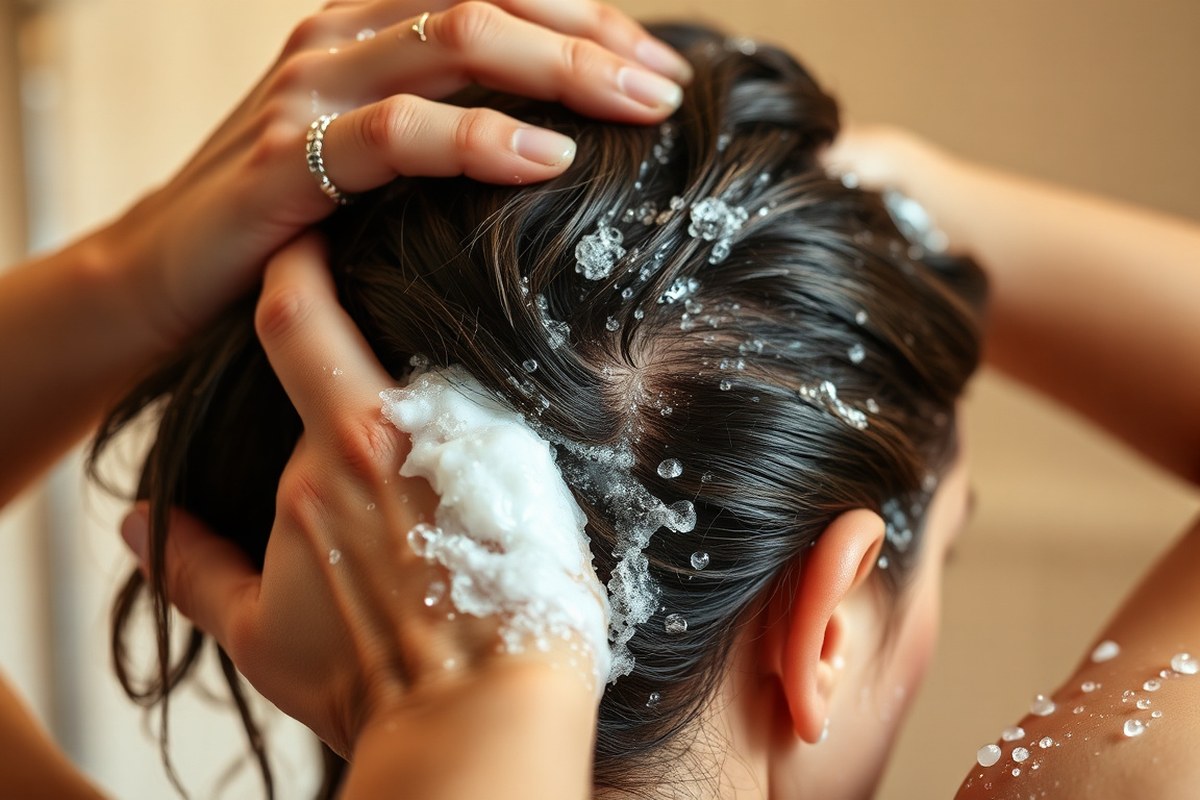
Gentle scalp massage boosts blood flow and helps shampoo reach hair roots. Use your fingertips, not nails, to avoid irritation or scratching.
Massage your scalp for about 1 to 2 minutes during shampoo application. Try small circular motions focusing on thinner or problem areas.
Use slow, even motions to massage shampoo into your scalp. This spreads the shampoo’s benefits gently. It also avoids damaging hair strands or causing tension.
Combining with Conditioner and Other Products
Use a conditioner made for hair loss or sensitive scalps after shampooing. Conditioner helps keep hair fibers strong and scalp moisturized.
Apply conditioner mainly on your hair strands, avoiding the scalp. This prevents product buildup that may clog follicles.
You can use hair loss treatments like minoxidil either before or after shampooing. Follow product instructions to avoid washing away active ingredients.
Post-Shampoo Care Tips
After rinsing, pat your hair gently with a towel to remove water. Avoid rubbing harshly to reduce breakage.
Let your hair air dry when you can. Otherwise, use a blow dryer on low heat.
This reduces heat damage to your hair. High heat can weaken hair and worsen thinning.
Consider adding a leave-in treatment for extra scalp care and to strengthen hair roots. Choose one suited for thinning hair and use as directed.
- Wet your hair with warm water to open scalp pores gently.
- Apply a small amount of hair loss shampoo to your palm.
- Massage shampoo into your scalp for 1-2 minutes, using fingertips in small circles.
- Leave shampoo on your scalp for one minute to let active ingredients work.
- Rinse thoroughly with warm water to remove all shampoo residue.
- Apply conditioner to the hair strands, avoiding the scalp, and leave for 1-2 minutes.
- Rinse conditioner well and gently pat hair dry.
- Follow with any recommended hair loss treatments or leave-in products.
Leaving hair loss shampoo on your scalp for at least one minute boosts effectiveness.
What Results to Expect and How Long Before You See Hair Improvement
You usually need to use hair loss shampoo for 8 to 12 weeks. Changes don’t show up right away. Be patient and keep using it as directed.
Hair grows slowly, so noticeable thickening or new growth takes time. Shampoos often improve hair health and appearance before actual regrowth happens.
You can tell the shampoo works by less hair falling out. Check when washing or combing your hair. Fewer hairs mean it’s helping.
Your existing hair may look shinier and feel thicker, even if new strands aren’t visible yet. Track your progress by taking photos every month to spot subtle hair changes.
Hair regrowth with shampoo alone generally isn’t permanent. These products support scalp health and reduce breakage but won’t fix genetic hair loss by themselves. Long-term gains usually require combining shampoo with other treatments recommended by specialists.
Safety Considerations and Common Side Effects of Hair Loss Shampoos
Hair loss shampoos can be safe for sensitive skin if you pick the right product. Still, some ingredients cause irritation or allergic reactions, so you should read labels carefully. Patch testing a small skin area helps spot problems before using a new shampoo.
Common ingredients like saw palmetto, caffeine, niacin, and biotin usually cause few side effects. However, some people react to preservatives, fragrances, or herbal extracts in shampoos. These reactions can show up as redness, itching, or burning on your scalp.
- Stop using the shampoo if you see swelling or severe itching
- Rinse your scalp well with water if irritation appears
- Try a patch test on your skin at least 24 hours before use
- Avoid shampoos with added fragrances or dyes if you have allergies
- Consult a dermatologist if irritation or hair loss worsens
- Look for products labeled for sensitive skin or hypoallergenic use
- Be aware that harsh cleansing agents can dry your scalp and worsen issues
You should stop using any hair loss shampoo if side effects get worse after several uses. Mild irritation can sometimes subside as your skin adjusts. But if redness spreads, blisters form, or hair loss speeds up, call your doctor.
Using shampoos designed for your hair type and scalp condition lowers risks. For example, curly hair needs a shampoo that does not strip moisture, preventing scalp dryness. If your skin feels tight or flaky, switch to a gentler shampoo and monitor changes.
How to Spot and Avoid Common Mistakes When Using Hair Loss Shampoo
Using hair loss shampoo the wrong way can weaken its benefits. Washing your scalp too often or too little causes problems. These issues can make hair thinning worse.
Keep a balanced washing routine. Wash your hair two to three times a week.
Adjust this based on how oily your scalp is. Also consider your activity level.
Poor product choice is another big mistake. Some shampoos are better for oily scalps, others for dry or sensitive ones. Using the wrong shampoo can leave hair greasy or dry.
It may also irritate your scalp. This slows your hair recovery.
- Wash hair every 2-3 days depending on scalp oil.
- Use lukewarm water, not hot, to avoid scalp dryness.
- Choose a shampoo formulated for your scalp type (oily, dry, or sensitive).
- Apply shampoo gently, massaging scalp for 1-2 minutes for best absorption.
- Rinse thoroughly to remove all shampoo residues.
- Avoid using additional harsh hair products after shampooing.
- Do not expect quick results; consistent use for at least 2-3 months is key.
Rubbing shampoo too hard can cause breakage. Instead, massage gently and focus on the scalp, not just the hair strands. Let shampoo sit for one or two minutes.
This helps the active ingredients work well. Then rinse it out properly.
Using the wrong shampoo or washing too much can irritate your scalp and slow hair growth.
Not rinsing well leaves residues that clog follicles and worsen hair loss. Make sure to rinse until water runs clear. Try a gentle clarifying shampoo once a week.
Use it to clear stubborn buildup on your scalp. Alternate it with your regular shampoo.
When to Seek Professional Help Beyond Shampoo Treatment
You should consider seeing a dermatologist or trichologist if shampoo doesn’t slow your hair loss. Heavy shedding that lasts over six months often signals a need for medical evaluation. Also, sudden patches of bald spots or scalp redness deserve quick professional attention.
Prescription treatments may be necessary when shampoos and over-the-counter options aren’t enough. For instance, doctors can prescribe minoxidil if hair loss follows male or female pattern baldness. Other options like corticosteroid injections or laser therapy target severe or patchy loss.
Knowing when to get expert help saves time and helps protect your hair better. Use this checklist to decide if you need professional care:
- Shedding more than 100 hairs daily for over six months
- Thinning hair that spreads and worsens despite proper shampoo use
- Visible patches of complete hair loss or scalp irritation
- Hair loss accompanied by itching, pain, or scalp scaling
- Family history of serious hair loss needing medical treatments
- Hair loss after pregnancy, illness, or major stress events
When you see a dermatologist, they often examine your scalp and review your history. They might suggest blood tests to check for hormonal or nutritional causes.
Treatment costs vary widely; prescriptions can cost from $30 to $100 monthly. In-office options cost more but may act faster.
Expect treatment times to vary. Prescription minoxidil might take 3 to 6 months to show growth.
In-office procedures like platelet-rich plasma (PRP) therapy often need several sessions spaced weeks apart. Combining medical care with a gentle, supportive shampoo helps protect your hair and scalp during treatment.
Comparison of Top Dermatologist-Recommended Hair Loss Shampoos
Experts suggest choosing shampoos with volumizing and thickening ingredients for thinning hair. Many recommend brands containing glycerin, rosemary leaf extract, and coconut oil derivatives. These ingredients clean hair gently without stripping natural oils or worsening thinning.
Some shampoos focus on natural hair types with progressed thinning. Others suit colored or treated hair.
Cost matters, especially if you use shampoo daily. It’s good to compare price per ounce along with ingredient effectiveness for your needs.
| Shampoo | Key Ingredients | Price (per 8 oz) | Pros | Cons | Ideal User |
|---|---|---|---|---|---|
| Jupiter’s Balancing Shampoo | Glycerin, Rosemary Leaf Extract, Coconut Oil Surfactants | $12 | Cleans without stripping, helps scalp health, volumizes | No strong DHT inhibitors for advanced loss | Thinning hair with dandruff, mild thinning |
| System 2 | Proprietary blend for natural, untreated hair | $18 | Targets progressed thinning, strengthens hair | Not for colored or chemically treated hair | Natural hair with moderate thinning |
Jupiter’s shampoo works well if you want gentle cleaning plus scalp balance. It reduces buildup and doesn’t dry hair out. The lack of DHT blockers means it’s less effective if your thinning is severe.
System 2 fits better for natural hair showing more thinning signs. Its formula helps prevent breakage, making hair feel stronger over time. Still, it’s pricier and isn’t for color-treated hair, limiting its use for some.
Step-by-Step Action Plan to Start Using Hair Loss Shampoo
Follow these steps to use your hair loss shampoo effectively. Watch for signs of improvement along the way.
- Before you start: Choose a shampoo that matches your scalp type and hair loss cause. Check for proven ingredients like ketoconazole or biotin.
- Day 1: Apply shampoo to wet hair and scalp. Massage gently for 2 minutes to boost absorption.
- Week 1: Use shampoo consistently 3 to 4 times a week. Extra use won’t speed results and may irritate your scalp.
- After 2 weeks: Notice if scalp feels less itchy or oily. These signs mean the shampoo is balancing your scalp.
- Week 4: Check hair shedding amount. When shedding slows or stops, the shampoo is doing its job.
- After 8 weeks: Expect to see early thickening or less visible scalp patches.
- Month 3: Evaluate hair growth and scalp condition. No improvement means you should try a new shampoo or ask a pro.
- Ongoing: Continue use as directed to maintain benefits. Stop if you see irritation, and seek advice.
Frequently Asked Questions
Can Hair Loss Shampoos Work Better Combined with Other Treatments?
Yes, shampoos work best alongside treatments like minoxidil. They clean and soothe your scalp but don’t replace stronger therapies.
Are Natural or Herbal Shampoos Effective for Hair Loss?
Some natural shampoos may soothe your scalp but lack strong proof. Look for clinically tested ingredients for better results.
How Often Should I Switch Hair Loss Shampoos If I See No Results?
Try one shampoo for at least two months before switching. Hair growth cycles take time, so don’t change products too quickly.
Do Hair Loss Shampoos Work Differently on Men Versus Women?
Some shampoos target hormones affecting men and women differently. Always pick products designed for your specific needs.
Can Shampoo Ingredients Cause Irritation or Worsen Hair Loss?
Yes, harsh ingredients may irritate your scalp and cause shedding. Pick gentle formulas with soothing elements like aloe or chamomile.
Are Anti-Dandruff Shampoos Helpful for Hair Loss?
Certain anti-dandruff shampoos contain zinc pyrithione which may support growth. However, they mainly treat scalp issues, not hair loss directly.
The Bottom Line
Choosing and using the right shampoo is key to managing hair loss. Start with a product that fits your scalp needs and stick with it. Your next step is to gather your shampoo choices and pick one to try today.