

How Long Should You Leave Bleach in Your Hair? A Complete Guide for Safe Timing
You should keep bleach on your hair for 15 to 30 minutes. This depends on how light or dark your natural hair is. Leaving it longer than 30 minutes can cause serious damage, even aiming for very light blonde.
Dark colors like jet black need more time to lighten. It can take 30 to 45 minutes to bleach enough. Patience is key for tough hair shades.
But don’t push beyond 45 minutes without professional help. Watch your hair closely during bleaching to spot any burning or extreme dryness.
Start with a strand test before bleaching your whole head. You want to see how quickly your hair lifts and where its limit lies. This helps avoid leaving bleach on too long and ruining your hair texture.
===
Key Takeaways
- Leave bleach in your hair 15 to 30 minutes for most lightening tasks.
- Use 20 volume developer and aim for 30 to 45 minutes for darker hair.
- Never leave bleach in your hair longer than 45 minutes.
- Check your hair every 5 to 10 minutes for signs of damage.
- Perform a strand test to set a safe bleaching time first.
- Do not bleach hair for 60 minutes unless a pro is handling it.
How Long Should You Leave Bleach in Your Hair for Best Results?
The safe time to leave bleach on hair is usually 30 minutes. Do not exceed 45 minutes. Staying within this time prevents damage.
For most hair types, 15 to 30 minutes is enough to lighten hair noticeably. Going past 45 minutes risks serious damage, like burning your scalp or breaking hair.
To achieve a pale platinum blonde, expect to leave bleach on your hair for around 45 minutes. For very dark shades such as black or deep brown, 30 minutes typically brings out reddish or copper hues. You can bleach again after your hair rests if you want to go even lighter.
The strength of your developer also changes how long to keep the bleach on. Lower volumes such as 20 volume developer work slower. They often need close to 30 minutes.
A 30 or 40 volume developer works faster and might finish in 15 to 30 minutes. Always check your hair every 5 to 10 minutes during bleaching.
Doing a strand test before you bleach all your hair helps a lot. Pick a small section, apply the bleach, and watch the time and color change.
When your hair lightens to the level you want, rinse it out immediately. This test saves your hair from getting damaged if the bleach acts faster than expected.
Remember, waiting longer than 45 minutes doesn’t make hair lighter. It only increases harm. Once you hit the max safe time, rinse regardless of how light your hair looks.
You don’t see enough lift? Wait a few days. Then bleach again.
How Developer Volume and Hair Type Impact Bleaching Time
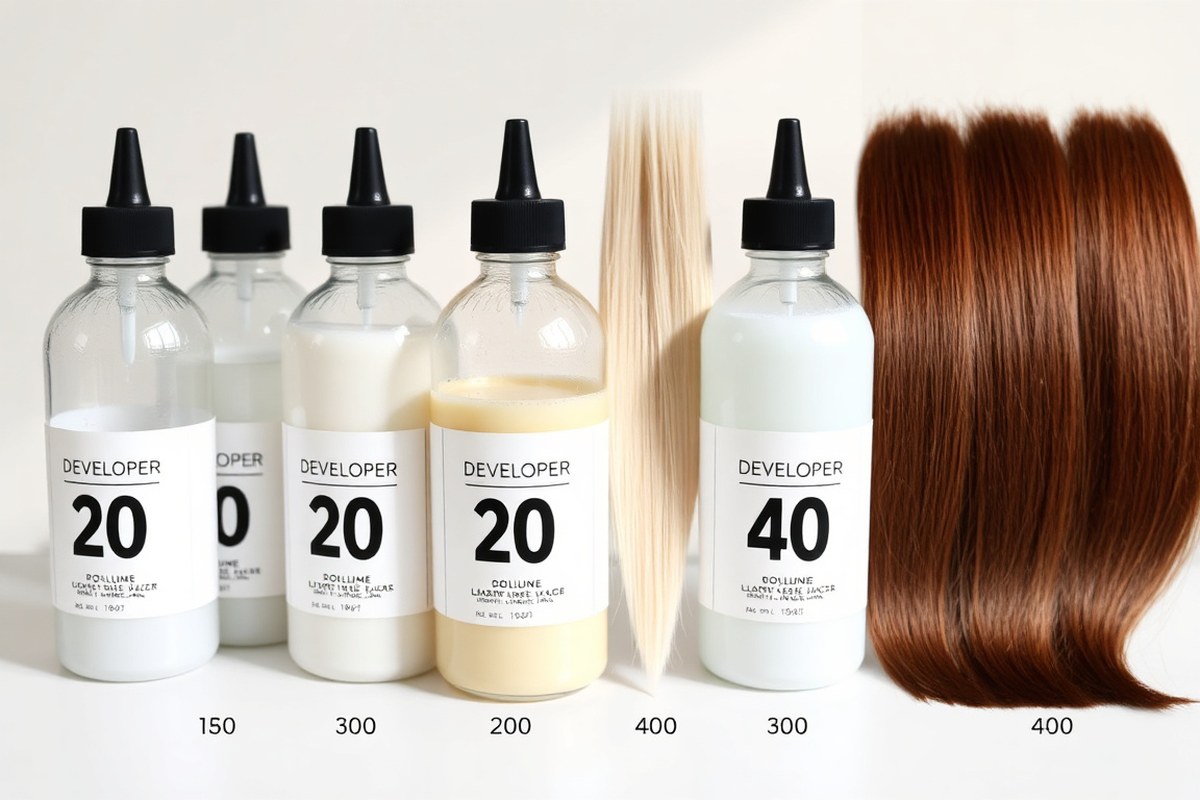
Your choice of developer volume affects how fast bleach lifts your hair. A 10 volume developer gives a mild lift and works slower.
Twenty volume is common for normal lift, balancing speed and care. Thirty and 40 volume developers lift hair much faster but can cause more damage.
Fine hair lightens quickly and needs lower developer volumes and shorter times. Coarse or thick hair takes longer to lift and often needs higher volumes and more time.
Porosity matters, too; more porous hair lifts faster. You should match your developer choice and timing to your hair’s type and condition.
| Developer Volume | Lift Strength | Typical Bleaching Time | Best Hair Type |
|---|---|---|---|
| 10 Volume | Gentle, up to 1-2 levels | 30-50 minutes | Fine or delicate hair |
| 20 Volume | Standard, 2-3 levels | 20-40 minutes | Most hair types |
| 30 Volume | Stronger, 3-4 levels | 15-30 minutes | Coarse or dark hair |
| 40 Volume | Strongest, 4+ levels | 10-20 minutes | Only very coarse, dark hair |
For fine hair, start with 10 or 20 volume and check after 15 minutes. It can lift in less than 20 minutes and might get damaged if left longer.
Coarse or thick hair usually needs 30 volume to lift fully in 30 to 45 minutes. It’s best not to pass 50 minutes because that increases breakage risk severely.
Changing time based on developer volume keeps your hair safe. Hair type also affects how long to leave bleach on. This helps you get the color you want.
Keep in mind your natural hair color, too. Darker hair needs stronger developers and longer times for the right lift.
Warning: Never leave bleach on your hair more than 50 minutes to avoid severe damage. Always do frequent strand checks.
Signs Your Hair Is Ready or Bleach Is Overstaying
Watch your hair closely while bleaching. Check how light it gets every 10 minutes. Signs like brassiness or chalkiness tell you to act fast.
Step 1: Start Checking After 10 Minutes
Set a timer for 10 minutes once you apply the bleach. After 10 minutes, start observing your hair’s lightening progress. Early checking helps avoid overprocessing and breakage.
Fine hair lifts faster, so check it sooner around 10 to 15 minutes. Coarser or darker hair may take longer but never pass 30 minutes. Checking often keeps your hair safer and lighter.
Step 2: Wipe a Small Section to Observe Lift
Use a comb tail or your finger to wipe a small bleach spot. Do this gently so you don’t damage your hair. Check the patch to see how the color looks.
Look closely at the hair color and feel its texture. This quick test shows how much your hair has lifted so far.
Note if the hair feels stretchy or brittle when you wipe it. Stretchy hair means damage is starting; brittle means it happened already. Cover the wiped area again if you need more lift.
Signs to watch for during this test:
- Pale yellow or light orange color means good lift
- Dull chalky white suggests bleaching may have gone too far
- Brassiness, like orange or red tones, means you need more time
- Overly dry or brittle texture is a warning to rinse now
- Any burning or severe scalp irritation calls for an immediate wash
Document the time and results for future reference. This helps plan your next bleaching session better.
Step 3: Identify When to Rinse Based on Hair Tone
Stop bleaching once your hair reaches a pale yellow to pale orange shade. This range shows you’ve lifted enough without heavy damage. Your hair looks brassy or orange.
Keep the bleach on. Check your hair again every 5 minutes.
Never go beyond 30 minutes unless a professional guides you. After this time, bleach stops lifting and starts breaking down your hair’s structure. Rinse your hair immediately once you see signs of damage or texture change.
Watch for these key signs to wash out bleach:
- Hair turns chalky white or looks overly dry
- Excessive stretchiness or brittle strands appear during wipe tests
- Mild tingling fades to burning on the scalp
- Lift has reached your target pale yellow or light orange shade
Rinse carefully with cool water, then use a gentle shampoo and conditioner. This helps stop the bleaching process and reduces hair stress.
Risks and Damages from Leaving Bleach in Too Long
Leaving bleach on your hair too long causes serious damage physically and chemically. After 30 to 45 minutes, the bleach can break down your hair’s proteins and cause dryness. It can also irritate your scalp, leading to burns and pain.
Chemical Breakdown of Hair Proteins
Bleach uses hydrogen peroxide to strip color by breaking down melanin in your hair. When bleach stays past 30 minutes, it also attacks the keratin proteins that give hair strength. This weakens the hair shaft and leads to breakage and frizz.
The longer bleach remains, the more these proteins degrade. This stops your hair from holding moisture, making it dry and brittle. That’s why most bleach products cap processing at 30 minutes, even with heat applied.
Scalp Irritation and Burns
Your scalp can feel tight and itchy, even with short bleach times. Leaving bleach over 30 minutes increases the risk of chemical burns. These burns cause redness, swelling, and painful sores on your skin.
Applying bleach too long can also lead to blistering. It’s especially risky if you have sensitive skin or scalp cuts. Rinsing the bleach thoroughly at 20 to 30 minutes helps avoid these injuries.
Early Signs of Chemical Damage
Watch for hair swelling, rough texture, and uneven color after bleaching. These signs show your hair cuticles are lifting and breaking down. Another early sign is hair feeling straw-like or overly dry despite conditioner.
You might also notice increased shedding or strands snapping easily. Your scalp could burn or sting during or shortly after processing. Stop bleaching immediately if you see these symptoms and rinse your hair well.
How Different Hair Types Affect Damage Risk
High-porosity hair soaks bleach faster, needing only 15 to 20 minutes for processing. Leaving bleach longer on this type is more likely to cause over-processing and damage. Low-porosity hair resists bleach, but long exposure still risks breakage.
Light hair shouldn’t stay with bleach longer than 10 minutes. High peroxide levels make it risky. Keep the bleach time short to avoid damage.
Dark hair may tolerate up to 30 minutes. But that’s the maximum to avoid harm. Roots and ends process at different speeds, so timing them matters too.
Steps to Minimize Damage When Bleaching
Apply bleach evenly and check your hair every 5 to 10 minutes during processing. Use a timer to avoid leaving bleach on longer than needed. Always rinse your hair thoroughly and follow with conditioner or a repair mask.
Give your scalp and hair 6 to 8 weeks to recover before another bleaching session. Avoid a second bleach within the same day unless your hair is very strong. Proper timing can save your hair from dryness, breakage, and scalp pain.
Different Types of Bleach and Their Processing Times
Powder bleach usually works best on thick or dark hair. It takes about 20 to 30 minutes to lift color properly. This type is very strong and works fast on hair.
It can be harsh on fine or damaged hair. So, be careful using it if your hair is weak.
Cream bleach is gentler and easier to control during application. It suits fine or sensitive hair because it doesn’t dry out the scalp as much. Cream formulas generally take 15 to 25 minutes to work, depending on hair texture and damage.
Oil-based bleach blends hydration and lift. It’s less damaging and good for fragile hair types.
The processing time is often 20 to 30 minutes. But it needs close watching since the oil can slow lifting.
Timing changes based on your hair’s thickness and porosity. Fine hair reacts faster, so keep bleach on only 10 to 20 minutes.
Coarse hair often needs 25 to 35 minutes to lift right. Always test a small strand first to see how your hair handles the bleach.
| Hair Texture | Typical Bleach Time | Porosity Response |
|---|---|---|
| Fine | 10, 20 minutes | Absorbs fast; watch closely |
| Medium | 20, 30 minutes | Balanced lift; standard timing |
| Coarse | 25, 35 minutes | Resists; may need longer sessions |
Powders usually lift faster than creams because they contain stronger ingredients. But faster doesn’t mean safer, especially for fine or fragile hair. Cream bleaches allow a slower, steadier lift and lower risk of breakage.
For fragile hair, try cream or oil-based bleach with a mild developer. Never leave bleach on longer than 35 minutes to avoid damage.
Roots process quicker than the ends, so leave roots for last on longer hair. Highlights use small sections, so bleach works faster. Expect it to take about half the usual time.
This speeds up the whole process. That means checking more often to avoid uneven lightening.
Always do a strand test before full application to find your ideal bleach time.
How to Safely Bleach Black or Very Dark Hair
Bleaching very dark or black hair in one session is risky and often ineffective. Use a 30 volume developer for bleaching. Leave it on for 15 to 30 minutes.
This applies to the first bleaching round only. Plan for multiple sessions spaced weeks apart to avoid hair damage and get the right lightness.
Step 1: Initial Application Timing and Checking
Start with a 30 volume developer mixed with your bleach powder. Apply the bleach evenly and keep it on for 15 to 30 minutes. Check the hair every 5 to 10 minutes to see the lightening progress.
Stop at 30 minutes even if the hair isn’t as light as you want. Leaving bleach longer damages hair and can cause too much breakage. Rinse and check the color once done.
Step 2: Waiting Between Sessions to Avoid Damage
Wait 2 to 4 weeks between bleaching sessions to let your hair recover. This resting time helps rebuild strength and prevents severe damage. Avoid bleaching again too soon even if you want faster results.
During the wait, do deep conditioning and protein treatments at least once or twice weekly. Wash your hair with purple shampoo 1 to 3 times weekly. Start 48 hours after bleaching your hair.
This helps keep unwanted tones away. This reduces brassiness and keeps your color even.
Step 3: Adjusting Developer Strength Cautiously
When hair isn’t pale yellow after rinsing, try a second pass. Use only 20 volume developer for this step. This helps lighten hair further.
This softer approach lifts the color further without extra harm. Keep the second bleaching session to a maximum of 30 minutes.
Avoid using stronger developer or leaving bleach longer than 30 minutes on very dark hair. You risk dry, brittle strands and uneven color. Aim for gradual lightening in multiple passes for the healthiest results.
- Use 30 volume developer at first for better lift on dark hair
- Limit bleach time to 15-30 minutes each session
- Rest hair for 2-4 weeks between bleaching sessions
- Do protein treatments and deep conditioning weekly
- Use 20 volume developer for any follow-up sessions
- Check hair color every 5-10 minutes during bleaching
- Rinse immediately if you notice burning or excessive dryness
Post-Bleaching Care to Maintain Hair Health
After bleaching, wait until your hair is a consistent light level 10 before toning. This usually takes a day or two to settle.
Applying toner too soon can make your hair uneven or cause breakage. Use the toner for about 5 minutes to reduce yellow or brassy tones, then rinse thoroughly.
Deep conditioning should start right after rinsing the bleach out. Use a rich hair mask or deep conditioner to restore moisture and protein loss. Leave it on for 15 to 30 minutes.
Use a warm towel or heat cap. This helps boost the results. Repeat this treatment once or twice a week to rebuild strength and softness.
For ongoing care, shampoo your bleached hair no more than two to three times a week. Using purple shampoo once or twice a week helps cancel out brassiness. Leave the purple shampoo on your hair for 1 to 5 minutes.
Adjust the time by how yellow your hair looks. Avoid harsh shampoos with sulfates to prevent drying and fading.
Protein treatments are smart to use between bleaching sessions. They reinforce your strands and reduce breakage.
Follow the product instructions carefully, usually applying once a week. Overuse can make hair stiff and brittle, so balance protein with hydration.
Keep your hair hydrated every day with leave-in conditioners or oils. Look for ingredients like argan oil or shea butter, which help seal moisture.
Avoid heat styling for a week after bleaching to prevent extra damage. Always apply a heat protectant spray before using heat on your hair.
Maintaining bleached hair takes time and care. But these steps prevent damage and keep your color bright. Expect at least 30 minutes weekly for treatments.
Good results show as soft, shiny strands without yellow tint or breakage. Neglecting these can cause dryness, brittleness, and uneven color.
When to Bleach at Home vs. Seek Professional Help
Bleaching your hair at home saves money but comes with risks. Home bleaching can easily cause uneven color and damaged hair. Professionals have experience judging timing better and protect your scalp and hair more carefully.
Getting your hair bleached in a salon usually costs between $100 and $300, depending on your hair length and style. Professionals use special bleach mixes and stronger developers to control lightening and protect your hair. The time for bleaching varies from 15 to 50 minutes based on hair type and desired brightness.
Home bleaching kits usually ask you to leave bleach on for 20 to 45 minutes. You have to follow instructions carefully to avoid overprocessing.
Bleach on dry, unwashed hair works best at home. A common mistake is leaving bleach too long, leading to brittle, frizzy hair or breakage.
| Aspect | Bleach at Home | Professional Salon |
|---|---|---|
| Cost | $15 to $40 for kit | $100 to $300 |
| Bleach Timing | 20-45 minutes, follow instructions | 15-50 minutes, customized |
| Hair Type Handling | General instructions | Custom formulas by expert |
| Safety | Risk of scalp burns, uneven lightening | Monitored, safer application |
| Hair Condition | Can worsen if hair is fragile | Stylist assesses and treats hair |
You should call a stylist whenever your hair is very dark or has previous color treatments. Professionals can help avoid disastrous results by testing strands first. Also seek help if you have damaged scalp, allergies, or want a big color change.
Always do a patch test first to check for any skin reaction. Do a strand test to see how your hair reacts to bleach. This helps you figure out the right timing before bleaching fully.
Bleaching wet hair at home can help protect it. Water dilutes the bleach, reducing damage and brittleness. Professionals know how to mix bleach and developers properly.
They also understand exactly how long to keep bleach on hair. This skill helps prevent damage and gives the best results.
Ask a stylist for advice if you don’t know how long to bleach. They can also help you decide how light your hair should go.
They have over 20 years of experience watching how bleach develops on all hair types. That guidance can save time, money, and hair health in the end.
Step-by-Step Action Plan for Safe Hair Bleaching
This simple plan helps you bleach at home safely and get the color you want.
- Before You Start: Do a strand test with your chosen bleach and developer. Check every 5 minutes for up to 30 minutes to see how your hair reacts.
- During Bleaching: Apply bleach evenly and set a timer for 20 minutes. Look for color lightening and scalp comfort to know when to stop.
- At 25, 30 Minutes: Check your hair’s lightness and physical feel. When your hair feels very dry or breaks easily, rinse right away to avoid damage.
- Right After Bleach: Rinse your hair thoroughly with cool water. Use a deep conditioner to restore moisture and calm your scalp.
- 24 Hours Later: Avoid washing your hair again to keep your scalp from drying out. Use a nourishing oil or leave-in conditioner instead.
- After One Week: Assess your hair’s health and color. When your hair isn’t light enough, schedule a second bleaching session after two weeks.
- Between Sessions: Use hydrating shampoos and protein treatments to rebuild strength. Check for any signs of stress like split ends or excessive dryness.
- Spot Damage: Stop bleaching right away and go see a professional. Healthy hair is better than risky fast results.
Frequently Asked Questions
How Long Should You Leave Bleach in Your Hair Before Rinsing?
Aim to leave bleach on your hair between 30 and 45 minutes maximum. Going beyond 45 minutes risks significant damage, even if the color isn’t light enough yet.
Can You Leave Bleach in Your Hair for Less Than 30 Minutes?
Yes, sometimes bleaching for 20 to 30 minutes is enough, especially with lighter hair. Always check your hair color every 5 to 10 minutes to avoid over-processing.
Does Hair Type Change How Long You Should Bleach?
Yes, finer hair bleaches faster, usually in 20 to 30 minutes. Coarse or very dark hair can need up to 45 minutes for proper lightening.
Is It Safe to Leave Bleach in Your Hair Longer to Get Lighter Results?
No, leaving bleach on too long increases damage risks. Stop at 45 minutes and plan multiple sessions if needed for lighter hair.
What Should You Do If You Leave Bleach in Your Hair Too Long?
Rinse immediately with cool water and apply a deep conditioner. Avoid heat styling for a few days to help hair recover.
How Do You Know When to Stop Bleaching During the Process?
Look for a pale yellow or light golden color as your stopping point. If you see any burning or scalp discomfort, rinse out bleach right away.
Before You Go
Leaving bleach in your hair too long can severely damage it, so timing matters most. Use a strand test and watch your hair every few minutes during bleaching. Take care after bleaching to keep your hair strong and shiny.


