How Long to Leave Purple Shampoo in Hair for Best Results and No Damage
Wondering how long to leave purple shampoo in hair? You should keep it on for about 3 to 5 minutes for the best toning results. This time frame balances correcting brassiness without leaving a purple tint behind.
For virgin or natural blonde hair, try only 1 to 3 minutes. Colored or heavily brassy hair may need 5 to 15 minutes to fully neutralize unwanted tones. Overusing can dry out your hair, so avoid leaving it on too long.
Start with a short time if this is your first use. Check your hair’s tone often during application to prevent too much purple. Always rinse with cool water to lock in shine and avoid extra damage.
Use purple shampoo one to two times weekly to maintain your color. Using it too often can cause dryness or make hair look dull. Always read and follow the product instructions to get the best effect.
Key Takeaways
- Leave purple shampoo on 3 to 5 minutes for most hair types.
- Virgin or natural blonde hair needs just 1 to 3 minutes.
- Colored or brassy hair may require up to 15 minutes.
- Longer than 15 minutes risks a lilac tint on your hair.
- Rinse with cool water to help seal hair cuticles.
- Start short if you’re new to purple shampoo.
How Long to Leave Purple Shampoo in Hair for Optimal Toning

Leave purple shampoo in your hair for 3 minutes. You can keep it on up to 5 minutes for better toning. Don’t leave it too long or your hair might purple.
This timing works for most hair types and color goals. You let the purple pigments cancel out brassiness without overdoing it.
Your hair is virgin if never colored or treated. In this case, leave shampoo on for 1 to 2 minutes. This short time helps avoid over-toning.
The purple shampoo won’t need long to freshen up subtle yellow tones. For color-treated hair, especially blondes, go for 3 to 5 minutes. This lets the color molecules sink in and neutralize warm tones effectively.
Want stronger toning? You can slowly increase the time to 5 to 10 minutes. Be cautious not to exceed 15 minutes regularly.
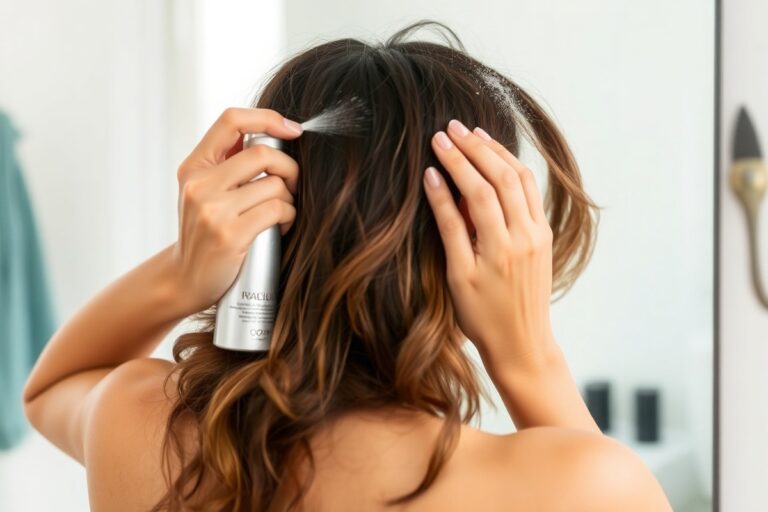
Leaving it on longer can cause a purple or gray tint to show. Your hair may be very brassy or not toned well before. Applying purple shampoo on dry hair can improve results.
Try this method if the usual way doesn’t work. It sticks better and gives a glossier finish.
Timing Variations Based on Hair Color and Condition

Virgin hair typically needs less time with purple shampoo than colored hair. This is because virgin hair hasn’t been lightened or treated. So the purple pigment won’t absorb as quickly.
For colored hair, the shampoo often stays on longer. This helps correct brassiness well. It works best on lightened or highlighted hair.
Blonde shades like dark blonde tend to absorb less purple pigment. So leave the shampoo on for the lower end of the timing scale. Platinum blonde, silver, or gray hair can handle longer treatment.
It can stay on up to 30 minutes. This keeps a cool tone without yellowing.
Damaged or porous hair soaks up color much faster. So cut the time short to avoid purple stains or dryness.
| Hair Type & Color | Recommended Time | Why |
|---|---|---|
| Virgin Dark Blonde | 3 to 5 minutes | Less pigment absorption, gentler toning needed |
| Colored Dark Blonde & Light Blonde | 5 to 8 minutes | More brassiness, needs stronger correction |
| Platinum Blonde, Gray, Silver | 10 to 30 minutes | Darker purple formulas suit pale hair well |
| Damaged or Porous Hair (any blonde) | 2 to 4 minutes | Quick pigment absorption, avoid over-toning |
For damaged hair, start with 2 minutes and watch carefully. Leaving purple shampoo on too long causes purplish tint or dryness. You can rinse early and repeat if you want a stronger tone without risking damage.
For very porous or damaged hair, always test purple shampoo time on a small section first.
How Hair Porosity Influences Purple Shampoo Processing Time
Hair porosity affects how quickly purple shampoo pigments soak into your strands. High-porosity hair soaks up color fast.
So you’ll want to leave purple shampoo on for less time. Low-porosity hair resists pigment, meaning you need a longer application to get good toning.
Understanding Hair Porosity
Hair porosity is how well your hair absorbs and retains moisture or products. It depends on the condition of your cuticle, the outer layer of the hair shaft. Raised or damaged cuticles mean high porosity, while smooth, tight cuticles mean low porosity.
Your hair is probably damaged or treated if it has high porosity. This kind absorbs purple pigment fast. It may cause over-toning or a violet tint.
Low-porosity hair has a tighter cuticle. So pigment penetrates more slowly and needs extra time to work.
Testing Hair Porosity at Home
Test porosity by dropping a clean hair strand in room-temperature water. Watch how it behaves. Watch it for 2 to 4 minutes.
Hair that sinks right away is high porosity. Strands that float or take longer to sink have low porosity.
This simple water test costs nothing and only takes a few minutes. Don’t test on hair with products or oils, as they can skew the results. This quick check helps you decide how long to leave purple shampoo on safely.
Adjusting Purple Shampoo Time by Porosity
For high-porosity hair, cut your purple shampoo time in half to avoid dull or dark tones. Two minutes or less usually does the trick.
Your hair feels rough or looks dull. That means you should shorten the treatment time.
Low-porosity hair tolerates longer application without picking up too much violet pigment. Aim for 5 to 7 minutes to allow full toning effect. Use lukewarm water before applying purple shampoo to open cuticles and boost absorption.
For both types, start with a short application and adjust based on color results. Purple tones add up or your hair looks too cool. Cut down time or frequency.
Safety and Risks of Leaving Purple Shampoo on Too Long
Leaving purple shampoo on your hair for an hour usually causes unwanted purple hues. It deposits too much pigment, tinting your hair with a lilac or gray shade. You may notice purple streaks in your hair.
Your hair might also look dull. This happens instead of getting the clean tone you want.
This happens because purple shampoo builds up when left too long or used too often. Overuse dries out the hair since these shampoos often contain strong pigments and cleansing agents. Dry hair feels rough, brittle, and may start to break or split at the ends.
Look for signs like uneven purple patches or hair that feels dry and straw-like. Over-toning shows as a grayish or lavender tint that doesn’t fade quickly after washing. Your hair might look dull or dirty instead of bright and fresh.
To fix over-toned purple hair, wash your hair a few times with a gentle, moisturizing shampoo. Deep conditioning treatments help restore softness and strength. Don’t use purple shampoo until the tint fades.
The tint can last several washes. Porosity affects how long it takes to disappear.
Use purple shampoo less if your hair feels dry or sensitive. Once every one to two weeks works better. Keep purple shampoo on for 2 to 3 minutes max.
This is very important for fine or damaged hair. For stronger or brassier hair, a slightly longer time may be okay. But avoid exceeding 5 minutes.
When you start with purple shampoo, test it on a small strand first. Watch how your hair reacts to the timing to avoid surprises.
You see purple buildup after rinsing. Next time, cut down on shampoo time or use it less.
Keep in mind that purple shampoo treats brassiness, not damage. Overusing it won’t improve hair health, so always follow with conditioner.
Stop using purple shampoo if your hair is dry or breaking. Switch to a nourishing routine to protect your hair.
Step-by-Step Guide to Applying Purple Shampoo Correctly
Start by wetting your hair with lukewarm water, then apply the purple shampoo evenly. Focus on areas with warm, brassy tones. Leave the shampoo on based on your hair type and brassiness level before rinsing and conditioning.
Preparing Hair Before Application
Use lukewarm water to wet your hair; cold water won’t open the cuticles well. This helps your hair absorb the purple shampoo better. Avoid applying shampoo to dry hair unless you want a glossy, intense tone.
Your hair might need a nourishing shampoo with avocado oil and glycerin. Use this if your hair feels dry or damaged. It helps add hydration.
Wetting your hair properly also helps spread the product evenly. Skip wetting only if using a purple conditioner for quick toning on dry hair.
Applying and Leaving Purple Shampoo
Apply purple shampoo mainly to brassy spots, usually the mid-lengths and ends. Avoid the roots if you don’t want purplish hues near your scalp.
For untreated blonde hair, leave it on 2 to 3 minutes. Longer if hair is color-treated.
Here’s a step-by-step method to apply purple shampoo correctly:
- Wet your hair with lukewarm water.
- Squeeze out a quarter-sized amount of purple shampoo.
- Distribute shampoo evenly, focusing on brassy areas.
- Massage gently to work the shampoo through your hair.
- Leave it on for 2 to 3 minutes or as your hair needs.
- Rinse thoroughly with lukewarm water.
Leave purple shampoo on for up to an hour for stronger tone. After rinsing, use a purple conditioner or mask. This keeps your hair hydrated and toned.
Don’t leave purple shampoo on too long. Your hair might get a violet tint. Keep an eye on the time to avoid this.
Only apply purple shampoo to hair that’s already damp to avoid uneven toning.
Rinsing and Conditioning After Use
Rinse shampoo out completely with lukewarm water to avoid residue. Following up with a moisturizing conditioner helps reduce dryness from the purple shampoo. Use a purple conditioner to extend toning effects and maintain shine.
Your hair can feel dry after rinsing. Use a deep conditioning mask for 5 to 10 minutes. This restores moisture and softness.
This restores moisture and helps protect from environmental damage. Always rinse conditioner well to keep hair soft and manageable.
Adjusting Purple Shampoo Time for Different Brassiness Levels
How long you leave purple shampoo depends on your hair’s brassiness. If your hair looks yellow or brassy, leave it for a shorter time. Check your hair to decide the right length.
Mild brassiness needs less time, usually around 1 to 3 minutes. Strong brassiness may need a longer wait of 4 to 5 minutes.
This lets the purple pigment work better on yellow tones. Watch your hair during this time.
For emergency brass correction, you can leave purple shampoo on closer to the upper recommended time. Joico Color Balance Purple suggests up to 7 minutes of use. Watch your hair closely during this time.
Stop rinsing if you see any unwanted color. Going too long risks a faint purple tint, especially on very light or porous hair.
Stopping before a purple tint shows means paying attention to your hair every minute. See a slight lilac shade then rinse the shampoo out right away. Gentler formulas like Redken Blondage help dry or sensitive hair.
They work well with shorter times. These avoid over-drying your hair while toning.
- Light brassiness: leave shampoo on 1, 3 minutes, then rinse
- Strong brassiness: leave shampoo on 4, 5 minutes, check color often
- Emergency brass fix: up to 7 minutes max, watch for purple tint
- Fine or porous hair: use shorter time to avoid purple shade
- Sensitive, dry hair: pick gentle shampoos and short leave-in times
- Stop rinsing immediately if any purple color appears
- Use a timer or clock to avoid over-processing
Different purple shampoos have different pigment strengths. Fanola No Yellow is very pigmented. So keep it on 3 to 5 minutes or less for fine hair.
Matrix So Silver lets you customize time depending on your brassiness level. These choices affect how long you can safely leave the shampoo on with good results.
Adjusting time this way helps balance effective brass removal and keeping hair looking natural. This helps avoid that unwanted purple tint on your hair. You still get the cool tone your blonde or silver hair needs.
Check your hair often while using purple shampoo. Brassiness might change over time. Adjust how long you leave shampoo on accordingly.
Why Purple Shampoo Directions Vary Between Brands
Different brands have various timing recommendations because their formulas vary in pigment strength and ingredients. Some use strong violet dyes that tone quickly in about 1 to 2 minutes. Others have gentler pigments needing 5 to 10 minutes to neutralize yellow tones effectively.
More concentrated purple pigments usually require less time. For example, a shampoo with dense violet pigments can work in as little as one minute.
A milder formula might need up to ten minutes. This is true especially for faded or brassy blonde hair.
You also need to consider your hair condition. Heavily color-treated or discolored hair often benefits from longer processing, sometimes 10 to 15 minutes.
Lighter blondes or silver hair usually need 2 to 5 minutes. This prevents over-drying or staining.
It’s best to start with each brand’s directions since they designed the formula for those times. Follow the instructions closely the first time.
After your first try, change the time by 1 to 2 minutes. See what works best for your hair.
Your hair feels dry or looks purple after rinsing. That means you left the shampoo on too long.
In that case, cut back on the time or dilute the product with water before applying. A quick rinse after 1 to 2 minutes can often tone gently without risk of damage.
Using the directions plus small timing experiments helps you avoid hair dryness or unwanted purple stains. Keep track of what works by noting brand, color level, and time spent. That way, you avoid guesswork and get better results every time.
Tips to Adjust Timing for First-Time and Sensitive Hair Users
Start with shorter purple shampoo times to avoid unwanted purple tones or dryness. Test your hair’s reaction with 1 to 3 minutes before trying longer periods. This helps prevent damage and suits sensitive or damaged strands.
Start with Shorter Leave Times
Use purple shampoo for just 1 to 3 minutes when you first try it. This brief application lets the toner work without risking purple stains or over-drying. For damaged hair, lean toward 1 to 2 minutes to keep your strands safe.
Apply only a small amount of shampoo. Spread it evenly where brassiness shows, avoiding the roots if your scalp is sensitive. Rinse out promptly after the set time to stop the toner’s action.
Monitor Hair Response Closely
Check how your hair looks and feels after each wash. Notice if your brassiness fades gently or if your hair feels dry and brittle. This reaction shows if your timing or amount needs change.
Pay attention to any purple tint that lasts after rinsing. A slight cool tone is good.
But strong purple hints mean you left it too long. Watch for dryness, especially if your hair is fragile or processed.
Stop using purple shampoo immediately if you notice increased brittleness or irritation.
Adjust Gradually over Sessions
Increase your purple shampoo time by 30-second steps across washes if results look mild. Keep adding time until you get the right tone without dryness or damage. Some people find 3 to 5 minutes ideal after a few tries.
When your scalp or hair feels sensitive, use purple shampoo less often. You can skip some sessions to reduce its strength.
Try mixing purple shampoo with a regular conditioner to make it gentler. Always watch your hair’s health before going longer.
Here’s a short checklist to follow:
- Start with 1 to 3 minutes for first use, less for damaged hair
- Use a smaller amount on fragile or over-processed strands
- Rinse thoroughly to avoid leftover mess or colour
- Check for purple residue or dryness after each wash
- Increase leave time slowly, about 30 seconds per session
- Use conditioner or oil to help dry hair
- Pause or reduce use if irritation occurs
Step-by-Step Action Plan for Using Purple Shampoo
Follow these clear steps to tone your hair without damage. Adjust as needed based on your hair’s reaction.
- Before You Start: Check your hair porosity by doing a strand test. This helps decide timing for purple shampoo.
- First Application: Apply purple shampoo evenly and leave it on for 2 minutes. Rinse well to see initial tone change.
- After 3 Days: Assess your brassiness level and hair condition. Increase shampoo time by 1 minute if brassiness persists.
- After 1 Week: Leave purple shampoo on for 3 to 5 minutes. The exact time depends on your hair color and porosity. Adjust the time based on how your hair feels. Don’t exceed 5 minutes to avoid dryness.
- Twice Weekly Use: Use purple shampoo twice per week for maintenance. Keep time between 2 and 4 minutes to avoid buildup.
- After 3 Weeks: Evaluate your hair’s tone and health. Reduce shampoo time if hair feels dry or brittle.
- Monthly Deep Care: Replace one purple shampoo with a moisturizing treatment. This balances toner effects and hair health.
- Sensitive or First-Time Users: Start with 1 minute timing and monitor hair closely. Gradually adjust based on results.
Frequently Asked Questions
How Long Can I Leave Purple Shampoo in My Hair Before Sleeping?
It’s best not to leave purple shampoo on overnight. Leaving purple shampoo on too long can cause unwanted purple hues.
These shades might be tough to wash out. You’ll need extra effort to remove them.
Can Purple Shampoo Be Used Every Day Without Damaging Hair?
Using purple shampoo daily isn’t recommended because it may dry out your hair. Use purple shampoo 1 to 3 times each week.
This helps keep your tone balanced. It also prevents damage from over-processing.
Does Leaving Purple Shampoo on Longer Boost Its Toning Effect?
Leaving purple shampoo on longer than 5 minutes usually doesn’t improve toning. Leaving it too long may cause dryness or extra purple tint.
Stick to the suggested time for best results. This keeps your hair healthy and balanced.
Is It Okay to Use Purple Shampoo on Wet or Dry Hair?
Both can work, but applying purple shampoo to dry hair can improve pigment deposition. Try applying purple shampoo on dry hair for extra stubborn brassiness. Leave it for a few minutes then rinse as usual.
How Soon Can I Shampoo My Hair Again After Using Purple Shampoo?
Wait at least 48 hours before shampooing normally again. This helps the purple pigments settle and avoid stripping the toning effect with regular shampoos.
Should Purple Shampoo Be Used After Conditioner or Before?
Always use purple shampoo before conditioner. Shampoo cleans and tones the hair. Conditioner then moisturizes and seals, helping keep your hair soft and smooth after toning.
Final Thoughts
Leaving purple shampoo in your hair just long enough removes brassiness without damage. Test timing carefully to match your hair’s needs. Try the shortest effective time on your next wash and adjust from there.