How Often Can You Use Dry Shampoo: Safe Frequency and Expert Tips
How often can you use dry shampoo without harming your hair or scalp? Experts say using it no more than two days in a row keeps your scalp healthy.
Limiting use to one or two times per week helps avoid build-up and irritation. Dry shampoo mainly soaks up oil, refreshing your hair when you don’t have time to wash.
Hold the can about six to 10 inches from your roots during application. Spray lightly on oily spots, then wait at least 30 seconds for it to absorb oil. After that, use your fingers or a brush to spread it evenly and avoid white residue.
Dry shampoo is a great quick fix for busy days or workouts. Don’t use it every day. It won’t clean your scalp well.
Water and shampoo do that better. Keeping a balance between dry shampoo and regular washing is key to healthy hair.
Key Takeaways
- Use dry shampoo no more than two days in a row to protect your scalp.
- Limit dry shampoo use to one or two times weekly for scalp health.
- Spray from six to 10 inches away, focusing on the roots first.
- Let dry shampoo sit for 30 seconds before brushing or massaging.
- Use fingers or a paddle brush to spread dry shampoo evenly.
- Don’t rely only on dry shampoo; wash hair with water regularly.
How Often Is It Safe to Use Dry Shampoo?
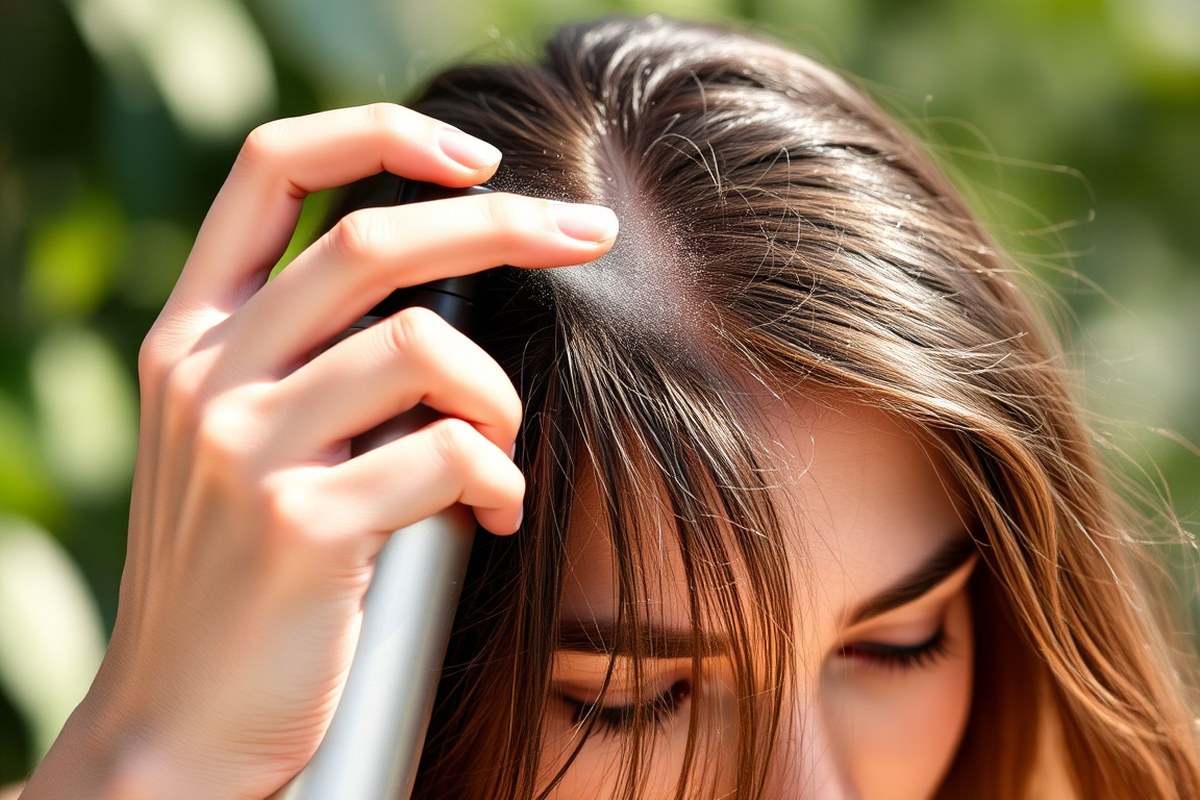
Dry shampoo can be used to replace regular washing for up to two days safely. Most experts suggest not using it more than two days in a row to avoid buildup. This buildup can clog follicles and dry out your scalp.
You shouldn’t rely on dry shampoo daily or for many consecutive days. Using it too often without washing your hair with water and shampoo can cause hair breakage. Doctors say wash your hair at least every third day.
This is important if you use dry shampoo a lot. Washing helps keep your scalp healthy.
Apply dry shampoo on clean hair and scalp only. Wash your hair fully within two days. This keeps your scalp from buildup.
Washing your hair every day may help if it is oily. Use dry shampoo only when needed. This keeps your hair fresh without overwashing.
Don’t skip regular shampooing for too long. This avoids damage to your hair and scalp. Clean hair prevents irritation and buildup.
How Dry Shampoo Works to Refresh Hair Between Washes

Dry shampoo uses ingredients like starches, clays, and alcohol-based agents. These ingredients soak up the extra oil on your scalp and hair without using water. That’s why dry shampoo works best on dirty hair with visible oil and grease buildup.
Its goal isn’t to clean your scalp or hair the way regular shampoo does. Instead, it hides the oil by absorbing it, making hair look and feel fresher.
You still need to wash your hair with water and shampoo. This removes dirt and buildup properly.
After spraying or applying dry shampoo, let it sit for at least 30 seconds. This pause allows the product to soak up oil fully.
Some powders work quickly. Aerosol sprays might take a little longer to settle before you brush through your hair.
Focus the product on your roots, where oil naturally collects. Rubbing the dry shampoo gently into your scalp helps it absorb better and avoids visible residue. Using too much or rushing the process can leave behind powdery flakes or irritation.
Always let dry shampoo sit for at least 30 seconds. This helps it absorb oil properly before brushing.
Powder-based dry shampoos tend to absorb oil better and add volume. Sprays often come with fragrances to freshen your hair. Keep in mind that dry shampoo leaves a residue behind.
So regular washing with water is necessary to avoid buildup. Using too much dry shampoo can irritate your scalp or clog hair follicles over time.
Best Practices for Applying Dry Shampoo Correctly
Applying dry shampoo right makes a big difference in how it works and looks. Spray the dry shampoo properly onto your hair. Wait a few minutes.
Then spread it well without leaving chalky spots. The method changes a little depending on your hair type.
Spraying Distance and Coverage
Hold the spray can 6 to 10 inches away from your scalp. This distance lets the powder or spray spread evenly. Spray directly on your roots since that’s where oil builds up the most.
Aim for the scalp, not the strands. Spraying hair strands wastes product and can leave a dull look.
Spray the dry shampoo in sections on thick hair. This helps the product reach all oily spots.
Waiting Time Before Distributing Product
After spraying, wait about two minutes. This pause gives dry shampoo time to absorb oil. Use this time to do other small tasks like putting on makeup or packing lunch.
Once the wait is over, massage your fingertips into the scalp. This helps spread the product evenly and avoids white residue. Then, brush your hair gently to remove any leftover powder.
Techniques for Different Hair Textures
Thicker hair needs sectioning. Split your hair into layers before spraying to reach the scalp beneath. Spray lightly and work the product through with your fingers.
For thin or fine hair, spray less to avoid weighing hair down. Hold the can a bit farther away. For curly hair, use your fingers instead of a brush to keep curls intact after applying.
Follow these steps to apply dry shampoo so it works well and keeps your hair fresh:
- Hold the can 6 to 10 inches from your dry hair’s roots.
- Divide thick hair into sections before you spray the dry shampoo.
- Spray lightly at each oily section, focusing on the scalp.
- Wait at least two minutes to let the product absorb oil.
- Massage the scalp gently with your fingertips to spread the dry shampoo.
- Brush hair softly to remove residue and restore volume.
- Adjust amount or technique based on hair type and thickness.
How Hair Type and Scalp Condition Affect Dry Shampoo Use
How often you use dry shampoo changes depending on your hair type and scalp condition. Oily scalps generally tolerate more frequent use than dry or sensitive scalps. Curly hair also needs special care to avoid buildup and dryness from dry shampoo.
Oily vs Dry Scalp Recommendations
Oily scalp types often benefit from using dry shampoo more frequently, sometimes every other day. The product helps absorb excess oil and keeps hair looking fresh when washing daily isn’t possible. Still, spraying it directly on the scalp too often can cause buildup.
Dry scalps require gentler treatment to avoid irritation or flaking. Limit dry shampoo use to once a week or less to prevent excessive drying. Look for formulas with moisturizing ingredients or avoid powders that contain alcohol.
Adjustments for Sensitive Scalps
Sensitive scalps demand extra careful dry shampoo use to prevent irritation. Avoid products with strong fragrances or harsh chemicals, which can increase scalp sensitivity. Instead, opt for hypoallergenic or gentle formulations designed for sensitive skin.
Apply dry shampoo away from the scalp to reduce irritation. Focus on your hair roots and avoid heavy sprays directly on the skin. Test a small area first to check for redness or itching before regular use.
Usage Tips for Curly and Textured Hair
Curly hair is prone to dryness. So dry shampoo should be used sparingly to avoid frizz and build-up.
Apply it mainly to the roots and avoid scrubbing the scalp harshly when washing out. This helps keep curls defined and hydrated.
Choosing a lightweight, non-powder dry shampoo minimizes residue that can weigh down curls. Your hair feels dry?
Try a leave-in conditioner after dry shampoo. It helps balance moisture well.
Use this table as a quick guide for dry shampoo use. It matches your hair type. Scalp type matters too.
| Hair/Scalp Type | Recommended Frequency | Product Type | Application Tips |
|---|---|---|---|
| Oily Hair | Every 1-2 days | Oil-absorbing powder or spray | Spray on roots, avoid scalp buildup |
| Dry Scalp | Once a week or less | Hydrating or alcohol-free formula | Apply lightly, focus on hair not scalp |
| Sensitive Scalp | Occasional use only | Hypoallergenic, fragrance-free | Avoid spray directly on scalp, test first |
| Curly Hair | Once or twice a week | Lightweight, non-powder formulas | Apply at roots, avoid excessive scrubbing |
Following these recommendations helps you balance dry shampoo use with scalp health. Adjust your routine based on how your scalp and hair react after each use. Avoid daily use if your scalp feels dry or itchy to prevent long-term damage.
Common Mistakes When Using Dry Shampoo and How to Fix Them
White residue often happens when dry shampoo doesn’t match your hair color. It can also appear if you spray too close or use too much product.
You might see greasiness if you apply dry shampoo on damp hair. That traps moisture and causes buildup instead of soaking oil.
Buildup on your scalp clogs hair follicles and leads to itching or dandruff. It happens when dry shampoo sits too long without washing out. Using dry shampoo every day can block your hair follicles.
This can irritate your scalp. It also makes your hair look dull and unhealthy.
To avoid these problems, follow these simple steps for better results:
- Apply dry shampoo only on completely dry hair to prevent clumping.
- Hold the can 6 to 8 inches away from your scalp for even coverage.
- Use a dry shampoo that matches your hair color to avoid white powder.
- Limit use to every other day or a few times a week to prevent buildup.
- Massage your scalp gently after applying to distribute product evenly.
- Brush your hair well to remove excess powder and residues.
- Wash your hair regularly to clear any leftover dry shampoo and oil.
Putting dry shampoo on wet hair leaves it greasy. The powder can’t soak up oil well on damp hair. This reduces its cleaning effect.
You want the hair fully dry to soak up oil and sweat properly. Over time, ignoring this can cause scalp irritation and worsen dandruff.
Always make sure your hair is 100% dry before you spray dry shampoo. This helps prevent buildup and scalp issues.
Overapplying dry shampoo feels like a quick fix, but it creates more problems. The thicker the layer, the harder it is to remove.
Your scalp needs breaks from product, so spacing out use helps keep it healthy. Follow these tips, and your hair will look clean without sticky or patchy spots.
Balancing Dry Shampoo with Regular Hair Washing
Using dry shampoo helps skip daily washes. Wash your hair with wet shampoo two to three times a week.
This routine helps remove oil, dirt, and product buildup that dry shampoo can’t rinse away. Washing this often keeps your scalp healthy and avoids clogged pores or irritation.
Your hair feels heavy, dull, or your scalp itches. That might mean it’s time for a clarifying shampoo. Clarifying shampoos remove stubborn residue and buildup from dry shampoo or styling products.
Use a clarifying shampoo every two to four weeks. It’s important if you use dry shampoo often. This helps reset your scalp and hair.
Adjust your washing schedule if you exercise a lot or sweat more. Sweaty scalps need more frequent water washing to prevent sweat and bacteria buildup. After heavy sweating, wash your hair within 24 hours.
Use dry shampoo only on days you don’t wash. For less active days, dry shampoo can freshen hair without water, but don’t overdo it.
Customize your routine based on how oily your scalp gets. Oily scalps might need washing three times a week. Dry scalps can go four times, balancing moisture.
Watch for scalp dryness or irritation. Either issue means you might need to wash more or less.
Pick gentle shampoos that fit your scalp type. This can reduce irritation when you wash less often.
You must wash regularly with water and shampoo. Dry shampoo can’t clean dead skin cells or sweat. Avoid using dry shampoo on wet or freshly washed hair to stop clogging the scalp.
Limit dry shampoo to twice a week for best scalp health. Dermatologists at Yale School of Medicine advise this.
Maintaining Scalp Health When Using Dry Shampoo Regularly
You can keep your scalp healthy while using dry shampoo often by watching for irritation signs. Follow a gentle scalp care routine and stop using the product if problems arise. Checking your scalp regularly helps avoid issues like folliculitis and inflammation.
Signs of Scalp Irritation to Watch For
Look for redness, itching, or bumps on your scalp, which can signal irritation. Folliculitis often shows as small, red, tender spots around hair follicles. You might also notice pain or tenderness when touching your scalp, or some flaking and dryness.
Pay attention if your scalp feels sore or very itchy after applying dry shampoo. These symptoms mean your skin may be reacting to product buildup or direct contact. Catching these early helps you avoid worsening inflammation or infection.
Daily Scalp Care Tips
Don’t spray dry shampoo directly onto your scalp to prevent inflammation. Spray it onto your roots from a few inches away, then wait 30 seconds. After that, use your fingers or a paddle brush to spread it.
This helps avoid buildup in one spot. Make sure the product covers your scalp evenly.
Wash your hair regularly, at least every two to three days, to remove dry shampoo residue. Use a gentle shampoo and lukewarm water, around 90°F, to avoid drying out your scalp. Adding a mild scalp exfoliation once a week can help clear blocked follicles gently.
Moisturize your scalp if it feels dry or flaky. Use a light, non-comedogenic oil or scalp serum. Apply gently for best results.
Avoid scratching your scalp to stop irritation from getting worse. Staying hydrated and eating a balanced diet can support scalp health from the inside out.
When to Seek Professional Advice
Stop using dry shampoo if your scalp shows redness or pain. Also quit if there are oozing bumps that don’t get better. See a doctor if these problems persist.
You should see a dermatologist if symptoms last over a week or worsen despite gentle care. They can diagnose conditions like folliculitis and recommend proper treatment.
People using scalp medicines or with skin issues should consult a doctor first. This is important before trying dry shampoo. Follow medical advice for safe use.
A dermatologist can suggest safe products or alternative options if your scalp is sensitive. Prompt advice helps prevent serious problems and keeps your scalp comfortable.
Comparing Dry Shampoo Types and Their Usage Frequency
Powder, spray, and foam dry shampoos work differently and suit different needs. Powder dry shampoos are great at soaking up oil because they contain starch. They usually last longer but need more careful application to spread evenly.
Spray dry shampoos are easier to apply with a quick mist. They cover large areas fast, so they work well for people who want convenience.
Foam dry shampoos add softness and shine, which is good for dry or fragile hair. But may not absorb oil as thoroughly.
Here’s a table showing their main features. It also shows how often to use them. Plus, it tells who they suit best.
| Type | Oil Absorption | Application | Usage Frequency | Best For | Notes |
|---|---|---|---|---|---|
| Powder | High | Sprinkle or brush onto roots | Every 1-2 days | Oily hair, lasting effect | Tricky to spread evenly |
| Spray | Moderate | Spray directly on roots | Daily use possible | All hair types, convenience | May feel sticky if overused |
| Foam | Low to Moderate | Apply and massage into scalp | Every 2-3 days | Dry or sensitive scalp | Adds softness, less oil control |
Powder dry shampoos sometimes require less frequent use because their starch lasts longer. Spray types suit people who refresh hair daily or want a quick fix. Foam is good if your scalp is sensitive.
It adds softness without heavy oil soaking. You get a gentle, light feel.
Applying powder dry shampoo takes time to blend it fully into the roots. Sprays offer quick freshness but can cause buildup if used every day. Foams are gentler and moisturize but don’t replace regular washing for oily scalps.
Use powder dry shampoo sparingly on dark hair to avoid white residue showing.
Step-by-Step Action Plan for Using Dry Shampoo Safely
This plan helps you use dry shampoo without harming your scalp or hair. Follow these steps to keep your hair fresh and healthy.
- Before your first use: Check your scalp for irritation or buildup signs. Avoid dry shampoo if your scalp is itchy or flaky.
- Day 1: Apply dry shampoo on oily roots only. Spray from 6-8 inches away and let it sit 5 minutes. Your hair should feel fresher, not stiff.
- Day 2: Use a brush or fingers to remove excess powder. Avoid applying more dry shampoo unless roots are oily again.
- Week 1: Limit dry shampoo use to 2-3 times this week. Wash your hair normally 1-2 times to clear buildup.
- After 1 week: Assess scalp condition. If you notice dryness or irritation, reduce dry shampoo use or switch types.
- After 2 weeks: Experiment with different formulas (powder vs. Spray) to find your best fit. Watch for how often oil builds up again.
- Ongoing: Balance dry shampoo with regular washing every 3 to 4 days. Use gentle shampoo to protect scalp health.
Frequently Asked Questions
Can Dry Shampoo Replace Washing Hair Completely?
No, dry shampoo only masks oil and dirt. It doesn’t clean your scalp or hair like washing does.
Is It Okay to Use Dry Shampoo on Colored Hair?
Yes, but use it sparingly to avoid dulling color. Some formulas may contain ingredients that build up faster on dyed hair.
Does Dry Shampoo Affect Hair Growth?
Dry shampoo does not directly affect hair growth. But buildup might irritate your scalp, which is best to avoid.
Can Dry Shampoo Cause Dandruff?
It can if product buildup irritates your scalp. Regular washing helps prevent flakes from dryness or residue.
How Long Does Dry Shampoo Last on My Hair?
Usually, dry shampoo can keep hair fresh for up to a day. Reapply only when your hair feels oily or sweaty.
Is Dry Shampoo Safe for Kids or Teens?
Generally, it’s safe but use less often in younger users. Their scalps might be more sensitive to product buildup.
Key Points to Remember
You can safely use dry shampoo 2 to 3 times a week without problems. Make sure to wash your hair regularly and watch your scalp’s health. Start by testing how your scalp reacts to dry shampoo and adjust use from there.