What Oils Stimulate Hair Growth? A Complete Guide to Effective Natural Oils
Natural oils like rosemary, lavender, and castor oil help stimulate hair growth. They feed hair follicles essential nutrients for healthier, stronger hair strands. These oils also improve blood flow to your scalp, which supports hair growth and strength.
Rosemary oil showed hair growth results similar to minoxidil in a six-week rat study. Castor oil promotes hair regeneration, especially when used consistently as a lotion. Both oils work best on a clean scalp, so wash your hair before applying.
Gently massage diluted oils into your scalp to boost blood circulation. Avoid using too much oil, as it can clog follicles and cause buildup. Watch your scalp for a month after use to see how your hair reacts.
Key Takeaways
- Rosemary oil may boost hair growth as effectively as minoxidil after six weeks.
- Castor oil lotions with 35, 40% concentration support hair regeneration.
- Use oils before washing hair, about 30 to 90 minutes prior, for best absorption.
- Massage oils into the scalp to improve blood circulation and nutrient delivery.
- Dilute essential oils with carrier oils to avoid scalp irritation.
- Start with small amounts to see how your scalp reacts before increasing use.
Which Oils Scientifically Stimulate Hair Growth?

Several oils have clear scientific backing for stimulating hair growth. Rosemary, peppermint, and castor oils help boost circulation. They block DHT and nourish hair roots.
These oils top the list for natural hair growth. These oils improve scalp health to fight hair loss.
They also strengthen hair follicles. This helps encourage thicker hair growth over time.
Rosemary Oil and Hair Follicle Stimulation
Rosemary oil improves blood flow to the scalp, which helps activate hair follicles. This increased circulation delivers more oxygen and nutrients needed for hair growth. Studies show it also reduces scalp inflammation, a common cause of hair shedding.
Dilute rosemary oil with a carrier oil like jojoba. Apply it two to three times a week. This routine can help support hair growth.
It suits all hair types and especially benefits slow-growing or thinning areas. Many users find it helps their hair become thicker and feel healthier within several weeks.
Castor Oil’s Role in Scalp Nourishment
Castor oil is rich in ricinoleic acid, which nourishes the scalp and strengthens hair roots. Its thick texture makes it excellent for dry scalps and hair prone to breakage. Using castor oil regularly helps prevent hair loss and encourages growth by keeping follicles healthy.
Use castor oil lightly twice weekly for best results. Mix it with lighter oils like argan to avoid greasiness. This keeps your hair feeling light.
Its dense consistency can cause buildup if used too often without washing. People with thinning hair often see improved volume after consistent use over a few months.
Peppermint Oil Effects on Follicle Depth and Density
Peppermint oil has a cooling menthol effect that stimulates scalp nerves and increases blood circulation. A 2014 animal study showed castor oil increased hair follicle depth. It also increased the number of follicles.
This happened after just four weeks of use. This oil also helps block DHT, the hormone linked to pattern hair loss.
Add a few drops of peppermint oil to carrier oil. Massage it gently into your scalp. This helps improve circulation and hair growth.
It is especially useful for oily scalps and thinning edges. Use peppermint oil no more than twice per week to avoid irritation. Do a patch test first.
Other Notable Oils: Lavender, Cedarwood, Pumpkin Seed
Lavender oil supports hair growth when blended with other oils, especially for alopecia sufferers. Cedarwood balances scalp oil production, which may reduce hair loss and promote thicker hair. Pumpkin seed oil is believed to block DHT, making it useful for pattern baldness.
These oils work best when blended with carriers or other oils. People usually mix them for better scalp health. This combination delivers the best results.
Applying them two to three times a week helps maintain scalp health and hair retention. Search for pure essential oils from reputable sellers like Amazon for quality.
Carrier Oils That Improve Hair Growth
Carrier oils like jojoba, coconut, argan, and grapeseed have benefits. They help carry essential oils into your scalp. They also keep your scalp balanced and healthy.
Jojoba mimics natural scalp oils, making it suitable for all hair types. Coconut oil penetrates the hair shaft, strengthening dry or damaged strands.
Argan oil hydrates and protects brittle, chemically treated hair. Grapeseed oil is lightweight and good for oily scalps.
Using carrier oils prevents irritation and supports healthy follicles, encouraging natural growth. Most carrier oils are affordable and found at drugstores or online for under $15 per bottle.
How Do Hair Growth Oils Work on Your Scalp and Follicles?
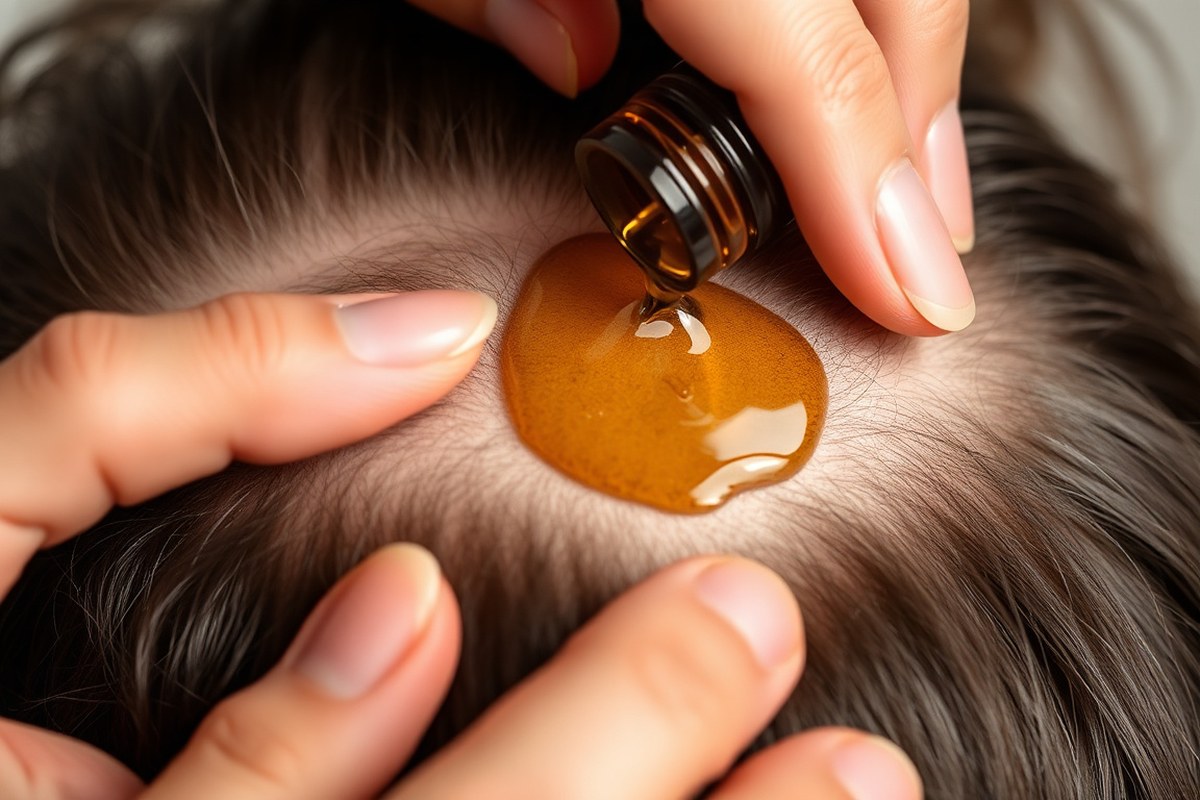
Hair growth oils mainly improve scalp circulation. They help create a healthier environment for follicles. This supports better hair growth.
When you massage oil into your scalp, it increases blood flow. This brings more oxygen to your hair follicles.
Nutrients reach them directly too. Both help follicles work and regrow hair.
Better blood flow also helps balance hormones locally and reduces inflammation that can cause hair loss. Oils like rosemary and cedarwood have anti-inflammatory properties that calm the scalp. This calming effect lessens irritation and stops conditions that often lead to hair shedding.
Besides boosting circulation, many hair oils nourish the scalp skin and hair shafts. Carrier oils like coconut or castor hydrate your scalp. They also strengthen hair strands.
This protects hair from breaking. Apply oil 30 to 90 minutes before washing. This allows time for it to absorb.
It also softens your hair effectively. This reduces hair damage during washing and styling.
By feeding follicles with nutrients and soothing the scalp, oils support long-term hair growth. They don’t grow new follicles where none exist.
But they improve follicle health and keep hair from falling out prematurely. Results often start to show around 4 to 6 weeks with consistent use.
Many people miss how important scalp massage is with oil application. Using a scalp brush before applying oil removes buildup and boosts circulation even more. This step creates a cleaner, more receptive scalp that lets oils work better.
Massage oil into your scalp with gentle pressure. Use small circles with your fingertips. Continue this for at least five minutes.
Some oils also have antimicrobial properties that help control dandruff and scalp infections. Tea tree oil is a good example. A less irritated scalp means less hair shedding caused by itching or scratching.
Oils boost scalp health by improving blood flow. They reduce inflammation and strengthen hair shafts. All these help your hair overall.
How Long Until You See Hair Growth from Oils?
You usually need about six to eight weeks to see visible hair growth from oils. Studies on rosemary oil showed it stimulates hair growth in this time frame, similar to minoxidil. Patience matters because hair follicles work slowly, and oils act gently over time.
Oils can both promote new hair growth and help slow hair loss. For example, castor oil may block prostaglandin D2, a chemical linked to hair loss. This means oils can strengthen hair and support follicles, not just cover thinning areas.
Thickening effects often make hair look fuller quickly, but actual new growth takes weeks. Oils like jojoba boost hair’s strength and thickness.
They give hair a fuller feel even before new growth happens. Real growth means seeing new hairs or increased length at the scalp over several weeks.
Use oils two to three times a week. Gently massage your scalp for five minutes each time.
Massage boosts scalp blood flow and helps oils reach follicles. Regular use matters more than daily applications, which might irritate sensitive scalps.
Oils won’t fix serious hair loss caused by health issues or hormones alone. Rapid or patchy hair loss needs a healthcare expert’s advice. Avoid relying only on oils.
Oils work best alongside other hair care habits. Focus on diet, stress, and root causes too.
Expect gradual change and keep track of your scalp and hair’s response. Take photos every few weeks to see real differences, not just improved texture or shine. This helps you decide if an oil is working or if you need a different approach.
What Is the Best Way to Apply Oils for Maximum Hair Growth?
The best way to apply oils is with a gentle scalp massage. Use a blend of diluted essential and carrier oils. This helps promote maximum hair growth.
Focus on thin or slow-growing areas of your scalp. Massage for 5 to 10 minutes.
Leave the oil on for hours or overnight. This routine helps blood flow and promotes a healthy scalp, key for thicker hair.
Preparing the Scalp Before Application
Start with a clean scalp to let your oils soak in better. Use a gentle shampoo to wash your hair well. This removes dirt and oil build-up.
Clean pores help oils work better for growth. Lightly towel dry so your scalp is damp, not wet.
Make sure your scalp has no product residue. Residue can block the oil’s benefits.
Clean scalp ensures better oil absorption. Avoid applying oils right after a hot shower because excess heat can irritate your scalp.
Diluting Essential Oils Safely and Effectively
Essential oils are strong and can irritate your scalp if used undiluted. Mix 3 to 5 drops of essential oil with 1 tablespoon of carrier oil. Use jojoba, castor, or argan oil for best results.
Mix well before applying. This reduces risks of redness and itching.
Never put essential oils directly on your scalp without dilution, especially if you have sensitive skin. A patch test can help you check for allergic reactions before full use.
Massage Techniques to Boost Circulation
Use your fingertips, not nails, to apply the oil and gently massage your scalp. Start at the front hairline and move in small circles toward the back of your head. Focus on thinning spots or areas where hair growth slows.
Spend 5 to 10 minutes massaging. This motion helps increase blood flow to hair follicles, which may support growth. Avoid heavy pressure, which can cause irritation.
Ideal Timing and Frequency
Apply oil treatments 2 to 3 times per week for best results. Use about 10 to 15 milliliters of oil each session. This amount covers your scalp well without heavy build-up.
Adjust if needed to avoid excess. Leaving oil on for at least 4 hours or overnight boosts absorption.
Consistency is key. Don’t oil your scalp every day.
Daily oiling can cause grease buildup and clog follicles. This actually slows hair growth instead of helping.
Post-Application Care and Washing
Wash your hair with a gentle shampoo after leaving the oil on for several hours. Avoid harsh shampoos that strip natural oils and irritate your scalp. Use warm water, not hot, to keep scalp calm.
Reduce oil use if your scalp feels tight or too oily. Cut back on how much or how often you apply oil.
Pay attention to how your scalp reacts. Make sure to rinse thoroughly to prevent blockage of follicles from leftover oil.
- Wash your hair with a mild shampoo and towel dry until damp.
- Mix 3 to 5 drops of essential oil with 1 tablespoon carrier oil.
- Apply oil blend directly to thinning or slow-growth scalp areas.
- Use fingertips to massage scalp in small circles for 5 to 10 minutes.
- Leave oil on scalp for at least 4 hours or overnight for better absorption.
- Rinse hair thoroughly with warm water and a gentle shampoo.
- Repeat this routine 2 to 3 times per week, avoiding daily use.
Which Carrier Oils improve Hair Growth Best?
Carrier oils help scalp health by moisturizing and soothing it. They create a better environment for hair to grow. This support helps essential oils work more effectively.
They help by moisturizing the scalp, balancing oil levels, and reducing inflammation. Choosing the right carrier oil depends on your hair type and scalp needs.
Here’s a comparison of popular carrier oils that improve hair growth. Each has nutrients suited for different hair types and concerns.
| Carrier Oil | Nutrient Highlights | Main Benefits | Best For |
|---|---|---|---|
| Jojoba Oil | Niacinamide (Vitamin B3), Vitamin E | Reduces scalp inflammation, balances oil, hydrates | Oily and sensitive scalps |
| Chia Seed Oil | Niacinamide, Omega-3 fatty acids | Improves scalp hydration, anti-inflammatory | Dry or irritated scalps |
| Argan Oil | Vitamin E, antioxidants | Strengthens hair, adds shine, reduces breakage | All hair types, especially dry or damaged |
| Castor Oil | Ricinoic acid, Vitamin E | Supports hair thickness, locks moisture | Thickening thin hair, coarse hair |
| Coconut Oil | Lauric acid, Vitamin E | Penetrates shaft, prevents protein loss | Curly, coarse, or dry hair |
Jojoba and chia seed oils stand out because they contain niacinamide. This vitamin reduces inflammation, which can improve scalp health and hair growth.
Oils like argan and castor also add protective nutrients but differ in texture and weight. Coconut oil is great for penetrating hair strands and reducing damage.
Your hair type matters when picking an oil. For example, people with oily scalps may do better with lighter oils like jojoba. Those with drier hair often benefit from richer oils like castor or argan.
Ethnicity can influence hair texture, so heavier oils may suit thicker, curlier hair better. Lighter oils work well on fine or straight hair.
Test a small patch of scalp before regular use to avoid irritation or build-up.
Using a carrier oil properly means applying it to a clean, dry scalp. Massage the oil gently to help it absorb and improve blood flow.
Leave it on for at least 20 minutes or overnight if possible to support follicle health. Mixing your carrier oil with essential oils like rosemary or lavender can boost effectiveness.
How to Create Effective DIY Hair Growth Oil Blends
Making your own hair growth oil blend is simple and can be very effective. Start with a good carrier oil. Add a few drops of essential oils.
Choose ones known to help stimulate growth. Mixing these oils yourself lets you tailor the formula to your needs and hair type.
Choosing Quality Ingredients
Pick carrier oils like coconut, jojoba, or grapeseed. These nourish hair and scalp without clogging pores. Add essential oils proven for growth, such as rosemary or peppermint.
Use oils labeled 100% pure and organic when possible. Avoid oils with added fragrances or alcohol that can irritate your scalp. Quality oils ensure the blend works well and reduces risk of reactions.
Measuring and Mixing Oils Safely
Essential oils are strong and must be diluted properly to protect your scalp. Aim for a 2% dilution: 12 drops of essential oil per ounce of carrier oil. This mix balances effectiveness and safety.
Use a clean glass bottle for mixing. Avoid plastic containers that can react with oils. Shake well before each use to blend the oils evenly.
Create your blend with these steps:
- Measure 1 fluid ounce (about 2 tablespoons) of your carrier oil.
- Add 12 drops of rosemary essential oil for growth stimulation.
- Include 6 drops of peppermint oil to boost scalp circulation.
- Optionally add 2 drops of tea tree oil for its antimicrobial benefits.
- Seal your bottle tightly.
- Shake to mix all oils thoroughly.
- Label the bottle with ingredients and date made.
Storage and Shelf Life Considerations
Store your blend in a cool, dark place to keep it fresh longer. Avoid direct sunlight which breaks down oils and reduces potency.
Keep the oil blend for up to six months. After that, oils can smell rancid or lose effectiveness. Make small batches to use within this time frame.
Adjusting Blends for Hair Type
Use lighter oils like grapeseed for fine or oily hair types to avoid weighing hair down. Thick oils like castor or avocado suit dry, coarse hair better.
Add tea tree oil for oily scalps to reduce buildup and dandruff. For sensitive scalps, reduce the essential oils to avoid irritation.
How to Test for Sensitivity
Apply a small amount of your blend behind your ear or on your inner elbow. Wait 24 hours to check for any redness, itching, or swelling.
You might see irritation. Dilute the blend with more carrier oil.
Or try a different oil instead. Never apply a new oil blend directly to your scalp without a patch test.
Risks, Side Effects, and When to Use Caution
Essential oils are powerful and can cause skin irritation if used wrong. Avoid applying them undiluted on your scalp. Always mix essential oils with carrier oils like jojoba or coconut.
This lowers the chance of burns or allergies. Mixing first helps protect your skin.
Test new oils before regular use by applying a small amount to your inner arm. Wait 24 hours to check for redness, itching, or swelling. Avoid oils that cause reactions.
Use gentler ones like lavender or chamomile oils instead. These are less likely to irritate your scalp.
Using oils every day, especially at high concentrations, raises the chance of side effects. Limit essential oils to a 2 to 5 percent dilution in carrier oils. Stick to applying oil treatments 2 to 3 times a week to prevent scalp sensitivity.
Sensitive or inflamed scalps need mild oils. Choose oils safe for eczema or psoriasis. They calm and protect your scalp skin.
Avoid harsh essential oils high in cinnamic alcohol, aldehyde, or eugenol. Instead, try gentle oils such as sweet almond or argan, which soothe and moisturize without irritation.
Keep a checklist when trying new hair oils. Start with a low concentration and note your scalp’s response over a week.
Watch for itching, redness, flaking, or increased hair loss. Stop use immediately if these symptoms appear.
Repeated use of some essential oils can also increase sensitivity to sunlight. Limit sun exposure after applying oils and wash your scalp before sunbathing. This caution helps avoid sunburn or long-term skin damage.
Some people think natural oils are always safe, but that’s not true. Misusing oils can cause scalp burns or worsen hair loss. Use recommended dilutions, do patch tests, and adjust frequency based on how your scalp feels.
Finally, keep in mind that oils alone might not fix all hair loss issues. Consult a dermatologist if your scalp hurts or hair loss gets worse. A professional checkup helps rule out infections or other underlying problems.
Common Mistakes Using Oils and How to Fix Them
Using too much oil or applying it too often can clog your scalp. This blocks hair follicles and slows growth. Use 1 to 2 teaspoons of oil on your scalp at a time.
Apply it about three times a week for best results. Start slow to see how your scalp reacts.
Skipping the scalp cleansing before oiling is a frequent mistake. Oils trap dirt and dead skin which could worsen irritation. Wash your scalp well, then apply oil to clean, damp hair for best absorption.
Some people forget to dilute essential oils like rosemary or lemongrass with a carrier oil. Applying them full strength can cause redness or burns. Mix 2 to 3 drops of essential oil with one tablespoon of carrier oil.
Always blend them well before applying to your scalp. Never use essential oil alone on your skin.
- Avoid daily heavy oiling, especially with thick oils like castor oil.
- Stay consistent but patient; give oils 4 to 6 weeks to show effects.
- Use oils suited to your scalp type: lighter oils if oily scalp.
- Massage gently for 5 to 10 minutes to boost blood flow.
- Test a small skin patch before full application to check for reaction.
- Store oils in a cool, dark place to prevent spoilage.
Persistent shedding or scalp pain needs a professional check. Oils can’t fix underlying medical causes like alopecia or infections. A dermatologist can find if you need special treatment beyond natural oils.
Don’t expect instant results, consistent, moderate use over a month is key.
How to Choose the Right Hair Growth Oil for Your Needs
Pick an oil based on your hair type and scalp condition first. For oily scalps, lightweight oils like argan or jojoba work well. Dry scalps do best with thicker oils like castor oil.
Shea butter also helps because it locks in moisture. Use these oils to keep your scalp hydrated longer. These choices help avoid clogged pores or dryness that slows hair growth.
Check the ingredients for proven stimulants like rosemary or saw palmetto oil. Rosemary oil improves scalp circulation, helping follicles get nutrients.
Saw palmetto blocks DHT, a hormone linked to hair loss, making it great for thinning hair. Look for serums with around 2% saw palmetto for effectiveness.
Your hair’s texture also matters when choosing oils. Curly, coarse hair usually responds well to heavier oils like castor or coconut. Fine or straight hair needs lighter oils to avoid weighing it down.
African American hair likes rich oils loaded with fatty acids. Mielle’s Rosemary Mint Oil has castor and rosemary oils. These oils nourish and help keep hair healthy.
Budget plays a part too. You can find effective oils under $15, like Mielle’s Rosemary Mint at about $10 for 4.2 ounces.
It’s lightweight enough for daily use and highly rated for hair strengthening. More expensive products may add extra botanicals but stick with basics first.
Check product reviews and ingredient labels for pure oils without harsh additives. Avoid oils with heavy silicones or synthetic fragrances that can irritate your scalp.
Look for leave-in formulas if you want daily use without greasy buildup. Mielle’s oil uses jojoba and grapeseed oils, making it light but nourishing.
Test the oil a few times per week to start. Watch how your scalp reacts during four to six weeks. This steady check helps you know if it suits you.
Redness or itching means stop and switch to a gentler formula. The scalp condition affects how well oils work, so treat dandruff or psoriasis first. Healthy skin creates the best environment for hair growth oils to work.
Your First 30 Days: A Quick-Start Plan for Using Hair Growth Oils
Follow these simple steps to start seeing hair growth improvements with oils. Track your progress and adjust as needed.
- Before You Start: Test your chosen oil blend on a small scalp patch. Wait 24 hours to check for irritation or redness.
- Week 1: Apply the oil to your scalp twice a week. Use gentle massage motions for 5 minutes to boost blood flow. You should feel relaxed scalp muscles.
- Week 2: Increase application to three times a week. Keep your scalp clean and avoid harsh shampoos. Note any change in scalp dryness or oiliness.
- Week 3: Add more carrier oil if your scalp feels dry. Noticing less hair fall during washing is a good sign.
- Week 4: Keep consistent use and check for visible new hairs or thicker strands. Take photos to compare progress weekly.
- After 1 Month: Continue or adjust your blend based on scalp response. Seeing no new growth or feeling irritation means change is needed.
Frequently Asked Questions
Can Essential Oils Alone Stop Hair Loss?
Essential oils can help reduce hair loss by improving scalp health. They don’t stop hair loss completely but support your scalp environment to slow shedding. Combining oils with scalp massage often works better for results.
Do Oils Work on All Types of Hair?
Oils can benefit most hair types by moisturizing and strengthening strands. However, some oils may weigh down very fine hair or cause buildup if used too often. Choose lighter oils if your hair feels greasy quickly.
Can Hair Oils Regrow Lost Hair on Bald Spots?
Oils usually do not regrow hair in bald areas with no active follicles. They mainly improve scalp health and support growth where follicles exist. For bald spots, medical advice and treatments might be needed.
How Often Should I Apply Hair Growth Oil?
Applying hair growth oils 2-3 times per week works well for most people. This frequency nourishes follicles without overloading the scalp, which can cause buildup and clogging. Adjust depending on your scalp’s response.
Can I Mix Hair Oils with Shampoos or Conditioners?
Mixing oils into shampoos or conditioners helps moisturize hair well. But this can lower the oil’s effect on your scalp.
Using oils directly on your scalp works better for growth. Oils work best during targeted scalp treatments or leave-in routines to stimulate growth.
Do Essential Oils Help with Scalp Inflammation?
Yes, many essential oils reduce scalp inflammation and boost blood circulation. This helps create a healthier environment for hair growth. Use diluted oils carefully to avoid irritation or allergic reactions.
Key Points to Remember
Oils can help your scalp and hair grow stronger when used the right way. Start slow, keep track of how your scalp reacts, and adjust as needed.
Next, pick an oil that suits your scalp needs. Start a test patch today.