
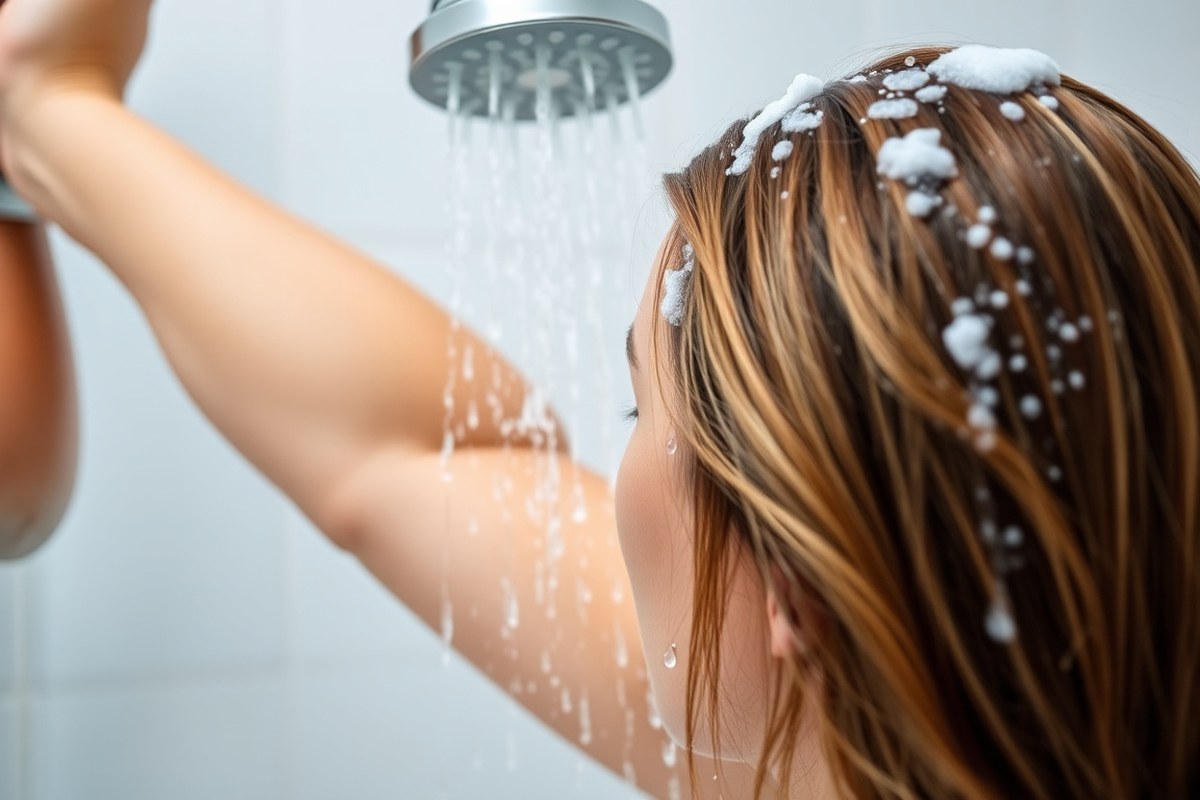
Should I Use Blue or Purple Shampoo? A Complete Guide for Cool Tones
Should I use blue or purple shampoo? The answer depends on your hair color and brassiness.
Purple shampoo suits blondes and people with highlights by canceling yellow tones. Blue shampoo works better for brunettes, neutralizing orange or red brassy hues.
Both shampoos use color theory to balance unwanted warmth in your hair. They deposit cool pigments that counteract warm shades, making your tone look fresh. Start by checking your hair’s brassiness to pick the right one.
Use the shampoo once or twice a week, leaving it on for 2 to 5 minutes. Adjust the time based on how intense your brassiness is. Always follow with a color-safe conditioner to avoid dryness.
Key Takeaways
- Choose purple shampoo for blonde or highlighted hair to fight yellow tones.
- Use blue shampoo if your brunette hair shows orange or reddish brassiness.
- Start leaving shampoo on for 2 minutes and increase if brassiness persists.
- Use toning shampoo once or twice a week instead of regular shampoo.
- Always follow toning shampoo with a color-safe conditioner to keep hair soft.
- Apply shampoo on wet hair for best toning results.
Which Shampoo Is Right: Blue or Purple?

Choosing between blue and purple shampoo depends on your hair color and brassiness tone. Purple shampoo is best for blondes, silver, and highlighted hair with yellow or brassy tones. Blue shampoo suits brunettes, dark blondes, and balayage looking to cancel orange or copper hues.
Using the wrong shampoo pigment can leave unwanted tints. Blue shampoo on blonde hair may look greenish. Purple shampoo might not completely cover orange tones on dark hair.
Using too much can leave a light purple shade behind. Match shampoo color to the tone you see in your hair for the best effect.
Both shampoos are usually used once or twice a week, not daily. Applying shampoo for 1 to 5 minutes lets pigments work without causing stains. Try a short test application to see how your hair reacts before regular use.
| Aspect | Purple Shampoo | Blue Shampoo |
|---|---|---|
| Target Hair Color | Blondes, silver, highlighted hair | Brunettes, dark blondes, balayage |
| Neutralizes | Yellow and brassy tones | Orange and copper tones |
| Usage Frequency | 1, 3 times/week | 1, 2 times/week |
| Typical Leave-On Time | 2, 5 minutes | 1, 3 minutes |
| Risk of Tint | May leave a violet tint if overused | Applying purple shampoo too long might cause your hair to have a blue tint. |
Check your hair’s brassy tone carefully. Yellow tones need purple shampoo to help neutralize and balance the color. For orange or copper warmth, go with blue shampoo.
These shampoos are not interchangeable since they target different brassy colors. Using a purple shampoo on brassy brunette hair won’t fully cancel orange tones. Likewise, blue shampoo on pale blonde hair can cause a greenish tint.
How Blue and Purple Shampoos Neutralize Brassiness

How Color Theory Explains Shampoo Pigments
Both blue and purple shampoos work with color theory to cancel unwanted hair tones. This theory uses the color wheel, where opposite shades neutralize each other. Blue cancels orange, and purple cancels yellow tones in hair.
What this means is your shampoo deposits a pigment opposite to your brassiness. These pigments help balance your hair color, reducing warm or brassy hues. It depends on your hair’s base shade which shampoo you pick.
Why Purple Shampoo Neutralizes Yellow Tones
Purple shampoo contains violet pigments, opposite to yellow on the color wheel. Yellow hair tones usually show up in blonde, silver, or bleached hair. The purple pigment tones down yellow or golden brassiness for a cooler, fresher look.
This shampoo works best when left on damp hair for 2 to 5 minutes. This gives the pigment time to soak in and counteract yellow. Washing it out too soon may not fully cancel the brassy tones.
How Blue Shampoo Tackles Orange and Red Hues
Blue shampoo deposits blue or blue-violet pigments to cancel orange or red tones. These warmer tones commonly appear in brunettes, dark blondes, or brown hair with highlights. Blue shampoo balances these tones for a more natural blend.
It’s effective after color treatments like balayage or on darker hair bases. Applying it for 2 to 4 minutes helps the pigment settle into the hair shaft. Leaving it longer might cause a slight bluish tint.
Where These Shampoos Fit in Your Routine
Use purple shampoo for blonde or silver tones once or twice a week. Use blue shampoo for brunettes or dark blondes with orange brassiness similarly. Both shampoos act like toners and replace or refresh color-maintenance salon visits.
Start with clean, damp hair by washing with your regular shampoo first. Then apply the toning shampoo, focusing from mid-length to ends where brassiness shows. Rinse out thoroughly after the recommended time to avoid overtone buildup.
What to Expect When Using Toning Shampoos
You’ll notice brassiness soften and your hair looks cooler and shinier. Purple shampoo can sometimes leave a dull or lilac cast if overused on darker shades. Blue shampoo may not work well on very light or uncolored hair.
Both shampoos remove warm undertones but don’t replace conditioner or treatments. Use them alongside your usual hair care for the best color and health balance. Keep an eye on how your hair reacts and adjust timing or frequency accordingly.
Let toning shampoos sit a few minutes for full effect. But avoid leaving them too long to prevent unwanted color casts.
Who Can Use Blue or Purple Shampoo Safely and When to Avoid
Blue and purple shampoos work best on specific hair colors. Blue shampoo suits brown or dark hair with orange or red tones. Purple shampoo helps blondes, silver, and highlighted hair fight yellow brassiness.
Red or auburn hair, plus dark brown with red tones, shouldn’t use these shampoos. They won’t neutralize those hues and could cause odd results. Extensions also need care: blue or purple shampoos can dry out bonded or natural-fiber extensions.
Pregnant or breastfeeding people should check labels and consult a doctor. These shampoos have pigments and chemicals that might not be well-studied for safety during pregnancy. Better to avoid them or find gentle alternatives.
- Use blue shampoo on dark blonde, brown, or dark hair with orange and red brassy tones.
- Use purple shampoo on blonde, silver, or lightened hair to remove yellow brassiness.
- Avoid both on red, auburn, or natural dark brown hair with red undertones.
- Skip these shampoos if you have bonded hair extensions to prevent dryness and damage.
- Consult your healthcare provider before using blue or purple shampoos during pregnancy or breastfeeding.
- Apply shampoo no more than 1, 2 times per week to avoid hair dryness and buildup.
- Test first on a small hair section to check for unwanted color changes or dryness.
Check your hair type before using these shampoos. Apply the shampoo carefully, leaving it on only 1 to 5 minutes. Overuse or leaving it longer may cause dryness or unwanted tones.
Use them 1 to 2 times a week. This helps stop brassiness.
It won’t damage your hair. Extensions need a gentler touch; look for a shampoo made especially for them.
During pregnancy, it’s safest to stop blue and purple shampoos. Or choose ones with no fragrance and no pigment.
That reduces risks for you and your baby during breastfeeding or pregnancy. You’ll want to follow your doctor’s advice on hair care for the best peace of mind.
Optimal Usage: Timing, Frequency, and Application Tips
Use blue or purple shampoo once or twice a week. Leave it on for 2 to 4 minutes. This helps tone your hair without damage.
More time or daily use can cause unwanted color tint or damage. Follow with a color-safe conditioner and rinse with cool water.
Timing Guidelines for Different Brassiness Levels
Leave blue or purple shampoo on your hair for 2 to 4 minutes only. Going beyond 5 minutes risks a blue or purple tint, especially on light blondes. Keep an eye on your hair while rinsing to start removing any excess color.
Watch for your hair tone darkening too much. Rinse earlier next time to avoid this.
For mild brassiness, 2 minutes is often enough. With stubborn brassiness, you might try up to 4 minutes but no longer.
Recommended Weekly Frequency
Blondes or highlighted hair can use toning shampoo once or twice a week. Ash or platinum blondes may need two applications weekly to keep brassiness away. Brunettes should use blue shampoo every few weeks unless brassiness returns fast.
Using toning shampoo every single wash can dry your hair out or cause color buildup. Instead, replace your normal shampoo once or twice weekly. Space out applications to see how your hair responds before increasing frequency.
Application Tips to Avoid Over-Toning
Apply shampoo only on wet hair to get even color deposit. Wait for the last shampoo effect to fade before applying more.
Adding too soon may darken or muddy your hair. Use blue shampoo on orange roots and purple on yellow ends if both tones appear.
Worry about harsh pigment? Mix your shampoo with regular shampoo or conditioner.
Always rinse thoroughly with cool water to lock in the tone and avoid leftover color residue. Finish with a conditioner safe for color-treated hair for softness.
Follow these steps for the best results applying blue or purple shampoo:
- Wet your hair thoroughly with warm water.
- Dispense a quarter-sized amount of shampoo into your hand.
- Massage it evenly through your hair, focusing on brassy areas.
- Leave the shampoo on for 2 to 4 minutes, no longer.
- Rinse hair thoroughly with cool water until all shampoo is gone.
- Apply a color-safe conditioner to moisturize and protect.
- Rinse again with cool water and towel dry your hair gently.
Mixing Blue and Purple Shampoos for Multi-Toned Hair
Mixing blue and purple shampoos works well for hair with both light and dark tones. For example, brunettes with blonde highlights can use purple shampoo to fight yellow brassiness. Adding a small amount of blue shampoo helps cancel warm orange tones in darker sections.
Use mostly purple shampoo if your hair is mostly blonde or light gray. Purple shampoo wipes out yellow tones best on light hair. Blue shampoo helps more when your darker hair looks brassy or has warm brown hues.
Start by mixing one part blue shampoo with three parts purple shampoo. Do this in your hand or a small bowl.
Use about one teaspoon of blue shampoo and three teaspoons of purple shampoo. Apply this blend evenly to wet hair, focusing first on darker parts with blue-tinted mix.
Leave the shampoo on for 3 to 5 minutes, not longer. Check hair every minute, especially on lighter parts.
Rinse with cool water to lock in the tone. Avoid leaving mixed shampoo on past 7 minutes to prevent dull or muddy tones.
You can do this once or twice a week. Using mixed shampoo this often tones brassiness without drying hair.
Notice blue or purple stains? Cut mixing time by a minute next wash.
Test any mix on a small hair section first to watch for color changes or staining.
This method costs about the same as buying each shampoo separately. Mixing lets you customize how much purple or blue pigment you use. It also cuts down the risk of over-toning just one section of your hair.
People with balayage should adjust time per section. Leave blue tones longer on dark roots (up to 5 minutes).
On lighter balayage ends, rinse sooner (around 2 minutes). This stops the ends from turning too cool.
Multi-toned hair benefits from blending shampoo because purple and blue cancel different warm tones. This approach makes your hair look balanced, not too warm or too blue.
Don’t mix if your hair is only one light or dark shade. Plain purple or blue shampoo works better alone.
Common Mistakes Using Blue or Purple Shampoo and How to Fix Them
Leaving blue or purple shampoo on your hair too long can cause unwanted tinting. Blue shampoo is stronger and can leave a blue or gray shade. This happens especially on light blondes.
It works more intensely than purple shampoo. Purple shampoo might leave a slight purple cast if overused, mainly on fine or porous hair.
Notice your hair turning too dark or frosty? Act quickly to fix it. Waiting can make fixing harder.
Rinse your hair thoroughly with warm water right away. Shampooing again with a gentle, clear shampoo can help remove excess toner buildup. Avoid intense scrubbing to protect your hair’s health.
- Check the recommended leave-in time, usually 1 to 3 minutes.
- Use the right shampoo for your hair tone: purple for blondes, blue for brunettes.
- Apply shampoo only on damp hair, avoiding roots to prevent staining.
- Rinse immediately if you feel discomfort or notice color changes.
- Limit use to 1, 2 times a week to prevent over-toning.
- Over-toned your hair? Wash it with clarifying shampoo. You can also use a diluted apple cider vinegar rinse.
- Deep condition after correcting tone to restore moisture and shine.
You get staining on scalp or skin if you leave shampoo on too long. Applying shampoo directly to dry skin also causes stains. Wash off quickly with warm water and a gentle face cleanser.
Use a soft cloth or cotton pad with rubbing alcohol. Gently wipe stubborn stains to remove them.
Overuse and incorrect application are the main reasons blue or purple shampoos don’t work as expected. Keeping to short application times and frequent rinsing avoids these issues. Follow these easy steps to avoid costly salon visits.
Keep your color looking how you want it. It saves time and money.
How to Identify Your Brassiness Tone Quickly
Look at your hair color in bright natural light. Check if brassiness looks yellow or orange. This helps you know your tint type.
Yellow tones need purple shampoo, while orange tones require blue shampoo. A simple color comparison and a few tools can help you see these differences quickly.
Look at Your Hair in Natural Light
Step outside or stand near a window during daytime. This shows your hair’s real color. Natural light gives the clearest view.
Artificial lights can add warm or cool tones, confusing what you see. Bright, natural daylight shows whether your hair looks more yellow or has a richer, orange glow.
Stand in front of a plain background that does not reflect color onto your hair. Avoid wearing bright clothes that cast color, which can trick your eyes.
Compare with a Color Wheel
Find a simple color wheel online or in a paint store to compare your hair color. Yellow sits opposite purple, and orange sits opposite blue on the wheel. This helps you know which shampoo pigment cancels out the unwanted brassiness.
Hold the wheel next to your hair or a clear photo to match your brassiness. Use these quick checks:
- Your tint looks pale gold or yellow. Use purple shampoo to tone it.
- Your hair shows copper or orange tones. Blue shampoo will help neutralize that.
- Note that purple shampoo won’t clear all orange tones fully.
- Blue shampoo might make very light blonde hair look ashy or gray.
- Draw a line from your brassiness to the opposite color on the wheel for help.
This visual guide makes choosing shampoo safer and more exact.
Use a Photo or App Tool
Take a good photo in natural light showing your hair’s brassiness clearly. Use smartphone apps or online tools designed to identify hair tones. They analyze and suggest if your hair leans yellow or orange.
These tools save time and reduce guesswork, especially if you’re new to toning products. Some apps show how shampoos change your hair color.
You can test different tones before you buy. This helps you pick right.
When to Consult a Professional for Brassiness or Toning Issues
Using blue or purple shampoo too often may cause uneven tones or dryness. Watch for signs like your hair turning oddly ashy, chalky, or grayish. It means the shampoo is over-depositing color or stripping too much natural pigment.
Stop using these shampoos right away if your scalp itches or flakes. These shampoos contain color pigments and sometimes clarifying agents that can irritate sensitive skin. Avoid any product that causes burning or persistent discomfort.
Several warning signs show it’s time to see a professional. A stylist or colorist can check for damage. They suggest glosses or deep toners.
Conditioning masks might help too. They use tools and formulas that work better than shampoos you use at home. These help with hard-to-fix tones or color buildup.
- Hair color that looks muddy, dull, or uneven after shampoo use
- Scalp redness, itching, or irritation that won’t go away
- Increased dryness and breakage despite conditioning
- Brassiness returning quickly despite regular toning
- Allergic reactions like rash or swelling
- Unpleasant chemical smells or a burning scalp sensation
You can book a color correction consultation that lasts around 45 to 60 minutes. Expect to spend $50 to $150 depending on your location and salon level. The stylist will analyze your hair’s current tone and condition then suggest a treatment plan.
Some issues, like strong brassiness or widespread damage, won’t improve with toning shampoos over time. Experts can safely apply demi-permanent toners or color glazes under controlled conditions. These methods create cooler, brighter hair without harming strands as much as repeated shampoo use might.
Quit toning shampoos if your scalp feels bad or your hair tone worsens. Then see a pro for advice.
Regularly relying on color-depositing shampoos without breaks can build up too much pigment. This causes an artificial look and masks real hair health.
Experts can guide your shampoo routine. They find the best treatments for your hair type and color needs.
Step-by-Step Action Plan for Choosing and Using Blue or Purple Shampoo
Use this plan to pick the right shampoo and keep your hair color fresh. Follow each step to see clear changes in your tone.
- Before your first wash: Check your hair’s brassiness tone using natural light. Use purple shampoo if your brassiness looks orange or warm. Choose blue shampoo if it looks yellow or pale.
- Day 1: Apply your chosen shampoo on wet hair for 3 to 5 minutes. Rinse well and look for slight tone changes.
- After 3 uses: Assess your hair tone and brassiness. If brassiness lessens and color looks balanced, continue weekly use.
- Week 2: For multi-toned hair, try mixing small amounts of blue and purple shampoo. Apply for 4 minutes to refine tone.
- Week 3: Watch for dryness or dullness. Use a deep conditioner after shampooing if needed.
- After 4 weeks: Reduce shampoo to every other wash if tone is stable. Overuse can cause unwanted purple or blue cast.
- Monthly: Check your brassiness tone each time you shampoo. Adjust product or frequency if tone shifts.
- When unsure: Book a professional color consult to avoid damage or wrong tone choices.
Frequently Asked Questions
Can I Use Purple Shampoo on Brunette Hair?
Purple shampoo is not ideal for brunette hair. Blue shampoo cancels the orange warmth better for darker hair tones. Using purple shampoo on brunette hair can leave a dull cast.
It may also cause a lilac tint. This won’t neutralize brassiness well.
Is It Okay to Use Blue Shampoo on Blonde Hair?
Blue shampoo is not the best choice for blonde hair. It targets orange tones common in brunettes, while blonde hair brassiness is yellow. Using blue shampoo on blonde hair may not stop brassiness.
If left on too long, it can cause a bluish tint. It doesn’t always work well.
How Often Should I Switch Between Blue and Purple Shampoo?
Switch shampoos only if your hair color changes notably. Use purple for yellow tones, blue for orange tones. Switching shampoos too often can confuse your hair color results.
Stick to one shampoo that fits your brassiness tone. This helps keep color consistent.
Will Blue or Purple Shampoo Dry Out My Hair?
Both shampoos can dry your hair even after one use. They contain strong pigments to neutralize brassiness, which may strip moisture. Use a deep conditioner after shampooing to keep your hair hydrated and soft.
Can I Mix Blue and Purple Shampoos to Treat Mixed Hair Colors?
Yes, you can mix them to tone multi-colored hair roots and ends. Apply blue shampoo to darker parts and purple to blonde ends. Use separately for best control and avoid overnight treatments to prevent unwanted color build-up.
Does Blue or Purple Shampoo Work for Gray or Silver Hair?
Purple shampoo works best for gray or silver hair by cancelling yellow tones. Blue shampoo targets orange tones, which don’t typically affect gray hair. Purple shampoo helps keep gray hair bright and avoids an orangey dull look.
The Bottom Line
Blue and purple shampoos work well for different brassiness tones. Pick the one that matches your brass color. Start using it now and watch your color stay vibrant longer.


