What Shampoo Do Salons Use: Expert Brands, Benefits & Buyer Guide
What shampoo do salons use depends on hair type, condition, and desired results. Most salons pick professional brands that offer targeted benefits like frizz control or color protection. These shampoos usually contain advanced ingredients that work faster and deeper than drugstore options.
Salons often choose sulfate-free formulas with bonding agents to strengthen and repair hair. Such shampoos prevent damage and keep color vivid longer. They tend to cost more but last longer and improve hair health, saving money over time.
To get salon-quality results, watch for shampoos suited for your specific hair needs. Avoid one-size-fits-all products and check ingredient lists for damage repair or hydration. Starting with the right shampoo helps your hair look and feel salon fresh consistently.
Key Takeaways
- Choose sulfate-free shampoos to protect and extend hair color life.
- Look for bonding agents in shampoos to reduce hair breakage.
- Professional shampoos often cost more but last twice as long per bottle.
- Match shampoo formulas to your hair type for best results.
- Frizz-control shampoos can keep hair smooth for up to 96 hours.
- Check for heat protection ingredients if you frequently style with hot tools.
What Shampoo Do Salons Use and Why It Matters
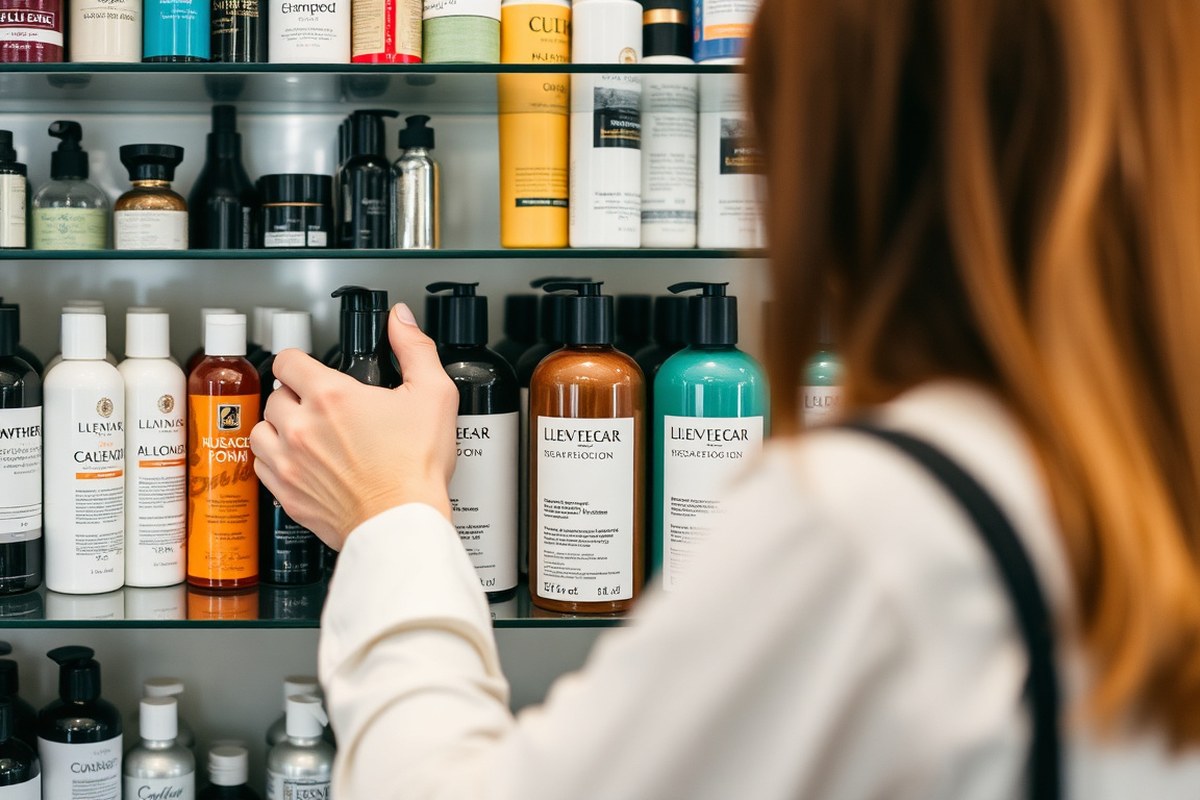
Salons use professional shampoos designed specifically for different hair types and conditions. These products come from brands like Paul Mitchell, Redken, and Kérastase. They focus on targeted ingredients that treat issues such as dryness, color damage, or scalp sensitivity.
Professional shampoos differ from drugstore brands in their formula strength and ingredient quality. They usually have fewer fillers. They contain more active ingredients.
This makes a big difference in hair health. A $25 professional shampoo can last six to eight weeks. An $8 drugstore shampoo often lasts only three to four weeks.
Salons choose these formulas because they deliver noticeable results quickly. You’ll see smoother hair, better shine, and improved manageability right after use. These shampoos target specific problems.
They help keep hair healthy longer. They reduce damage from styling.
Professional brands also offer ongoing support and education to salon staff. This helps stylists pick the right product for your hair’s unique needs. You can mix some professional shampoos and conditioners.
Make sure the products match your hair goals. This helps keep your hair healthy.
Using salon shampoo means using less product to get great results. This reduces the overall cost because you buy shampoo less often. These formulas fix hair problems.
They do more than just clean hair. Drugstore shampoos mostly just clean hair.
How Salons Match Shampoo to Different Hair Types
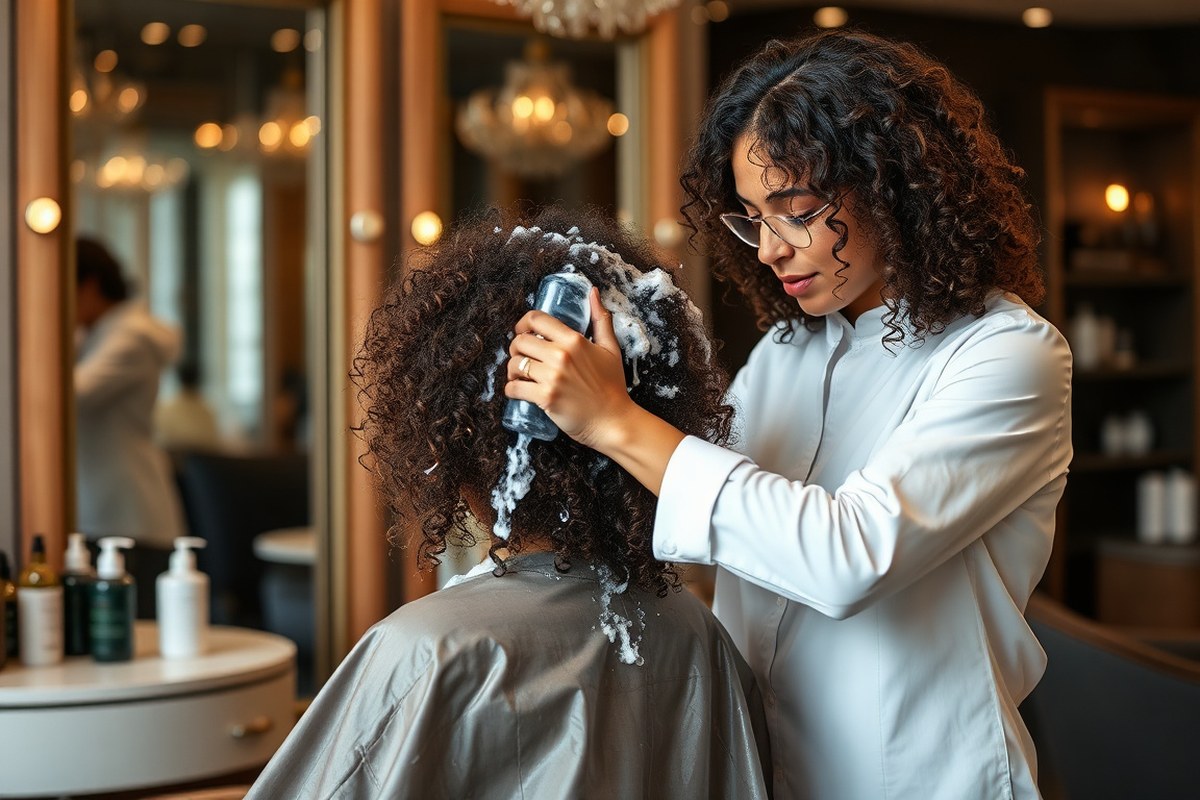
Salons use different shampoos to fit each hair type’s needs. Professionals pick products designed for dry, oily, fine, curly, colored, or damaged hair. This approach helps protect hair health and boost salon results.
Dry and Damaged Hair Selection
Shampoos for dry or damaged hair focus on hydration and repair. They usually include oils, vitamins, and proteins to restore moisture and strength. These shampoos avoid harsh sulfates to prevent worsening damage.
Check if the shampoo is sulfate-free. Look for nourishing ingredients like argan oil. Choosing the right product helps your hair stay healthy.
This supports softening and rebuilds hair structure. Salons often pair these with conditioners to seal in moisture and protect strands.
Shampoos for Curly and Textured Hair
Curly hair needs shampoos that control frizz and keep curls defined. These formulas hydrate deeply and avoid stripping natural oils. Professionals look for lightweight, sulfate-free options with botanical extracts or oils.
Texture varies widely. So hairstylists consider how tight or loose curls are before picking shampoo.
Some products add slip to ease detangling, while others improve bounce. Salons tailor shampoo routines to maintain natural curl shape without heaviness.
Choosing for Fine or Oily Hair
Fine or oily hair shampoos provide gentle cleansing that won’t weigh down strands. Lightweight formulas with volumizing properties help create body and shine. Professionals often select sulfate-free shampoos to avoid scalp irritation.
Oily hair needs balancing ingredients like tea tree oil. Salicylic acid can also help control sebum. These keep your scalp less greasy.
Salons adjust shampoo frequency, typically recommending more frequent washes to prevent buildup. Fine hair benefits from strengthening components without heaviness.
Follow these steps to match shampoo to hair type like a salon pro:
- Assess the client’s hair type and condition precisely.
- Identify primary concerns: dryness, damage, oiliness, texture, or color treatment.
- Select shampoo with targeted ingredients for those needs.
- Confirm the formula avoids harsh sulfates or alcohols when necessary.
- Choose products that support scalp health and hair strength.
- Complement shampoo with suitable conditioners or treatments.
- Adjust washing frequency and technique according to hair type.
- Monitor hair response and modify products over time for best care.
Avoid shampoos with strong sulfates on dry or damaged hair to prevent further harm.
Key Ingredients That Make Salon Shampoos Effective
Salon shampoos include specific ingredients that keep hair healthy and clean. These products balance gentle cleansing with repairing and protecting hair strands. You’ll find proteins, mild surfactants, moisturizers, botanicals, and UV blockers working together.
Bond-Building Proteins and Repair Agents
Proteins like keratin and silk help rebuild damaged hair bonds. These ingredients strengthen hair, reducing breakage and improving elasticity. Shampoos with these proteins protect hair from daily wear and styling stress.
Some professional shampoos include patented agents such as Bis-Aminopropyl Diglycol Dimaleate. This ingredient repairs hair bonds while cleansing, making hair stronger after each wash. Salon products usually have higher concentrations of these repair agents than drugstore options.
Gentle Cleansers and Moisturizers
Salons often use sulfate-free surfactants to clean hair without stripping natural oils. These mild cleansers reduce scalp irritation and help color-treated hair stay vibrant longer. Moisturizers like glycerin and panthenol add hydration and softness to dry strands.
Sulfate-free shampoos are especially recommended for color-treated hair. They prevent premature fading by avoiding harsh detergents, which can remove color molecules. These shampoos usually remove dirt effectively without making hair feel dry or brittle.
- Mild, sulfate-free cleansing agents protect natural hair oils
- Proteins repair and strengthen broken hair bonds
- Hydrating moisturizers soften hair and prevent dryness
- Botanical extracts soothe scalp and protect hair
- UV filters guard hair against sun and pollution damage
- Silicones add shine and smooth frizz for a polished look
Professional shampoos combine these ingredients to deliver better hair health. The balance ensures hair looks shiny, feels soft, and stays protected over time.
Botanical Extracts and UV Protection
Plant-based extracts like rose and green tea calm the scalp and offer antioxidant benefits. These antioxidants help protect hair from damage caused by pollution and stress. This protection supports scalp health and prevents hair dullness.
UV filters and antioxidants block harmful sun rays that fade hair color and weaken strands. Many salon shampoos include these ingredients to keep hair looking fresh and vibrant. Using products with UV protection helps extend the life of salon treatments, especially for color-treated hair.
Top Salon Shampoo Brands and What They Offer
Salons mostly use brands like Nexxus, Pureology, Moroccanoil, Redken, and L’Oreal Paris. These brands offer shampoos tailored to different hair needs. Their products often focus on damaged, dry, or color-treated hair.
The price range for these professional shampoos varies widely. For instance, TRESemmé is around $10 per set.
Moroccanoil products go up to $60. More concentrated formulas for damage repair tend to be priced higher.
Brands like Nexxus KERAPHIX and Moroccanoil specialize in shampoos for damaged or dry hair. They include ingredients to boost moisture and repair. Sulfate-free formulas are common for gentle cleansing on sensitive or color-treated hair.
| # | Product | Price | Description |
|---|---|---|---|
| 1 | Nexxus KERAPHIX Shampoo & Conditioner | $53.98 – $56.73 | For damaged hair; adds moisture and bounce |
| 2 | L’Oreal Paris Sulfate Free Bond Repair+ Shampoo | $16.74 | Repairs damage; gentle sulfate-free formula |
| 3 | Kristin Ess Hair Purple Shampoo & Conditioner | $21.58 | Maintains blonde tones; salon professional quality |
| 4 | Moroccanoil Hydrate & Shine Hair Set | $60.00 | Rich in argan oil; restores moisture and elasticity |
| 5 | TRESemmé Rich Moisture Hydrating Shampoo & Conditioner | $10.74 | Affordable; hydrating formula for dry hair |
Redken offers highly concentrated formulas for processed hair. Their Acidic Bonding Concentrate line targets all hair textures. It’s priced around £40.50 excluding VAT in the UK.
Pureology is popular for color protection while keeping hair soft. Moroccanoil’s products suit dry or damaged hair needing strong hydration. Cheaper brands like TRESemmé serve as entry points but lack some repair features.
Professional vs. Drugstore Shampoos: What’s Really Different
Salon shampoos usually cost more because they have higher-quality ingredients. These formulas are more concentrated, so you need less per wash. This concentration improves how well they clean and condition your hair.
The ingredients in professional shampoos are carefully chosen to keep your scalp’s natural pH balanced. That helps prevent dryness and irritation. Some drugstore shampoos can be harsher.
They use cheaper detergents and fillers. This may strip oils too aggressively.
Switching from drugstore to salon shampoo might feel different at first. You may notice less foam because these shampoos use milder cleansing agents. It takes about two to three weeks to see real improvements.
Your hair will feel softer and shinier. Your scalp will also get healthier.
Salon shampoos often come in types for specific hair needs. You can find options for thinning, color-treated, or dry hair. These target your personal hair issues.
These are harder to find at drugstores. The targeted ingredients give better results for your particular hair type and condition.
The higher price reflects not just ingredient quality but also product safety and reliability. Many salon brands avoid harsh chemicals that can cause allergies or scalp sensitivity. This means salon shampoos generally cause less irritation, especially for people with sensitive skin.
Salon shampoos are formulated for frequent use and long-lasting effects. They help keep your hair healthy over time. This can save money on treatments later.
You may also spend less on styling products. Drugstore shampoos might cost less upfront but could require more product and additional fixes.
Give your hair three weeks when switching shampoos to adjust and show real benefits.
How Long It Takes Salon Shampoos to Show Results
You can see hair improvements after four to six weeks. Use salon shampoo regularly every wash. Results become more noticeable over time.
Salon shampoos have ingredients that work slowly. They help strengthen and smooth your hair. They also add moisture back.
Changes like better texture and less frizz take time. These results grow over several washes. Shine improves bit by bit.
Regular use is key because salon shampoos are formulated without harsh sulfates or parabens. So they rely on gentler cleansing and nourishing agents. A smoothing shampoo fights frizz by sealing the cuticle.
It locks in moisture gradually. The effect shows after weeks of use. One wash won’t stop frizz or dryness.
The formula works each time you wash. Results build up slowly but surely.
Salons often tailor shampoo choice to your hair’s needs, especially volume versus moisture. For fine, flat hair, they pick volume-boosting shampoos with ingredients like vitamin B5 or keratin. These start showing a noticeable lift and shine within a month.
Moisturizing shampoos with organic extracts help dry hair. They take longer to work but make hair softer. Over time, hair feels stronger and less brittle.
Salons also pay attention to pH levels to protect the hair. Shampoos balanced between pH 4.5 and 5.5 keep the hair cuticle closed, preserving moisture and shine. PH-balanced shampoos keep hair healthy after many washes.
Alkaline shampoos can dry out and roughen hair. Balanced pH shampoos avoid this damage.
The cost of salon shampoos ranges, often around $20 to $35 per 8-ounce bottle. These shampoos last many washes, so use a little at once. Usually, one bottle gets you 30 to 40 washes.
You don’t need much each time. You’ll notice your hair feeling smoother and looking healthier with consistent use. Stopping shampoo use can make effects fade.
It’s worse if you go back to harsh formulas. Keep using it to maintain results.
Common Mistakes When Choosing Shampoo and How to Fix Them
Many people pick shampoos without thinking about their hair type first. Using a shampoo made for oily hair on dry hair can lead to dryness and breakage. Shampoos with harsh ingredients can strip your hair’s natural oils.
This leaves hair rough. It also makes your hair prone to damage.
Checking the shampoo’s pH balance is another step often missed. Salon shampoos usually have a pH between 4.5 and 5.5, which matches hair’s natural acidity. This helps keep the hair cuticle smooth and reduces frizz and damage.
Many drugstore shampoos have a higher pH level. This can dry out your hair. It can also fade color, especially on treated hair.
Here are some common mistakes and easy fixes to handle shampoo choice like a salon pro:
- Ignoring hair type: Match shampoo to oily, dry, curly, or color-treated hair.
- Overlooking shampoo ingredients: Avoid sulfates and harsh detergents for sensitive or treated hair.
- Skipping pH check: Pick shampoos with pH 4.5 to 5.5 to protect hair integrity.
- Choosing cheaper shampoos without quality ingredients: Professional ones often contain proteins and oils to strengthen hair.
- Not consulting a stylist: They know your hair’s condition and the best product match.
- Using shampoo too frequently or infrequently: Find a routine that keeps hair clean without stripping oils.
Good shampoo should clean gently while conditioning and protecting your hair. Ingredients like coconut oil and amino acids help keep strands strong and reduce breakage. A professional shampoo usually costs more, around $20 to $40 for 25 ounces.
But it often means fewer visits to fix damage and better hair health. Try the shampoo for a week or two before deciding.
Check if your hair feels dry or heavy. Change the shampoo if it does.
Salons choose shampoos with care to fit their clients’ hair needs. You can do the same by knowing your hair and reading product labels closely. Simple checks help you avoid common mistakes and keep your hair looking salon-fresh longer.
How Salons Adjust Shampoo Use for Client Hair and Services
Salons customize shampoo use by examining your hair type, texture, and treatment history. They adjust how often to shampoo and what products to layer. This personal touch helps protect your hair’s health and match your service goals.
Adjusting Shampoo for Chemical Treatments
Hair that has been chemically treated needs gentle care. Professional shampoos with keratin or caffeine help rebuild the damaged protein structure. Stylists pick shampoo formulas that target specific damage like split ends or breakage.
Choosing the right shampoo for chemical treatments helps prevent further damage. A stylist usually limits washing frequency to preserve treatment effects. They might also apply a protein-rich mask after shampooing to repair hair fibers.
- Ask the stylist about your hair’s chemical history and damage level.
- Select a shampoo with protein-repair ingredients like hydrolyzed keratin.
- Use shampoo sparingly, focusing on scalp and roots with gentle lathering.
- Apply conditioner or hair mask designed for chemically treated hair.
- Rinse with lukewarm water to avoid stripping natural oils.
Overwashing chemically treated hair strips moisture and can weaken strands faster.
Shampooing for Heat and Color Protection
Shampoos with UV filters and antioxidants help protect your color and prevent heat damage. Ingredients like organic bilberry and dragon’s blood defend hair from sun and styling stress. Stylists recommend products with Floraesters K-100® to mimic your scalp’s natural oils.
Styling tools can break down hair proteins, so shampoos with keratin rebuild damage. Paul Mitchell’s color-protect shampoo suits diverse hair types and salon color treatments. Sticking to professional formulas means your hair keeps its tone and strength longer.
Protection starts with shampoo frequency. Most pros advise washing only two to three times a week to guard color. Layering with a conditioner that seals moisture creates a barrier against heat and UV rays.
Incorporating Organic and Eco-Friendly Options
Many salons now offer organic and eco-friendly shampoo choices. These products avoid sulfates, parabens, and phthalates. They often include natural oils like argan, which hydrate without harsh chemicals.
Organic shampoos like the Dermachange Organic Shampoo target split ends and add shine gently. Using eco-friendly shampoos benefits sensitive scalps and supports environmental care. Stylists pick these for clients wanting greener haircare without sacrificing results.
- Discuss with your stylist whether organic or eco-friendly products fit your hair needs.
- Look for shampoos free of sulfates and parabens to reduce irritation risk.
- Choose formulas with plant-based oils like argan or jojoba for moisture.
- Use as directed, noting that organic shampoos may lather less but clean well.
- Monitor your hair’s response and adjust shampoo frequency based on scalp health.
Organic shampoos can be less foamy, but that doesn’t mean they clean poorly.
Step-by-Step Action Plan to Choose the Right Salon Shampoo
Follow these steps to find a salon shampoo that really fits your hair needs. Check your hair’s response to each step.
- Day 1: Identify your hair type, straight, curly, dry, oily, or color-treated. Knowing this helps pick the best shampoo formula.
- Day 2: Pick a shampoo with key ingredients for your hair type. Use keratin for damaged hair. Tea tree oil works well for oily scalp. Look for clear labels.
- Week 1: Try the shampoo at home, washing hair 2-3 times this week. Notice if your hair feels cleaner and softer without dryness.
- Week 2: Adjust how often you use the shampoo based on your hair’s reaction. Less dryness means you’re on the right track.
- Week 3: Add matching conditioner or treatment from the same salon brand. This boosts results and maintains moisture.
- Week 4: Reflect on any improvements in shine, manageability, or scalp comfort. This shows your shampoo choice works well.
- After 1 Month: If results are positive, keep using the shampoo. Rethink the formula or ask a stylist for advice.
Frequently Asked Questions
What Types of Shampoos Do Salons Avoid Using?
Salons usually avoid shampoos with harsh sulfates or heavy silicones. These can damage hair over time or build up product. Professionals prefer gentle, effective formulas that keep hair healthy and manageable.
How Do Salons Test New Shampoo Products Before Selling Them?
Salons often test shampoos on various hair types and conditions first. They look for results like softness, shine, and scalp health. Feedback from clients helps decide if a product suits the salon’s standards.
Can Salon Shampoos Help with Scalp Problems?
Yes, many salon shampoos include ingredients for scalp care, like soothing agents or dandruff control. A stylist usually recommends specific shampoos based on your scalp needs. Regular use can improve scalp condition.
Do Salons Use Different Shampoos for Men and Women?
Salons may choose shampoos based on hair type rather than gender. Men’s shampoos sometimes focus on scalp health or thicker hair.
But hair needs matter most. Stylists recommend products based on individual hair and scalp conditions.
How Often Do Salons Update Their Shampoo Products?
Salons typically update their shampoo selections seasonally or yearly. They follow trends, ingredient research, and client feedback. This keeps the offerings effective and appealing.
What Is the Role of Fragrance in Salon Shampoos?
Fragrance improve the shampoo experience but is carefully balanced to avoid irritation. Salons choose pleasant scents that complement the product’s benefits. Clients often remember and prefer familiar, appealing fragrances.
Wrapping Up
Salon shampoos stand out because they target specific hair needs with strong ingredients. Testing a product carefully helps you find what suits your hair. Start with your hair type and watch for real changes over the first month.