How to Exfoliate Scalp: Complete Methods, Benefits, and Safety Tips
How to exfoliate scalp is a common question for clearer, healthier hair. Start by choosing a gentle scrub or serum to remove buildup and dead skin. Massage your scalp in small circles for 3 minutes.
Keep going up to 5 minutes to increase blood flow. This also helps loosen flakes on your scalp.
Exfoliating your scalp works by lifting away oils, dirt, and leftover products. This helps reduce itchiness and dandruff while promoting a balanced scalp environment. Use a mild routine to avoid irritation, especially if your scalp feels dry or sensitive.
Begin with clean, damp hair for the best results. Divide your hair into sections to reach the scalp easily. Let the exfoliating treatment sit on your scalp for 10 minutes.
You can leave it for up to 15 minutes for better results. Then rinse it out completely to get the full benefit.
Key Takeaways
- Choose scalp scrubs with salicylic acid for gentle, effective exfoliation.
- Massage your scalp for at least 3 to 5 minutes to loosen buildup.
- Apply treatments to dry or damp scalp depending on product instructions.
- Leave exfoliating products on the scalp for 10 to 15 minutes before rinsing.
- Exfoliate every 7 to 10 days to reduce flakes without overdoing it.
- Divide hair into sections for easier access to all scalp areas.
What Does Scalp Exfoliation Mean and Why It Matters
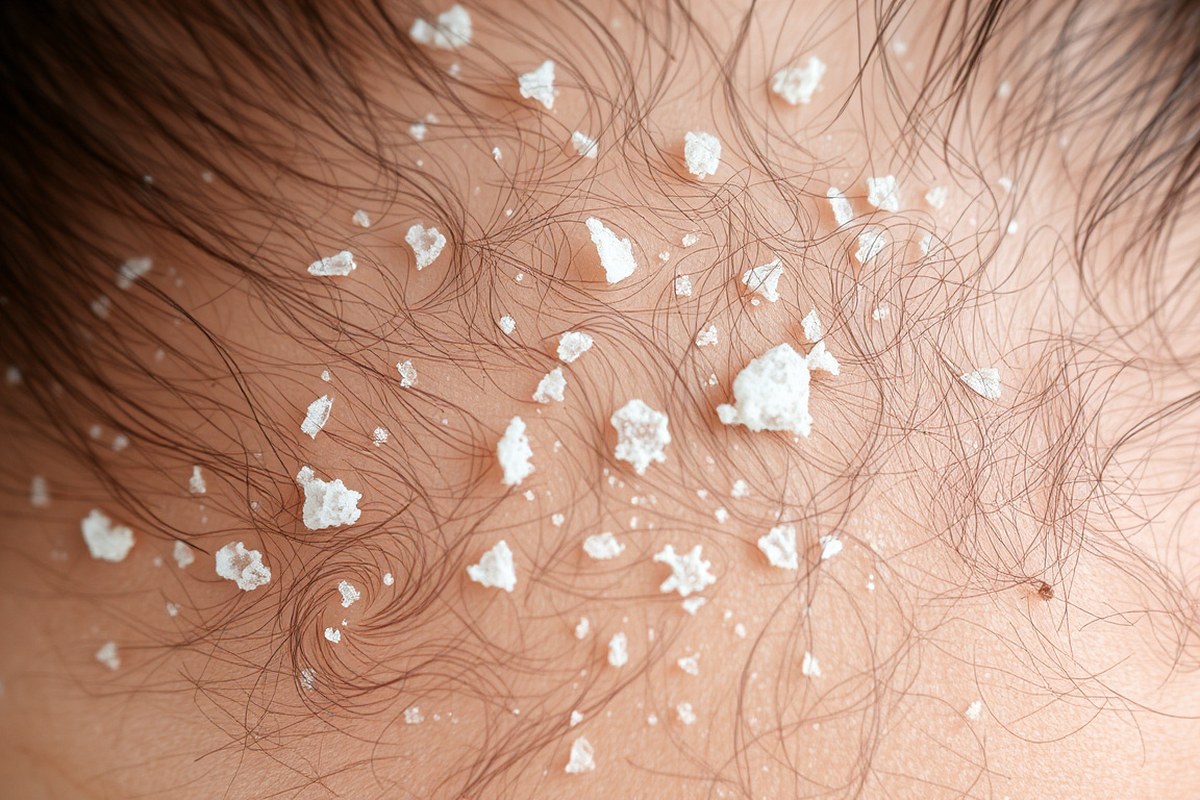
Scalp exfoliation means removing dead skin cells, oil, and product buildup from your scalp. This helps clear clogged pores and refreshes your scalp’s surface. You can scrub gently using a physical exfoliant.
Another option is a chemical exfoliant like salicylic acid. Both help remove buildup on the scalp.
Removing buildup is important to stop flakes and itchiness. Buildup causes dandruff and excess oil that irritates your scalp. When these layers build up, they block hair follicles and reduce scalp health.
Clearing dead skin and residue reduces itching. It also cuts down on flaking. This makes your scalp feel cleaner and less irritated.
Exfoliation also promotes better blood flow to hair follicles. This increased circulation can stimulate hair growth and improve hair texture. A clean scalp also absorbs hair products better, letting your treatments work the way they should.
To exfoliate effectively, use gentle pressure and avoid harsh scrubbing that can irritate your skin. About 5 minutes during your shower is plenty, focusing on areas that feel oily or flaky. Exfoliate your scalp every one to two weeks.
This depends on your scalp’s condition. This avoids stripping natural oils from your scalp.
A smooth, itch-free scalp with fewer flakes shows good results. Your hair may appear shinier and grow stronger because the follicles breathe easier.
Problems arise when exfoliation is too rough or too often. This causes dryness or irritation instead of relief.
Physical vs. Chemical Exfoliation: Which Method Suits You?

Choosing between physical and chemical exfoliation depends on your scalp type, sensitivity, and hair concerns. Physical exfoliants physically scrub dead skin and buildup.
Chemical exfoliants dissolve them without rubbing. Some people benefit from combining both methods for an effective but gentle scalp clean.
What Is Physical Exfoliation?
Physical exfoliation uses scrubs or brushes to remove dead skin, oil, and flakes by hand. You apply a scrub, usually with small particles, directly to your scalp and massage gently. This method helps to clear product buildup and stimulates blood flow, which can boost scalp health.
One advantage is the immediate feeling of a clean scalp and removal of visible debris. However, grinding too hard can cause irritation, especially on sensitive or inflamed scalps. Also, scrubs may leave some residue if not rinsed thoroughly.
How Chemical Exfoliants Work
Chemical exfoliants use acids like mandelic or gluconolactone. These acids break down dead skin and buildup. They work without scrubbing your scalp.
You apply a small amount section by section and leave it on to work. This method is gentler and reduces the risk of scalp irritation from rubbing.
Chemical exfoliation works well if your scalp is sensitive or if physical scrubs feel too harsh. It also fits well with color-treated hair, as nothing abrasive disturbs the hair cuticle. However, chemical exfoliants may take longer to show clear results compared to scrubs.
Choosing Based on Scalp Type and Concerns
Choose physical exfoliation for a normal to oily scalp. It suits you if you like scrubbing. This method helps remove buildup with a scrub.
It’s effective in breaking up tough buildup but avoid using it more than once per week. Avoid physical scrubs if your scalp is sensitive, dry, or inflamed to prevent irritation.
Chemical exfoliants suit those with sensitive scalps, dandruff, or color-treated hair because they reduce physical stress. You can use chemical exfoliants up to twice a week depending on product strength. For combination scalps, a duo of mild physical scrubs and gentle chemical exfoliants works best.
| Type | How It Works | Best For | Frequency | Risks |
|---|---|---|---|---|
| Physical Exfoliation | Manual scrubbing with scrubs or brushes | Normal to oily scalp, buildup removal | Once per week | Irritation on sensitive or dry scalp |
| Chemical Exfoliation | Acids dissolve dead skin, no scrubbing | Sensitive scalp, dandruff, color-treated hair | 1, 2 times per week | Overuse may cause dryness |
| Combination | Gentle scrub + mild acids | Combination scalps, moderate buildup | 1, 2 times per week | Watch for irritation from either type |
Use the table to decide which method fits your scalp condition and hair needs. Adjust frequency based on how your scalp reacts and avoid over-exfoliating.
Products to Consider for Each Method
For physical exfoliation, get scrubs with fine, gentle grains. Scalp brushes are also a good choice. Avoid harsh rubbing to protect your scalp.
Some natural DIY scrubs can work well on the scalp. Commercial scrubs often have balanced ingredients. These ingredients help soothe the scalp while exfoliating.
Chemical exfoliants use gentle acids like mandelic and gluconolactone. These acids irritate less than stronger ones. They work well for sensitive scalps.
These products don’t need any scrubbing to work. They are best if your scalp gets red or flaky.
Use them to calm and clean your scalp gently. Choose formulas designed for sensitive or color-treated scalps to minimize risk.
Test any exfoliant on a small scalp area first to check for irritation before full use.
Step-by-Step Routine for Scalp Exfoliation at Home
Exfoliating your scalp right involves a few clear steps done gently. You start with clean, wet hair and section it well.
Then apply the scrub or chemical exfoliant carefully, massage for about five minutes, and rinse thoroughly. Finish by conditioning to lock in moisture and soothe your scalp.
Preparing Your Scalp and Hair
Begin by washing your hair with a mild shampoo to remove surface dirt. Keep your hair wet but avoid a greasy buildup, so exfoliants work better. Divide your hair into four sections for easy, even application.
This preparation helps the exfoliant reach your scalp directly and not just the hair strands. It also makes it easier to target problem areas without missing spots.
Applying Scrub or Chemical Exfoliant Correctly
Scoop a small amount of scrub or use a chemical exfoliant with your fingertips. Focus on placing the exfoliant right on your scalp, not your hair. Spread gently onto exposed scalp while keeping your hair in sections.
Let the product sit for 10 to 15 minutes so it loosens dead skin and buildup. This wait time is important to get the best results from the exfoliant.
Massaging the Scalp Gently
Use your fingertips to massage your scalp in small, circular motions. Do this for about five minutes to help lift debris without irritating your skin. Avoid using your nails, as this can cause scratches and inflammation.
Massaging also stimulates blood flow to hair follicles, which supports healthier hair growth over time. An exfoliating brush can be used for a gentle rinse and gentle pressure.
Rinsing Thoroughly and Conditioning
Rinse your scalp and hair thoroughly with lukewarm water to remove all exfoliant residue. Leaving residual scrub or chemicals behind can cause irritation or buildup. Follow with a nourishing conditioner to restore moisture and seal your scalp.
Conditioning helps your scalp feel comfortable and your hair stay smooth and manageable. Use a conditioner that suits your scalp type and hair texture for best care.
- Wash your hair with a mild shampoo to remove dirt and oil.
- Divide your hair into four sections to expose the scalp.
- Apply your chosen exfoliant directly onto your scalp with fingertips.
- Let the product sit for 10 to 15 minutes to work effectively.
- Gently massage your scalp in circular motions for about five minutes.
- Rinse your hair thoroughly with lukewarm water to clear all product.
- Apply conditioner to keep your scalp hydrated and soothe any irritation.
How Often to Exfoliate Your Scalp Safely
Exfoliate a dry scalp once every 7 to 10 days to prevent flakes. This timing helps reduce dryness without causing irritation or damage. You want to use gentle scrubs that include moisturizing ingredients to avoid over-drying your scalp.
For oily scalps, exfoliating once a week can clear excess sebum and buildup. Lemon is a good natural choice here as it helps balance oil.
Avoid scrubbing too hard. A light touch prevents scalp irritation and keeps your hair healthy.
Exfoliating 2 to 3 times weekly with natural methods suits most people. However, doing it more often risks breaking down the scalp’s natural barrier. Signs of over-exfoliation include redness, itching, tightness, and flaking that gets worse instead of better.
To avoid these issues, choose gentle methods and stick to a regular schedule. Use lukewarm water rather than hot water, which dries out the scalp. Also, don’t use your fingernails to scrub because they can cause small cuts or irritation.
After exfoliating, give your scalp a break from harsh shampoos or treatments. Applying a soothing, leave-on scalp serum with tea tree or peppermint oils can calm any irritation. Following these steps keeps your scalp clean, balanced, and ready for healthy hair growth.
Best Natural and DIY Scalp Scrubs to Try at Home
Natural scalp scrubs use gentle ingredients that remove buildup while soothing the skin. You can mix these with your regular shampoo or apply directly. They are affordable and easy to prepare with pantry staples.
Brown Sugar and Oatmeal Scrubs
Brown sugar’s soft crystals exfoliate without scratching the scalp. Mix one tablespoon of brown sugar with a handful of oatmeal and your shampoo. This blend helps remove dead skin and unclogs follicles gently.
Apply the scrub in small sections and massage lightly for five minutes. Rinse well afterward to prevent any leftover residue that can cause buildup. Brown sugar scrubs cost just pennies because both ingredients are common and cheap.
Aspirin and Tea-Based Scrubs
Aspirin contains salicylic acid, which dissolves flakes and eases itching. Crush two aspirin tablets into small pieces. Mix with a few teaspoons of cooled peppermint or tea tree tea.
Stir well to combine. Tea tree oil fights scalp irritation and soothes dryness.
This mix creates a scrub that cleans deep and refreshes the scalp. Use it once a week for oily or flaky scalps but avoid overuse to prevent dryness. Peppermint tea adds a cooling effect, making scalp massages more pleasant.
- Crush aspirin finely for smooth exfoliation
- Steep peppermint or tea tree oil in hot water for 10 minutes
- Cool tea completely before mixing to avoid scalp burns
- Mix with aloe vera gel for added soothing benefits
- Use gentle circular motions to massage onto scalp
Test a small skin patch before use to check for irritation.
Apple Cider Vinegar Solutions
Apple cider vinegar acts like a mild exfoliant by loosening dead skin and balancing scalp pH. Mix two tablespoons of apple cider vinegar with one cup of water for a rinse. It can clear buildup from sweat, oils, and styling products.
Pour this solution onto your scalp after shampooing and let it sit for five minutes. Then rinse with cool water to keep hair cuticles smooth and shiny. Avoid using undiluted vinegar; it may cause burning or dryness.
Recognizing When Your Scalp Needs Exfoliation
You need to exfoliate your scalp if you notice flakes, itchiness, or excess oil buildup. Scalp exfoliation helps remove dead skin cells and product residue trapping oils and dirt. When your hair gets greasy fast, your scalp might need exfoliating.
This helps reset the oil balance. Scalp exfoliation can improve how clean your hair feels.
Watch out for irritation like redness, burning, or increased itchiness. Exfoliation can cause sensitivity, especially if you scrub too hard or use strong chemicals.
Stop exfoliating if you feel these symptoms. Give your scalp time to heal before trying again.
Don’t exfoliate if you have cuts or sores on your scalp. Avoid it also with eczema, psoriasis, or any scalp infection. These conditions need gentle care until healed.
Doing so may worsen these conditions. Instead, see a dermatologist to treat them safely before considering exfoliation.
- Visible flakes or dandruff that won’t go away with normal washing
- Scalp feeling oily within a day or two after shampooing
- Dry, tight, or irritated scalp that flakes from dryness
- No open wounds, redness, or active skin conditions on the scalp
- Itchiness that isn’t caused by allergies or other irritants
- No recent scalp infections or sores from scratching
Stop exfoliating right away if you notice more redness, pain, or flaky patches. These symptoms mean your scalp is getting worse. These can indicate an underlying problem.
A board-certified dermatologist can spot conditions like seborrheic dermatitis or psoriasis. They can also suggest treatments. These might include gentle ways to exfoliate your scalp.
Exfoliating too often may cause your scalp to overproduce oil. It’s best to limit exfoliation to 2-3 times per week, especially if your scalp is oily. Using exfoliants with natural ingredients like green tea can balance oil without harshness.
Common Scalp Exfoliation Mistakes and How to Fix Them
One common mistake is over-exfoliating your scalp. This leads to redness, irritation, and dryness.
People with a sensitive scalp should exfoliate only every two weeks. This prevents damage and irritation to your skin.
Using harsh tools is another frequent error. Avoid stiff brushes or applying too much pressure with a toothbrush. A soft toothbrush works well to clear buildup gently.
You can also use a scalp exfoliating brush. Both remove buildup without hurting your skin.
Choosing the wrong scrubs can also cause problems. Face and body scrubs often have rough particles. These can irritate the scalp and are not right for it.
Use products made for the scalp instead. These can create micro-tears or chemical irritation, making scalp problems worse.
- Use a soft-bristled brush and apply only light pressure
- Pick scrubs designed specifically for the scalp
- Skip exfoliating during scalp flare-ups or wounds
- Rinse thoroughly to avoid residue buildup
- Protect your scalp from direct sun exposure after exfoliating
- Keep exfoliation sessions short, around 2 to 3 minutes
- Follow up with a soothing, moisturizing scalp treatment
Sometimes, people exfoliate while the scalp is dry or too wet. It’s best to exfoliate on damp hair in the shower for better control. Massage the scrub or brush gently in small, circular motions, avoiding aggressive scrubbing.
Avoid scalp products with chemicals known to irritate, as these can worsen dandruff or dryness. Instead, look for ingredients that help remove buildup and soothe the skin. After exfoliating, protect your scalp from sun damage.
Wear a hat or use sunscreen if going outside. This helps prevent UV harm to your scalp.
Key Ingredients in Scalp Exfoliants and Their Benefits
Exfoliating your scalp uses different ingredients to clear buildup, dandruff, or oil. Physical scrubs use tiny particles to gently buff away flakes and dead skin. Chemical exfoliants use acids to break down dead skin cells.
They often mix AHAs and BHAs for oily scalps. These are good for scalps prone to dandruff.
People with dandruff benefit from ingredients that break down flakes and soothe irritation. Sea salt crystals remove buildup but can irritate sensitive scalps if used too often or harshly.
For gentle care, look for natural carbohydrate complexes that clean without harsh abrasion. Bisabolol, found in some scrubs, calms irritated scalps and reduces redness.
| Key Ingredients | Best For | Benefits | Notes |
|---|---|---|---|
| Sea salt crystals | Normal to oily scalp | Lift buildup, exfoliate physically | May irritate sensitive scalps |
| Natural carbohydrate complex | Sensitive scalps | Gentle exfoliation, soothes scalp | Often combined with bisabolol |
| Bisabolol | Irritated, inflamed scalp | Reduces redness, calms scalp | Safe for sensitive skin |
| AHA and BHA blend | Dandruff, oily scalp | Dissolves flakes, clears pores | Often paired with exfoliating beads |
| Sweet almond oil | Sensitive, dry scalp | Moisturizes, soothes irritation | Found in sea salt scrubs |
For sensitive skin, choosing a formula with gentle natural ingredients matters most. DIY options often use kitchen staples, avoiding harsh chemicals and keeping costs low. Store-bought scrubs with 99% natural ingredients can suit color-treated and sensitive scalps safely.
Use light pressure when scrubbing to avoid causing scalp irritation or redness.
Products aimed at dandruff or itchy scalp usually contain ingredients that dissolve dead cells. Combining physical and chemical exfoliation carefully can clear buildup without harming your scalp. Scrubs with fragrance-free formulas and calming oils help keep your skin balanced and comfortable.
Step-by-Step Action Plan for Scalp Exfoliation
Follow these steps to start exfoliating your scalp safely and effectively. Adjust the routine based on your scalp’s response.
- Before you start: Choose the right exfoliant, physical for gentle scrubs, chemical for targeted ingredient treatments. Check for scalp sensitivity by testing a small patch.
- Week 1: Apply the exfoliant once during your shampoo routine. Rinse thoroughly and check if your scalp feels less itchy or flaky after washing.
- Week 2: Increase to twice a week if your scalp tolerated the first week. Watch for any irritation or redness and stop if it appears.
- Week 3: Observe how much buildup or dandruff reduces. When you see improvement, continue exfoliating twice a week. Cut back to once weekly if your scalp feels dry.
- After 4 weeks: Make a natural scrub using sugar and coconut oil. Try it out to see how it compares to store brands. Note how your scalp reacts to each method.
- Monthly check: Review your scalp condition. When flakes come back or buildup grows, go back to exfoliating twice weekly. Keep exfoliating once a week if your scalp feels balanced.
- Adjust for scalp needs: If your skin is very dry or sensitive, limit exfoliating to once a week only. For oily scalps, twice per week often works well.
Frequently Asked Questions
Can I Exfoliate My Scalp If I Have Sensitive Skin?
Yes, choose a gentle scrub or chemical exfoliant made for sensitive skin. Avoid harsh scrubs and always patch test first to prevent irritation.
What Should I Do After Exfoliating My Scalp?
Rinse thoroughly with warm water and follow with a moisturizing conditioner. This helps soothe the scalp and prevents dryness after exfoliation.
Can Scalp Exfoliation Help with Hair Growth?
It may improve hair growth by clearing buildup and encouraging blood flow. Healthy scalp conditions support stronger, fuller hair over time.
Is It Okay to Exfoliate Scalp on Colored or Chemically Treated Hair?
Yes, but use mild exfoliants and limit exfoliation to once every two weeks. Harsh scrubs can damage treated hair and cause dryness.
Can I Use an Exfoliating Brush Daily on My Scalp?
No, daily use can cause irritation and damage. Use the brush gently once or twice a week with your shampoo.
Does Exfoliating the Scalp Reduce Dandruff Permanently?
It helps manage dandruff by removing flakes and buildup but won’t cure it permanently. Consistent care and proper products are needed.
Wrapping Up
Exfoliating your scalp helps remove buildup and supports healthier hair growth. Start with gentle methods and adjust based on how your scalp feels. Pick one exfoliant and try it today to see the first benefits.