How to Fix Extremely Damaged Hair: 8 Proven Steps for Lasting Repair
Knowing how to fix extremely damaged hair means focusing on gentle repair. Start by cutting off split ends to prevent damage from spreading. Use sharp scissors and trim only the very damaged parts to keep length.
Then, choose deep-conditioning treatments that rebuild your hair’s structure over time. Look for masks with protein and moisture to restore strength and shine. Apply them regularly, especially after washing, to keep hair nourished.
Look for masks that strengthen and hydrate without weighing hair down. Leave them on for 20 to 30 minutes to let ingredients fully soak in. Rinse with cool water to help seal the cuticle and lock in moisture.
Avoid heat styling and harsh chemicals to stop further breakdown of fragile strands. Protective styles like loose braids reduce breakage without adding stress. Consistency matters more than speed when restoring extremely damaged hair.
Key Takeaways
- Trim your hair every 4, 6 weeks to remove split ends.
- Use a protein-rich mask like K18 Leave-In Molecular Hair Mask weekly.
- Leave deep conditioners on damp hair for at least 20 minutes.
- Space out hair dye applications at least 10 to 12 weeks apart.
- Avoid heat tools or use them on the lowest setting.
- Protect hair at night with a silk bonnet or wrap.
1. How to Fix Extremely Damaged Hair Step-by-Step

Fixing extremely damaged hair takes a careful, step-by-step approach. Start with a small trim to remove the worst split ends.
Then, add nourishing treatments and change your daily care routine to protect and restore your hair. Patience matters here since repairing hair takes time and regular effort.
You won’t have to cut off all your length right away. Trimming just the damaged ends helps keep your hair looking healthier while you work on repair. The right products rebuild strength.
They also add moisture to hair. Your hair becomes softer and breaks less often.
- Trim away the worst damage. Cut about a half-inch to an inch to remove split ends. This helps stop damage from spreading and looks neater.
- Use a deep conditioning mask once a week. Pick one with ceramides or proteins to rebuild strength. Apply after shampooing and leave on for 15 to 20 minutes.
- Apply a leave-in bonding treatment two to three times weekly. Products like K18 leave-in mask repair hair from the inside out. Use on towel-dried hair before styling.
- Wash hair gently with sulfate-free shampoo twice a week. Frequent washing strips moisture. Use lukewarm water and avoid hot water to protect hair oils.
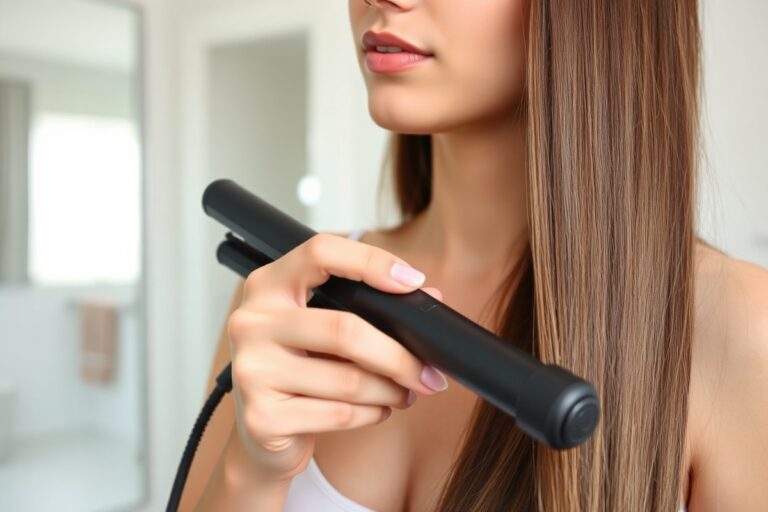
- Limit heat styling to once a week or less. Use a heat protectant spray and keep tools under 350°F. Air-dry hair whenever possible.
- Protect hair during daily care. Avoid rough towel drying. Use a wide-tooth comb on wet hair and sleep on a silk pillowcase to reduce friction.
- Repeat deep treatments weekly and bonding treatments regularly. Consistency is key. You’ll see softer, less frizzy hair in a month with steady care.
Check your hair’s progress every few weeks. Damage might get better but hair stays fragile. Keep following the routine.
For very severe damage, consider visiting a stylist for professional treatments. This approach balances trimming and repair without sacrificing too much length.
2. Signs and Causes of Extreme Hair Damage

Extremely damaged hair looks dry, coarse, and dull. It often feels rough when you touch it. You may notice it breaks easily when brushing.
Combing can also cause breakage. You might see split ends or notice your hair snapping off in small pieces.
Damage causes your hair cuticle to crack, losing moisture and making hair fragile. This is different from normal dryness, which is temporary and occurs without structural breaks. Look for signs like constant breakage and bad split ends.
Check if the hair texture is uneven. Focus on mid-lengths and ends for damage.
Several things can cause extreme hair damage, including harsh chemicals from bleach or dye. Heat tools like flat irons harm hair often. Curling wands reach up to 450°F and damage hair.
Using heat too much causes serious harm. Hot showers or over-washing strip natural oils, worsening dryness and brittleness.
- Frequent chemical treatments like bleaching or relaxing
- Daily or near-daily use of heat styling tools over 350°F
- Excessive sun exposure without protection
- Washing hair too often with hot water or harsh shampoos
- Rough towel drying and vigorous brushing
- Neglecting regular trims to remove split ends
- Pollution, wind, and hard water in the environment
Your environment and lifestyle play a big role too. UV rays break down hair’s keratin structure. Pollution adds grime that prevents moisture retention.
Hard water deposits minerals that make hair stiff and prone to breakage. Wearing tight hairstyles or sleeping with wet hair can also worsen damage.
Limit heat styling to twice per week. Always apply a heat protectant spray before styling. This helps reduce hair damage from heat.
Watch your hair closely in areas exposed most to heat and chemicals. You’ll see more damage near ends or spots where you often pull hair back.
Severe damage may lead to hair loss if follicles get injured. So act early to protect your strands and scalp.
3. Best Treatments for Chemically and Heat-Damaged Hair
Protein-Based Repair Treatments
Bonds in your hair break down after bleaching, dyeing, and heat styling. Protein treatments add keratin and amino acids back into the hair shaft to rebuild strength. Using a protein mask once a week helps repair the cortex, where damage is most severe.
Protein treatments fit best when your hair feels limp, weak, or breaks easily. They restore resilience but can make overly dry hair feel stiff if overused. Space protein treatments about 7 to 10 days apart to avoid buildup and brittleness.
Moisture-Rich Conditioning Solutions
Moisture treatments hydrate the outer layers of hair and improve softness and shine. Deep conditioning masks fill gaps in the cuticle, reducing roughness from heat or chemical damage. Use these treatments twice weekly to keep hair supple and easier to manage.
Your hair feels dry or brittle but not too weak? Start with moisture masks.
These don’t rebuild bonds but restore flexibility and smooth the surface. For best results, apply masks after shampooing and leave them on for 10 to 20 minutes.
Salon Procedures Versus At-Home Masks
Salon bond-repair treatments go deeper than most home masks by fixing hair bonds inside the strand. Professionals use stronger formulas that reach the cortex to rebuild damaged bonds from heat and chemicals. This can reduce breakage by up to 99% in just 90 seconds, unlike typical masks.
At-home options generally provide surface-level shine and moisture, helping temporarily but not fully repairing strands. Visit your stylist regularly for deep protein treatments. Get trims too.
This supports your care at home. Trim split ends before starting serious repair to prevent further damage.
Recommended Products for Chemical and Heat Damage
Look for products with keratin, glutamic acid, or bond-repair technology to target damaged hair. The L’Oréal EverPure Bond Repair system is effective.
Sun Bum 3 In 1 Leave-In Treatment works well too. These coat and shield hair during heat styling and help reverse chemical damage.
Use leave-in treatments daily or before heat styling. They protect and make hair soft again.
Rinse-out masks work better for deep conditioning sessions twice a week. Switching between moisture-rich masks and protein treatments based on your hair’s feel improves repair results.
4. How to Protect Extremely Damaged Hair Daily
Protecting your extremely damaged hair starts with avoiding what causes harm. Cut out or reduce damaging habits and products. This helps your hair stay healthier every day.
Heat styling tools need a heat protectant spray every time you use them. Curling irons, straighteners, and blow dryers can cause damage without it. Always spray before styling your hair.
This spray forms a shield and stops your fragile strands from frying under high temperatures. Choose a dry spray for heat protection because wetter sprays can trap heat and increase damage.
Sunscreen for hair is another product to add to your routine. UV rays break down hair proteins and cause fading or dryness. Look for sprays labeled as hair sunscreen or UV protectant.
Chlorine in pools is a big threat to your hair when you swim often. Use a specialized chlorine protection shampoo or conditioner to restore oils and block damage. Regular gentle shampoo that hydrates and repairs can clean your hair without stripping natural moisture.
- Use heat protectant spray every time before styling.
- Switch to sulfate-free shampoos that maintain moisture.
- Apply hair sunscreen before going outdoors.
- Use chlorine-protecting haircare if you swim.
- Sleep on silk pillowcases to reduce friction.
- Brush hair gently with wide-tooth or soft bristle brushes.
- Trim damaged ends every 6 to 8 weeks to avoid split ends.
To style without breaking your hair more, go easy on tight hairstyles and pulling. Use a wide-tooth comb on wet hair to detangle. Avoid brushes with hard bristles that tear hair scales.
Using silk or satin pillowcases reduces friction on your hair while sleeping. This helps prevent breakage caused by tossing and turning at night.
It costs between $15 and $30 for a silk pillowcase. But it lasts months and makes a big difference for fragile hair.
Daily habits like not overwashing hair can keep it from drying out. Washing 2 to 3 times per week is enough for most damaged hair. Stay away from hot water, which opens the hair cuticle and increases roughness.
Use lukewarm or cool water when rinsing. Managing these small steps daily helps your hair get stronger over time without adding new problems.
5. Role of Nutrition and Vitamins in Hair Repair
Your diet plays a big role in fixing damaged hair. Vitamins like A, C, D, and E help make hair strong and shiny.
Minerals such as zinc and iron support scalp health, making hair less likely to break. Eating foods rich in these nutrients can boost your hair’s ability to recover.
Supplements can help if your diet lacks certain vitamins. Look for a blend with biotin, vitamin D, and omega-3 fatty acids. Biotin improves hair strength and growth.
Omega-3s reduce scalp inflammation and add shine. These supplements cost about $10 to $30 a month.
You won’t see hair changes overnight. Nutrition impacts hair strength in three to six months. Hair grows about half an inch a month.
So it takes time for new, healthy hair to appear. Stick with good eating habits and supplements consistently for the best results.
Poor nutrition can make damage worse. Without enough nutrients, hair gets brittle and breaks easily.
Your scalp might become dry, leading to flaky skin and slower growth. Fixing your diet helps prevent these problems and supports any treatments you use on your hair.
Don’t skip balanced meals with protein, healthy fats, and vitamins every day to support hair repair.
6. Common Mistakes That Worsen Damaged Hair and How to Fix Them
Brushing or styling hair right after applying oils or leave-in products often causes breakage. Hair is more fragile when wet because water stretches the shaft and lifts the cuticle. Brushing in this state can chip the hair surface and worsen damage.
Instead, wait until your hair is mostly dry before combing. Use a wide-tooth comb to gently detangle starting from the ends upward.
Heavy heat tools can cause serious damage if used too often. Flat irons and curling irons heat hair to harmful levels. Using them too hot or too much breaks hair.
Keep flat irons below 350°F if you have very damaged hair. Skip heat styling on wash days to give hair a break. Use protective sprays before any heat styling and avoid overprocessing with bleach or perms.
Trimming can seem like damage when hair looks thinner afterward. That’s because split ends are cut off, so you notice less length. But trimming doesn’t fix what’s causing damage.
You need to change your routine to stop hair from breaking faster. That means switching to gentle shampoo and skipping harsh chemical treatments until hair recovers.
- Don’t brush wet hair; wait until mostly dry
- Use wide-tooth combs, not fine brushes
- Limit heat styling to under 350°F
- Apply heat protectants for any heat use
- Trim every 6 to 8 weeks to remove split ends
- Avoid harsh chemicals like bleach or perms temporarily
- Use moisturizing oils like coconut to seal cuticles
Switching to healthier hair habits takes time and patience. Gently work out tangles without pulling. Reduce washing to 2 or 3 times weekly to preserve natural oils.
Replace cotton towels with microfiber to reduce friction. When trimming won’t stop breakage, see a professional for treatments and advice. In some cases, thyroid issues like hypothyroidism cause damage that only medical care can help.
7. Choosing the Right Hairbrushes, Combs, and Styling Tools
Choose brushes and combs that reduce snagging and breakage. Use gentler, wider-tooth combs for wet hair and low-heat settings on styling tools. These steps help protect your hair while promoting repair.
Boar Bristle vs Synthetic Brushes
Boar bristle brushes distribute natural oils from your scalp to your hair. This oil spreading helps moisturize and reduce frizz, which can make damaged hair look healthier. An example is the Briogeo Boar Bristle Hair Brush, priced around $42.
Synthetic brushes, particularly those with firm plastic bristles, can tug on fragile hair strands. This tugging can worsen breakage if your hair is already very damaged. Use synthetic bristle brushes only when you need to detangle dry hair gently and sparingly.
Wide-Tooth Combs and Detangling Methods
Wide-tooth combs are the safest for detangling damaged hair. They slide through knots with less pulling and reduce stress on already weakened strands. Always detangle your hair after towel-drying to cut down breakage.
Brush your hair before washing if your hair texture allows it. Start by applying a leave-in conditioner from roots to ends. This helps when detangling wet hair.
Use a wet comb or detangling brush with wide teeth. It’s best when hair stops dripping water.
Heat Tools: Temperature and Usage Guidelines
Keep heat styling tools on lower settings to prevent further damage. For example, blow dryers set around 120 to 140°F minimize extra harm. Avoid passing the tool repeatedly over the same hair section.
Hold the blow dryer about 6 inches (15 centimeters) away from your hair. Move it constantly to avoid overheating one spot. Use a dryer with adjustable heat and a cool shot feature to lock in moisture.
| Tip | Details |
|---|---|
| Heat Setting | 120 to 140°F preferred for damaged hair |
| Distance from Hair | About 6 inches (15 cm) while styling |
| Movement | Keep dryer moving constantly over the hair |
| Cool Shot | Use to set style and lock moisture |
| Frequency | Minimize use to reduce damage buildup |
Minimizing heat styling is key to keeping your hair healthier. Allow air drying when possible and only style with heat sparingly. Consistent gentle care helps damaged hair recover.
Innovative Tools for Hair Damage Prevention
Some brushes combine boar bristles with synthetic ones to smooth hair and reduce breakage. These “dual bristle” brushes are useful when you need to style quickly without extra damage. Brands like Briogeo offer such brushes around $40.
Look for heat tools with ceramic or tourmaline plates. These materials heat evenly and reduce hot spots that can burn hair.
Tools that reconnect protein bonds during styling can also support repair. But these are less common and pricier.
Using professional-level tools with adjustable settings offers better control over heat exposure. Spend around $50 to $100 on a good dryer or straightener. This protects your hair long-term.
8. Tracking Progress and Knowing When to Seek Professional Help
You can see signs of hair repair in four to eight weeks. Be consistent with your care to get the best results. Keep treating hair gently.
Look for softer, less brittle strands and a slower rate of breakage. Damage that gets worse after this time means you should see a pro.
Don’t wait too long. Get help to avoid more harm.
Realistic Hair Repair Timelines
Hair grows about half an inch per month, so visible repair takes time. You’ll often notice gradual improvements by the second month of consistent treatments. Using deep conditioners and protein treatments weekly speeds up this process.
You can notice softer hair in about two weeks with hydrating masks. These masks often contain oils and amino acids. Use them regularly for better results.
However, full restoration of severely damaged hair can take three to six months. Patience matters, especially if damage comes from chemicals or excessive heat.
Signs of Improvement and Warning Symptoms
Softness and reduced split ends mean your treatments are working well. Your hair should also feel less tangled and smoother to the touch. Hair that stays dull or brittle after a month needs a treatment check.
You might need to change your products or routine. Pay close attention to how your hair reacts.
Watch for excessive shedding, scalp irritation, or scalp dryness. Hair breakage before growing longer or bald spots show serious damage. These signs need prompt care to prevent more loss.
Consider seeing a hair specialist quickly. Other symptoms like headaches or fatigue paired with hair loss mean you need a medical checkup.
Consulting Hair Care Professionals
See a dermatologist or trichologist if hair repair stalls for more than two months. Also, consult them if you experience symptoms beyond the scalp, such as tiredness or weight change. These specialists evaluate underlying health issues causing hair damage.
Professional consultation usually starts around $100 to $200 per session. It gives you a clear diagnosis and a targeted treatment plan. This step speeds up recovery for stubborn or severe hair problems.
Professional Treatments Available
Specialized salon treatments often include high-protein masks and keratin applications. They use stronger active ingredients than over-the-counter products to rebuild hair structure. Treatments like these cost between $50 and $150 per visit.
Some salons offer scalp health therapies and personalized leave-in treatments that boost repair. Providers also may recommend combining salon services with at-home care products for best results. Regular professional care usually involves visits every four to six weeks.
Track hair condition every two weeks by noting softness, breakage, and shine in a journal.
Step-by-Step Action Plan to Repair Extremely Damaged Hair
Here is a simple plan to start fixing your hair right now. Follow each step and check for signs of improvement.
- Day 1: Stop all heat styling and chemical treatments. Look for less breakage by the end of the week.
- Week 1: Use a deep conditioning mask twice. Notice your hair feeling softer and less dry.
- Week 2: Switch to a gentle, sulfate-free shampoo. Watch for less scalp irritation or dryness.
- Week 3: Brush hair with a wide-tooth comb while wet. Check for fewer tangles and less pulling.
- Week 4: Add a weekly protein treatment. See if your hair feels stronger and less limp.
- Month 2: Eat foods rich in vitamins A, C, and E. Notice improvements in shine and hair resilience.
- Month 3: Trim damaged ends to prevent split ends from spreading. Look for smoother ends and less frizz.
- Ongoing: Wear protective styles and avoid tight hair ties. Your hair should show less breakage and more growth.
Frequently Asked Questions
Can Extremely Damaged Hair Grow Back Healthy?
Yes, hair can grow back healthy with proper care. Avoid harsh treatments and focus on gentle, nourishing products during regrowth.
Is It Okay to Dye Extremely Damaged Hair?
Dyeing extremely damaged hair can cause more breakage. Use bond-repair or protein treatments if you must color it.
How Often Should I Trim Extremely Damaged Hair?
Trim severely damaged hair every 6 to 8 weeks. Regular trims prevent split ends from traveling up the strand.
Can Damaged Hair Be Fixed Overnight?
No, it takes weeks or months to see real repair. Use deep conditioning and avoid heat for best results.
Are Sulfate Shampoos Bad for Extremely Damaged Hair?
Sulfate shampoos can dry out damaged hair further. Choose gentle, sulfate-free formulas to keep moisture in.
Do Homemade Masks Help Extremely Damaged Hair?
Homemade masks can help if they provide moisture or protein. Be cautious with oils and acidic ingredients.
Wrapping Up
You can repair extremely damaged hair with the right steps and patience. Start by stopping harmful practices and nourishing your hair. Getting one treatment or habit right today helps your hair’s future health.