How to Get Rid of a Perm: 8 Effective Ways That Actually Work
How to get rid of a perm depends mostly on timing. The quickest way is to wash your hair within 24 hours after the perm. This helps loosen curls that feel too tight and starts undoing the chemical bonds.
You should wash your hair several times during the first 72 hours. That’s when the perm solution still changes your hair texture. Using a clarifying shampoo strips some perm effects faster than regular shampoo.
After washing, apply a deep conditioner to restore moisture. Perm treatments can dry out your hair, so hydration helps reduce breakage. Avoid harsh brushing or tugging to keep your hair from snapping.
Skip heavy heat styling like flat irons or blow dryers for at least a week. Heat weakens chemically treated hair and causes frizz or split ends. Let your hair air dry to stay healthy during this time.
Key Takeaways
- Wash hair within 24 hours to start loosening your perm curls.
- Use clarifying shampoo in the first three days to undo perm effects.
- Wash hair multiple times during the first 72 hours for best results.
- Avoid heavy heat styling soon after washing to prevent damage.
- Be gentle while combing to protect fragile, recently permed hair.
- Massaging your scalp for 20 to 30 minutes can help soften curls.
1. How to Get Rid of a Perm Quickly at Home

To loosen your new perm quickly at home, start washing your hair within 24 hours. Use a clarifying shampoo along with heavy conditioning to reduce curls. Doing this regularly for the first 72 hours helps soften your perm quite a bit.
Why Timing Matters in Perm Removal
The first 72 hours after getting a perm are key to loosening curls at home. Your hair is still malleable, meaning it can be reshaped more easily during this time. After that window, perm curls set harder and become tougher to change without chemicals or cutting.
Washing too late means less chance to reduce tight curls at home. Early care can greatly soften the perm’s effect without professional help. Acting within this timeframe lets you ease your hair back toward its natural look.
Choosing the Right Shampoo and Conditioner
Clarifying shampoos work best to fade a fresh perm because they remove buildup and chemicals. These shampoos are stronger than regular ones but also dry out your hair. Pair them with deep conditioners to keep your hair soft and hydrated.
Choose a clarifying shampoo labeled for build-up removal or “deep clean.” For conditioner, look for formulas marked “deep conditioning” or “intensive moisture.” Avoid shampoos made for colour-treated hair, they can be too gentle to loosen curls.
Step-by-Step Washing and Conditioning Process
Follow a simple routine in the first three days to loosen curls fast. You’ll wash and condition your hair every day or every other day. Use clarifying shampoo to clean and a rich conditioner to soften.
This helps remove build-up and keeps hair healthy. This keeps your hair clean while preventing dryness from the strong shampoo.
- Wet your hair thoroughly with warm water (not hot, around 98°F/37°C is fine).
- Apply a generous amount of clarifying shampoo to your scalp and hair.
- Massage your scalp gently for 1 to 2 minutes to break down perm chemicals.
- Rinse your hair completely to remove all shampoo residue.
- Apply a heavy deep conditioner from roots to tips, focusing on damaged or dry sections.
- Leave the conditioner on for at least 5 to 10 minutes for best results.
- Rinse your hair with cool water to seal the cuticle and lock in moisture.
- Pat your hair dry gently with a towel, avoiding rubbing or rough handling.
This routine takes about 20 minutes to complete each time. Clarifying shampoo and deep conditioner usually cost between $10 and $20. You can use the same products for several weeks.
You can expect curls to loosen and feel softer after two or three washes. Space out hair washes to every other day if dry or frizzy.
Use conditioner more generously to keep hair smooth. Adjust this based on how your hair feels.
2. Chemical and Salon Treatments to Reverse a Perm

Professional treatments can often reverse or relax a perm using chemical straighteners. These include special straight perms or relaxers done in salons. Such processes require careful timing and precautions to avoid hair damage.
Types of Chemical Treatments for Perm Removal
The two main types of straight perms to reverse a curl are lye and no-lye perms. Lye perms contain sodium hydroxide, which works quickly but can irritate sensitive scalps. No-lye perms use calcium hydroxide and are gentler but may not fully straighten very curly hair.
Nanoplastia is another treatment option found in salons. It smooths and relaxes hair without needing rollers. It works well on damaged curls.
It also helps with stubborn curls. Chemical relaxers, offered professionally, permanently alter your hair’s structure to undo a perm’s effects.
| Chemical Treatment | Main Ingredient | Effect on Hair | Typical Duration |
|---|---|---|---|
| Lye Straight Perm | Sodium Hydroxide | Strong, fast curl removal | 6 months or longer |
| No-Lye Straight Perm | Calcium Hydroxide | Smoother, gentler on scalp | 4 to 6 months |
| Nanoplastia | Keratin-Based | Smooths and straightens hair | Up to 6 months |
| Chemical Relaxer | Varies (usually alkaline agents) | Permanent curl reduction | 6 months or longer |
Choosing the right treatment depends on your hair type and damage level. Consulting a professional helps tailor the method to your needs. Treatments often last about six months before you need a touch-up or new process.
Pros and Cons of Professional Straightening
Salon treatments can effectively undo a perm and make your hair straight again. The results last for several months if you care for your hair properly after the process. However, these treatments usually cost more than home remedies and require professional skill.
A risk with chemical straightening is hair damage, such as breakage or dryness. Overlapping chemicals from previous perms or dyes can worsen damage. Wait at least six months after a perm to apply chemicals.
This helps lower the risk of damage. It gives your hair time to recover.
Some people trim their hair after straightening to remove damaged or uneven strands. This makes new straight tips look cleaner and less frizzy. A mix of straight and slightly curled ends is common if you only trim the tips.
Safety Tips for Chemical Reprocessing
Make sure your hair is healthy before getting another chemical treatment. Damaged or over-processed hair can break or frizz badly. Ask your stylist to do a strand test to check how your hair reacts.
Wait about six months after a perm before applying a chemical straightening treatment. This gives your hair time to recover and lowers damage risk. Avoid repeated overlapping of chemicals, which can cause serious hair damage.
- Do a scalp sensitivity test 24 hours before treatment.
- Use deep conditioning treatments before and after the process.
- Keep hair hydrated and avoid heat styling for a week after.
- Discuss your hair history openly with your stylist.
Always trust a licensed professional to apply chemical relaxers to protect your hair and scalp.
3. How Long It Takes for a Perm to Naturally Fade
A perm typically lasts about 4 to 6 months before it starts fading naturally. The curls loosen gradually as your hair grows out and as the chemical effects wear off. By 3 months, your curls will be less tight.
At 6 months, many perms look more relaxed or wavy. You might see a clear change by then.
How fast a perm fades depends on your hair type and how you care for it. Fine hair usually loses curls quicker than thick or coarse hair.
Washing your hair more often can speed up the fading. But using harsh shampoos might cause dryness or damage instead of just curling loss.
Watch for signs your perm is fading. Curls feel softer or frizzier. Hair near roots starts straightening with new growth.
Also, if your curls aren’t springy and bounce back less, your perm is loosening. Your natural hair texture shows more as the perm fades.
This means your hair is growing out. You’ll see the effect slowly lessen.
4. Natural Remedies to Soften or Loosen Perm Curls
Natural oils and masks can gently soften your perm curls over time. Coconut oil, aloe vera, and banana masks work well to relax tight curls without harsh chemicals. These treatments add moisture and weight, which helps loosen the curl pattern and makes straightening easier.
To use coconut oil, warm about two tablespoons until it’s just warm to the touch. Apply it evenly through damp hair, focusing on the curls.
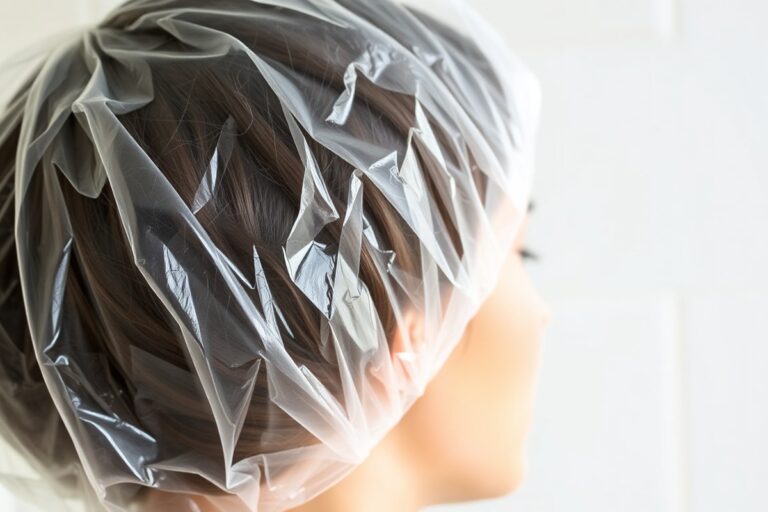
Cover your head with a shower cap and leave it on for one to two hours. Then, wash your hair with a mild shampoo and condition as usual.
Aloe vera gel is another great option. Mix a quarter cup of pure aloe vera gel with two tablespoons of olive oil.
Spread this blend through damp hair and let it sit for 30 to 60 minutes. Rinse with cool water and shampoo as normal to see smoother curls.
- Use a ripe banana mashed into a smooth paste for a nourishing mask.
- Apply banana mash on damp hair and cover with a warm towel for 45 minutes.
- Rinse thoroughly with lukewarm water to avoid residue.
- Apply treatments once a week for best results without over-moisturizing.
- Consistent use over several weeks helps loosen curls gently.
These natural remedies are safe for regular use but don’t expect overnight changes. It usually takes three to four treatments to notice softer, less defined curls. Overdoing these treatments can cause buildup or greasiness, so stick to weekly applications.
Avoid using hot water when rinsing, as it can dry your hair and make curls tighter. Always use gentle shampoos and conditioners after treatment. These home remedies cost very little.
They use ingredients you may have. Most are found in your kitchen.
5. Best Hair Care Practices After Perm Removal
Caring for your hair after a perm removal means focusing on moisture and protein. Your hair’s natural keratin protein breaks down during the perm process. To help it recover, do monthly protein treatments using masks made for keratin rebuilding.
Apply the mask on damp hair. Leave it in for 15 to 30 minutes. Then rinse it out.
Deep conditioning is also necessary, especially if your hair feels dry or straw-like. Use a rich deep conditioner containing moisturizing ingredients like shea butter or coconut oil. Use it once a week.
Cover your hair with a warm towel. This helps the conditioner soak in. This helps restore softness and reduces brittle strands.
Avoid heat styling tools like flat irons and curling wands during this time. Heated tools can worsen damage and cause breakage if your hair is already weak or stretchy. Avoid chemical treatments like dyeing or bleaching.
They stress your hair more. Let your hair rest while it rebuilds strength and health.
Every day, use gentle shampoos and conditioners formulated for damaged hair. Avoid shampoos with sulfates, which can strip moisture. Comb your hair softly when it’s wet, using a wide-tooth comb to prevent tears.
Try not to wash your hair too often. 2 to 3 times a week helps keep natural oils intact.
Over-conditioning without protein can leave hair gummy; balance moisture and protein carefully.
Your hair might feel gummy or elastic. This means it has too much moisture. It may also lack protein.
Stop deep conditioning temporarily and switch to a protein treatment instead. Then, alternate between the protein mask and moisturizing treatments to keep your hair balanced. This helps prevent brittleness and snapping.
Look for protein treatments that list keratin or hydrolyzed proteins near the top of the ingredients. These usually cost between $10 to $25 for a jar and last several months. Follow the instructions carefully since leaving protein in too long or too often can cause stiffness.
6. When Cutting Hair Is the Best Way to Remove a Perm
Cutting is the most straightforward way to fully remove a perm. You must cut all the permed hair off your head. Trim past the curled ends.
Leave only your natural, untreated hair. How long it takes depends on your hair length.
It also depends on how fast your hair grows. This can be several months or over a year.
Cutting hair is safer than chemical treatments. Chemicals can damage hair and scalp by being harsh. Chemical straightening can irritate your skin.
It may cause dryness. It can also lead to breakage if not done right.
Trimming is better if your hair is weak or chemically treated. It helps keep your hair healthy.
To decide if you should cut or chemically straighten, think about your timeline and hair condition. Cutting works best if you have patience and want to avoid more chemical damage.
Choose chemical treatment when you want quick results. Your hair should be healthy enough for the process.
Start trimming by sectioning your hair and cutting small amounts regularly. Use sharp, clean scissors and avoid ripping or pulling to prevent split ends.
It’s easier to trim a little every few weeks. Large cuts at once can look uneven and strange.
Cutting removes all curls without risking more damage, but it means losing length. Chemical straightening saves length but needs professional care and costs from $100 to $200 per session. Chemical methods also might require touch-ups every few months as your natural hair grows out.
Your hair growth speed and style goals matter here. Chemical straightening makes sense when you don’t want to lose much length. For stronger, healthier hair and no risk of chemical mishaps, plan a gradual cut over time.
7. Common Mistakes When Trying to Undo a Perm
One mistake is using heat tools right after removing a perm. Straighteners should be avoided immediately after perm removal. Hair needs time to recover first.
Your hair is already fragile from the chemicals. So high heat can cause more dryness and breakage. Always set your flat iron to a low temperature.
Use a heat protectant spray to shield your hair strands. This helps prevent extra damage from heat.
Another error is using harsh chemical treatments to reverse the perm without proper care. These chemicals further break down hair protein bonds, causing lasting damage.
Instead, focus on deep conditioning treatments with keratin amino acids, botanical oils, and vitamins. These ingredients help rebuild and soften your hair safely.
Skipping moisture restoration is a big no-no. Skipping deep conditioner after perm removal leaves hair brittle. Brittle hair is more likely to snap.
Always apply a deep conditioner after treatment. Use a rich conditioner or hot-oil treatment for 5 to 20 minutes. This helps bring moisture back to dry hair.
Moisturized hair feels softer and looks healthier. This helps prevent breakage and prepares hair for styling.
- Applying heat without protectant sprays
- Using strong chemicals too soon or often
- Neglecting deep conditioning and moisturizing
- Trying to fix damaged hair without trimming split ends
- Overusing flat irons or curling irons daily
- Waiting too long after perm before removal attempts
- Using random home remedies without professional advice
Too much heat or daily iron use dries out your hair and makes damage worse. Let your hair rest between styling.
Also, damaged hair from perms never fully recovers because the protein bonds changed permanently. That’s why you must be gentle and patient with your care routine.
Timing matters as well. The sooner you start perm removal, the better your results will be. Waiting several months means the perm sets deeper, making it harder to undo without harm.
Trim damaged ends to keep hair healthy. Avoid putting too many products or treatments on your hair at once. This prevents overloading your strands.
8. When to Consult a Hair Professional for Perm Removal
Only see a hair professional to remove a perm if home methods don’t work. Professionals can assess your hair’s condition and use safe, effective treatments. They know what to do to reduce damage and improve results.
When Home Remedies Fail
Try softening your perm at home first. Your hair feels brittle, breaks easily, or curls stay tight too long.
You need help soon. Also, avoid home fixes if the perm turned out uneven or very tight.
Check if you’ve used all safe home options without success. Persistent frizz, dry patches, or unwanted curl pattern could mean your hair needs professional care. Don’t try harsh chemicals yourself to fix big problems.
What Happens During a Salon Appointment
A stylist starts by inspecting your hair’s health and curl pattern. They may do a strand test to see how your hair reacts to treatments. Also, they discuss your goals and suggest the best course.
Here’s what a perm removal session usually involves:
- Apply a professional perm-neutralizing solution to break down curls.
- Let it sit according to your hair type, about 10 to 20 minutes.
- Rinse thoroughly with lukewarm water, avoiding hot water to prevent damage.
- Use a deep conditioning treatment to restore moisture and strength.
- Trim split ends and shape your hair to improve texture and appearance.
- Style your hair gently without heat for a few days after treatment.
Some stylists may offer bond-repair treatments after straightening. These help protect your hair from future damage.
Preparing for Your Professional Treatment
Before your appointment, ask the stylist specific questions. Ask how many sessions the removal will take and what products they will use. Also, find out the expected cost and time commitment.
Make sure you understand any risks. Ask if your hair can handle chemical treatments safely. Check whether you should avoid washing your hair or applying styling products before the visit.
Avoid chemical straightening or perm removal if your hair is very damaged. Also, wait if you recently colored it. Give it a few months to recover first.
Step-by-Step Action Plan to Soften or Remove Your Perm
Follow this plan to reduce perm effects safely at home. Track progress to see what works best for your hair type.
- Before you start: Use a moisturizing shampoo and conditioner daily to keep hair healthy. Check if your hair feels less dry and brittle.
- Day 1: Apply a deep conditioning mask focused on protein and moisture. Notice any softness or reduced curl tightness after rinsing.
- Week 1: Try a natural oil treatment, like coconut or olive oil, once a week overnight. Your curls should feel looser and more manageable.
- Week 2: Use a gentle clarifying shampoo once to remove buildup. See if your curls start relaxing or look less defined.
- After 2 weeks: Start stretching curls by wrapping damp hair with larger rollers or braiding gently. Look for looser curls the next day.
- Week 3: If perms persist, consider consulting a stylist for a keratin or smoothing treatment. Notice smoother, less wiry hair texture.
- When ready: Trim damaged ends to refresh hair and encourage healthy growth. Watch for increased shine and softness.
Frequently Asked Questions
Can I Use a Flat Iron to Straighten Permed Hair?
Yes, flat irons can temporarily straighten permed hair. Use heat protectant spray to minimize damage before styling your hair with a flat iron.
Will Clarifying Shampoo Help Fade My Perm Faster?
Clarifying shampoo can help remove product buildup and fade your perm. Use it occasionally to avoid drying out your hair too much.
Is It Safe to Bleach Permed Hair to Remove Curls?
Bleaching permed hair is risky and can cause severe damage and breakage. Consult a professional before any chemical treatments after a perm.
Can Deep Conditioning Treatments Loosen Perm Curls?
Deep conditioning won’t fully remove curls but can soften them. Use rich conditioners to improve moisture and reduce frizz after a perm.
Does Swimming in Chlorine Fade a Perm?
Chlorine can weaken perm curls and cause fading over time. Protect your hair with a swim cap or rinse immediately after swimming.
Are There Shampoos Made Specifically to Remove Perms?
No shampoos specifically remove perms completely, though some help curl relaxation. Look for smoothing shampoos but expect only mild loosening of curls.
Wrapping Up
Getting your perm to loosen or disappear takes patience and care. Start with good products and gentle treatments at home. If needed, book a professional consult to protect your hair’s health.