What’s a Good Flat Iron for Black Hair: Complete Guide with Top Picks & Safety Tips
What’s a good flat iron for black hair? You want one with ceramic or titanium plates. These materials handle heat well without hurting your hair’s natural texture.
Ceramic plates distribute heat evenly, reducing hot spots that cause breakage. Titanium heats up quickly and stays steady, great for thick, coarse hair types. Both types help maintain moisture and prevent frizz.
Look for adjustable temperature control up to about 410°F. That lets you choose the right heat level to protect your hair’s health. Lower heat works for fine textures, while higher heat tames tougher curls.
Start with smaller plate sizes, like 1-inch, for better control, especially on natural or curly hair. Always use a heat protectant before straightening to keep your hair safe and smooth. This routine reduces damage and keeps hair shiny.
Key Takeaways
- Ceramic plates offer even heat and help reduce frizz on black hair.
- Titanium plates maintain steady heat, making straightening faster and smoother.
- Adjustable temperature controls prevent overheating and damage, important for textured hair.
- A 1-inch plate width works best for maneuvering through tight curls and coils.
- Apply heat protectant products before using any flat iron.
- Flat irons that heat up to 410°F cover most black hair needs safely.
Best Flat Irons for Black Hair by Type and Features

Flat irons for black hair vary mainly by their plate material, heat range, and plate size. Titanium plates heat quickly and keep a steady temperature. They work well for thick, curly, or coarse textures, cutting styling time.
Ceramic plates heat evenly and help reduce frizz, making them gentle on natural, textured hair. Tourmaline ceramic plates combine these benefits with added moisture sealing to lock in shine.
For anyone with thick, coarse, or naturally curly black hair, wider plates help straighten hair faster. The Vanessa Pro Titanium Flat Iron offers 2-inch titanium plates and heats up to 450°F. It keeps heat steady and seals in moisture with argan oil technology.
For natural or wavy hair, use a 1-inch ceramic iron. The Remington Shine Therapy iron heats up to 450°F. It helps with precise styling.
| Feature | Best Choice | Runner Up | Best Price |
|---|---|---|---|
| Model | Vanessa Pro Titanium Flat Iron 2-inch | BaBylissPRO Nano Titanium 1-inch | Remington Shine Therapy 1-inch |
| Plate Material | Titanium with Argan Oil | Nano Titanium | Ceramic with Argan Oil & Keratin |
| Plate Size | 2 inches | 1 inch | 1 inch |
| Max Heat | 450°F | 450°F | 450°F |
| Hair Suitability | Black, Thick, Coarse | Thick, Textured | Various Textures, Thick |
| Special Features | Argan Oil Tech, 2-inch plates | Memory function, Fast heat | Keratin & Argan Oil infusion |
Tourmaline ceramic irons prevent frizz by producing negative ions. These negative ions help seal the hair cuticle and lock in moisture.
This feature suits textured and natural hair that tends to frizz or dry out after straightening. You can expect smoother hair and longer-lasting styles with these plates.
Adjustable heat settings let you match styling temperature to your hair type. Use lower heat settings, around 300°F to 350°F, for fine textured hair. For coarse or curly hair, set heat between 410°F and 450°F. Avoid going above 450°F to prevent heat damage.
Choose the right temperature for your hair. Most professional flat irons have digital controls or several heat levels for this reason.
How Plate Material Influences Black Hair Straightening
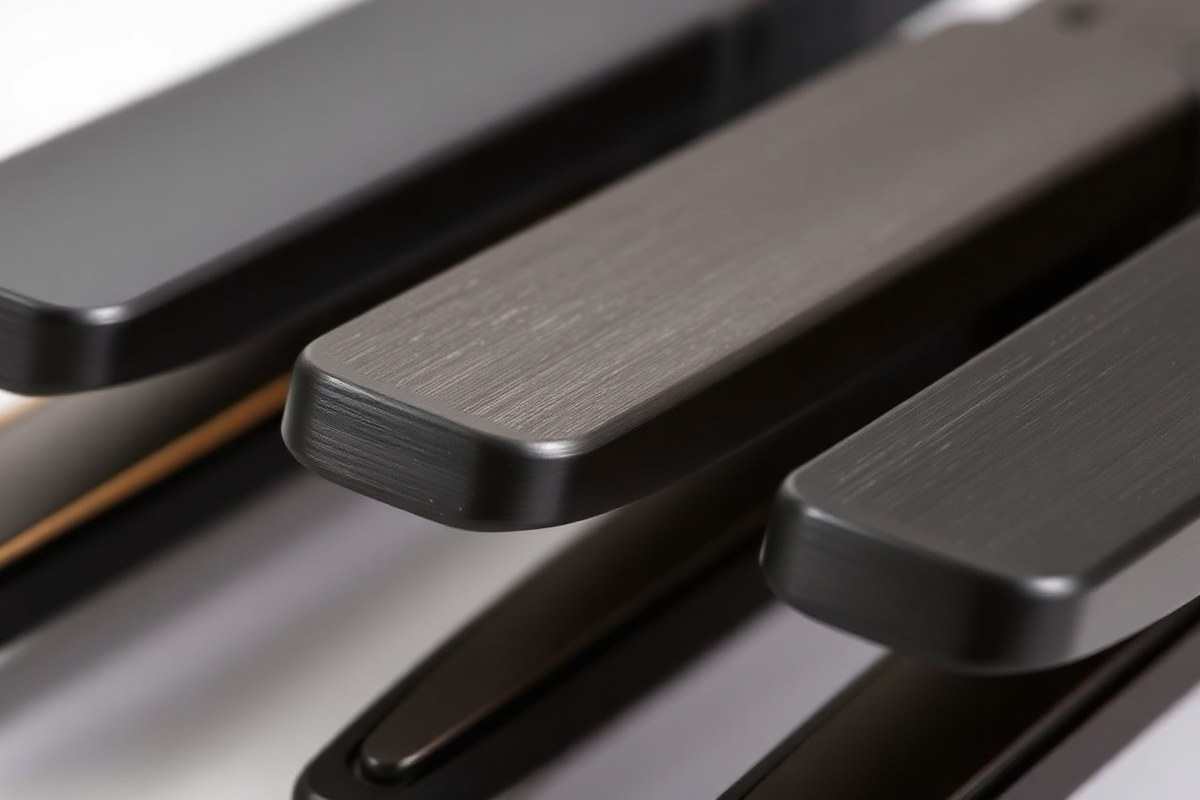
Ceramic plates are popular for black hair because they provide even heat distribution. This helps reduce hot spots that can damage hair strands. Ceramic also emits far-infrared heat, which keeps moisture locked in and cuts frizz.
Titanium plates heat up faster and hold temperature very well. They’re ideal for thick, coarse black hair because they straighten quickly with fewer passes.
Titanium’s smooth surface also reduces snagging but can deliver higher heat. So adjustable temperature is important.
Tourmaline coating is a bonus layer on ceramic plates. It creates negative ions that smooth cuticles and fight frizz.
This coating also helps even heat spread and reduces static. For natural, textured hair, ceramic with tourmaline gives a gentler, shinier finish than plain ceramic.
Choose ceramic if you have fine to medium black hair or want to protect fragile strands. They typically operate between 300 and 400°F, offering controlled heat that minimizes damage.
Titanium works well on coarse, thick hair needing high temperatures. It heats up to 450°F. This helps you straighten hair faster.
Flat irons with ceramic or tourmaline plates often cost less than pure titanium models. They range from about $20 for basic options to $100 or more for premium brands.
Titanium irons usually start around $50 and go above $150. Consider how often you’ll use it and your hair’s needs.
Avoid using titanium plates at maximum heat on fine black hair. It can cause breakage and burn.
Start with a medium heat around 350°F using ceramic plates. Raise the heat only if necessary. Increase slowly to avoid damage.
That helps prevent damage from too much heat. Gentle testing will show how your hair reacts before steady styling.
Choosing Flat Iron Plate Size for Different Black Hair Textures
Flat iron plate width depends on your hair length, thickness, and curl pattern. Narrow plates, under one inch, work best for short or thin black hair. They let you style edges and short cuts with precision, avoiding bulk or uneven heat distribution.
Wide plates, about 1.5 to 2 inches, suit thick, long, or densely curled hair. They cover more hair per pass, speeding up straightening without many heat passes. This reduces damage risk from overexposure.
Narrow plates give better control for detailed work or curls near the scalp. Wide plates won’t handle edges or short strands well. Thin or fine hair also benefits from less heat on small plates to prevent breakage.
Here’s a simple guide to help you pick plate size by hair type:
- Short hair under shoulder length: plates 0.3 to 1 inch wide
- Thin or fine hair: narrower plates (0.3 to 0.5 inch) for gentler styling
- Medium hair length with moderate thickness: 1 to 1.25 inch plates
- Thick, coarse, or long hair: 1.5 to 2 inch wide plates
- Precision styling like edges, curls, or pixie cuts: pencil-style flat irons (0.3 to 0.5 inch)
The Wavytalk 3/10″ Pencil Flat Iron is perfect for styling short hair and edges. The HOT TOOLS Pro Artist 1 1/4 inch flat iron quickly straightens thick hair with ease. Both tools work well for their specific hair types and thickness.
Choose the right width first, then set temperature to match your texture. Thin hair needs lower heat, 300°F to 350°F. Thick, 4c curls may require 400°F or higher.
Always move the iron steadily and don’t skip smaller sections when using wide plates. This prevents uneven straightening or missed spots.
Why Adjustable Temperature Control Matters for Black Hair
Adjustable temperature control is important for styling black hair safely. Natural black hair can handle higher heat because it’s thick and coarse. The right temperature is around 400°F to 450°F. Higher heat helps to straighten better.
Use higher heat settings if your hair is natural and strong. Always start with a low heat level. Test first to avoid hair damage.
Relaxed or color-treated black hair needs gentler heat, usually between 300°F and 375°F. High heat can strip moisture and cause breakage here. Your flat iron may be too hot or cold without temperature control.
This risks hair damage or longer styling time. Adjustable heat gives you better results.
Flat irons with fixed or very high heat are risky for black hair. They can cause heat damage, breakage, or dryness if the heat is too intense. Choose a flat iron with at least 12 temperature settings.
This lets you adjust heat for your hair’s condition. Fine-tuning helps protect your hair. Always apply heat protectant before straightening to shield your strands.
To set your flat iron right, use low heat for fine, relaxed, or color-treated hair. That means about 300°F to 350°F. Low heat protects fragile hair.
For natural or thick black hair, start at 375°F and adjust up to 450°F if necessary. Use the lowest heat that straightens your hair quickly to reduce exposure.
Using the right temperature saves time and prevents damage. When your hair feels dry or dull after styling, lower the heat.
Less heat reduces damage and improves hair condition over time. Good temperature control keeps your hair smooth and shiny, avoiding split ends and breakage long term.
Preparing Black Hair for Flat Ironing to Prevent Damage
Prepping black hair for flat ironing starts with clean, well-moisturized strands. Protect your hair with the right products and section it carefully for even heat. Taking these steps lowers the risk of heat damage and improves your styling results.
Cleanse and Condition Thoroughly
Start by washing your hair with a gentle shampoo made for textured hair. This removes buildup and dirt that could block moisture and heat protectants. Using lukewarm water helps keep your hair’s natural oils intact, which support softness and shine.
Follow with a deep conditioner or a hydrating rinse to restore moisture. Leave it in for 10 to 15 minutes. Rinse with cool water after.
This helps seal the hair cuticles. You can do this step once or twice weekly, depending on how dry your hair feels.
Apply Heat Protectant and Moisturizers
Apply a heat protectant designed for black hair to guard against damage. Products with silicone or natural oils like argan oil create a barrier against heat. Spread it evenly, focusing on the mid-lengths and ends where breakage often happens.
Afterward, use a leave-in conditioner or lightweight oil to lock in moisture. This step keeps hair soft and more manageable during ironing. Avoid heavy creams that can weigh hair down or cause buildup under the flat iron’s plates.
Section Hair for Efficient Styling
Dividing your hair into small, manageable sections ensures even heat distribution. Secure sections with clips or hair ties to keep them separate. Smaller sections mean less tugging and quicker straightening.
Use a wide-tooth comb or detangling brush before ironing each section. This removes knots that cause pulling and uneven heat application.
Run the flat iron close to the scalp. But not touching to avoid burns, moving steadily down to the ends.
Follow these steps for smooth styling without excess damage:
- Wash hair with a gentle shampoo for natural hair texture.
- Condition with a deep conditioner; rinse cool after 10-15 minutes.
- Towel dry hair gently, avoiding rough rubbing.
- Apply a heat protectant spray or serum throughout damp hair.
- Use a leave-in conditioner or lightweight oil to seal in moisture.
- Detangle hair fully using a wide-tooth comb or brush.
- Section hair into 1- to 2-inch parts, securing each with clips.
- Iron each section with a flat iron at recommended temperatures.
Never straighten hair that’s still wet; it risks serious heat damage.
How to Use a Flat Iron Safely on Black Hair
Heat damage is the biggest risk when you straighten textured or black hair. Use the lowest temperature that still straightens your hair well.
Start around 320°F and adjust only if needed. Most black hair textures do well between 330°F and 400°F. Going higher risks breakage and dryness.
Give your flat iron time to heat up fully before starting. Some models, like the Harry Josh Pro Tools, heat in about 25 seconds. This lets you get smooth, even strokes without pull or extra passes, cutting down damage.
Flat ironing works best if you keep the iron moving steadily. Slow passes can create hot spots and cause burning. One steady pass should work if your temperature is right.
Use the right section size for best results. That way, your hair straightens without damage.
- Always apply a heat protectant spray or serum before styling
- Use thin sections of hair, about 1/2 inch wide, for even heat
- One pass per section is better; avoid going over the same spot twice
- Keep the flat iron moving steadily, not too fast or too slow
- Let your hair rest 48 to 72 hours between heat styling sessions
- Wash your hair once or twice a week to avoid buildup and dryness
- Use a nourishing conditioner to keep hair moisturized and strong
How fast you move your flat iron really affects your results. Too fast and curls remain at the tips.
Too slow and you risk burning your hair. A steady, medium pace works best, especially for textured hair with irons like the HOT TOOLS Pro Artist Black Gold Ionic Flat Iron.
You want to avoid repeated passes over the same spot because it stresses the hair shaft. This can leave your hair looking dry, brittle, and frizzy. When a section won’t flatten, don’t go over it again.
Try lowering the temperature or use smaller sections. Both help smooth your hair without extra passes.
You should space out your straightening days. Heavy heat use every day breaks down hair proteins. Rest your strands two to three days between styles.
Washing your hair twice a week cleans your scalp gently. It keeps moisture in your hair where it belongs. This routine supports healthy texture even when you flat iron.
Versatile Styling with Flat Irons on Black Hair: Curling and Waves
You can definitely curl or wave your black hair with the right flat iron. Many flat irons have rounded or beveled edges. These edges help create curls, waves, or flips.
They work alongside straightening. Using the right heat setting and technique helps you get sleek or bouncy styles without damage.
Using Rounded Plates for Curling
Flat irons with curved or rounded edges let you twist your hair smoothly into curls. This shape stops the flat iron from creating sharp creases when curling. Models like the CHI Original Ceramic have rounded edges.
The Conair Double Ceramic does too. These irons are good for straightening and curling.
Floating plates also help by adjusting pressure evenly on your hair. This means less pulling or snagging, which black hair can be sensitive to. Rounded edges and floating plates make styling easier.
You can switch from sleek straight hair to curls easily. No need to change your tool.
Heat Settings for Safe Curling
Black hair needs careful heat control to avoid damage when curling with a flat iron. Aim for 300 to 365 degrees Fahrenheit depending on your hair texture.
Fine or fragile hair should stay closer to 300 degrees. Coarser textures may need 350 to 365 degrees for lasting curls.
Most quality flat irons let you adjust the temperature with digital controls. This helps you match heat to your hair’s thickness and condition. Always start with lower heat settings first.
Test a small hair section. Increase heat only if curls don’t hold well.
Step-by-Step Curling with a Flat Iron
Start with clean, dry hair completely detangled and protected with heat spray. Section your hair into parts first. Clamp the flat iron near the roots.
Then twist it 180 degrees away from your face. Slowly slide it down, holding the twist until you reach the ends for a smooth curl.
For loose waves, don’t do a full 180 twist. Gently sway the iron back and forth. Glide it slowly down the hair strand.
Small sections around 1 inch wide create tighter curls. Larger ones offer looser waves. Don’t hold the iron too long in one spot.
That can cause heat spots on your hair. It may also cause frizz.
Let your curls cool fully before touching them to lock the shape. Lightly finger-comb or use a wide-tooth comb to separate curls without breaking them. A finishing spray can add hold and shine, so curls last through the day.
Top Flat Iron Brands and Models for Black Hair in Different Budgets
Good flat irons for black hair fit your budget and have the right features. Affordable flat irons have ceramic plates and heat up fast. They work well for many hair types.
You get good value without extra features. Mid-range and premium models add stronger materials and temperature controls that help protect thick, curly hair.
Expensive doesn’t always mean better results on black hair. Many lower-priced irons can deliver smooth, shiny hair if they have tourmaline or ceramic plates. Premium irons usually last longer and have better features.
They often include steam or digital temperature displays. This helps if you straighten your hair often.
| Price Range | Popular Models | Key Features | Price | Brand Reputation |
|---|---|---|---|---|
| Budget ($20, $50) | Revlon Ceramic Coated 2″ Flat Iron | Fast heating, smooth results, ceramic plates | $25, $40 | Trusted, wide availability |
| Mid-range ($50, $100) | HSI Professional Glider Ceramic Tourmaline | Tourmaline plates, static reduction, adjustable heat | $80, $100 | Popular among textured hair users |
| Premium ($100+) | L’ANGE HAIR Le Ceramique 1-Pass Flat Iron | Strikes thick hair with one pass, ceramic | $150, $180 | High-end, praised for textured hair |
| Premium ($100+) | BaBylissPRO Nano Titanium Flat Iron | Nano titanium plates, durable, precise heat control | $120, $180 | Top pick for black hair styling |
Select a flat iron that heats evenly to avoid hot spots that burn your hair. Compact designs with swivel cords matter if you travel or style in tight spaces. Some models, like the Revlon Ceramic, are simple and quick.
They fit well if you want easy styling. These irons are user-friendly and practical.
Steaming irons, like the L’Oreal Professionnel Steampod, cost more but help maintain moisture during straightening. They can work well for those with drier or fragile textured hair. Use low heat settings first to avoid hair damage.
Adjust the temperature carefully each time you style. This helps get good straightening without frying your hair.
Test your flat iron’s heat on a small hair piece. This stops burns or hair damage before you start. It’s an easy safety step to protect your hair.
Common Flat Ironing Mistakes with Black Hair and How to Fix Them
Heat settings that are too high can quickly damage black hair. Your hair feels dry or brittle after straightening because you used too much heat. Try lowering the flat iron’s temperature to between 300°F and 350°F. Always start with the lowest setting that still straightens your hair.
Not using enough heat protection makes a big difference in how your hair reacts. Black hair is more fragile and prone to damage from heat.
A good heat protectant spray or serum will create a shield and reduce dryness and breakage. Apply it evenly to damp or dry hair before using the flat iron.
Straightening hair without proper technique often causes frizz and uneven texture. Moving the flat iron too slowly can stretch your hair strands. Clamping down too hard can burn them.
Both can damage your hair. Glide the iron gently in one smooth motion and avoid going over the same section repeatedly. This keeps hair smooth and prevents heat damage.
- Don’t use the highest temperature immediately; start low and test
- Always apply heat protectant before flat ironing
- Use a wet-to-dry flat iron for damp hair to avoid over-drying
- Section hair into small parts for even heat distribution
- Move the iron steadily without pressing too hard
- Let hair cool before touching it to lock in the style
- Use ceramic or stainless steel plates for smooth gliding
Dry or brittle hair after straightening signals over-processing or heat injury. To fix this, use deep conditioning treatments regularly and reduce how often you heat style.
Incorporate moisturizing products daily to keep strands hydrated. Black hair needs moisture to stay flexible and strong.
Frizz often happens when cuticles lift due to excess heat or improper drying. Use a flat iron with even heat spread. Choose one with ceramic or stainless steel plates.
These materials help protect your hair. These plates help prevent snagging and protect hair’s surface. Fully dry your hair before using regular irons.
Or select a wet-to-dry flat iron for damp hair. These models work safely on slightly wet hair.
Maintaining and Prolonging Your Flat Iron’s Performance
Clean your flat iron often to keep it working well. Store it properly to stay safe when using it. This helps it last longer and avoid damage.
Dirt buildup or rough storage can ruin the heat or the plates. Quick checks can spot issues before they get worse.
Regular Cleaning of Plates and Body
Clean the plates after every few uses. Residue from hair products or oils can build up and harm the plates’ surface. A dirty flat iron won’t heat evenly and might snag your hair.
To clean it, wait until the plates are cool but not cold. Use a soft cloth with water or rubbing alcohol to wipe the plates. Avoid harsh chemicals or rough scrubbing, which might damage the titanium or ceramic surface.
- Unplug the flat iron and let it cool for 2 to 5 minutes.
- Dampen a microfiber cloth with rubbing alcohol or water.
- Gently wipe the plates to remove residue and buildup.
- Use a cotton swab dipped in alcohol for tight areas near the edges.
- Dry the plates completely with a clean, dry cloth.
- Check plate surfaces for scratches or cracks before next use.
Safe Storage Practices
Store your flat iron somewhere dry and safe to avoid damage. Avoid wrapping the cord tightly around the iron because it can break the cord inside. Always let the iron cool fully before putting it away.
Using a heat-resistant mat or pouch protects your flat iron and surfaces. Keeping it in a dedicated place reduces accidents and stops dust from building up. For travel, pick a case with padding and space for the cord.
Basic Troubleshooting Tips
Uneven heating or malfunctioning can often be fixed without professional help. Check the cord for bends, frays, or loose plugs. A flat iron that won’t heat evenly may have dirty plates or internal damage.
Resetting your appliance by unplugging it for 10 minutes sometimes helps if it shuts off unexpectedly. The iron may need repair or replacement when temperature changes or fails. Check the heat if it won’t reach the set level.
These are signs of malfunction. Avoid using it with visible damage to keep your hair and skin safe.
Step-by-Step Action Plan for Using Your Flat Iron on Black Hair
Follow this plan to start straightening your hair safely and effectively. Check each step to see if your hair feels smooth and healthy.
- Before you start: Wash and condition your hair with a moisturizing shampoo and conditioner. Your hair should feel soft and detangled.
- Right before ironing: Apply a heat protectant spray evenly through damp hair. Your hair shouldn’t feel sticky or heavy.
- Day 1: Pick the right heat setting for your hair type. Use 300°F to 350°F for fine or damaged hair. This keeps your hair safe. Test a small strand to see if it straightens without damage.
- Day 2: Start flat ironing in small sections, no wider than 1 inch. Your hair should glide smoothly and look shiny, not dry or frizzy.
- Week 1: Use your flat iron 1 to 2 times a week to avoid heat stress. Your hair should stay straight longer without feeling brittle.
- After 2 weeks: Deep condition your hair once a week to maintain moisture. Notice if your hair feels stronger and less prone to breakage.
- Ongoing: Clean your flat iron plates monthly to keep heat consistent. Check if your hair straightens evenly without snagging.
Frequently Asked Questions
What Flat Iron Features Work Best for Black Hair Naturally?
Ceramic plates with adjustable heat up to 410°F help protect black hair. Always use a heat protectant to avoid damage.
Can Plate Width Affect Styling Efficiency on Black Hair?
Yes, a 1-inch plate width balances control with speed for textured hair. Wider plates suit longer, thicker hair for faster straightening.
Why Should Adjustable Temperature Control Be a Priority with Black Hair?
Different black hair textures need customized heat to prevent damage or breakage. You can safely style fragile hair at lower temperatures.
What’s the Ideal Preparation Before Flat Ironing Black Hair?
Clean, detangled, and heat-protected hair straightens more evenly. Moisturize to keep strands healthy during heat styling.
How to Use a Flat Iron Safely on Natural Black Hair?
Apply heat protectant and start at low heat. Move slowly and don’t leave the iron in one spot.
What Common Mistakes Harm Black Hair During Flat Ironing?
Using high heat without protection causes dryness or breakage. Flat ironing damp hair also risks damage.
Key Points to Remember
Choosing the right flat iron and using it carefully makes all the difference for black hair. Start with a good heat protectant and the right temperature. Try these steps today to keep your hair healthy and smooth longer.