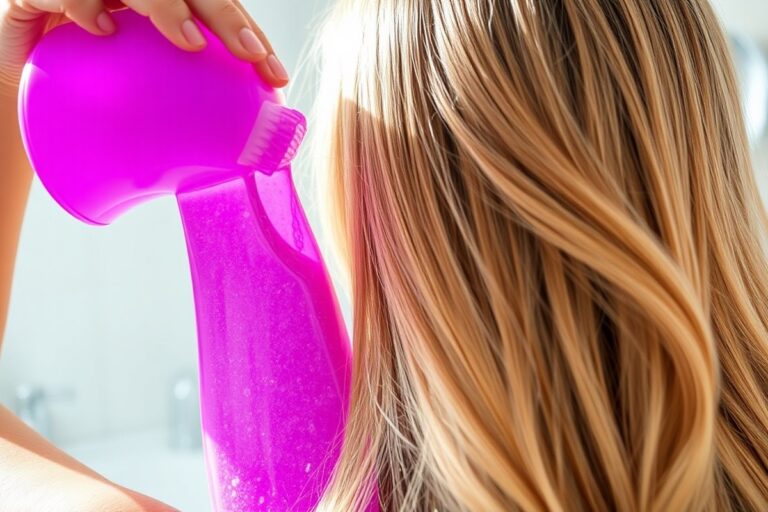
Can You Use Purple Shampoo on Brown Hair? What Actually Works
Can you use purple shampoo on brown hair? The short answer is yes. But only if your brown hair has some lightened parts.
Purple shampoo mainly targets yellow and gold tones. So pure dark brown hair will barely change.
You can use purple shampoo on highlights or lighter brown pieces to reduce brassiness by about 24%. You should pick a formula with low pigment strength, like 0.5% to 1.5%. So your hair doesn’t turn an odd shade of purple.
Leave the shampoo on your hair for 2 to 3 minutes at first. This helps you see how your hair reacts. You can adjust time later based on results.
Purple shampoo might leave a bluish tint on porous or damaged hair. Check your hair during use to avoid over-toning. Stop if you see too much color.
Key Takeaways
- Use purple shampoo only if your brown hair has lightened sections or highlights.
- Choose purple shampoos with 0.5% to 1.5% violet pigment for brown hair.
- Leave purple shampoo on for just 2 to 3 minutes to avoid purple stains.
- Wait 2 to 3 days after bleaching before trying purple shampoo on your hair. This gap helps your hair recover before using new products.
- Use blue shampoo if your brown hair is darker than level 7 to reduce brassiness.
- Avoid leaving purple shampoo on for over 20 minutes to prevent over-toning.
Can You Use Purple Shampoo on Brown Hair?

Purple shampoo can be used on brown hair. But it only works well if your hair has been lightened. Brown hair with highlights or balayage at level 8 or higher works best with purple shampoo.
It helps lifted sections look less yellow. Use it on these lighter areas only. These lighter strands often develop yellow or brassy tones, which purple shampoo neutralizes by about 24%.
Your natural dark brown hair without lightened parts won’t change much with purple shampoo. It mainly works on lightened tones. Violet pigment in purple shampoo targets yellow tones common in blonde hair.
It does not affect virgin dark brown hair much. Using purple shampoo on unlightened brown hair may leave an unwanted purple tint without reducing brassiness.
Purple shampoo tones down brassy yellows on lighter sections of brown hair. It doesn’t change the untouched dark parts. It doesn’t lighten the hair or alter the natural brown color.
Purple shampoo cools golden tones on mid-lengths and ends. That’s where brassiness usually shows up most.
To get the best results, concentrate purple shampoo on the lightened areas rather than the roots. Leave it on for around 3 to 5 minutes, then rinse.
Leaving purple shampoo on too long can cause a purple tint. This especially happens on darker strands that don’t need toning.
You should use purple shampoo if you have lightened brown hair or highlights. It helps keep brassiness away. It won’t lighten your hair or affect natural brown tones.
But it will brighten faded blonde sections. For all-dark, untouched brown hair, purple shampoo isn’t likely to make a noticeable difference.
How Purple Shampoo Neutralizes Brassiness on Brown Hair

Purple shampoo works by using violet pigments to cancel out yellow tones in your hair. Yellow and purple are opposite colors on the color wheel. Purple shampoo puts violet pigment on your hair.
This pigment fights yellow brassiness. It makes your brown hair look cooler and less warm.
This effect mainly targets yellow or golden brassy tones. Your brown hair may show yellowish hues. Purple shampoo helps reduce those yellow tones.
It works best on lighter brown shades or blonde highlights. Yellow undertones show more in these hair types. Violet pigment easily fights those yellow tones.
Purple shampoo doesn’t do much for orange or red tones. Your brown hair might have brassy orange tones. Blue shampoo suits those orange tones better.
This is because blue pigments neutralize orange, just like purple neutralizes yellow. For stubborn brassiness that purple or blue shampoos can’t fix, a professional toner is often necessary.
Using purple shampoo is simple. Apply it to wet hair, leave it on for 2 to 5 minutes, then rinse. Let the violet pigment tone the yellow just right.
Avoid leaving it on long to prevent purple stains. Using it once or twice a week usually keeps brassy tones at bay without over-toning.
Test purple shampoo first on a small hair strand to avoid unwanted purple tint. Don’t leave it on too long to prevent dull or grayish hair tones.
Choosing Between Purple and Blue Shampoo for Brunettes
Both purple and blue shampoos help reduce brassiness on brown hair. Purple shampoo suits cool, lighter brunettes with yellow tones. Blue shampoo works better on darker browns with orange or copper undertones.
When Purple Shampoo Works Best
Purple shampoo targets yellow brass in hair. It brightens cool-toned brunettes, especially if hair is lightened. People with subtle brassiness notice less effect, but it still helps maintain tone.
Use purple shampoo if your brown hair has lightened strands or soft yellowish brass. It prevents unwanted warmth and keeps your tone clean. For example, highlighted brunette hair benefits most from purple products.
When to Choose Blue Shampoo Instead
Darker brunettes with strong orange or copper undertones need blue shampoo. It corrects brassiness roughly 31% better than purple shampoo on these hair types. A deep brown, level 4 or darker, usually sees better results.
Blue shampoo also helps salt-and-pepper hair to look cooler without leaving a purple tint. Avoid purple shampoo if you want to dodge ashy or pearl tones. Blue shampoo tones more effectively for rich, warm brunettes.
Matching Shampoo to Hair Undertone
Matching shampoo color to your hair undertone gives the best results. Purple shampoo cancels yellowish brass in cool undertones. Blue shampoo fights orange and red tones in warmer undertones.
Here’s a simple guide to help you choose the right shampoo pigment for your brown hair:
| Hair Undertone | Hair Shade Example | Best Shampoo Color | Key Effect |
|---|---|---|---|
| Cool (yellow brass) | Lightened brown, level 6-7 | Purple shampoo | Brightens and neutralizes yellow tones |
| Warm (orange/copper) | Dark brown, level 4-5 | Blue shampoo | Better brass removal, cooler tone |
| Mixed or subtle brass | Medium brown, levels 5-6 | Either, based on dominant tone | Maintains color, reduces warmth |
| Salt-and-pepper hair | Natural gray blends | Blue shampoo | Neutralizes oxidation without purple cast |
Knowing your hair undertone helps you avoid unwanted shades. Use purple shampoo only if your hair has yellowish warmth. For richer, red tones, pick blue shampoo for better results.
How to Use Purple Shampoo on Brown Hair Safely and Effectively
You can use purple shampoo on brown hair by following careful timing and application steps. The right approach depends on your shade and hair condition. Doing this prevents unwanted purple tones and keeps your hair looking fresh.
Step 1: Prep Your Hair and Tools
Start with dry or damp hair that is detangled and free from heavy product buildup. Use a shower cap or towel to protect your shoulders from stains. Choose a purple shampoo designed for your hair type, preferably with 0.5 to 1.5% violet pigment for brunettes.
Get these ready before applying the shampoo:
- Wet your hair lightly with lukewarm water to open the cuticles.
- Squeeze out excess water so hair is damp, not dripping.
- Pour several capfuls of purple shampoo into your palm depending on hair length.
- Apply the shampoo evenly from roots to ends, focusing on brassy areas.
Step 2: Application Timing by Hair Shade
Your hair shade affects how long you should leave the purple shampoo on. Lighter brown shades need less time to avoid a purple tint. Darker brown hair, especially with highlights or balayage, can handle longer contact for brassiness reduction.
Use these timing guidelines:
- Light brown hair: leave shampoo on for 2 to 3 minutes.
- Medium brown hair: leave shampoo on for 3 to 5 minutes.
- Dark brown hair: leave shampoo on up to 10 minutes if you have lighter sections.
Step 3: Rinsing and Frequency Recommendations
Rinse your hair thoroughly with cool water until the water runs clear. Leaving any residue increases the chance of a temporary purple tint. Purple shampoo works best when used once or twice a week, depending on your brassiness level.
Follow these steps:
- Rinse your hair well to remove all shampoo particles.
- Apply a conditioner or hair mask afterward to maintain moisture.
- Use purple shampoo one to two times weekly for best results.
Step 4: Adjusting for Porous or Damaged Hair
Porous or damaged hair soaks up pigment faster, which might cause a purple hue. Cut down how long you leave purple shampoo in your hair. Pick ones with less pigment.
This helps avoid over-toning your brown hair. Keep your hair moisturized and avoid leaving shampoo on too long.
Here’s what to do:
- Test a small section of hair first to check for colour change.
- Limit purple shampoo application to 1 to 2 minutes on porous hair.
- Use a hydrating, low-pH purple shampoo formulated for damaged hair.
Recommended Purple Shampoo Pigment Strengths for Brown Hair
Purple shampoos vary in pigment strength, which matters a lot for brown hair. Dark brown hair often absorbs much of the purple pigments. So stronger tones or special formulas help fight brassiness.
Pick pigment strength based on how light or dark your brown hair is. Also, consider if you have highlights or any damage. These factors help you find the right shade.
Shampoos with higher violet pigment concentrations tone more intensely. Too strong a pigment can leave your hair looking dull or purple-tinged. Too weak, and it won’t reduce brassiness enough.
Aim for a balance that gently cuts yellow and orange tones. Avoid anything that stains or dries your brown hair. Use a mild product to keep your hair healthy.
| Hair Color / Condition | Purple Pigment Strength | Recommended Use |
|---|---|---|
| Dark Brown (natural, no highlights) | Low to Medium | Use once or twice a week for 1-3 minutes |
| Medium Brown (natural or lightened) | Medium | Use 2-3 times weekly for 2-4 minutes |
| Brown with Highlights or Balayage | Medium to High | Apply 2-3 times weekly, focus on highlighted areas |
| Light Brown or Damaged Hair | Low or diluted | Use sparingly, mix with regular shampoo or conditioner |
| Very Dark Brown (deep shades) | Low | Use occasionally, mostly for maintenance, 1-2 minutes |
Adding drops of violet pigment directly to your regular shampoo or conditioner can control toning strength. A little goes a long way and avoids staining.
This method also lets you adjust pigment based on your hair’s reaction. Start using it short time, like 1 minute, to see how your hair responds.
Use purple shampoo on brown hair only sometimes. Too much can leave a dull or purple tint. A little goes a long way to keep your color fresh.
Many purple shampoos are designed for lightened hair. But they can work on brunettes with highlights or damage too. Medium pigment strength fits most brown hair types.
Darker natural brunettes usually don’t need a high pigment concentration because their hair absorbs it quickly. Always test a small section first and adjust your timing to avoid uneven tone.
Avoiding and Fixing Purple Shampoo Over-Toning on Brown Hair
Yes, purple shampoo can tint brown hair purple or blue sometimes. This happens if you use too much or leave it on too long. Be careful with the timing and amount you apply.
Avoid this by applying it briefly and rinsing quickly. You can fix unwanted colors with a few simple steps. Try some basic tricks to remove the tint on your hair.
Common Signs of Over-Toning
You may see a purple or blue shade on your hair. This can appear if you leave purple shampoo on too long. Watch the time when applying the shampoo.
This happens when shampoo stays on hair over 5 minutes. It also occurs if you use it many times per week.
Limit how long and how often you use purple shampoo. The color looks unnatural, often like a cool shadow rather than soft brown tones.
Over-toning often shows up more on highlighted or lighter strands. Roots typically don’t pick up color.
So if purple tints appear only on mid-lengths and ends, that’s a clue you’re overdoing it. The unwanted shade can make your hair look dull instead of shiny.
Quick Fixes for Purple Tints
Rinsing purple shampoo off quickly helps prevent over-toning. But if you spot purple or blue hues, fix them soon.
Start by washing hair with a clarifying shampoo to strip excess pigment. Follow with a copper-toned conditioner, which counteracts cool tones.
- Use a clarifying shampoo once to remove buildup
- Give your hair a break from purple shampoo for at least two washes
- Apply a copper or warm-toned conditioner to neutralize blue or purple hues
- Repeat conditioner use for a few days if needed
- Avoid more purple shampoo until the color even outs
The tint is light, so these fixes take a few days. Be patient while the color fades naturally from your hair.
For stronger discoloration, multiple clarifying washes may be necessary. Stay gentle to protect hair health while removing pigment.
Preventative Tips for Next Use
Use purple shampoo only once a week to prevent over-toning on brown hair. Apply it on damp hair from mid-lengths to ends, skipping roots. Leave it on for 3 to 5 minutes before rinsing thoroughly.
Always follow the shampoo’s instructions. Some brands have stronger pigments and shorter recommended times. Test your hair’s response with a shorter time first, then adjust.
Keeping these habits saves you time and avoids unpleasant color shifts. Your brown hair stays rich and natural without unwanted bluish or purple shades.
Special Considerations for Brown Hair with Highlights or Balayage
Purple shampoo works best on the lightened parts of your brown hair, like highlights or balayage. These areas tend to develop yellow or brassy tones, which purple shampoo can neutralize. Focus on applying the shampoo carefully to these sections instead of your natural brown hair.
Start by wetting your hair completely. Then, take a small amount of purple shampoo and massage it into the highlighted pieces. Don’t rub the shampoo all over your hair.
Natural brown parts don’t need toner. They might get ashy or dull if you do.
Let the purple shampoo sit for about 3 to 5 minutes on the highlights. This time frame helps tone brassiness without over-processing. Rinse it out thoroughly to avoid any leftover purple pigment on your hair.
Your balayage or highlights are very light. Purple shampoo helps most with blonde or platinum tones. It keeps those strands looking fresh, cool-toned, and bright.
Dark brown or medium brown areas won’t benefit much. So keep the shampoo on highlights only.
You might notice some purple shampoo touches your brown hair during the wash. That’s okay, but keep it minimal. Too much product on the darker parts can cause an unwanted grayish tinge.
Using purple shampoo regularly, roughly once a week, maintains your highlights between salon visits. New or very lightened highlights can handle purple shampoo twice a week. Watch your hair color and adjust if it looks too cool or faded.
Purple shampoo costs about $10 to $20 per bottle. A small amount goes a long way per wash.
Using the product correctly on your highlights saves money. It cuts down salon trips for toning your hair.
When to Consult a Professional About Using Purple Shampoo
You should talk to a hair pro before using purple shampoo. This is especially true if your brown hair is very dark. Strong orange undertones need professional advice.
In this case, blue shampoo often works better to neutralize warmth. A stylist can recommend the right product based on your hair’s tones.
Always consult a professional if your scalp feels sensitive or painful. Purple shampoo contains pigments that might irritate damaged skin. A professional can suggest milder cleansing options to avoid harm.
Don’t use purple shampoo alone if your hair is thinning or breaking. Extreme dryness also means you need to avoid it.
Health concerns like this call for care. A colorist or trichologist can guide you on treatment and safe color correction methods.
- Brown hair with heavy orange hues needing color correction
- Scalp sensitivity, irritation, or open wounds
- Hair with significant damage or chemical treatments
- Brown hair with complex coloring like highlights or balayage
- Uncertainty on how long to leave purple shampoo on
- Wanting to avoid over-toning or uneven color
- First-time users unfamiliar with purple shampoo effects
Getting a professional consultation usually costs $40 to $100 for a session in salons. They will assess your hair tone, texture, and scalp health.
Then, they advise on the best product and how long to leave it on your hair. A good result means your hair looks cooler and evenly toned without dryness or irritation.
Rinse purple shampoo out thoroughly, especially if you have sensitive skin. Leaving it on too long can cause itching or patches of purple tint.
People often leave purple shampoo on too long or use it too much. This can dry your hair out. It can also change your hair color in unwanted ways.
Hair pros prevent these problems by timing purple shampoo right. Usually, they leave it on for 3 to 5 minutes.
They know how to get good results safely. They can also recommend using supportive conditioners to restore moisture after each wash.
Step-by-Step Action Plan for Using Purple Shampoo on Brown Hair
Follow these steps to use purple shampoo on your brown hair without problems. Watch for changes in tone to know it’s working.
- Before you start: Check if your brown hair has warm or brassy tones. This helps decide if purple shampoo suits you.
- Week 1: Use purple shampoo once a week. Apply for 3-5 minutes, then rinse. Your hair should look less orange or yellow.
- After week 2: Evaluate your hair color. If brassiness remains, add a second session per week but keep it brief (2-3 minutes).
- Week 3: Adjust usage based on results. Use the shampoo less often if your hair feels dry or slightly purple.
- Daily care: Pair purple shampoo with a nourishing conditioner. This prevents dryness and maintains shine.
- After 4 weeks: Decide if you need to switch to blue shampoo for cooler tones. Blue shampoo handles orange brass better than purple.
- Monthly check: If you have highlights or balayage, watch those areas closely. They may tone faster and need less shampoo time.
- Consult a pro: If brassiness or purple staining lasts beyond a few uses, visit a hairstylist. They can suggest safe fixes or treatments.
Frequently Asked Questions
Can You Use Purple Shampoo on Dark Brown Hair Without Highlights?
Purple shampoo has little effect on dark brown hair without highlights. It mainly targets lighter tones and brassiness, which dark brown hair lacks.
Does Purple Shampoo Lighten Brown Hair over Time?
Purple shampoo does not lighten hair. It only neutralizes unwanted yellow tones. It can’t change your hair color.
How Often Should I Use Purple Shampoo on Brown Hair with Highlights?
Use purple shampoo once a week to avoid over-toning. Frequent use can turn highlights purple or gray.
Will Purple Shampoo Damage My Brown Hair?
Purple shampoo is gentle and won’t damage brown hair. Overuse might dry hair, so follow with conditioner every wash.
Does Purple Shampoo Work on Brassy Brown Hair Without Bleaching?
It has minimal effect unless your brown hair is lightened or has highlights. It targets yellow tones in lighter areas only.
Can I Mix Purple Shampoo with My Regular Shampoo?
Mixing is not recommended as it dilutes the pigment. Use purple shampoo separately to get full brassiness neutralizing effects.
Final Thoughts
Purple shampoo can work well on brown hair if you use it right. Always start slow to see how your hair reacts. Try it this week and watch your brown tones improve.