Does Dry Shampoo Damage Your Hair? What Actually Happens and How to Protect It
Does dry shampoo damage your hair? The short answer is that it can. But only if you use it too often or apply it wrong.
Using dry shampoo occasionally usually won’t harm your hair or scalp. It’s designed to soak up oil and refresh your look quickly without water.
The trouble starts when dry shampoo builds up on your scalp and hair. It can block pores, attract dirt, and make hair dry or brittle after a while.
To avoid damage, use dry shampoo no more than two days straight. Try to limit use to just a couple of times a week.
Hold the spray about six inches from your hair. Aim for the roots, not directly on your scalp. That spreads it evenly and helps prevent irritation.
Wash your hair with a gentle shampoo regularly to remove buildup. Don’t rely on dry shampoo all the time.
Key Takeaways
- Use dry shampoo no more than two consecutive days to protect scalp health.
- Limit dry shampoo use to one or two times each week to avoid buildup.
- Spray dry shampoo about six inches from roots, not directly on the scalp.
- Wash hair regularly with a gentle shampoo to remove product residue and oil.
- Avoid heavy or multiple sprays that can cause dryness and brittleness.
- Consider a scalp scrub every 10 to 15 days to clear sebum and buildup.
Does Dry Shampoo Damage Hair or Scalp? The Real Effects Explained

Dry shampoo itself does not directly break or damage hair strands. It mainly absorbs oil and sweat on your scalp, helping your hair look cleaner without water. Using dry shampoo too often can dry out your hair strands.
This dryness makes your hair brittle. Brittle hair breaks more easily.
Hair loss isn’t directly caused by dry shampoo either. But overuse can hurt your scalp health. You shouldn’t leave dry shampoo in without washing it out.
It can build up on your scalp. This buildup may clog hair follicles. This buildup can lead to mild inflammation, weakening hair roots and causing some shedding over time.
Scalp problems from dry shampoo usually happen when it’s overused or left unwashed. You might notice dryness, itchiness, or irritation.
Chronic inflammation from residue and scalp buildup can slow hair growth and even cause follicle damage. That environment isn’t great for healthy hair.
Damage from dry shampoo usually isn’t permanent. It can become worse without proper scalp care. Long-term neglect may cause lasting problems.
Most effects are reversible when you cleanse your scalp regularly to remove buildup. Using water and gentle shampoo removes leftover dry shampoo and refreshes your scalp.
To protect your hair and scalp, use dry shampoo sparingly. Dermatologists suggest limiting use to no more than two days in a row.
Ideally one or two times a week. This helps avoid residue that can irritate your scalp or weaken hair roots over time.
How Dry Shampoo Works on Hair and Scalp
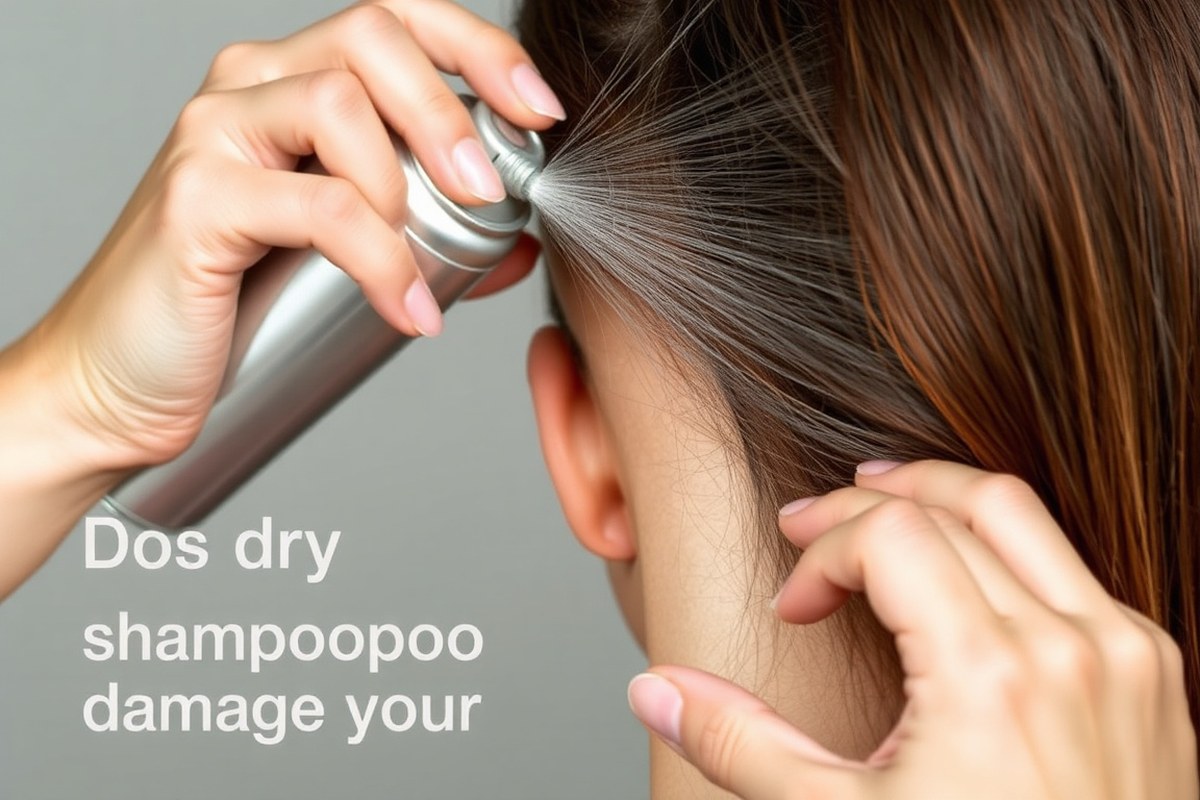
Dry shampoo works by using tiny particles that soak up oil on your scalp and hair. Common ingredients include starches like rice or corn starch. Clays are also used.
They trap excess oil on your scalp. These powders cling to oily areas and make hair look less greasy without using water.
Dry shampoo freshens hair fast but doesn’t remove dirt or dead skin. It also doesn’t clean microbes like regular shampoo.
Water combined with shampoo cleanses by washing away oil and buildup from your scalp and hair. Dry shampoo only absorbs oil temporarily but leaves that oil sitting on your scalp.
The effect usually lasts until your next wash, often about one to two days. Using dry shampoo again before washing adds residue to your scalp.
This buildup can cause itching or irritation. This buildup can make your scalp feel uncomfortable and may even trigger dandruff over time.
Apply dry shampoo only on oily spots near roots. Avoid spraying all over your whole head. Hold the spray 6 to 8 inches away from your scalp.
Spray a light mist, not a heavy dose. Let the powder sit a few minutes to absorb oil. Then brush it out to spread and remove extra product.
Leaving dry shampoo in your hair for days can cause product buildup. So always follow with regular washing.
Safe Limits: How Often Can You Use Dry Shampoo Without Damage?
Using dry shampoo once or twice a week is generally safe. Dermatologists find this frequency unlikely to weaken hair fibers or harm roots. It’s perfect for those wanting to skip a wash day without risking damage.
Daily dry shampoo use can cause problems like product buildup on the scalp and hair. This buildup can block hair follicles, trap dirt, and cause itchiness or flaking. Over time, it might weaken hair and affect its natural shine and texture.
It’s best to space out dry shampoo use with regular washing. Wait at least one or two days before using dry shampoo again. Then, wash your hair with regular shampoo.
This helps keep your scalp clean and healthy. Using a gentle liquid shampoo helps remove residue and refresh your scalp properly.
- Use dry shampoo no more than twice a week.
- Wash your hair with liquid shampoo every 2 to 3 days.
- Keep at least one day gap between dry shampoo and wet wash.
- Every 10 to 15 days, use a scalp scrub to clear buildup.
- Avoid layering dry shampoo multiple days in a row.
This routine allows your scalp to reset and keeps hair healthy. People with fine or frizzy hair can cut down on washing.
Dry shampoo helps keep hair looking fresh longer. Pair it with pre-wash care like hair oiling for the best scalp health.
Leaving dry shampoo in overnight occasionally is safe. The powder just sits on your hair without causing much harm. Washing your hair well is important no matter what.
Dry shampoo can leave residue that dulls your hair. Regular cleaning stops buildup and keeps hair bright.
Key Ingredients in Dry Shampoo and Their Impact on Hair Health
Common dry shampoo ingredients vary greatly in their effects on hair and scalp health. Cornstarch and rice starch absorb oil effectively and are generally safe to use in small amounts. However, inhaling these powders can irritate lungs, especially if you have asthma or other breathing issues.
Alcohols in dry shampoos, like ethanol or isopropyl alcohol, quickly dry the scalp and hair. Using dry shampoo often without washing your hair fully causes dryness. It can also lead to brittleness.
This happens because oils and dirt build up over time. Silicones coat each hair strand and trap dirt and oil.
This buildup may clog your scalp. It might make your hair feel heavy or greasy.
Talc, used as an absorbent powder in some brands, poses risks if inhaled. It can cause lung irritation and long-term respiratory issues. Some aerosol dry shampoos had benzene contamination linked to propellants.
The dry shampoo powders themselves did not contain benzene. Propellants in sprays caused the problem. This led to recalls in 2022.
Many people make natural dry shampoo at home with cornstarch. They add cocoa or cinnamon for darker colors. This mix can help absorb oils naturally.
These can be safer alternatives if used correctly and in moderation. Avoid using baby powder or pure talc powders at home.
They pose a higher risk if you breathe them in. These powders may also irritate sensitive skin.
| Ingredient | Purpose | Hair/Scalp Impact | Safety Notes |
|---|---|---|---|
| Cornstarch/Rice starch | Oil absorption | Generally safe, may cause buildup | Inhalation risks; use sparingly |
| Alcohols (ethanol, isopropyl) | Quick drying | Can dry out hair and scalp with overuse | Avoid frequent use to prevent brittleness |
| Silicones | Add smoothness, coat hair | May cause buildup and clogged follicles | Remove regularly with shampoo |
| Talc | Absorbent powder | Risk of lung irritation if inhaled | Avoid inhalation; not safe for homemade use |
| Benzene (contamination) | Propellant contaminant | Cancer risk; led to product recalls in 2022 | Check recall notices; avoid affected sprays |
| Natural mixes (cornstarch + cocoa/cinnamon) | Oil absorption and color matching | Generally safe with moderate use | Use sparingly, avoid inhaling powders |
Apply dry shampoo only on your hair roots to avoid buildup. Wait 15 minutes, then brush it out well. This keeps your hair looking fresh and clean.
Washing your hair regularly stops powder and silicone buildup from clogging pores. Homemade dry shampoos can work well but keep the powders away from your nose and eyes.
Watch for itching, hair dullness, or flakes, which may signal irritation from ingredients. Notice irritation or buildup from dry shampoo? Reduce how often you use it.
Try one with fewer irritants instead. Using dry shampoo moderately with good hair hygiene usually keeps scalp healthy and hair looking fresh.
Proper Application and Removal of Dry Shampoo to Prevent Damage
Apply dry shampoo only to greasy areas, focusing on your scalp. Spray from a proper distance, then gently work it in. Wash your hair regularly to remove buildup and keep scalp clean.
Correct Spray Distance and Technique
Hold the dry shampoo can about 8 inches (20 cm) from your scalp. Spray in short bursts section by section rather than all at once. This prevents overloading one area with too much product and white residue.
Target only oily sections where your hair feels greasy. Avoid spraying on dry, clean roots. Shaking the can well before use helps distribute the product evenly inside.
Massaging and Brushing for Even Distribution
After spraying, use your fingertips to gently massage the dry shampoo into your scalp. This helps the powder bind to surface oil more effectively. Massage for about 30 seconds to loosen excess sebum evenly.
Next, use a brush with natural bristles to comb through your hair. This spreads the product throughout strands and helps remove leftover flakes. Brushing also separates hair to avoid a powdery look.
Best Methods to Remove Buildup
Rinse your hair every week with a clarifying shampoo. This removes dry shampoo residue. It also clears other product buildup.
This deep clean keeps your scalp healthy and avoids itching or flaking. Using a gentle scalp scrub occasionally helps lift dead skin and oil.
Regularly brush with a boar bristle brush to remove loose powder between washes. Wash your scalp well whenever you shampoo your hair.
This prevents buildup that clogs pores. It also keeps hair from getting weighed down.
Follow these steps for proper dry shampoo use and cleanup:
- Shake the can well before use to mix ingredients.
- Spray dry shampoo from 8 inches away onto greasy sections.
- Wait 1, 2 minutes to let it absorb oil on your scalp.
- Massage gently with fingertips to blend the powder in.
- Brush hair with a natural bristle brush for even distribution.
- Use a clarifying shampoo weekly to wash out buildup.
- Apply a scalp scrub monthly to remove dead skin and oil.
- Keep brushing between washes to remove excess residues.
Never spray too close to your scalp; white flakes and buildup follow.
Common Mistakes That Cause Dry Shampoo Damage and How to Fix Them
Clogged follicles often happen when too much dry shampoo stays on your scalp. This buildup blocks hair follicles, causing itchiness and sometimes slowing hair growth. Clean your scalp at least once a week with a gentle shampoo.
This helps clear leftover residue. Avoid buildup to keep your scalp healthy.
Brushing your hair too much after applying dry shampoo causes breakage. The powder can make hair stiff and fragile.
So pulling or harsh brushing breaks strands easily. Use a wide-tooth comb instead and gently detangle your hair to reduce stress on it.
Leaving dry shampoo on your hair too long harms your scalp by trapping dirt and oil. The scalp struggles to breathe, which can cause irritation or dandruff. Spray it on, wait about 5 minutes for absorption, then brush out the excess well.
Healing a dry shampoo, damaged scalp needs soothing and cleansing. Try a calming scalp treatment with ingredients like aloe or tea tree oil. Use sulfate-free shampoos to protect natural oils in your hair.
Wash every two to three days. Adjust based on how oily your scalp feels.
- Don’t spray dry shampoo too close; hold it 6 to 8 inches away
- Limit dry shampoo to no more than two uses a week
- Brush gently with a wide-tooth comb, not a stiff brush
- Wash hair fully at least once a week to clear buildup
- Switch brands if irritation or buildup occurs to test for sensitivity
- Pause dry shampoo use when your scalp feels itchy or dry. Treat your scalp first. This helps prevent irritation.
Switching dry shampoo brands often helps reduce scalp problems. Different formulas may use less alcohol or gentler powders, easing irritation. Try a few dry shampoo options one at a time.
This shows which one suits your scalp best. Avoid mixing many products at once.
Tracking how often you use dry shampoo helps prevent damage. Decide your weekly limit, like two times maximum, and stick to it. This way, you keep your hair fresh without sacrificing scalp health or risking breakage.
When to Stop Using Dry Shampoo and See a Healthcare Professional
Stop using dry shampoo if you notice unusual scalp or hair problems. Some issues need a dermatologist to check for infections or serious hair loss. Early care helps avoid lasting damage and keeps your hair healthy.
Signs of Scalp Inflammation to Watch For
Redness or swelling on your scalp shows inflammation. Patches that itch or burn may be infected or irritated from dry shampoo buildup. White flakes alone aren’t always serious, but thick scales or oozing fluid need attention.
Look for these symptoms that suggest scalp trouble:
- Continuous redness or soreness
- Swelling or raised bumps
- Itching that won’t go away
- Oozing pus or fluid
- Hair pain when touched
- Thick crusts or scaly patches
Dry shampoo can make these worse if used too often. It traps oil and dirt, which sometimes causes infections or worsens dandruff conditions.
Differentiating Hair Breakage from Hair Loss
Hair breakage looks like short, broken strands near the scalp. Hair loss means full hairs come out from the root and leave bald spots. A dermatologist can tell the difference by examining your scalp closely.
True hair loss that needs medical care may include:
- Larger amounts of hair in your brush or pillow
- Visible thinning or balding spots
- Sudden, widespread shedding
- Itchy, inflamed scalp with shedding
Pattern hair loss often requires medical treatment. Breakage might improve with better hair care. But too much dry shampoo can cause or worsen both problems.
Preparing Questions and Information for Your Doctor
Write down all symptoms and how long you’ve used dry shampoo. Include other hair or scalp care products you use. This helps the doctor understand what might be causing your problems.
Bring this checklist when you visit a dermatologist:
- How often you use dry shampoo and what brand
- Any scalp symptoms like itching, redness, or pain
- Recent changes in hair shedding or breakage
- Other hair or scalp products you apply regularly
- Your hair washing and styling routine
- Any family history of hair loss
The visit usually takes 15 to 30 minutes. The doctor may examine your scalp with special tools or suggest scalp biopsies if needed. Treatment plans vary based on the diagnosis but can improve scalp health and stop hair loss.
Healthier Alternatives and Complementary Practices to Protect Hair and Scalp
You can use natural powders or homemade mixes as dry shampoo substitutes. These absorb oil without harsh chemicals. Adding scalp care habits helps keep your hair fresh and reduces oil buildup.
Popular Natural Powders for Dry Shampoo
Rice starch, arrowroot powder, and cornstarch work well as natural dry shampoos. They soak up oil and freshen hair without harsh effects. Pick one that matches your hair color to avoid visible residue.
Rice starch costs about $5 per pound and usually comes in health stores. Arrowroot is slightly pricier but offers a fine texture good for fine hair. These options avoid chemical build-up and allow your scalp to breathe better over time.
Scalp Scrubs and Brushes Explained
Scalp scrubs remove dead skin and excess oil, preventing clogged pores. They also reduce inflammation caused by oily build-up that can slow hair growth. Use a gentle scrub once a week to keep your scalp healthy.
Boar bristle brushes distribute your natural oils along hair strands, reducing oily roots. Brushing daily for a few minutes can improve scalp circulation and break up oil clumps. Avoid harsh brushing that can damage hair or irritate your scalp.
Choose soft, natural bristles and avoid aggressive pressure to protect your scalp.
DIY Dry Shampoo Recipes and Tips
Mix two tablespoons of cornstarch with one tablespoon of cocoa powder for dark hair dry shampoo. For light hair, you can use cornstarch alone.
Add a pinch of cinnamon for a warm tone. Apply the powder lightly with a makeup brush to avoid clumps.
Let it sit for five minutes. Then shake out the excess with your fingers or a soft brush.
Avoid applying too much at once; start small and add more only if needed. Homemade dry shampoos dry quickly and clean easily, but watch for visible buildup.
Step-by-Step Action Plan for Safe Dry Shampoo Use
Follow these steps to use dry shampoo without harming your hair or scalp. This plan helps keep your hair clean and healthy.
- Before you start: Choose a dry shampoo with gentle, natural ingredients. Check the label to avoid harsh alcohol or heavy powders.
- Day 1: Apply dry shampoo only on dry roots. Wait 5 minutes, then brush thoroughly. Your hair should feel refreshed, not sticky.
- Week 1: Limit use to 2 times a week. Track how your scalp feels. Reduce how often you use dry shampoo when your scalp feels itchy or dry.
- After 2 weeks: Add a gentle scalp massage once a week. Use natural oils like jojoba to soothe and balance scalp oils.
- Week 3: Wash your hair with mild shampoo every 3 days. This helps clear buildup on your scalp. Healthy scalp means better hair growth.
- Ongoing: Always remove dry shampoo residue by brushing and washing regularly. Check for dullness or build-up as signs to clean more often.
- Stop using dry shampoo if your scalp gets irritated. Use a scalp treatment for redness or flaking. See a professional if it lasts over a week.
Frequently Asked Questions
Is It Unhealthy to Use Dry Shampoo?
Dry shampoo is safe when used correctly but overuse can harm your scalp. Using it too often can cause dryness and clogged follicles.
This may irritate your scalp. It can also affect hair growth and scalp health.
Is It Better to Use Dry Shampoo or Wash Your Hair?
Washing your hair is better for scalp health than relying only on dry shampoo. Dry shampoo doesn’t clean your scalp; it just absorbs oil between washes. Use dry shampoo to delay washing but wash regularly to avoid buildup.
How Often Should I Use Dry Shampoo?
Use dry shampoo no more than 2 days straight. Try to limit it to 1 or 2 times a week.
This helps protect your scalp and hair. This reduces the risk of scalp dryness and buildup that can lead to breakage and irritation.
What Is a Healthier Alternative to Dry Shampoo?
A healthier option is to rinse your hair with water or use a gentle scalp scrub. These methods clean without buildup and help maintain natural oil balance better than dry shampoo.
Can Dry Shampoo Cause Hair Thinning over Time?
Yes, overusing dry shampoo can clog follicles and irritate your scalp, leading to thinning hair. Make sure to wash your hair regularly to keep follicles clear and scalp healthy.
Does Using Dry Shampoo Affect Hair Styling Options?
Dry shampoo can add grip and volume, making styling easier in tricky hair. Using dry shampoo a lot can lead to buildup.
This buildup makes hair harder to manage over time. It reduces hair’s natural shine and softness.
Wrapping Up
Dry shampoo can harm your hair if you use it too often or apply it wrong. Choose good products and wash your hair regularly to avoid damage. Start paying attention to your scalp’s health today to keep your hair looking great.